
Loading Events

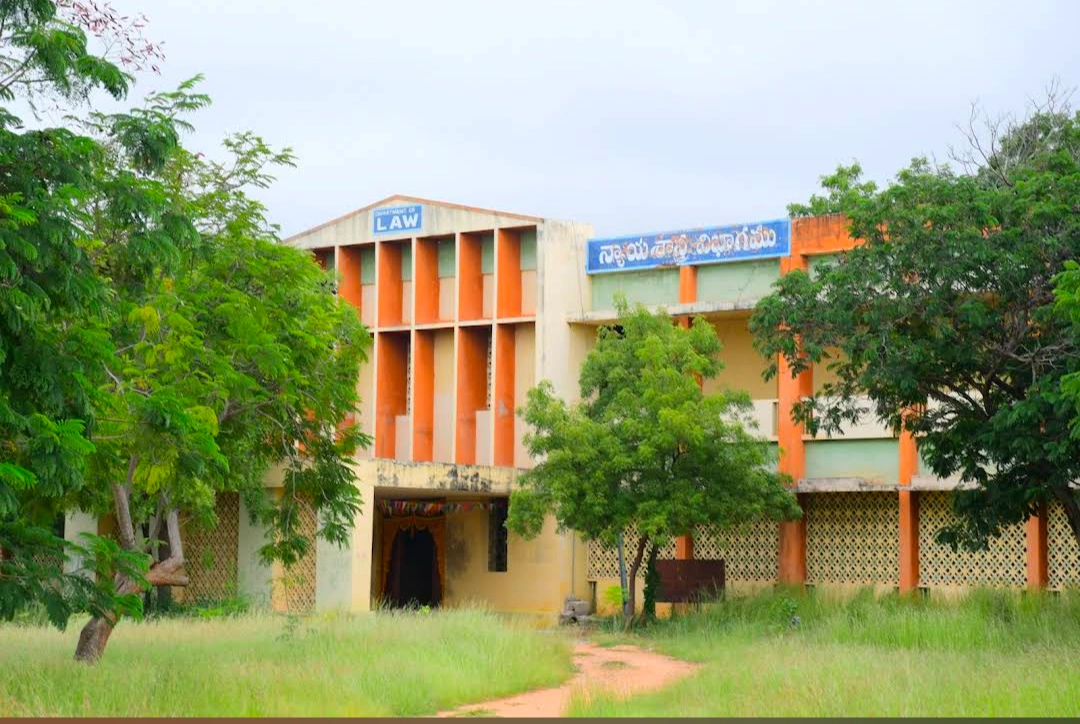
Bird Walk at Sri Krishna devarayalu university, Anantapuram, Andhra Pradesh

About Sri Krishna Devarayalu University

Sri Krishna Devarayalu University in Anantapuram, Andhra Pradesh, is a sprawling campus known for its blend of academic excellence and natural beauty. The university campus is characterized by open scrublands, scattered trees, and patches of semi-arid vegetation typical of the Rayalaseema region. The dry deciduous landscape supports a mix of native flora such as neem, tamarind, and acacia, which in turn provide food and shelter for various bird species. The university grounds serve as a mini-ecosystem, offering habitats for small mammals, reptiles, and insects, contributing to the campus’s ecological balance and biodiversity value.
The avifaunal diversity of the campus is quite rich, with frequent sightings of Indian Peafowl, Red-wattled Lapwing, White-throated Kingfisher, Black Drongo, House Sparrow, and Ashy Prinia. The mix of open grounds, tree groves, and nearby water bodies attracts both resident and migratory species, making it a valuable site for casual birdwatching and ecological studies. However, like many urban campuses, Sri Krishna Devarayalu University faces threats such as habitat loss due to infrastructural expansion, waste accumulation, and disturbance from human activity. Conservation efforts, including planting native trees, creating small bird-friendly zones, and awareness programs among students, can help preserve the natural heritage of the campus while fostering an environmentally conscious academic environment.

Partnered with

Bird walk Location

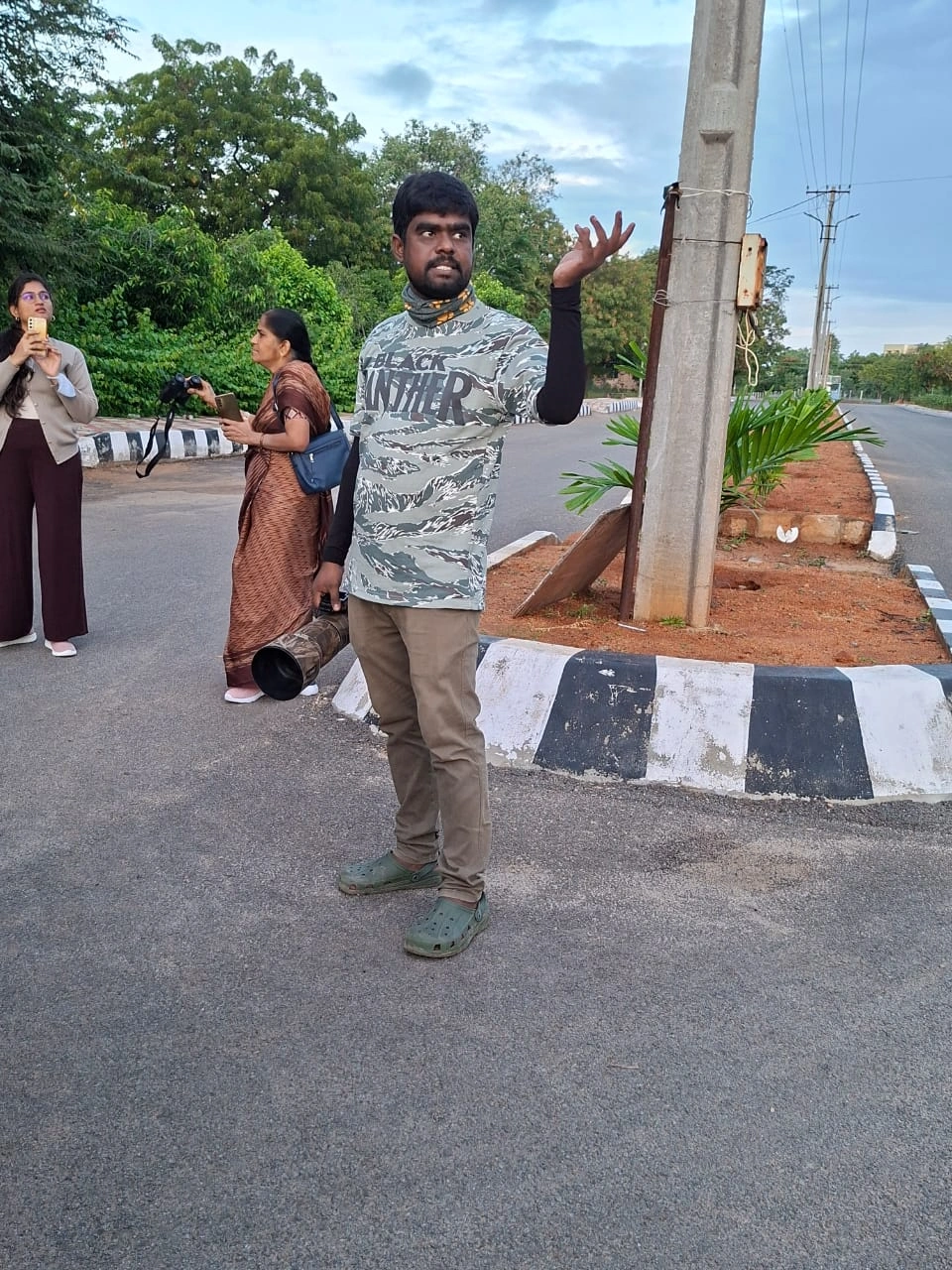
Bird Guide: Kayla Ashok Kumar

A software Engineer by profession and passionate to do the bird count, and observe bird behavior and guiding the communities through NGO's for conservation of birds and their role in biodiversity and also approach schools adjacents to forest areas and train about conservation of fauna.
Common birds of Sri Krishna Devarayalu University

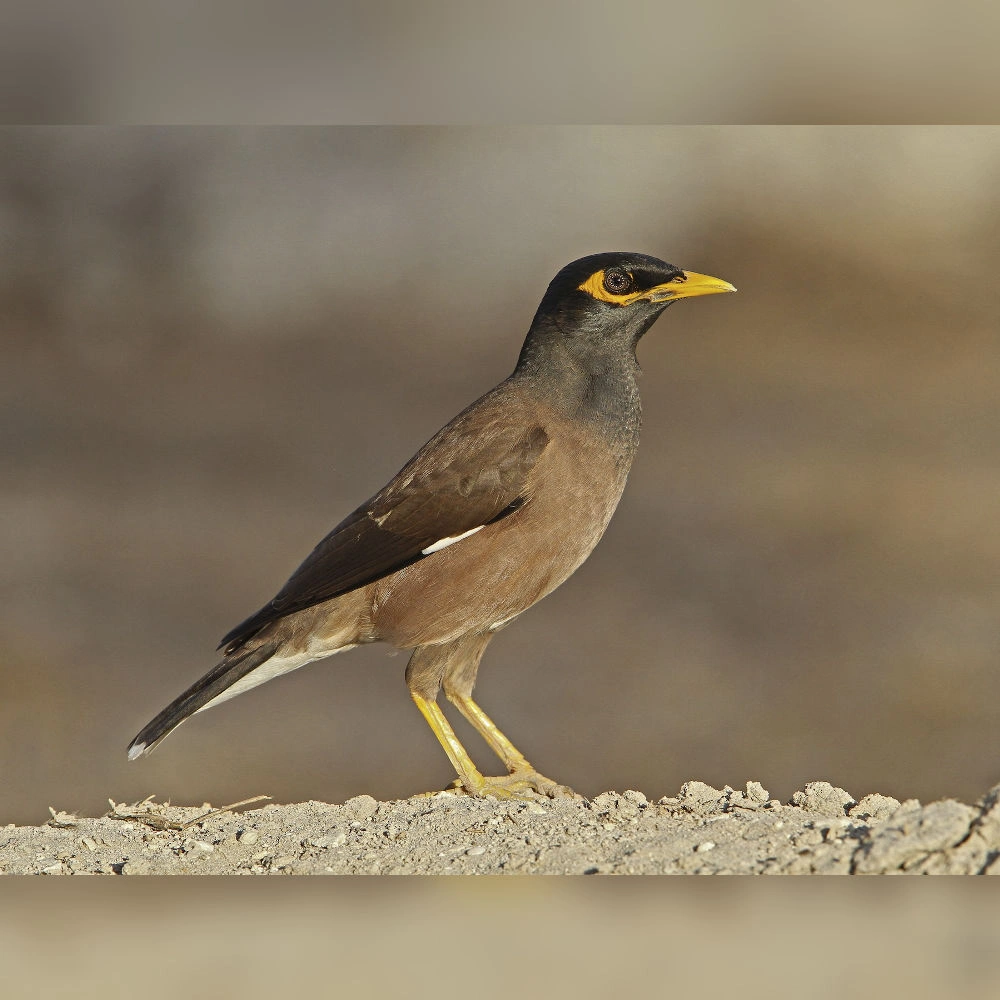
The campus of Sri Krishna Devarayalu University, Anantapuram, supports a variety of common bird species adapted to its semi-arid environment. Regularly sighted birds include Indian Peafowl, Red-wattled Lapwing, White-throated Kingfisher, Black Drongo, House Sparrow, Common Myna, Asian Koel, Laughing Dove, and Rock Pigeon. The scattered trees and open grass patches provide suitable habitats for small insectivorous birds such as Ashy Prinia, Plain Prinia, and Tailorbird, while flowering trees attract Purple Sunbirds and Pale-billed Flowerpeckers. During early mornings and evenings, raptors like the Shikra and Black Kite can often be seen soaring overhead, keeping the ecological balance intact. The nearby water bodies and agricultural fields attract species like Cattle Egret, Little Egret, and Indian Pond Heron, which feed in the moist soils. Together, these species form a diverse avian community, adding both ecological and aesthetic value to the university’s green spaces.
Common Myna
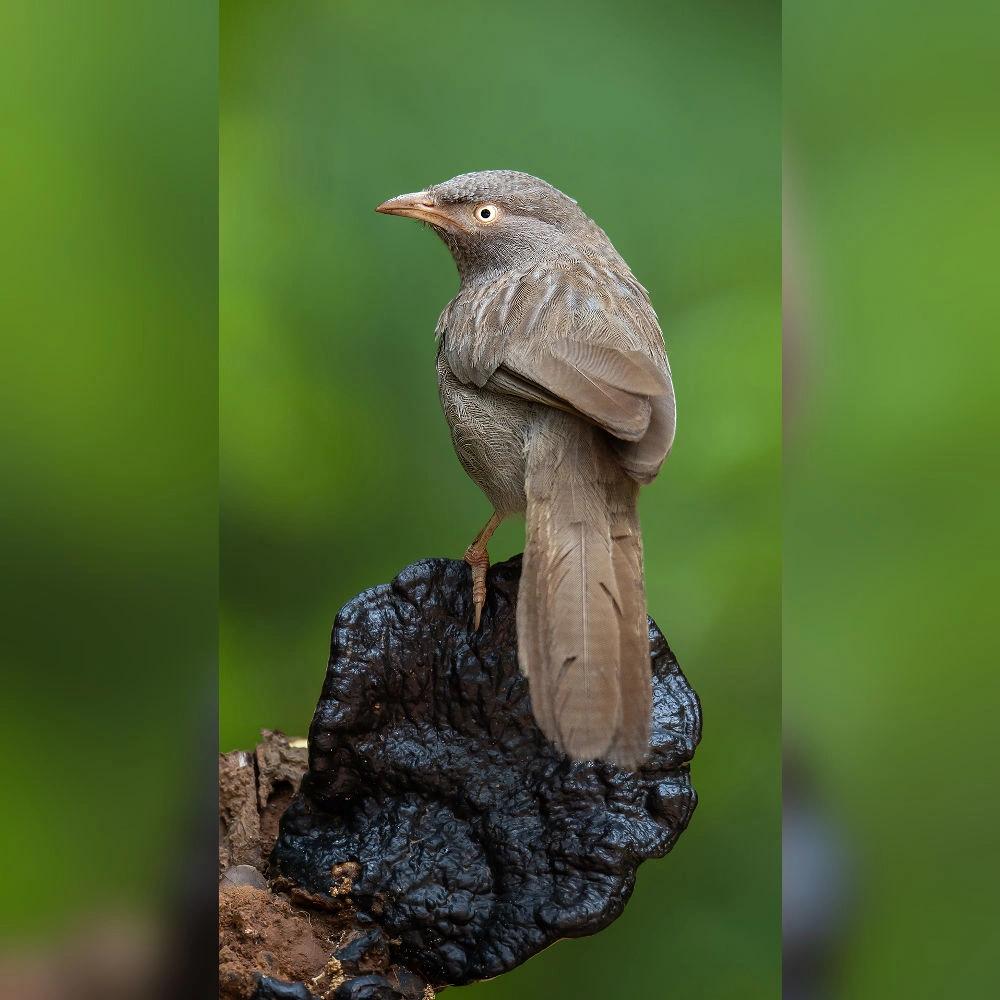
Jungle Babbler
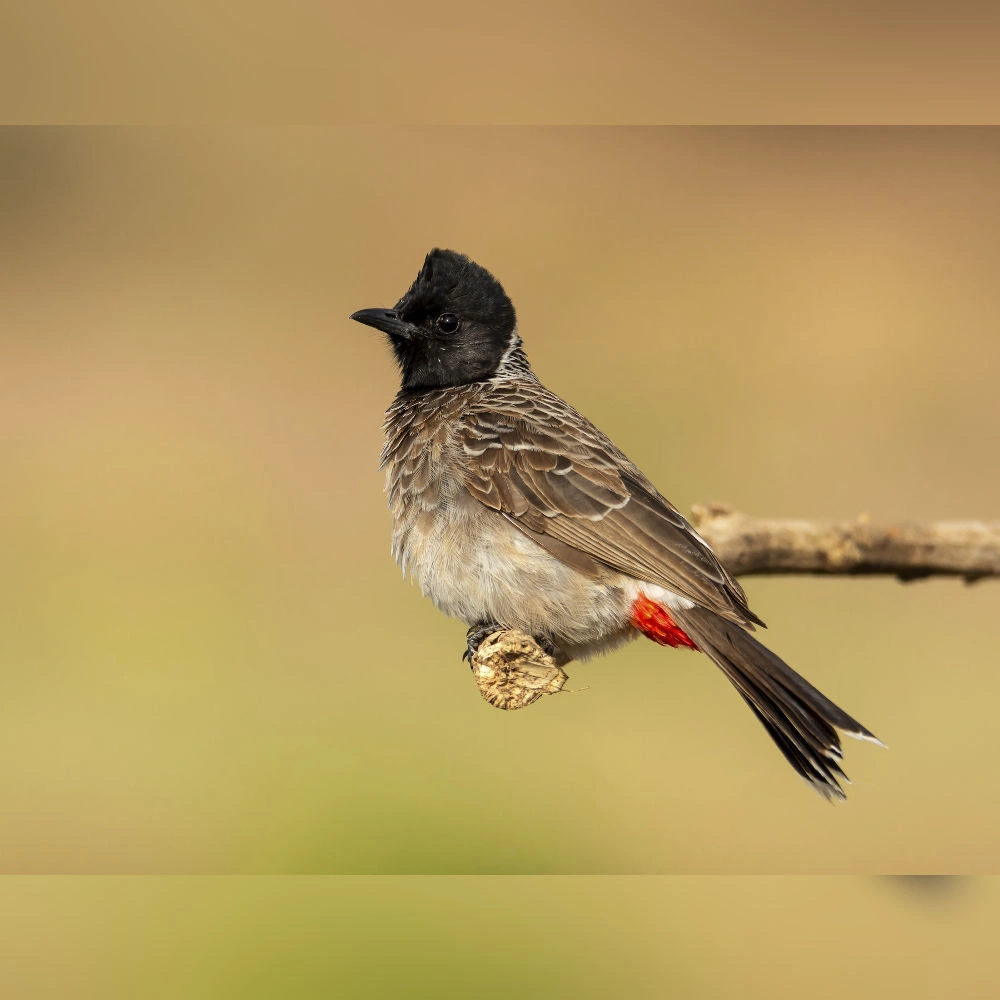
Red-vented Bulbul
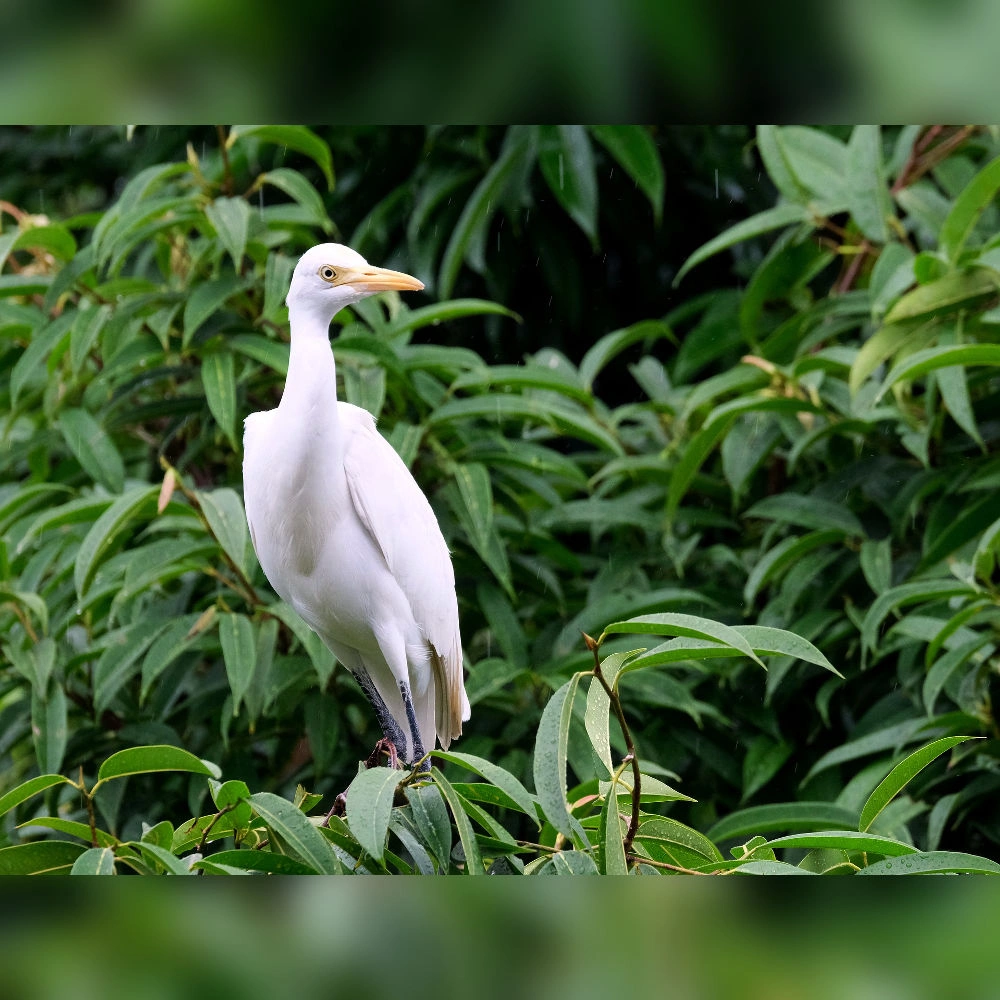
Eastern Cattle Egret
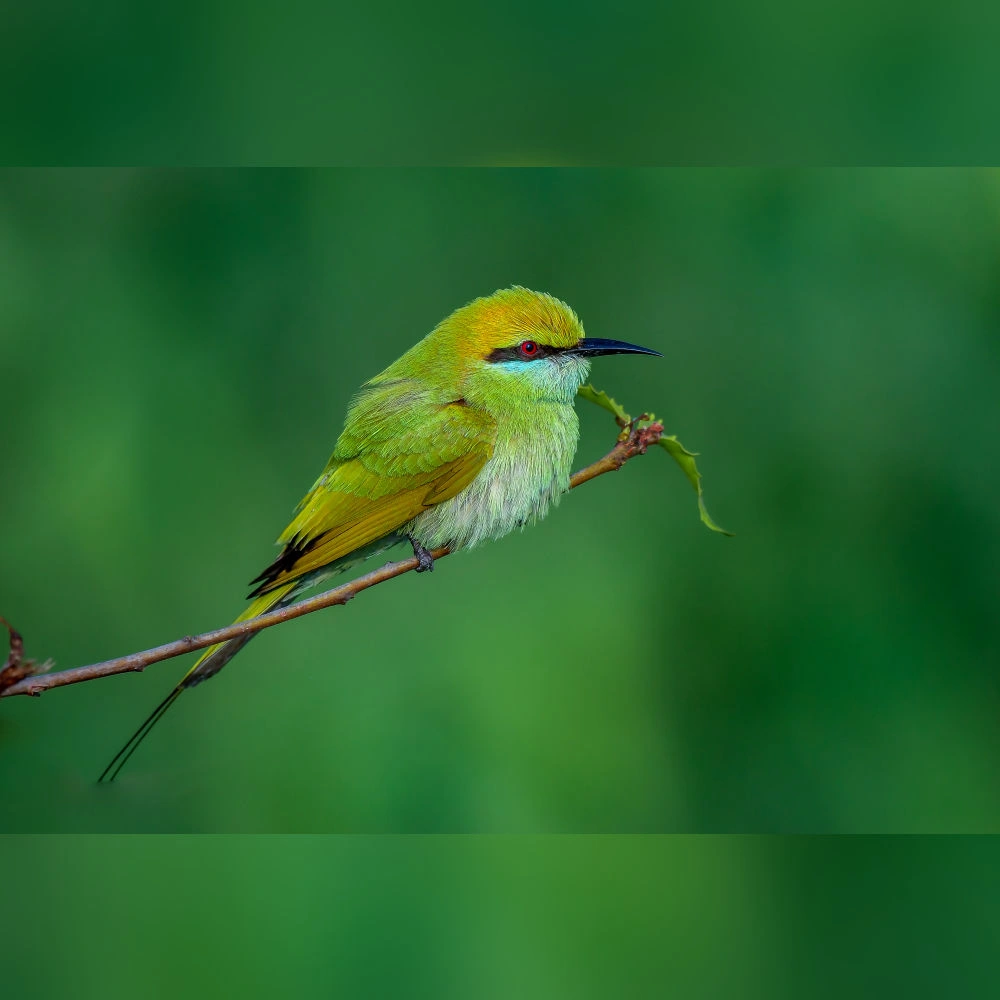
Asian Green Bee-eater
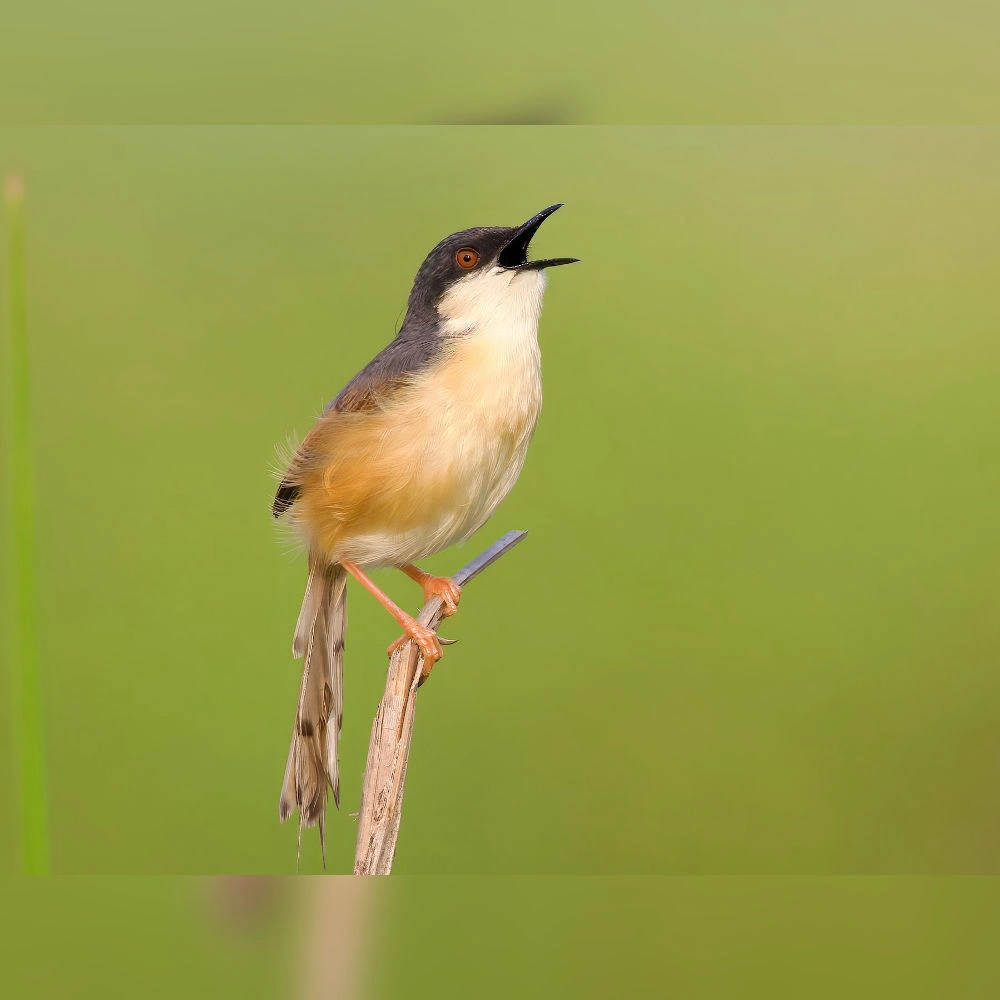
Ashy Prinia
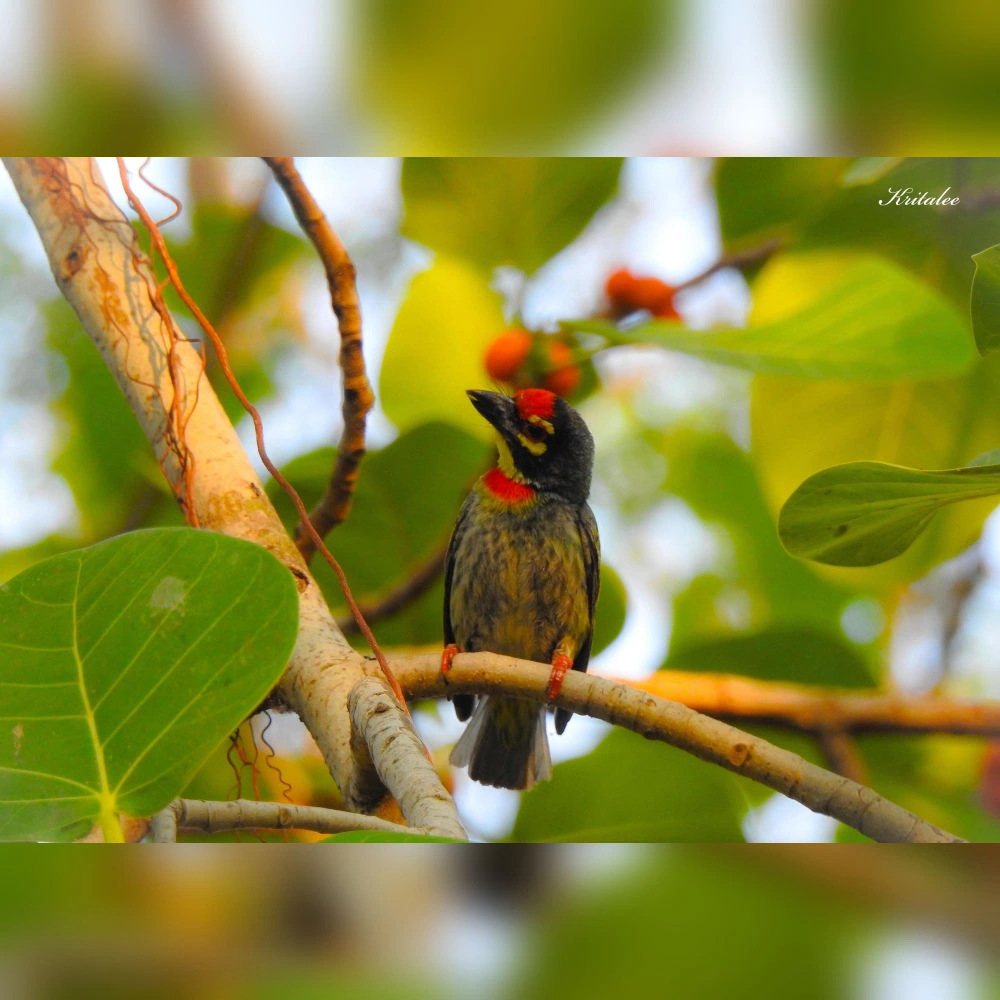
Coppersmith Barbet
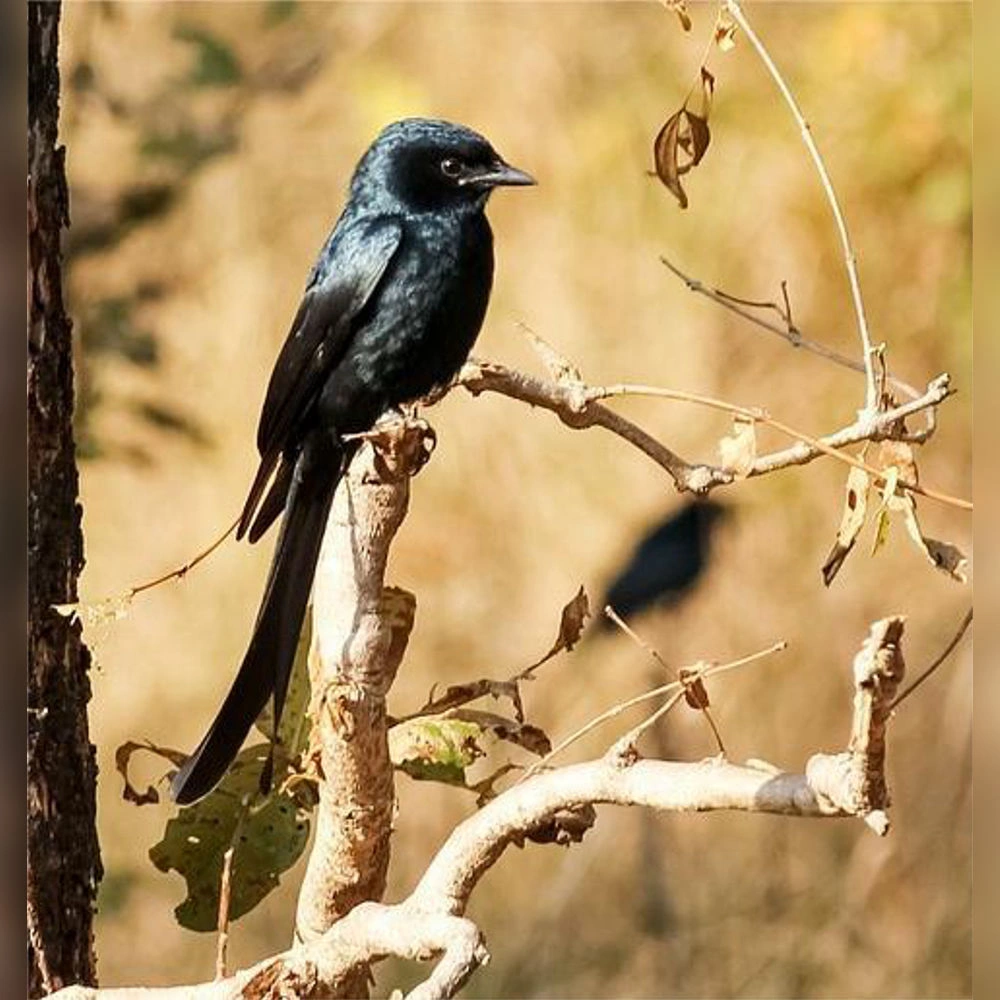
Black Drongo
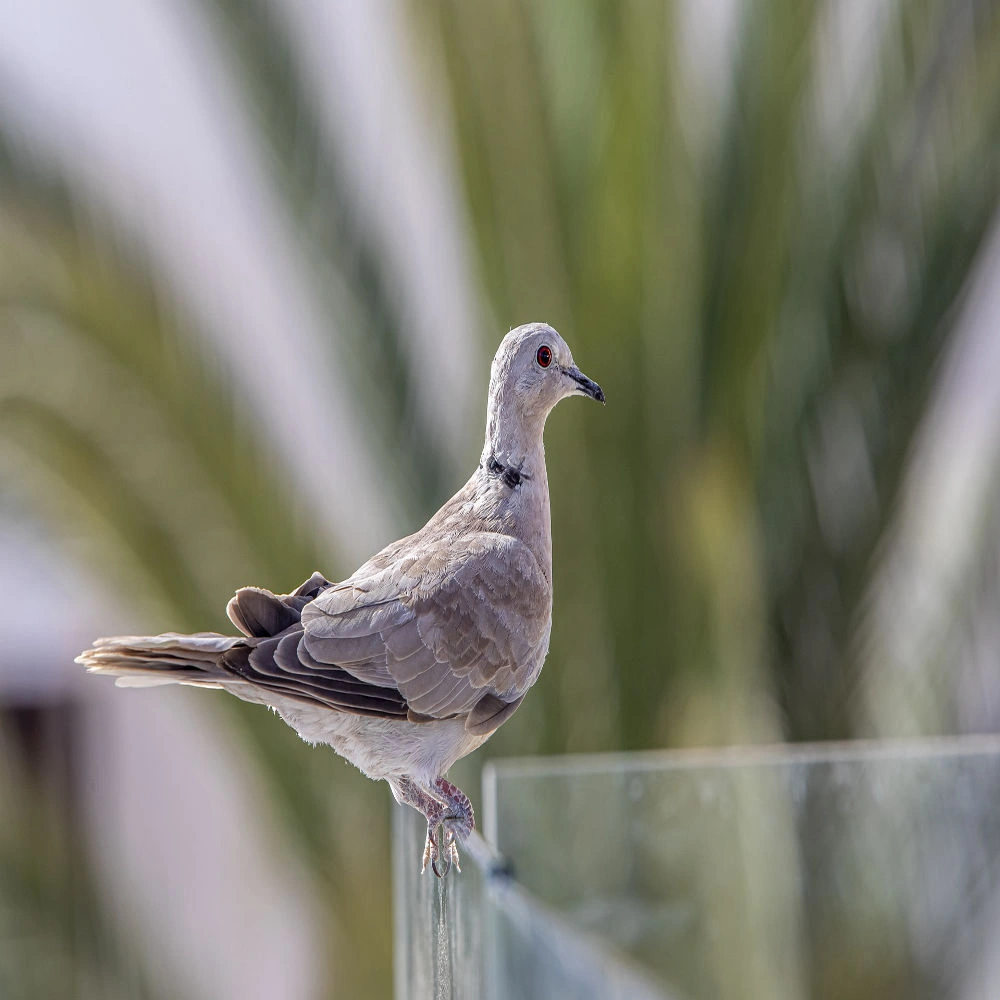
Eurasian-collared Dove
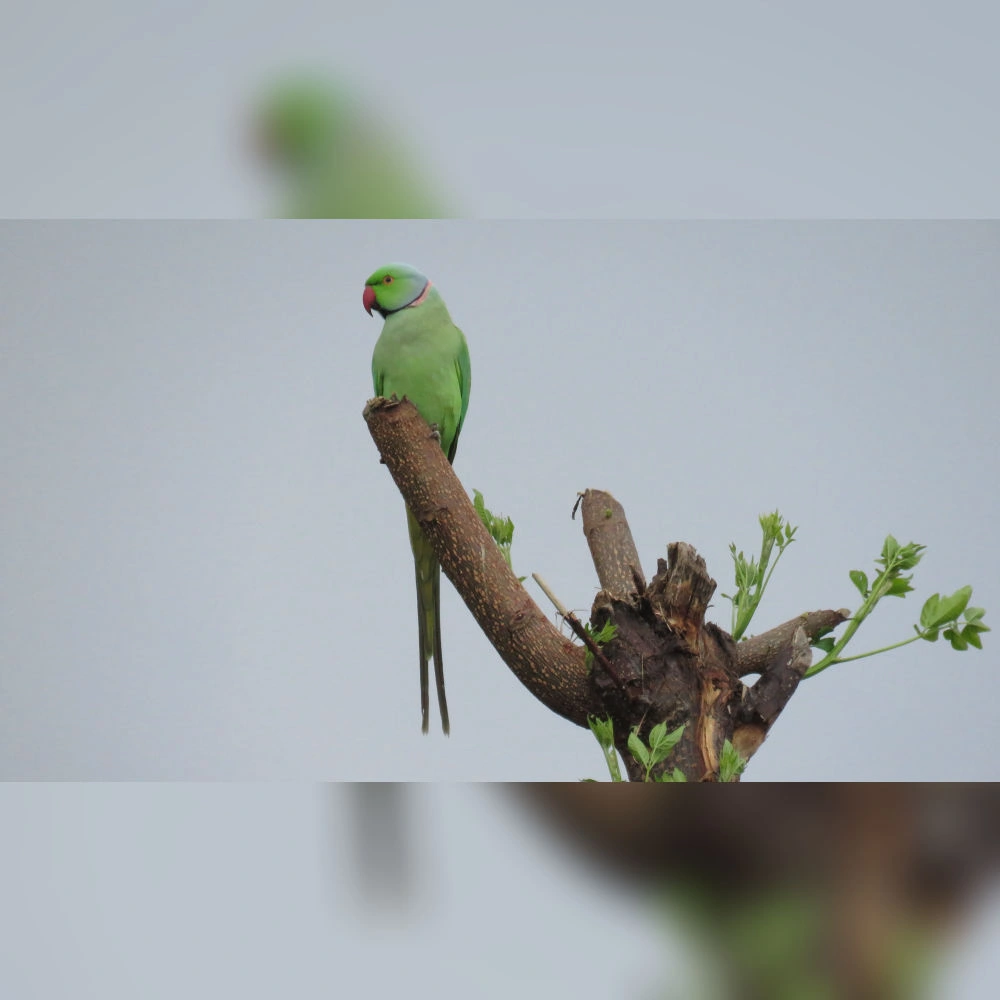
Rose-ringed Parakeet
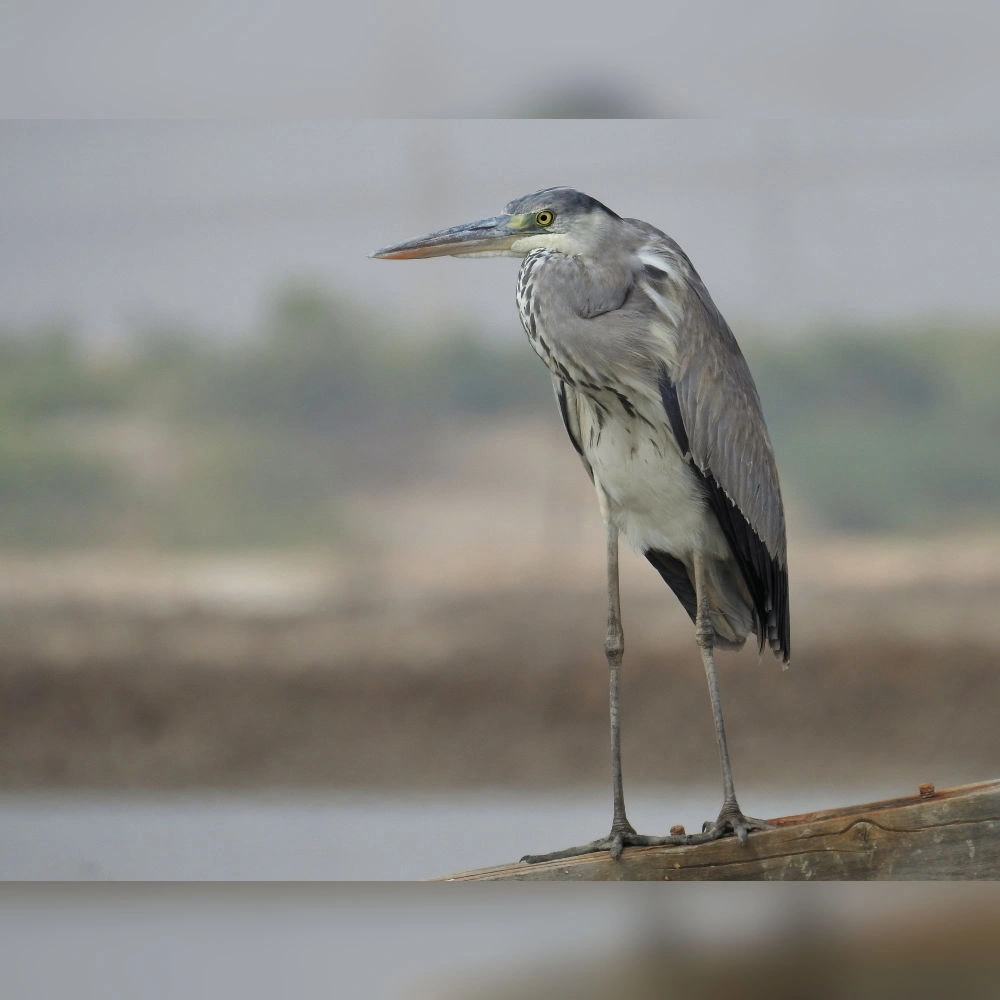
Greh Heron
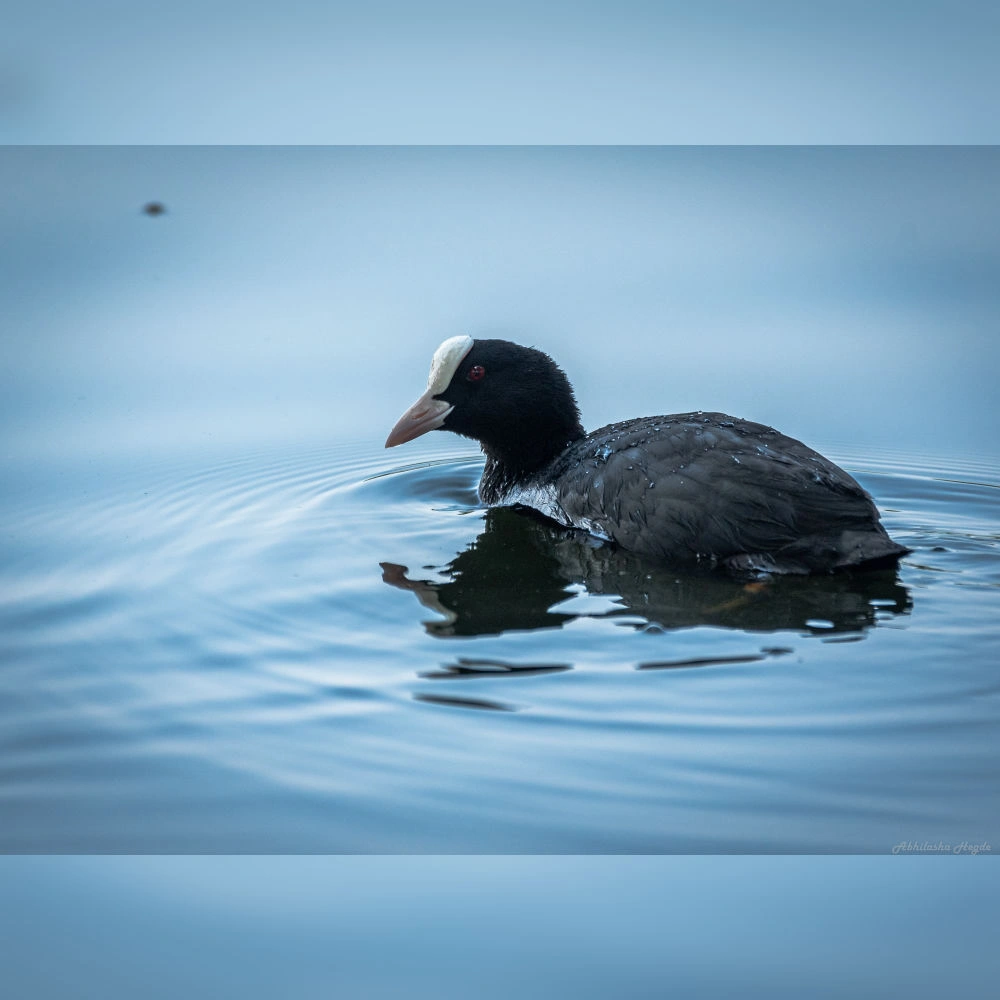
Eurasian Coot
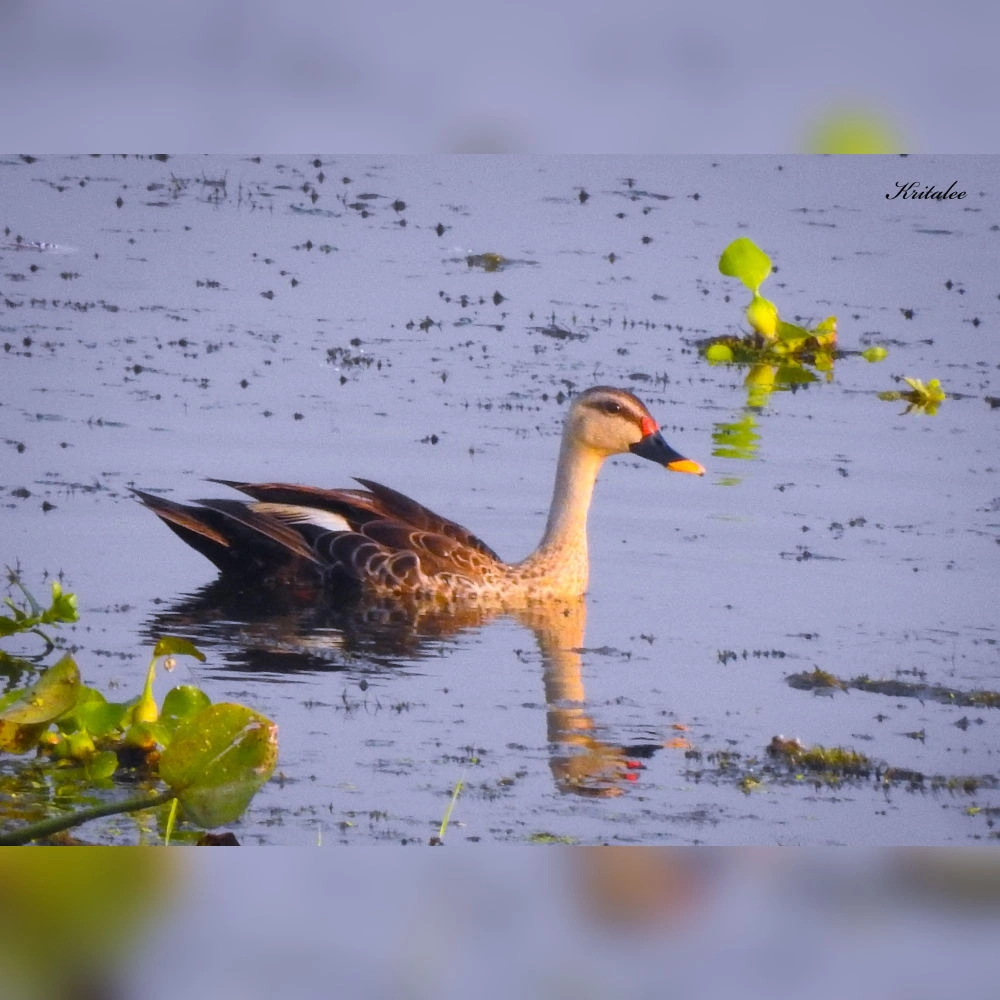
Indian Spot-billed Duck
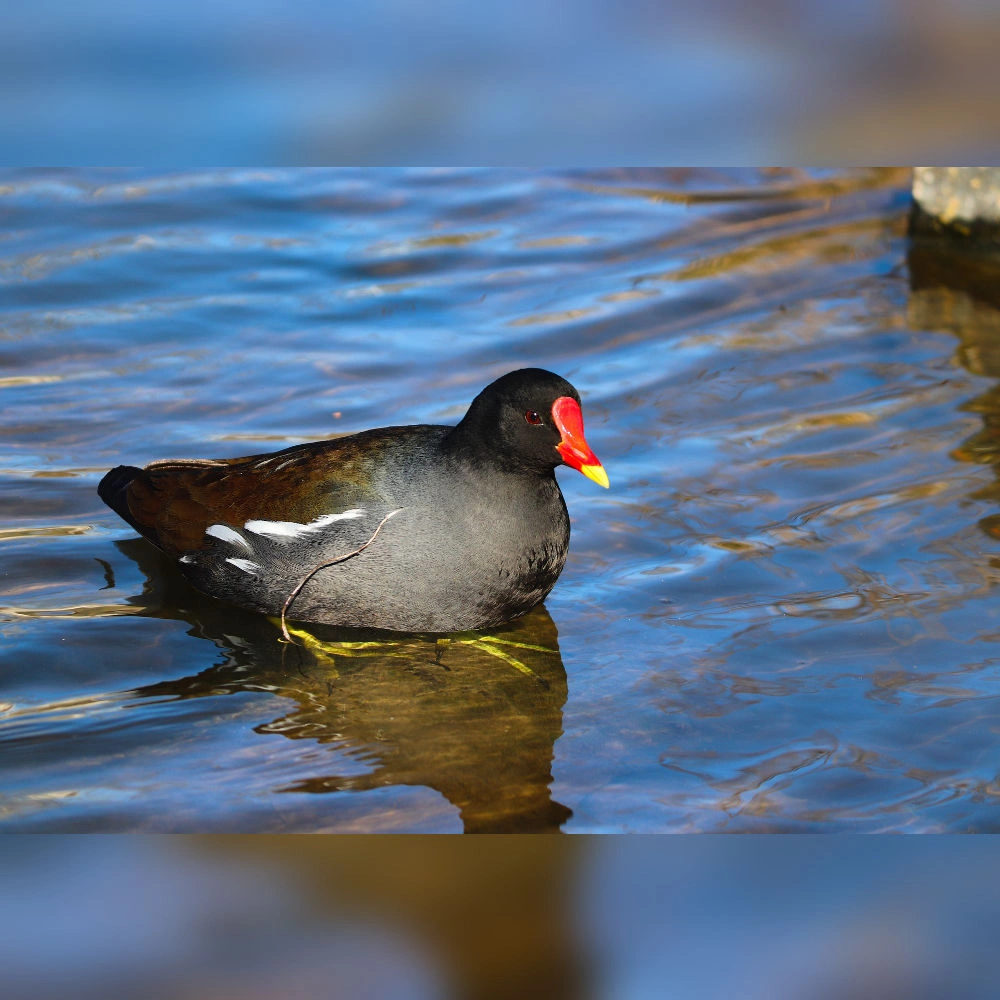
Eurasian Moorhen
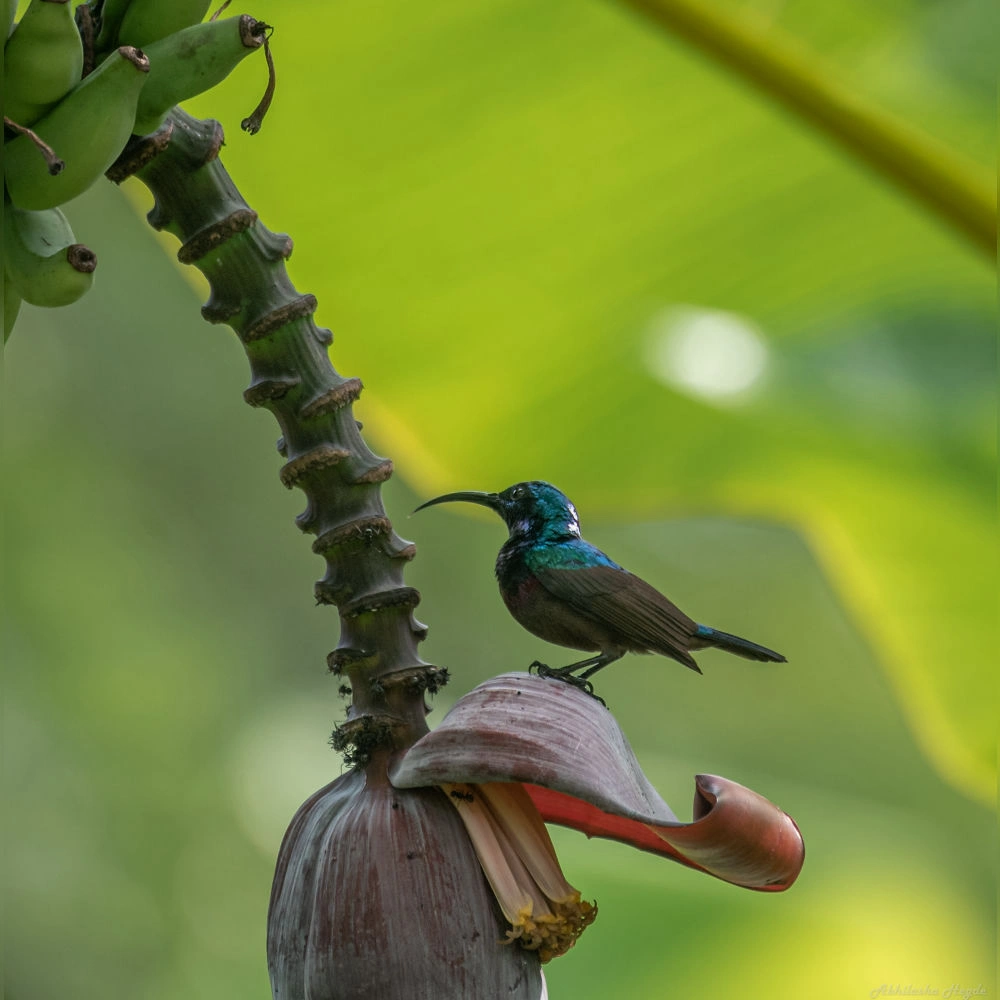
Purple Sunbird
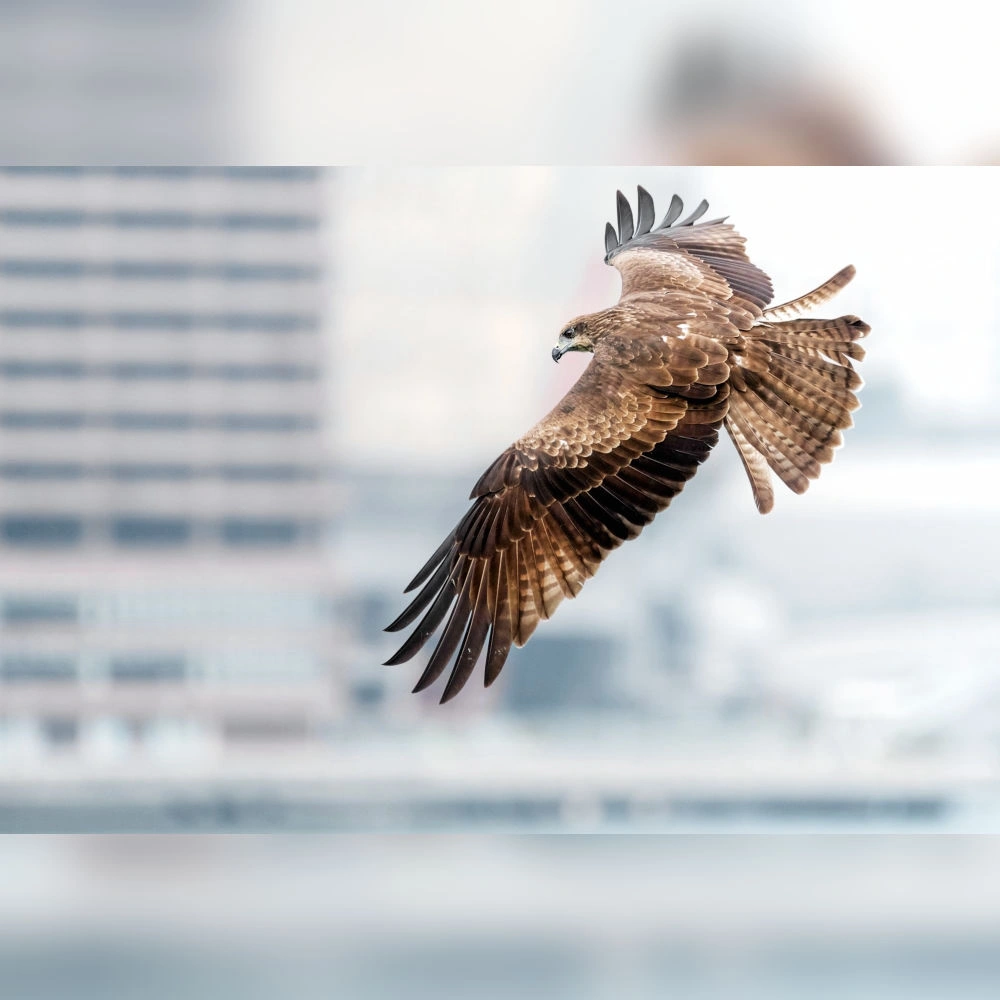
Black Kite
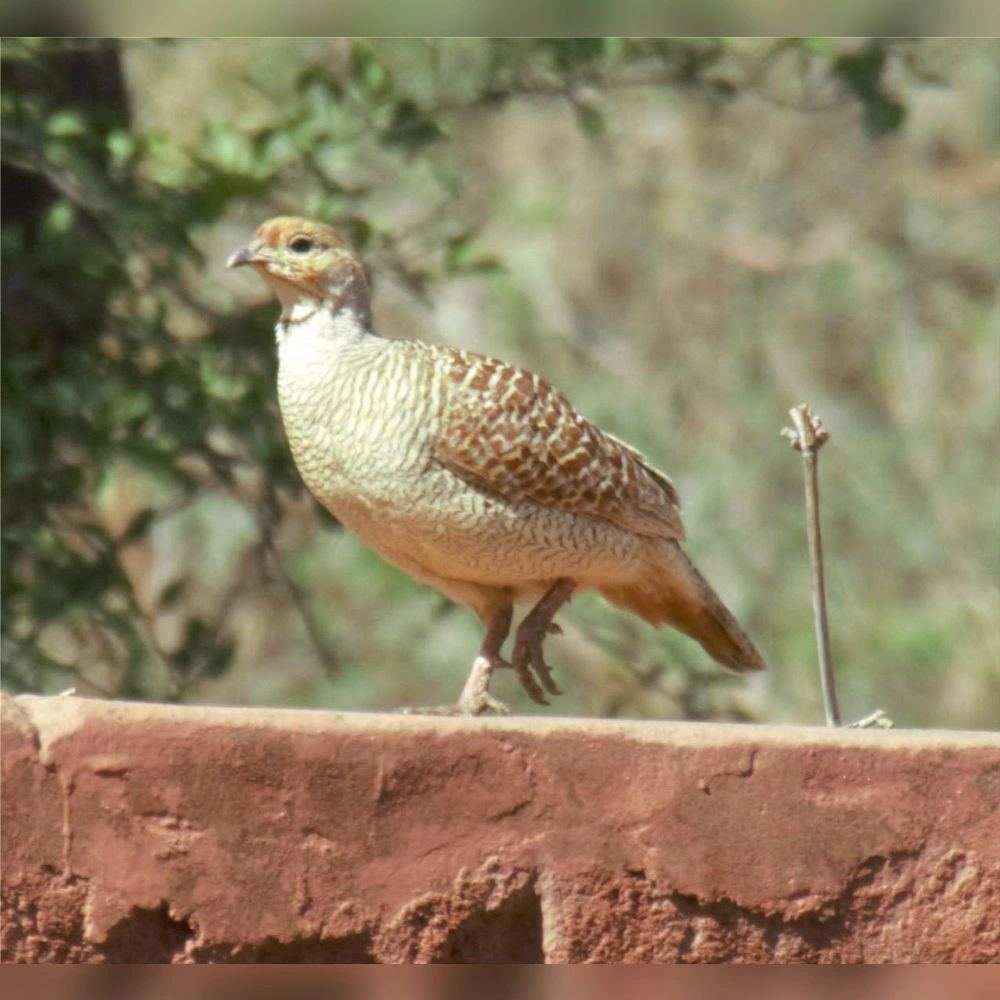
Grey Francolin
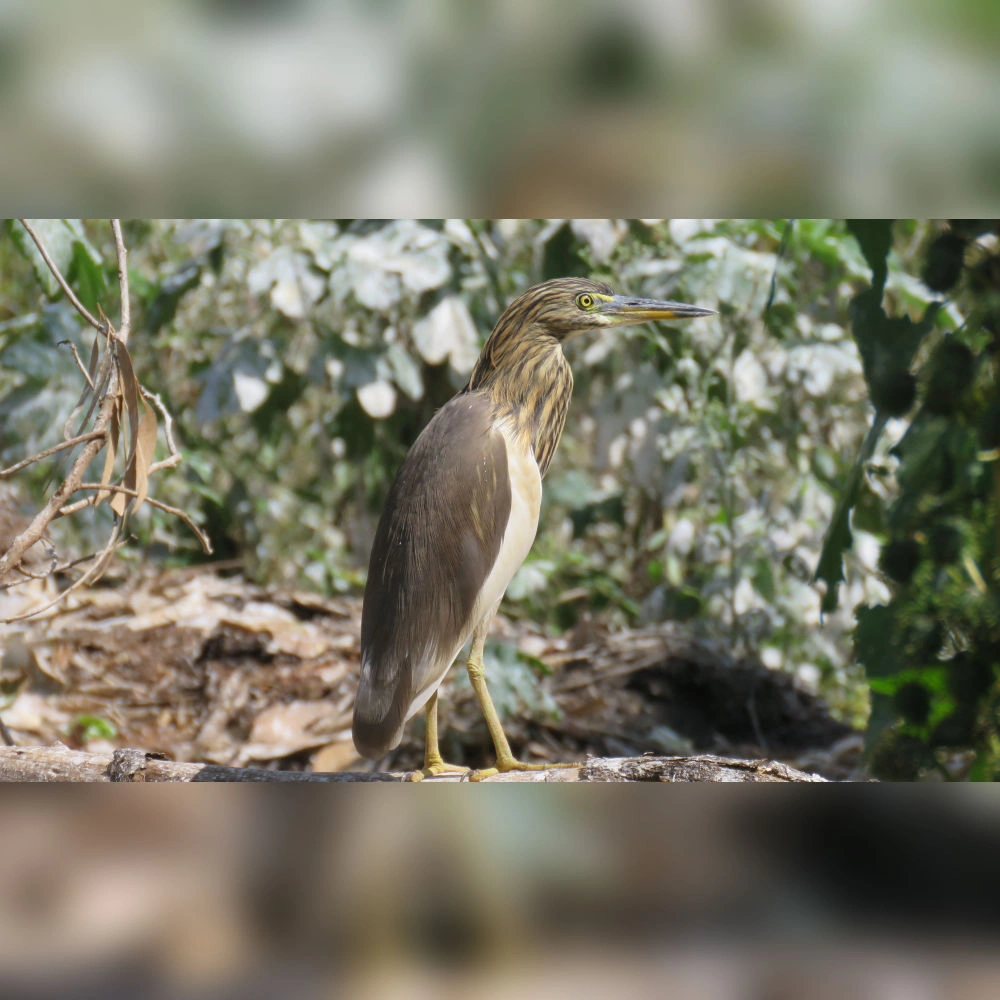
Indian Pond Heron
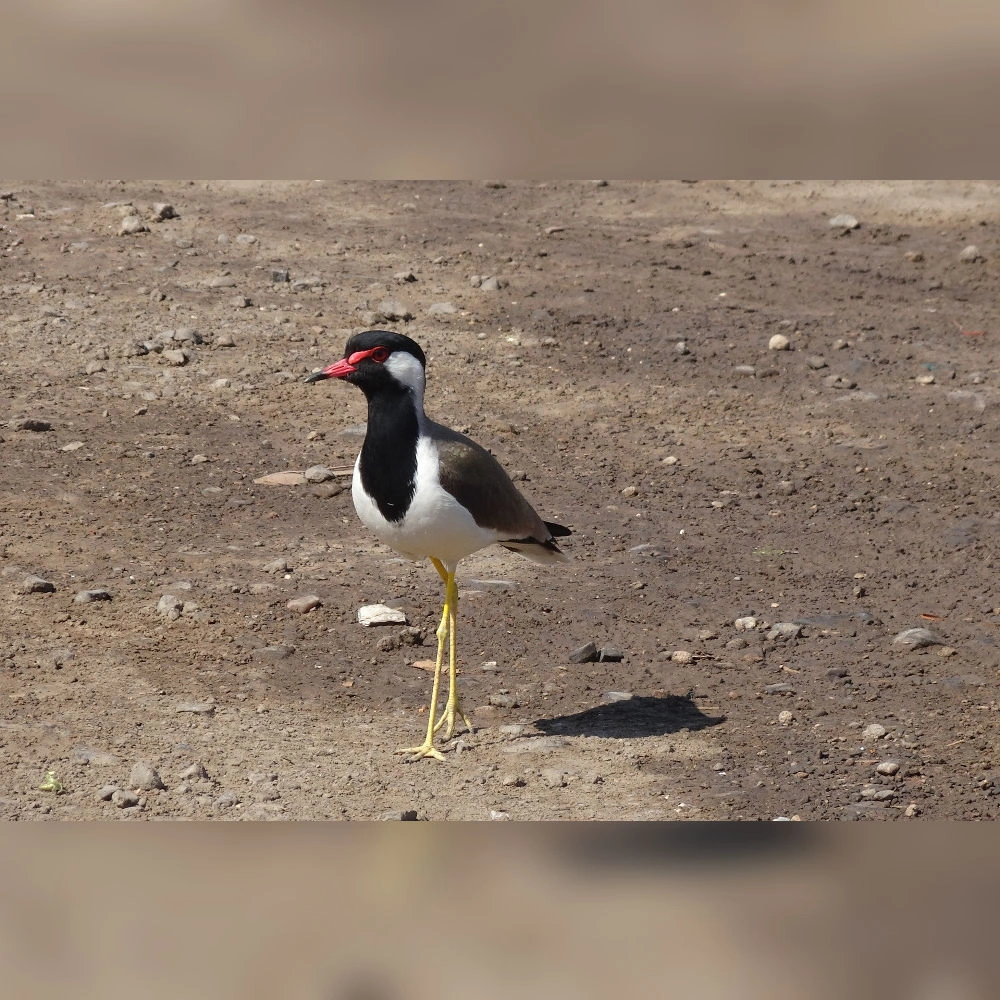
Red-wattled Lapwing
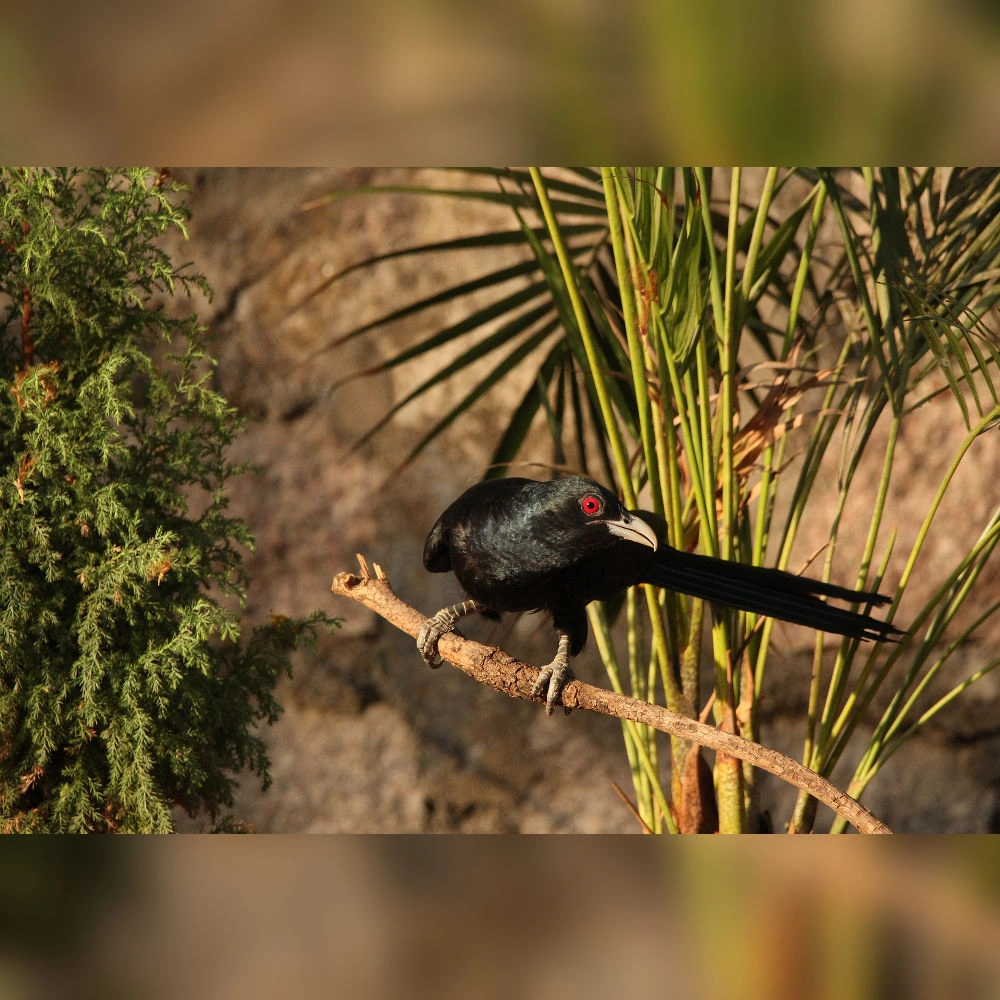
Asian Koel

Summary of Walk

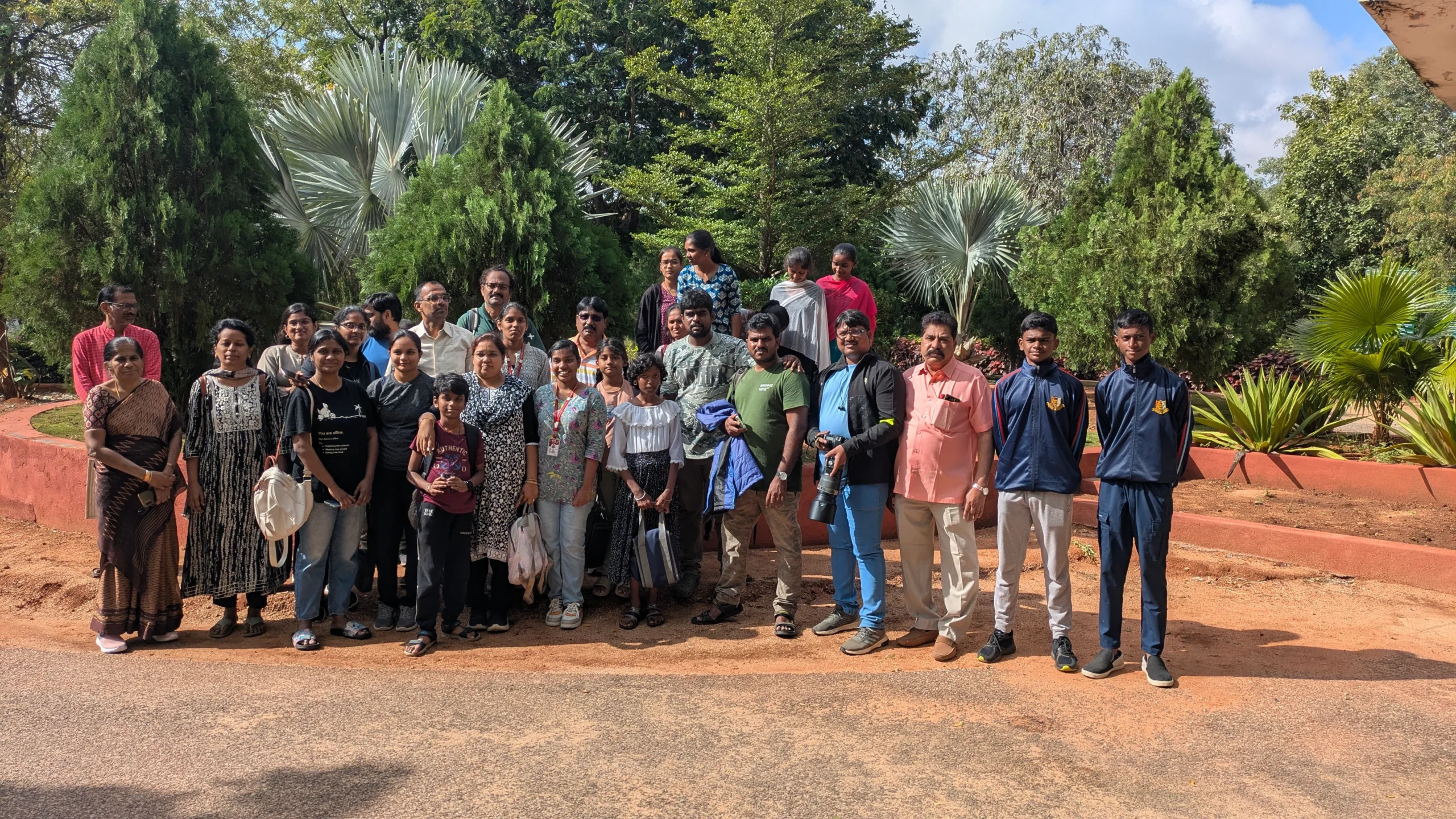
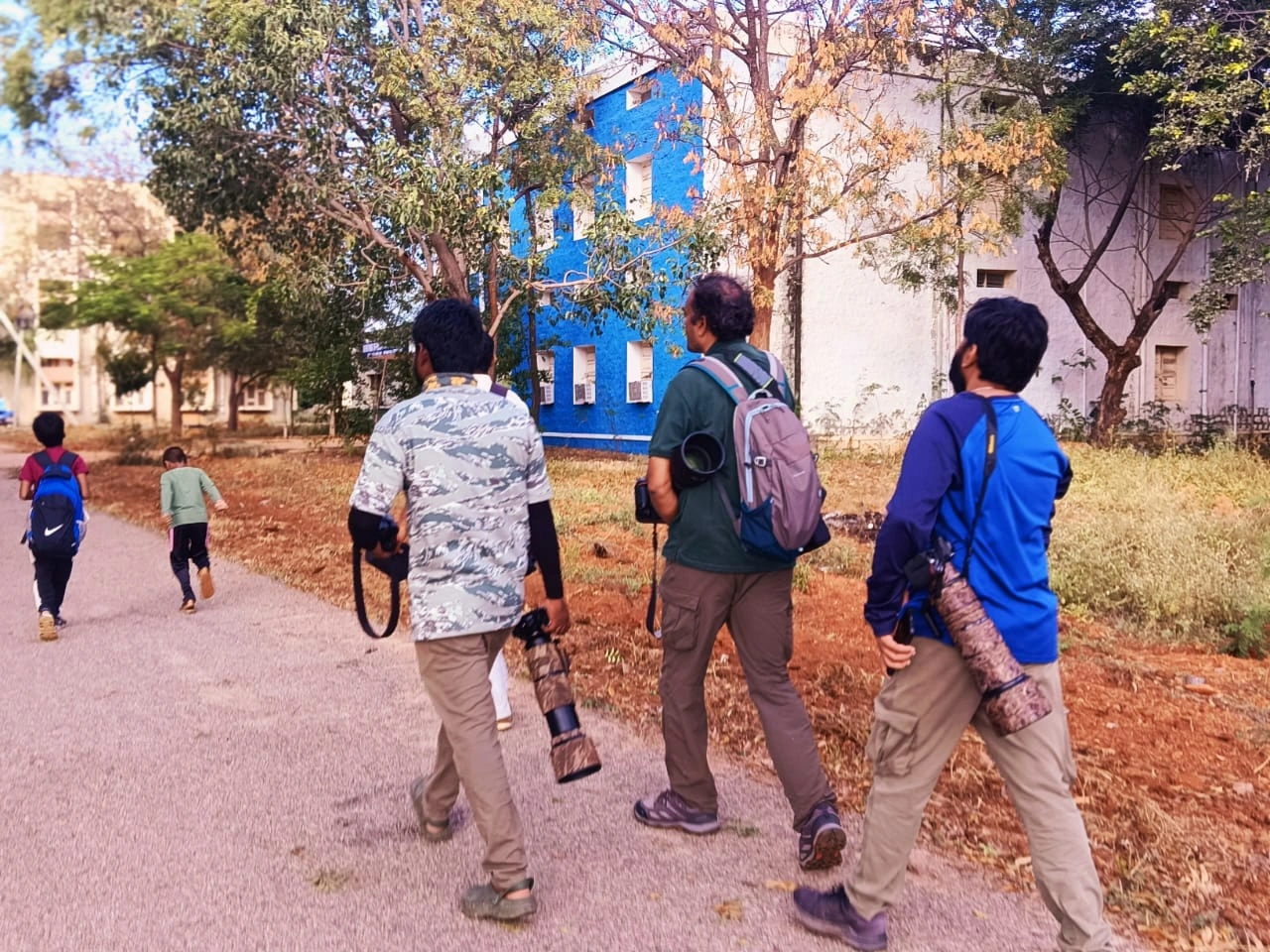
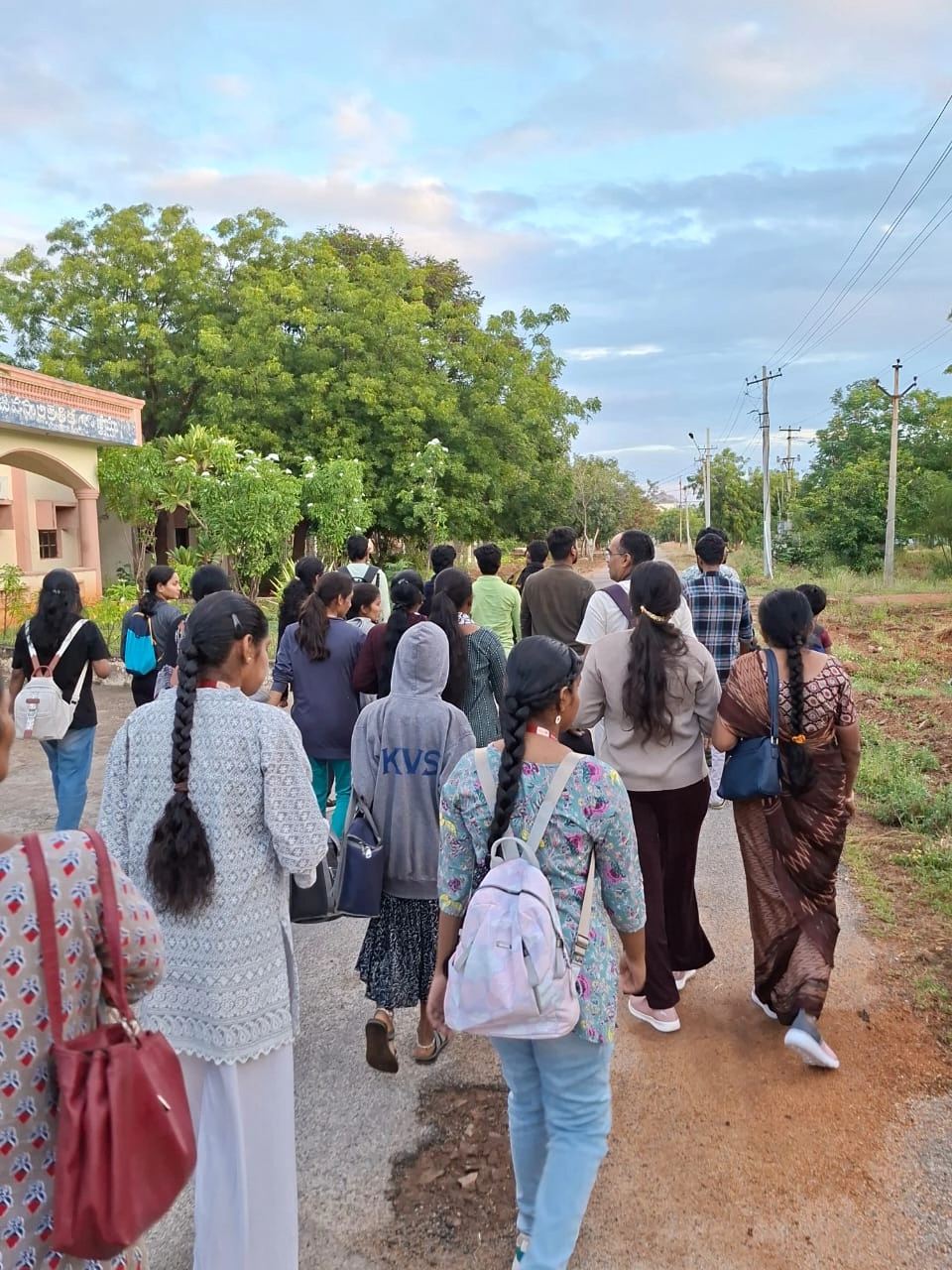
The walk at Sri Krishna devarayalu university was a vibrant gathering of 28 bird lovers, and the experience became even more special when the District Collector also joined for the walk. Led by Kayala Ashok, the group recorded a total of 41 species, showcasing the ecological richness of the campus. Some interesting sightings were Grey Grancolin, Grey-bellied Cuckoo, Yellow-wattled Lapwing, Red Avadavat, Yellow-throated Sparrow and Spotted Owlet.
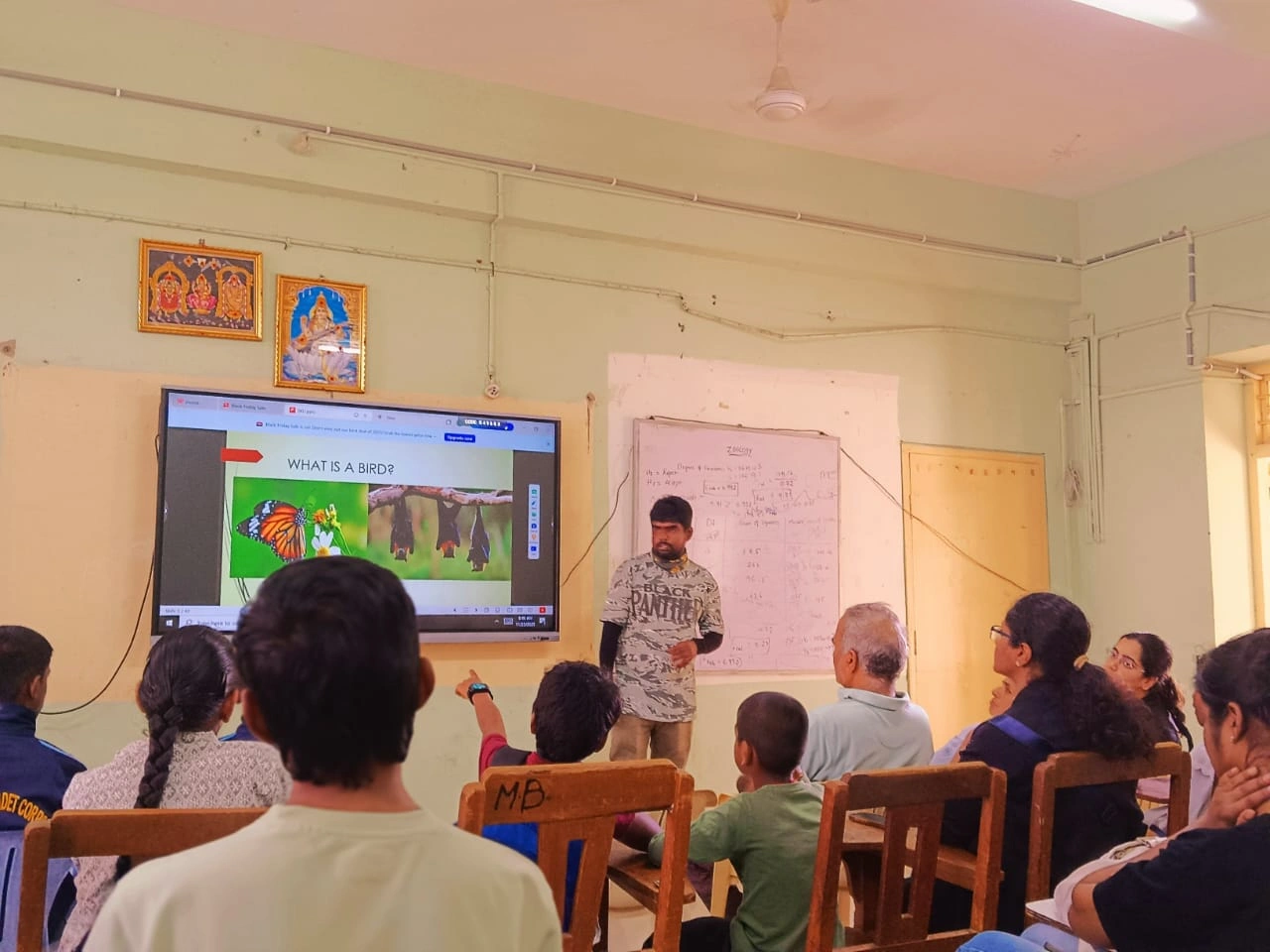
Throughout the walk, the guide explained everyone about birds, migration behavior, how to identify them and importance of bird watching. This mix of knowledge-sharing and active field observation gave participants a strong foundation in understanding bird diversity. The walk truly highlighted how educational institutions can double as powerful hubs for conservation learning.
Number of Participants
0
Scroll to Top