


Loading Events

Bird Walk at Sirpur lake Ramsar Site, Indore (MP)

About Sirpur Lake

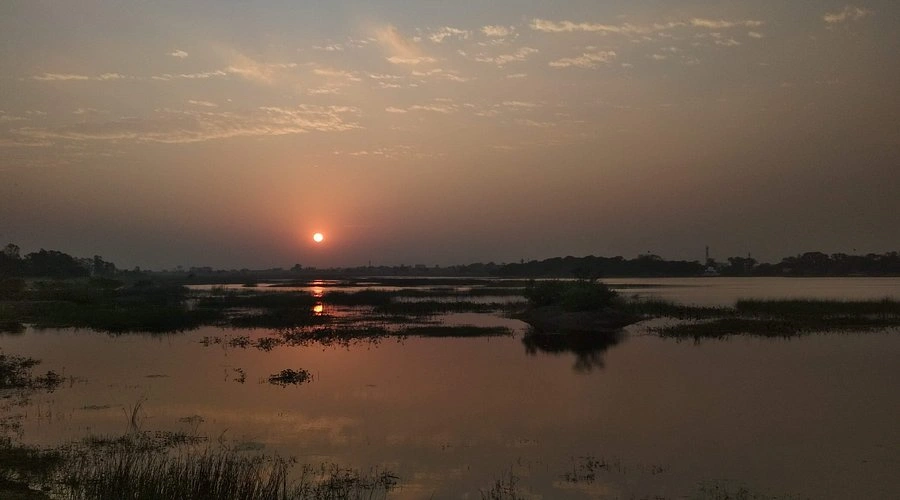
Sirpur Lake, located on the outskirts of Indore in Madhya Pradesh, is a significant wetland ecosystem recognized as a Ramsar Site for its ecological and conservation importance. Spread over approximately 800 acres, the lake provides a thriving habitat for a wide variety of resident and migratory bird species, including several globally threatened ones. It plays a vital role in maintaining the local hydrological balance, recharging groundwater, and supporting aquatic biodiversity. The surrounding vegetation and marshy areas make it an ideal stopover site for migratory birds traveling along the Central Asian Flyway, making it a popular destination for birdwatchers and researchers alike.
Beyond its ecological significance, Sirpur Lake serves as a living example of successful community-driven conservation. Once degraded due to encroachment and pollution, the lake was revived through concerted efforts by local authorities, environmental organizations, and citizen groups. Today, it stands as a model for wetland restoration and sustainable management in urban areas. The lake also contributes to environmental education and awareness, hosting regular nature walks, bird festivals, and outreach programs that engage the public in conservation efforts. Its designation as a Ramsar Site underscores its global value and the need for continued protection to ensure the long-term survival of its diverse flora and fauna.

Bird Guide: Yogendra kumar mimrot

Basically I am a snake researcher from indore , currently pursuing bsc and during my studies I have been studying birds as many of them feed on snakes and other macrofauna.
Bird walk Location

Common birds of Sirpur Lake

Sirpur Lake in Indore hosts an impressive diversity of birdlife, with around 237 species recorded so far, making it one of the most vibrant urban wetlands in Madhya Pradesh. Some of the commonly seen birds around the lake include the Indian Silverbill, Brambling Starling, Small Kingfisher, White-breasted Kingfisher, and Pied Kingfisher, which are often spotted perched near the lake’s edge or diving into the water for prey. Raptors such as the Black Kite can be seen soaring overhead, while smaller passerines like the Ashy Prinia, Sparrow Lark, and Indian Robin flit actively among the reeds and grasslands.
The surrounding scrub and open areas are frequented by Laughing Doves, House Sparrows, Crested Buntings, and Red-vented Bulbuls, while the Black Drongo and Long-tailed Shrike are common sight along the fences and perches. The Rose-ringed Parakeet adds a splash of color and constant chatter to the landscape, and Wood Sandpipers are often observed along the shallow waters during the migratory season. The Indian Peafowl, with its striking plumage, is one of the most iconic residents of the area. Together, these species reflect the ecological richness of Sirpur Lake and highlight its importance as a sanctuary for both local and migratory birds.
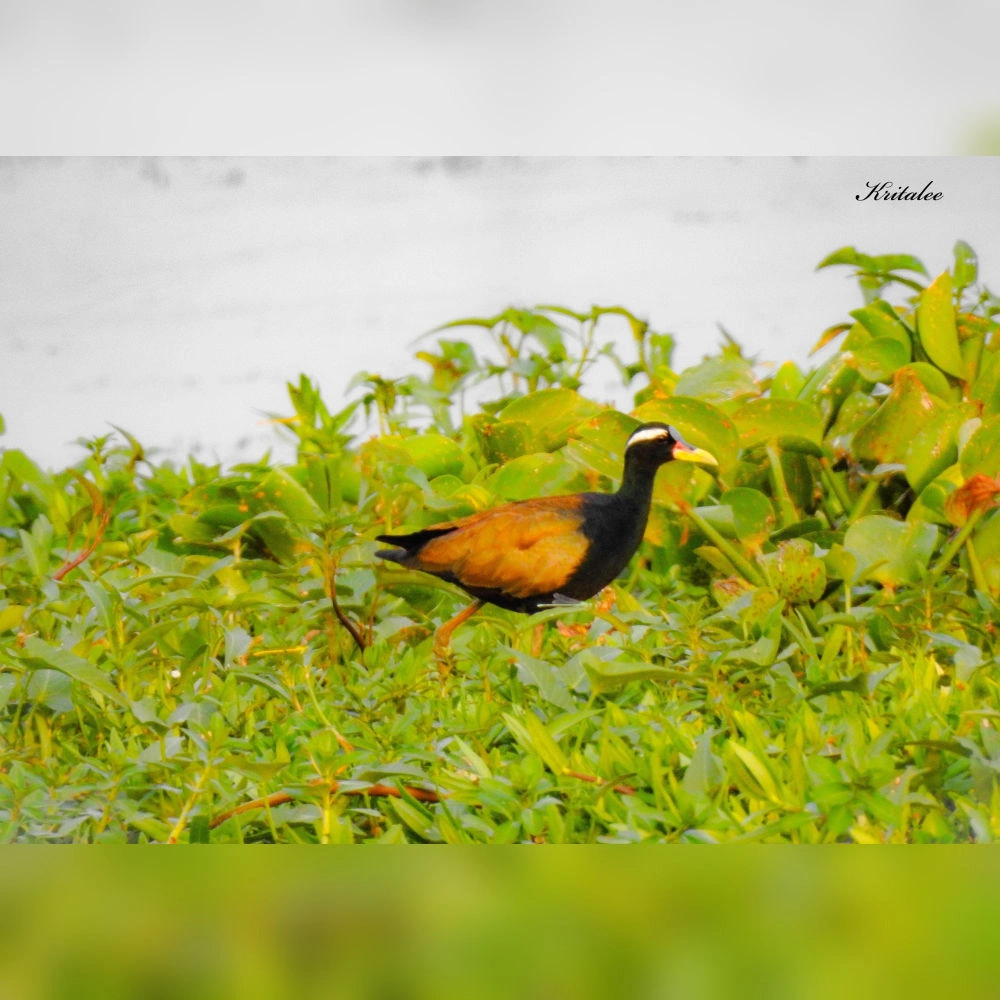
Bronze-winged Jacana
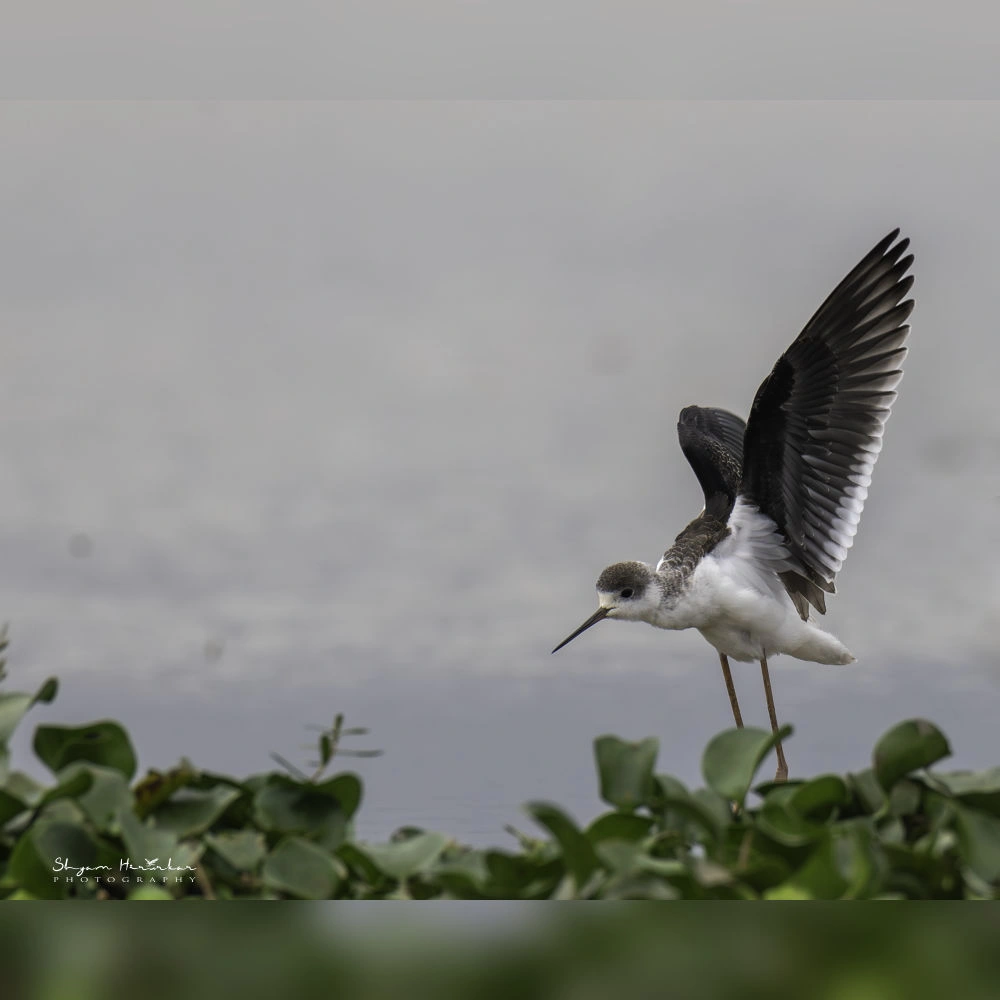
Black-winged Stilt
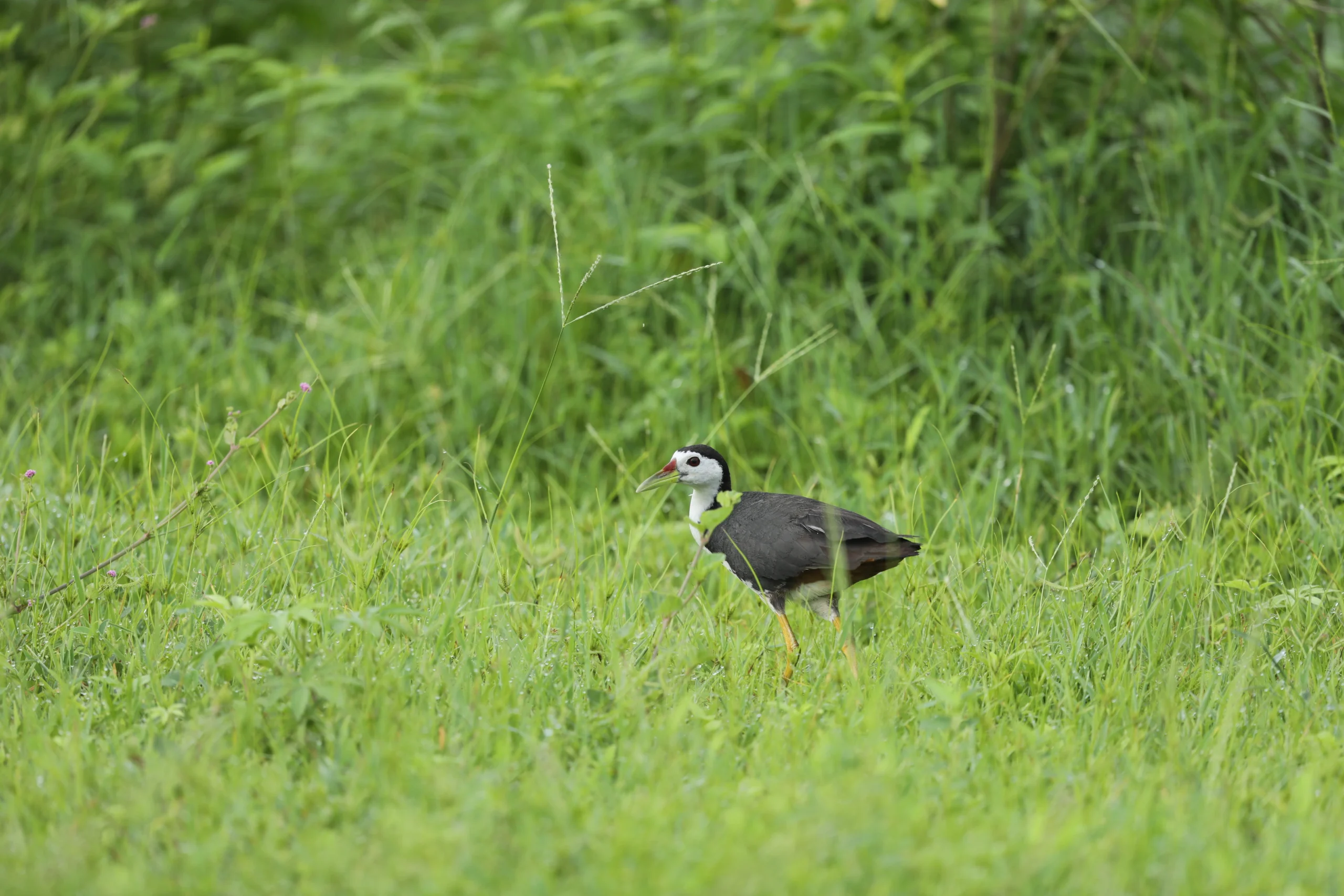
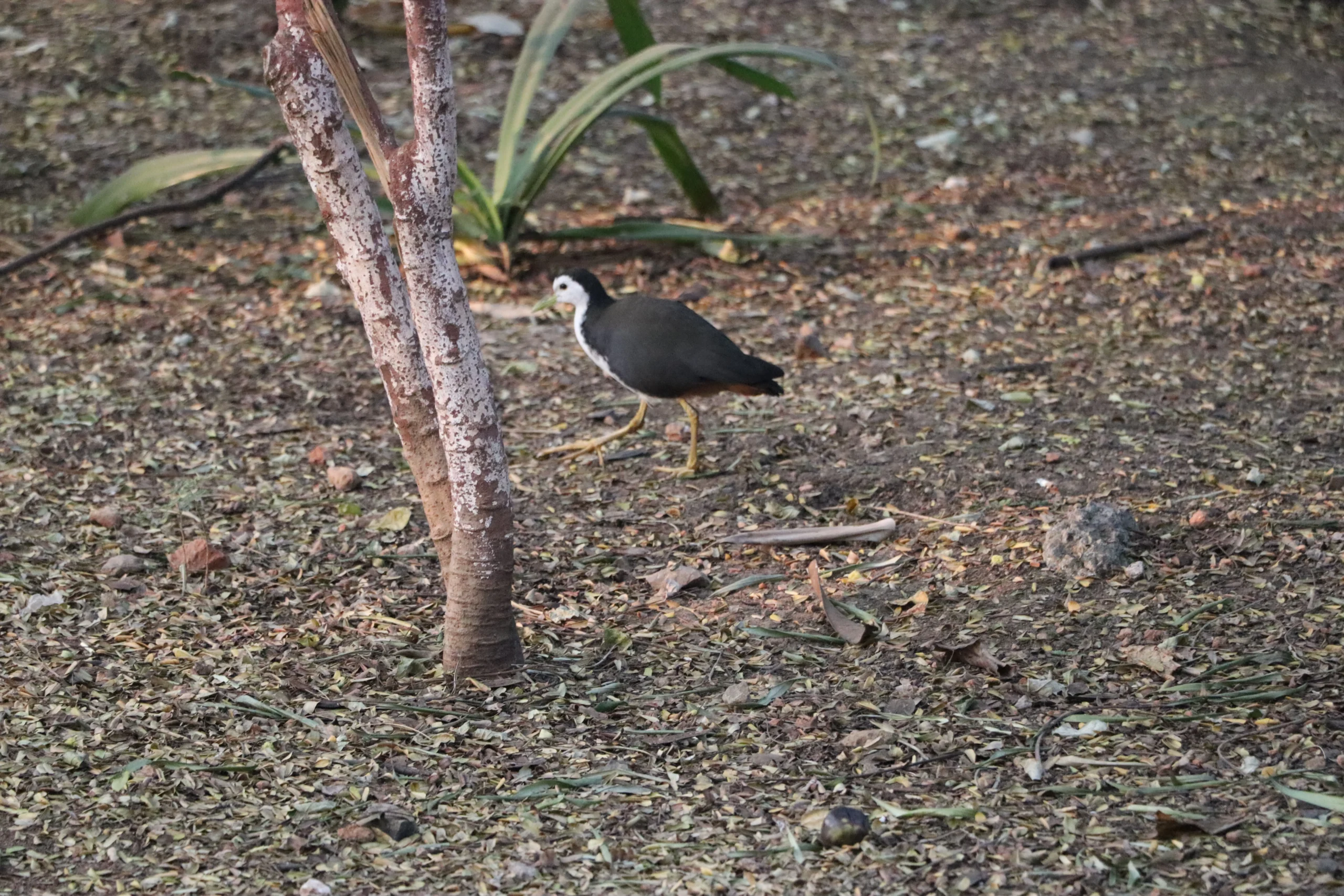
White-breasted Waterhen
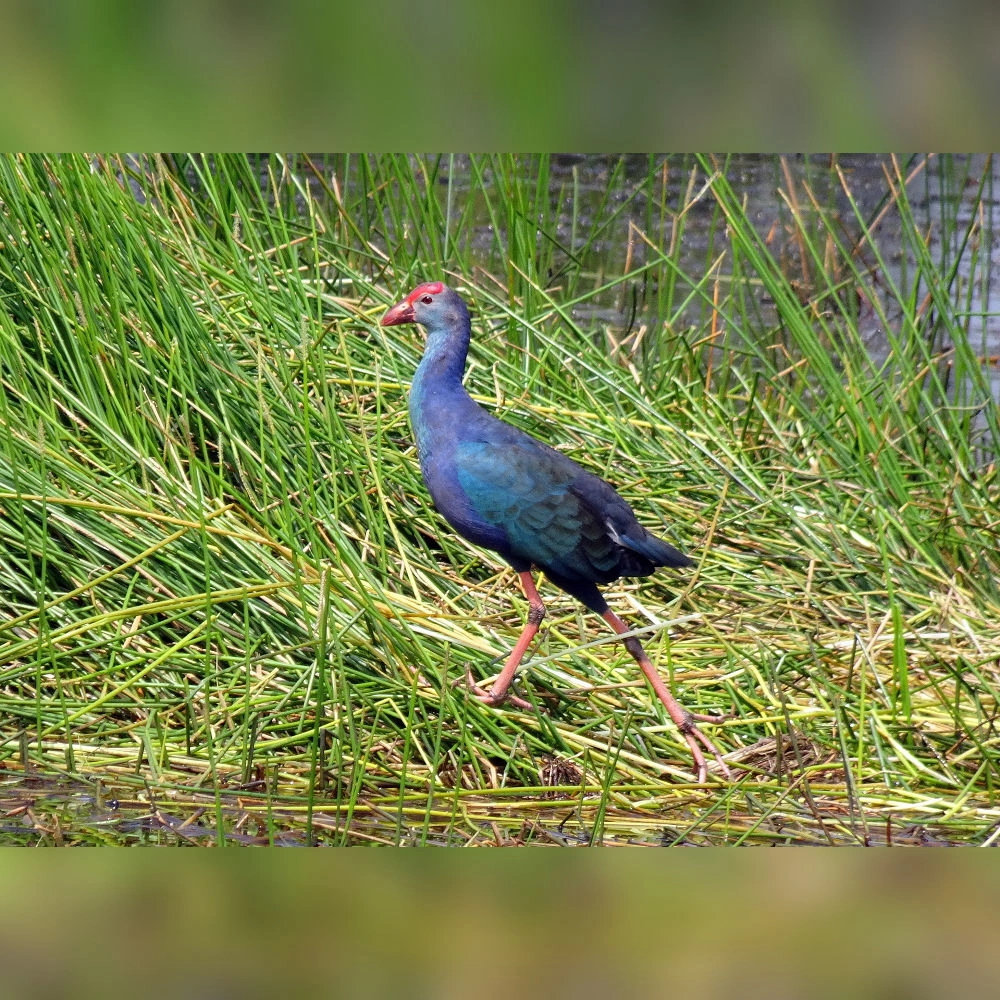
Grey-headed Swamphen
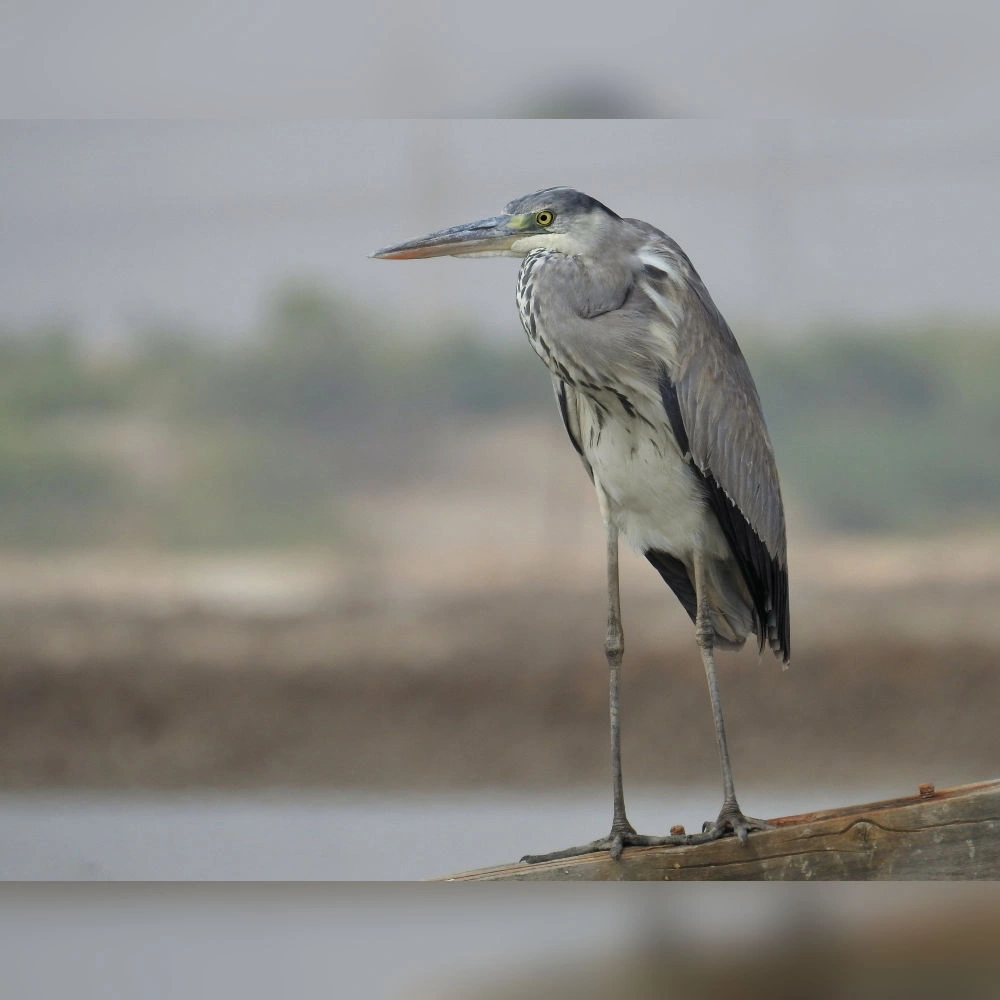
Grey Heron
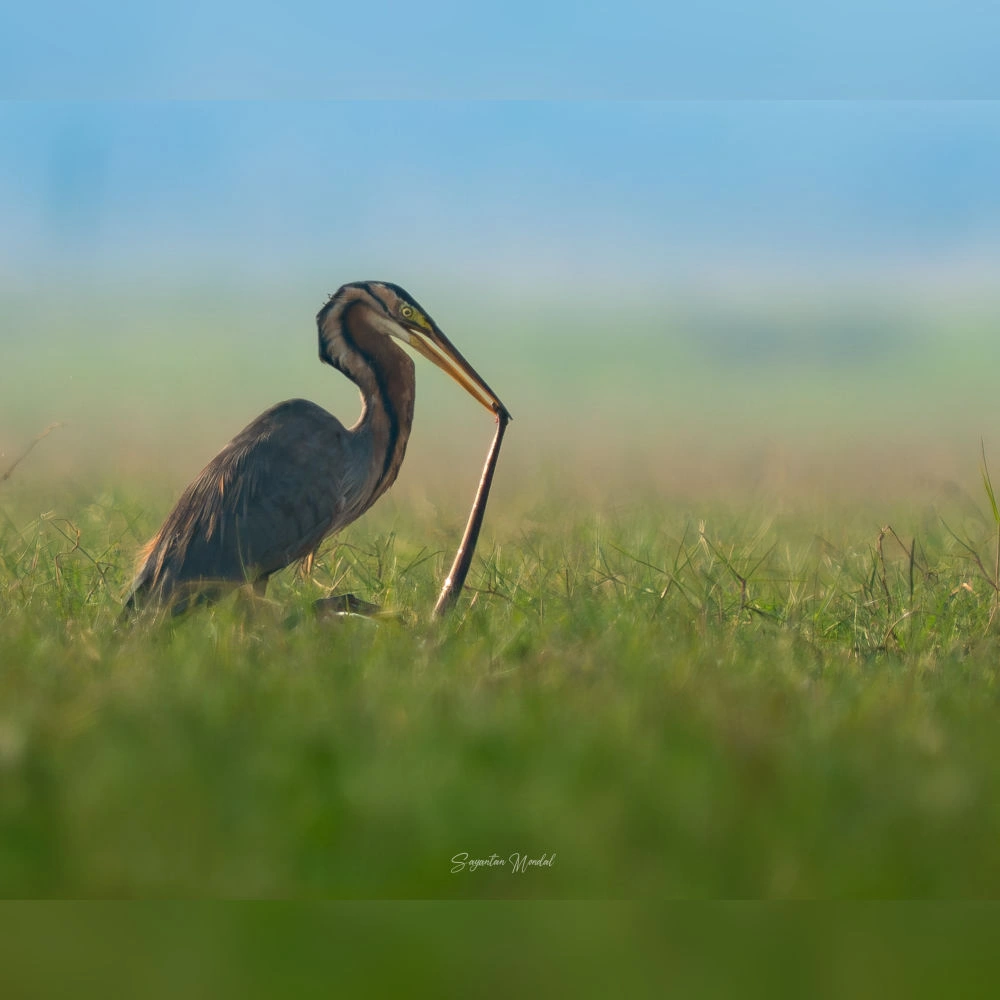
Purple Heron
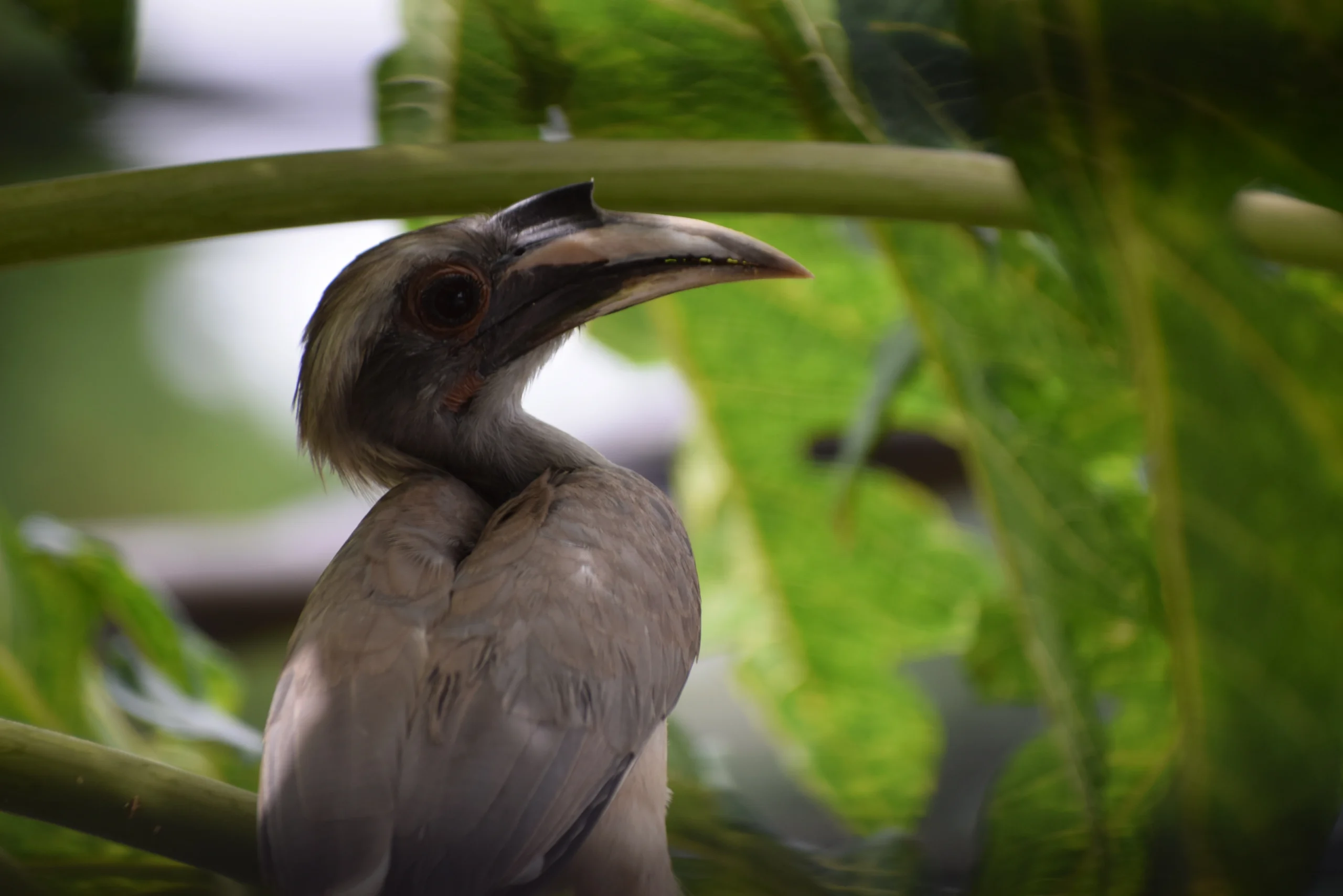
Indian Grey Hornbill
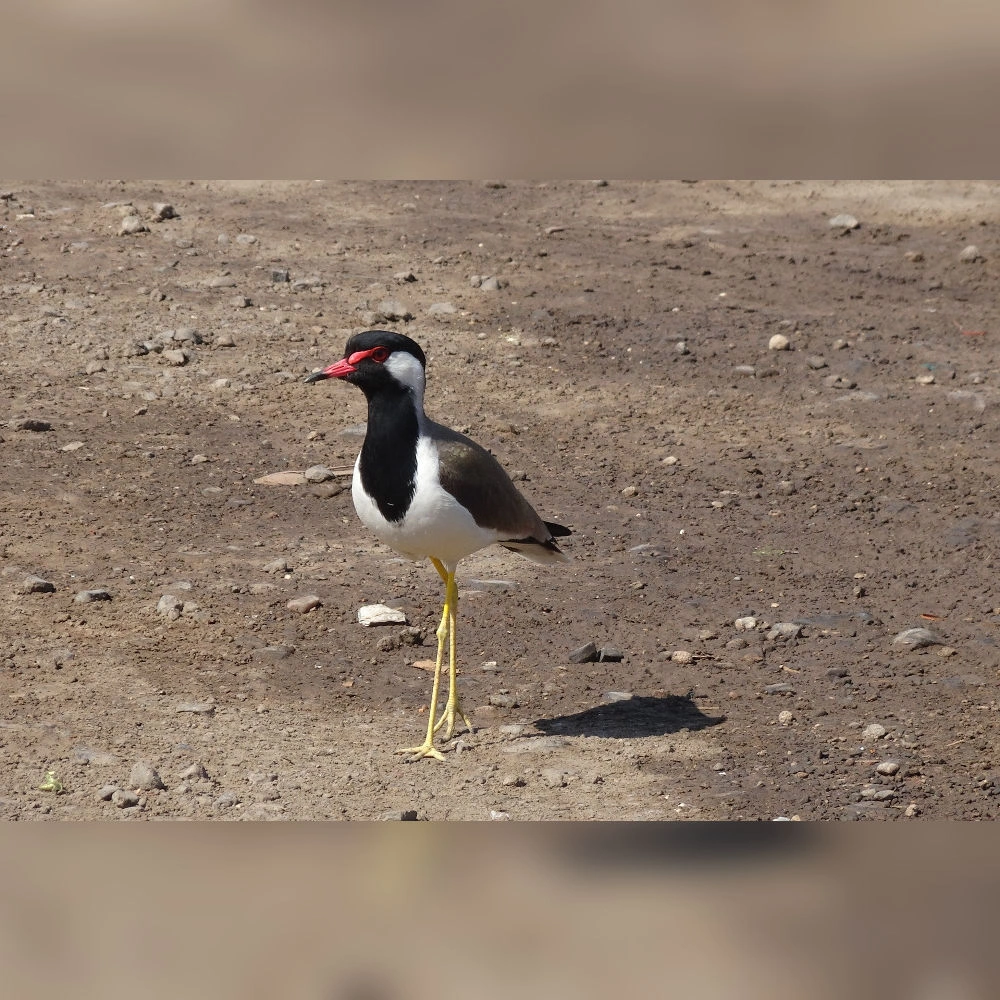
Red-wattled Lapwing
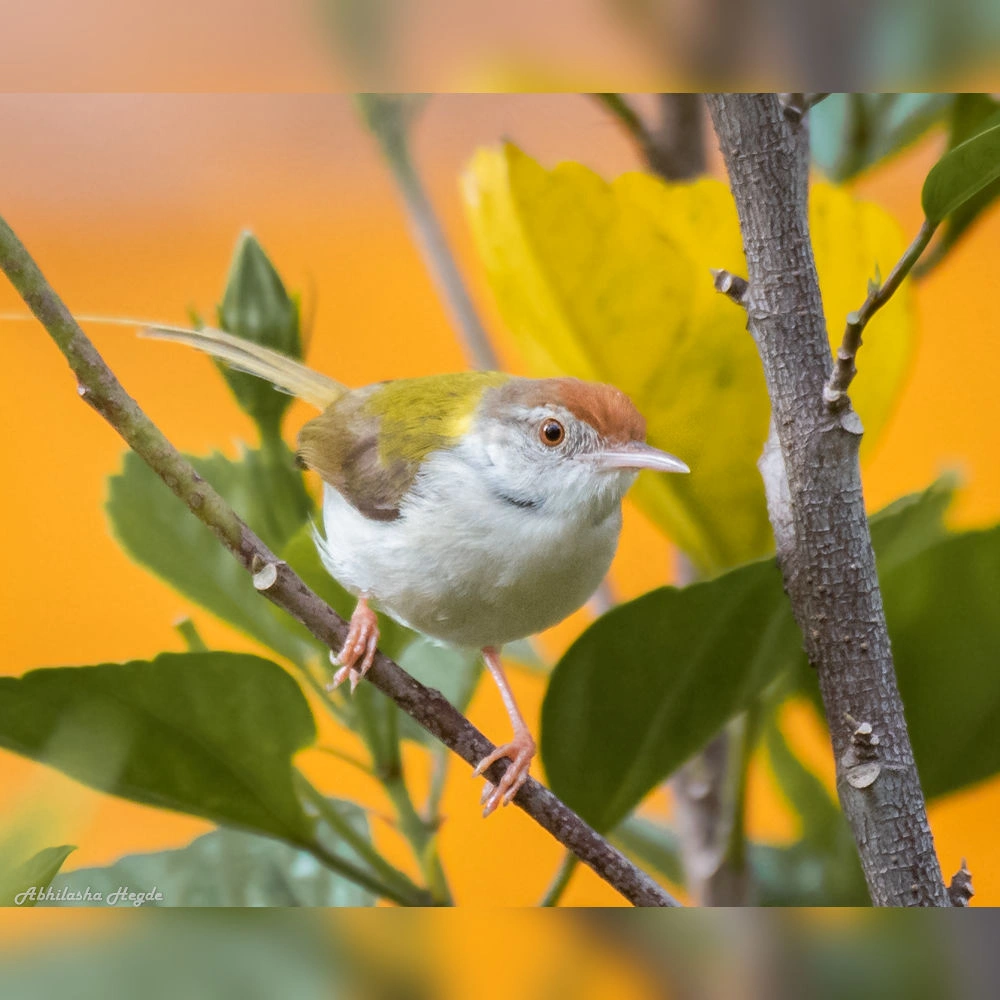
Common Tailorbird
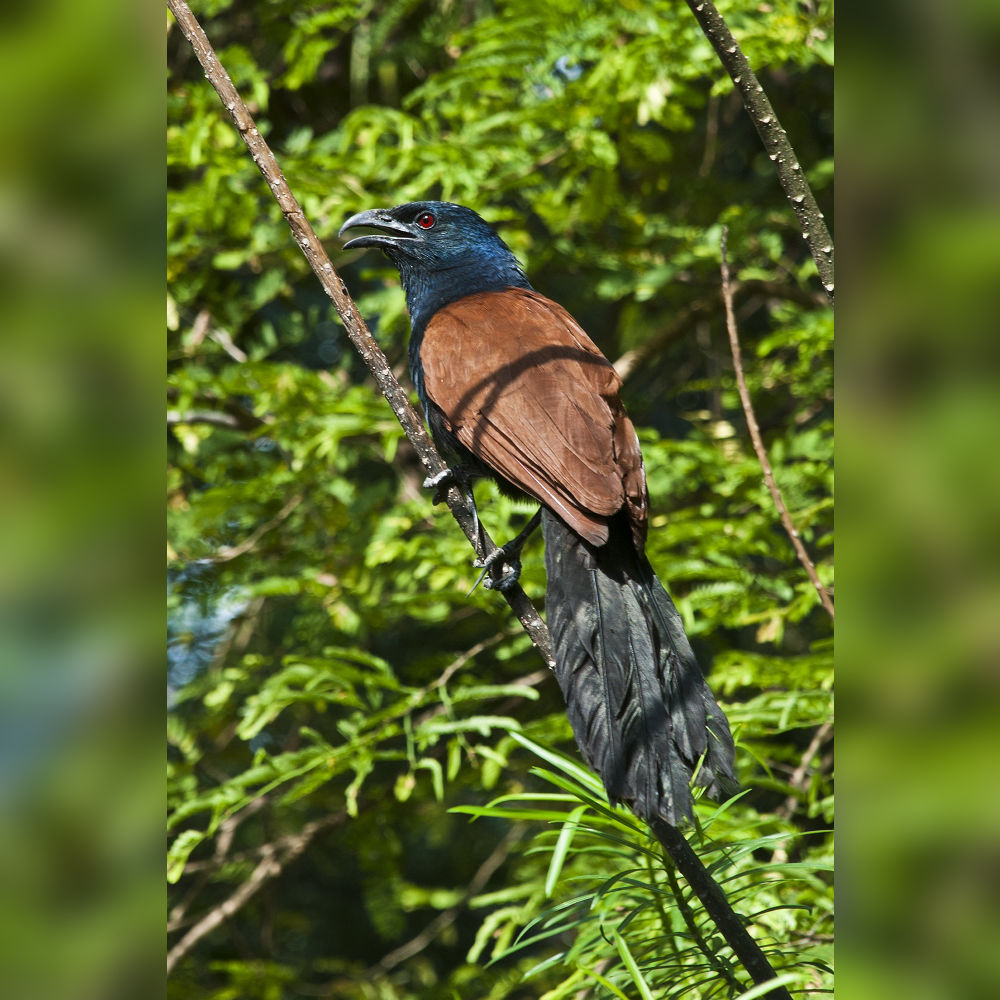
Greater Coucal
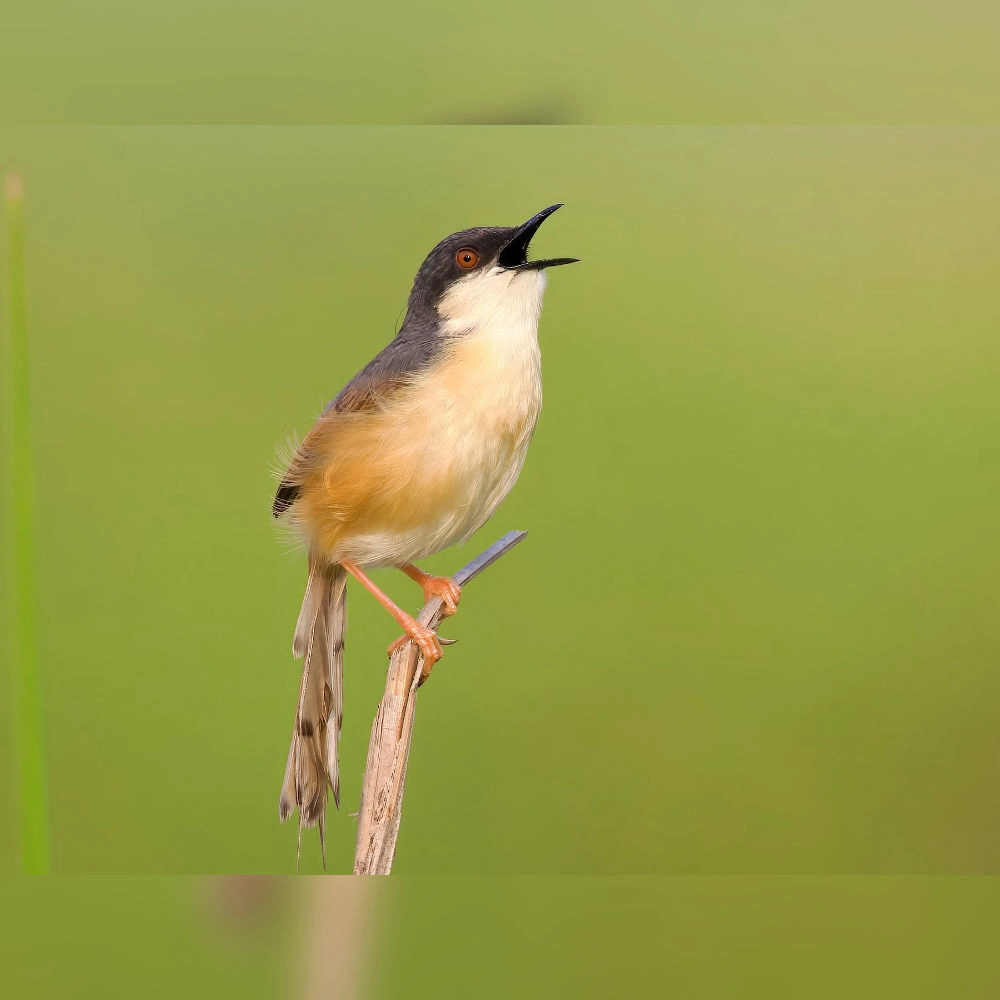
Ashy Prinia
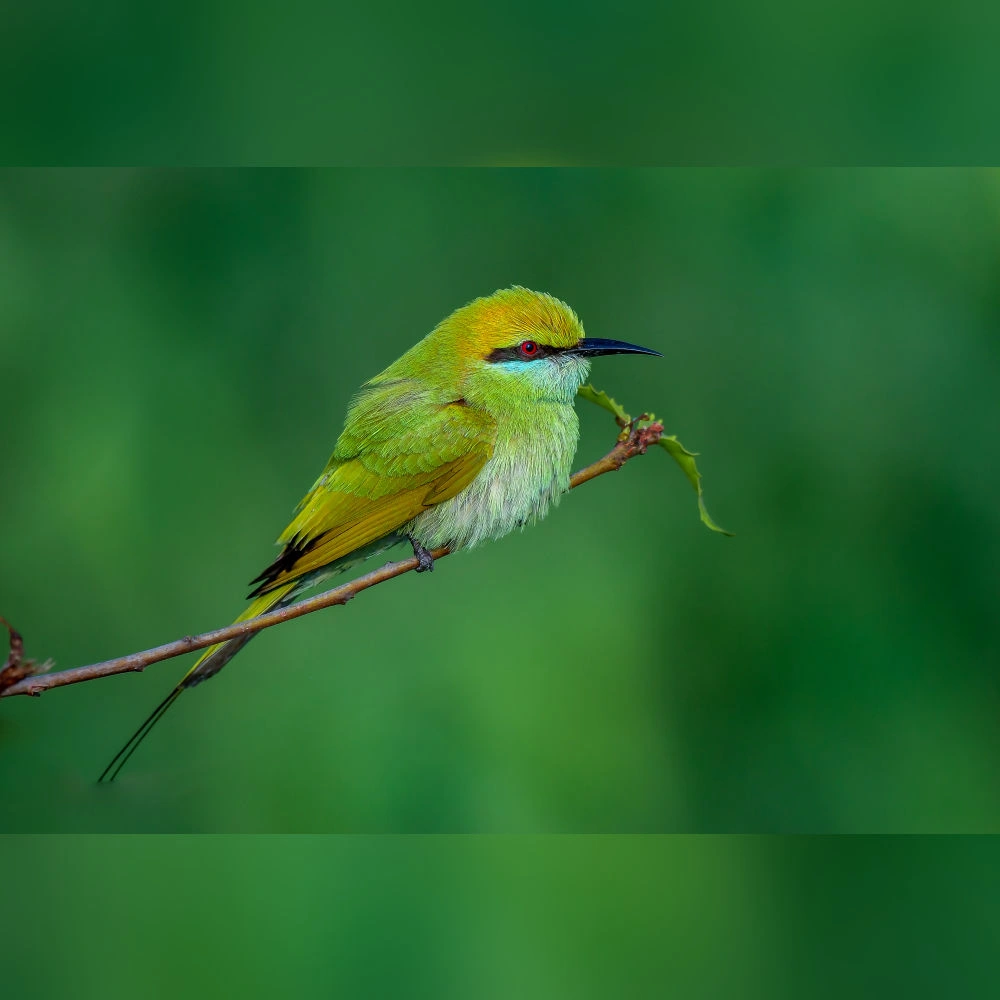
Asian Green Bee-eater
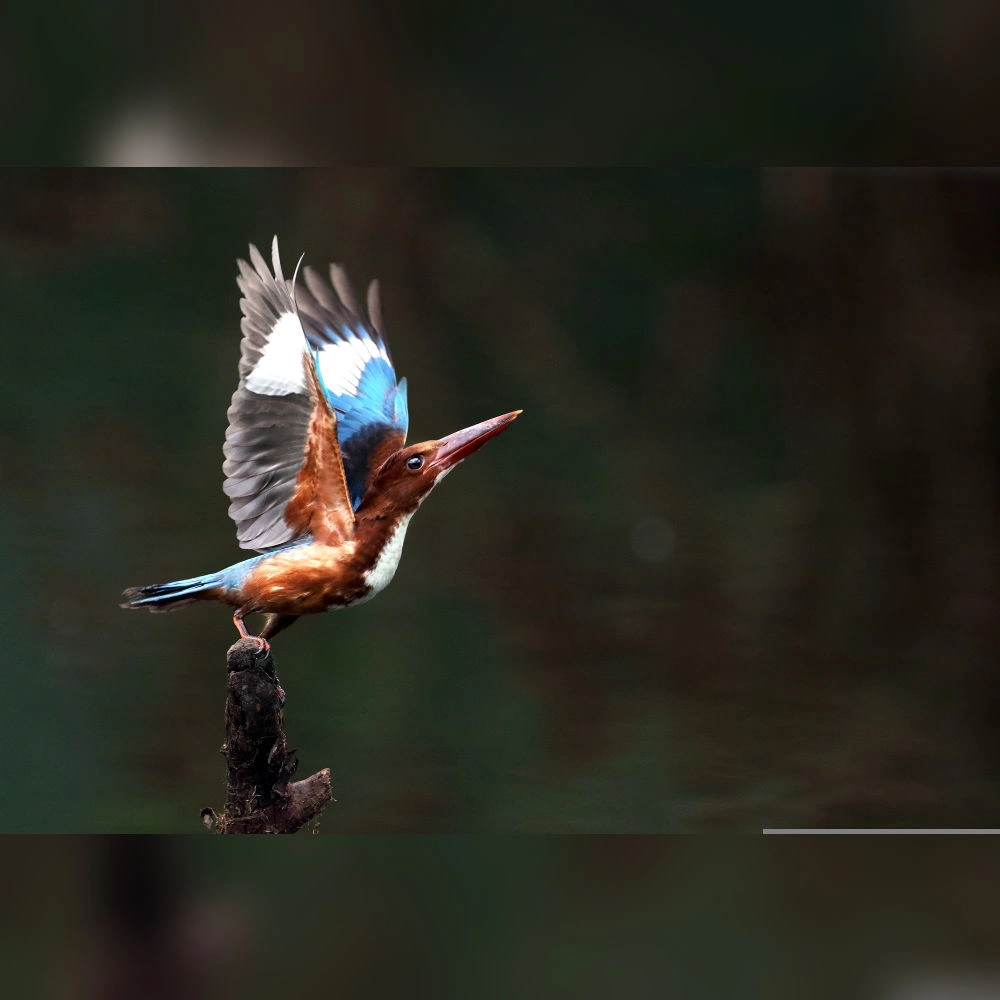
White-throated Kingfisher
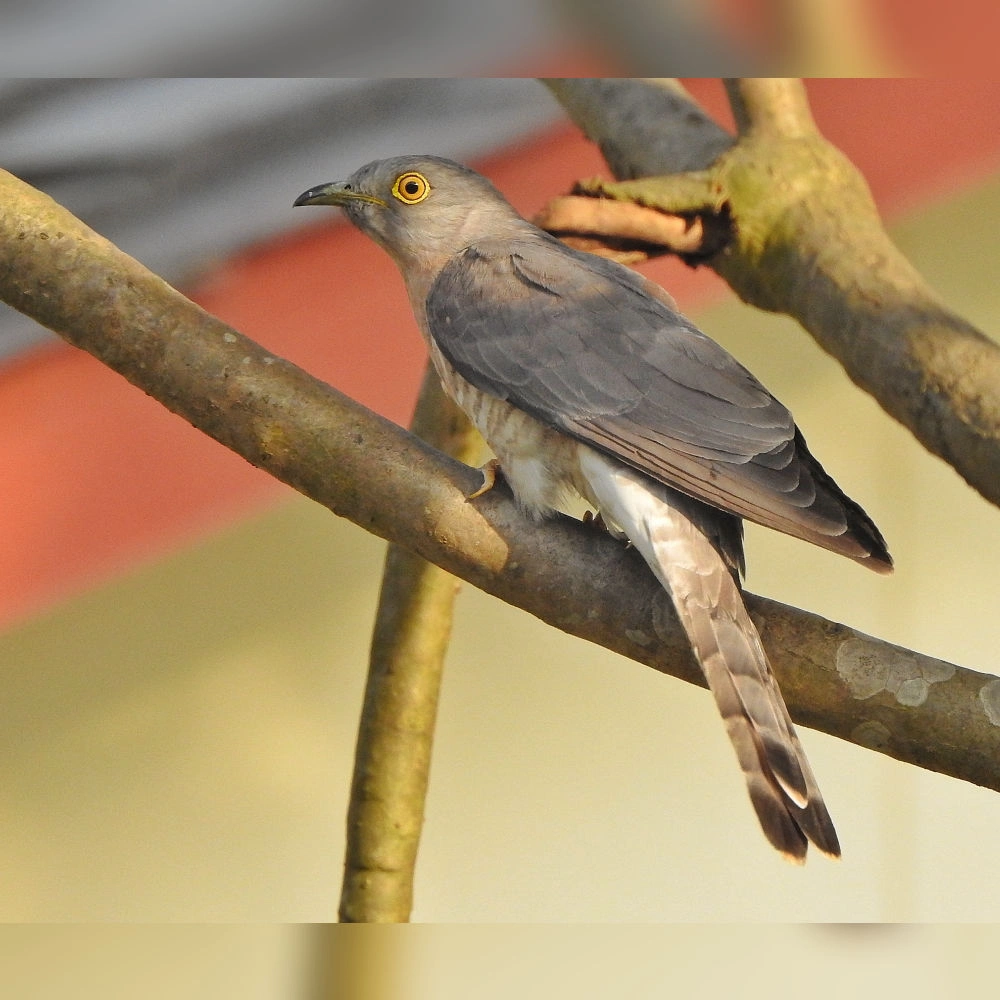
Common Hawk Cuckoo
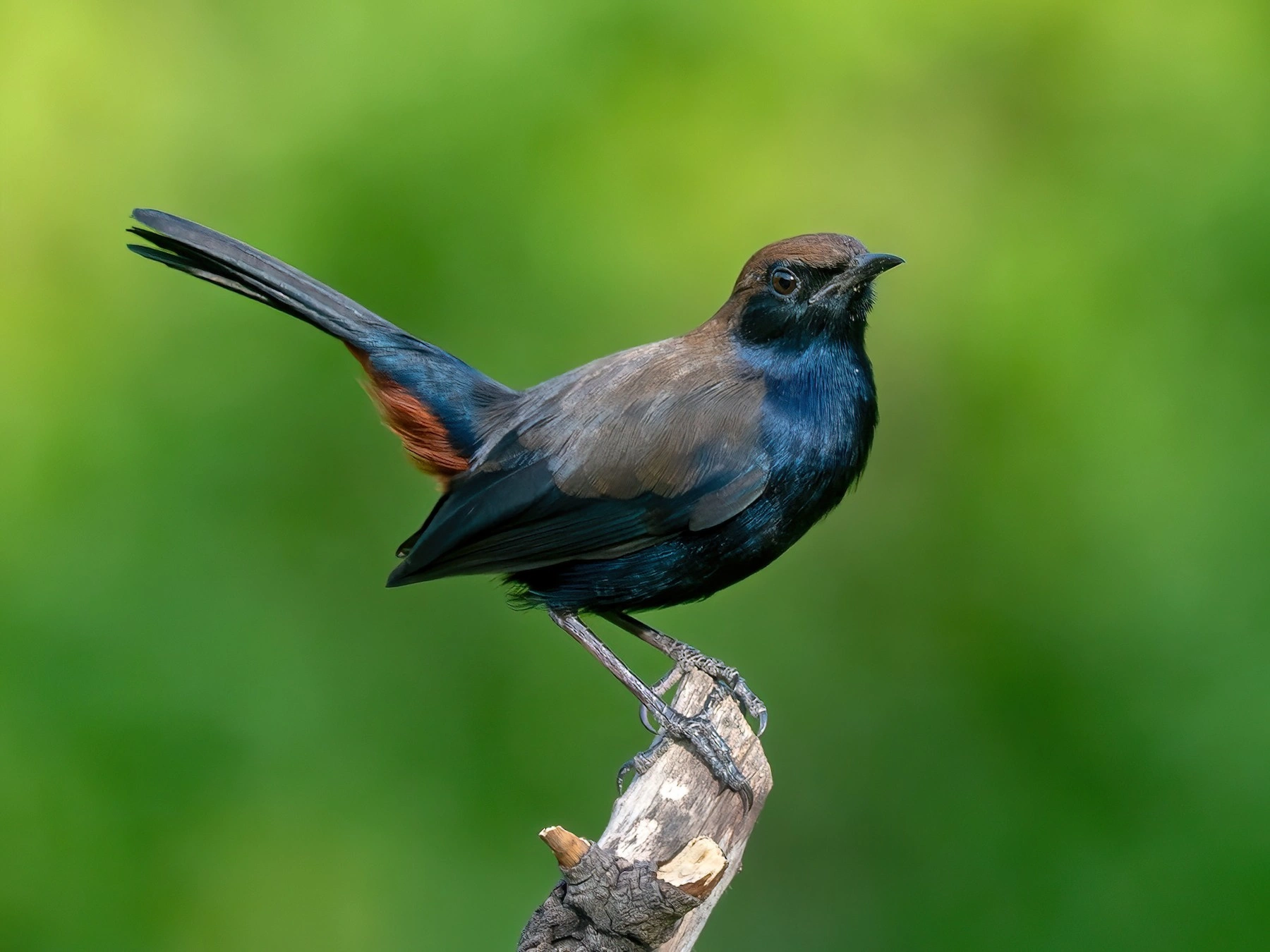
Indian Robin
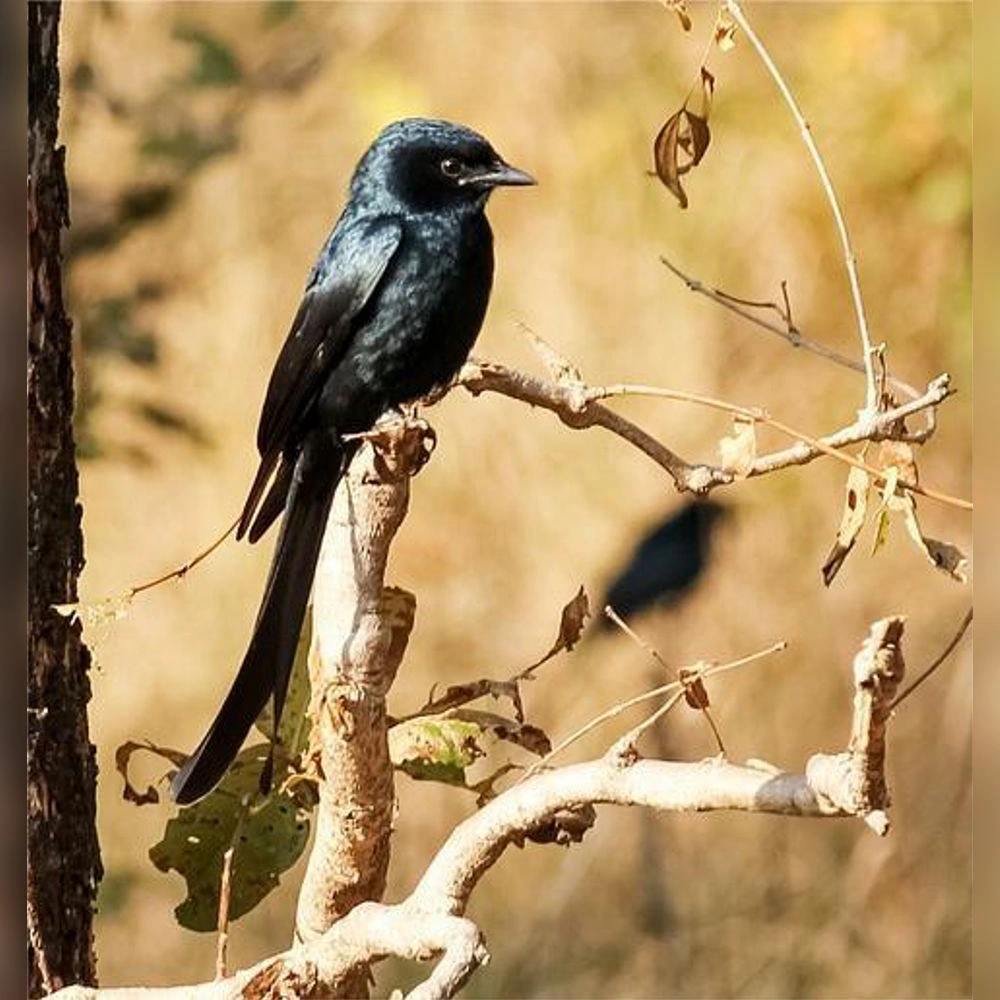
Black Drongo
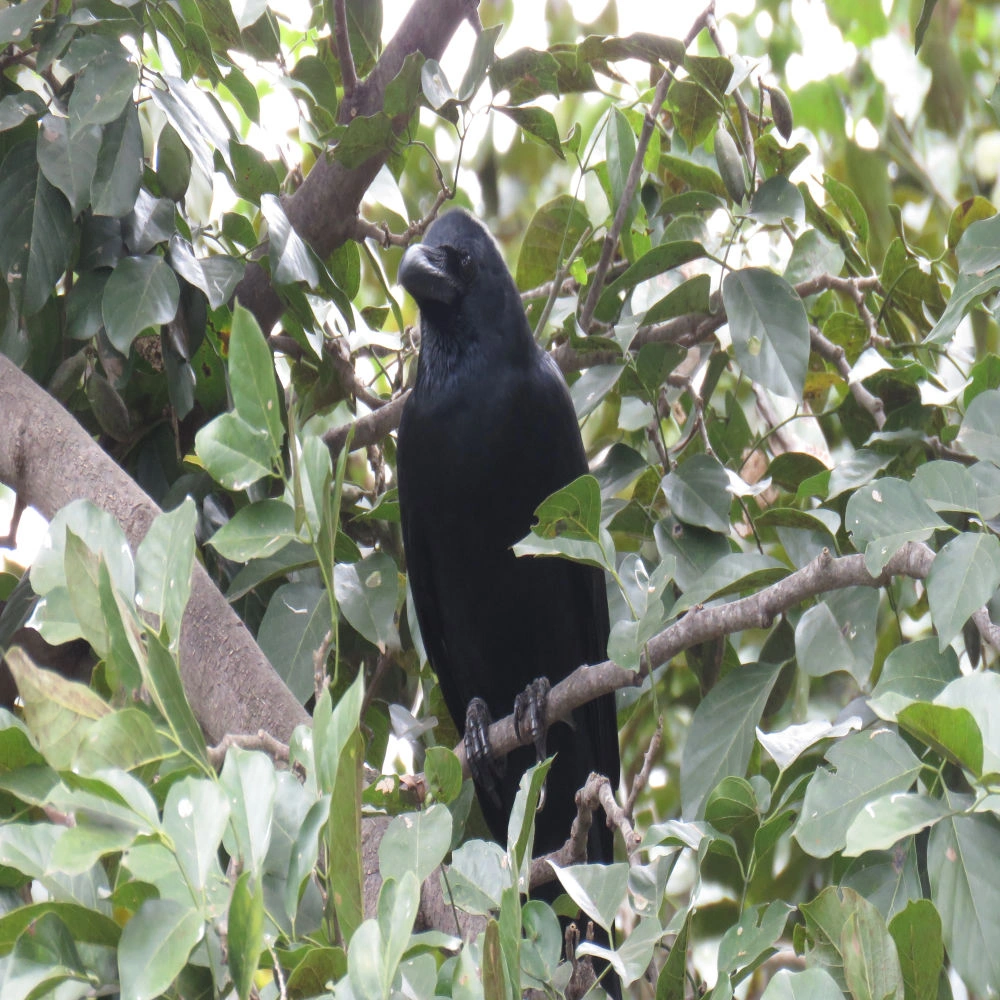
Large-billed Crow
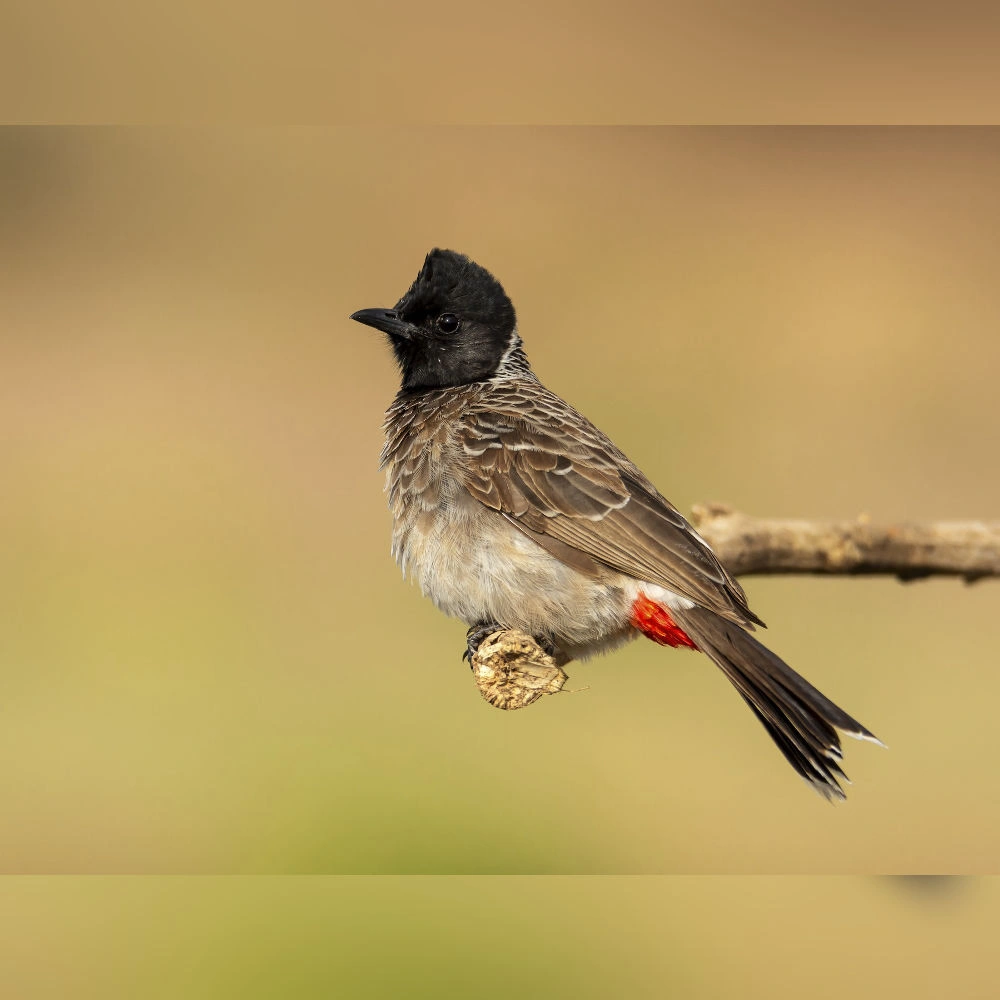
Red-vented Bulbul
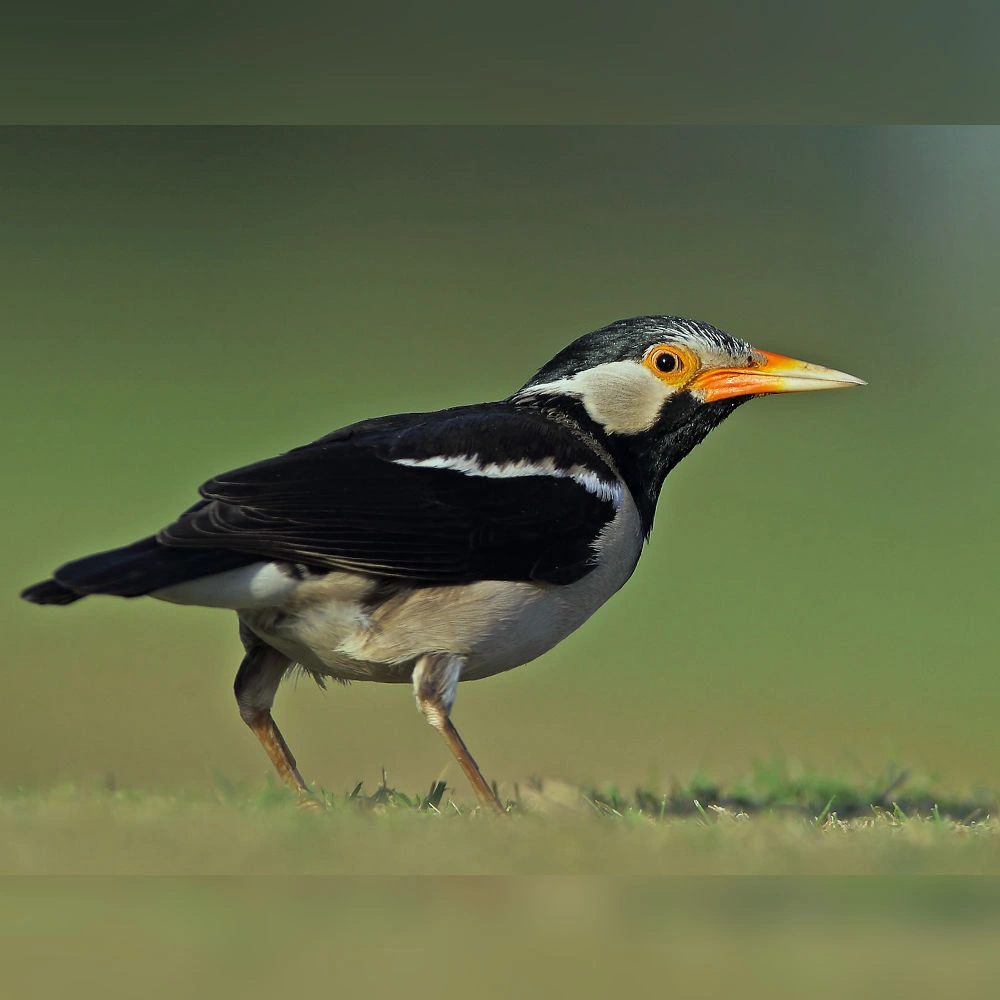
Asian Pied Starling
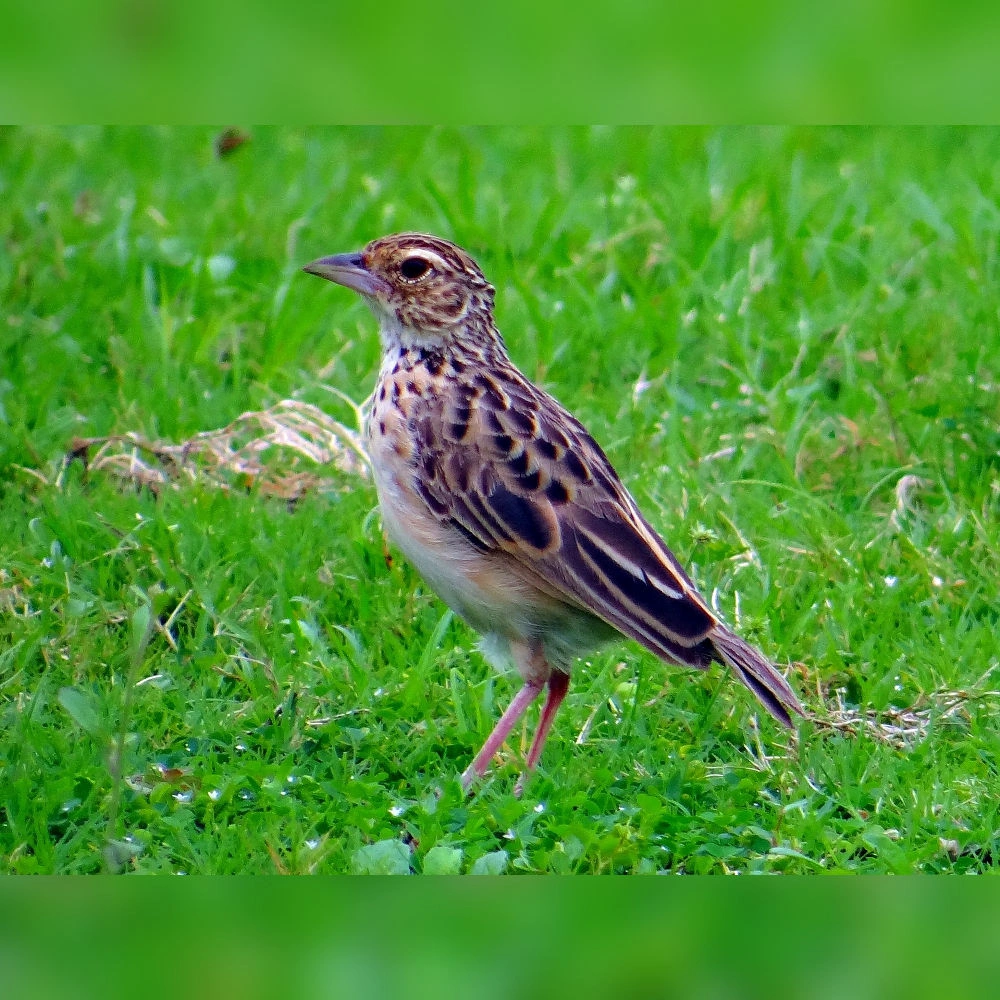
Paddyfield Pipit

Summary of Walk

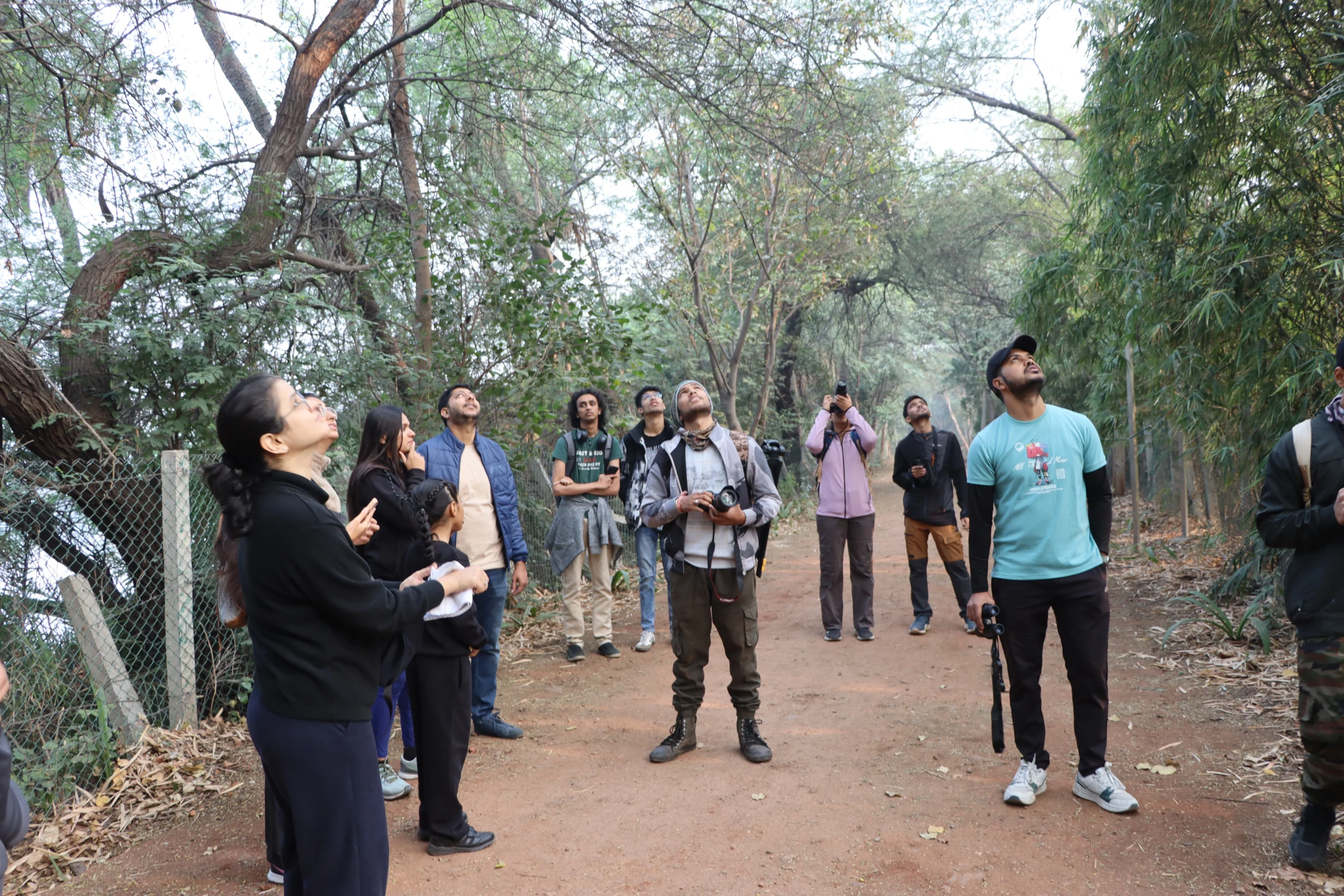
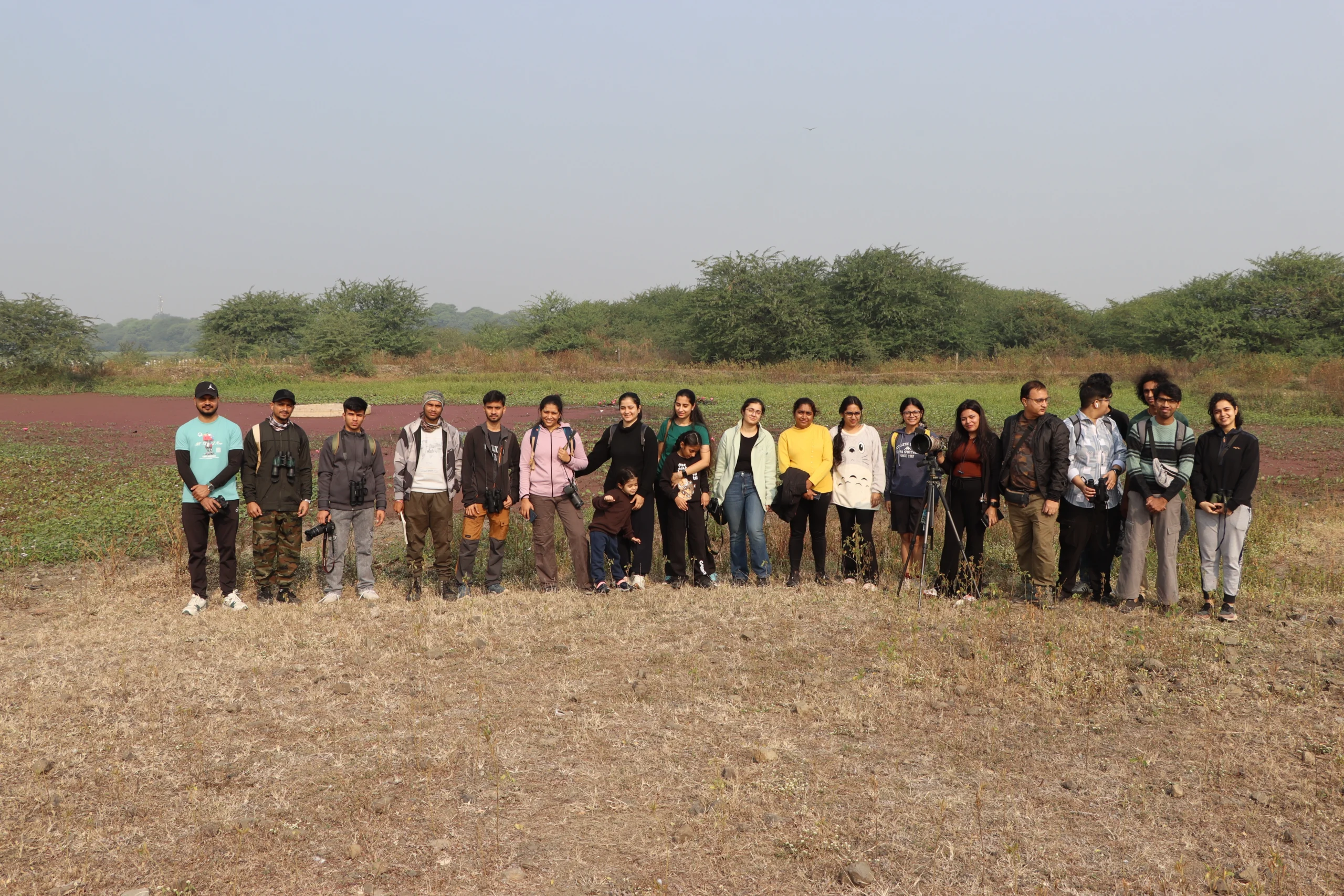
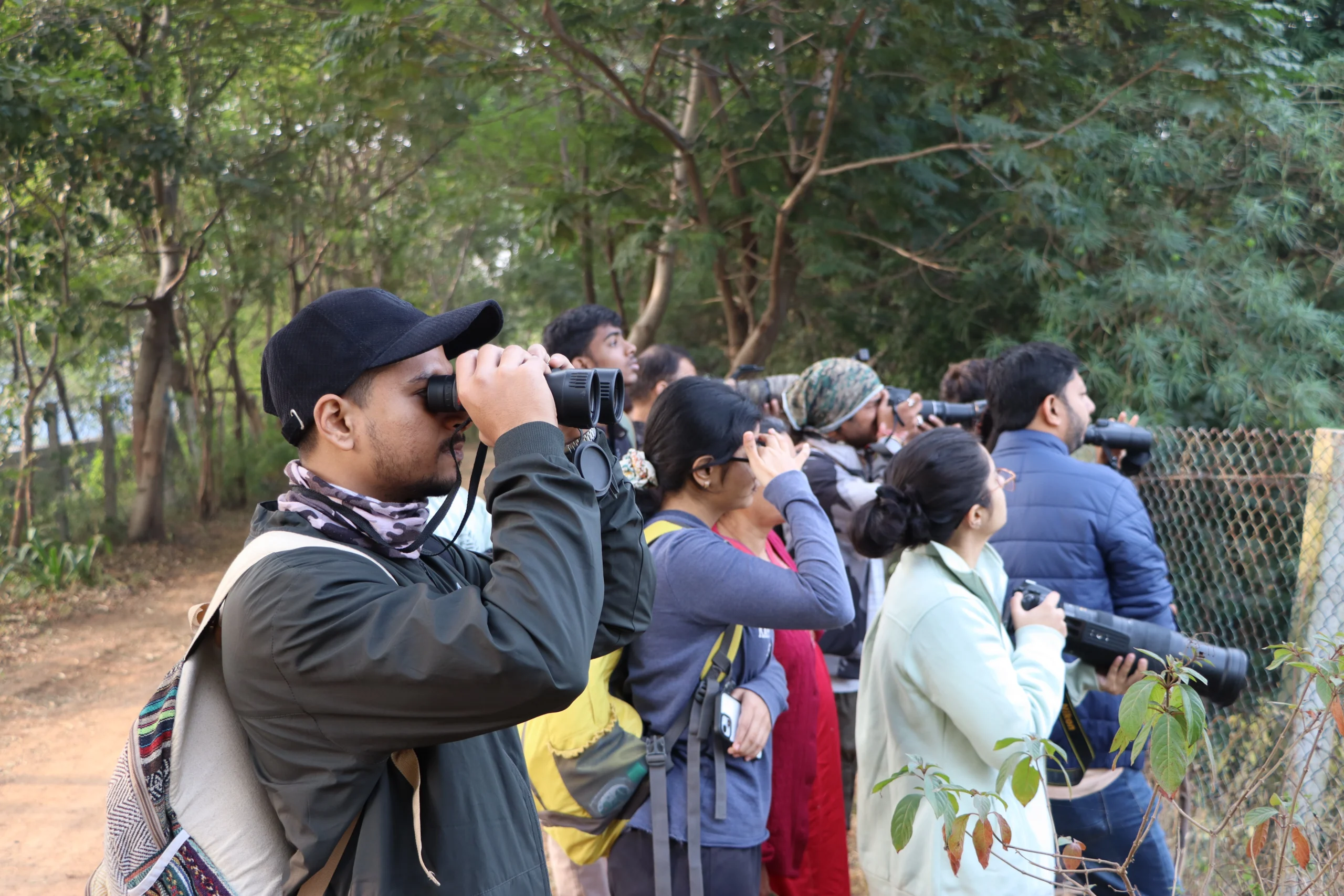
At Sirpur Lake, a celebrated Ramsar site, 20 participants and 2 kids joined the walk led by Yogendra. The group spotted around 30 species including Knob-billed Duck, Lesser Whistling Duck, Red-wattled Lapwing with babies, Shikra, Osprey, Ashy-crowned Sparrow Lark. The calm waterbody and early morning light created perfect conditions to appreciate the charm of wetland species.
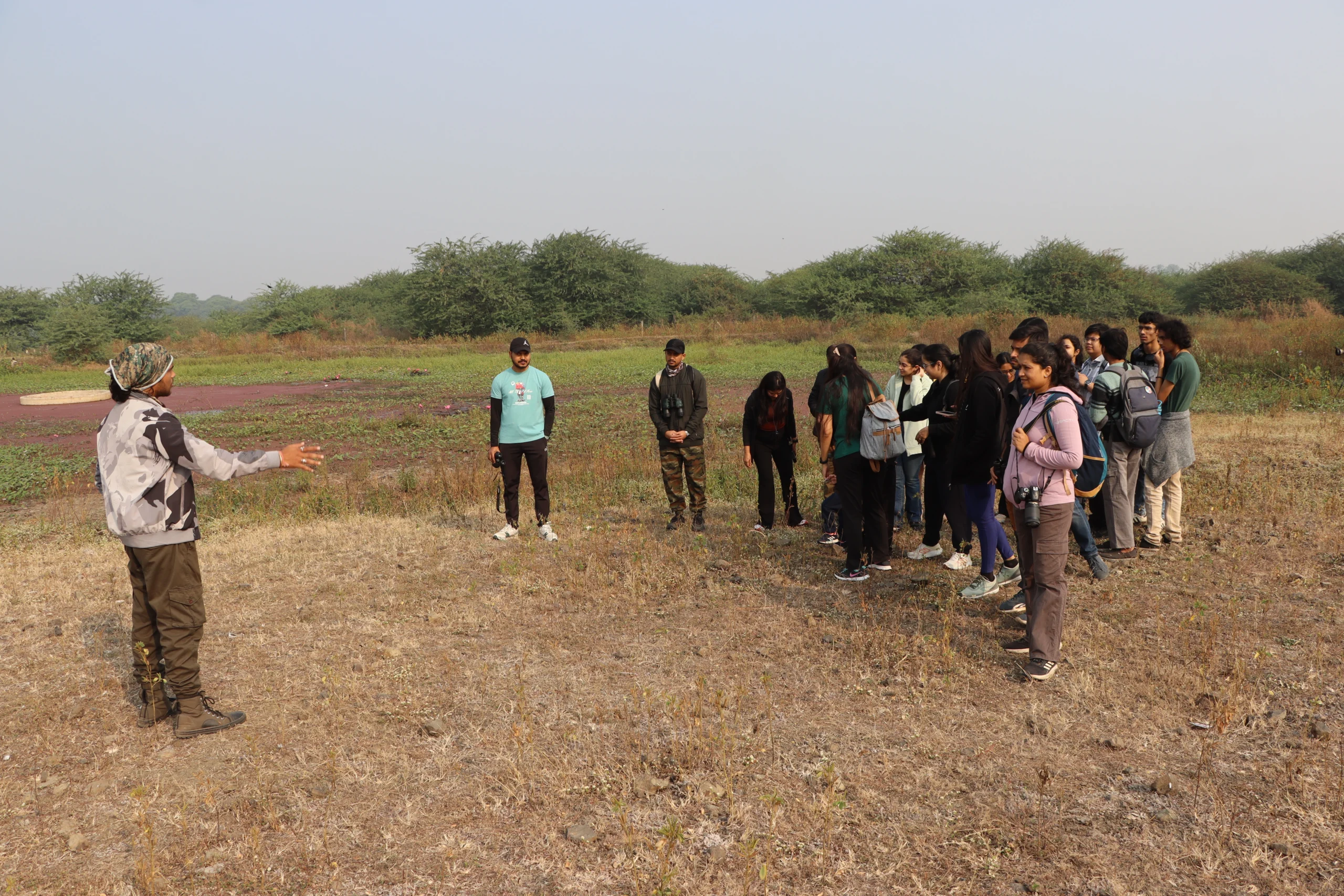
Participants also learnt about importance of bird watching, knowing the world of birds with binoculars. Through gentle guidance, they discovered how wetland ecosystems support a diverse bird community. The walk helped everyone—especially the kids—understand why such protected habitats are vital for migrating and resident birds.
Number of Participants
0
Scroll to Top