


Loading Events

Bird Walk at Karapur, Goa

About Karapur

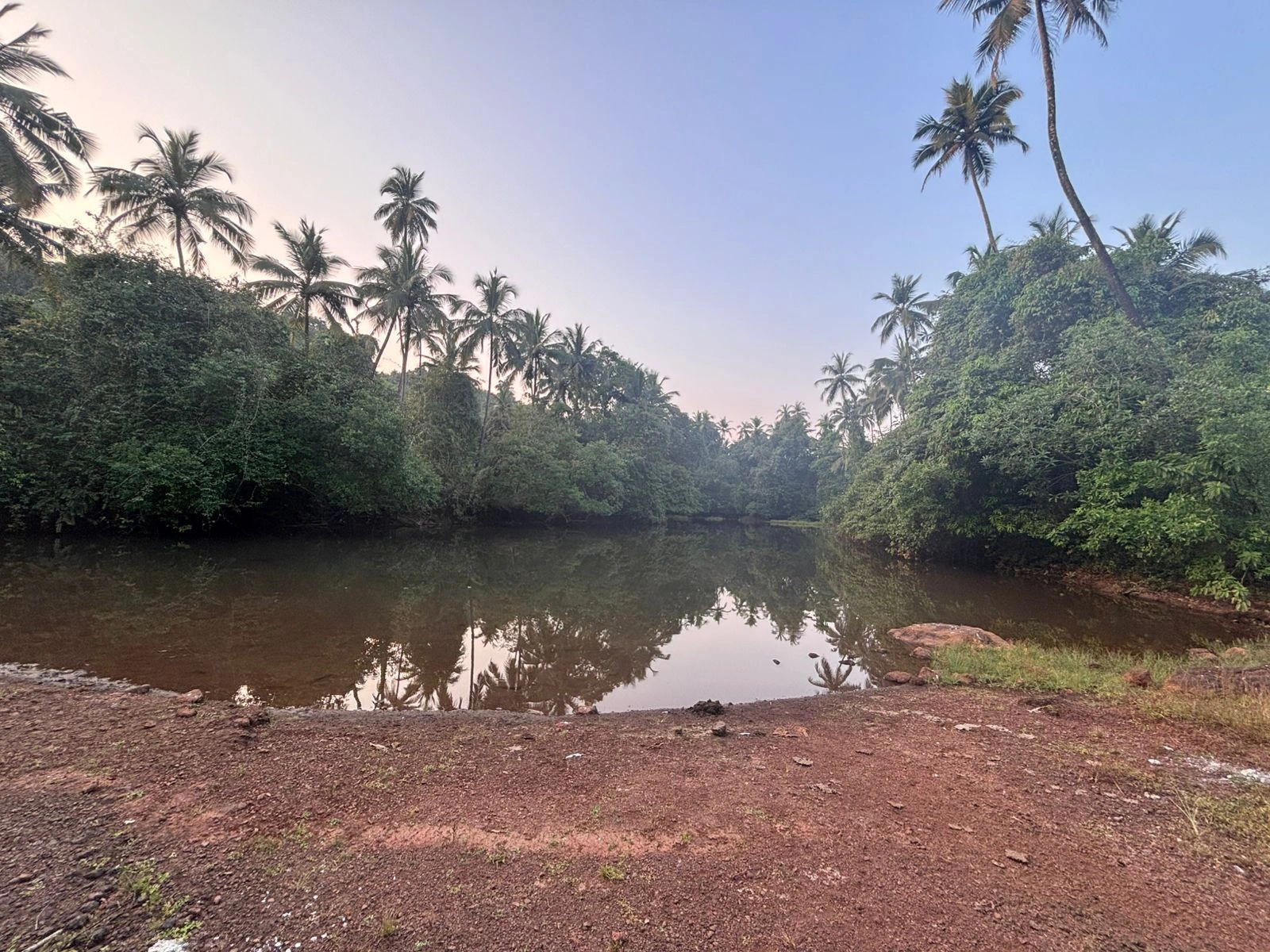
Karapur, located on the fringes of the Bhagwan Mahavir Wildlife Sanctuary in Goa, is a lush, biodiverse zone where the Western Ghats meet semi-urban village landscapes. The area is a mosaic of moist deciduous forest, dense undergrowth, riverine patches, and small agricultural clearings—creating a rich blend of habitats within a compact area. As daylight fades, the forest takes on a new rhythm: cicadas intensify, leaf-litter rustles, and the landscape slowly transitions into a world ruled by nocturnal life. This makes Karapur an ideal setting for an evening-to-night bird walk, offering participants a chance to observe both diurnal species settling in and night birds beginning their activity.
Karapur’s bird richness is remarkable, owing to its location within a globally recognised biodiversity hotspot. The forest supports iconic species such as Malabar Grey Hornbill, White-cheeked Barbet, Greater Racket-tailed Drongo, and multiple species of woodpeckers, along with crepuscular and nocturnal birds like Nightjars and Owls that emerge after dusk. Conservation efforts here focus on safeguarding fragmented forest patches, maintaining corridors for wildlife movement, and reducing human-wildlife conflict around village edges. By conducting evening-night bird walks, we not only showcase the hidden world of nocturnal avifauna but also promote community-based conservation by helping people appreciate the importance of preserving these sensitive habitats.

Partnered with

Bird Guide: Jalmesh Karapurkar

He is the coordinator of the Goa Bird Atlas initiative and serves as the eBird Reviewer for Goa, playing a key role in documenting avian biodiversity across the state. He also runs an inclusive ecotourism initiative aimed at making nature and wildlife experiences accessible and enriching for all.
Bird walk Location

Common birds of Karapur

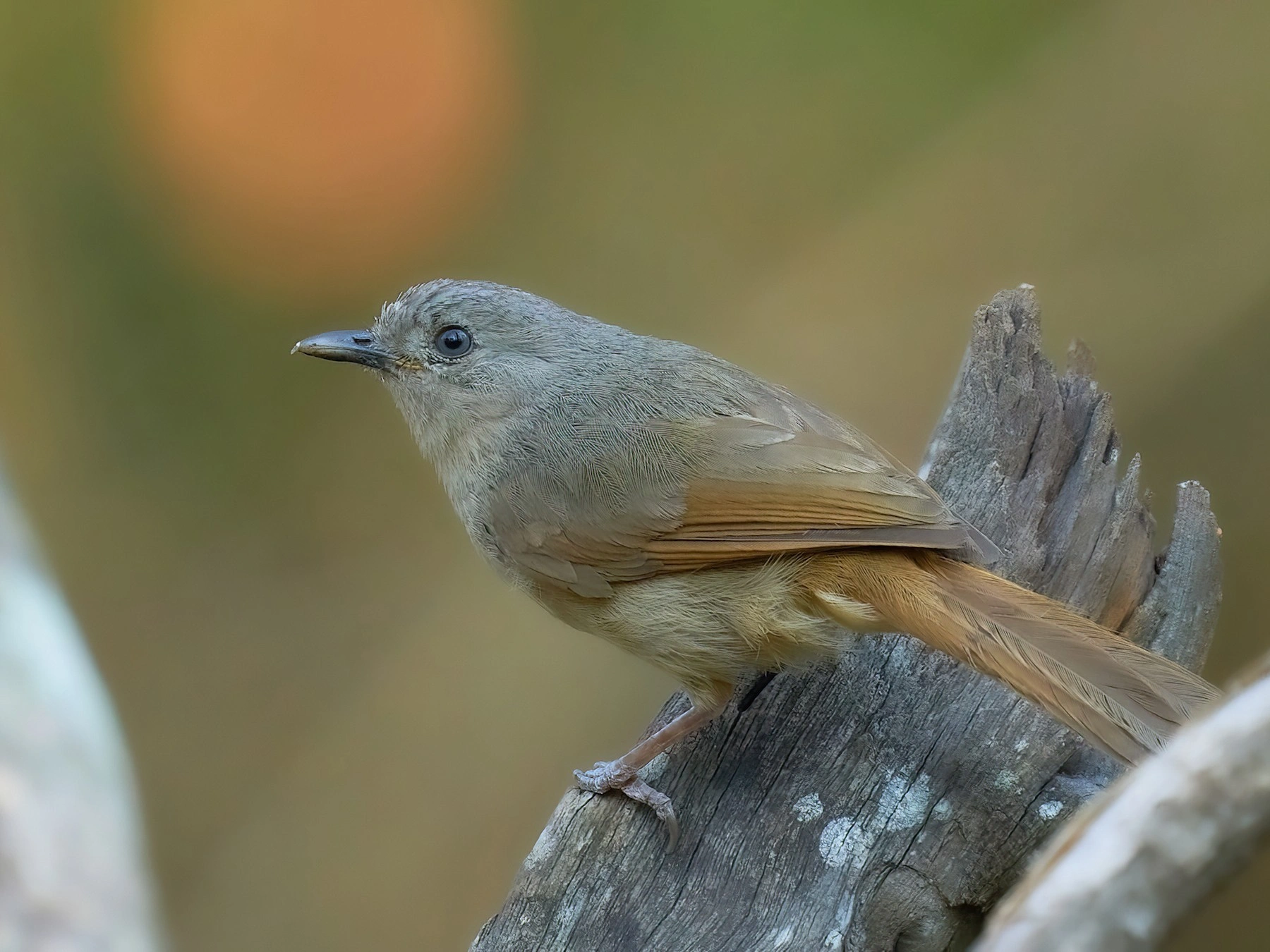
Karapur’s vibrant habitats support an impressive diversity of birds, with 133 species recorded from its forests, wetlands, and village edges. Common daytime sightings include colourful and active species such as the Asian Green Bee-eater, Asian Koel, Red-whiskered Bulbul, Indian Blackbird, Orange-headed Thrush, Brown-cheeked Fulvetta, and the striking Indian Paradise Flycatcher. Wetland-associated birds like the Eastern Cattle Egret and White-breasted Waterhen are often seen foraging around paddy fields and water channels, while canopy specialists such as the Rufous Woodpecker and Black-rumped Flameback add rhythmic drumming to the forest soundscape. Occasional glimpses of the brilliant Blue-eared Kingfisher make the experience even more rewarding.
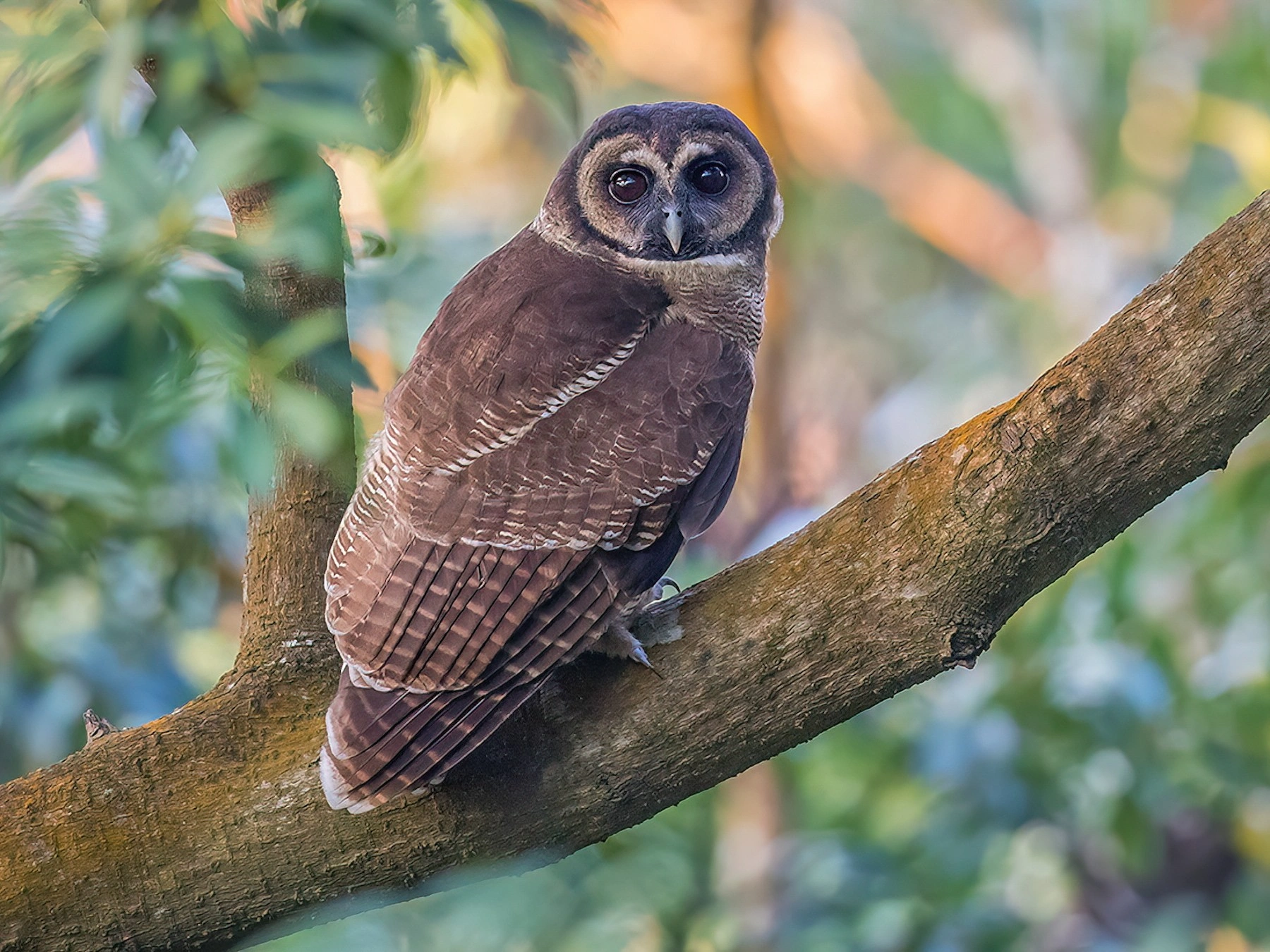
As evening approaches, Karapur transforms into a hotspot for crepuscular and nocturnal birds. The area is known for species like Jerdon’s Nightjar, Savannah Nightjar, and the enigmatic Sri Lanka Frogmouth, whose soft calls echo through the understorey at dusk. Night walks may reveal Spotted Owlet, Brown Hawk-owl, and the majestic Brown Wood-owl perched silently along tree lines, while open patches may host the alert Red-wattled Lapwing. Together, these species reflect the ecological richness of Karapur, making it one of Goa’s most rewarding birding landscapes.
Brown-cheeked Fulvetta
Brown Wood Owl
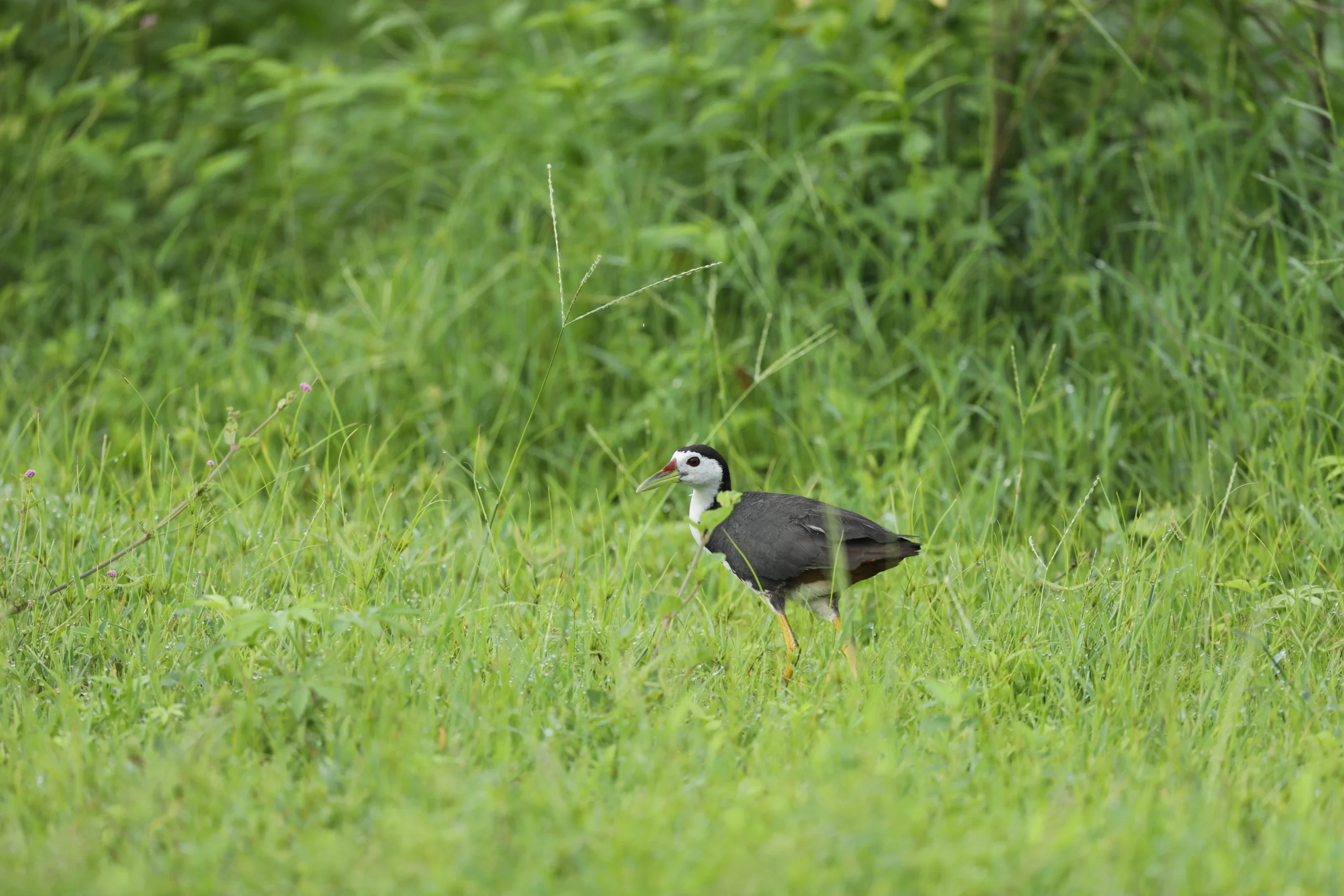
White-breasted Waterhen
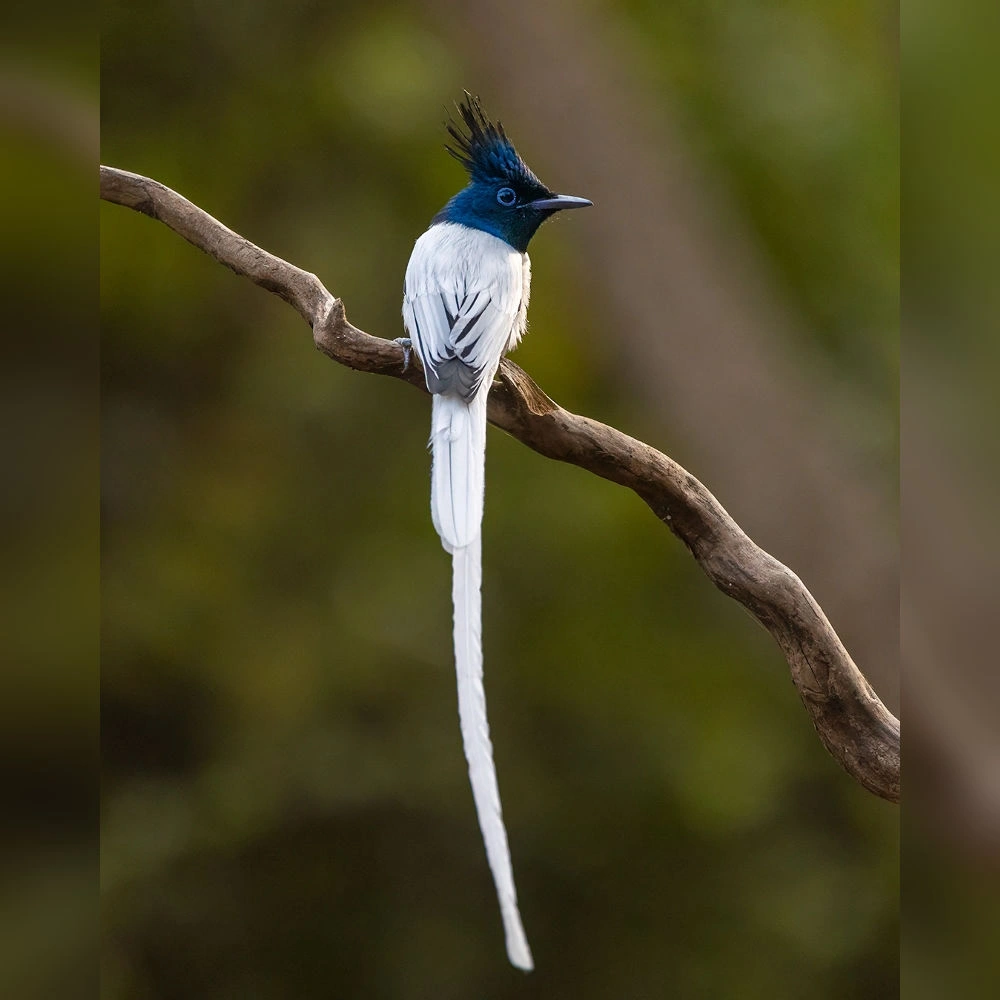
Indian Paradise Flycatcher
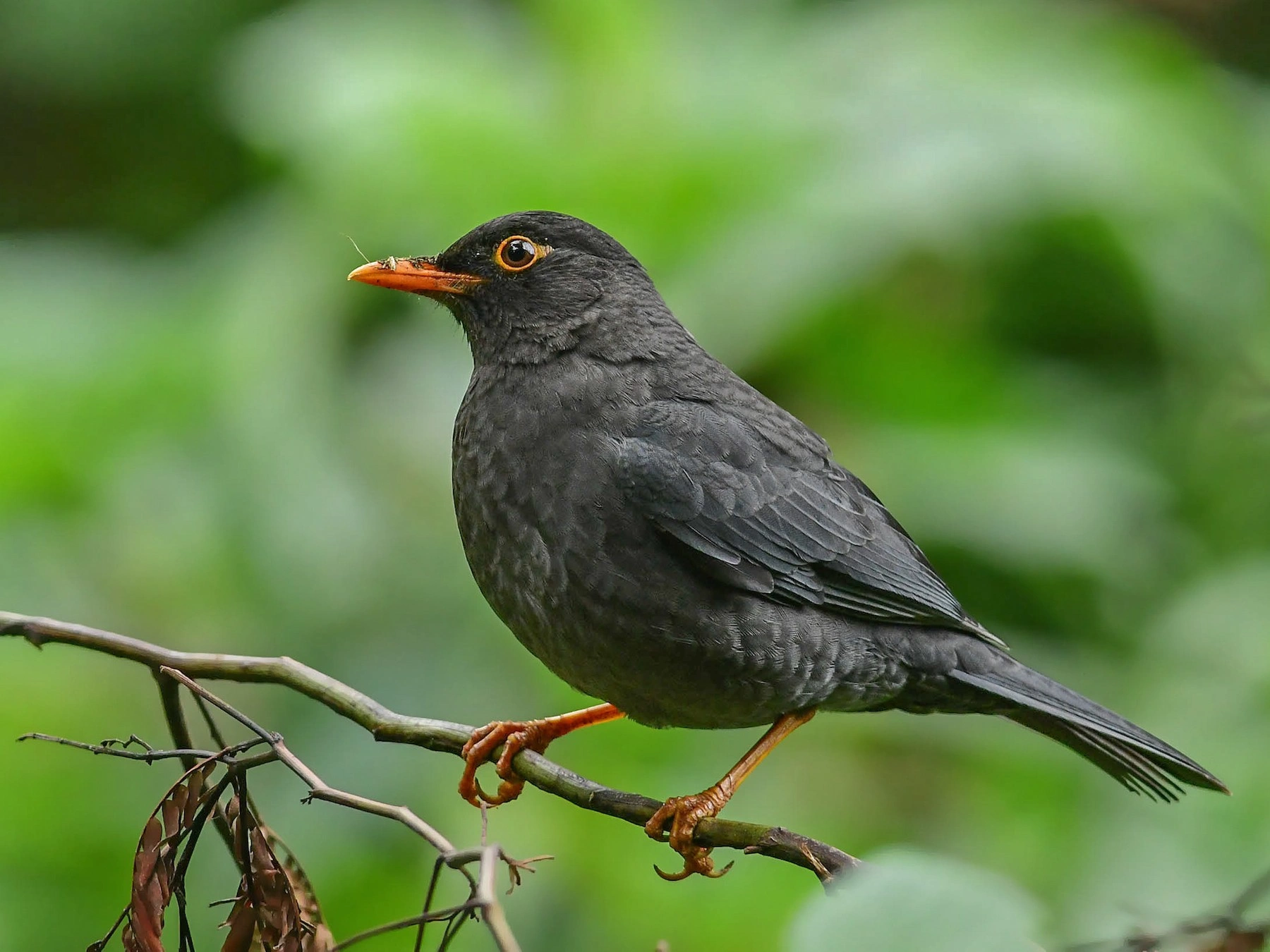
Indian Blackbird
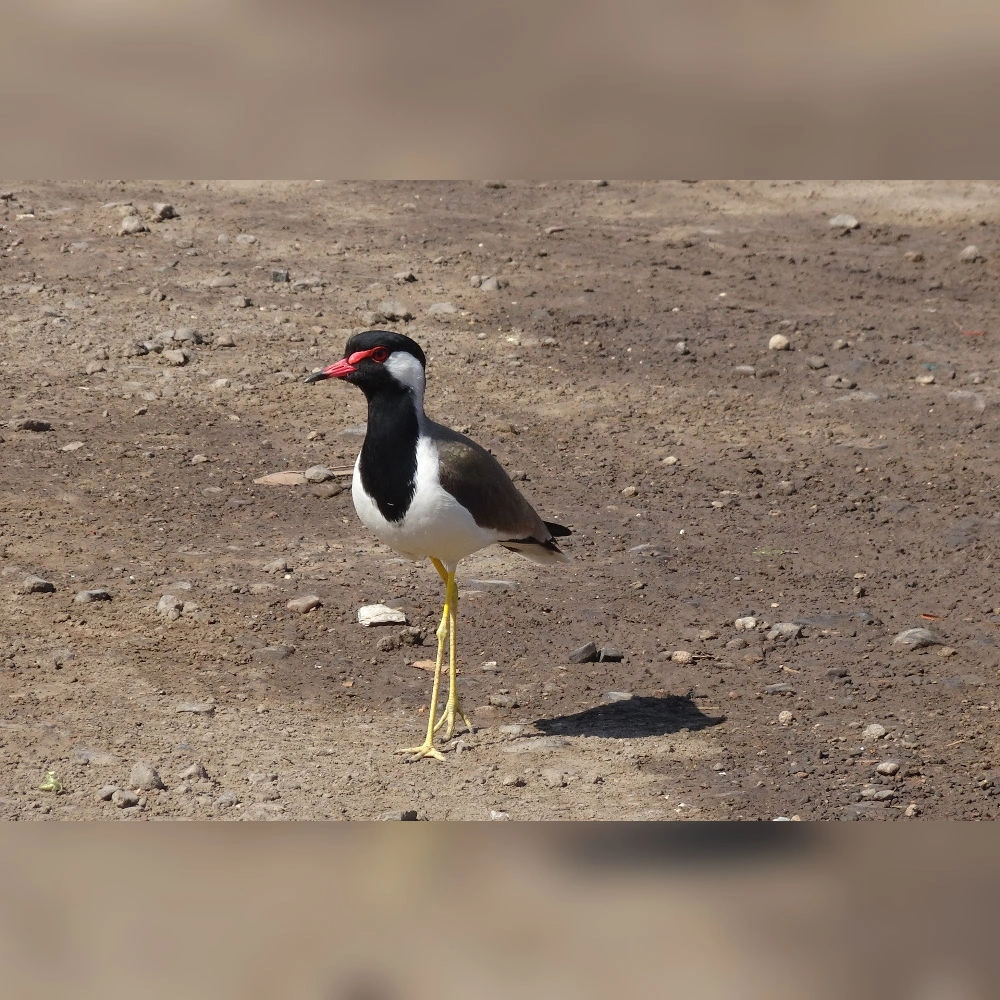
Red-wattled Lapwing
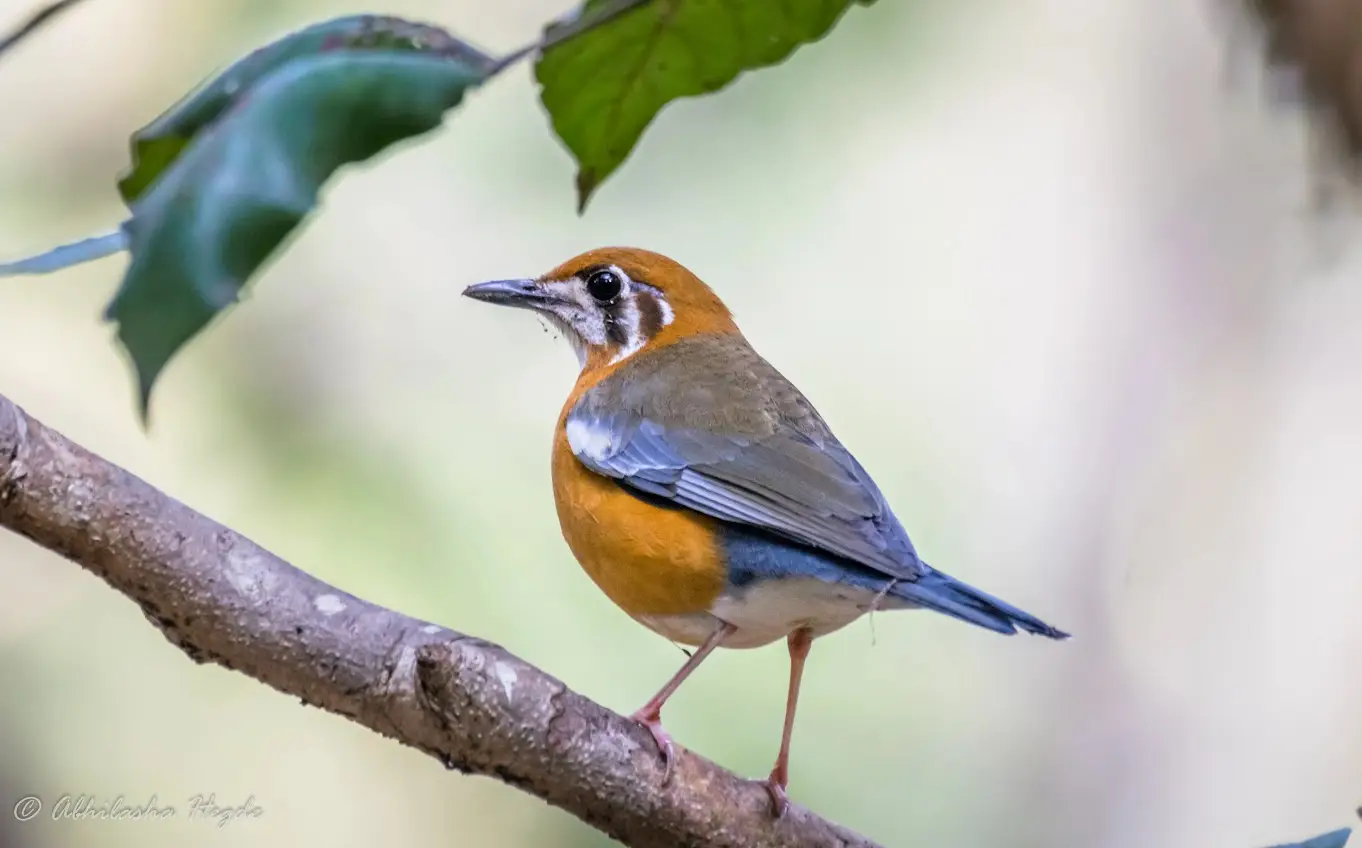
Orange-headed Thrush
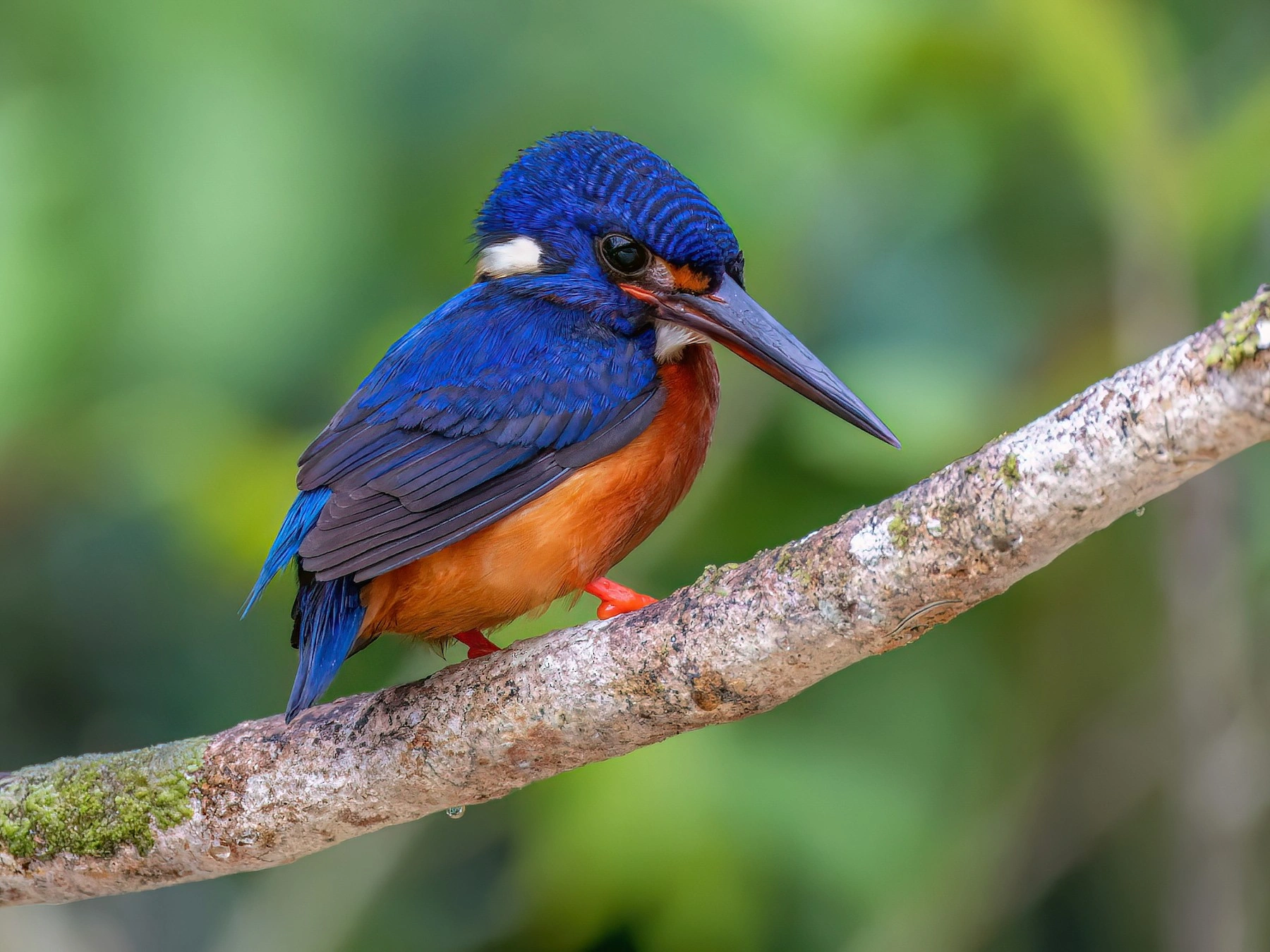
Blue-eared Kingfisher
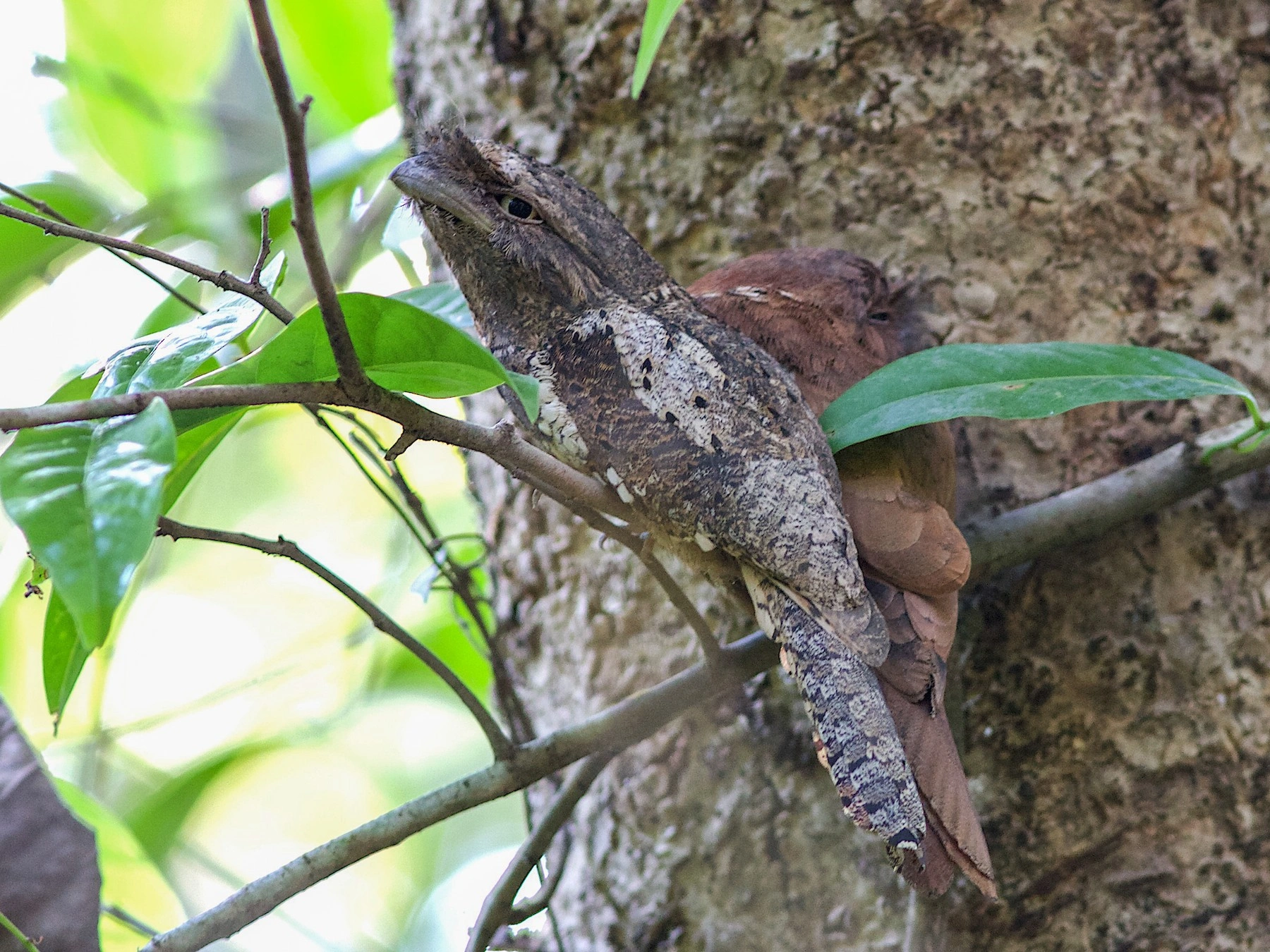
Sri-Lanka Frogmouth
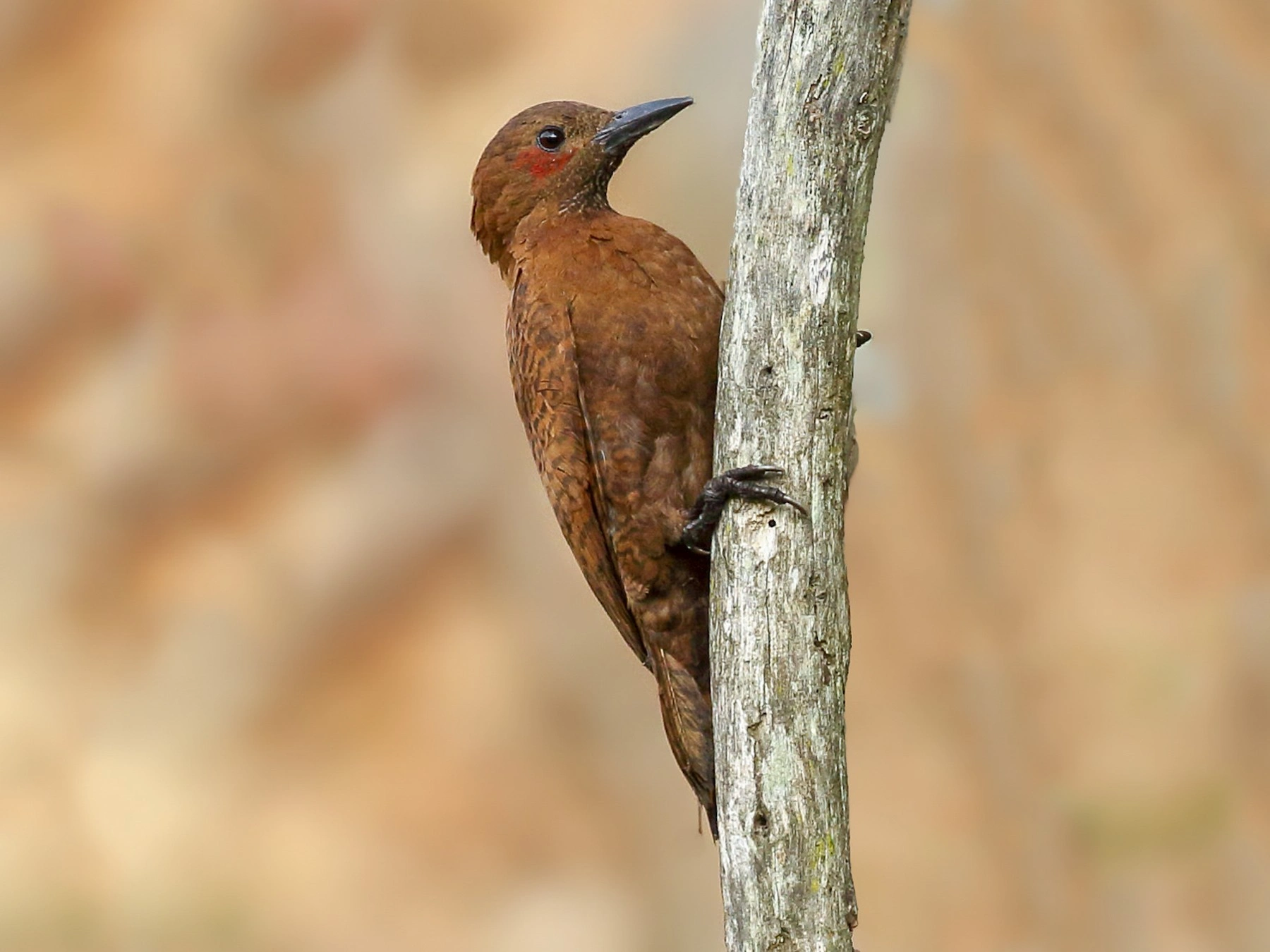
Rufous Woodpecker
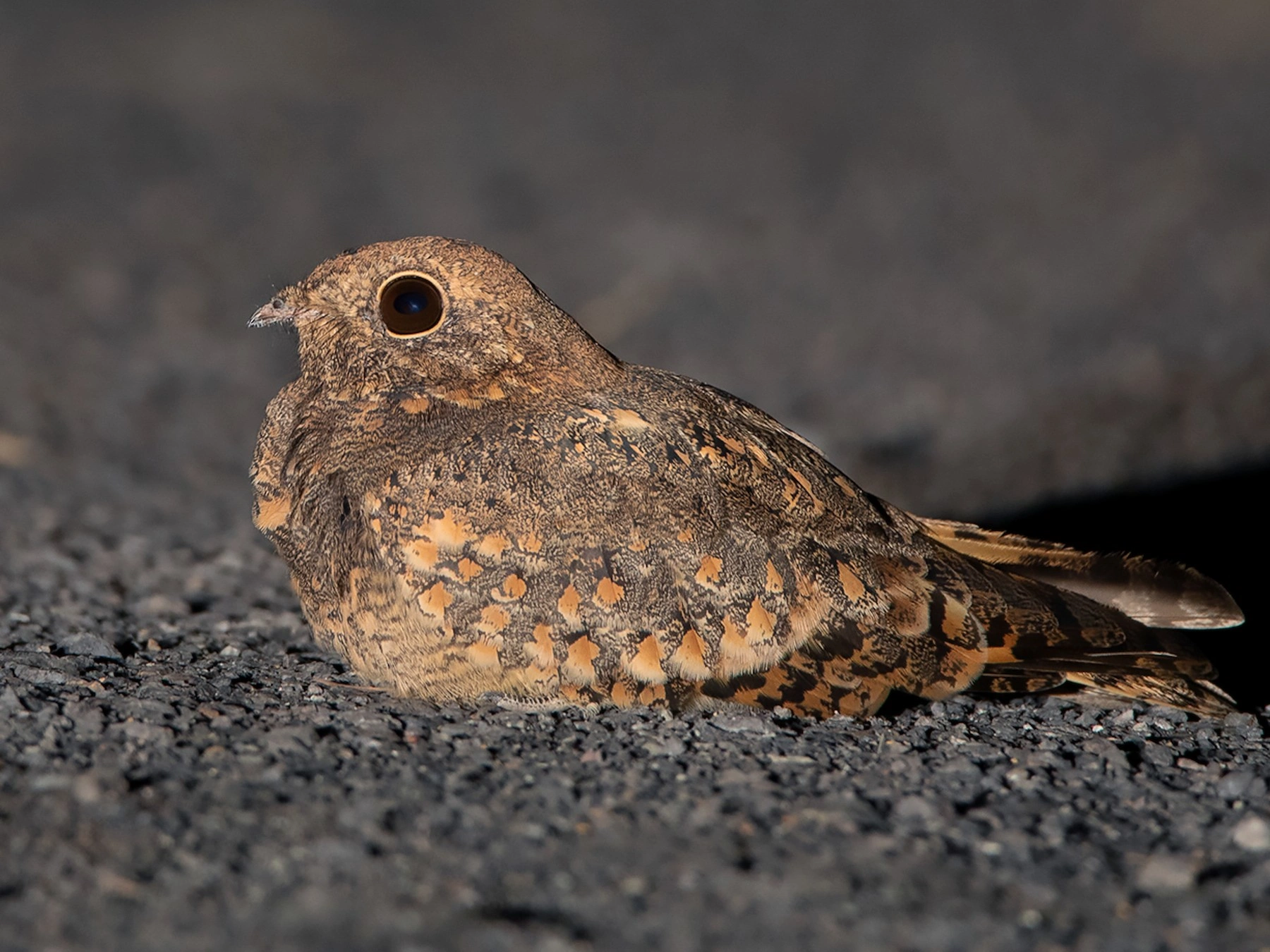
Savannah Nightjar
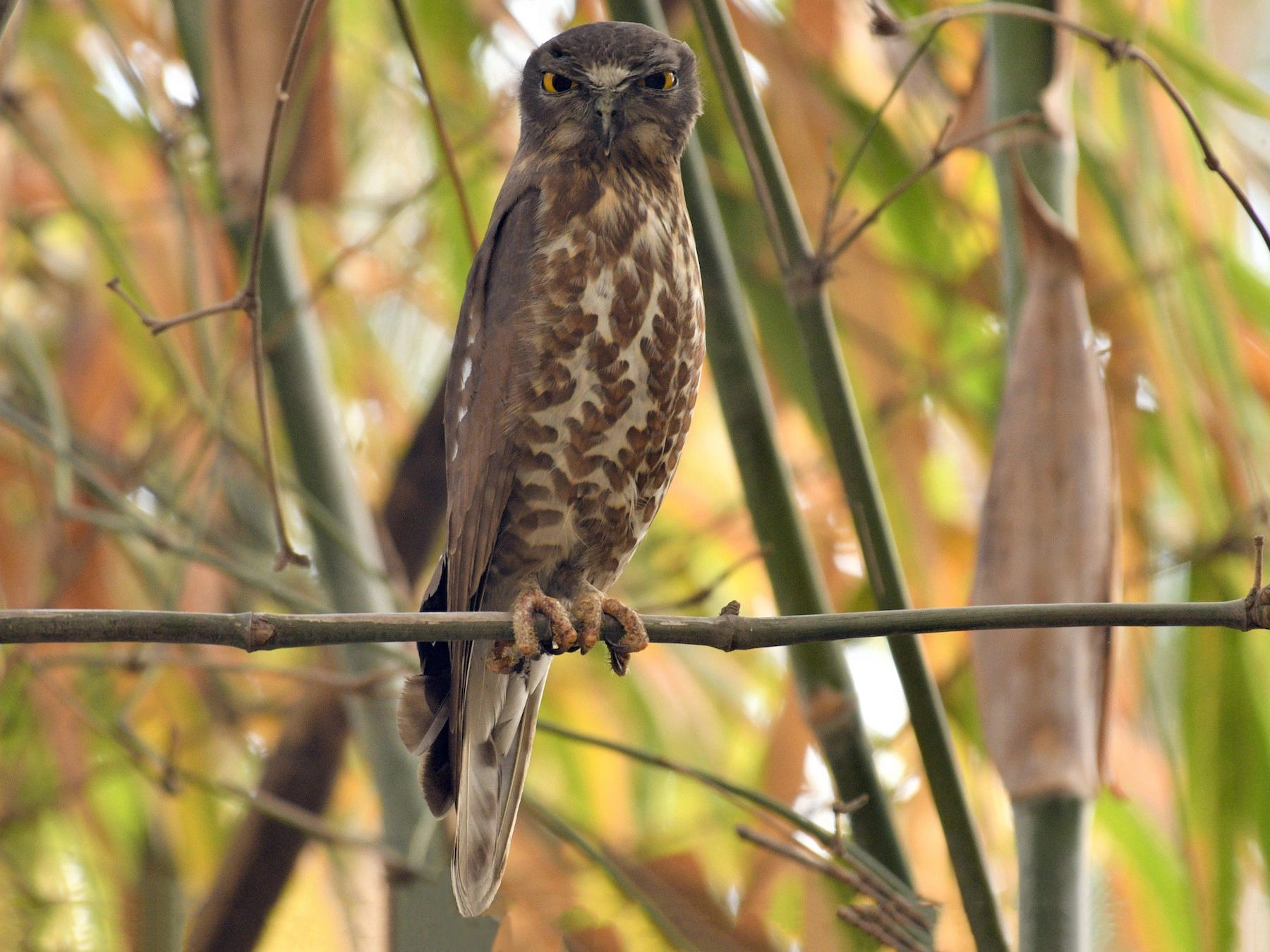
Brown Boobook
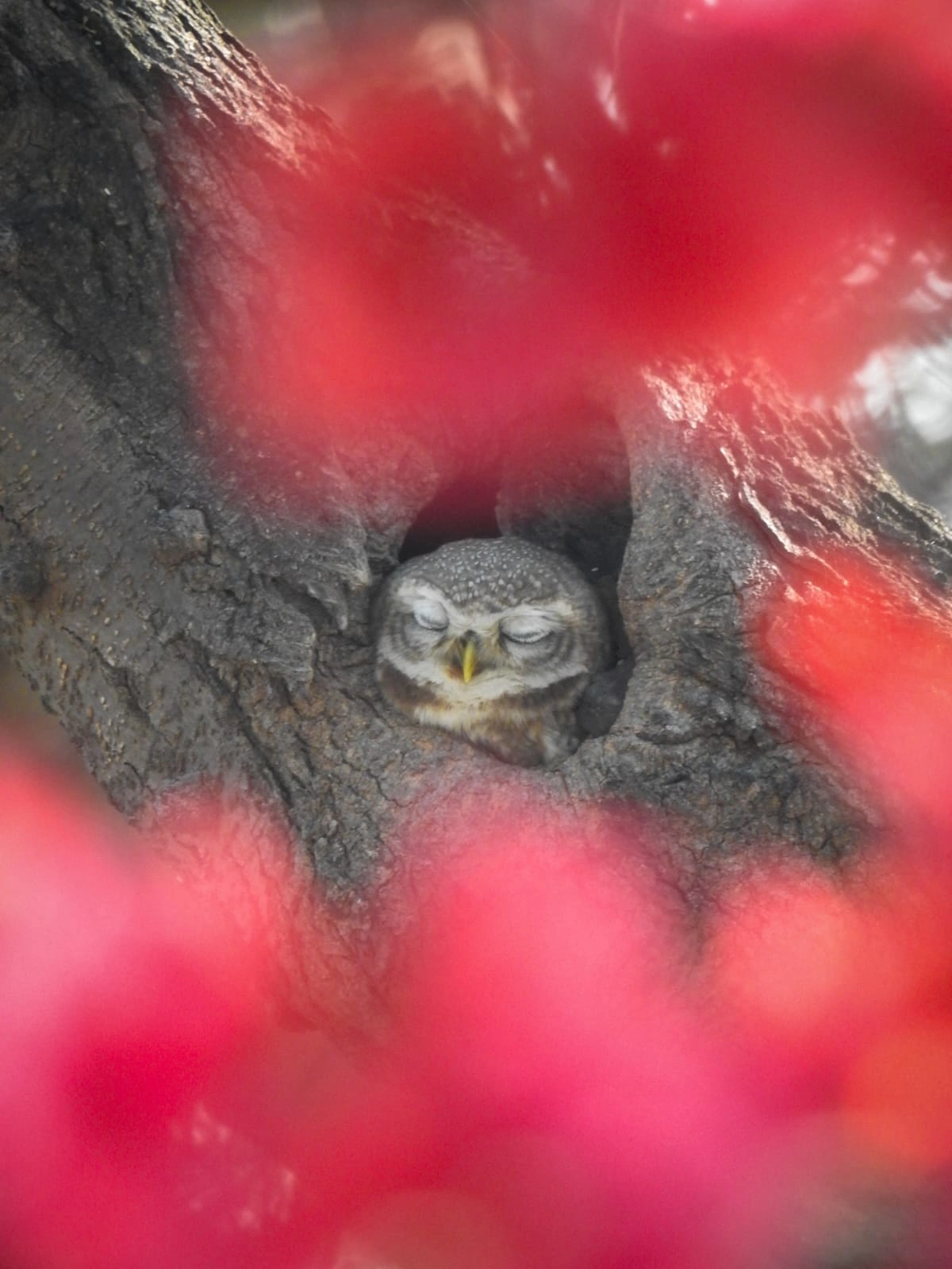
Spotted Owlet
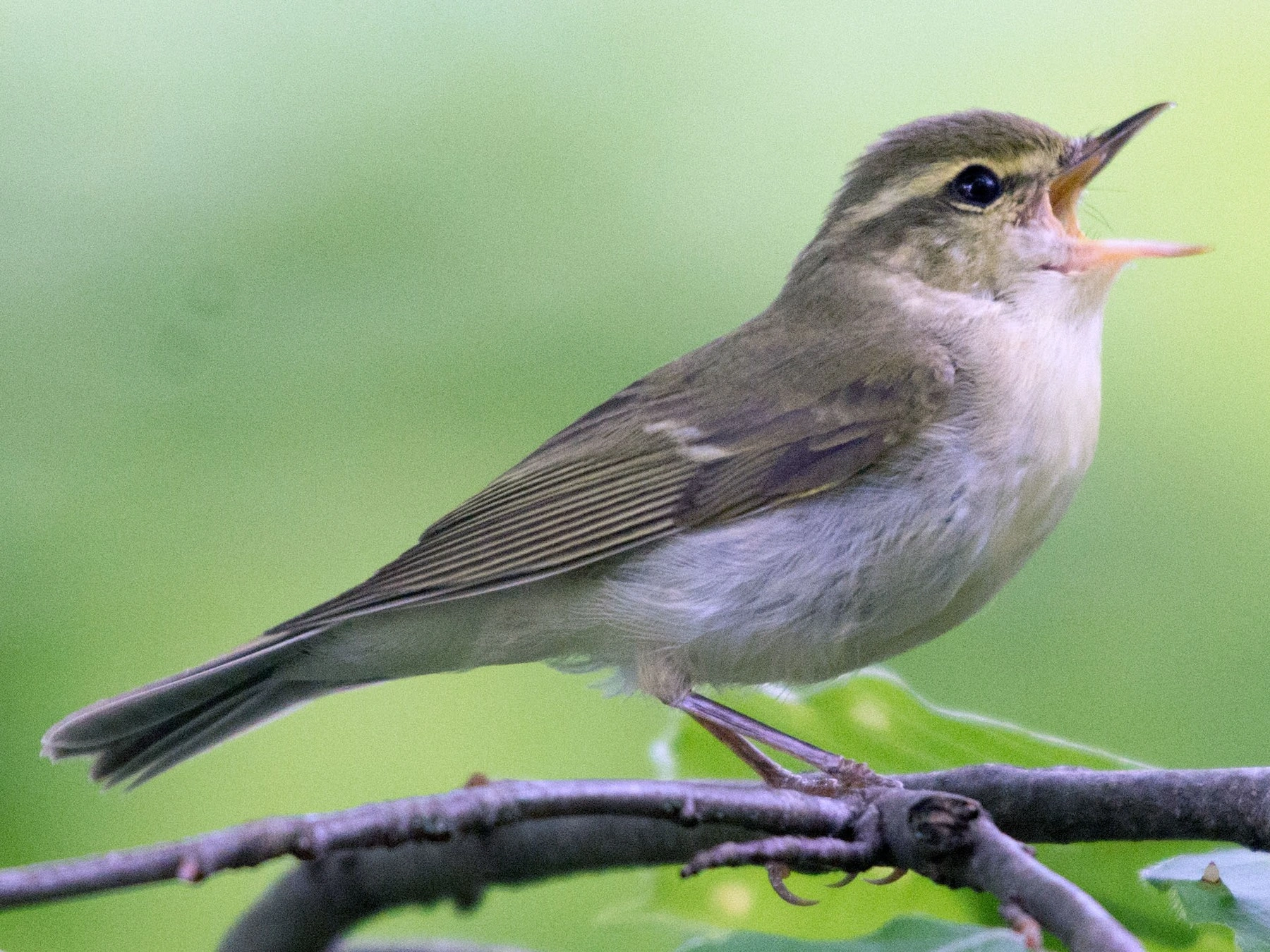
Green Warbler
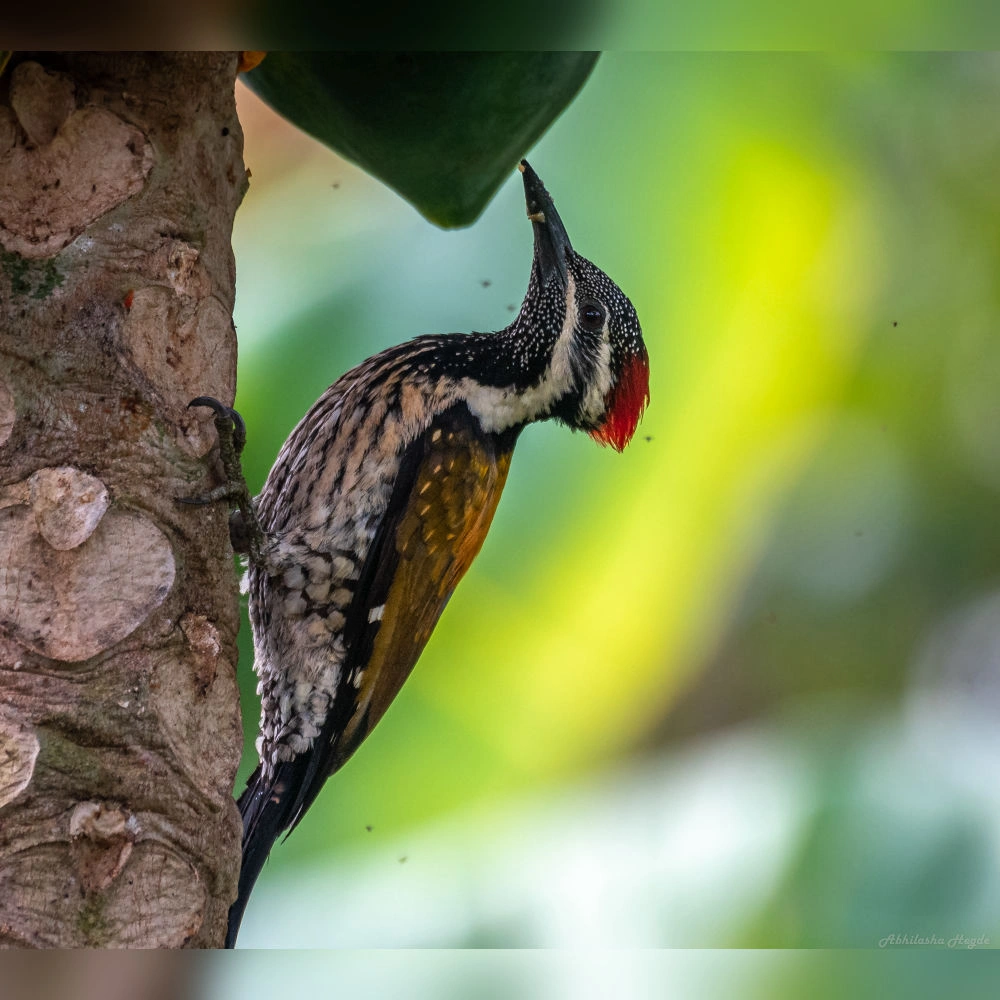
Black-rumped Flameback
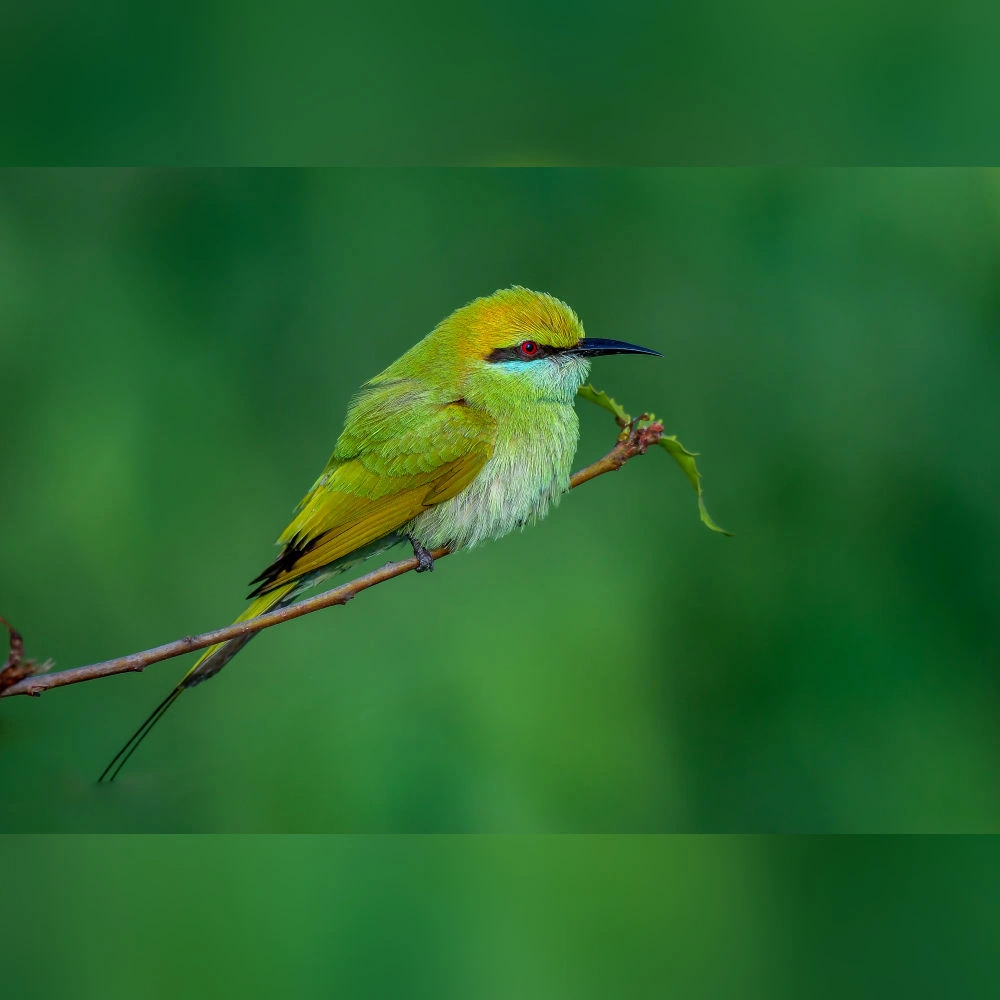
Asian Green Bee-eater
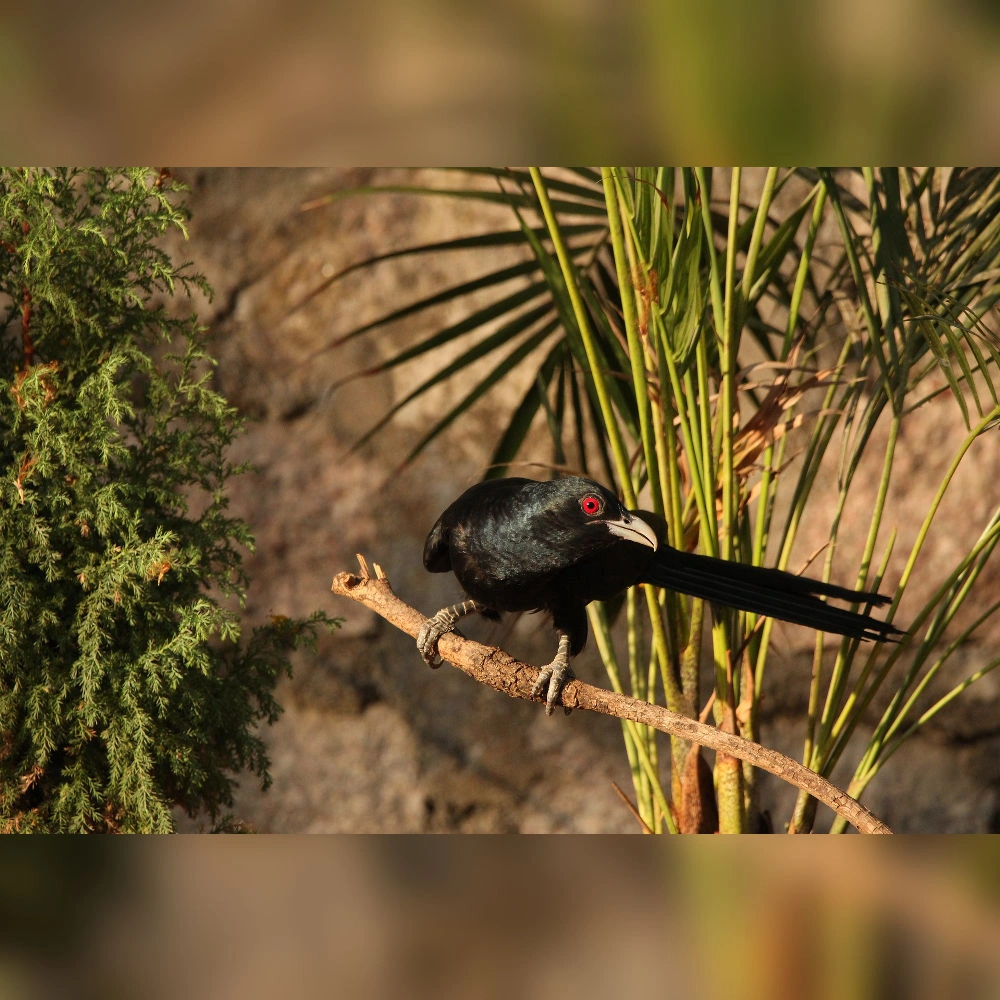
Asian Koel
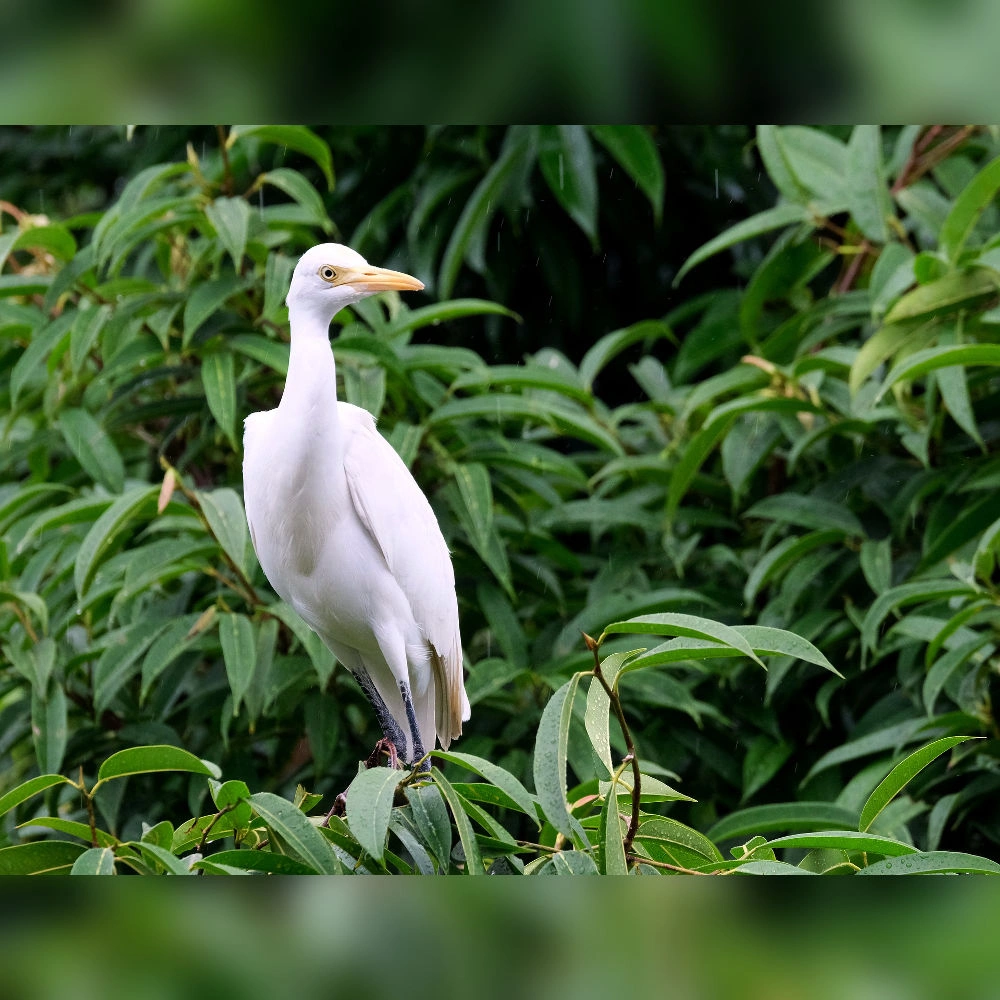
Eastern Cattle Egret
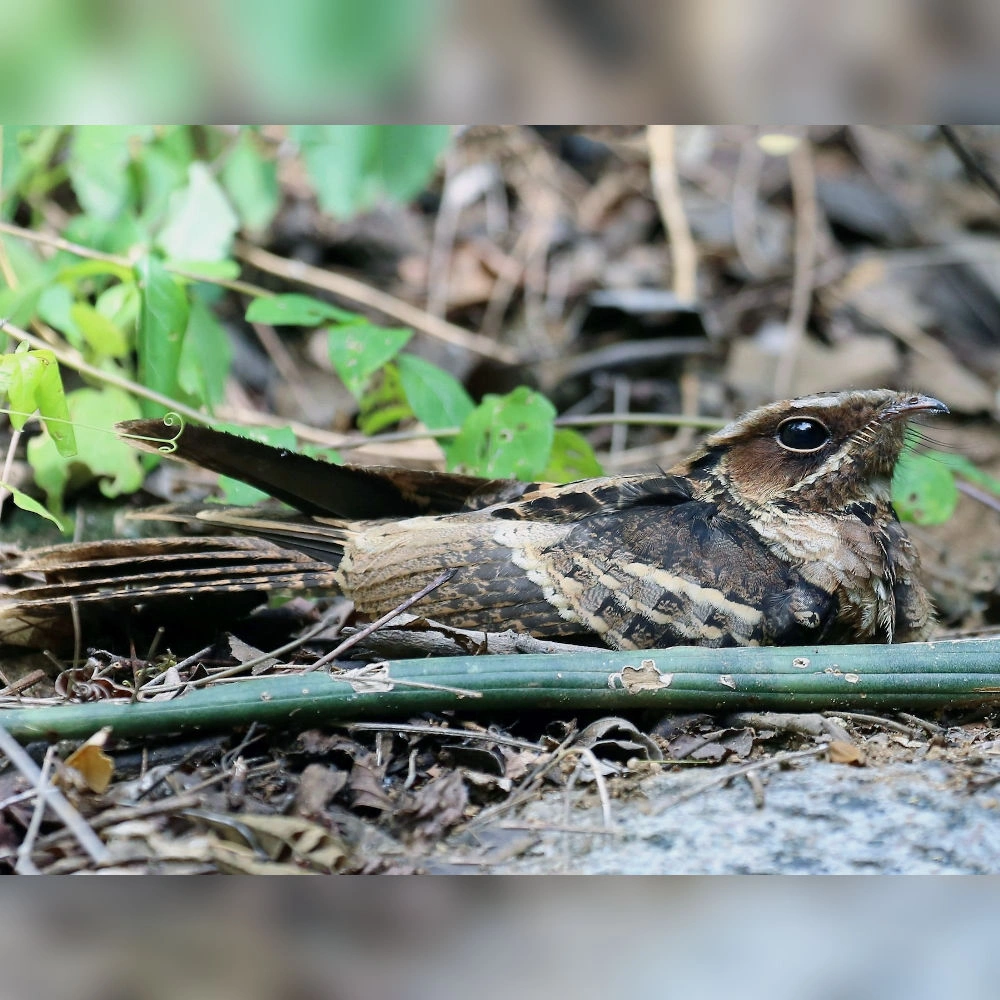
Jerdon's Nightjar
Red-whiskered Bulbul

Summary of Walk

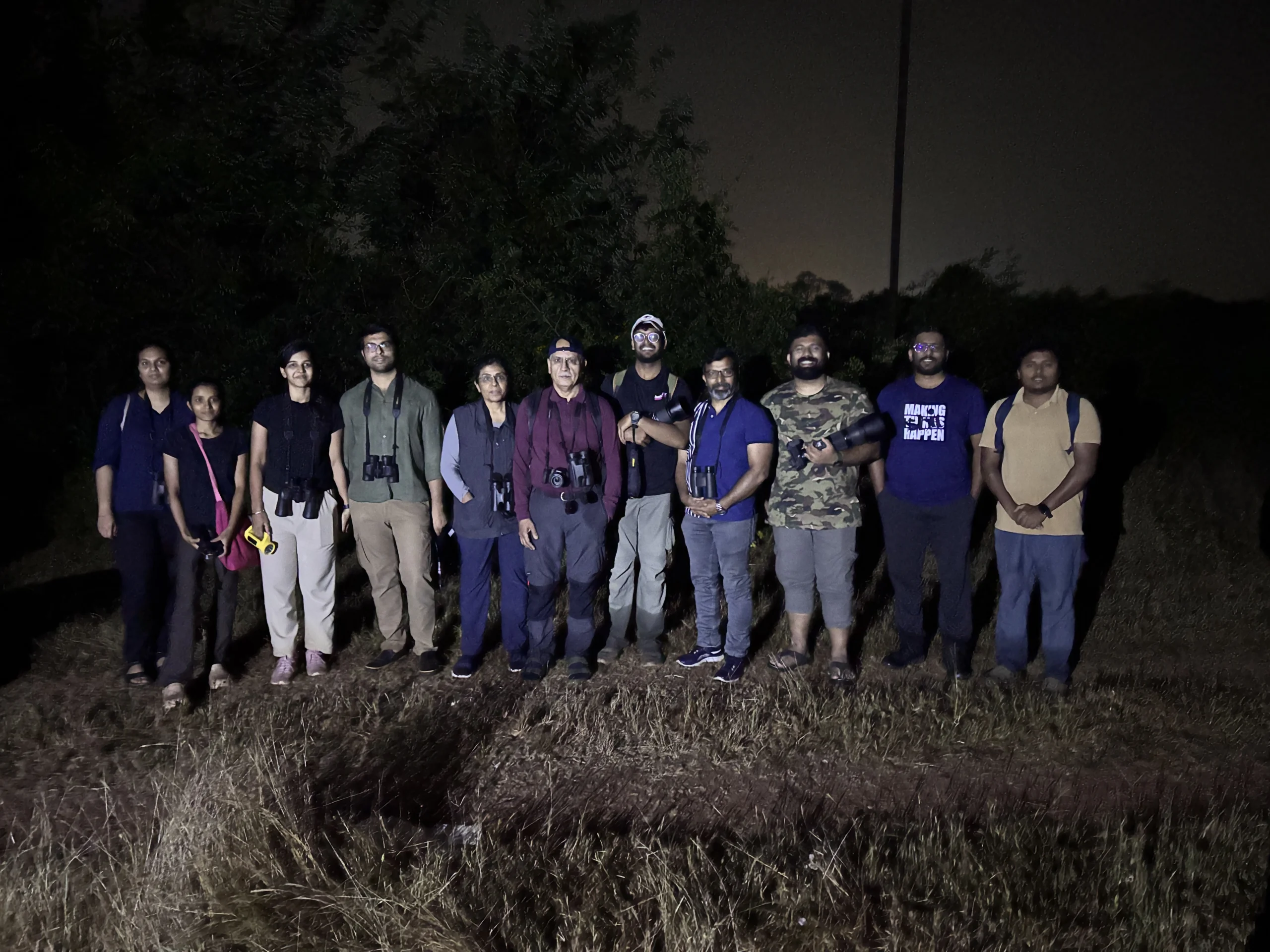
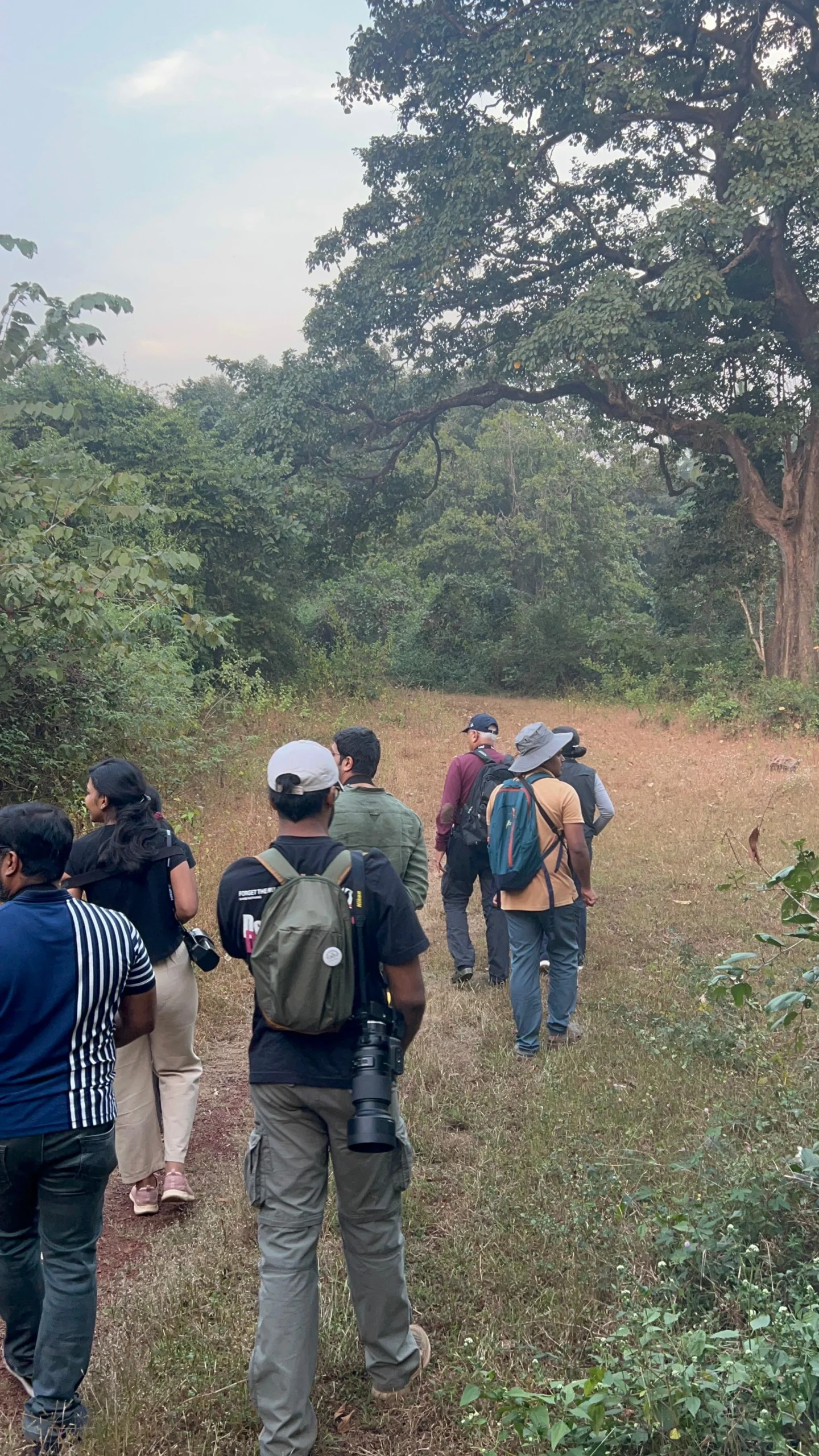
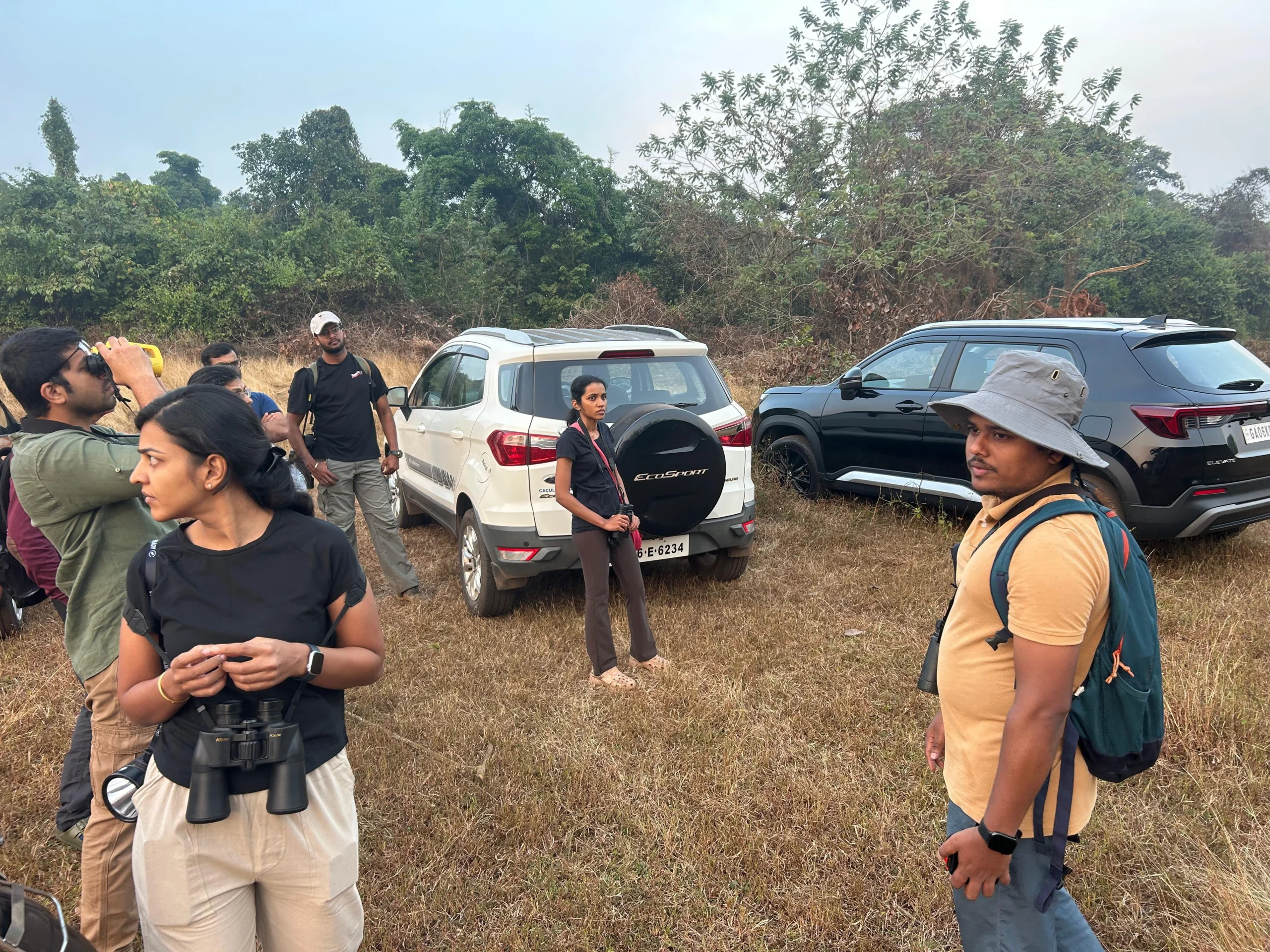
A group of 10 set off into the Goan dusk with Jalmesh, carrying the quiet excitement that only night birding can summon. Moving gently through the stillness, they walked with deliberate hush — not to intrude, but to honour the creatures that rule the twilight hours. Their patience was rewarded with a remarkable list of 37 species including Jerdon’s Nightjar, Sri Lanka Frogmouth, Black-naped Monarch, Greater-racket tailed drongo, Malabar Whistling Thrush, Brown Cheeked Fulvetta, Black-hooded Oriole, and even three crocodiles lounging like ancient guardians of the dark.
As the sky deepened, each call and shadow became its own small revelation. The group found themselves enchanted by the hidden life that awakens when most humans retreat indoors. Under Jalmesh’s keen guidance, they learned how night transforms the forest — how eyeshine glints, how soft wingbeats echo, and how silence becomes its own language. It was less a walk and more a gentle crossing into the nocturnal realm of Goa.
Number of Participants
0
Scroll to Top