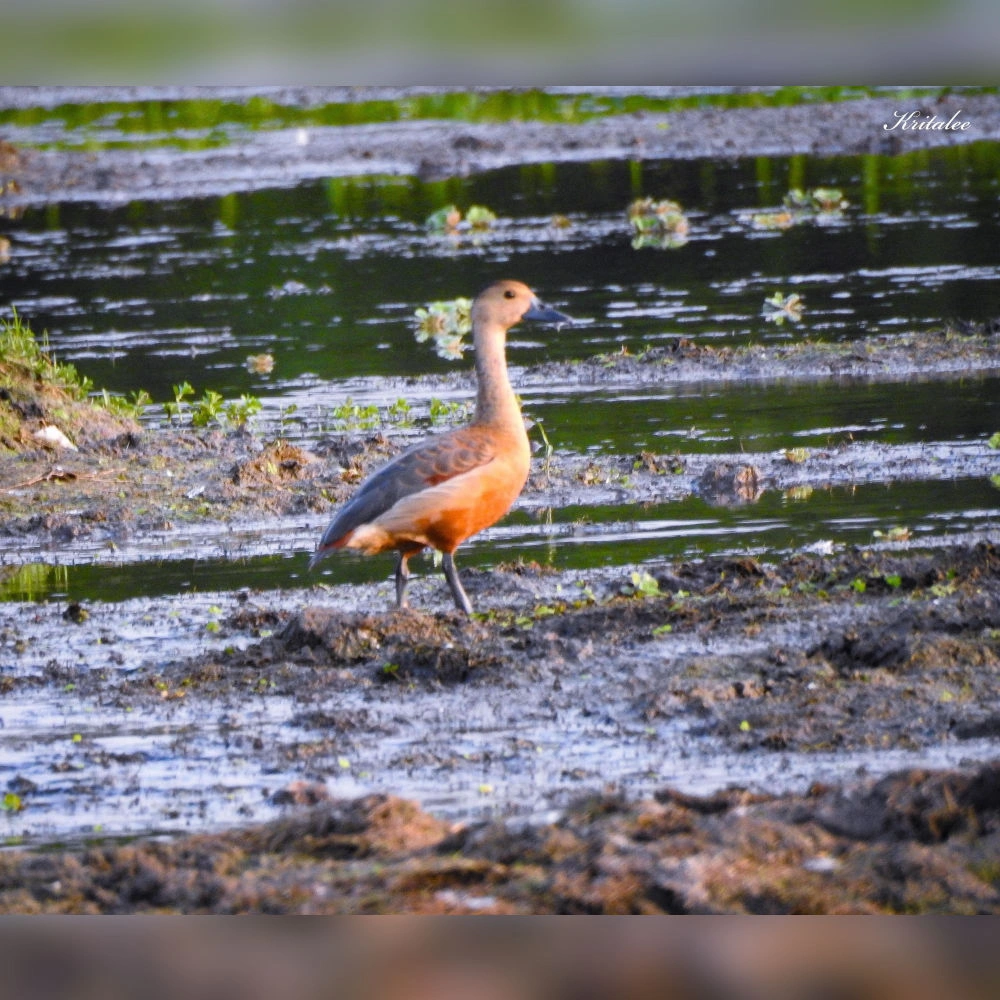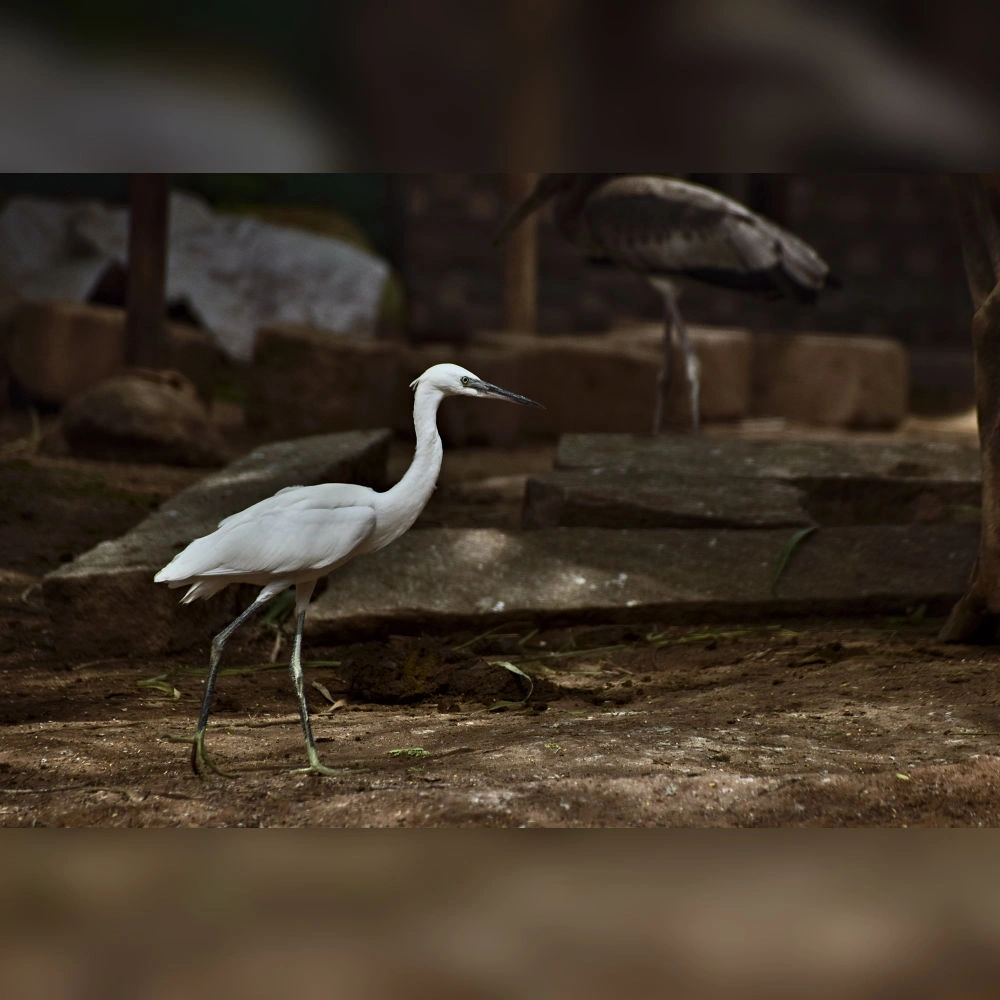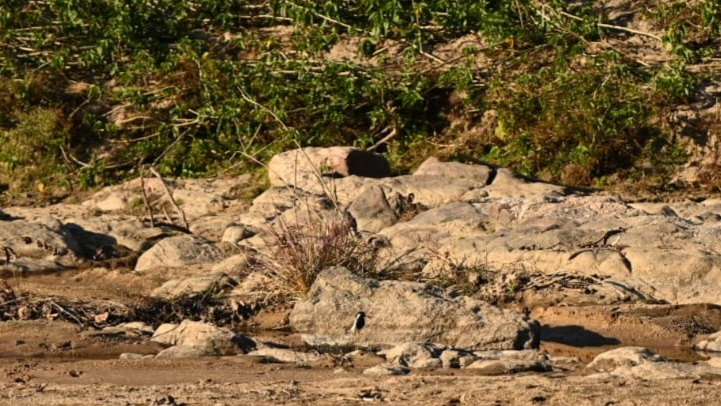
Kanha National Park supports a rich and well-balanced bird community across its wetlands, grasslands, and forested habitats. Water bodies and marshy areas host species such as Lesser Whistling-Duck, Eurasian Coot, Green Sandpiper, Asian Woolly-necked Stork, and Red-naped Ibis, while open areas are frequented by Yellow-wattled and Red-wattled Lapwings. Forests and woodland edges are alive with birds like Indian Peafowl, Red Junglefowl, Spotted Dove, Yellow-footed Green-Pigeon, and Greater Coucal. Raptors and scavengers including Crested Serpent-Eagle and the critically important White-rumped Vulture are regularly observed soaring overhead. The park also supports a vibrant mix of owls, hornbills, kingfishers, and colorful forest birds such as Malabar Pied-Hornbill, Indian Scops-Owl, Jungle Owlet, Asian Green Bee-eater, Common and White-throated Kingfishers, Indian Roller, Plum-headed Parakeet, Indian and Black-hooded Orioles, several drongo species, Rufous Treepie, Jungle Babbler, Oriental Magpie-Robin, Common Myna, and Western Yellow Wagtail, highlighting Kanha’s exceptional avian diversity.
Bird Walk at Kanha National Park, Ghanghar river trails, Mandla (MP)
- Mandla
- 29 December, 2025
- Mehvish Khan
About Kanha National Park
Kanha National Park, located in Mandla district of Madhya Pradesh, is one of India’s most celebrated tiger reserves, known for its vast sal and mixed deciduous forests, rolling meadows, and rich wildlife diversity. Flowing quietly through parts of this landscape, the Ghanghar River and its surrounding trails form a vital ecological corridor within the park. These riverine stretches support lush vegetation, open sandy banks, and seasonal pools, creating ideal conditions for a wide range of fauna. The Ghanghar River plays an important role in sustaining herbivores such as Barasingha, Chital, and Sambar, which in turn support top predators like the Bengal Tiger and Leopard, making the area ecologically significant within the Kanha landscape.
The Ghanghar river trails are especially valued for nature walks and safaris that offer intimate encounters with Kanha’s biodiversity. These trails are excellent for birdwatching, as the riverbanks and adjoining forests attract kingfishers, herons, egrets, raptors, and a variety of forest birds, particularly during the early morning hours. Animal signs such as pugmarks, scratch marks, and scat are commonly observed along the sandy stretches, offering insights into wildlife movement and behaviour. With its serene ambience, rich birdlife, and strong wilderness character, the Ghanghar river trail adds a quieter, immersive dimension to the Kanha National Park experience, appealing to naturalists, photographers, and wildlife enthusiasts alike.

Bird Guide: Mehvish Khan
Bird guide, wildlife photographer and loves to share exciting bird stories and knowledge with everyone.
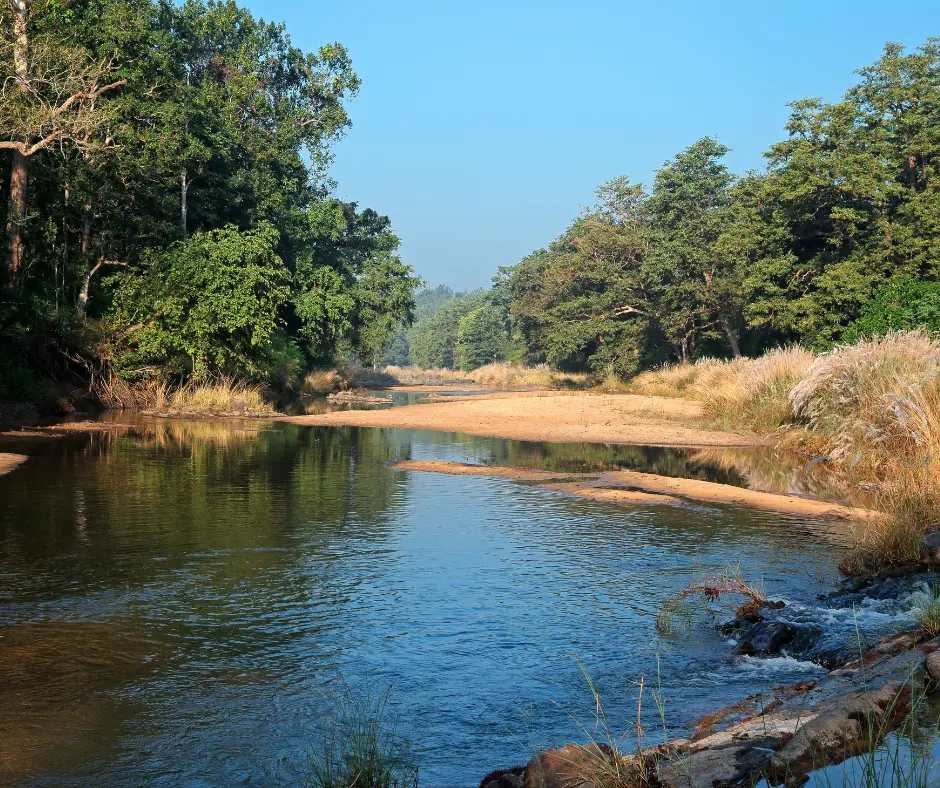
Bird walk Location
Common birds of Kanha National Park, Ghanghar river trails

Lesser-whistling Duck

Little Egret

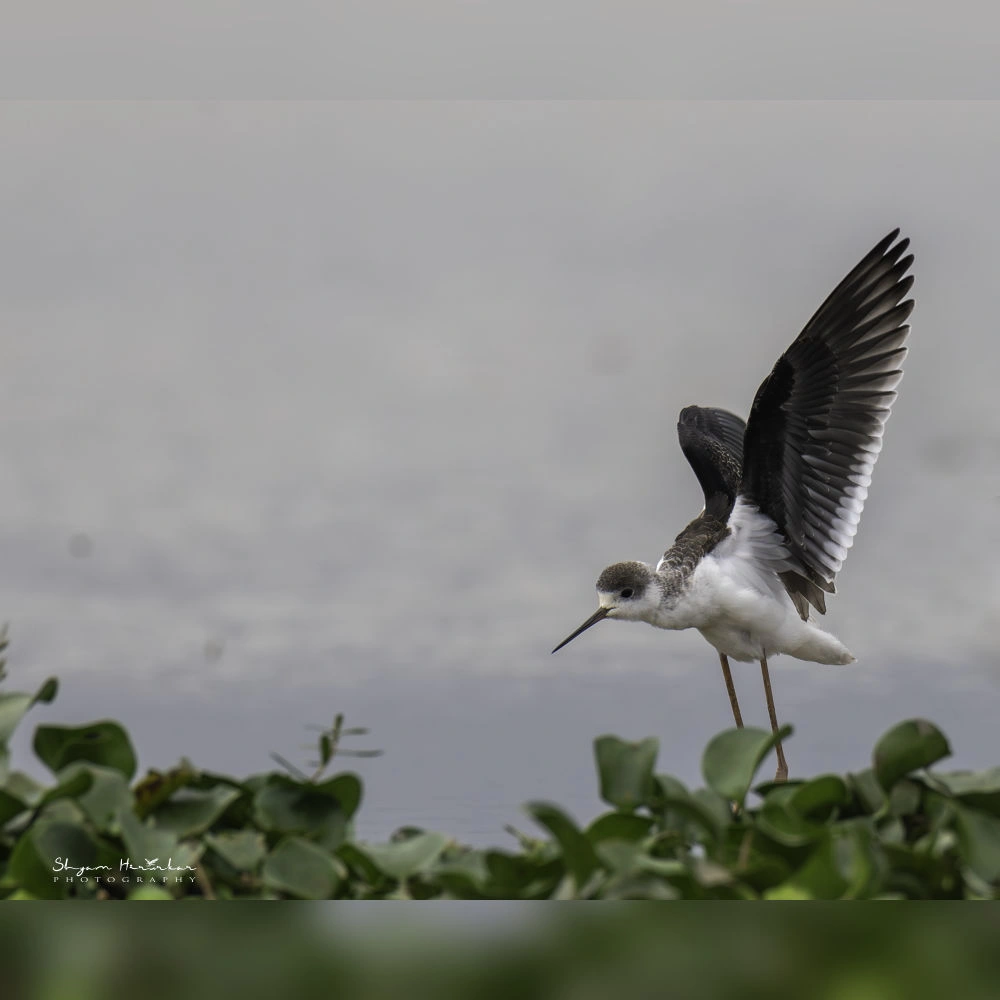
Black-winged Stilt
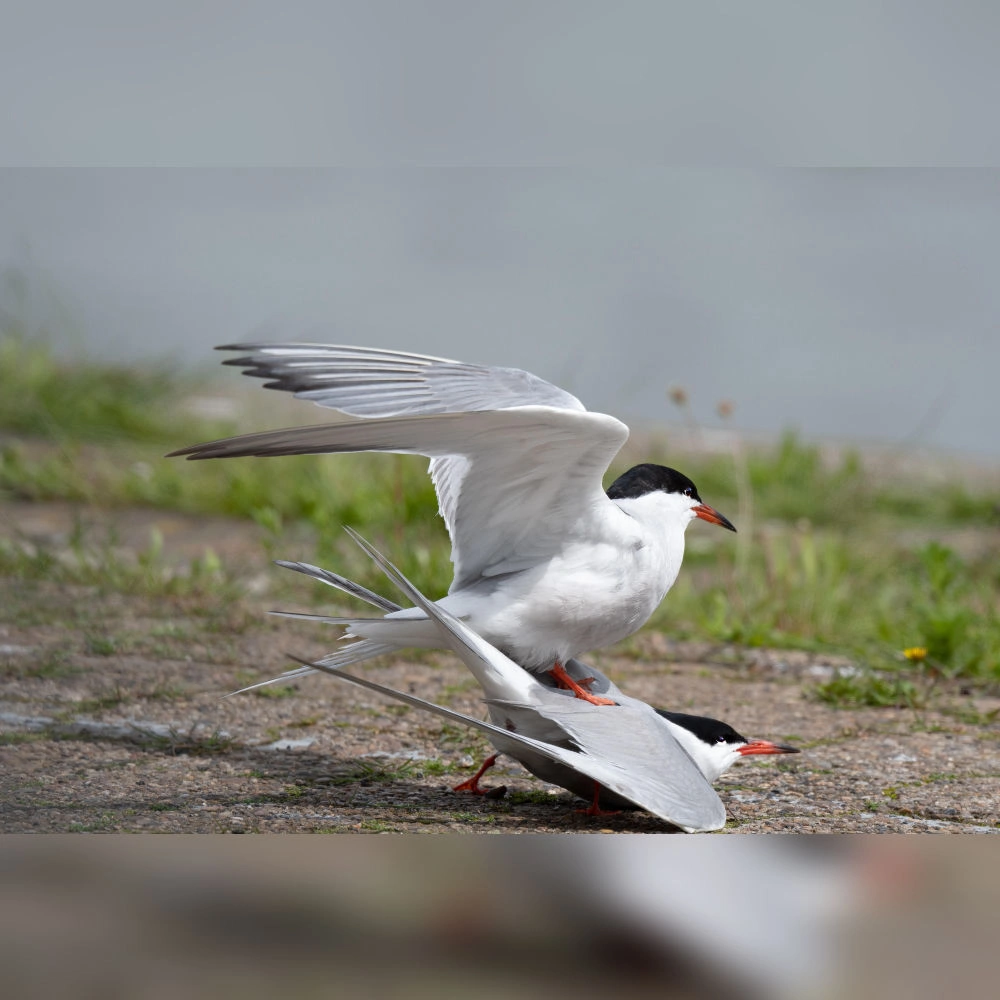
River Tern
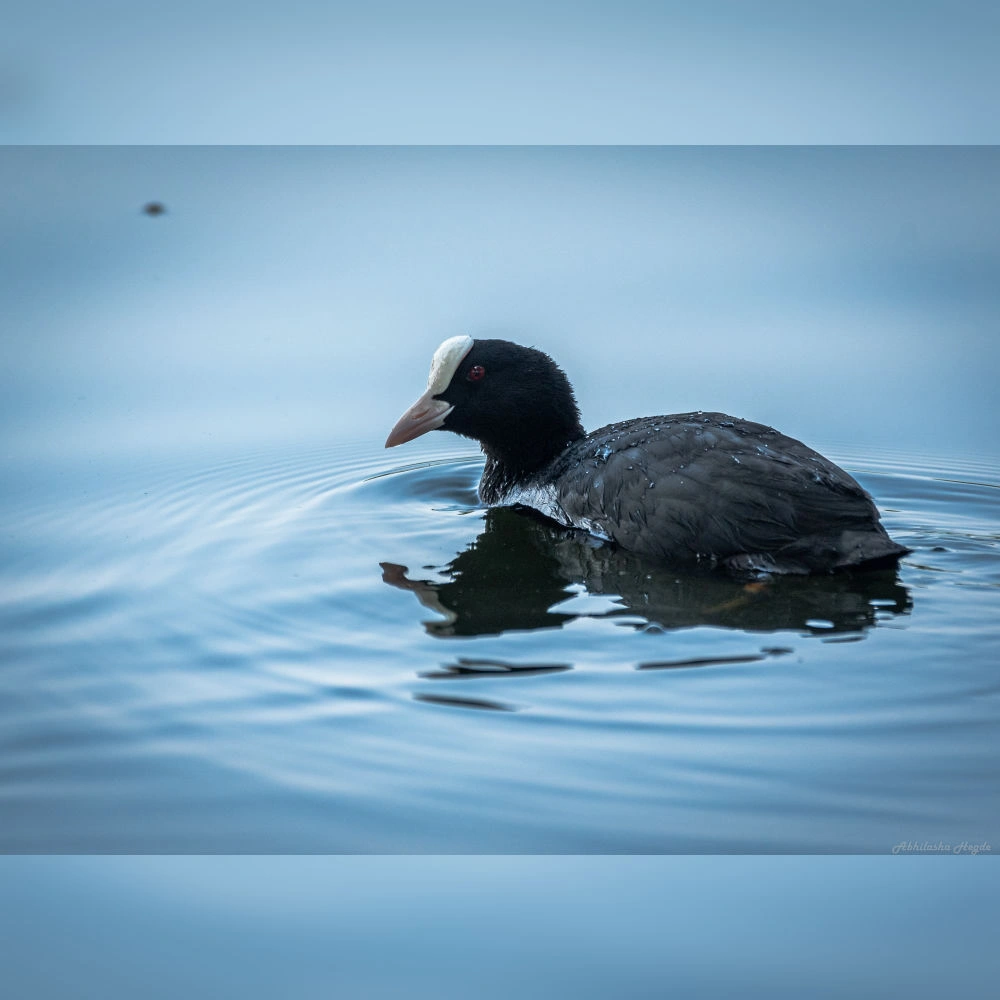
Eurasian Coot
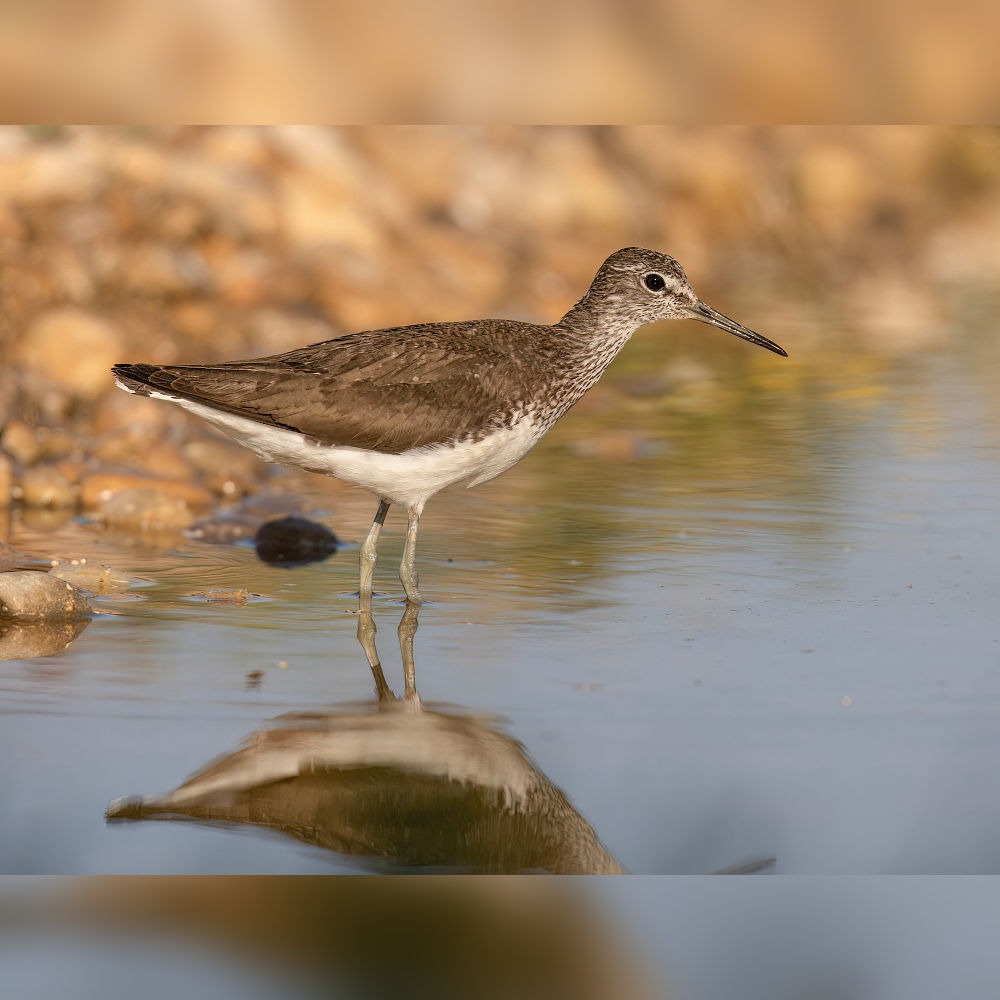
Green Sandpiper
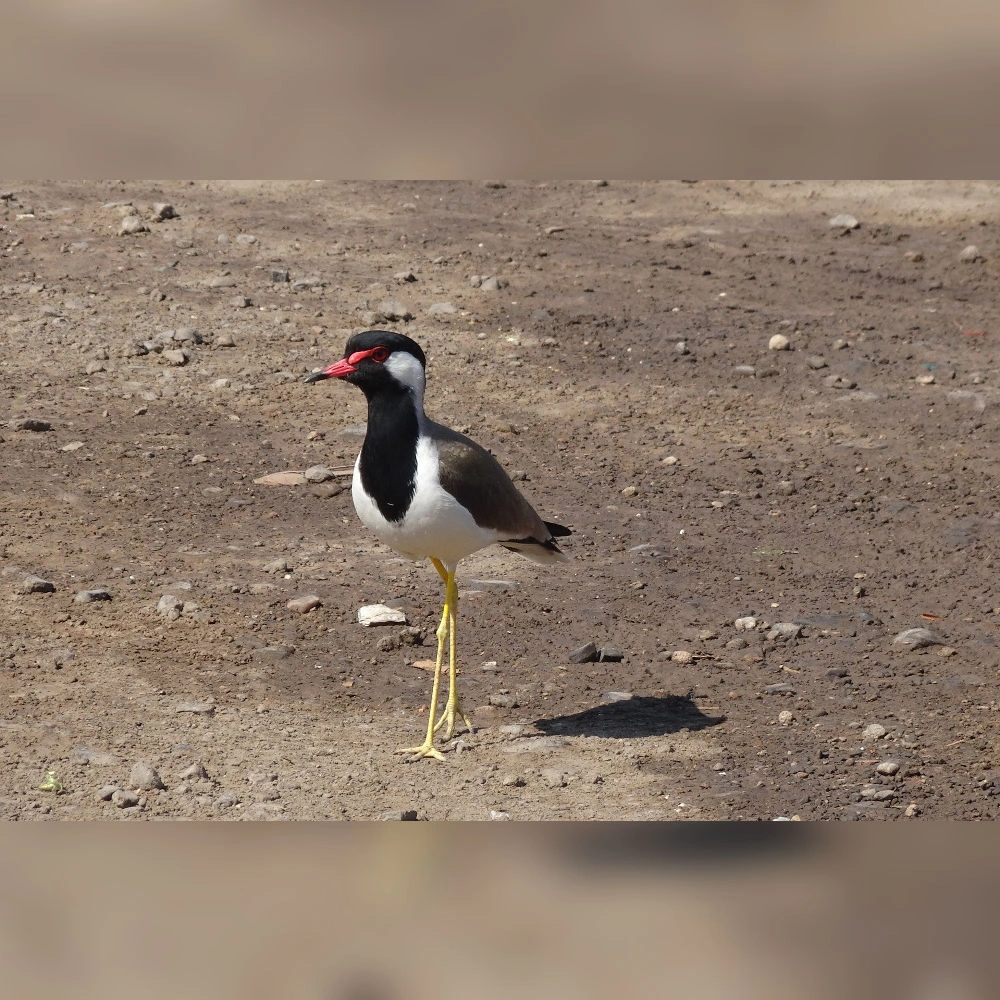
Red-wattled Lapwing
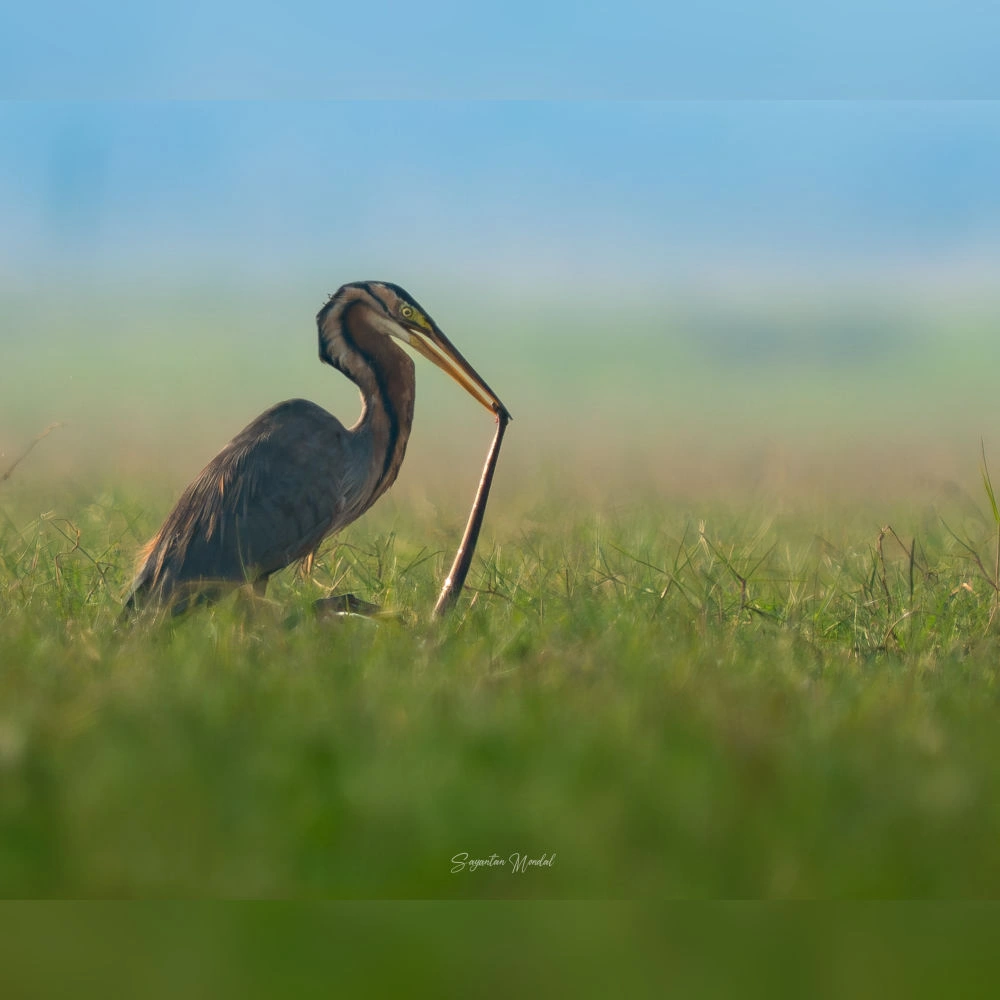
Purple Heron
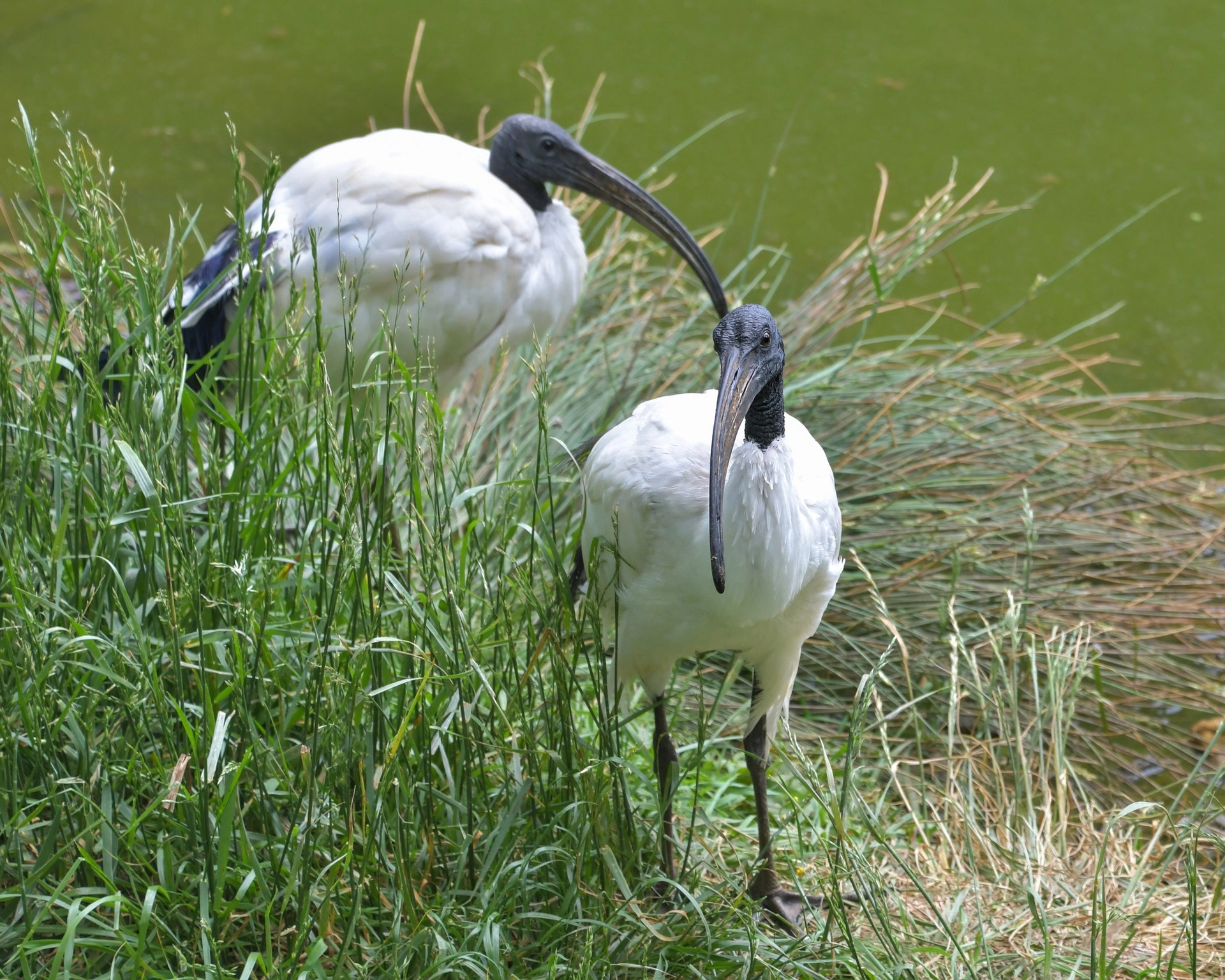
Black-headed Ibis
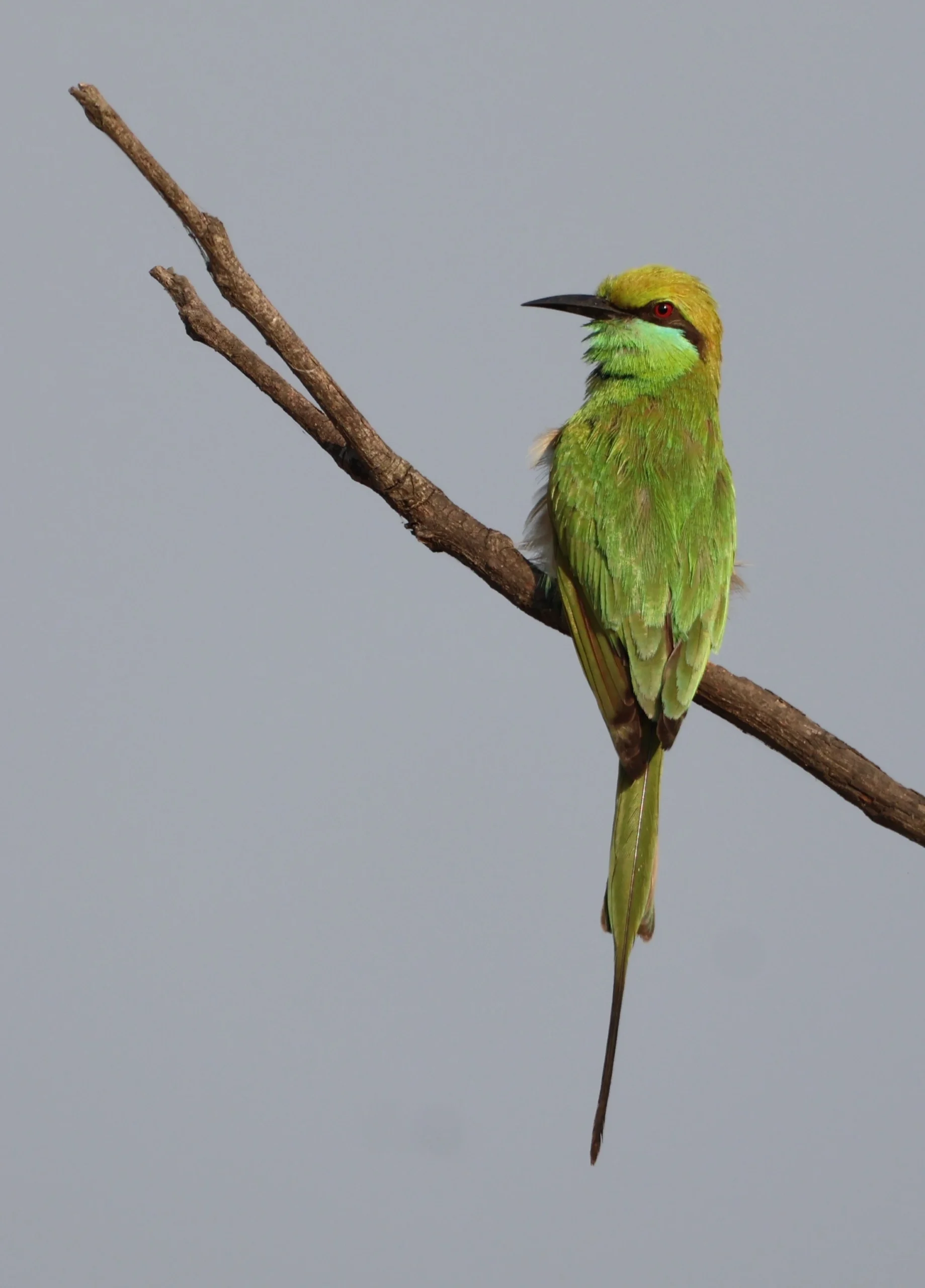
Asian Green Bee-eater
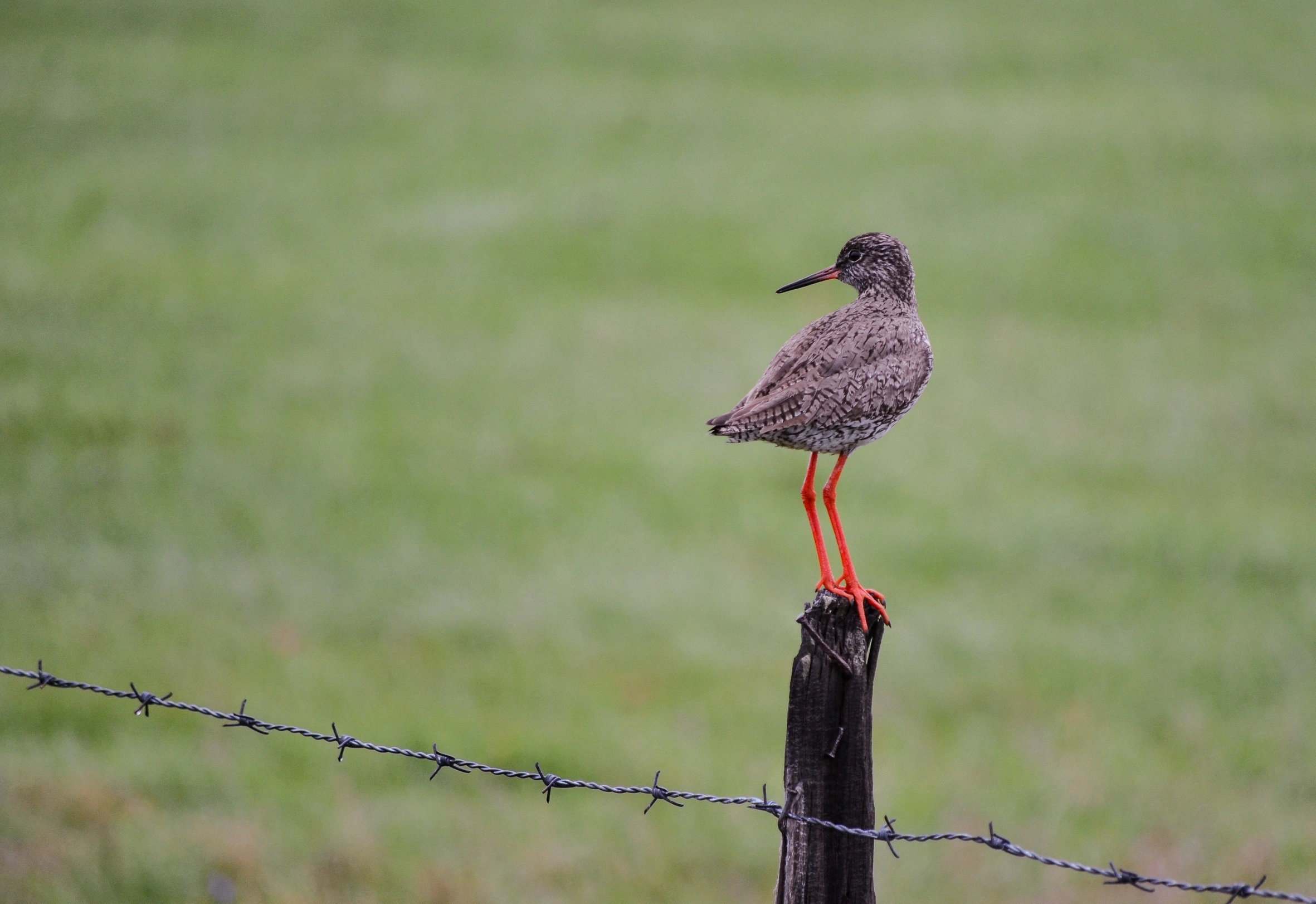
Common Redshank
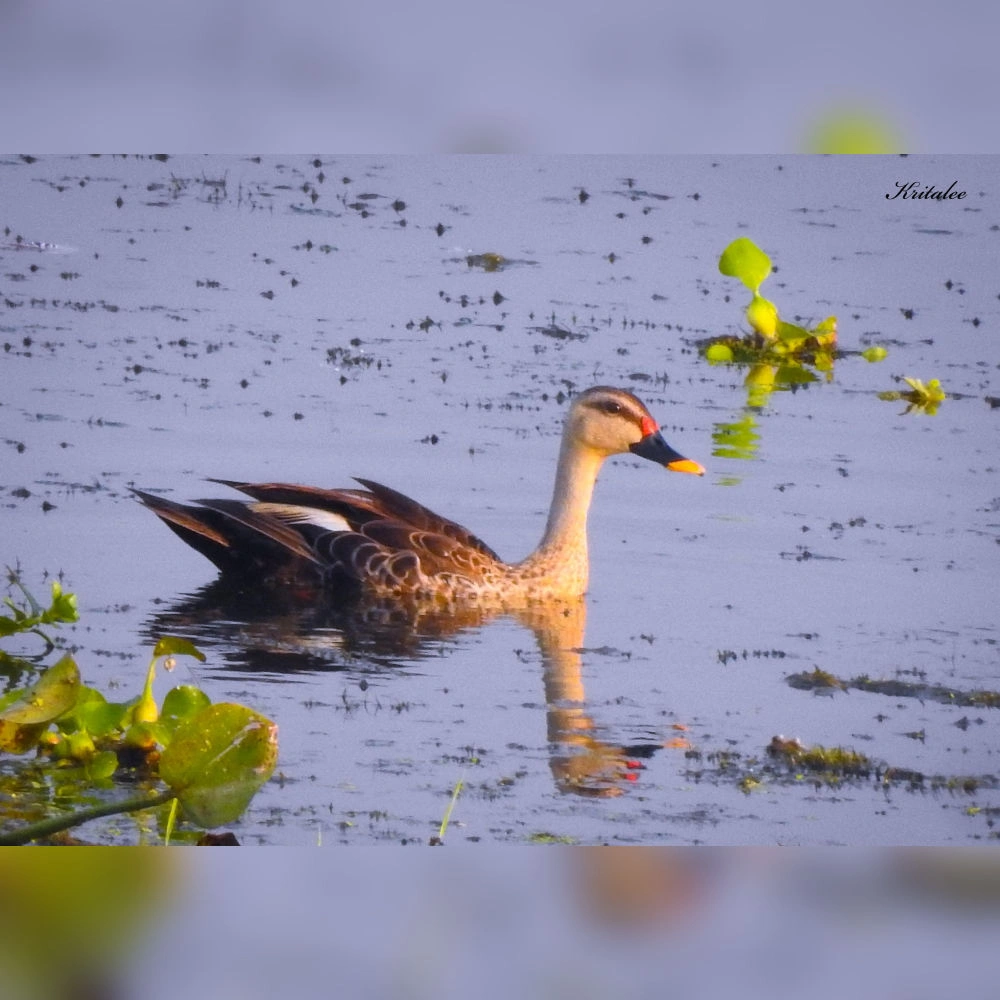
Indian Spot-billed Duck
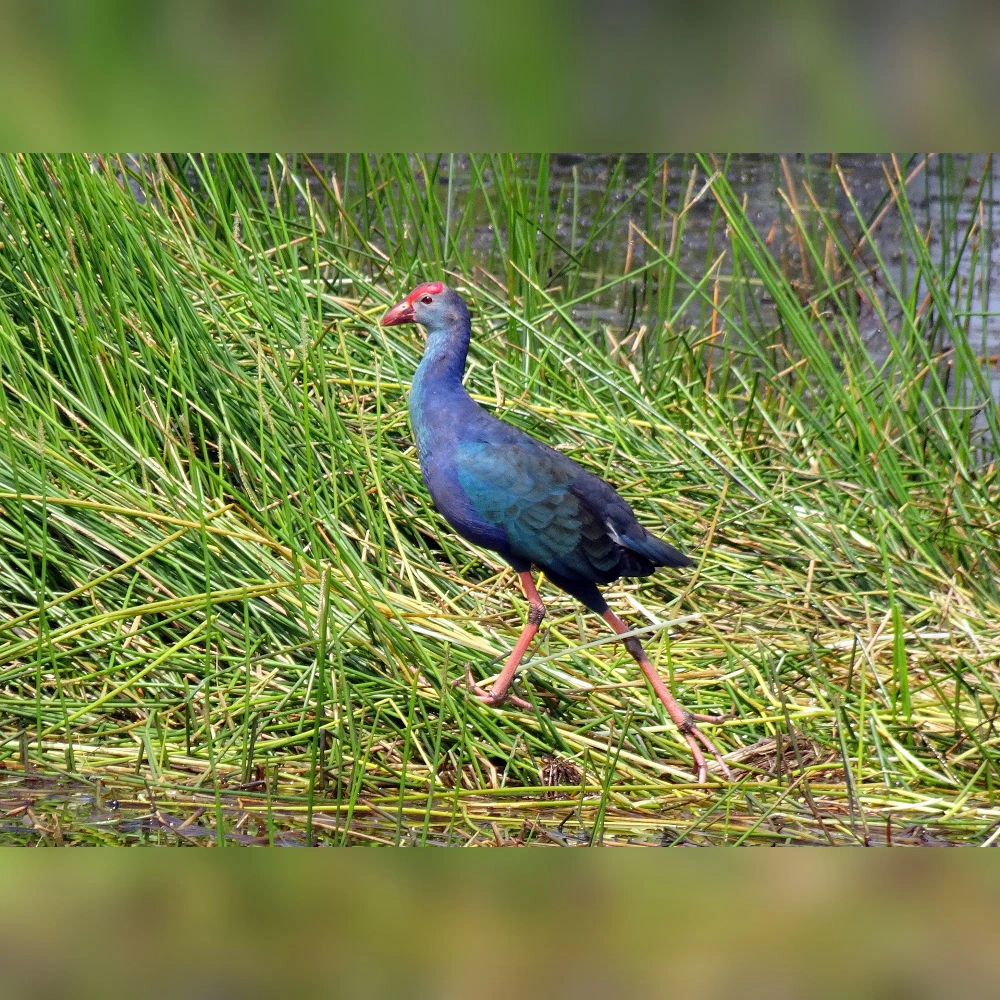
Grey-headed Swamphen
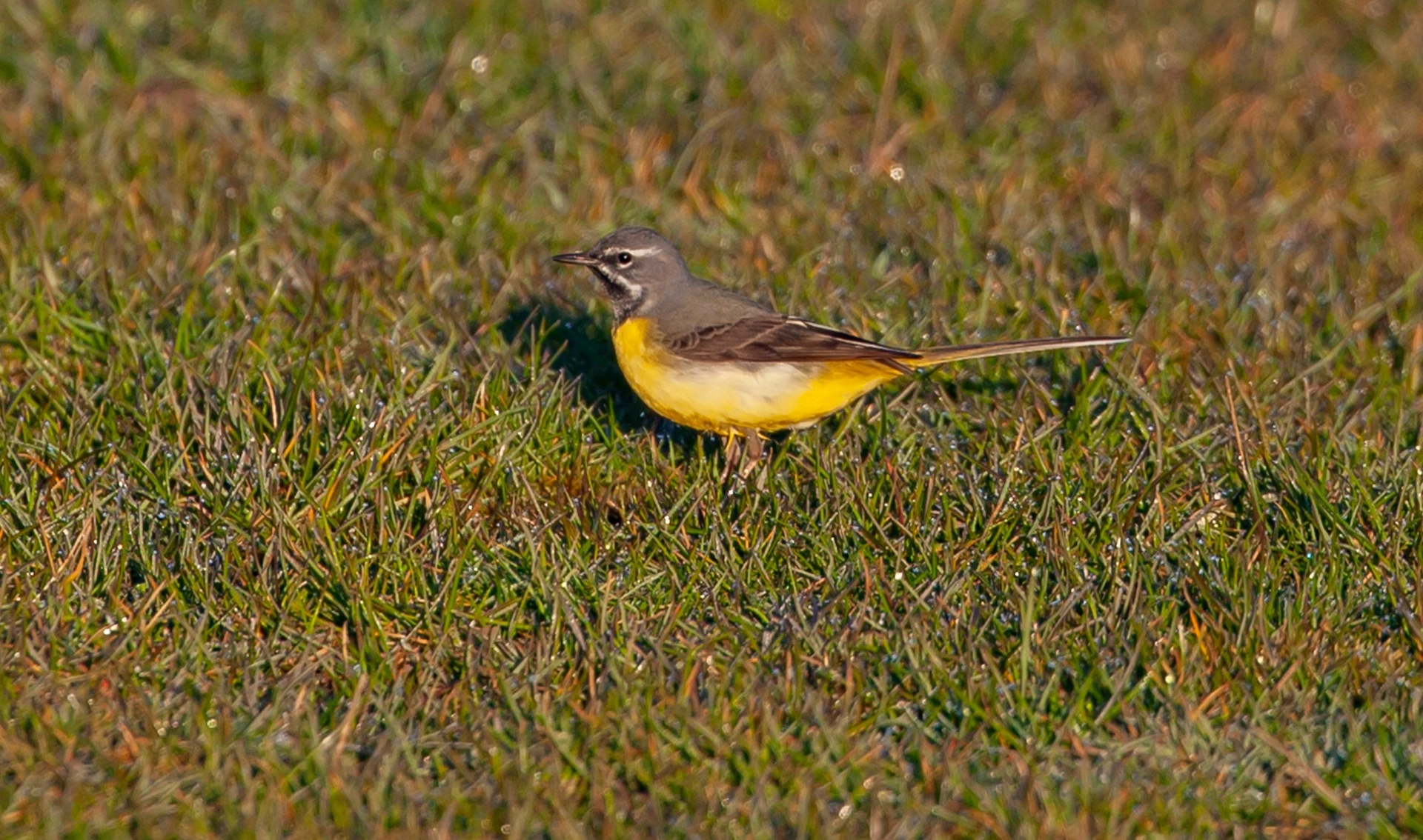
Gray Wagtail
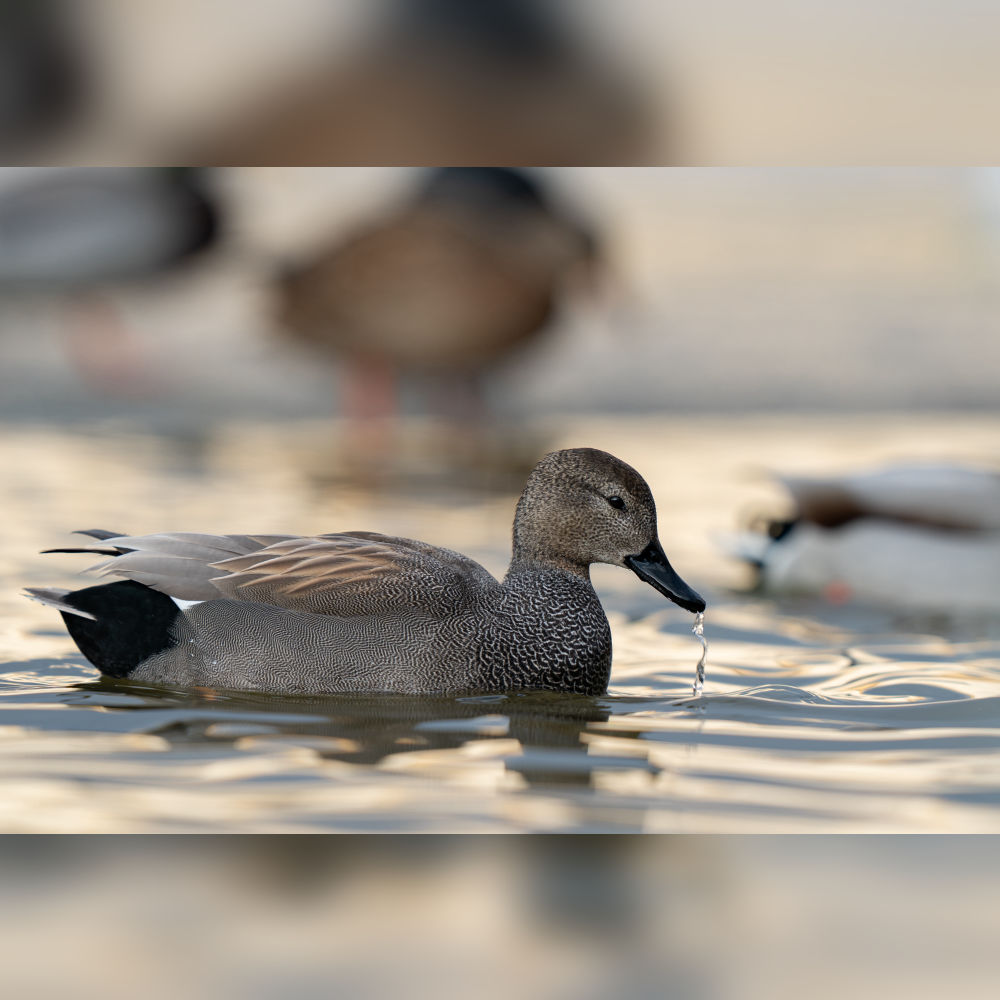
Gadwall
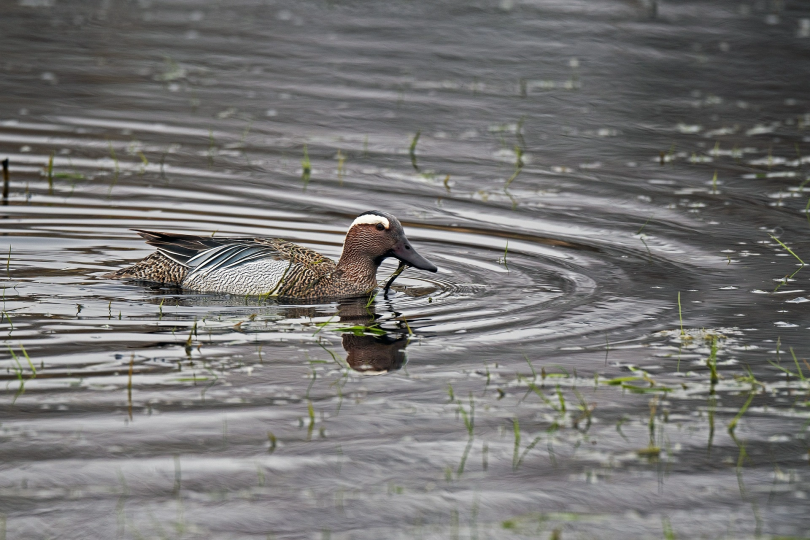
Garganey
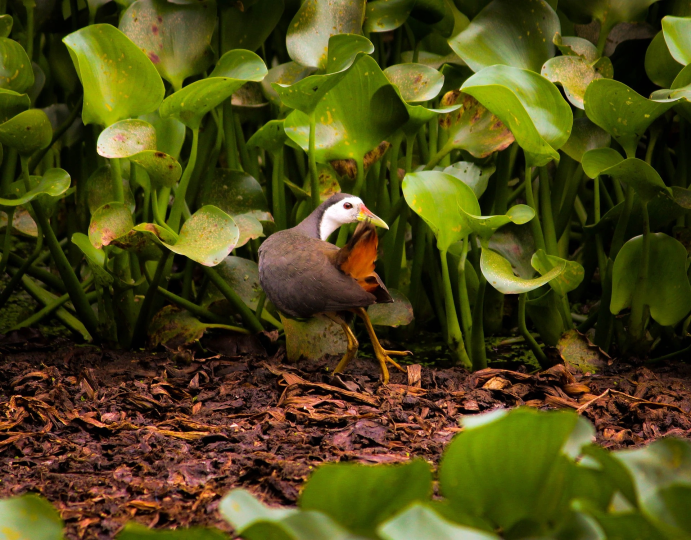
White-breasted Waterhen
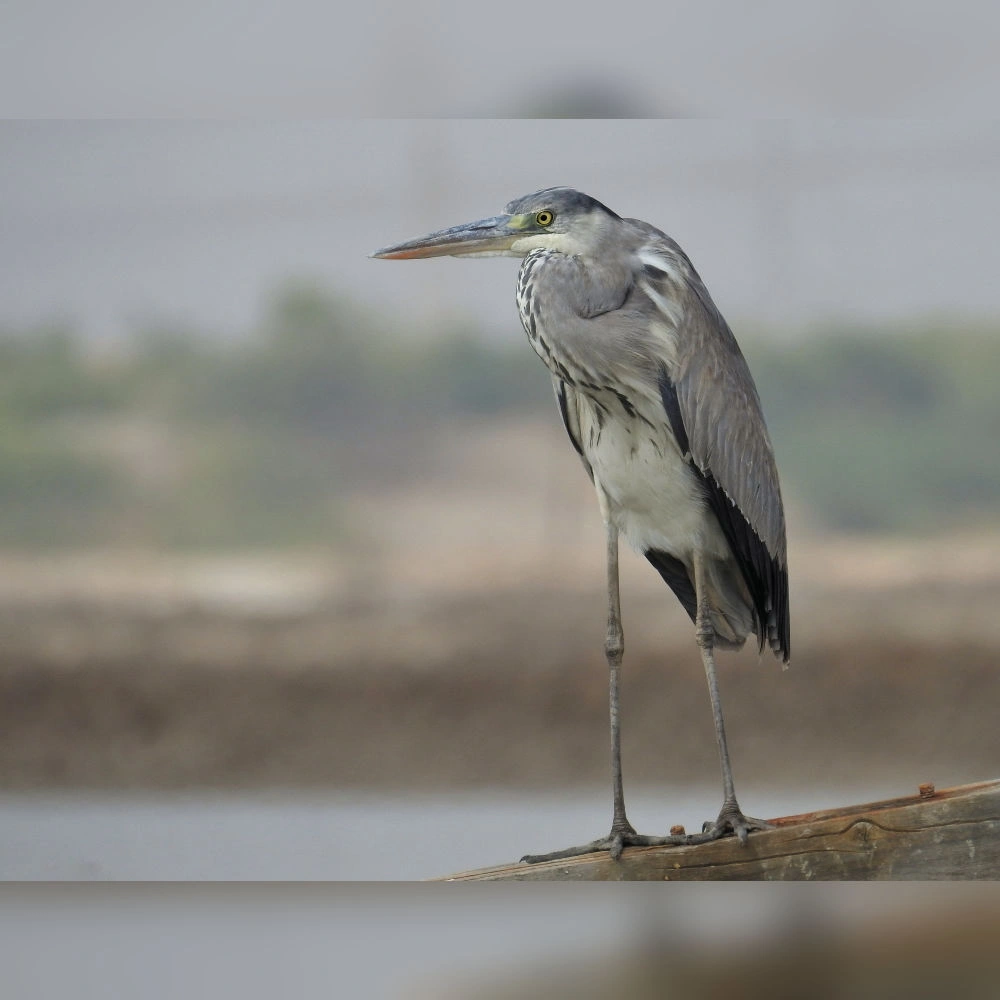
Grey Heron
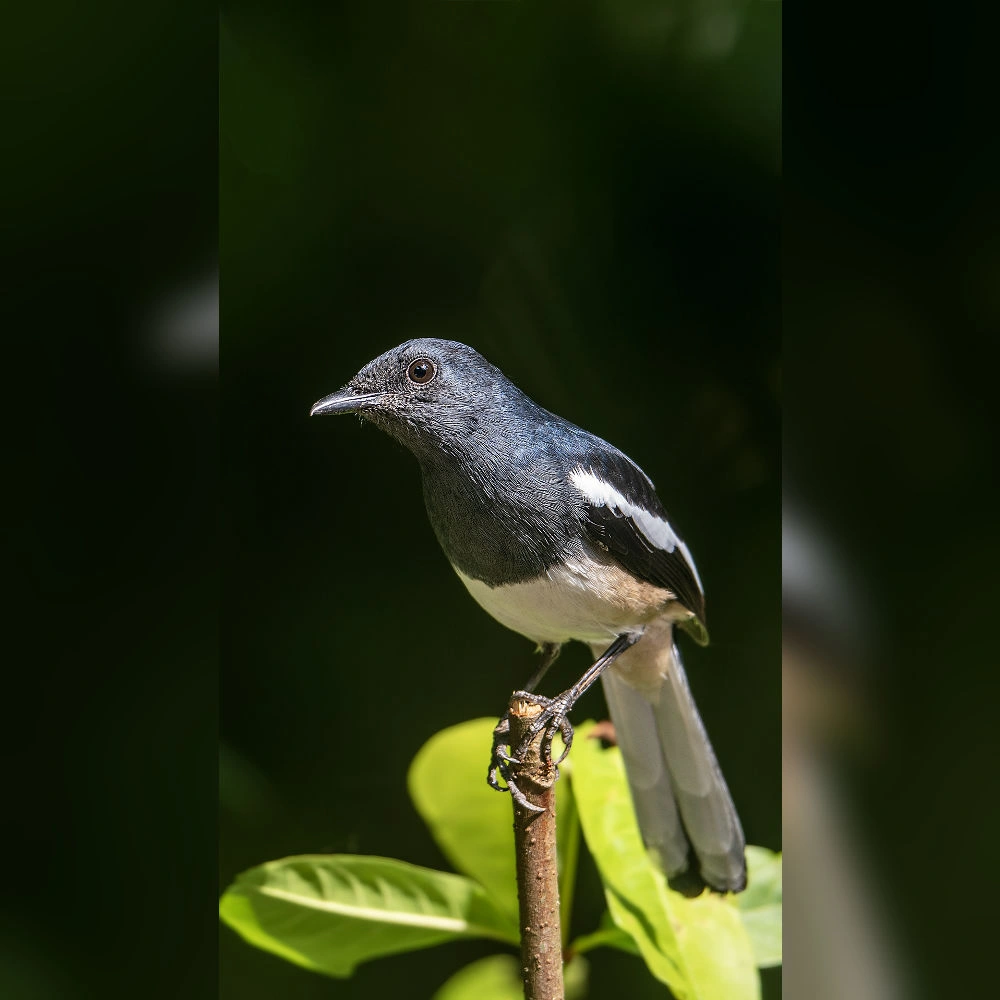
Oriental Magpie Robin
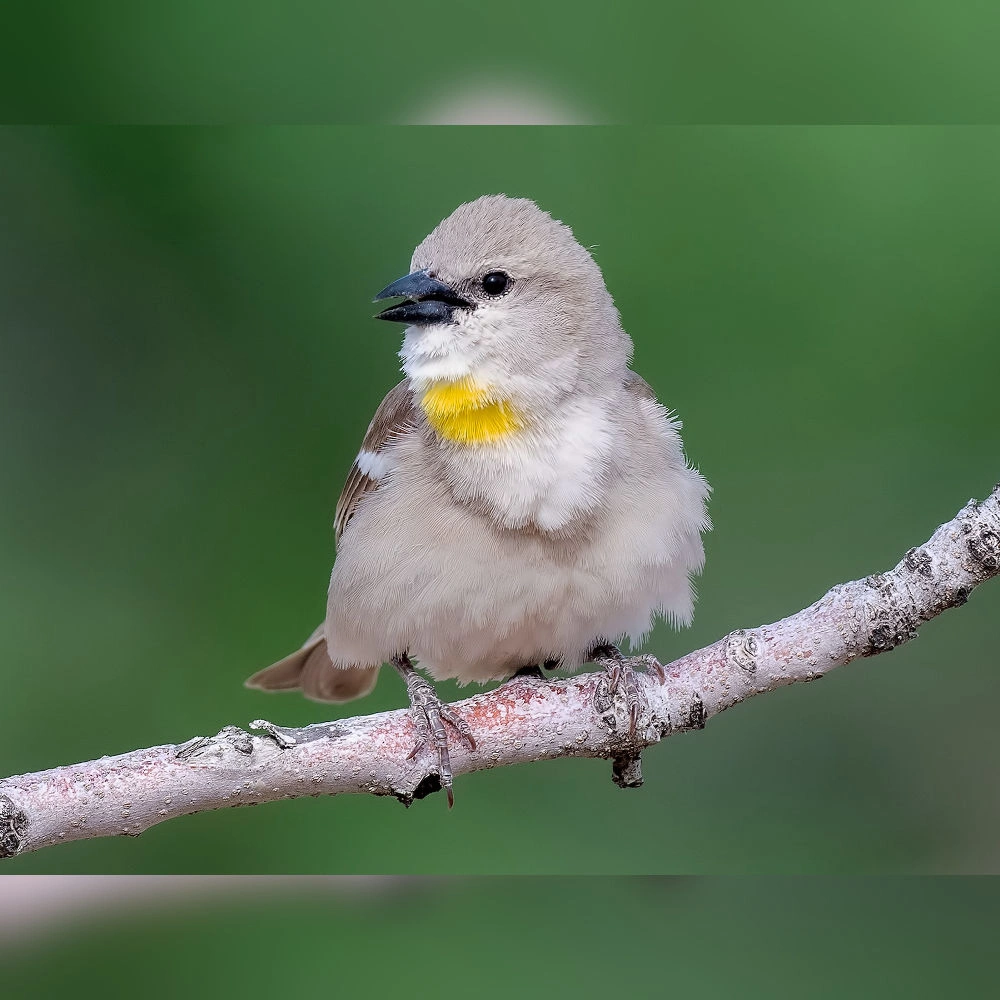

Yellow-throated Sparrow
Summary of Walk
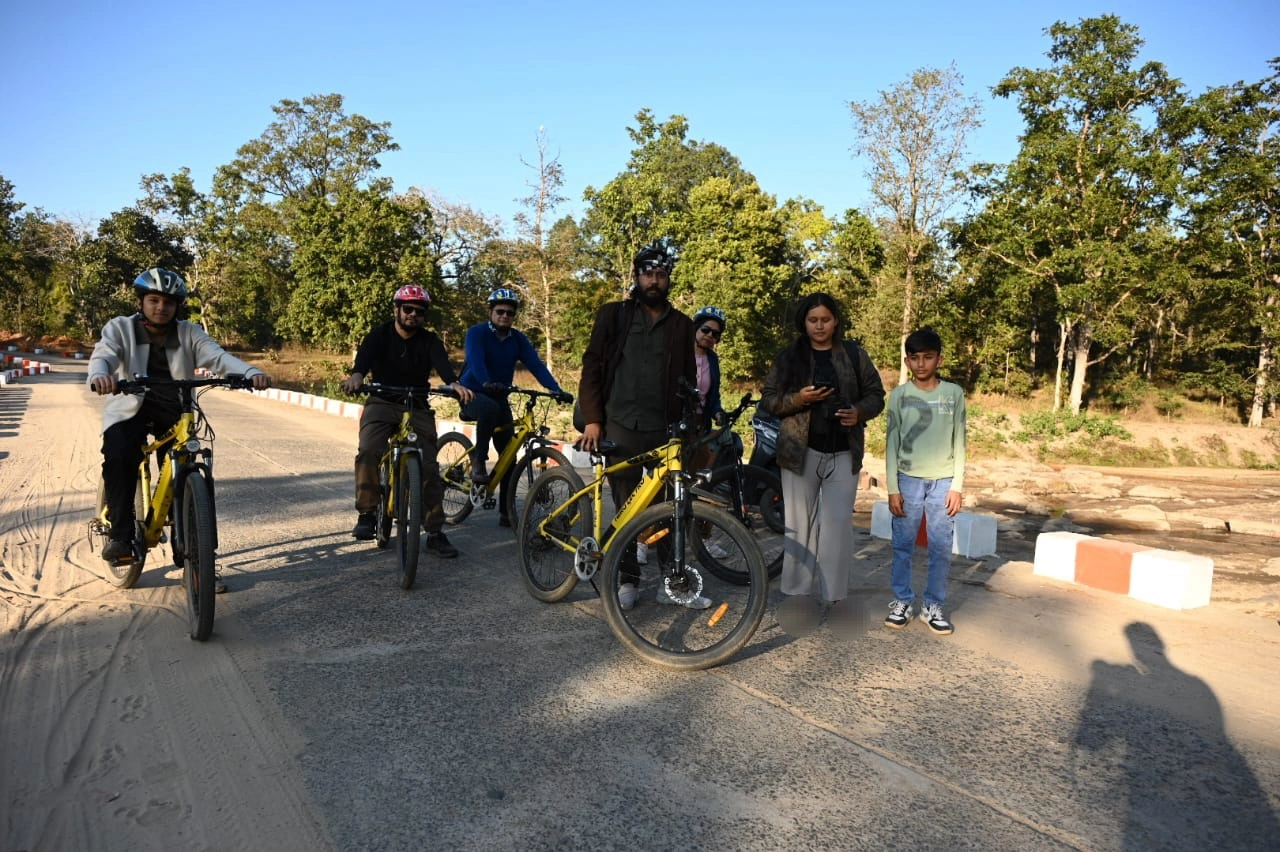
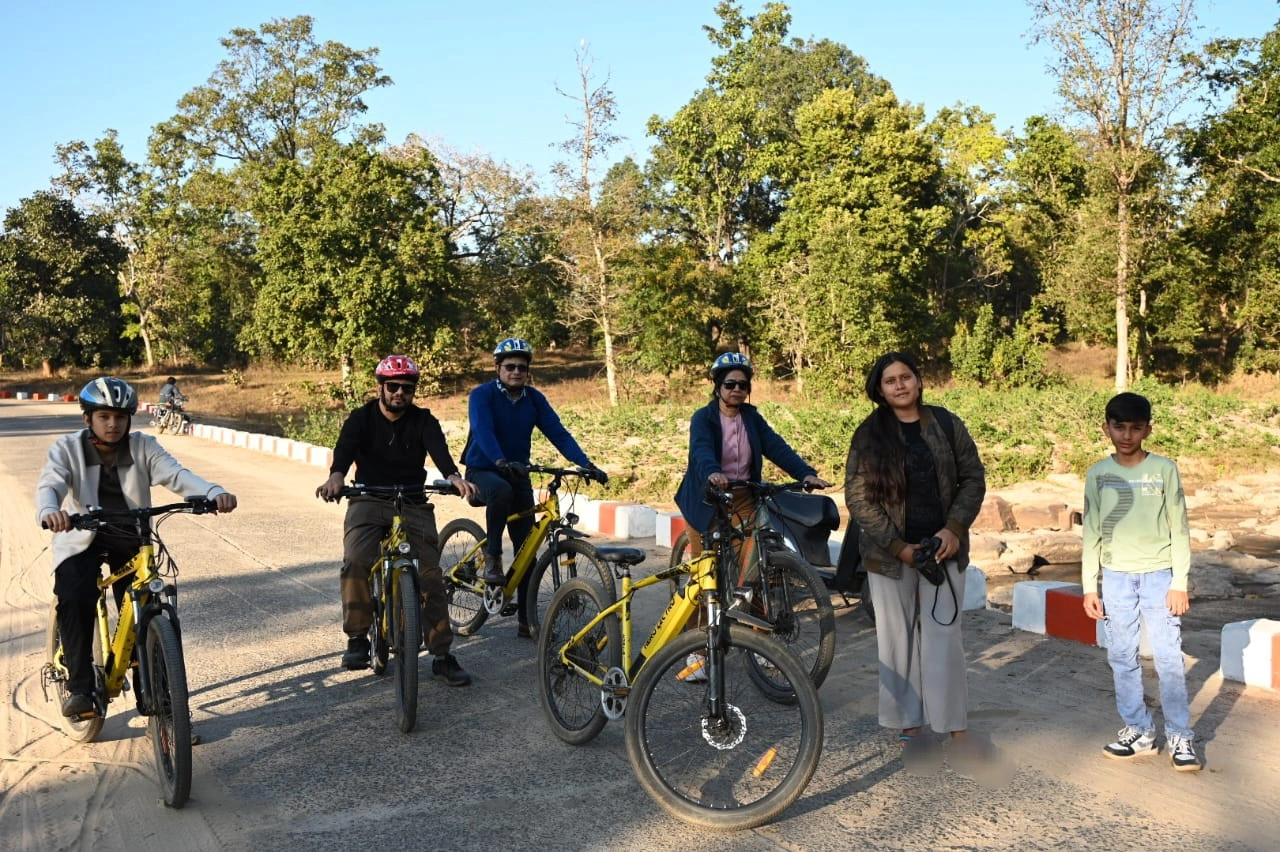
The bird walk at Kanha National Park followed the Ghanghar River trails and brought together seven enthusiastic participants, including tourists and beginner photographers. The riverine and forest habitats offered exceptional diversity, with sightings of kingfishers, sunbirds, tailorbirds, wagtails, orioles, jungle babblers, drongos, flycatchers, barbets, woodpeckers, hornbills, herons, and egrets. The Large Red-naped Ibis was named Bird of the Walk, alongside notable sightings of a Changeable Hawk-Eagle and a pair of Jungle Owlets.
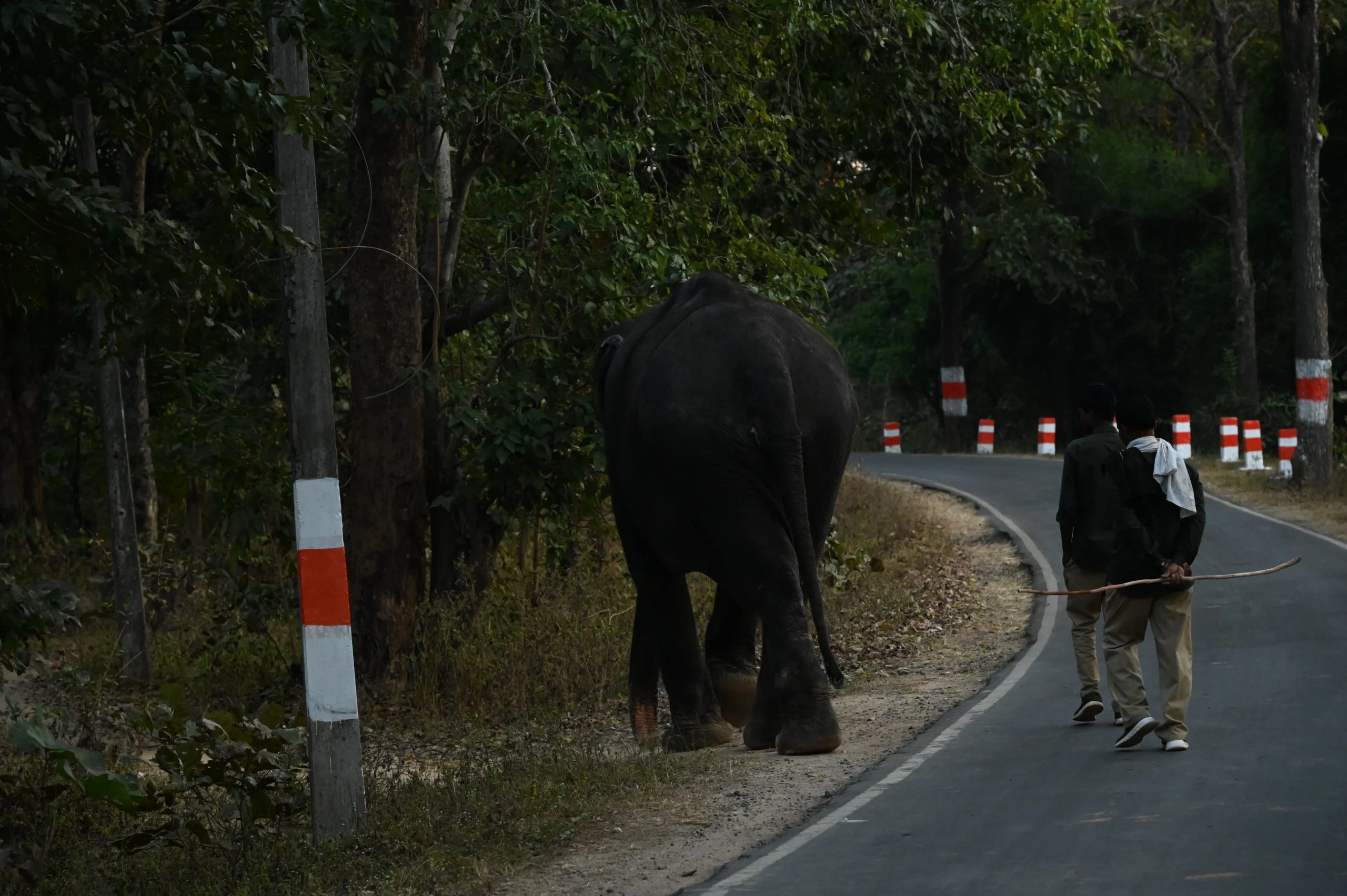
A thrilling moment occurred when participants heard the alarm call of a Spotted Deer, hinting at the possible presence of a predator nearby. Further ahead, the sighting of deer and langurs together added to the excitement and ecological learning. Led by Mehvish Khan, the walk offered an immersive wilderness experience, helping participants understand animal communication and the interconnectedness of forest life.
Number of Participants
0