

Bird Walk at Kanakagiri hills from Chandrugunda side, Telangana
- Chandrugunda
- 14 December, 2025
- Anne Sujeeth
About Kanakagiri Hills

Bird Guide: Anne Sujeeth
Naturalist and conservationst having an exprience of 15 + years in wildlife conservation
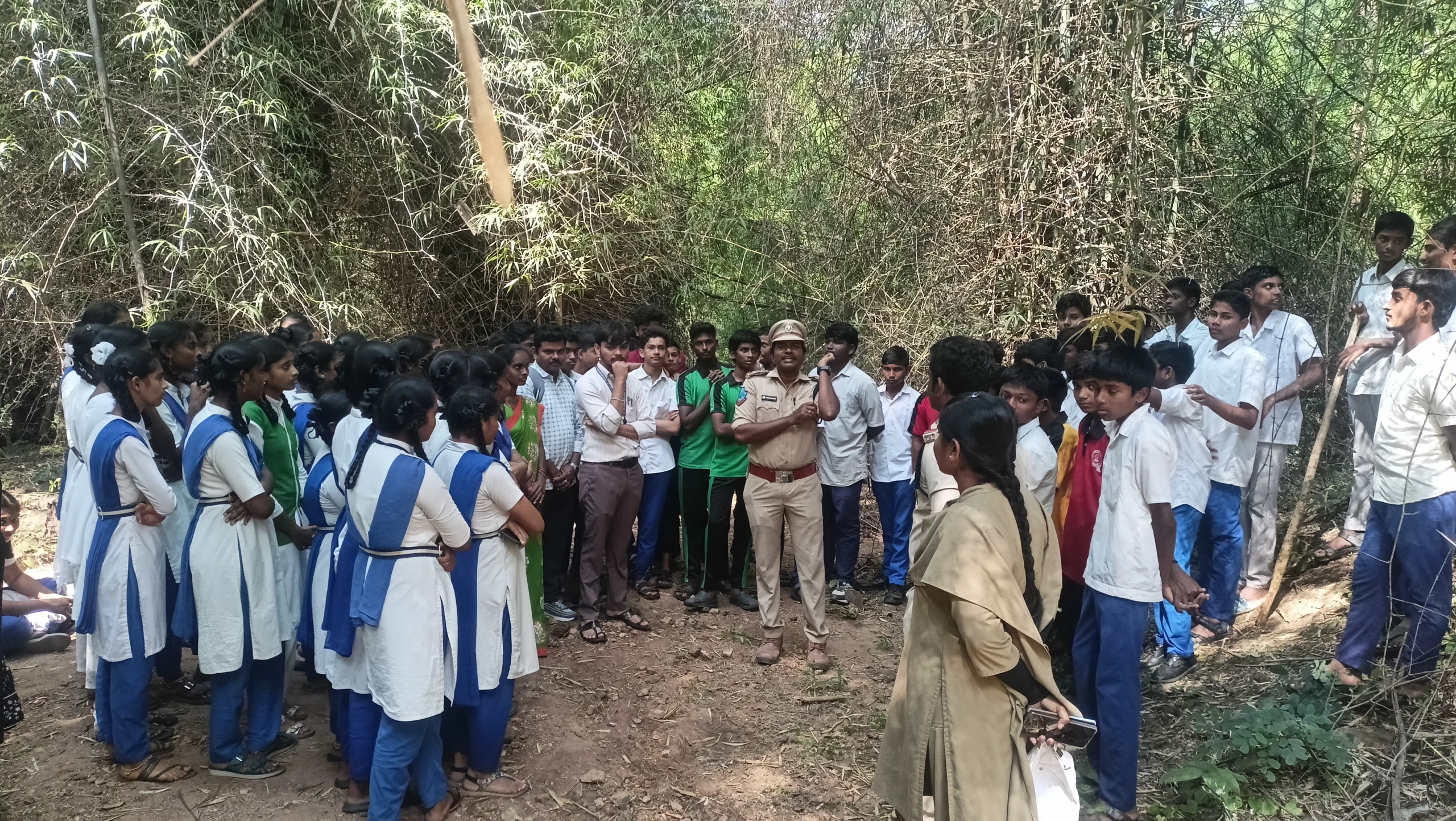
Bird walk Location
Common birds of Kanakagiri Hills
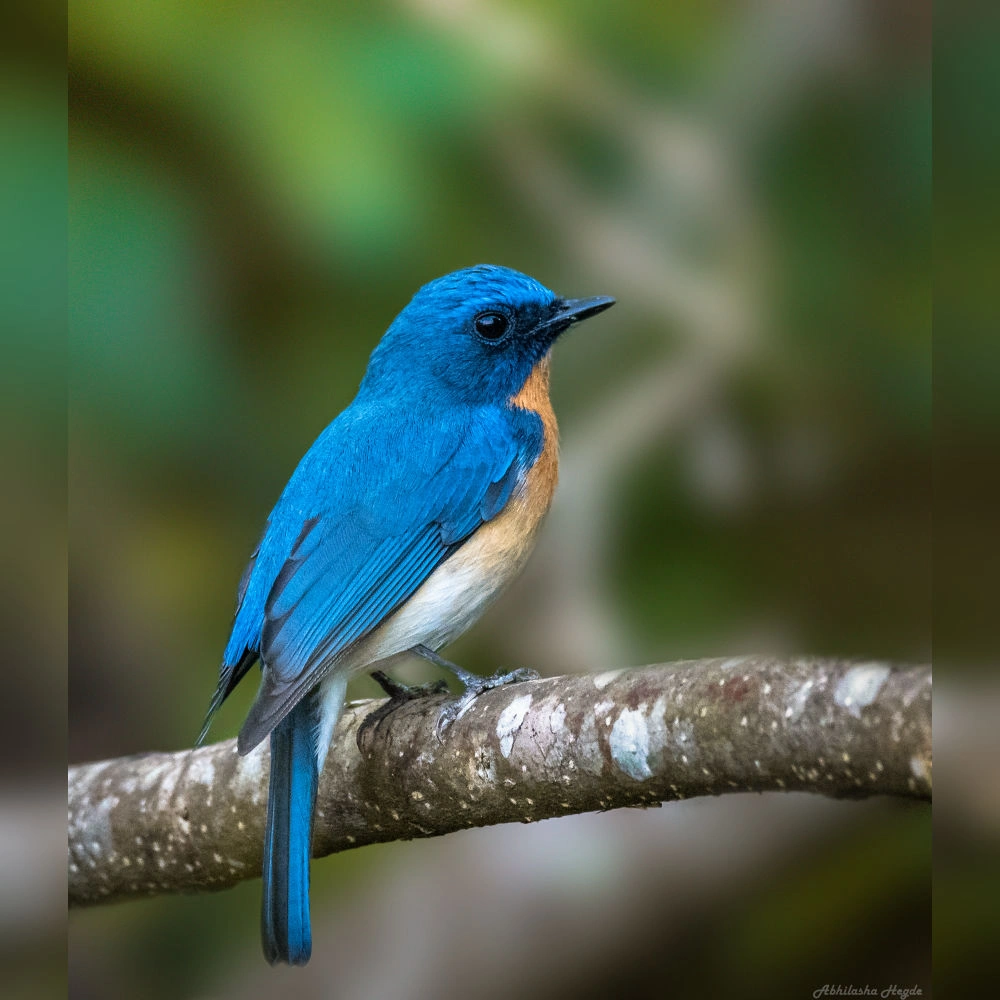
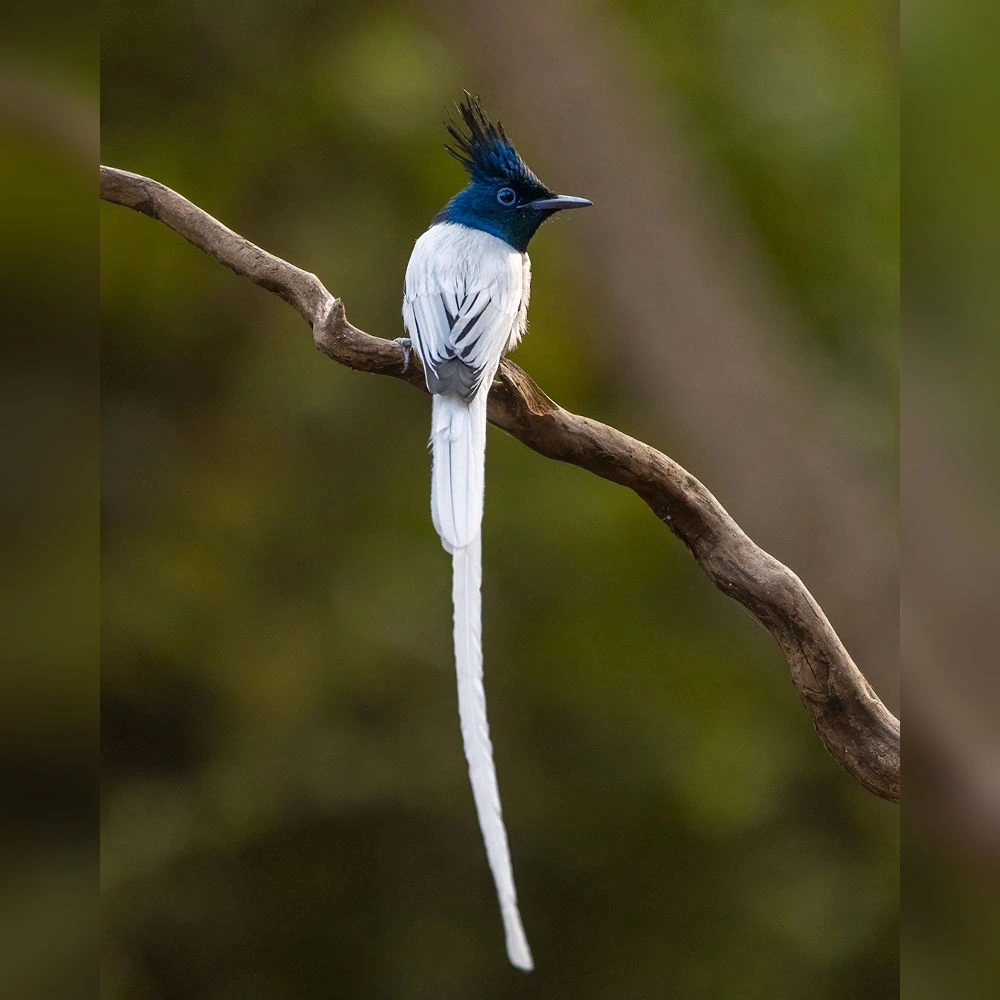
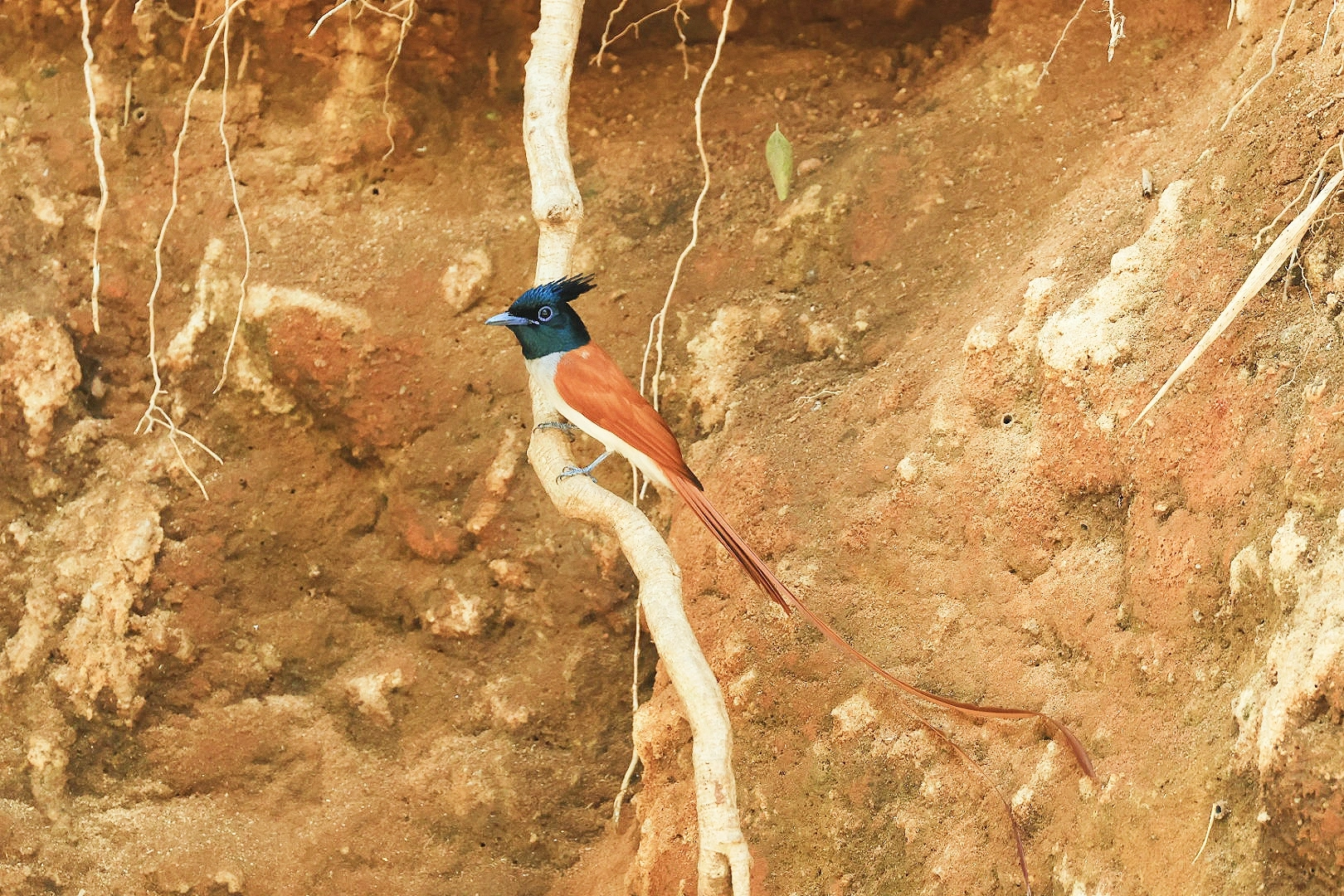
Kanakagiri Hills support a rich mix of forest, scrub, and riparian birds, making the landscape especially rewarding for birdwatchers. The wooded slopes often reveal flycatchers such as Tickell’s Blue Flycatcher, Taiga Flycatcher, Paradise Flycatcher, and the striking Blue capped Rock Thrush, while shady streams echo with the song of the Malabar Whistling Thrush. Drongos are common throughout the hills, including White breasted Drongo, Racket tailed Drongo, and the more widespread Common Drongo. Parakeets like Rose ringed and Plum headed Parakeet move through the canopy, while Hill Myna and Indian Blackbird add to the diversity of forest species. Riparian stretches and rocky pools host Common Kingfisher, Blue eared Kingfisher, White breasted Kingfisher, and Pied Kingfisher. The scrub and rocky edges support Yellow throated Sparrow, common cuckoo, Asian Koel, White rumped Shama, and White rump Munia, reflecting the region’s rich blend of habitats.

Tickell's Blue Flycatcher

Indian Paradise Flycatcher
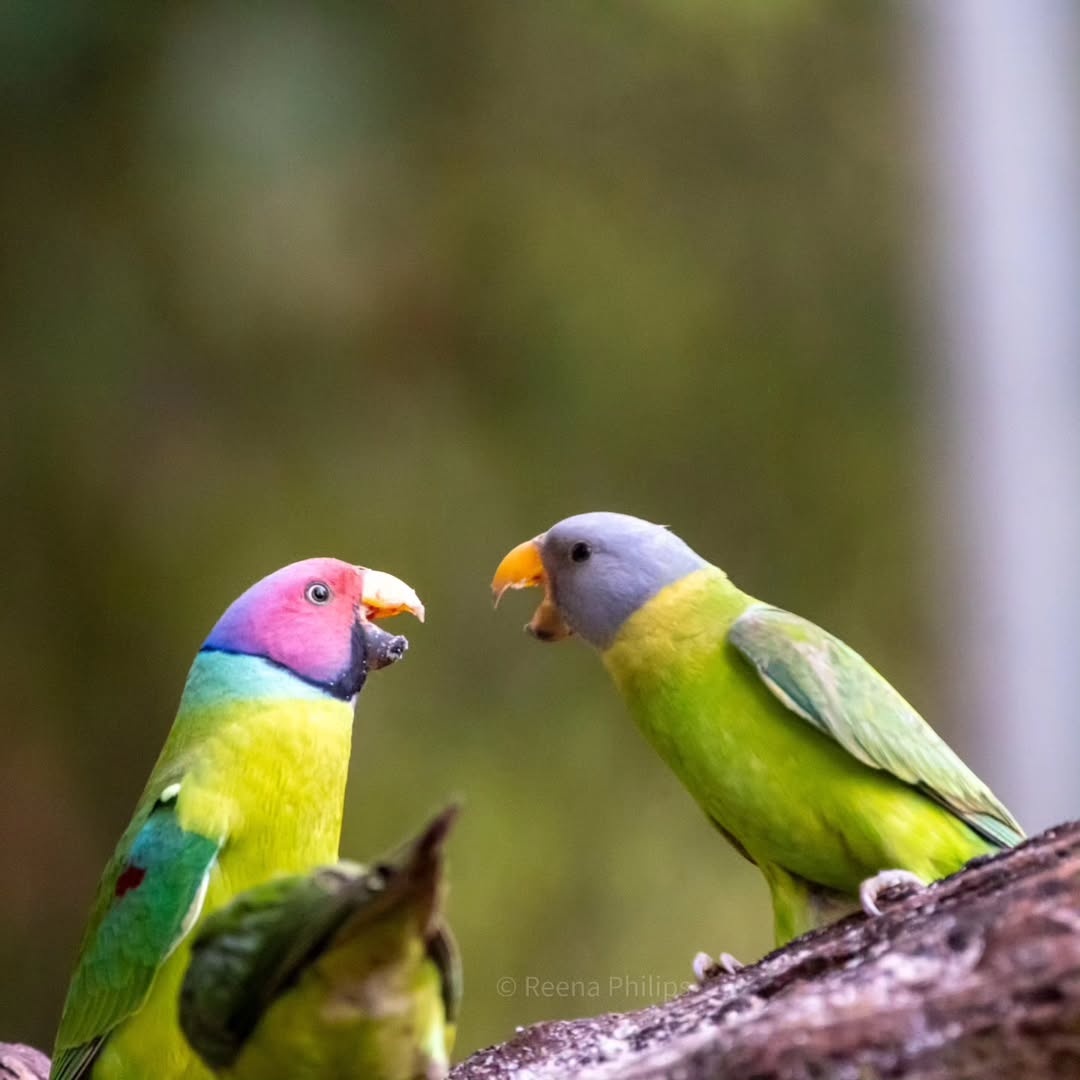
Plum-headed Parakeet
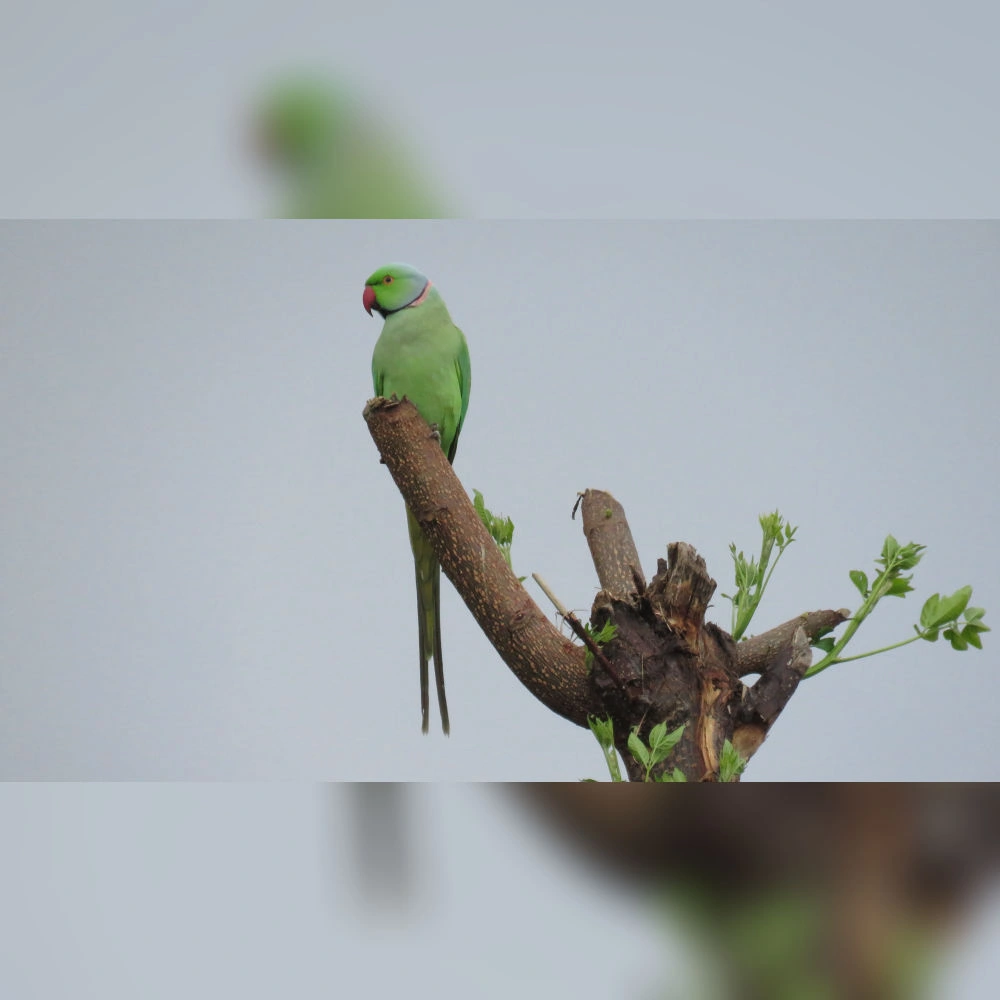
Rose-ringed Parakeet
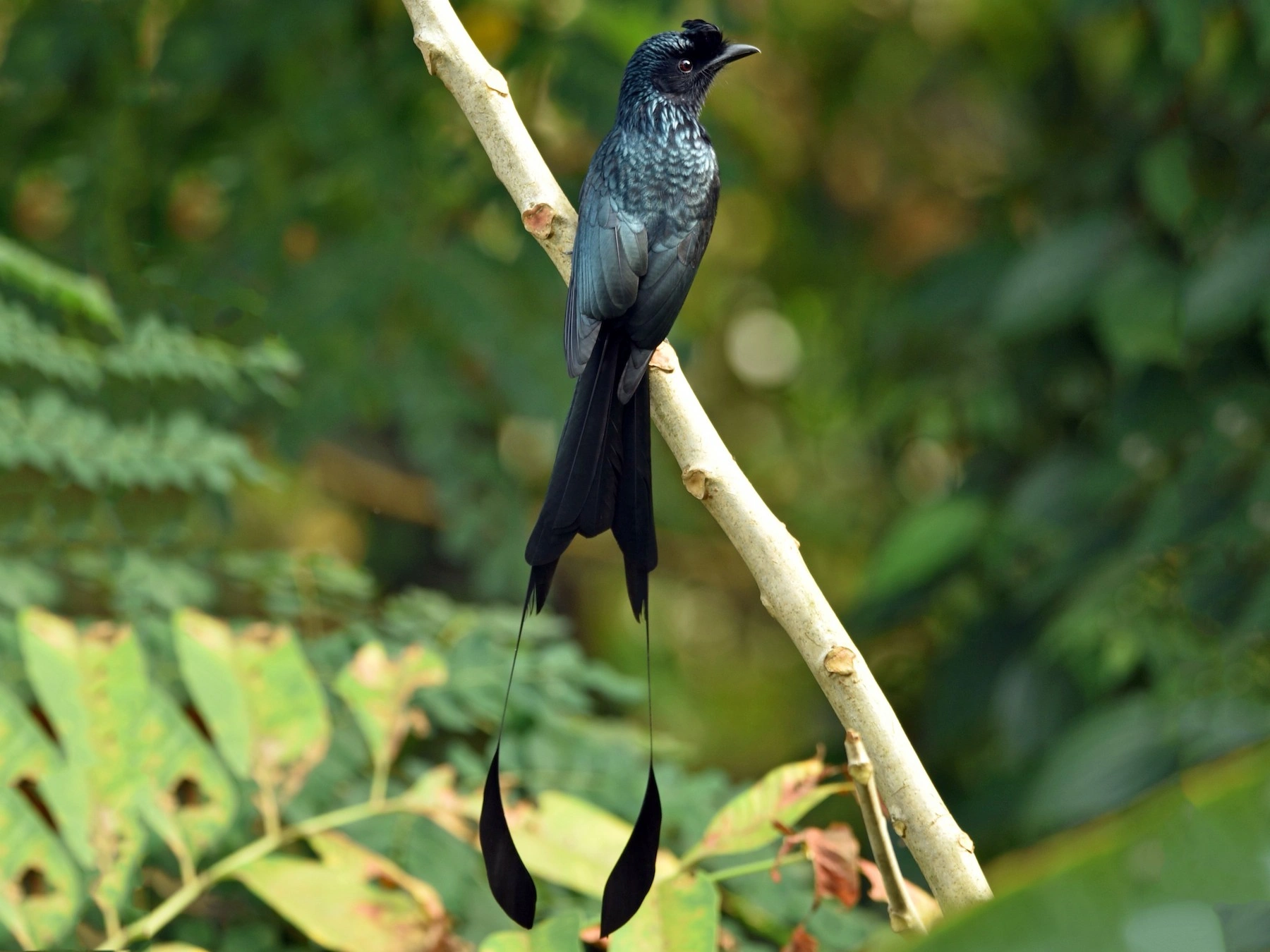
Greater-racket tailed Drongo
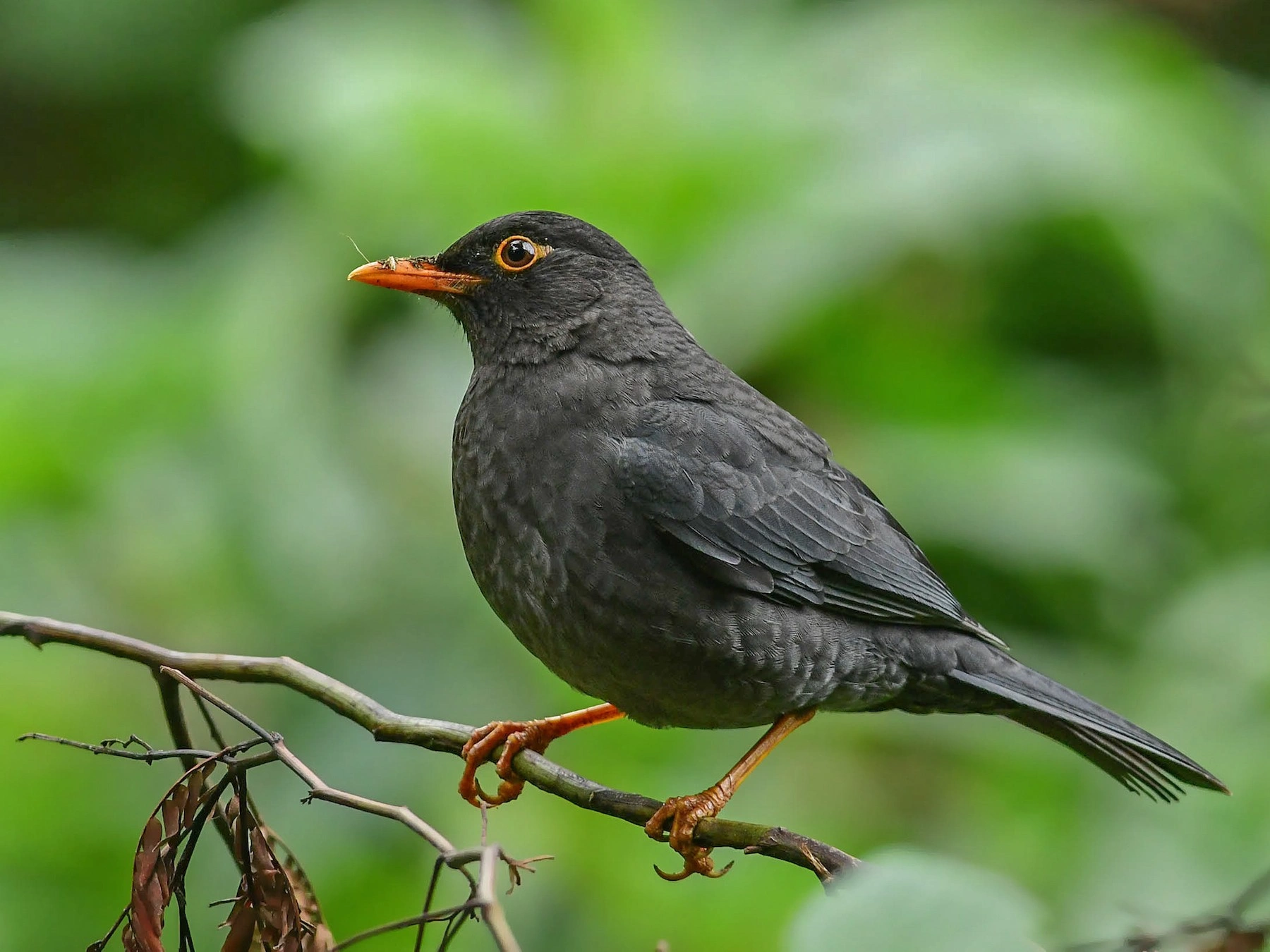
Indian Blackbird
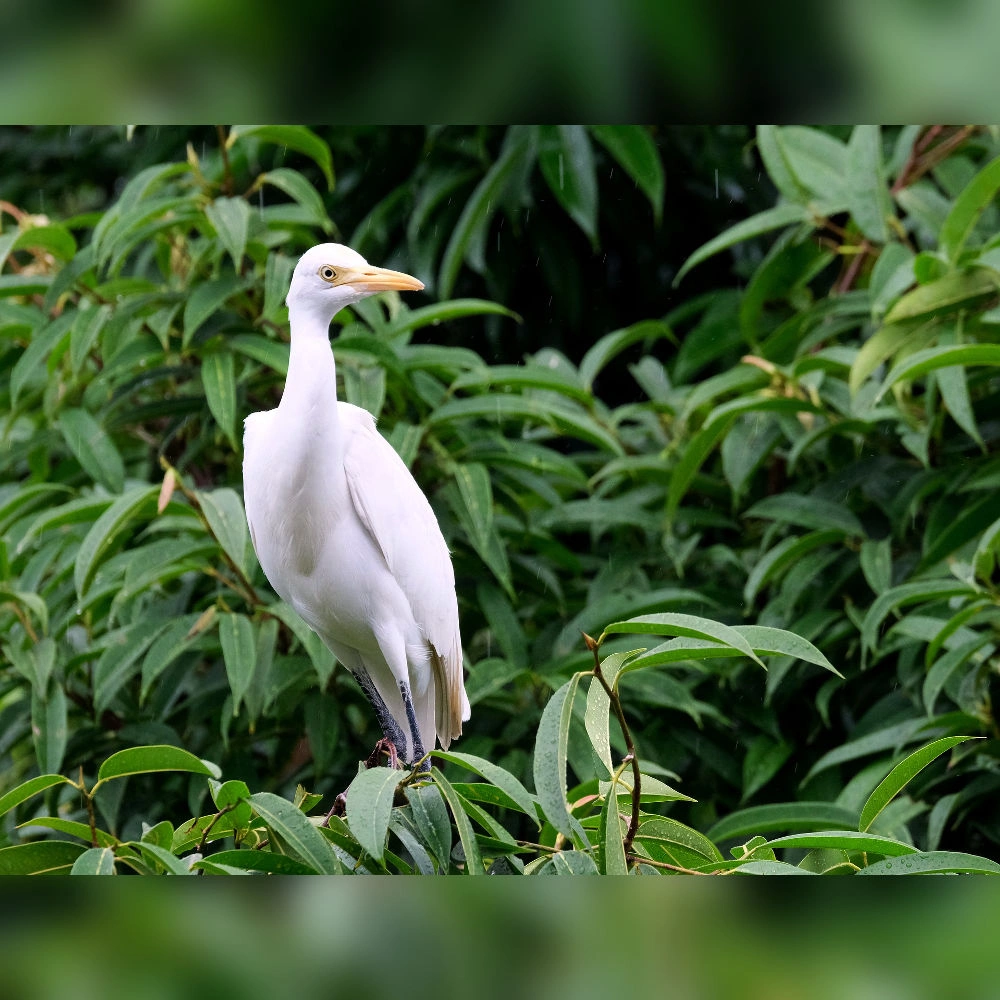
Eastern Cattle Egret
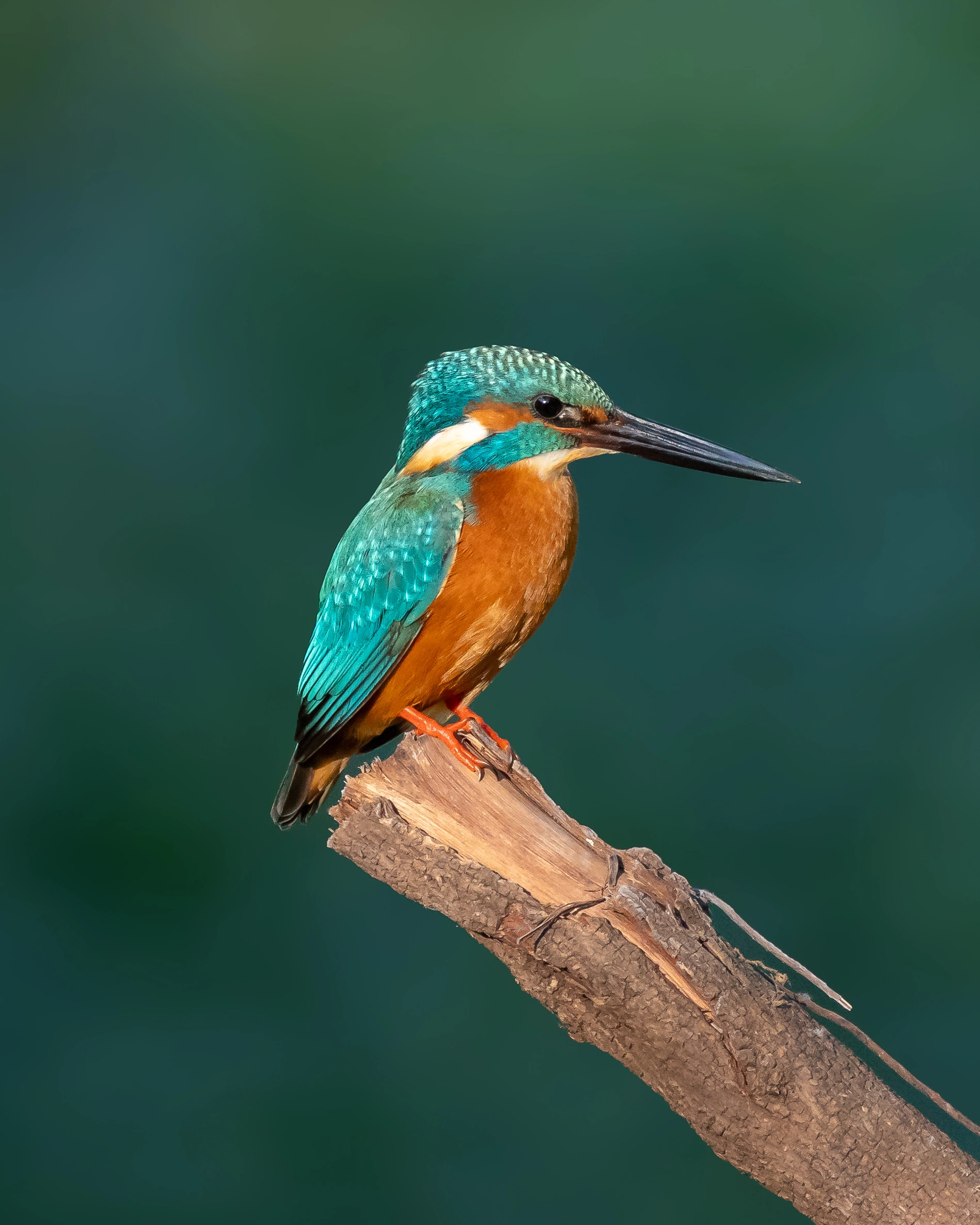
Common Kingfisher
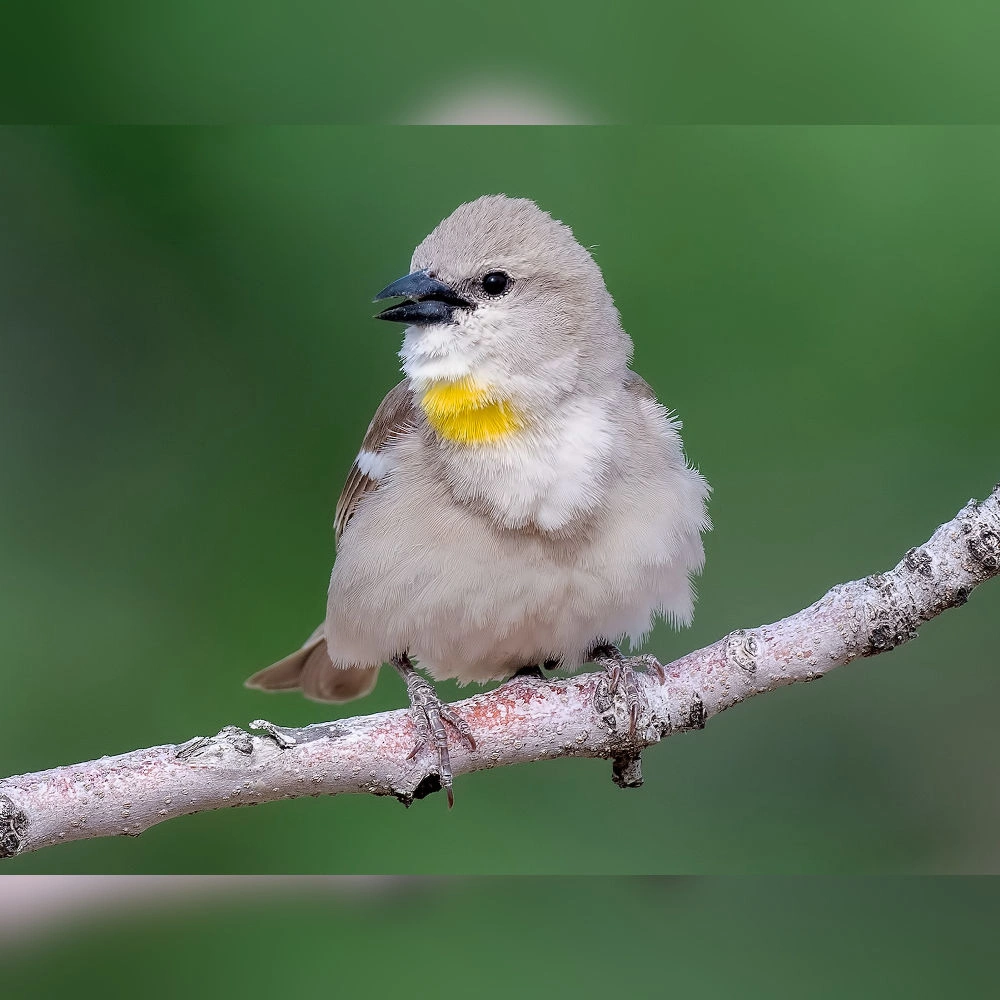
Yellow-throated Sparrow
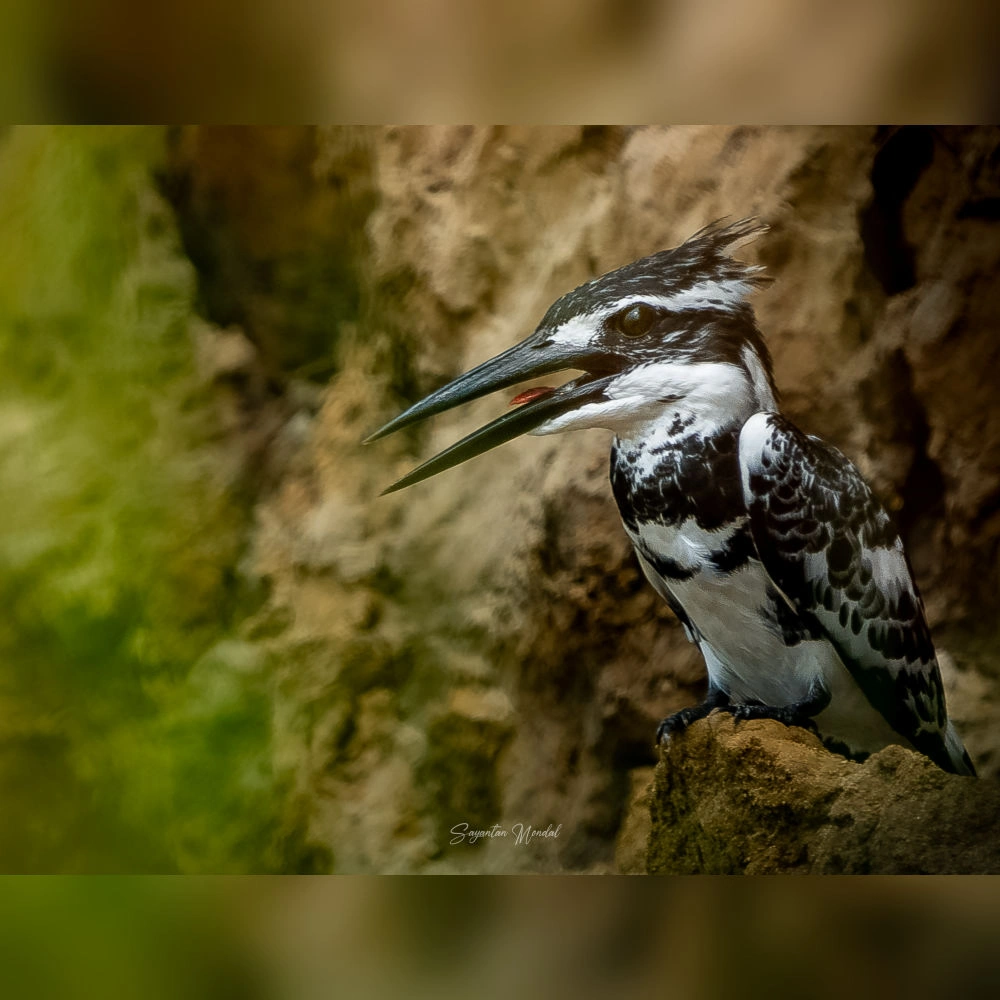
Pied Kingfisher
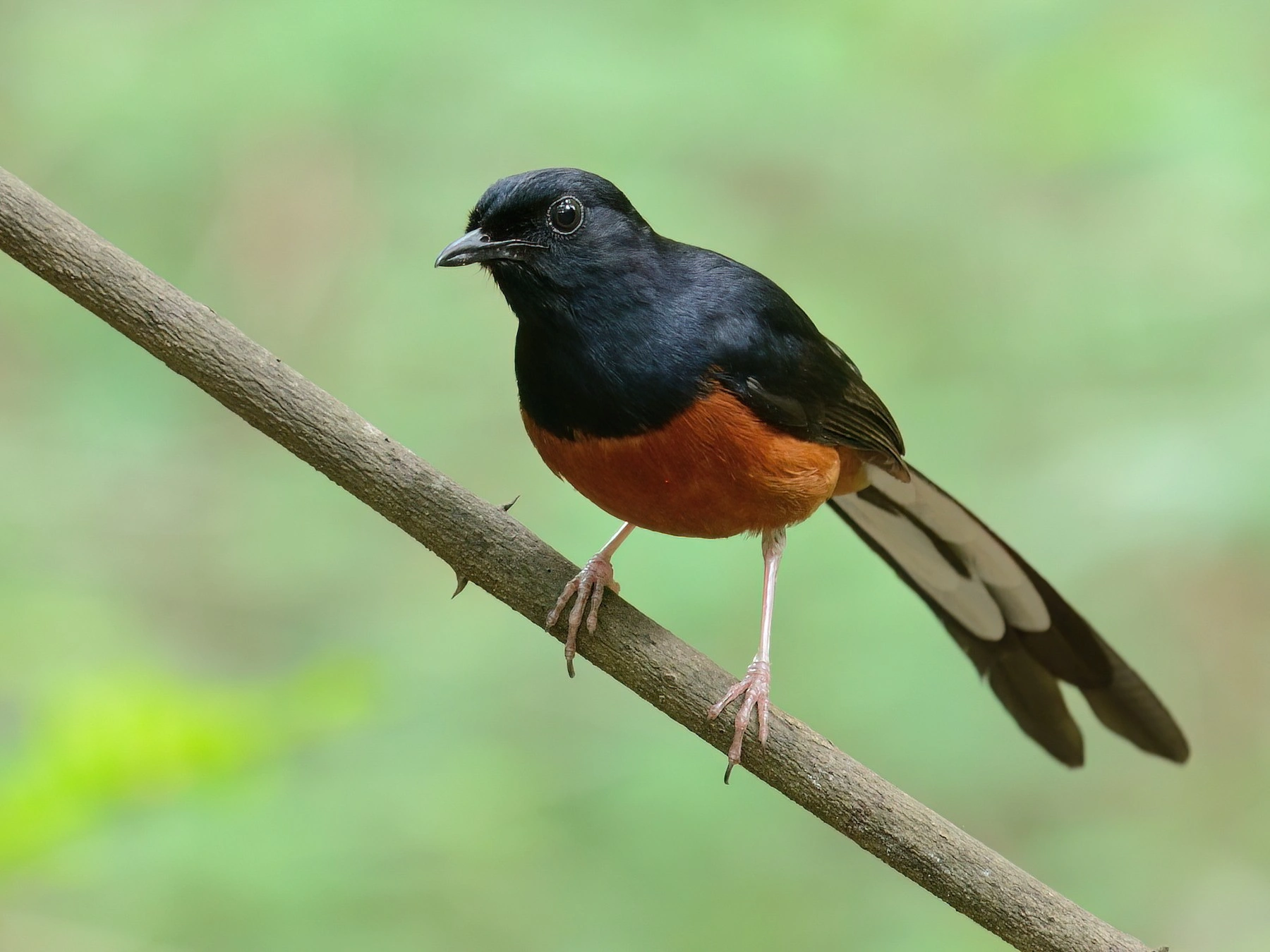
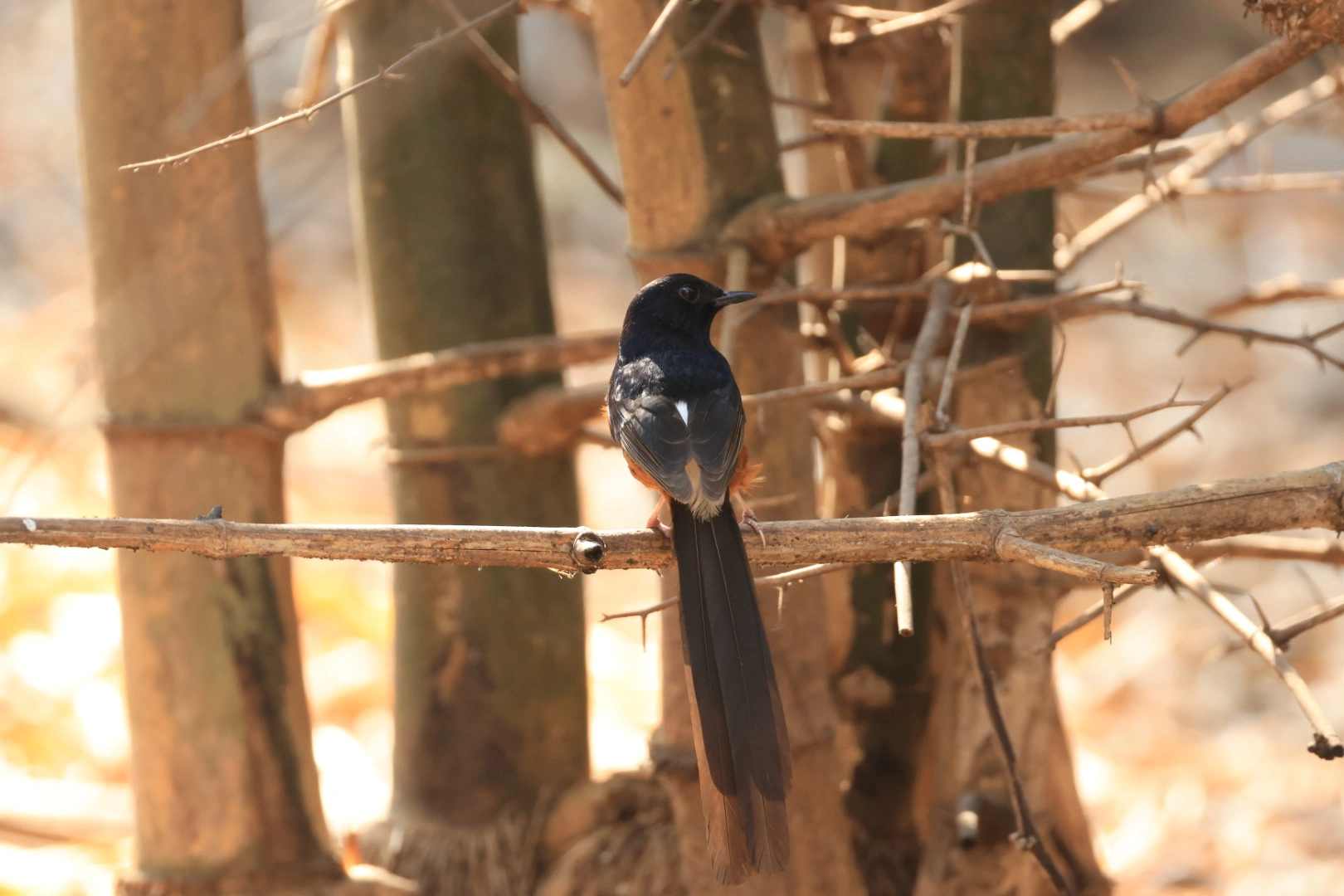
White-rumped Shama
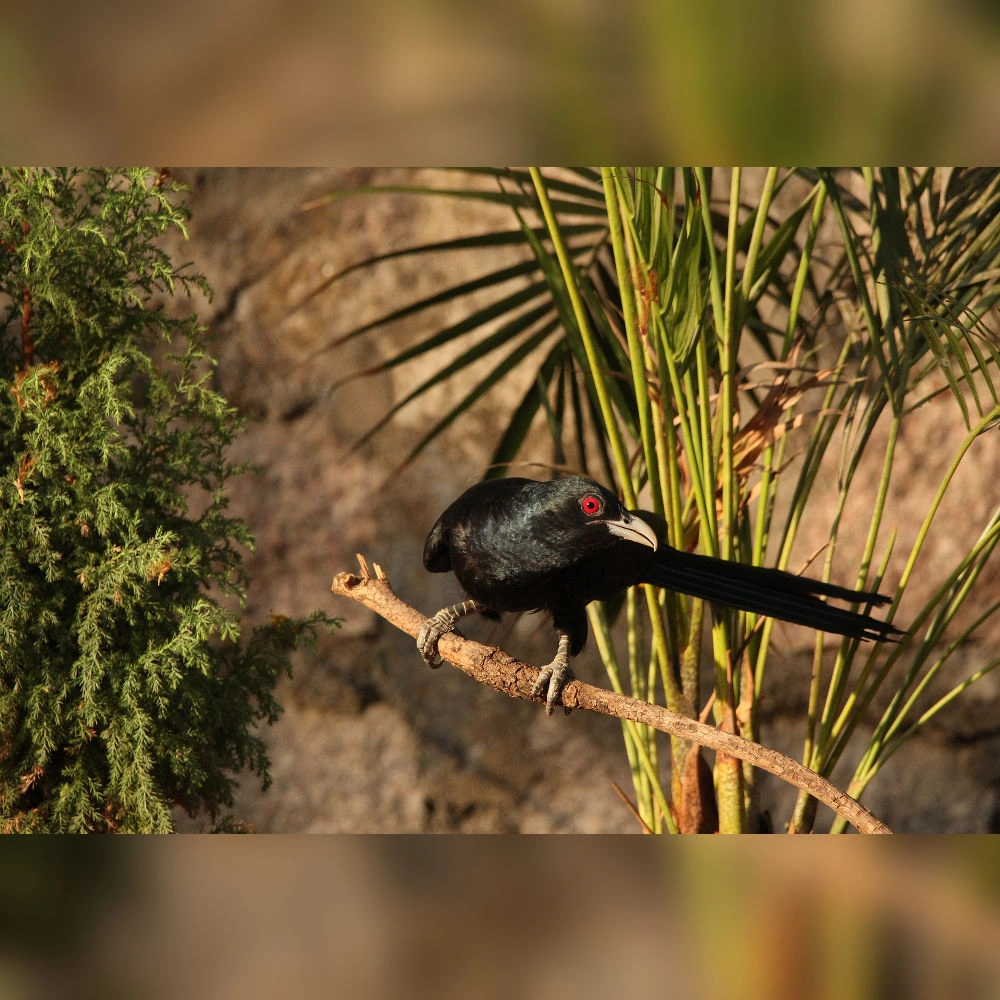
Asian Koel
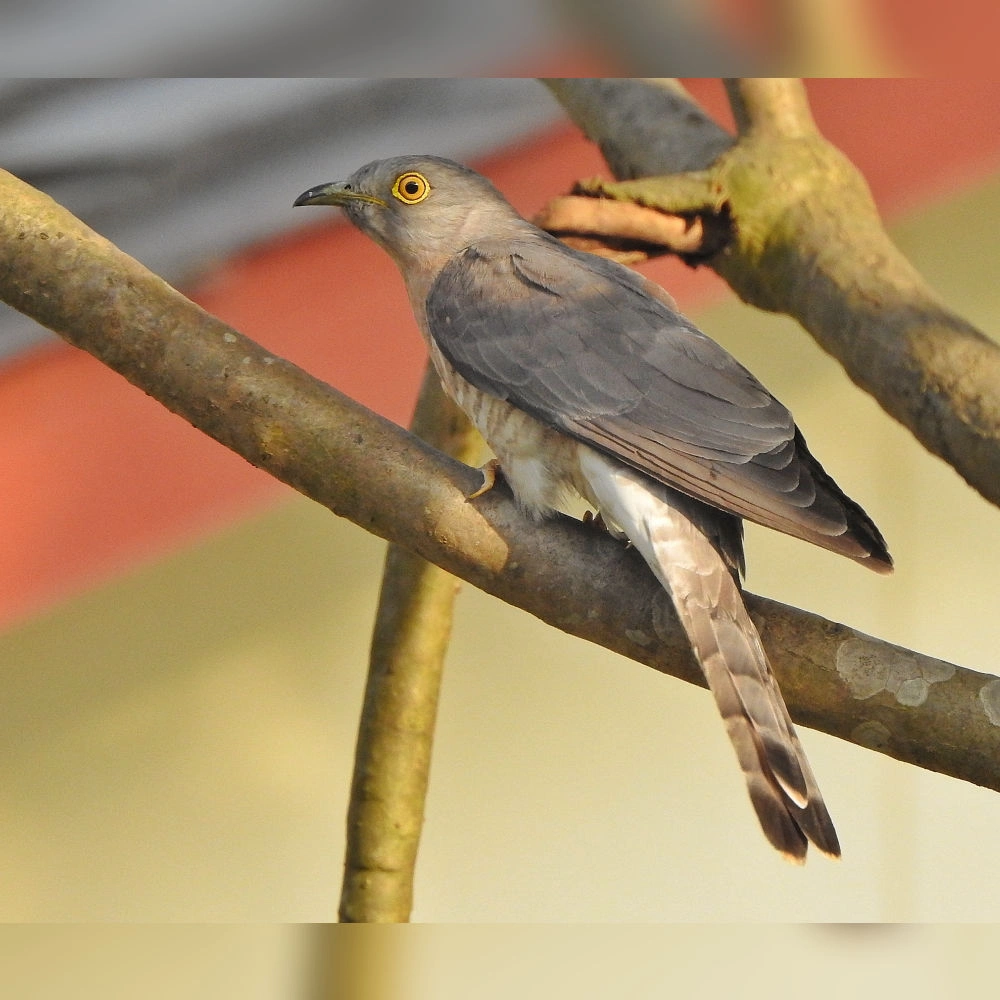
Coomon hawk-cuckoo
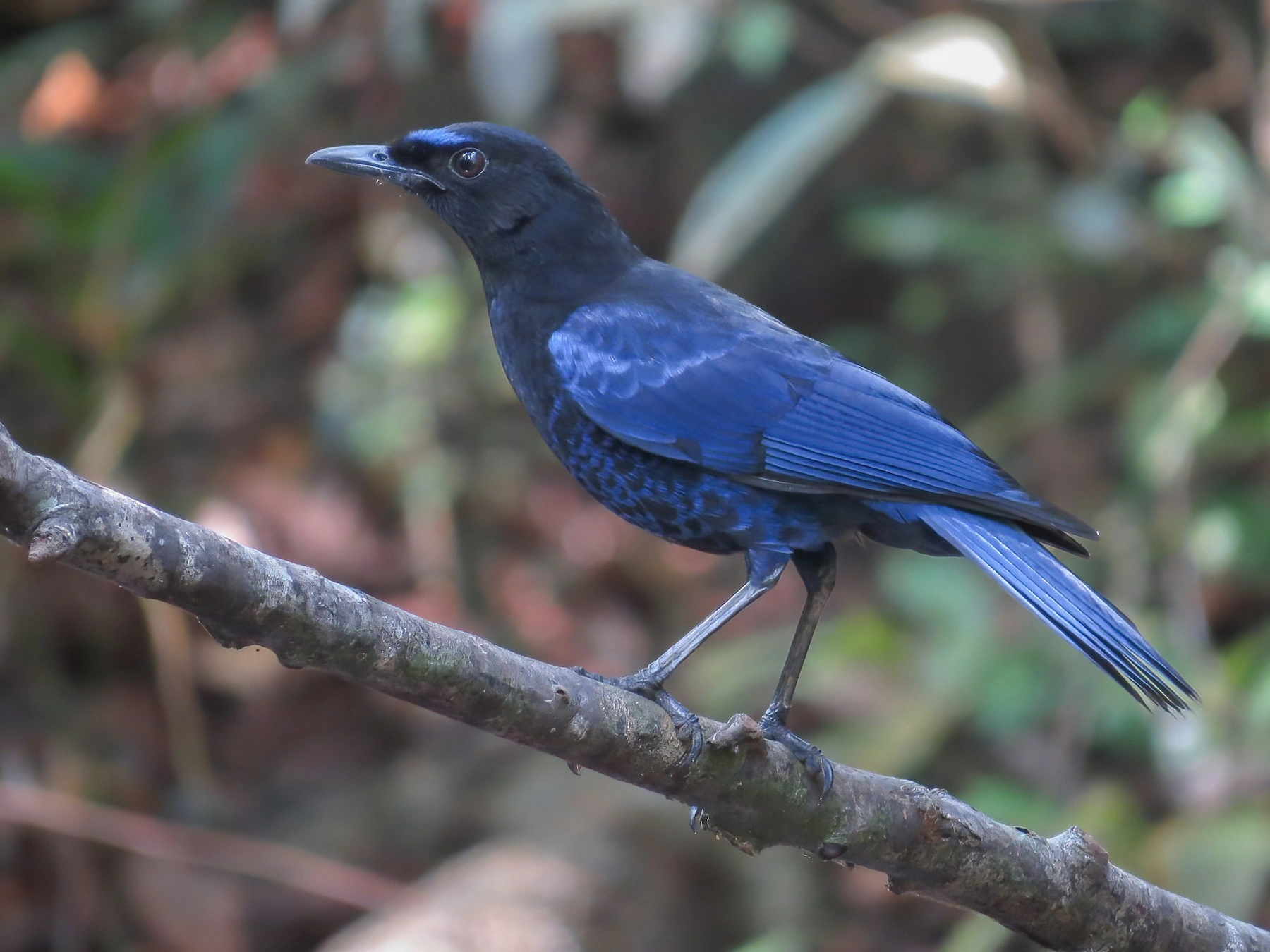
Malabar Whistling Thrush
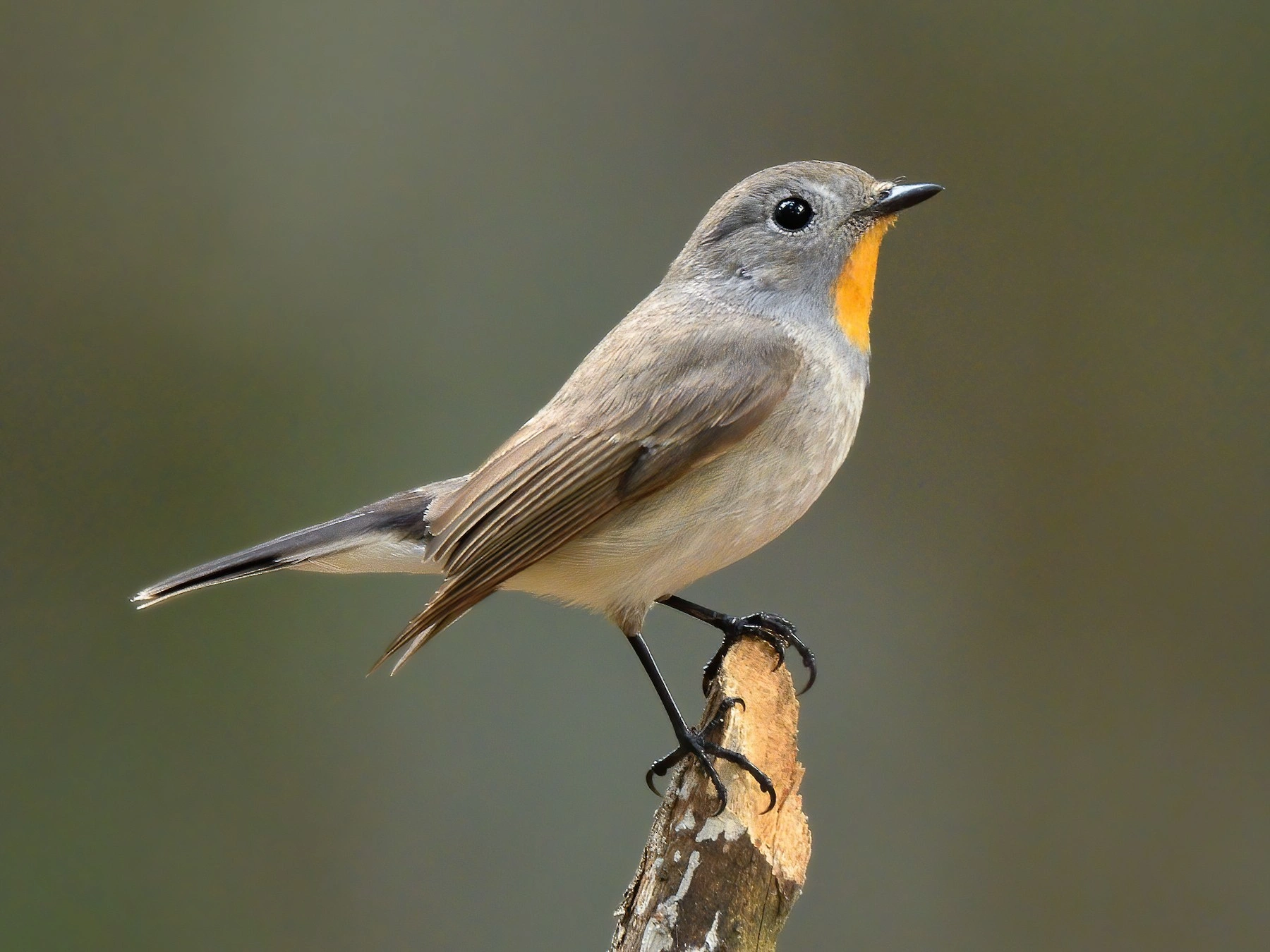
Taiga Flycatcher
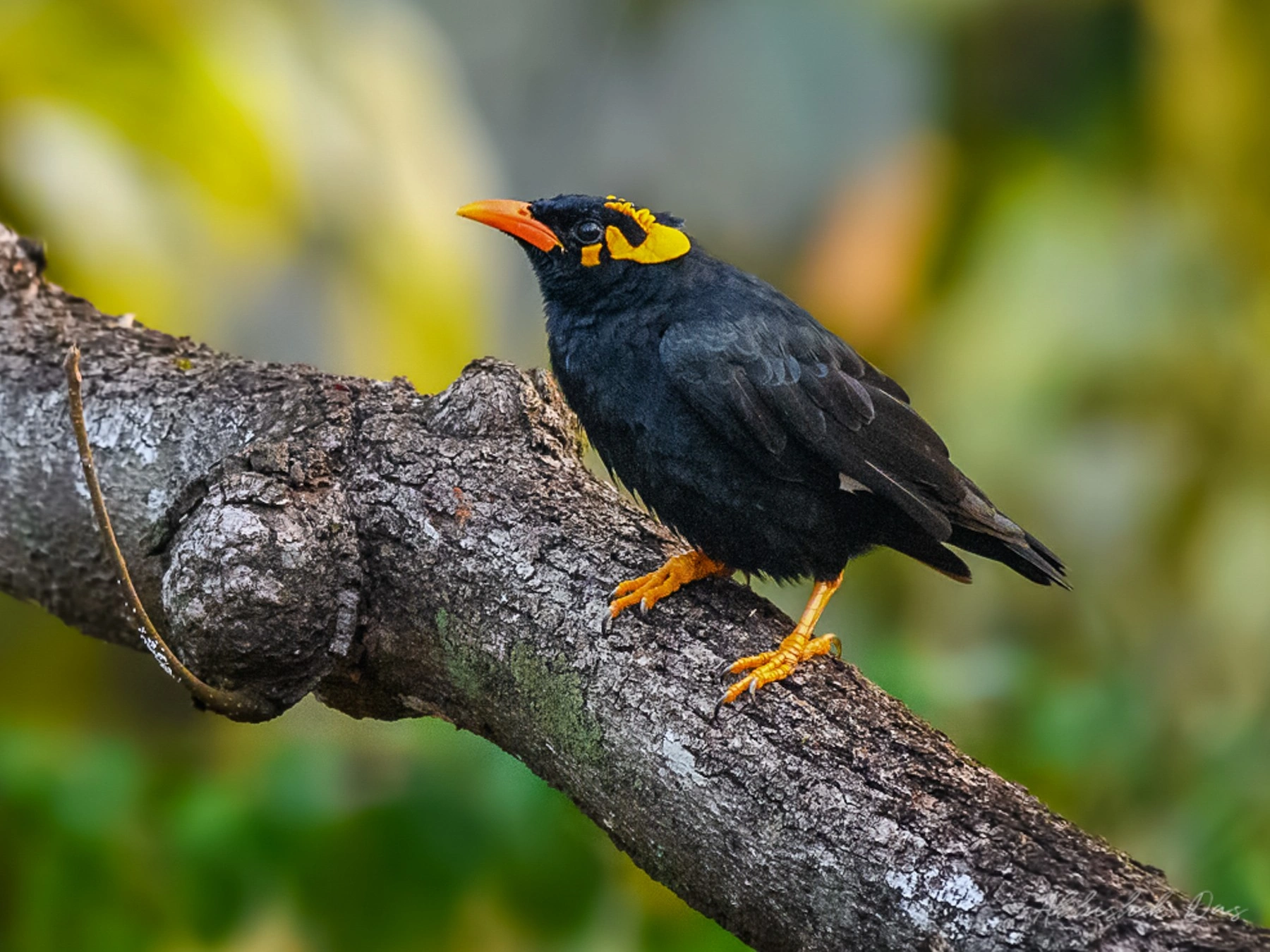
Southern Hill Myna
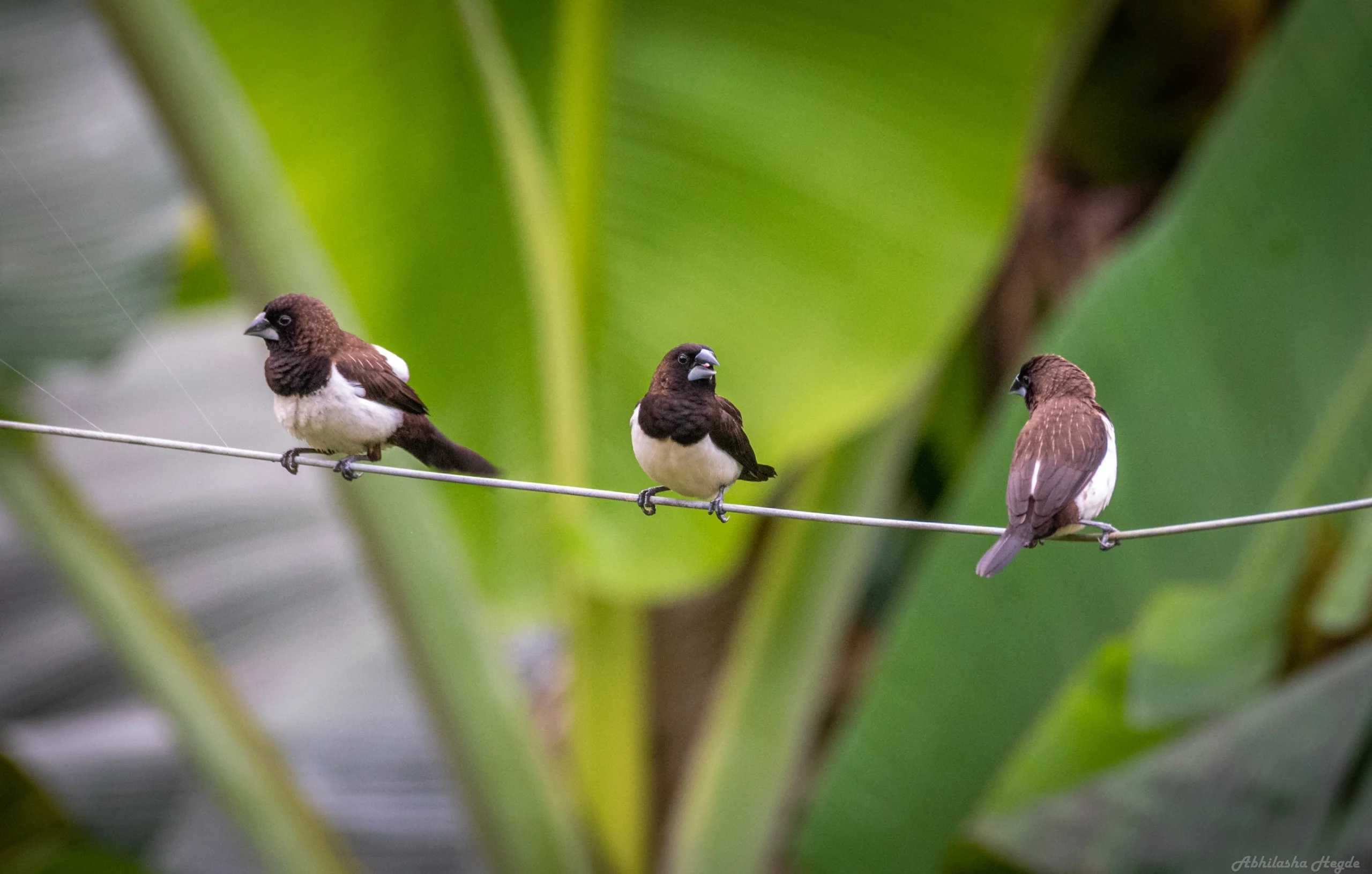
White-rumped Munia
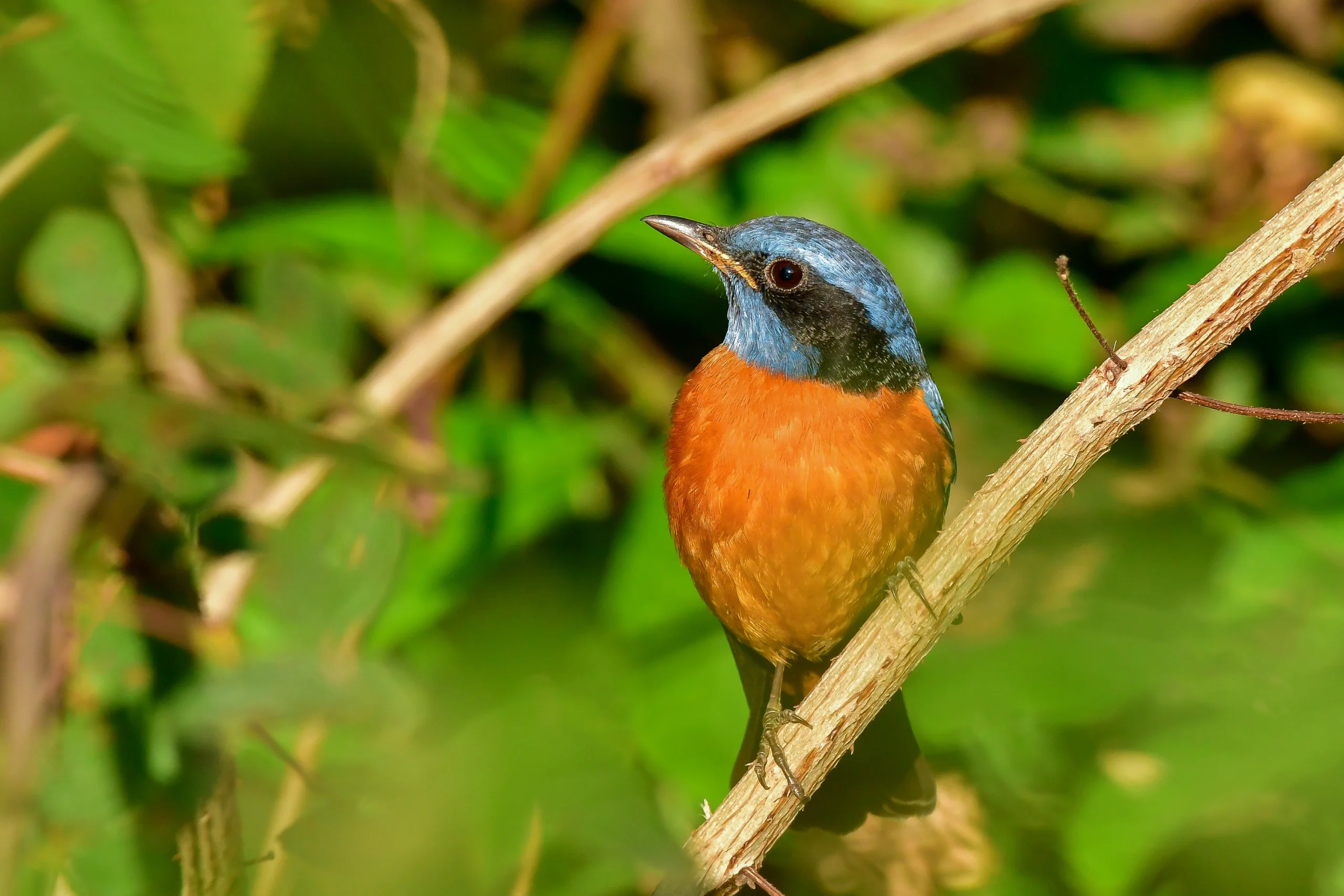
Blue-capped Rock Thrush
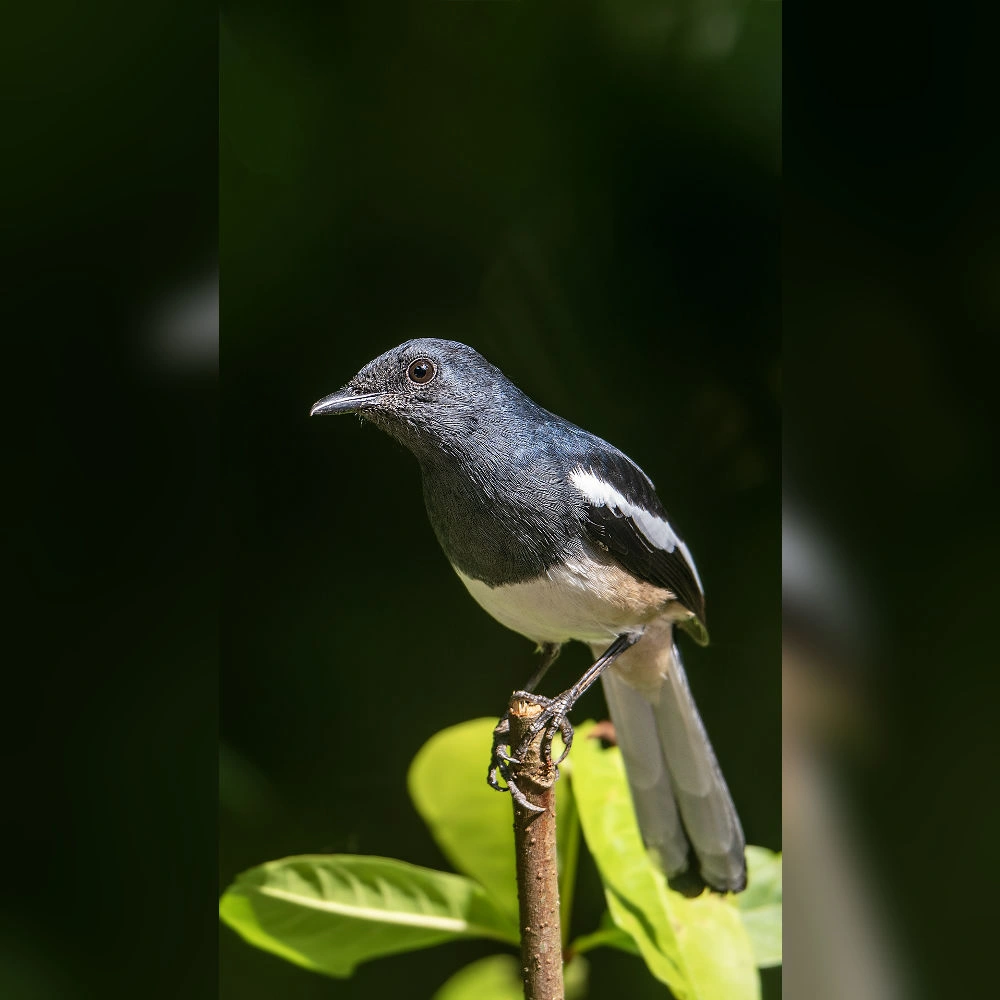
Oriental Magpie Robin
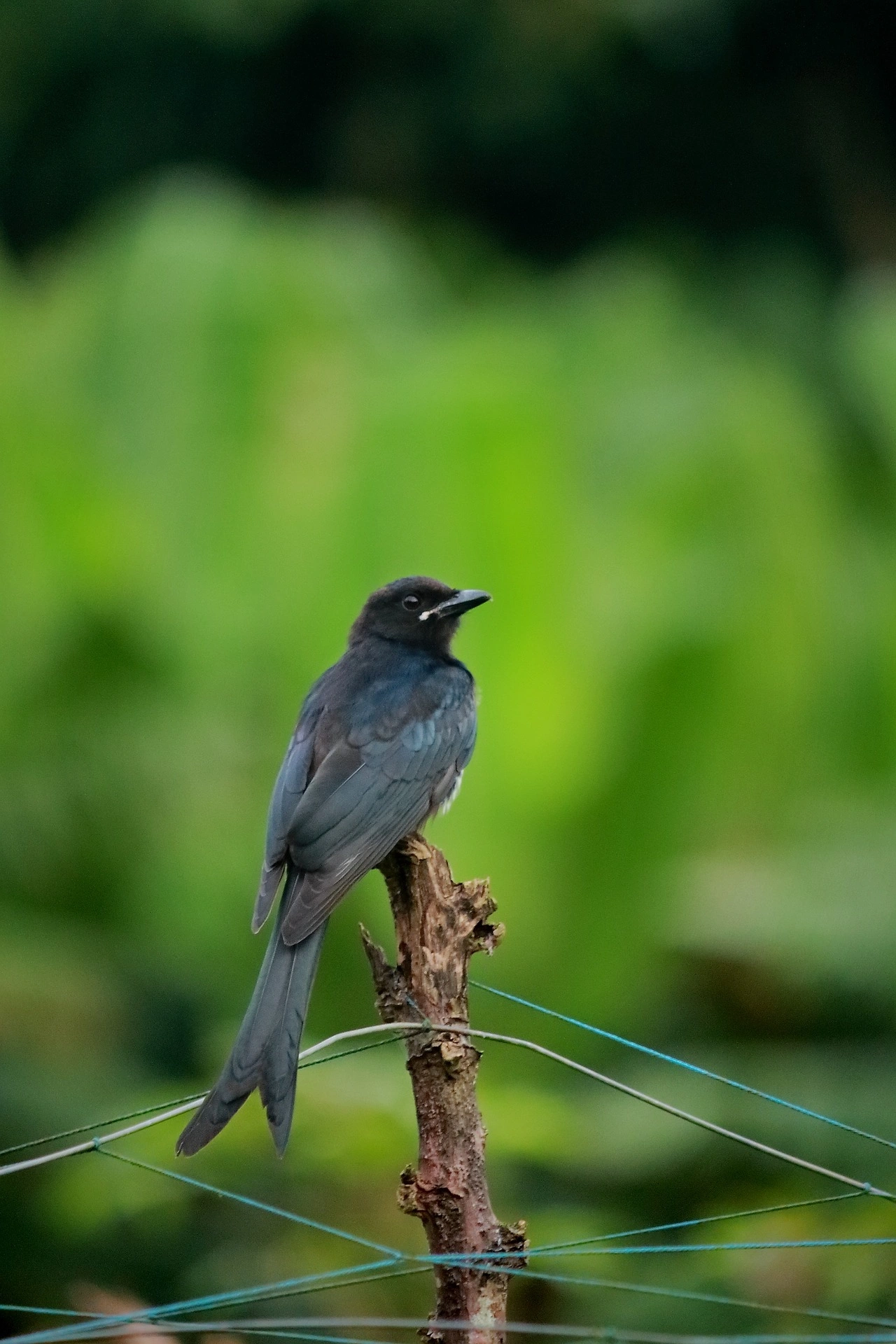

Ashy Drongo
Summary of Walk
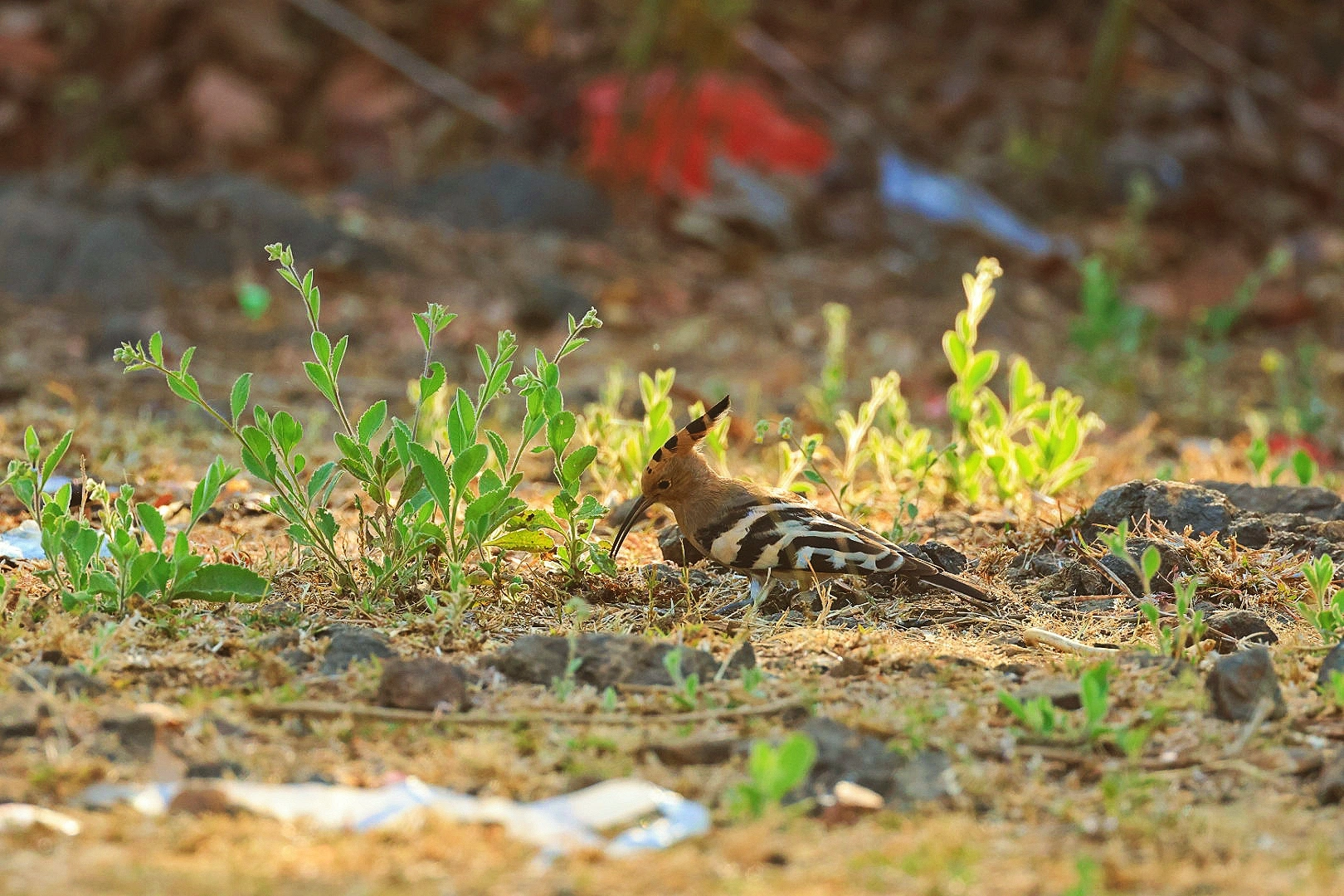
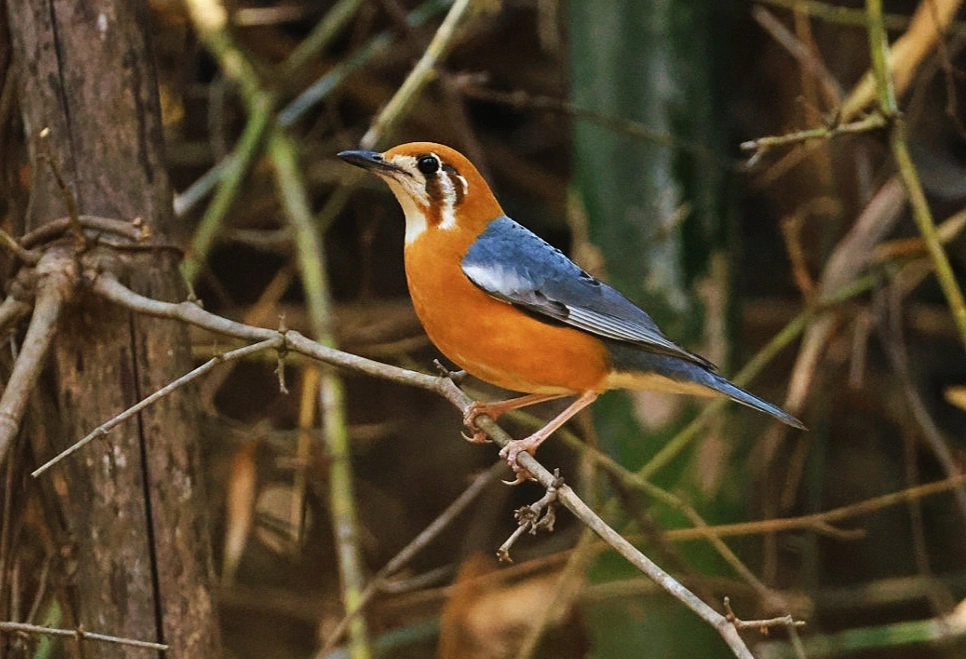
During the walk, the participant observed flocks of birds from different species and families moving together, reinforcing the leader’s description of the area as a true paradise for birds. Notable sightings included White-bellied Drongo, Orange-headed Thrush, Racket-tailed Drongo, Purple Sunbird, Purple-rumped Sunbird, Chestnut-headed Bee-eater, Oriental Magpie Robin, Parakeets, Shikra, and Eurasian Hoopoe along with wildlife such as giant squirrels, centipedes, and langurs. The participant also learned to identify birds by their calls, gaining insight into the unique sound-based identification within the avian world. He expressed heartfelt gratitude to the leader for guiding, identifying species, and ensuring his comfort throughout the walk. The experience concluded warmly with lunch and informal discussions about birds, leaving the participant highly satisfied and inspired to continue birdwatching.