

Loading Events

Bird Walk at India Lake, Kesarbagh, Dholpur, Rajasthan

About India Lake, Kesarbagh

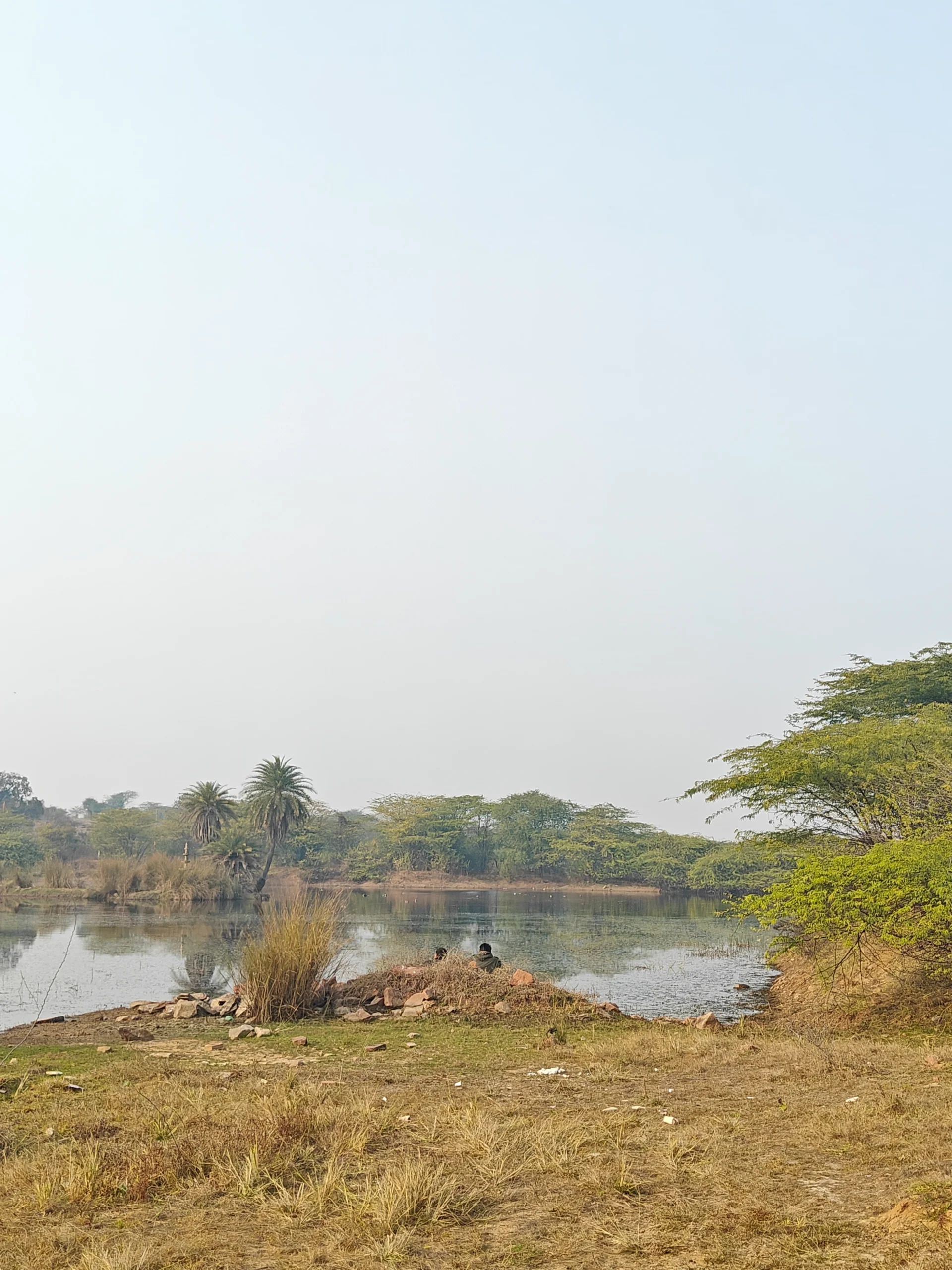
Tucked within the rugged landscape of Kesarbagh, Dholpur, Rajasthan, India Lake is a quiet yet vital wetland set amid the dry deciduous forests of the Kesarabagh region. Spread across an otherwise arid terrain, the lake forms a striking contrast to the surrounding thorn scrub and rocky outcrops. The habitat here is a mosaic of open water, marshy edges, and dry woodland dominated by dhok, khair, acacia, palash, and grasses adapted to low rainfall. This combination creates an important refuge for wildlife, especially during the dry season, when the lake becomes a lifeline for animals moving through the forest. Mammals such as jackals, hyenas, wild boar, and jungle cats frequent the area, while reptiles like monitor lizards and snakes find shelter along its fringes.

For bird lovers, India Lake is a rewarding and often under-explored destination. Its waters attract a variety of resident and migratory birds, including waterfowl, waders, raptors, and woodland species, making it an excellent spot for birding, particularly in winter. Peafowl, herons, egrets, kingfishers, and seasonal migrants are commonly observed, adding color and movement to the landscape. Despite its ecological value, the lake faces growing threats from water scarcity, habitat degradation, human disturbance, and potential pollution. Reduced rainfall and pressure on natural water sources pose long-term risks to both wildlife and bird populations. Protecting India Lake through responsible tourism, habitat management, and community-based conservation is essential to preserve this fragile wetland and ensure it continues to support biodiversity in the heart of eastern Rajasthan.

Bird Guide: Divya Vaswani

She is an avid birdwatcher with over three years of active field experience, regularly leading birding excursions and contributing to bird surveys for forest departments. Closely associated with the Rajasthan Forest Department, she has worked extensively in the Chambal–Dholpur region, monitoring avifauna across riverine, ravine and forest habitats, and is passionate about conservation, ethical birding and sharing ecological knowledge with visitors.
Bird walk Location

Common birds of India Lake, Kesarbagh

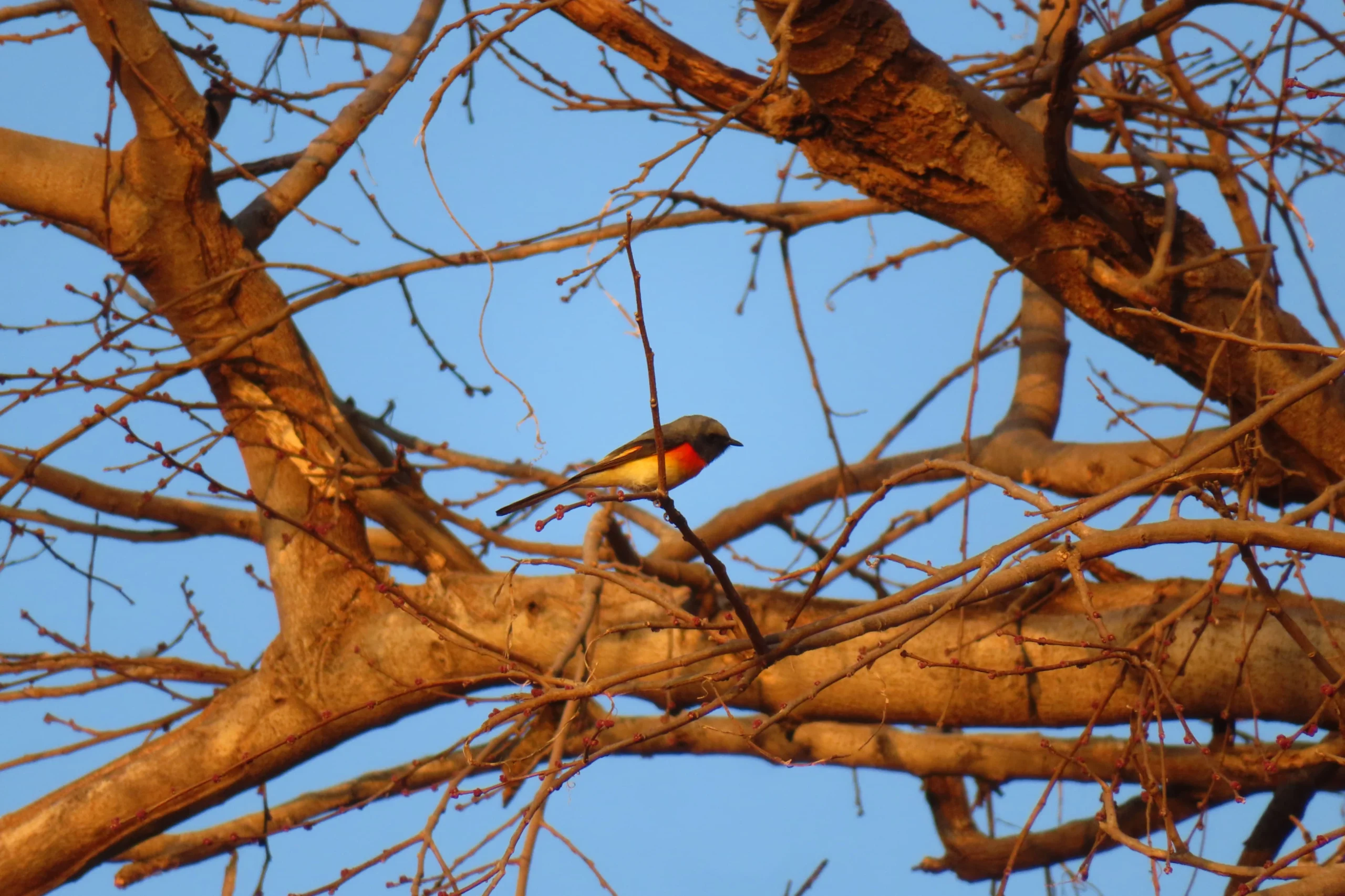
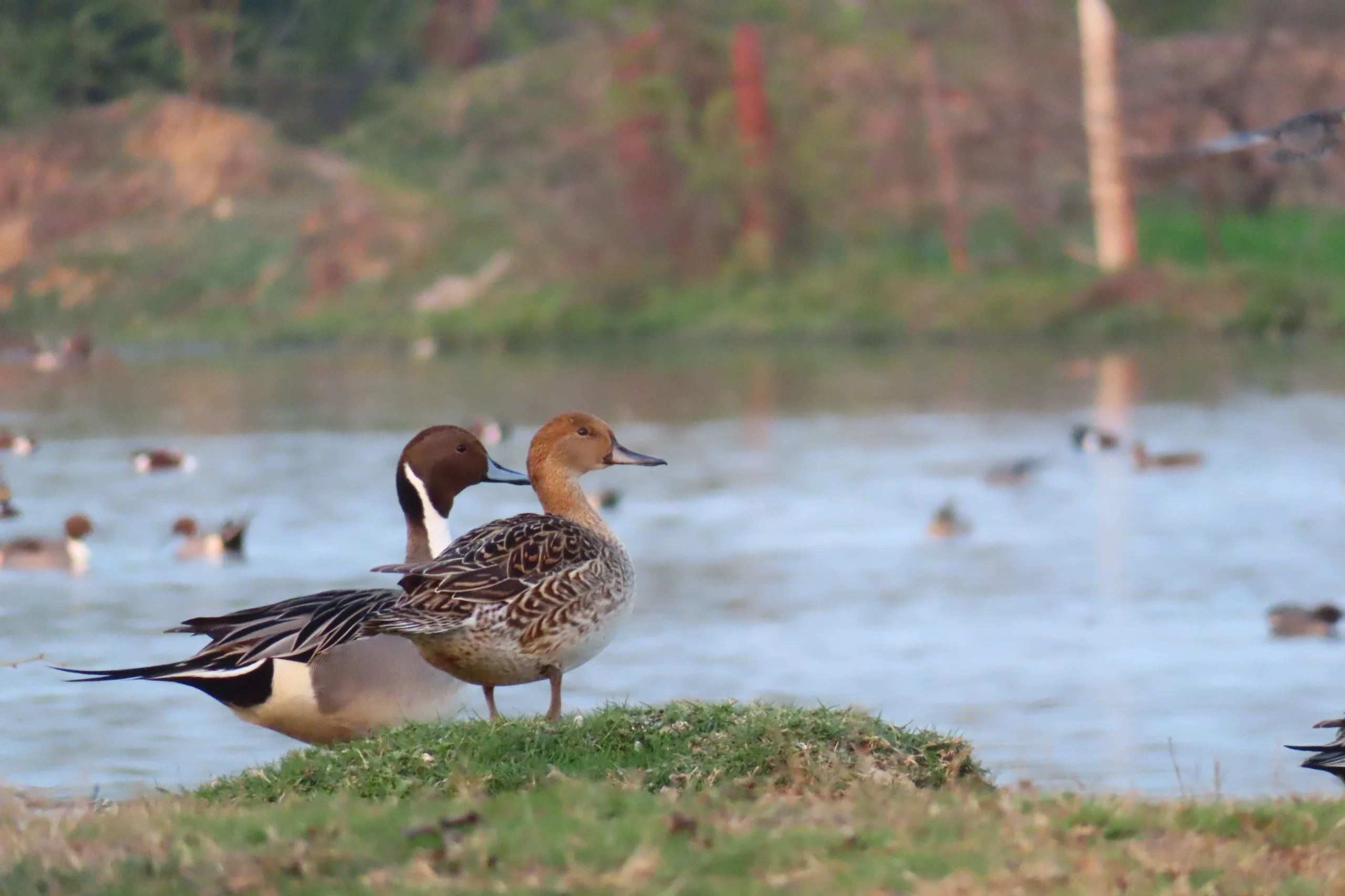
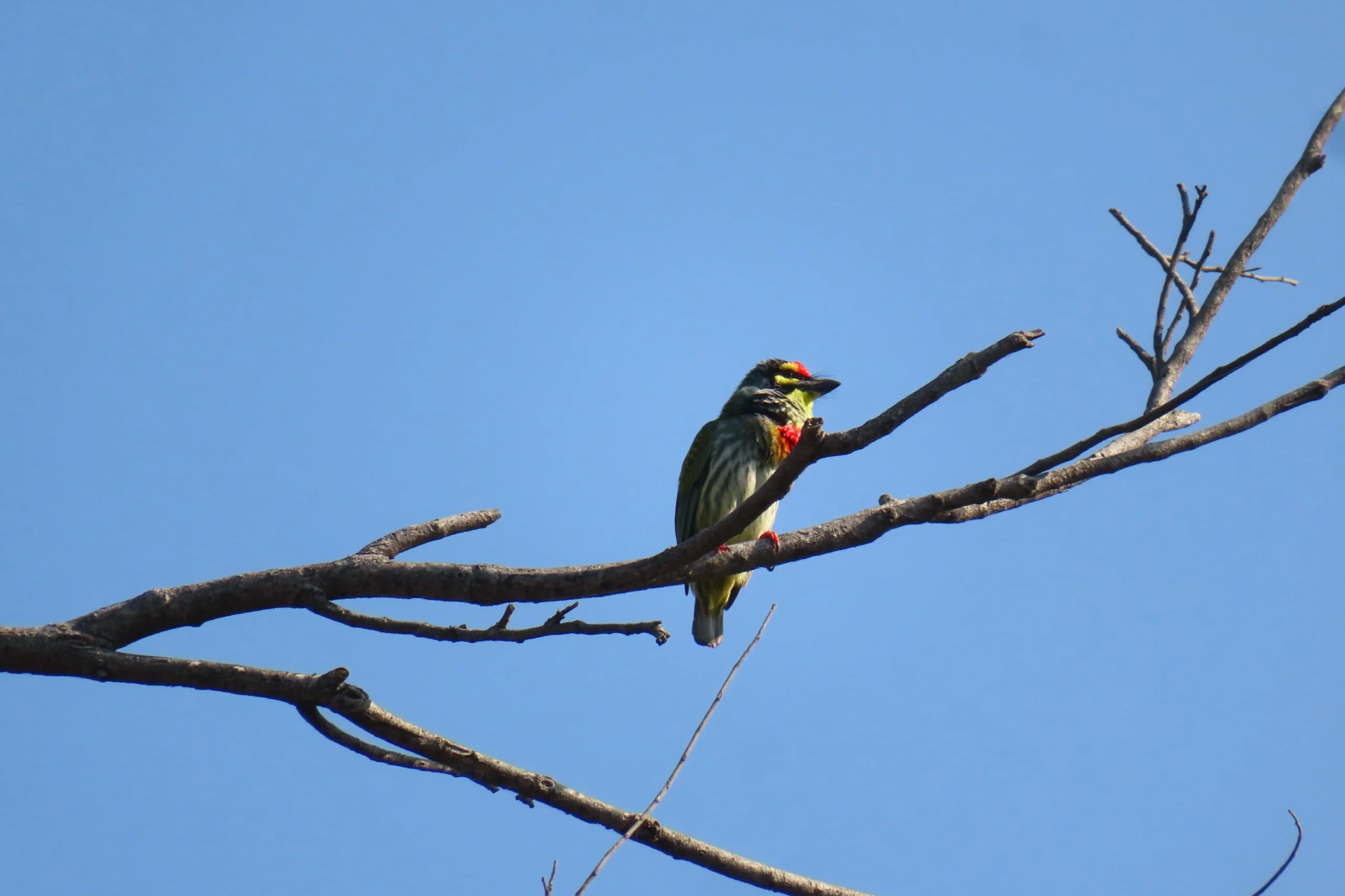
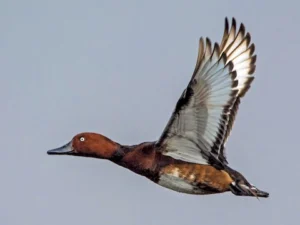
India Lake at Kesarabagh in Dholpur supports a lively and diverse bird community that reflects the meeting of wetland, scrub, and woodland habitats. The open water and marshy edges attract waterbirds such as Ferruginous Duck, Spot-billed Duck, Common Sandpiper, Black-winged Stilt, Purple Swamphen, Painted Stork, along with cattle and medium egrets that forage along the shallows. Surrounding bushes and trees host familiar resident species like Red-vented Bulbul, Red-whiskered Bulbul, Coppersmith Barbet, Purple Sunbird, Asian Tit, Small Minivet, Bay-backed Shrike, and Long-tailed Shrike, while the scrub and grasslands shelter Gray Francolin and Chestnut-bellied Sandgrouse. In winter, the lake becomes even richer with migrants such as Siberian Stonechat, Bluethroat, Greenish Warbler, Chiffchaff, and Common Rosefinch, adding seasonal variety for birdwatchers. The presence of species like Sirkir Malkoha further highlights the ecological richness of this relatively small but important wetland, making India Lake a rewarding birding site in the Dholpur landscape.
Ferruginous Duck
Red-vented Bulbul
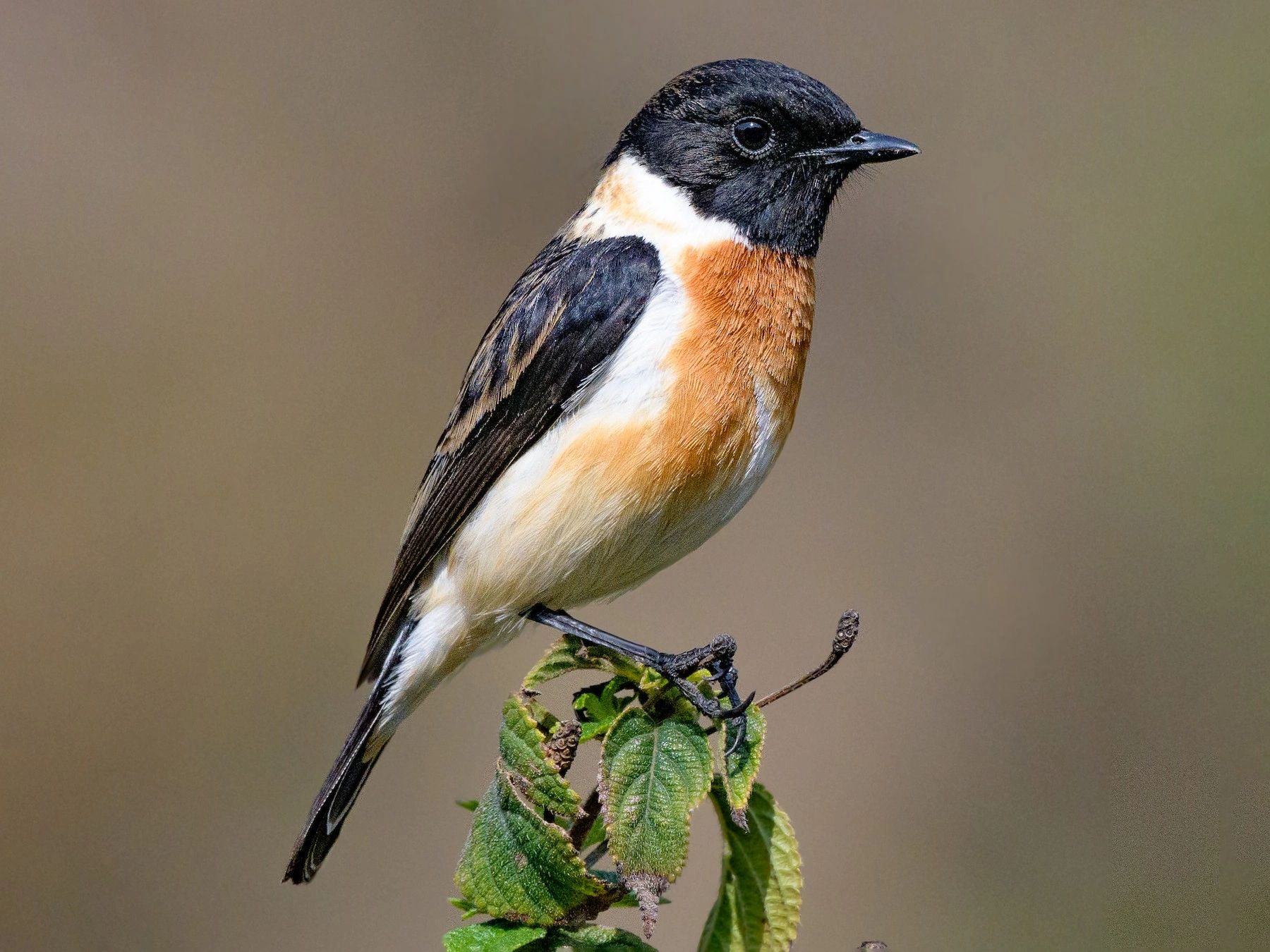
Siberian Stonechat
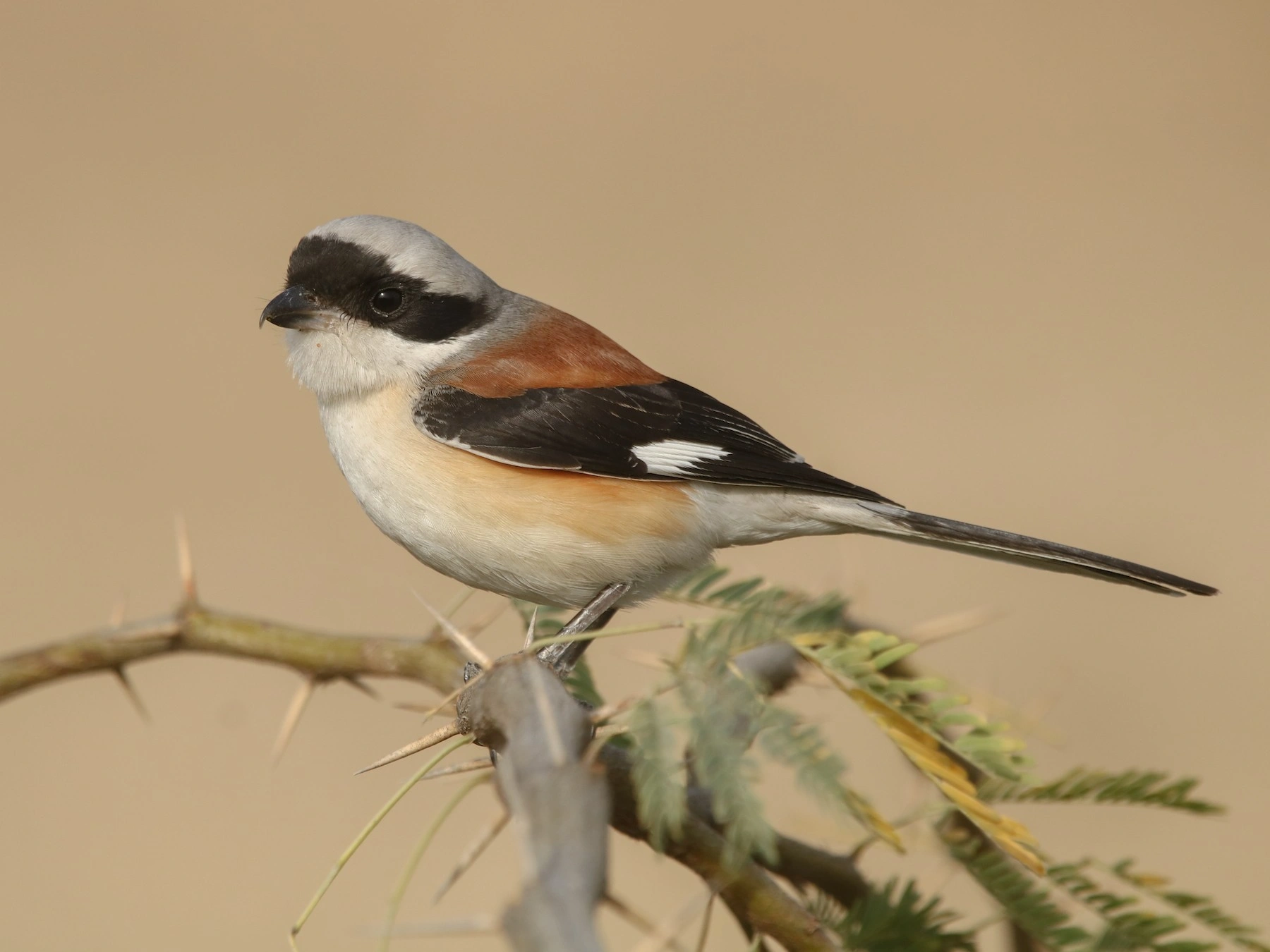
Bay-backed Shrike
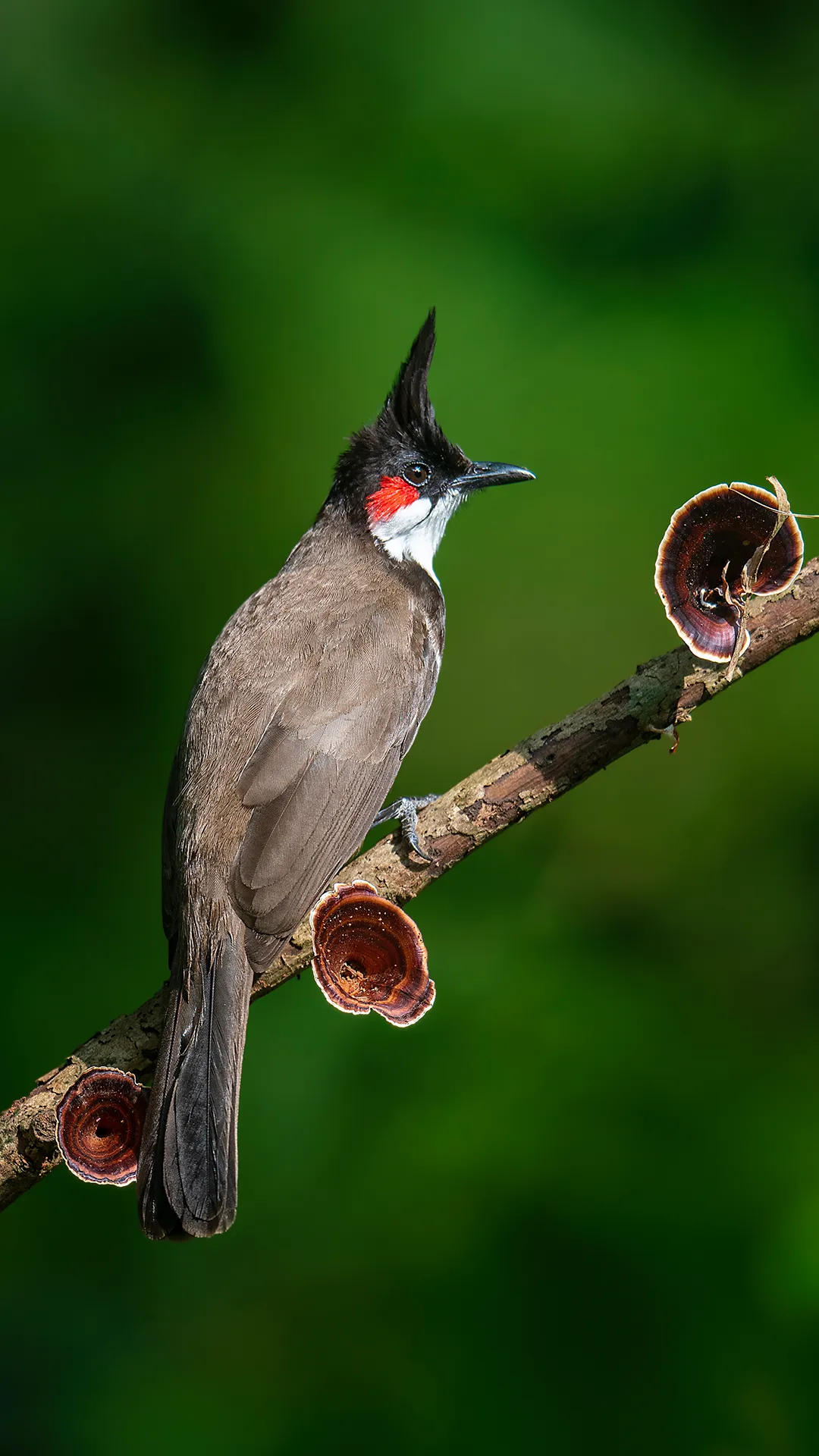
Red-whiskered Bulbul
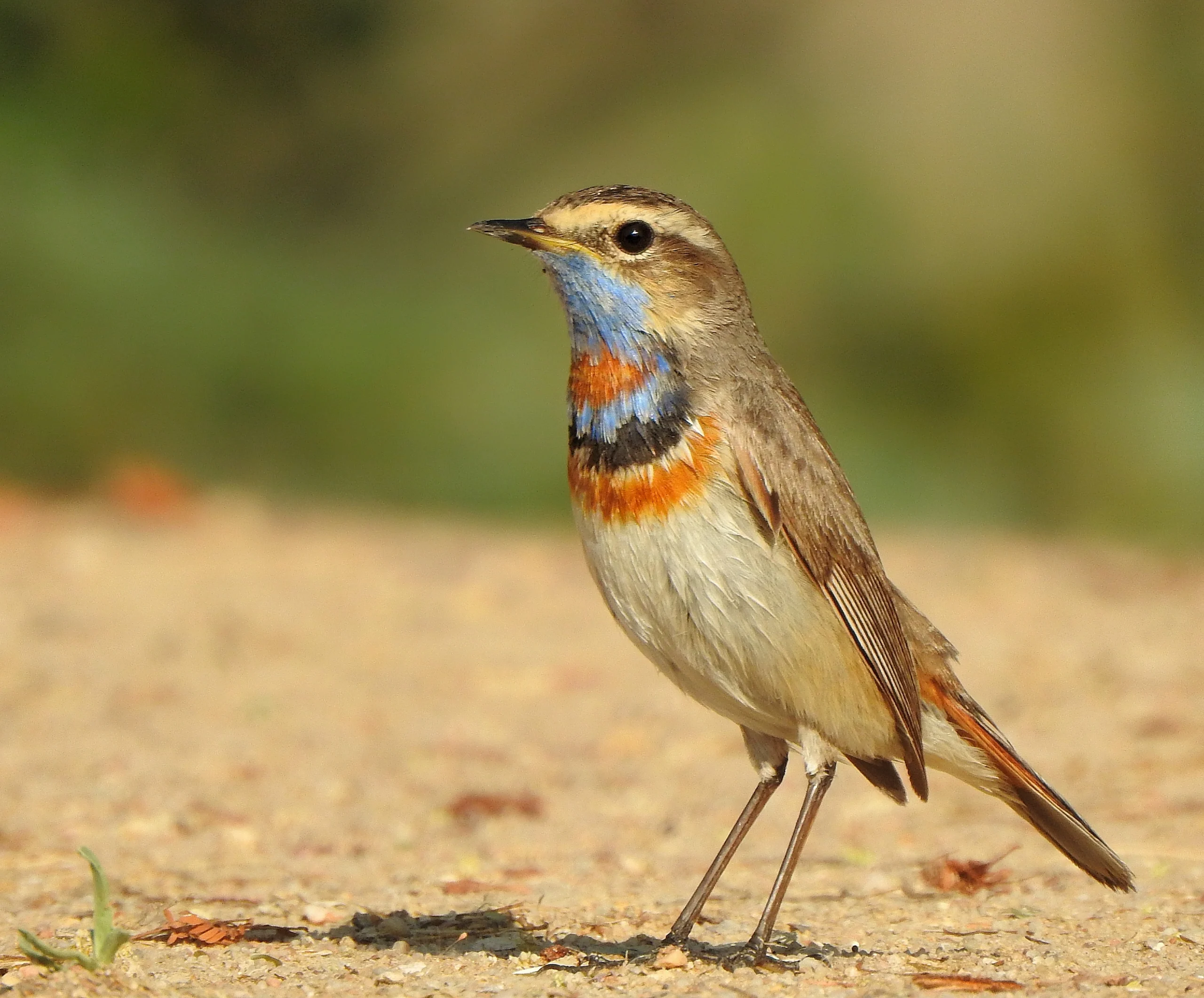
Bluethroat
Black-winged Stilt
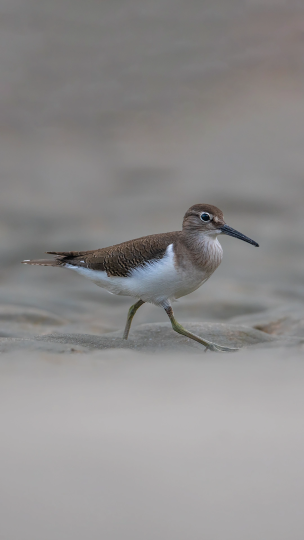
Common Sandpiper
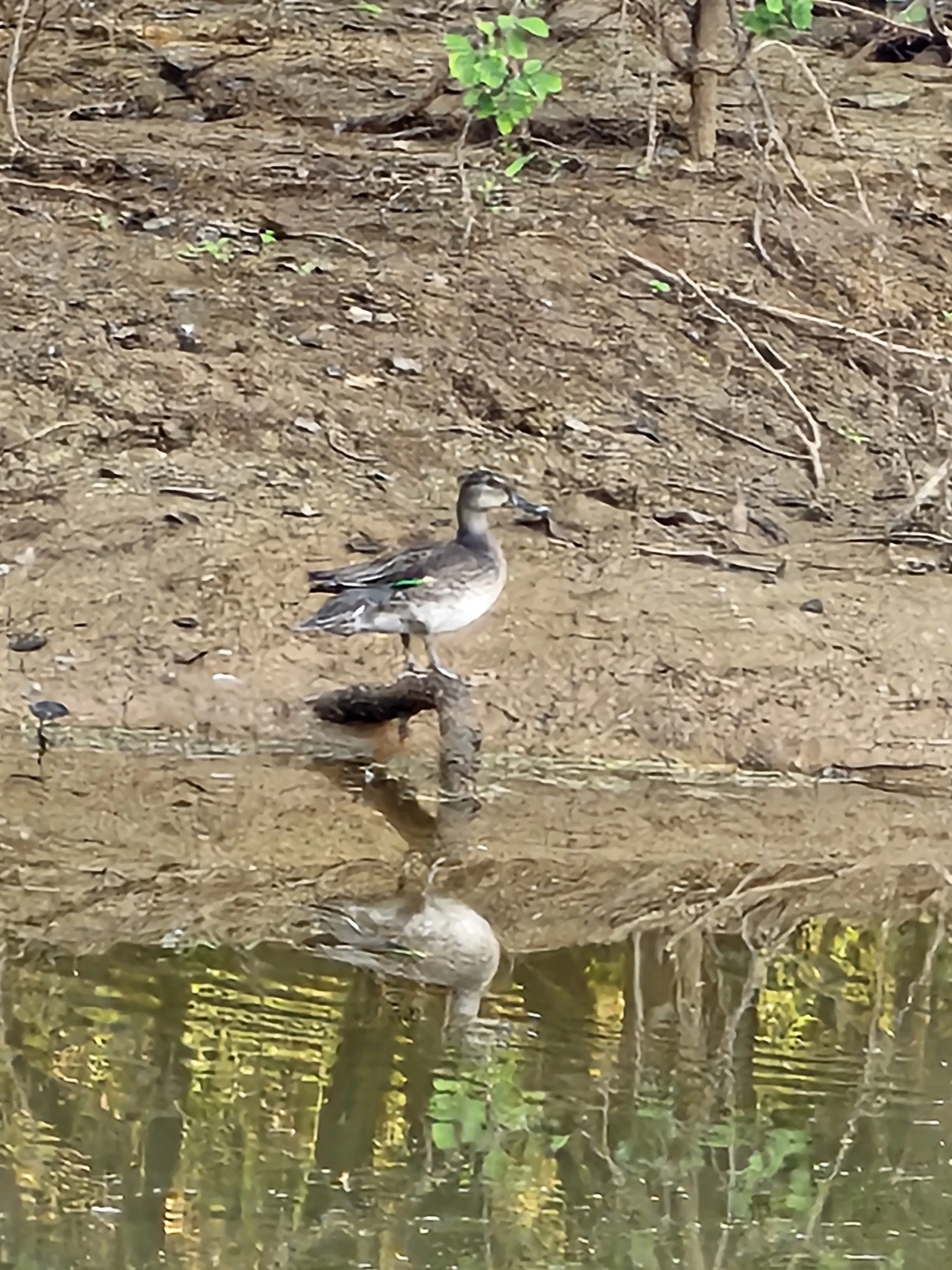
Green-winged Teal
Indian Spot-billed Duck
Grey-headed Swamphen
Purple Sunbird
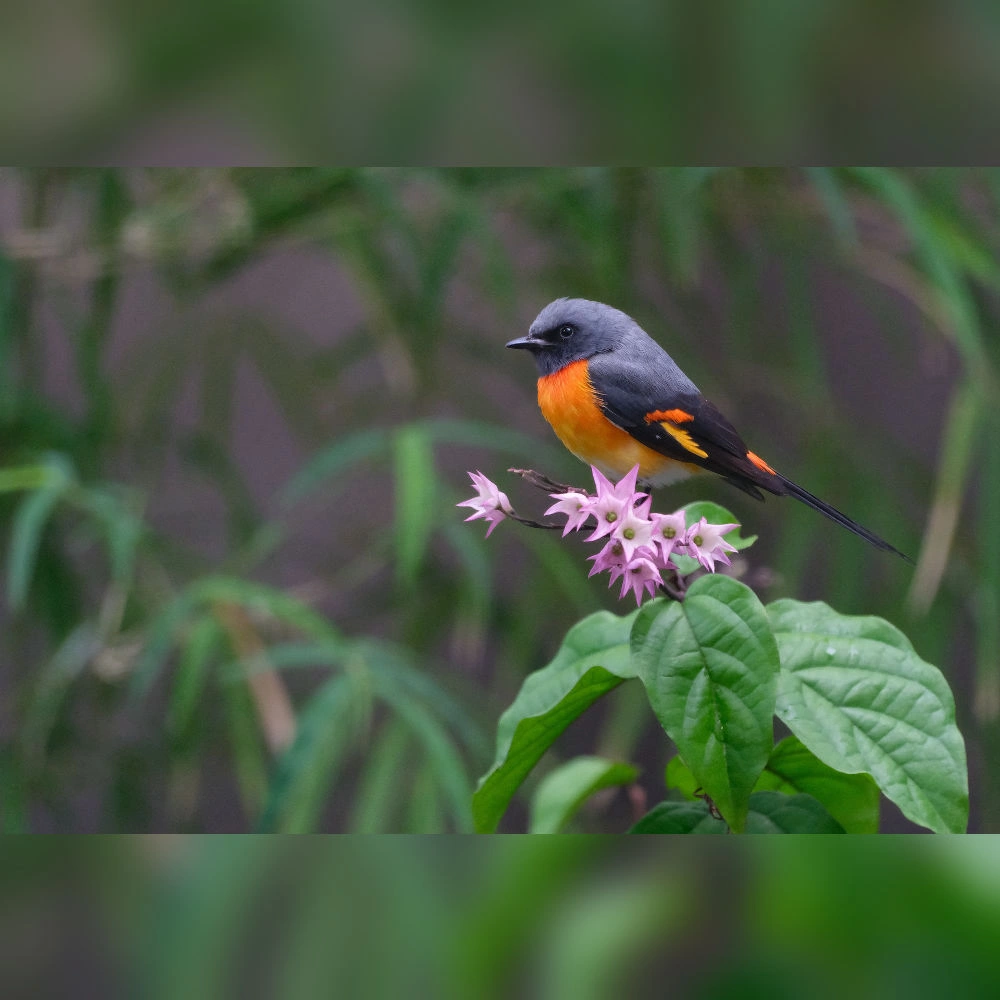
Small Minivet
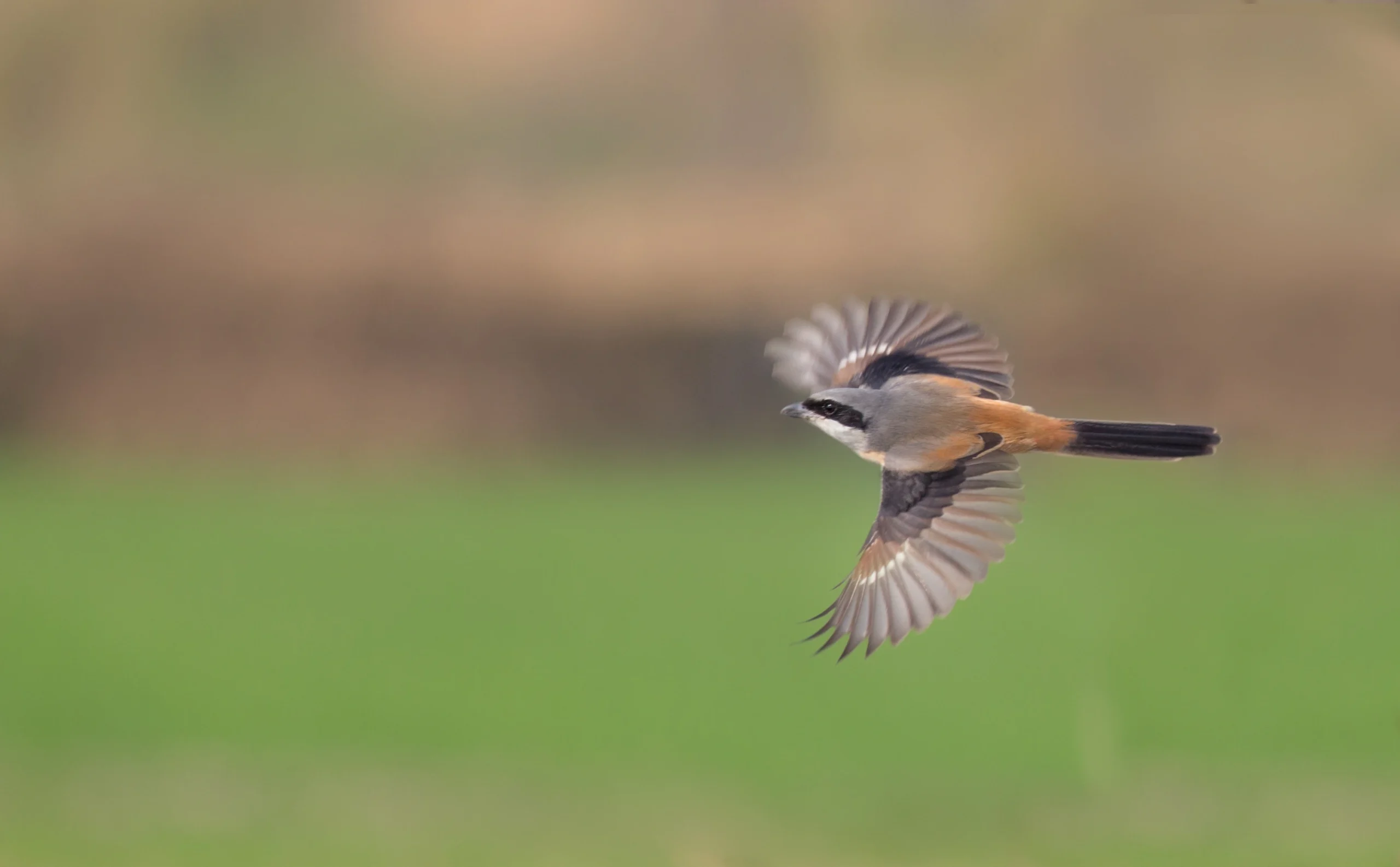
Long-tailed Shrike
Eastern Cattle Egret
Grey Francolin
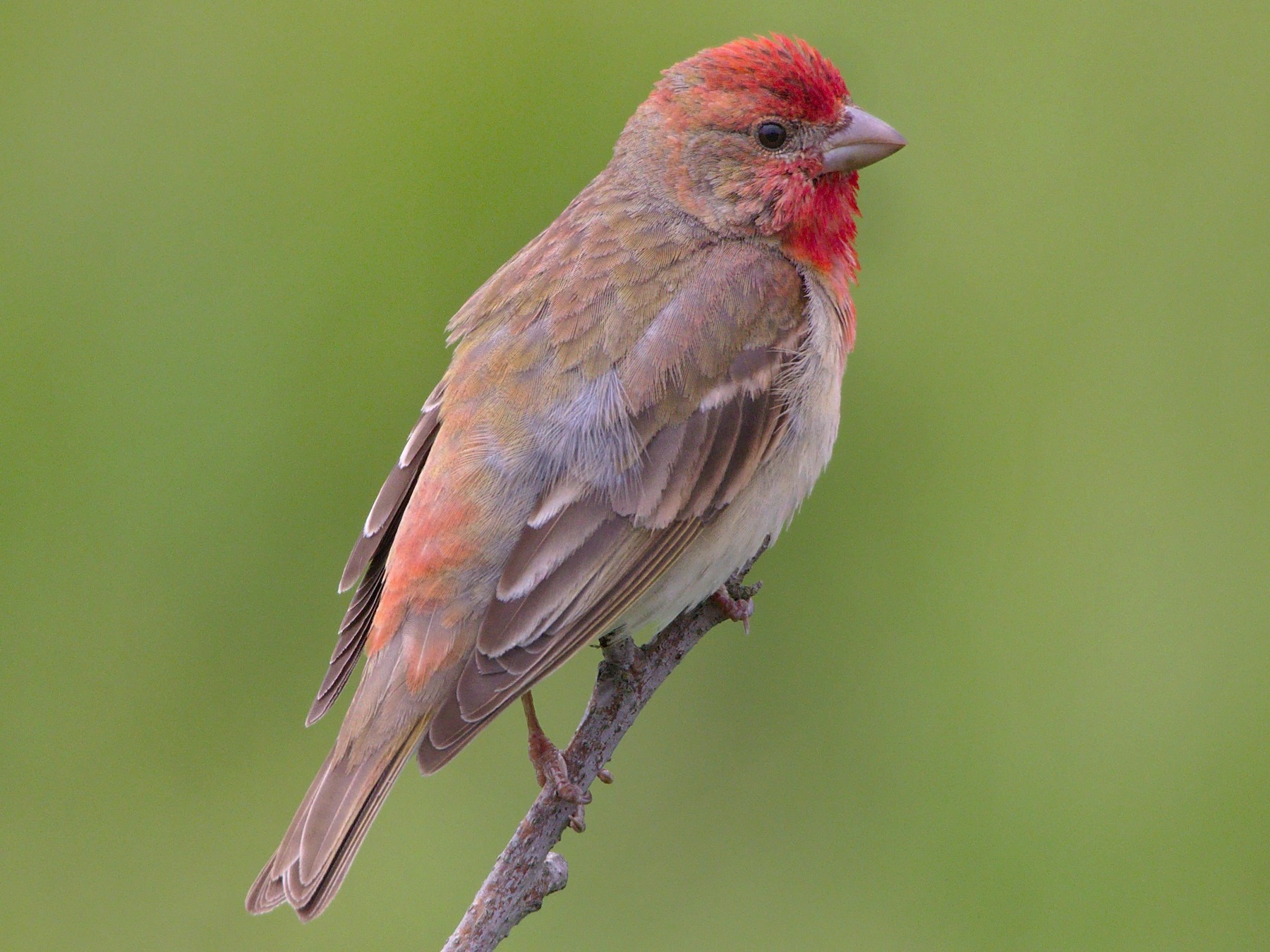
Common Rosefinch
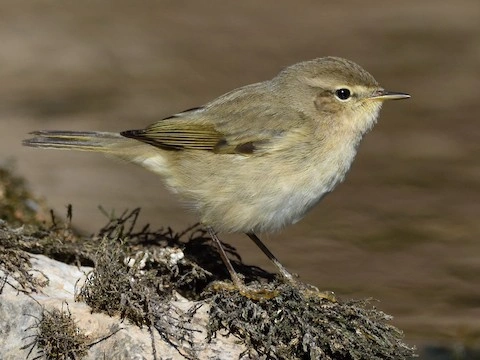
Common Chiffchaff
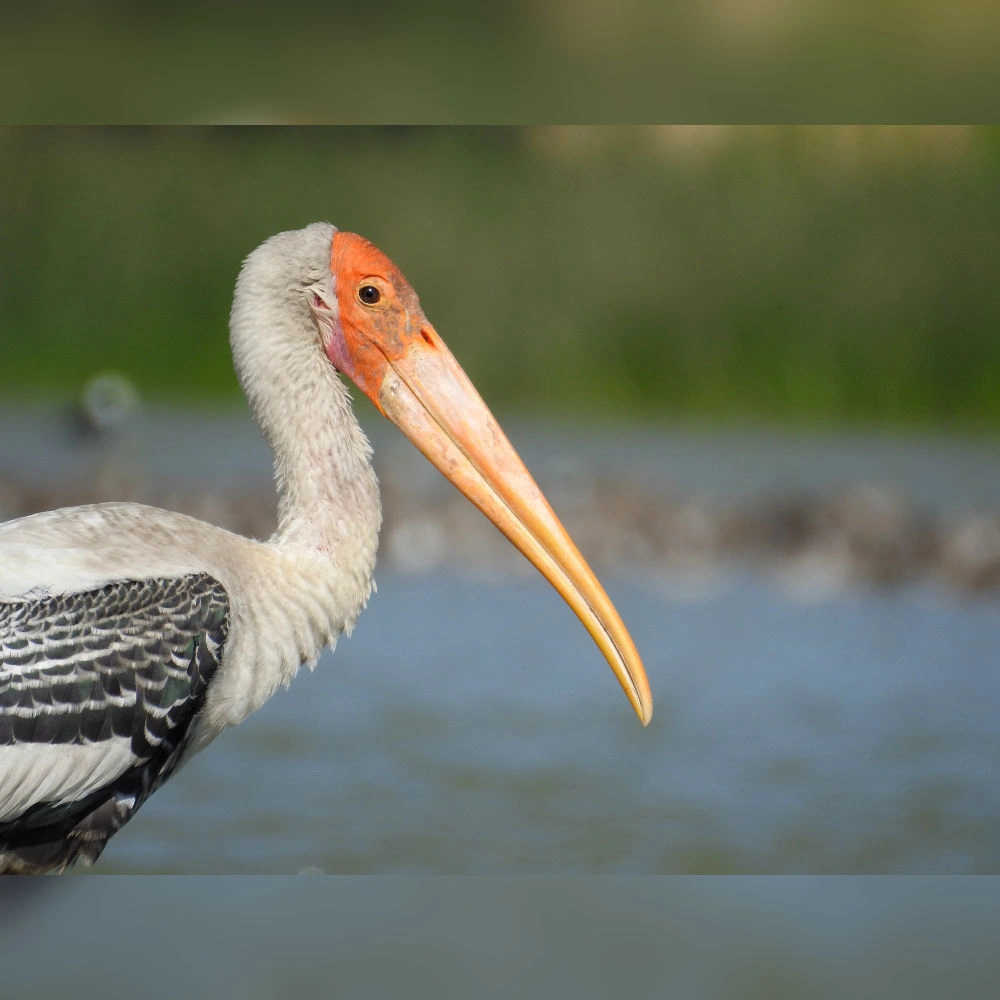
Painted Stork
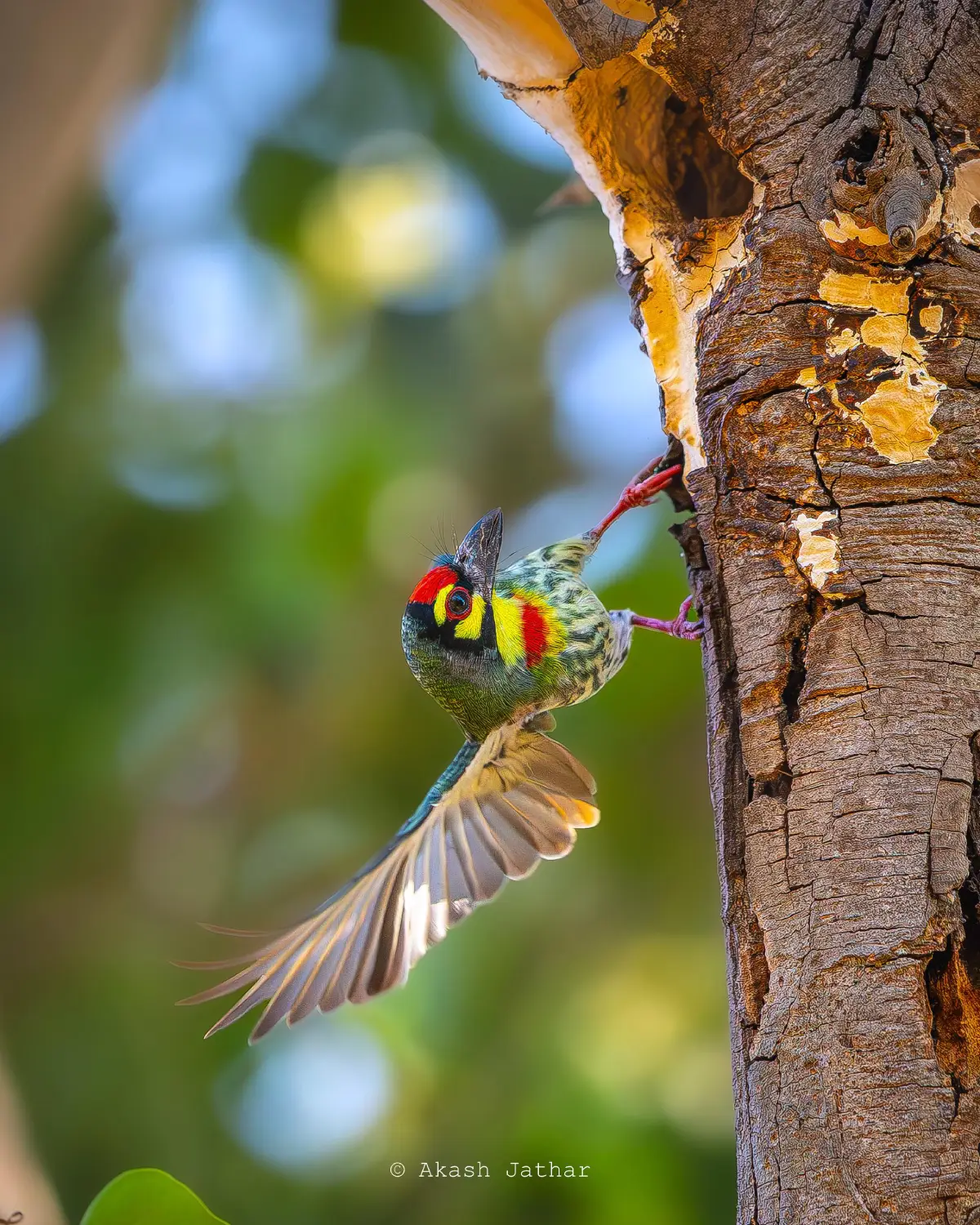
Coppersmith Barbet

Summary of Walk

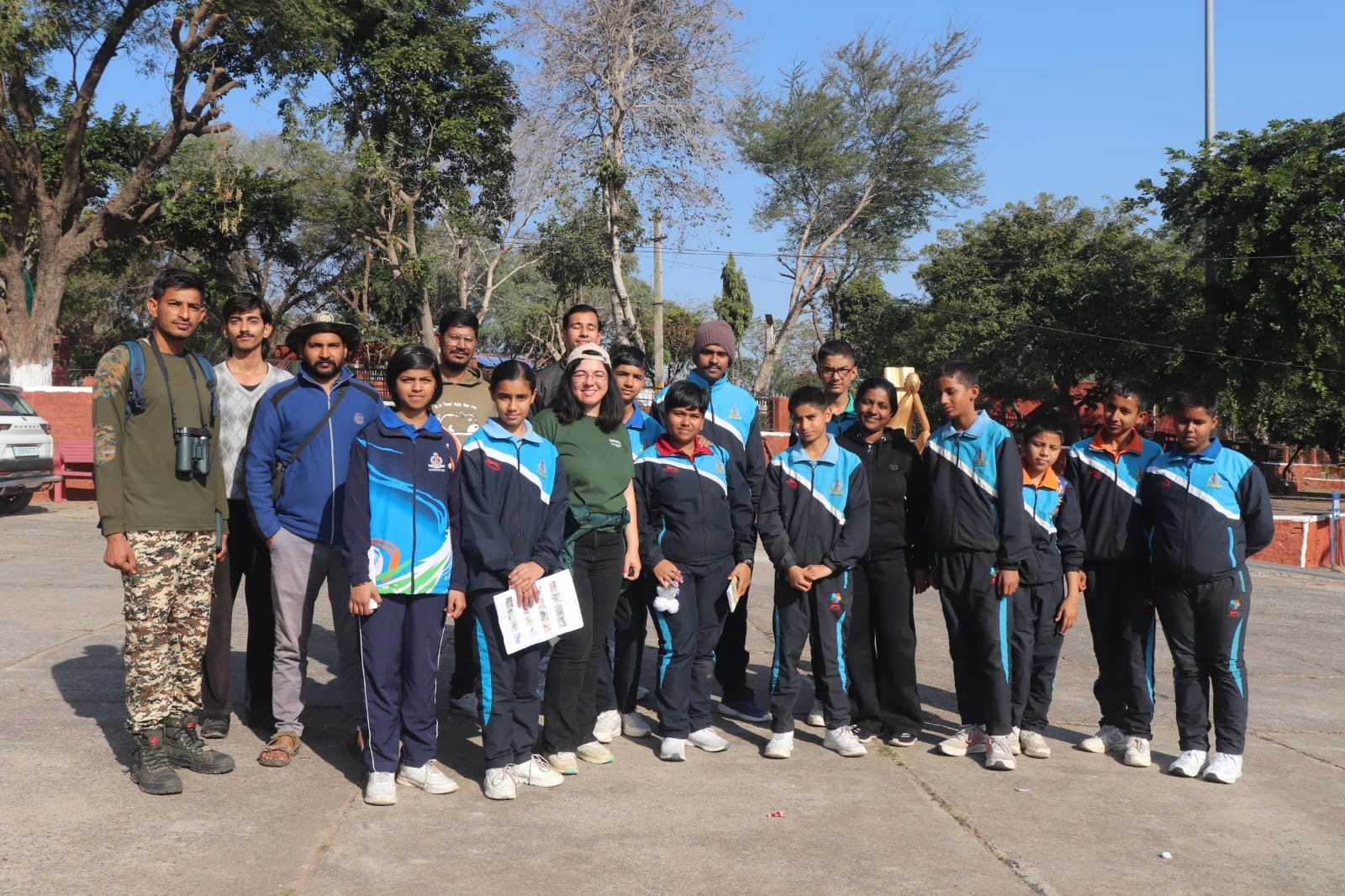
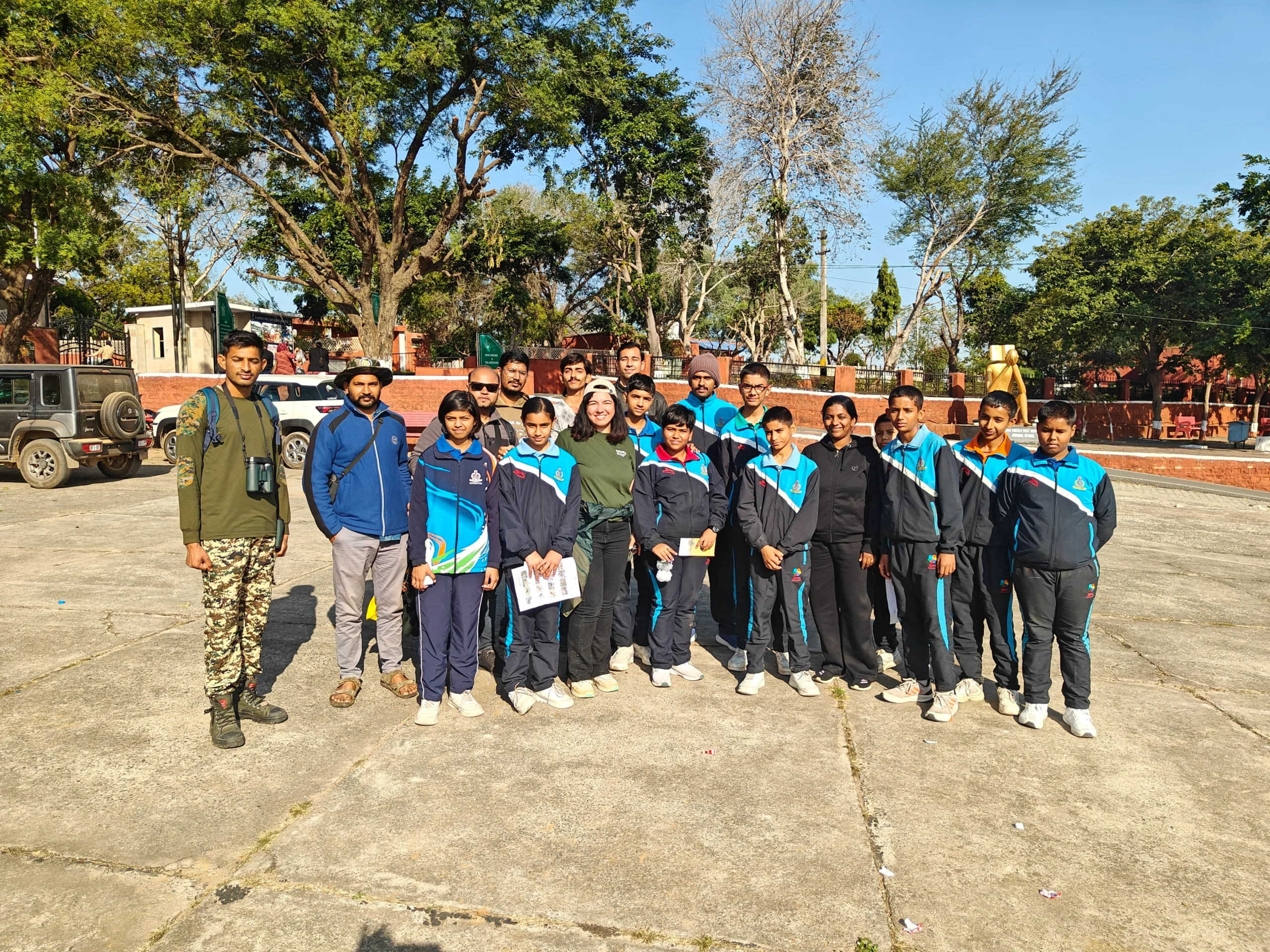
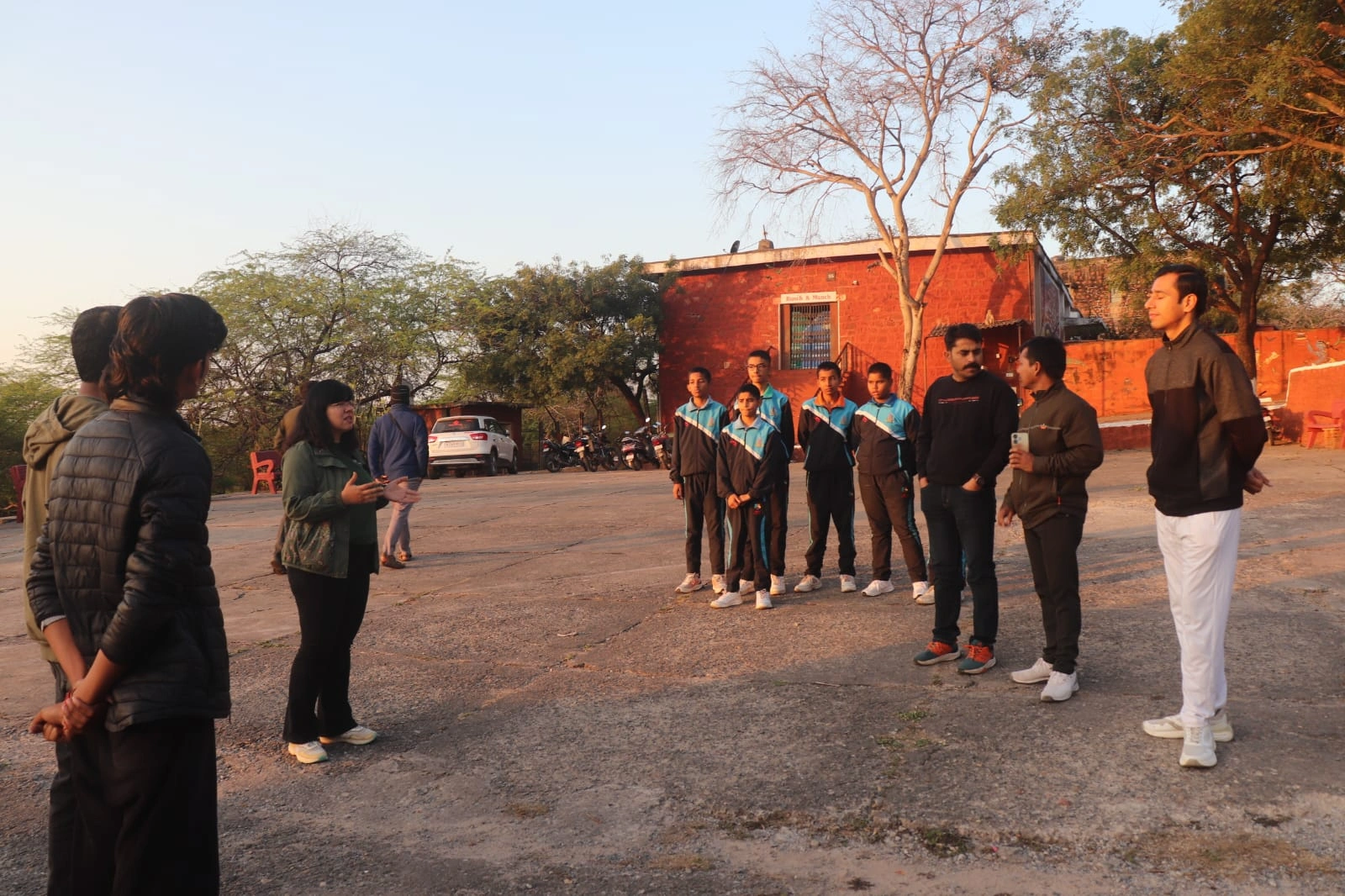
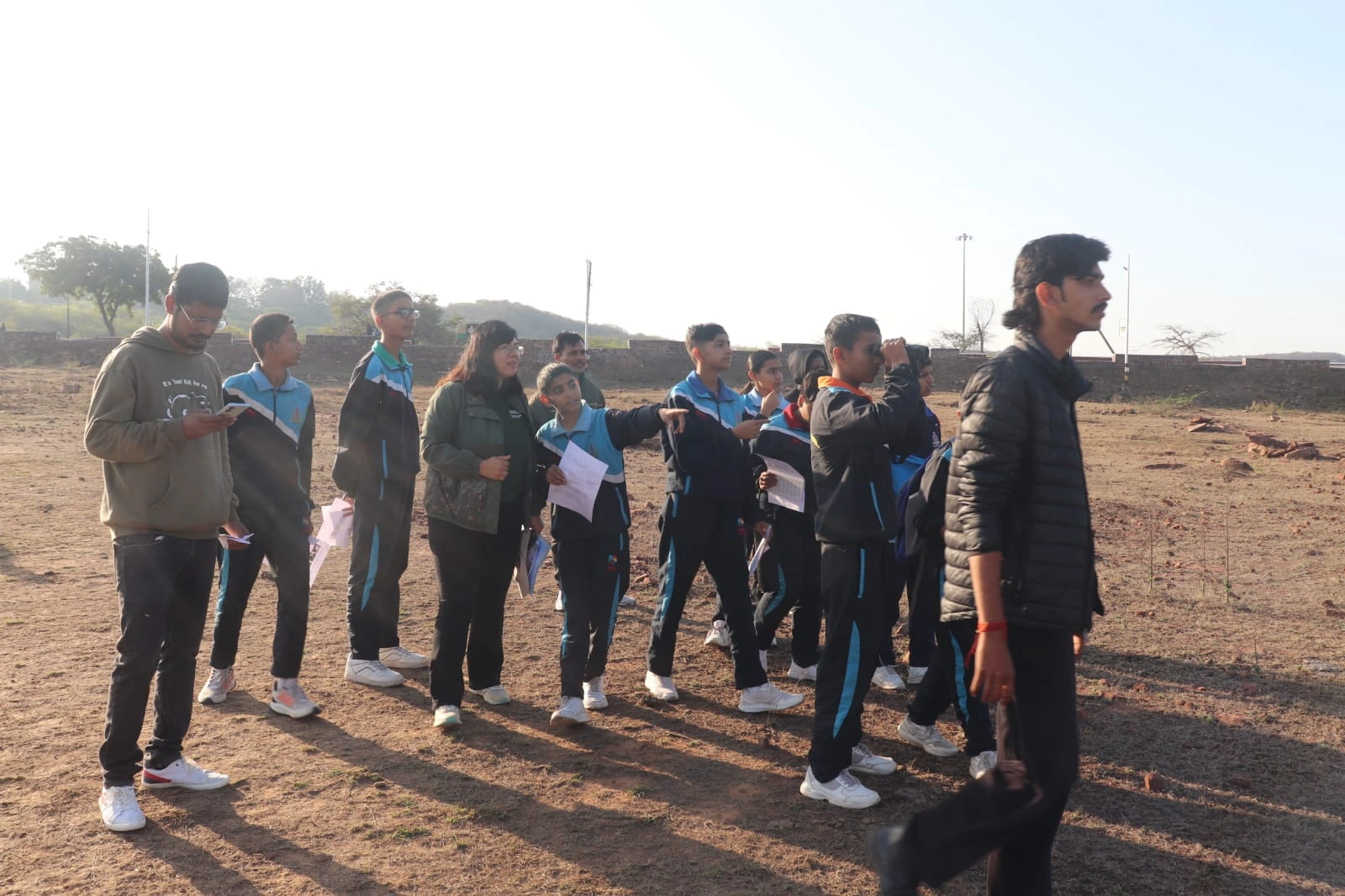
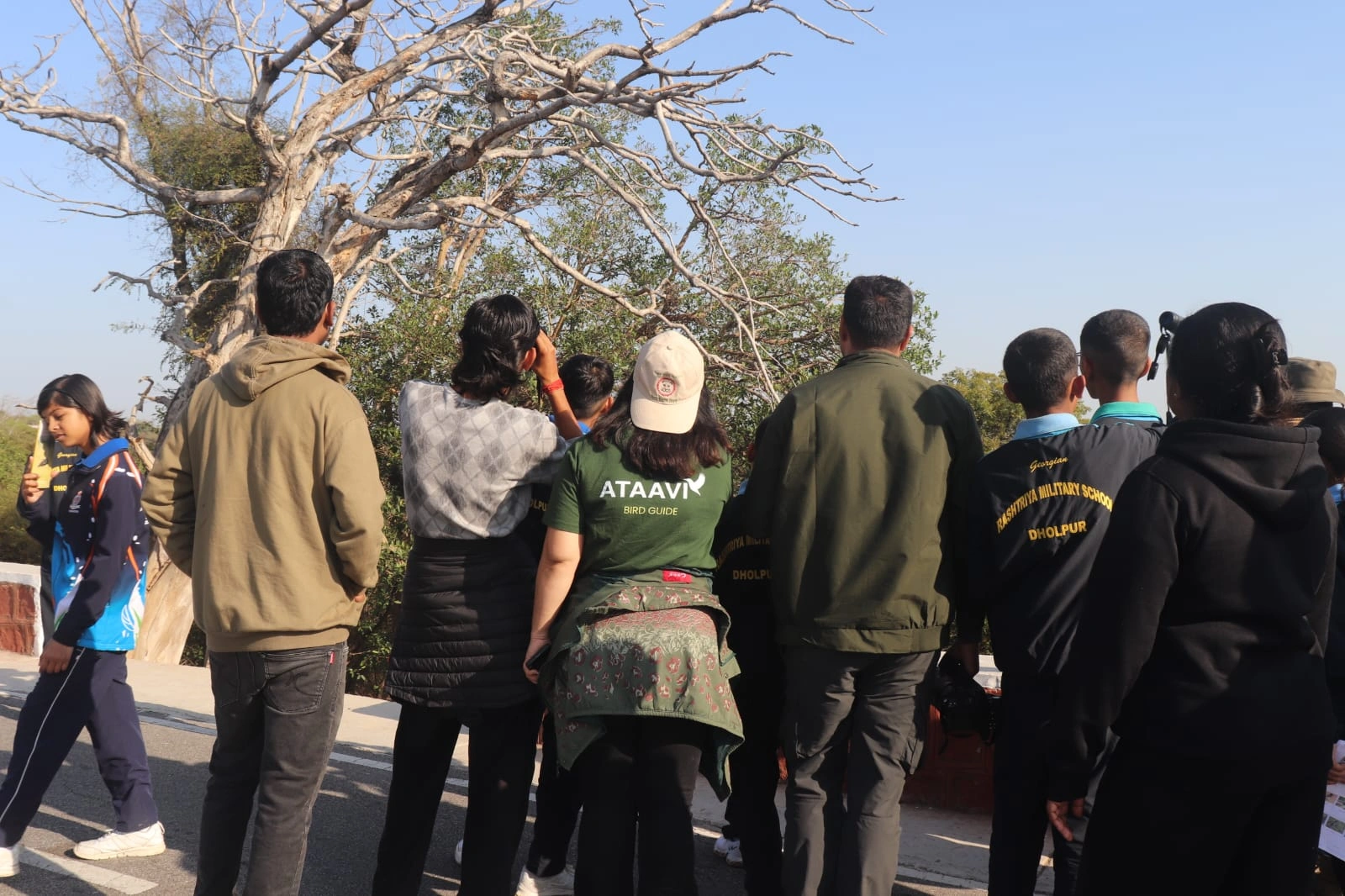
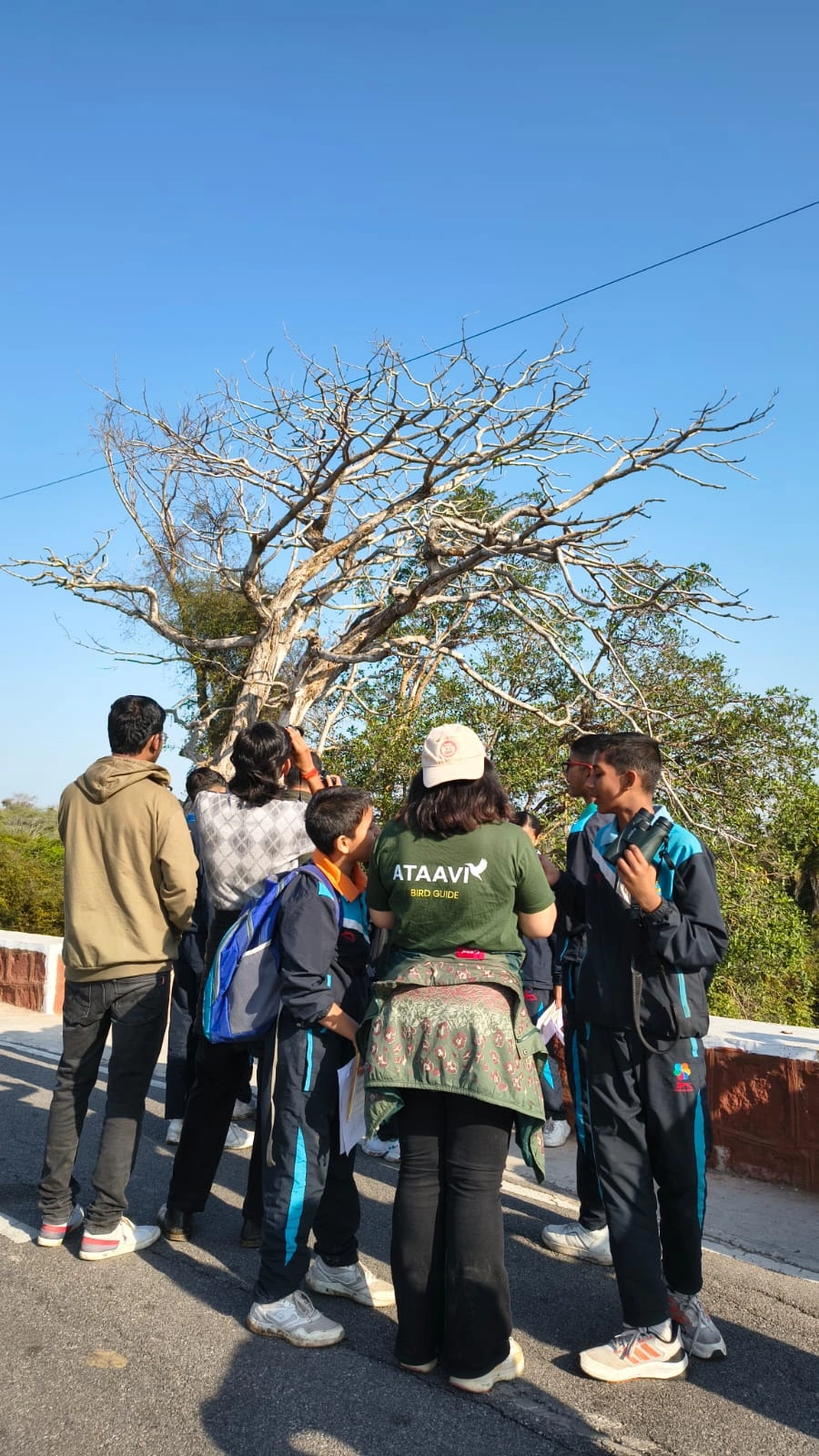
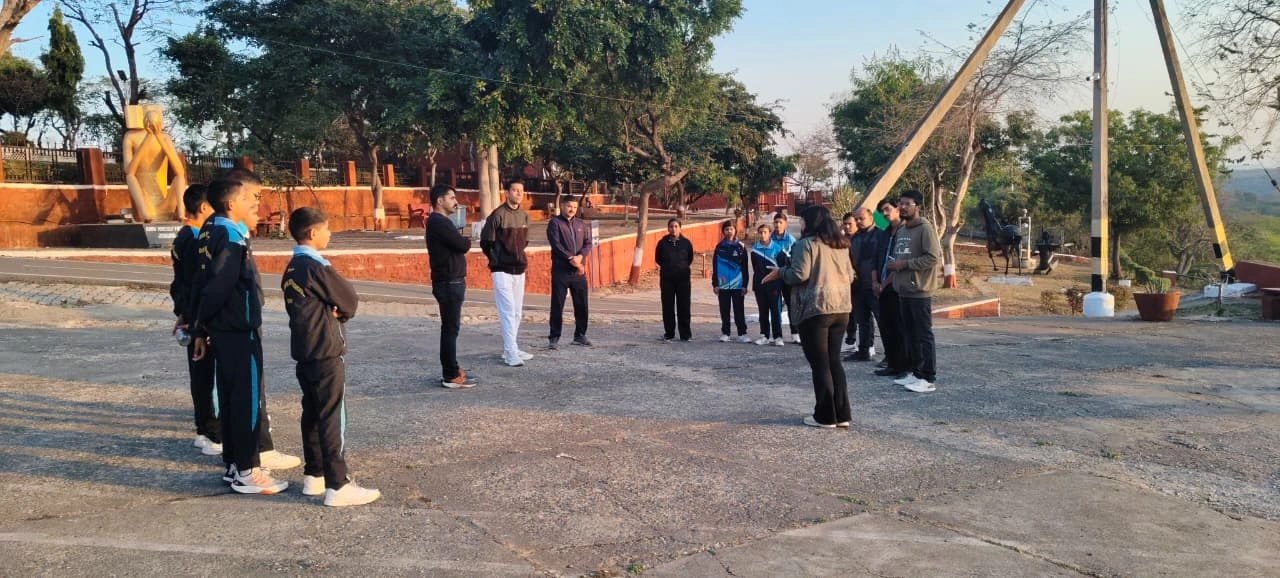
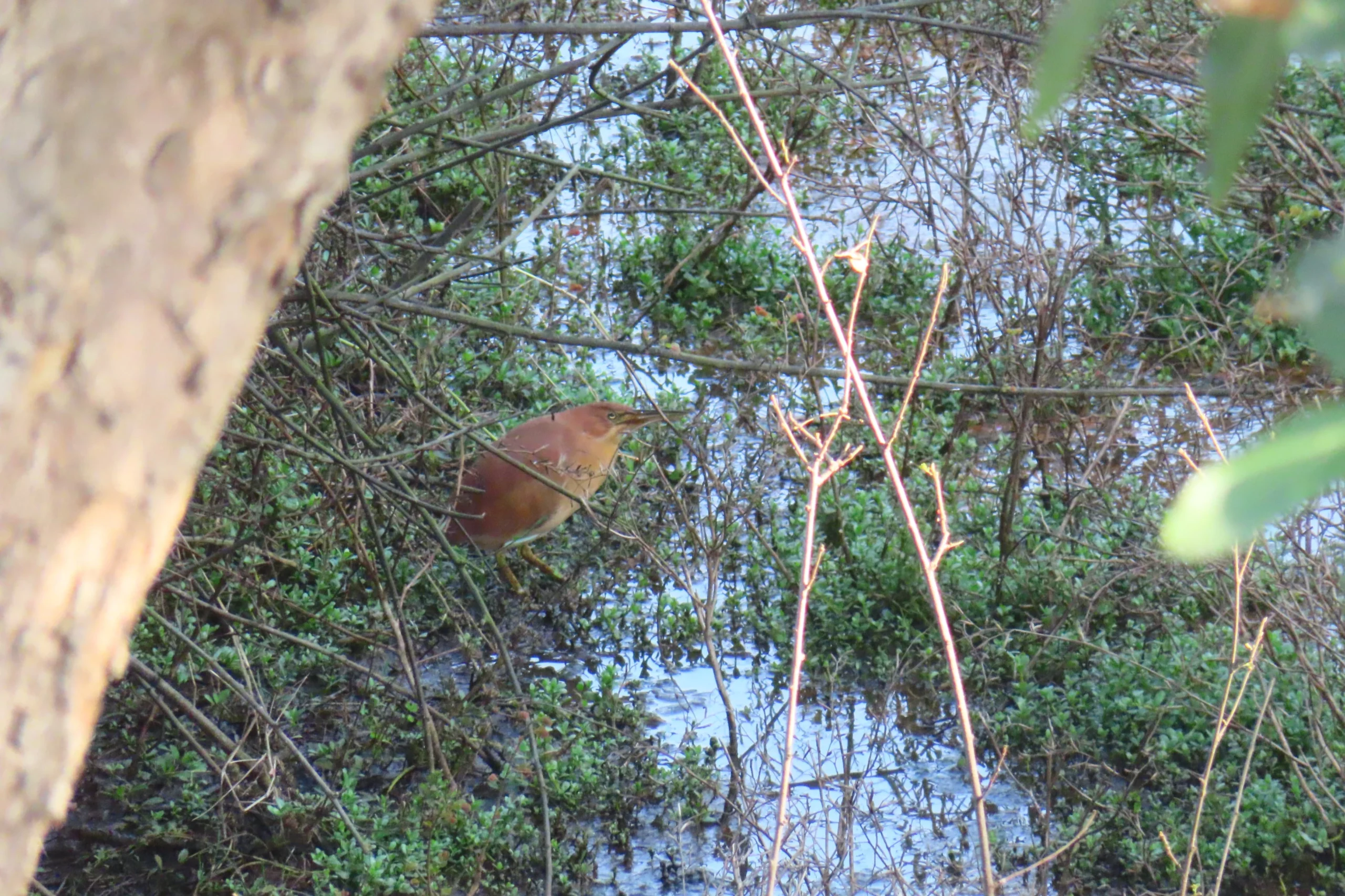
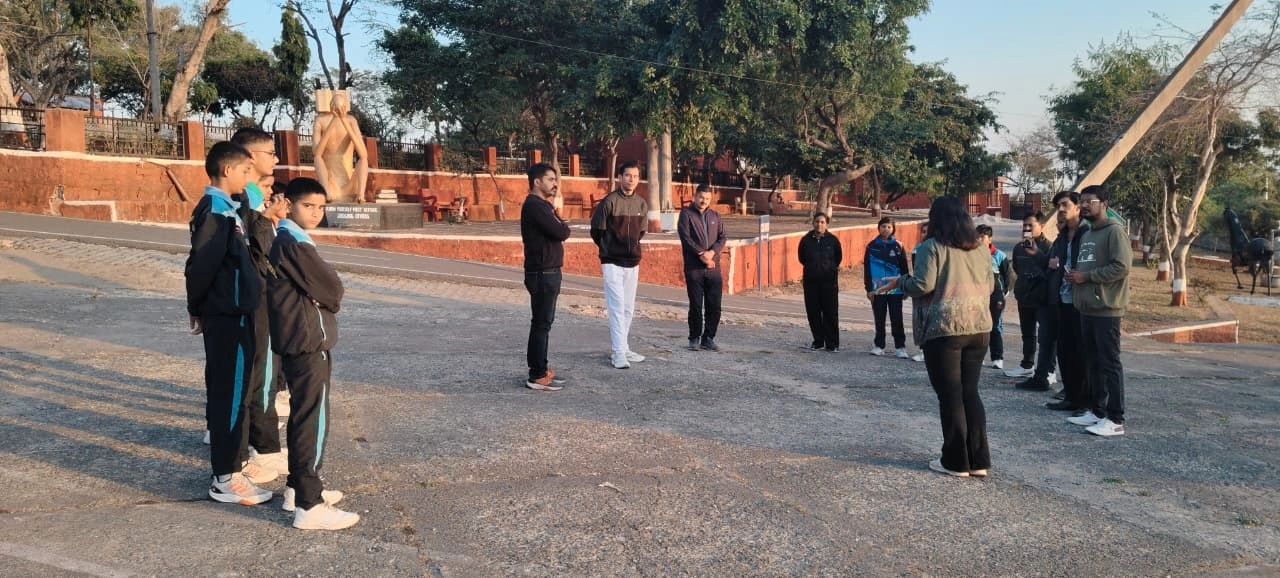
The bird walk at India Lake, led by Divya Vaswani, turned into a lively celebration of nature and learning, drawing 8 registered participants along with 10 school children who eagerly joined as the walk unfolded around the campus. Coinciding with Global Big Day, the outing doubled as a Campus Bird Count, adding excitement and purpose to the morning as the group collectively recorded an impressive 37 species. Highlights included the rare Cinnamon Bittern and Tufted Duck, rewarding keen observers with memorable sightings.
To keep young participants engaged, a spirited game of Bird Bingo added fun to the learning process, making birdwatching interactive and accessible. For many, this was their first structured birding experience, and through hands-on guidance they learned how to identify birds, understand their habits, and appreciate the value of green spaces within a campus setting. The walk ended with smiles, curiosity, and a shared promise to keep looking up and noticing the birds around them every day.
Number of Participants
0
Scroll to Top