


Loading Events

Bird Walk at Humayun’s Tomb, Delhi

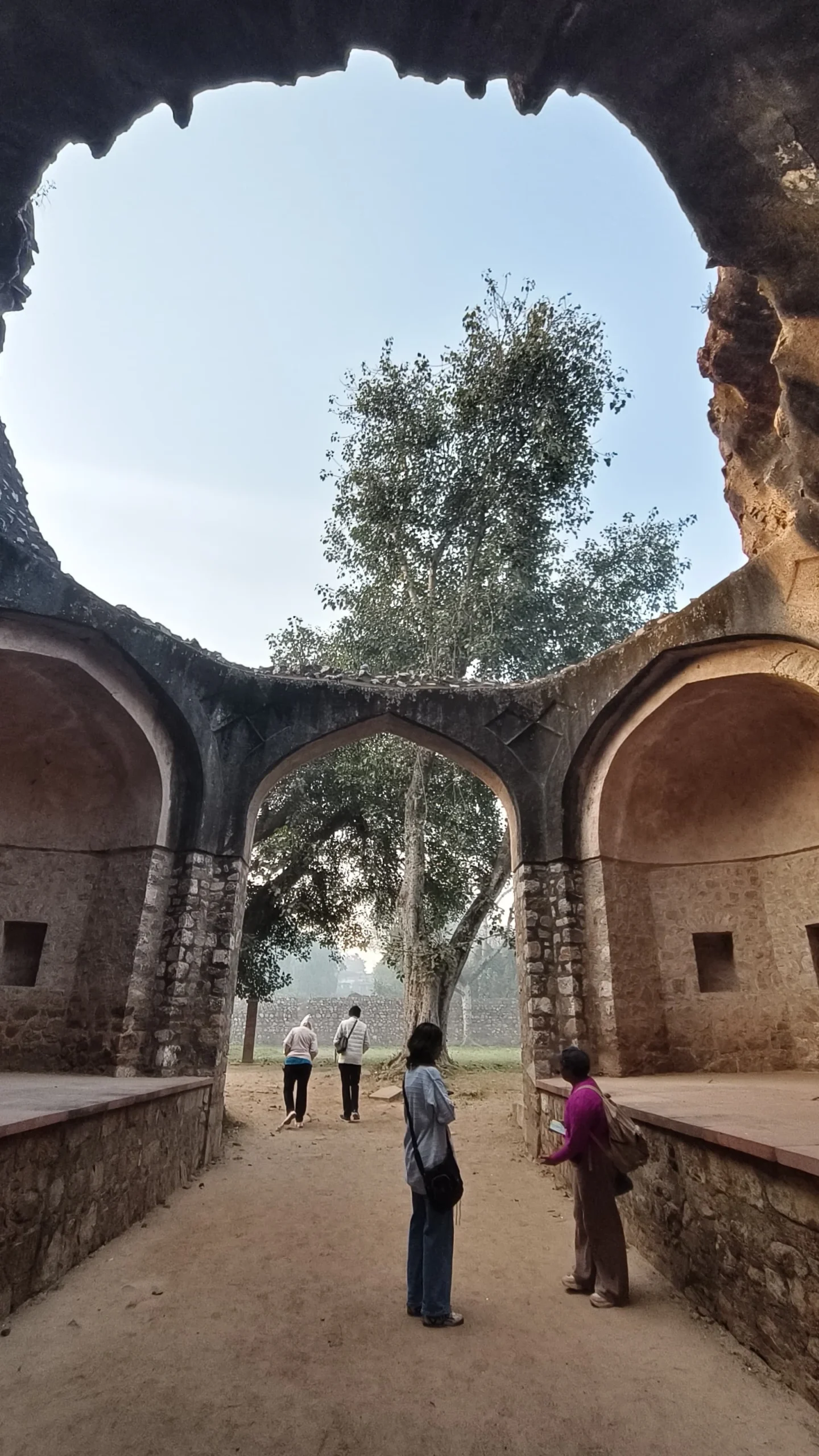
About Humayun's Tomb

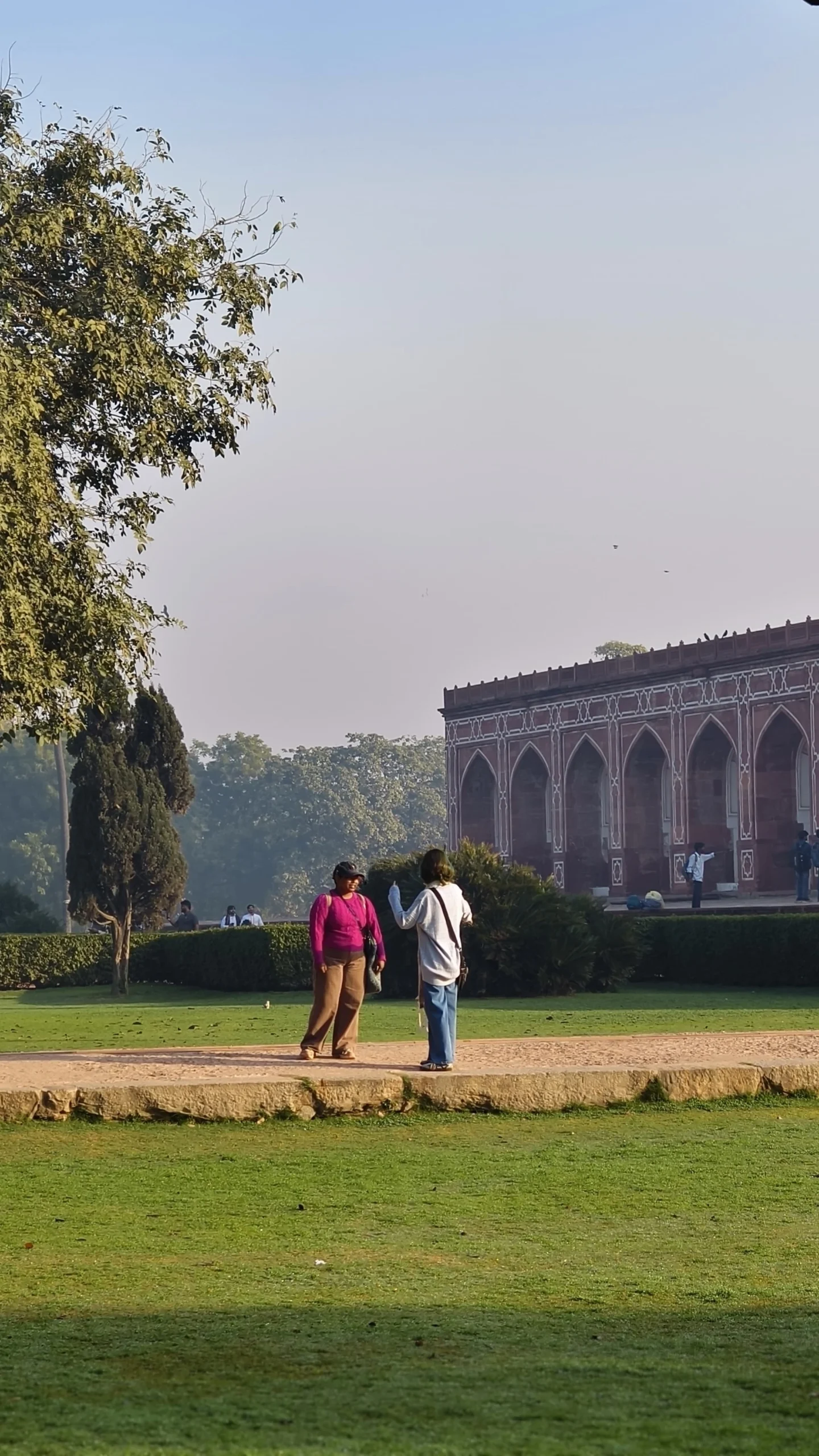
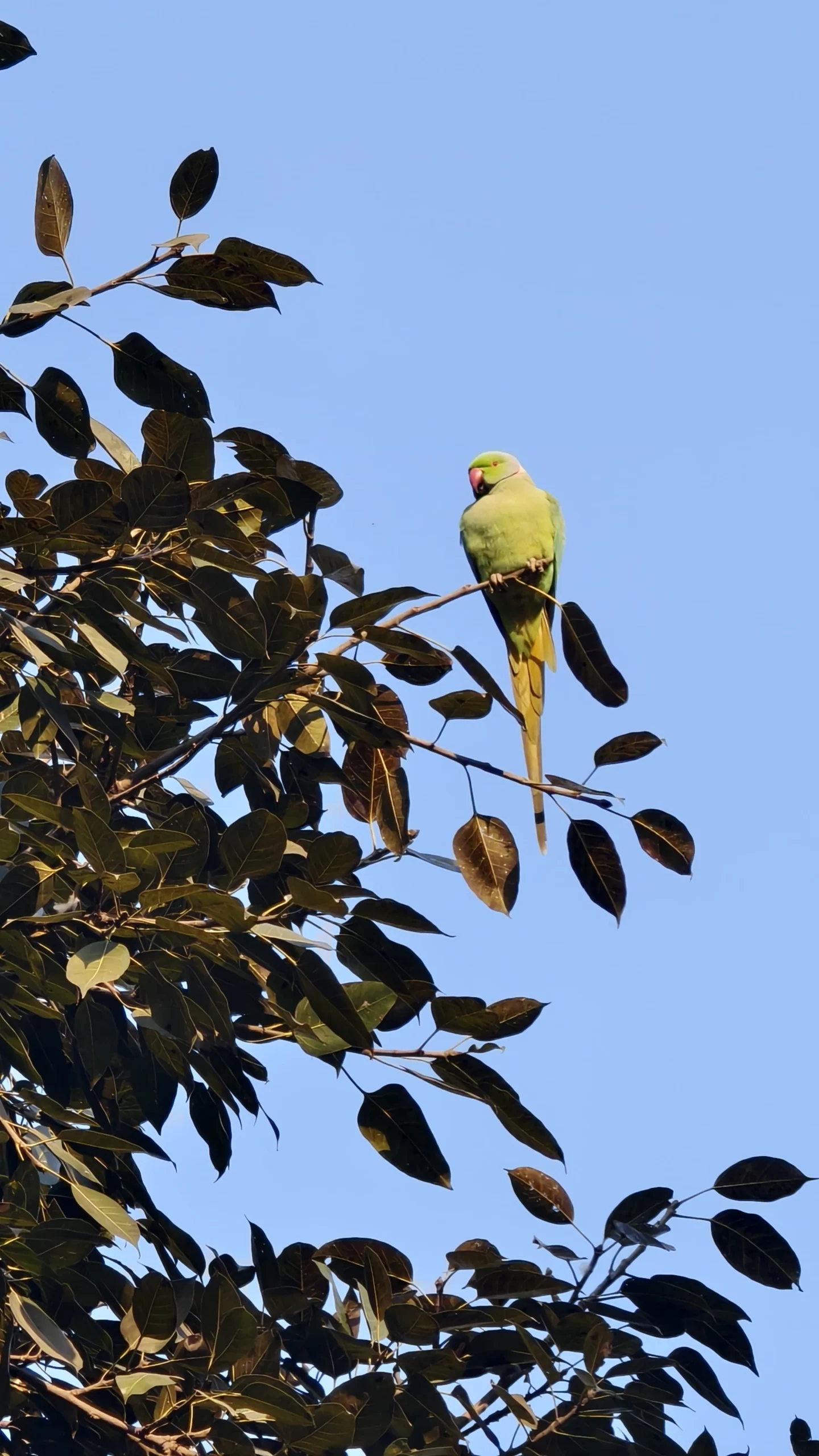
Humayun’s Tomb in Delhi is not just a masterpiece of Mughal architecture,it sits within a 27-hectare Persian-style charbagh garden that functions as a vital green refuge in the heart of the city. Designed in the 16th century, this carefully planned landscape of lawns, water channels, pathways and tree-lined avenues creates a semi-natural urban garden habitat. Mature neem, peepal, jamun, banyan and ornamental flowering trees support a surprising diversity of life, while adjoining green spaces such as Sunder Nursery expand the ecological footprint into a rich mosaic of woodlands, orchards and wetlands. Together, these habitats attract a lively mix of fauna, making the complex a rewarding spot for urban birding, rose-ringed parakeets, red-vented bulbuls, Indian robins, purple sunbirds, drongos and wintering warblers are commonly seen, with butterflies and small reptiles adding to the living landscape.

Despite its World Heritage status, the Humayun’s Tomb complex faces ongoing conservation challenges. Heavy visitor pressure, air pollution, littering, trampling of garden edges and occasional vandalism threaten both the historic fabric and the ecological balance of the site. Sustained restoration and management efforts focus on protecting the monument while maintaining healthy green spaces that support biodiversity. Thoughtful landscape management, visitor awareness, and regulation of footfall are essential to ensure that this iconic monument remains not only a symbol of India’s architectural legacy, but also a thriving cultural–ecological oasis in an ever-growing metropolis.

Partnered with

Bird Guide: Mansi

Nature educator and birding guide with Midori Walks, Mansi blends ecology and mindfulness to create enriching outdoor experiences in urban green spaces.


Bird walk Location

Common birds of Humayun's Tomb

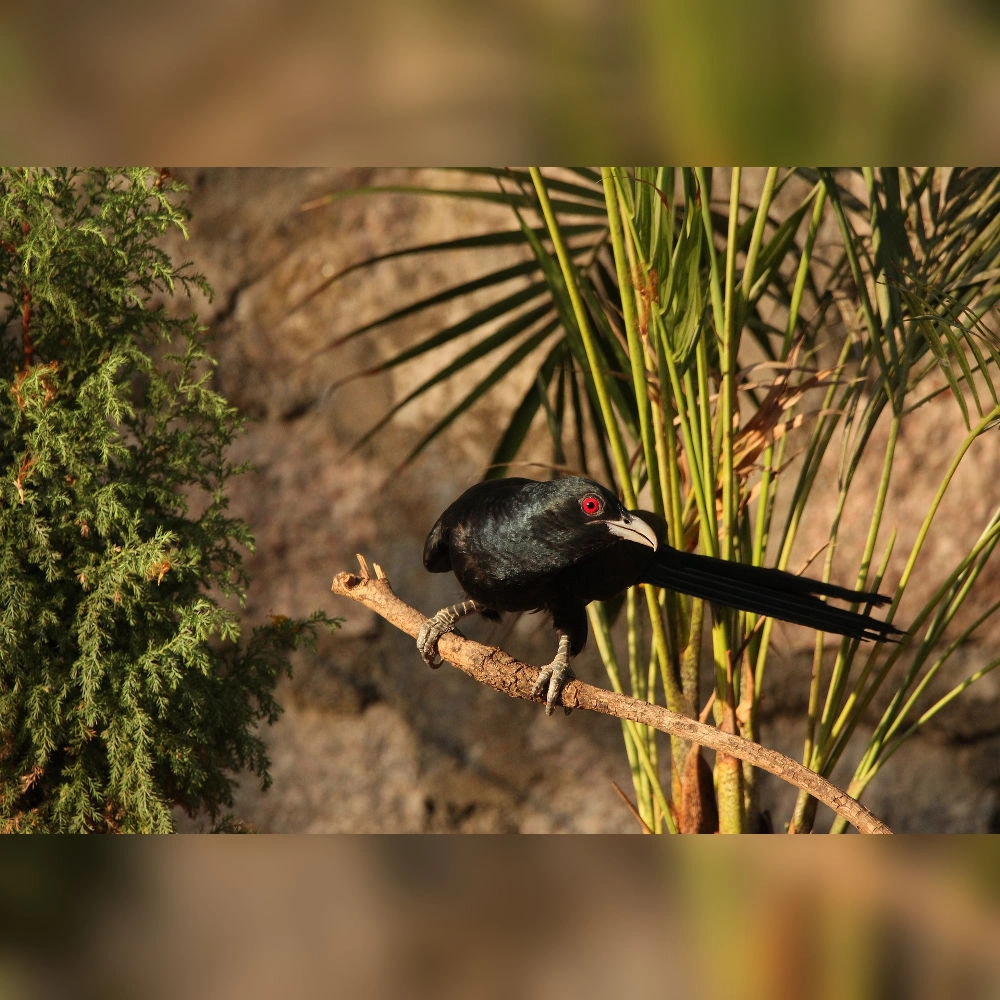
Humayun’s Tomb is a surprisingly rich urban birding hotspot, with 106 bird species recorded, thanks to its mature trees, open lawns, water channels and quiet corners tucked between grand monuments. Everyday city birds like Rock Pigeon, House Crow, Common Myna and House Sparrow share the space with more charismatic residents such as Rose-ringed and Alexandrine Parakeets, whose calls echo across the gardens, and soaring Black Kites that dominate the skyline. The leafy canopy shelters Brown-headed Barbet, Asian Koel, Rufous Treepie, Jungle Babbler, bulbuls and Indian Robin, while winter brings subtle woodland visitors like Hume’s Warbler flitting through hedges. Doves and pigeons—including Eurasian Collared-Dove, Laughing Dove and Yellow-footed Green-Pigeon—add to the gentle rhythm of the gardens, and keen observers may even spot predators such as Shikra or the elusive Eastern Barn Owl at dusk. Occasional sightings of species like Red-naped Ibis highlight the site’s ecological value, making Humayun’s Tomb not just a heritage icon, but a vibrant refuge for birdlife in the heart of Delhi.
Black Kite
Asian Koel
Laughing Dove
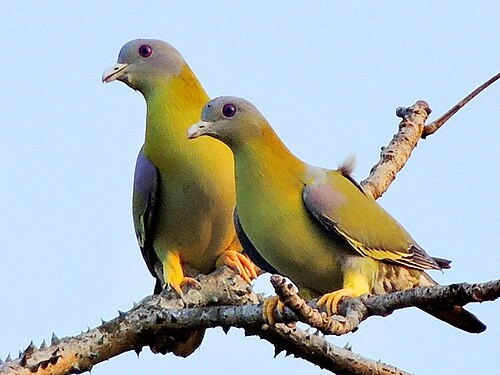
Yellow-footed Green Pigeon
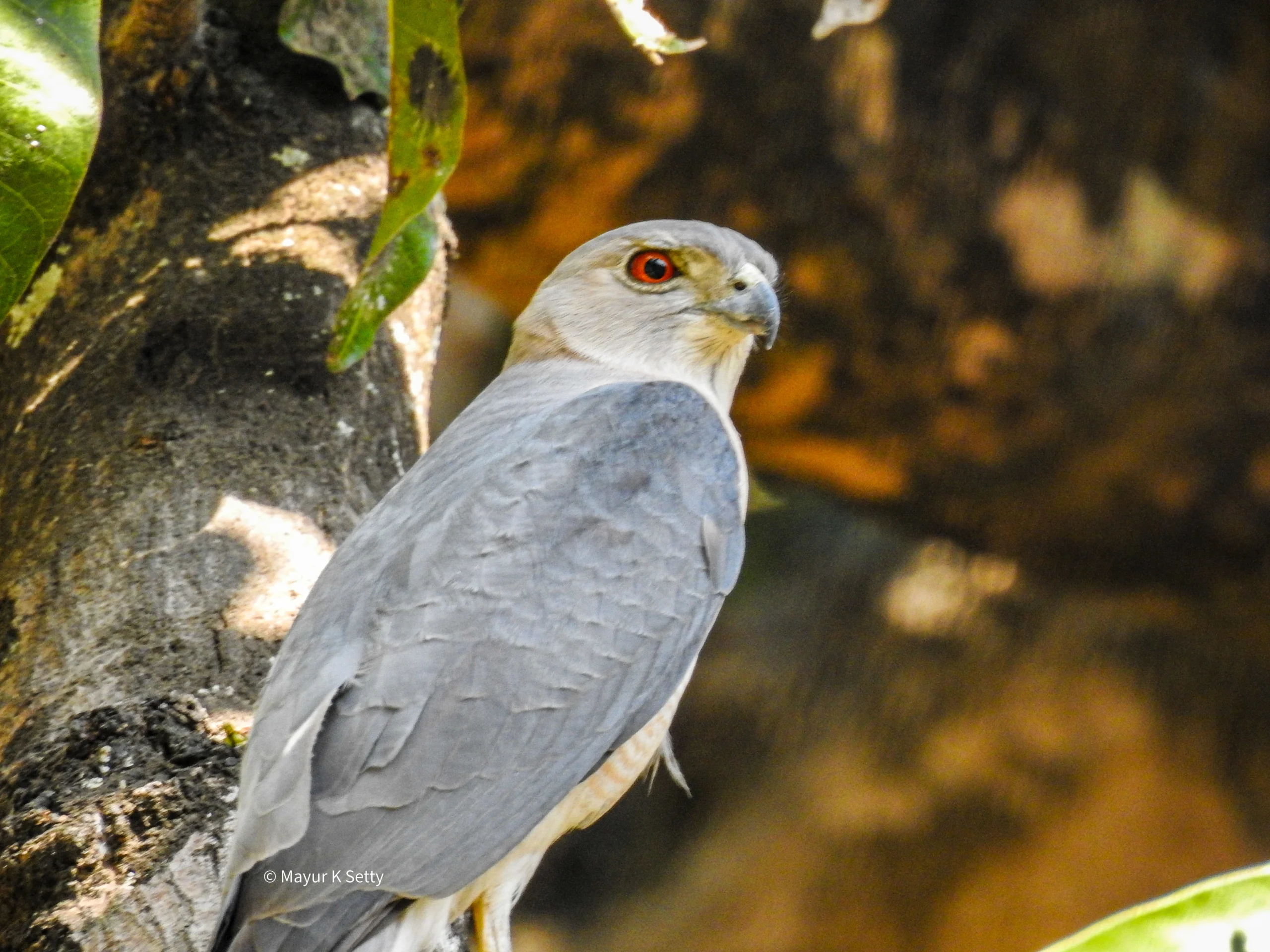
Shikra
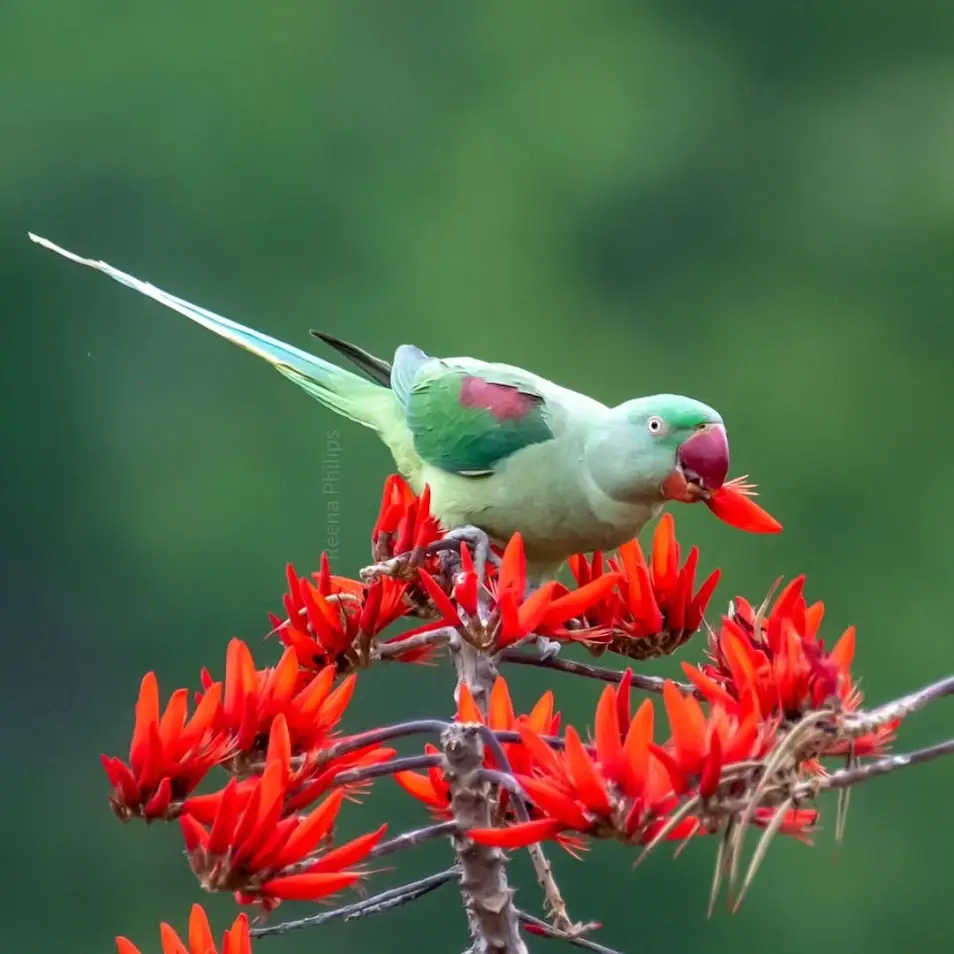
Alexandrine Parakeet
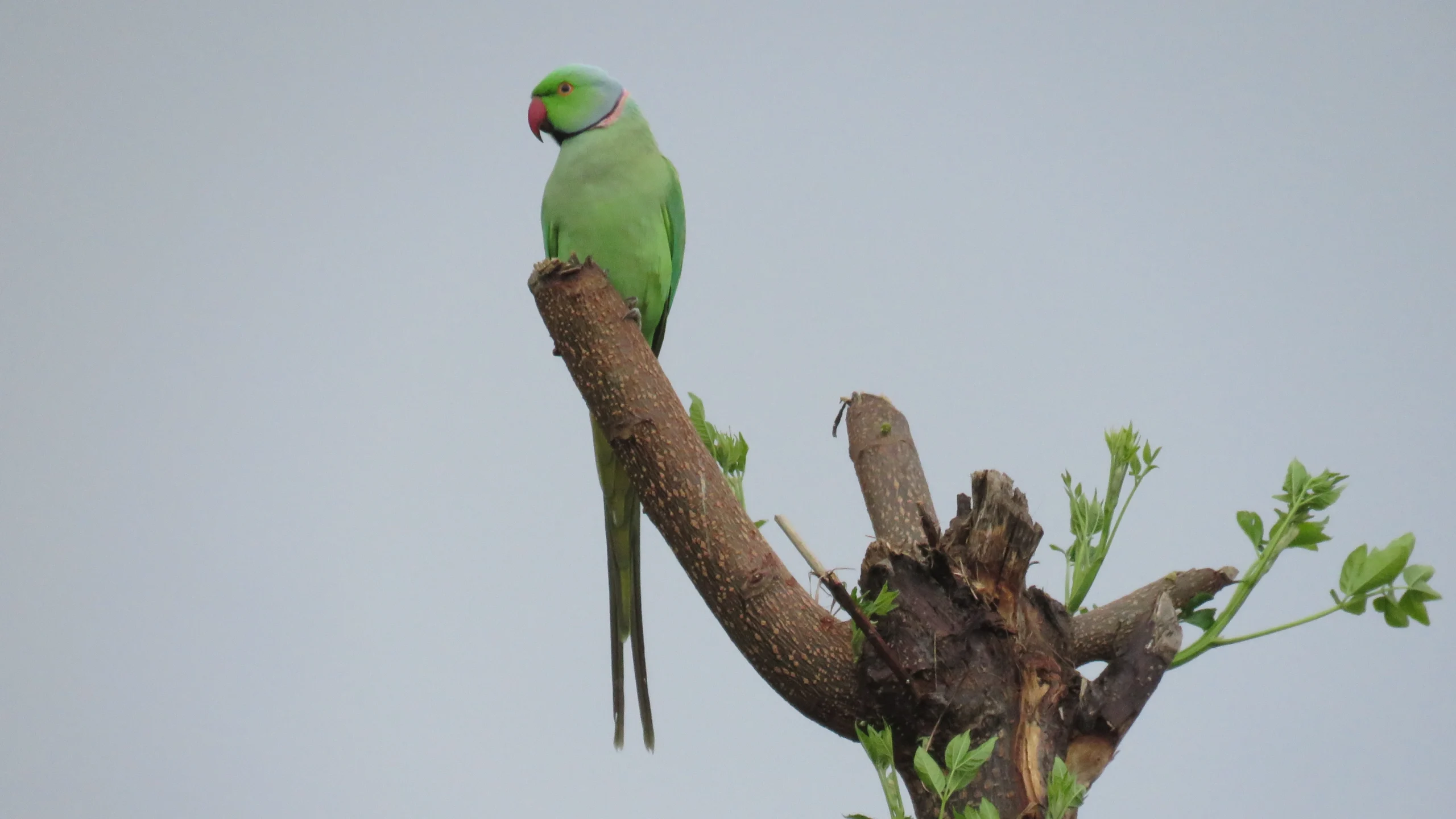
Rose-ringed Parakeet
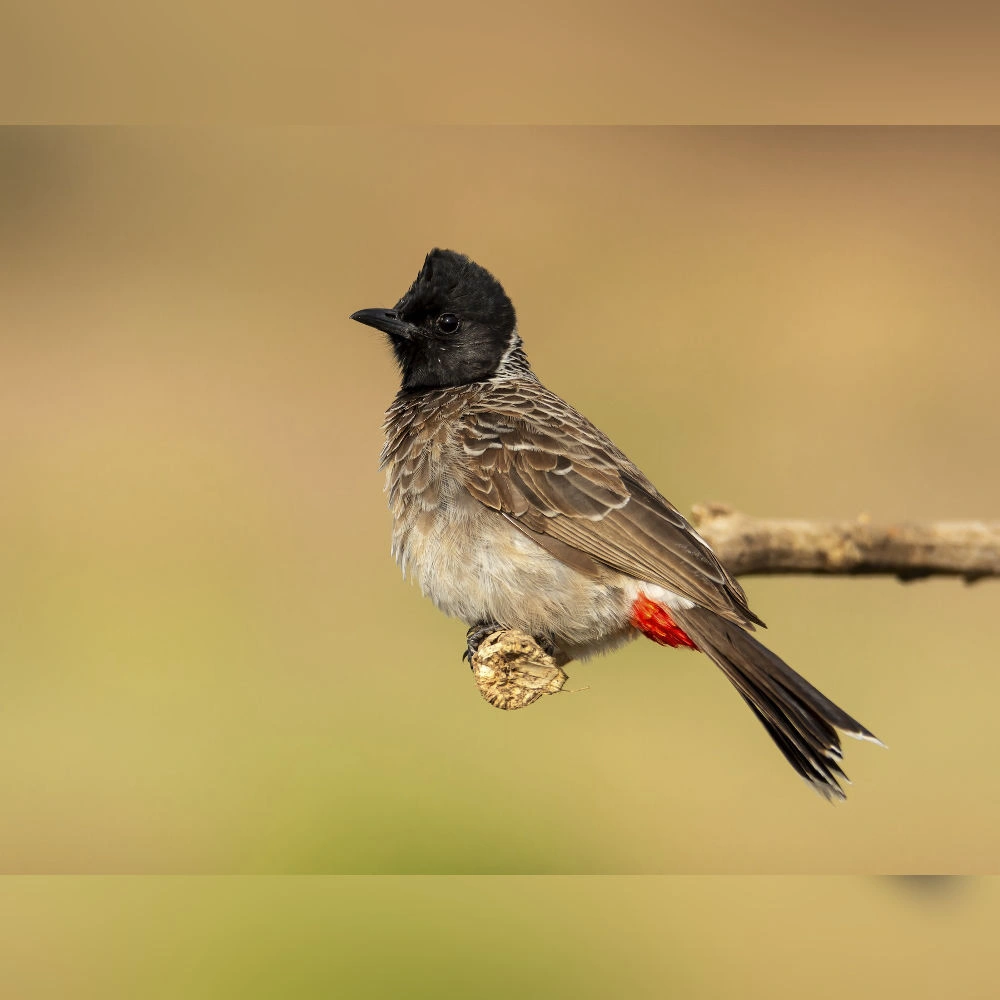
Red-vented Bulbul
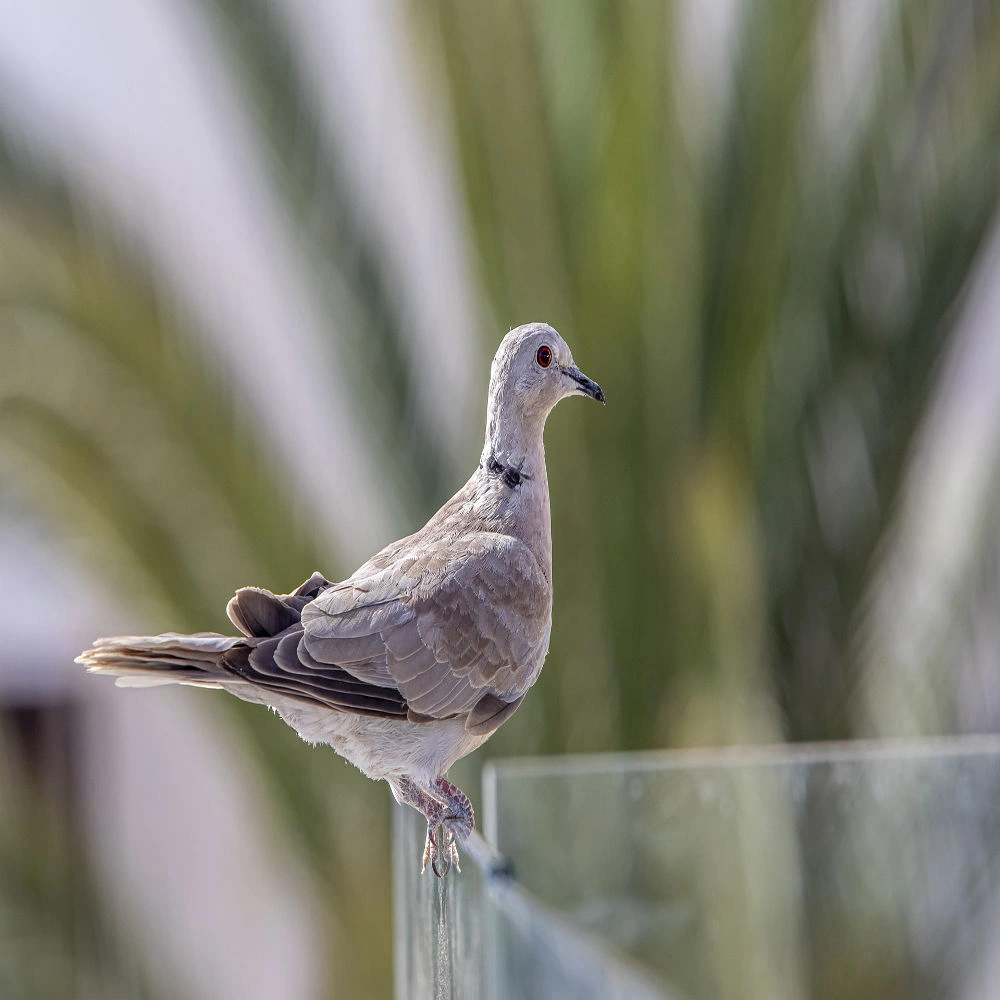
Eurasian-collared Dove
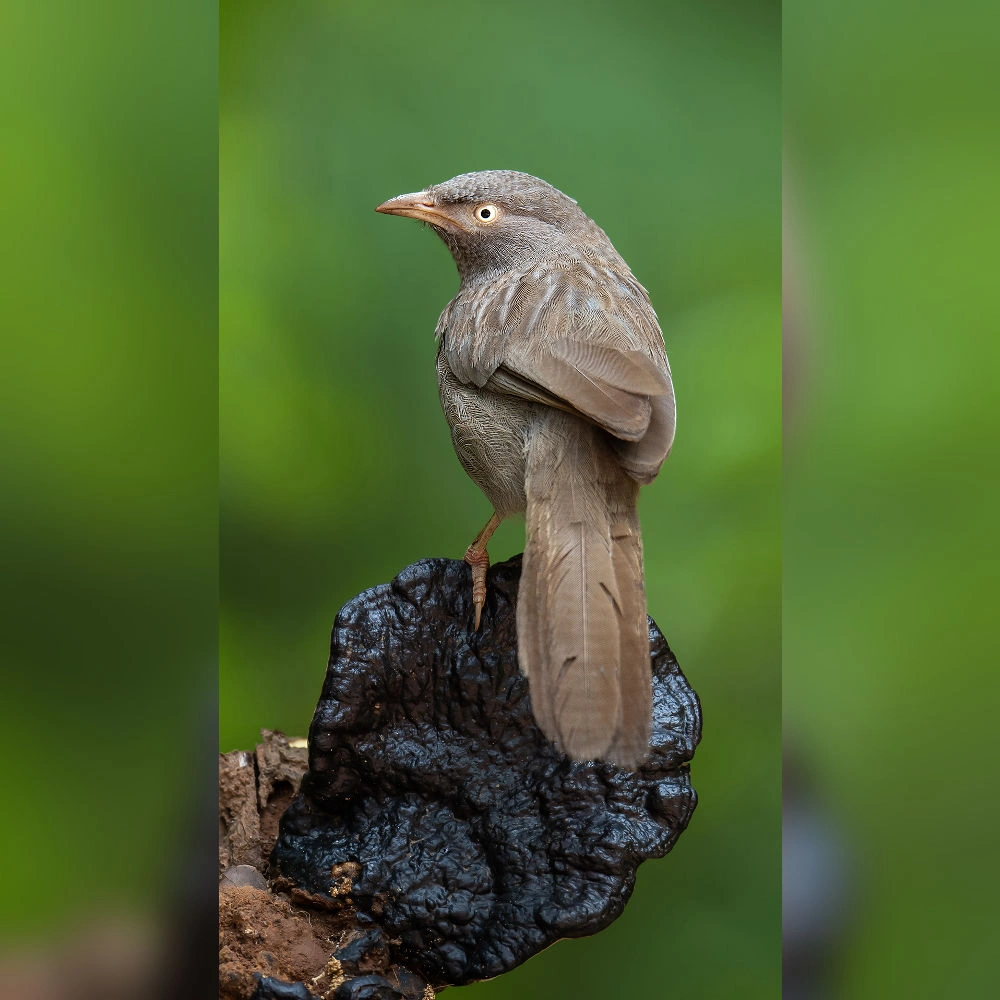
Jungle Babbler
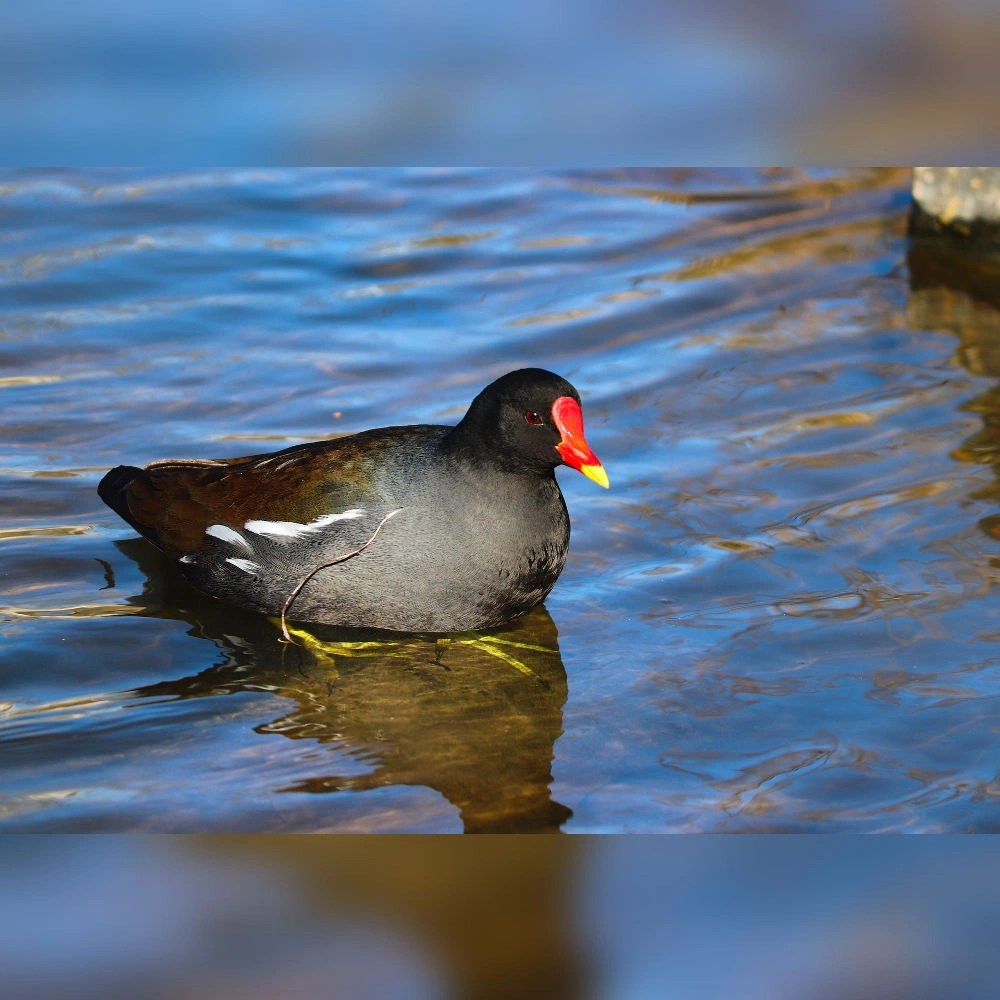
Eurasian Moorhen
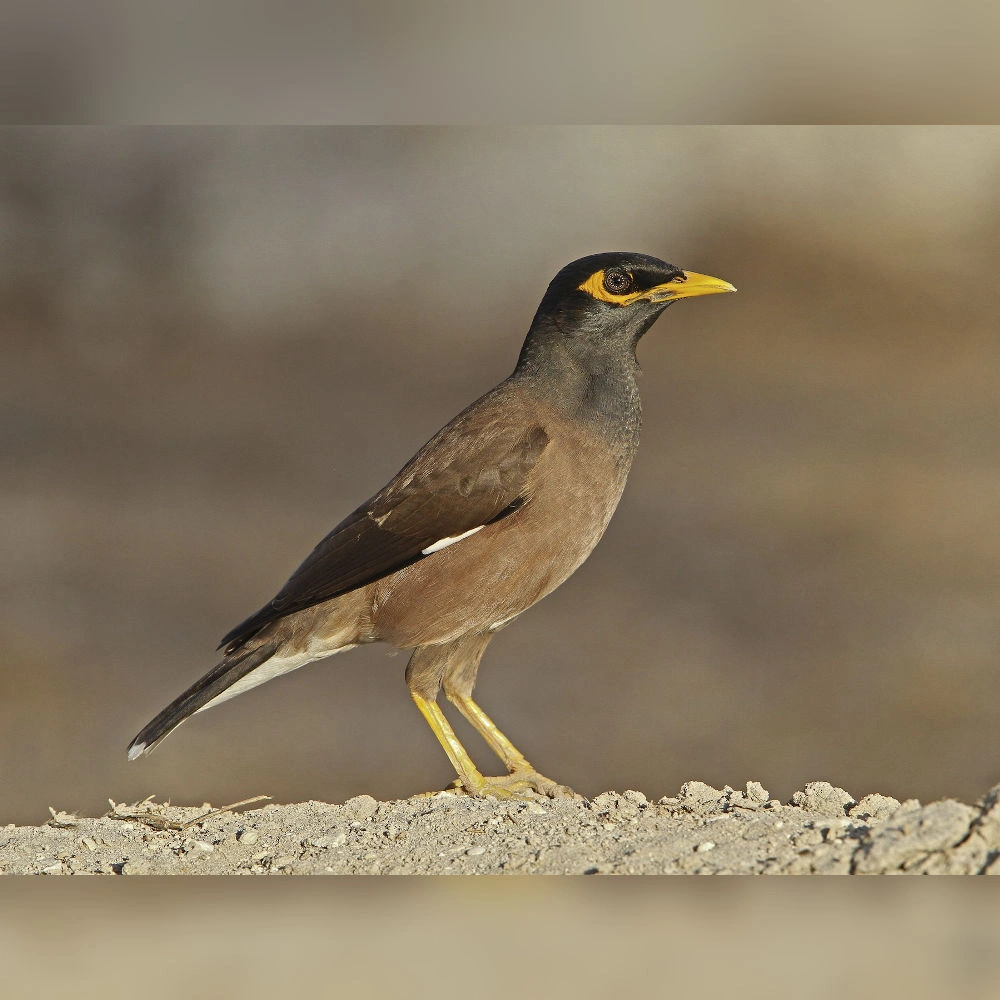
Common Myna
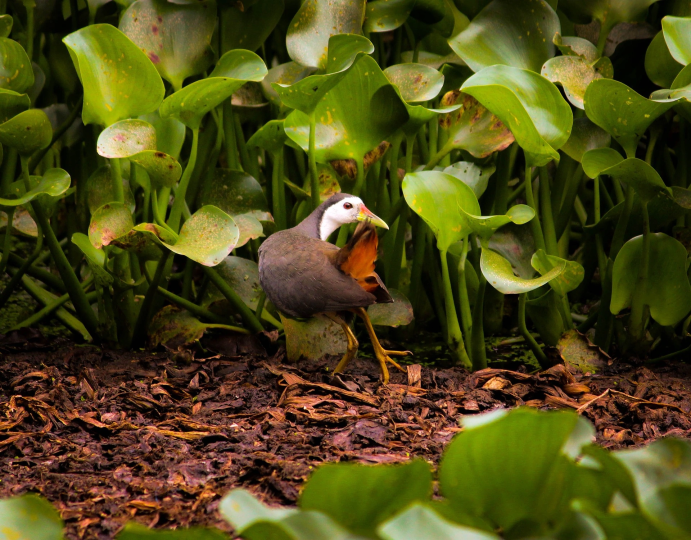
White-breasted Waterhen
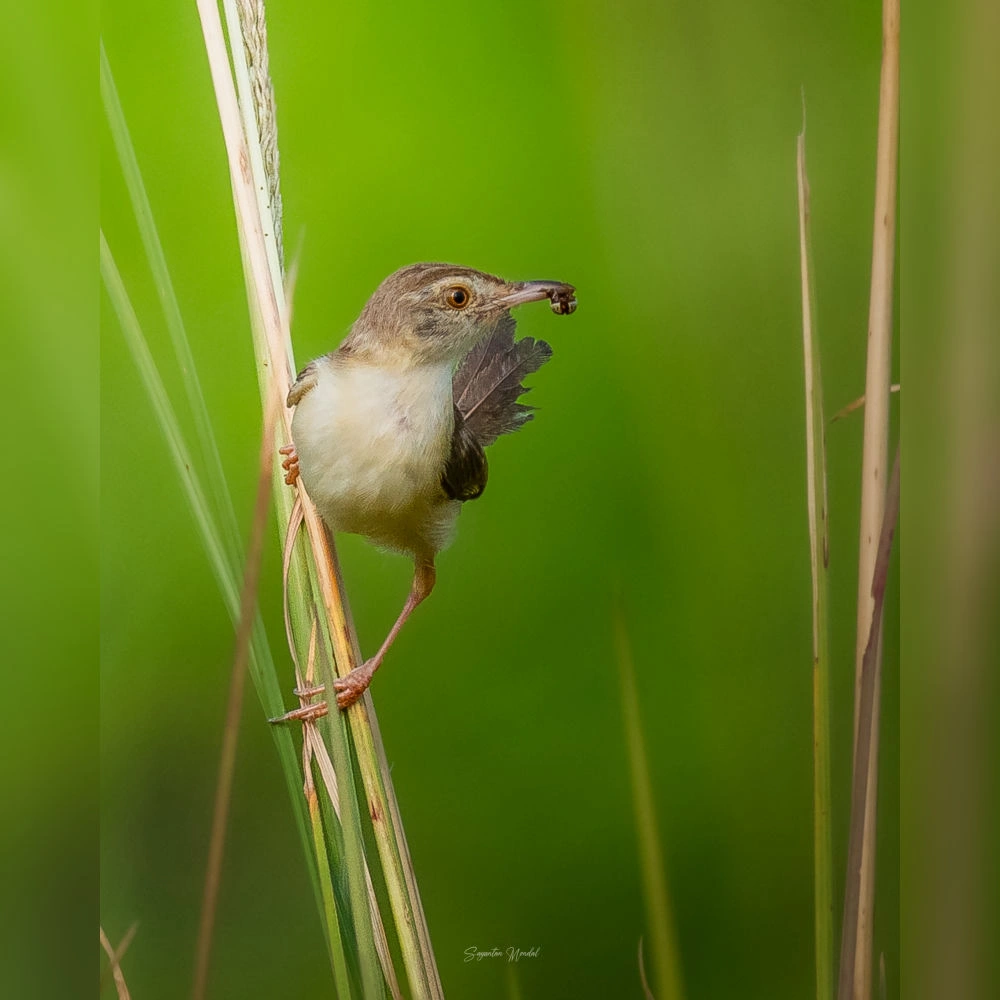
Plain Prinia
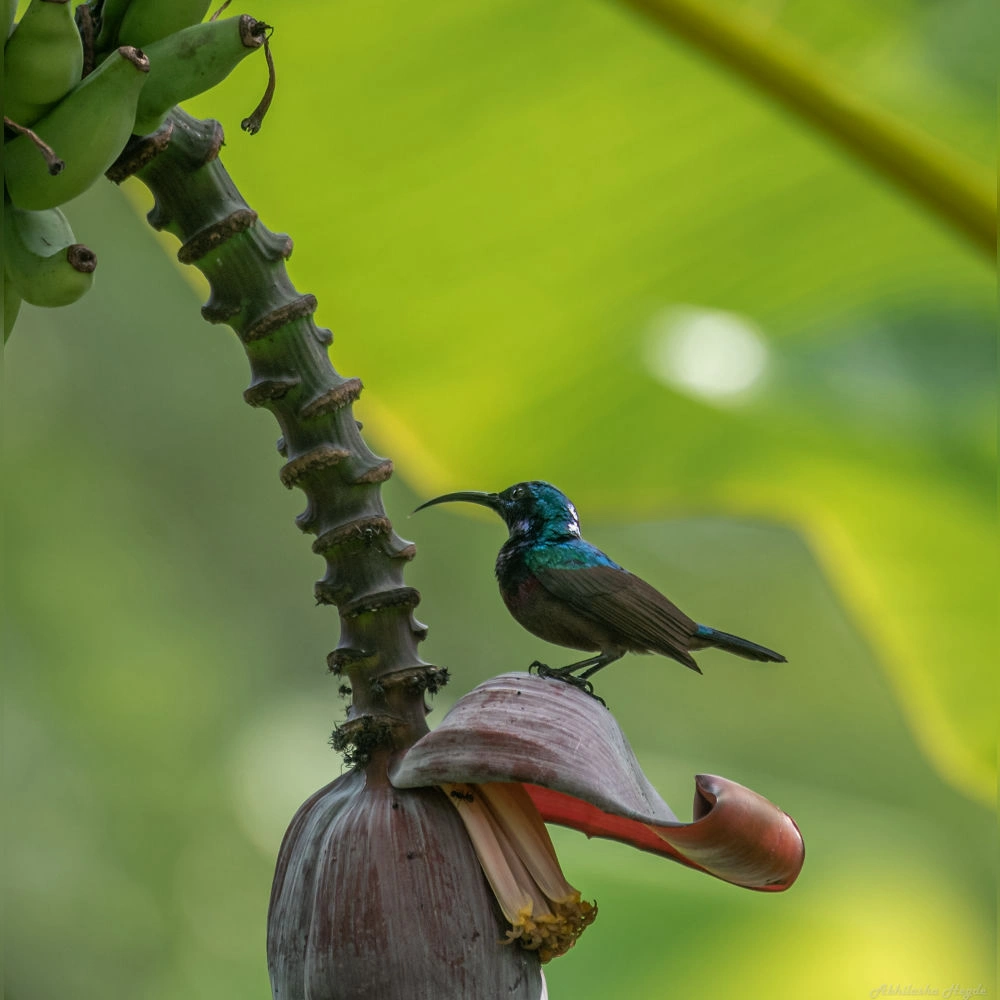
Purple Sunbird
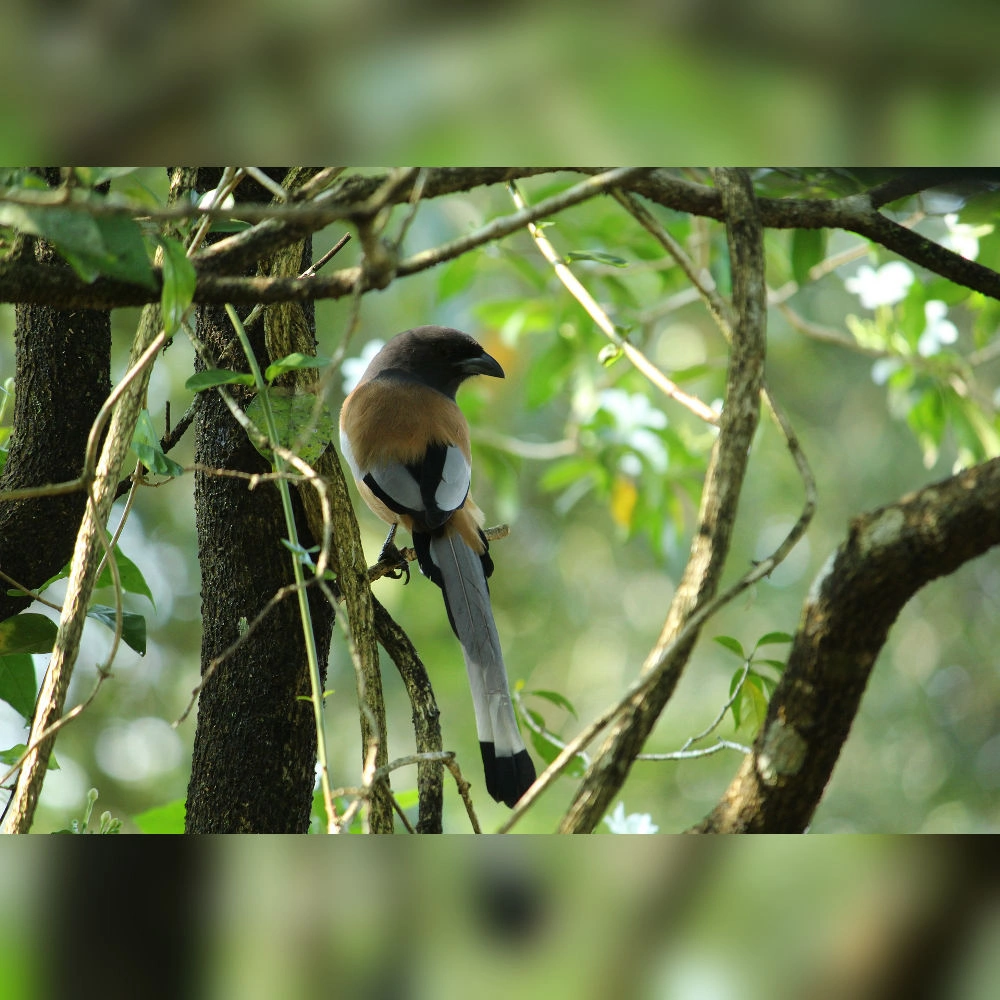
Rufous Treepie
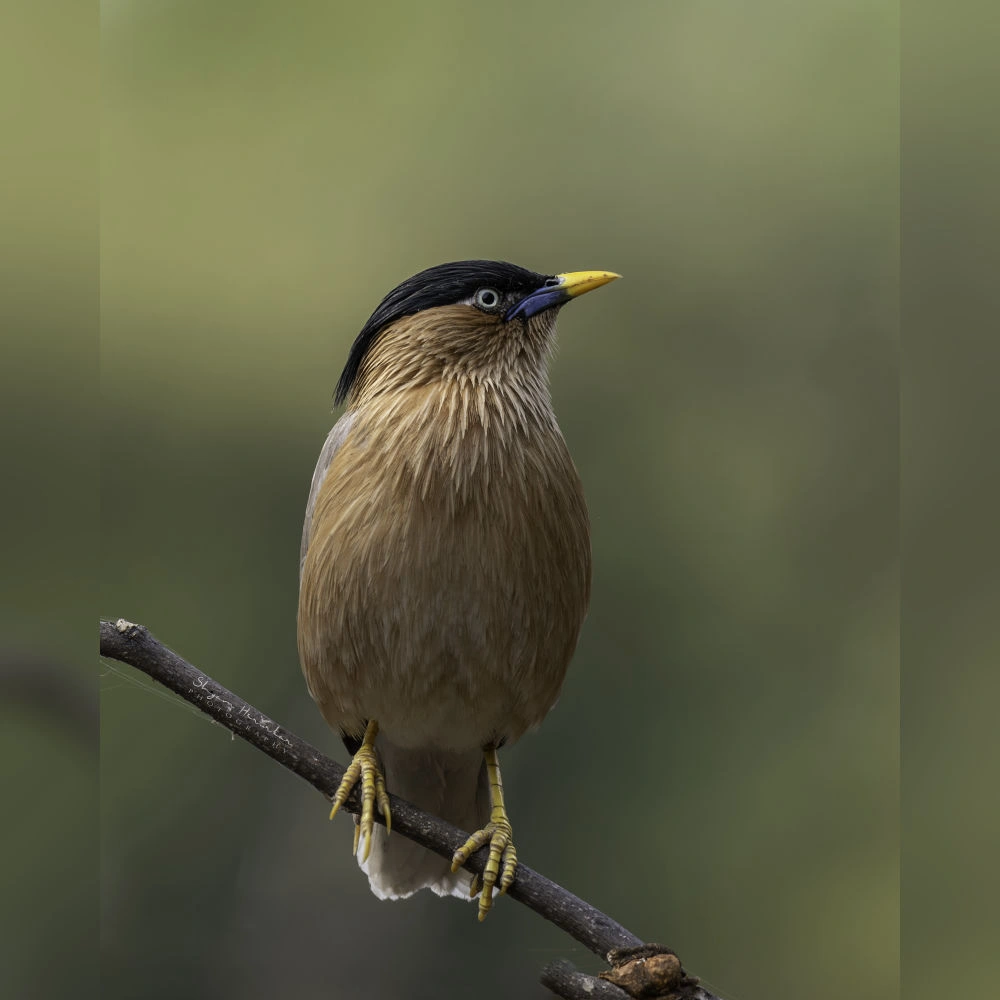
Brahminy Starling
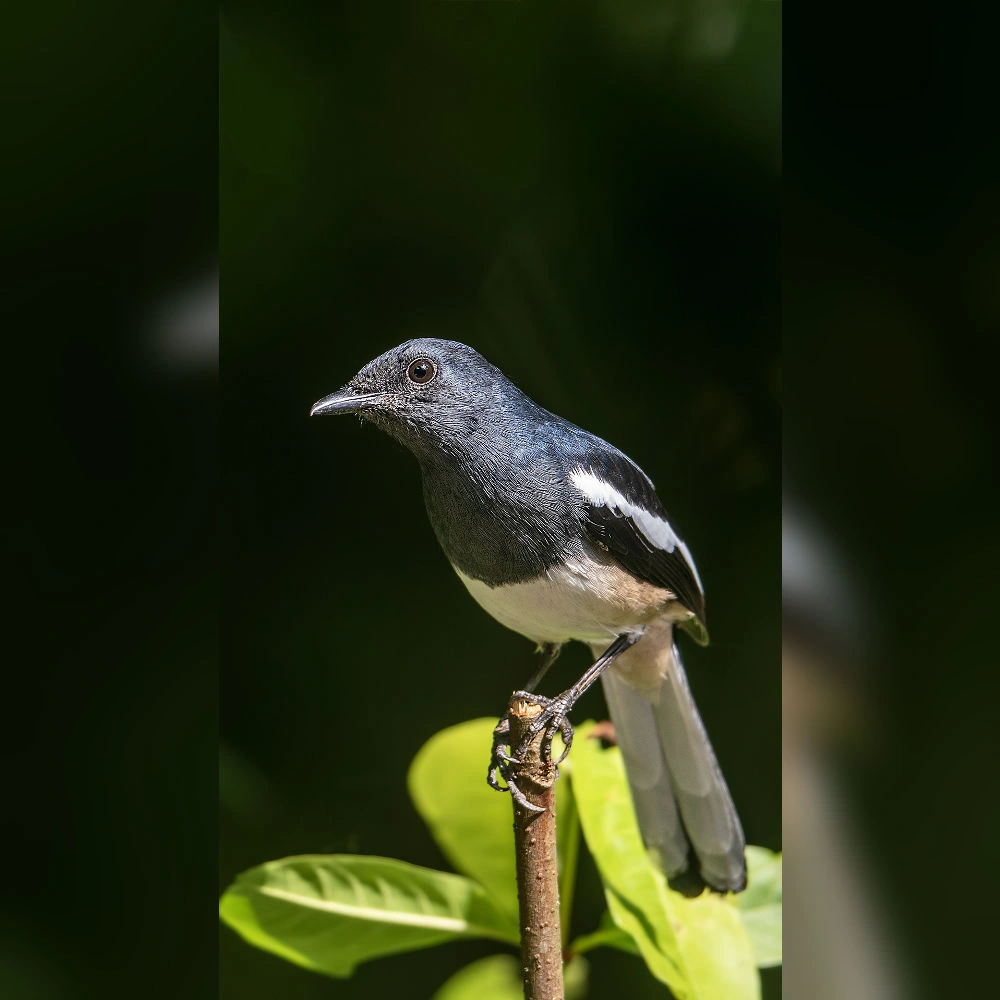
Oriental Magpie Robin
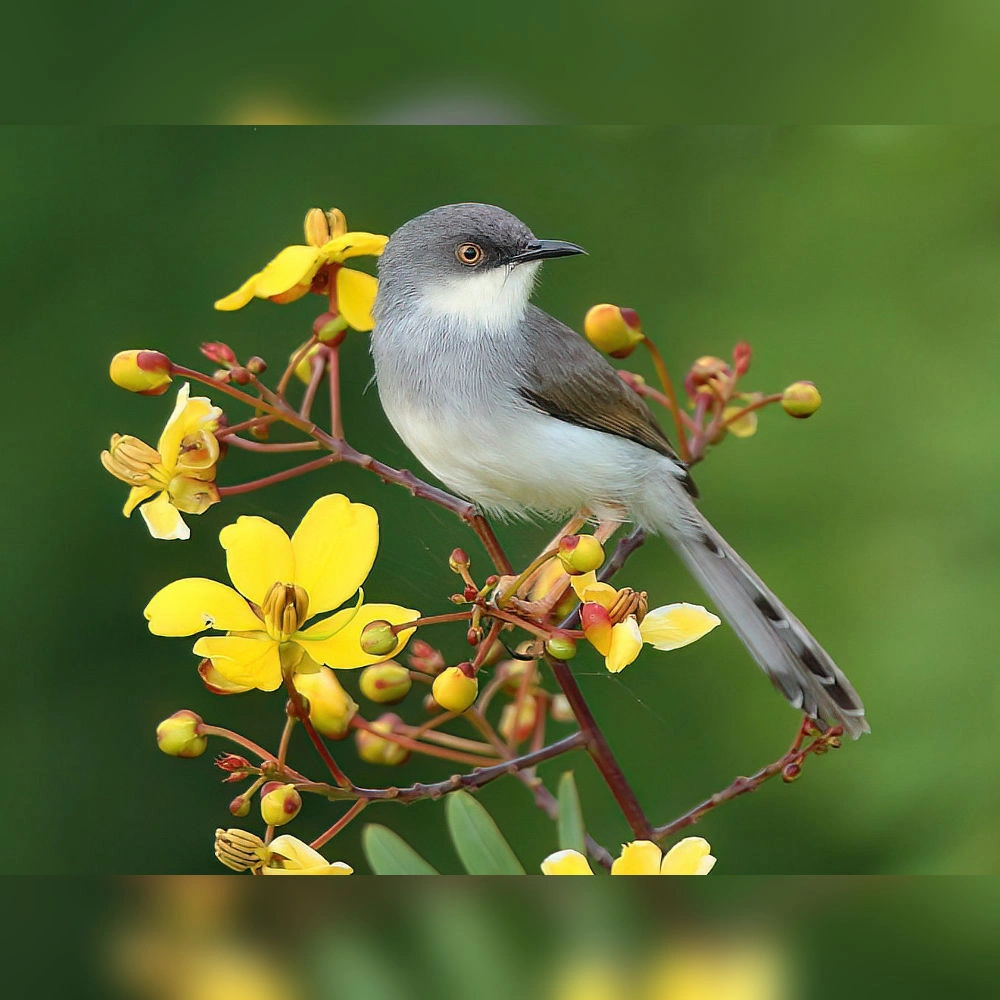
Grey-breasted Prinia
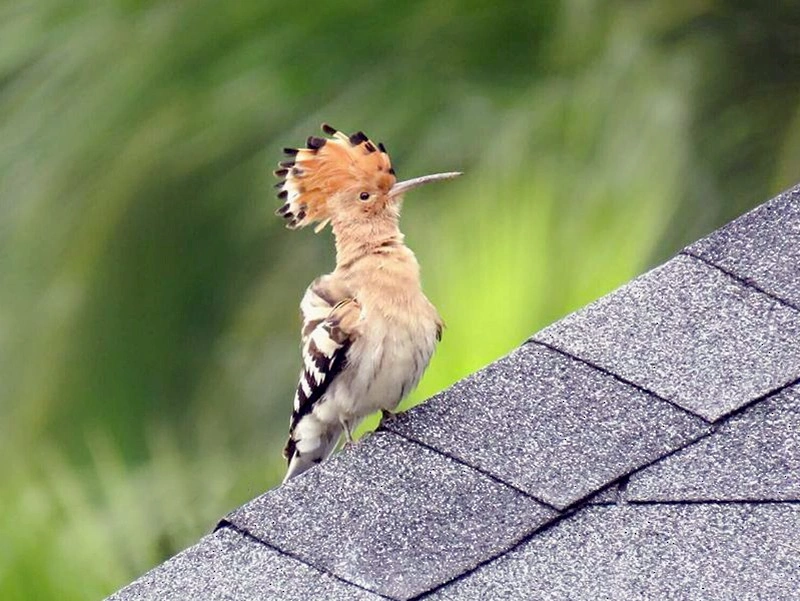
Common Hoopoe

Summary of Walk

The bird walk at Humayun’s Tomb brought together a wonderful mix of participants from seasoned birders who have nurtured their passion since childhood to first-time birdwatchers who took a leap of faith to begin their day with nature. This diversity created a lively and welcoming atmosphere, filled with shared curiosity, conversations, and moments of discovery. One of the most special aspects of Humayun’s Tomb is its magnificent old fig trees, which have stood for decades and continue to provide food, shelter, and nesting spaces for a rich variety of birds, making the historic complex a thriving urban refuge for wildlife.
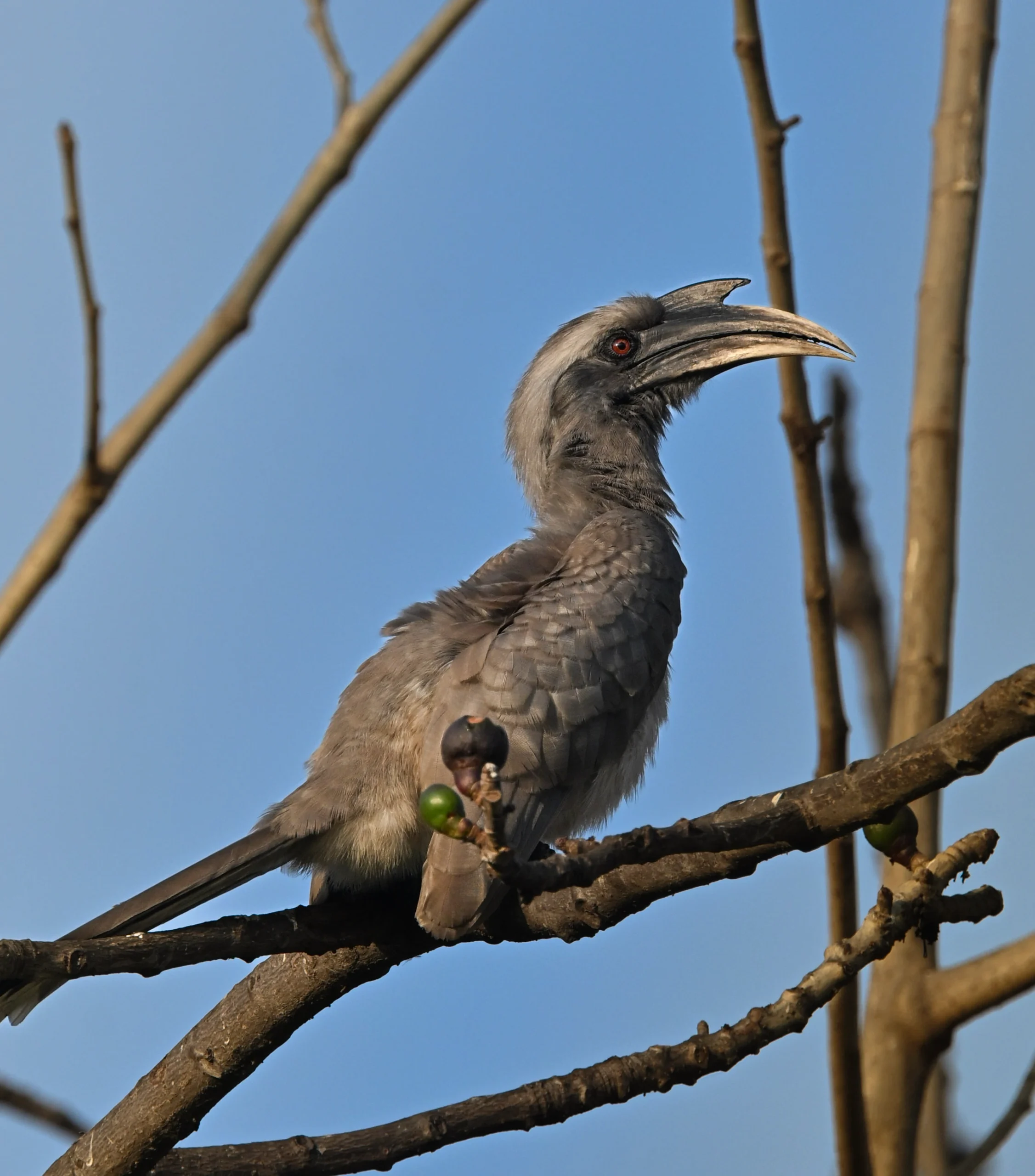
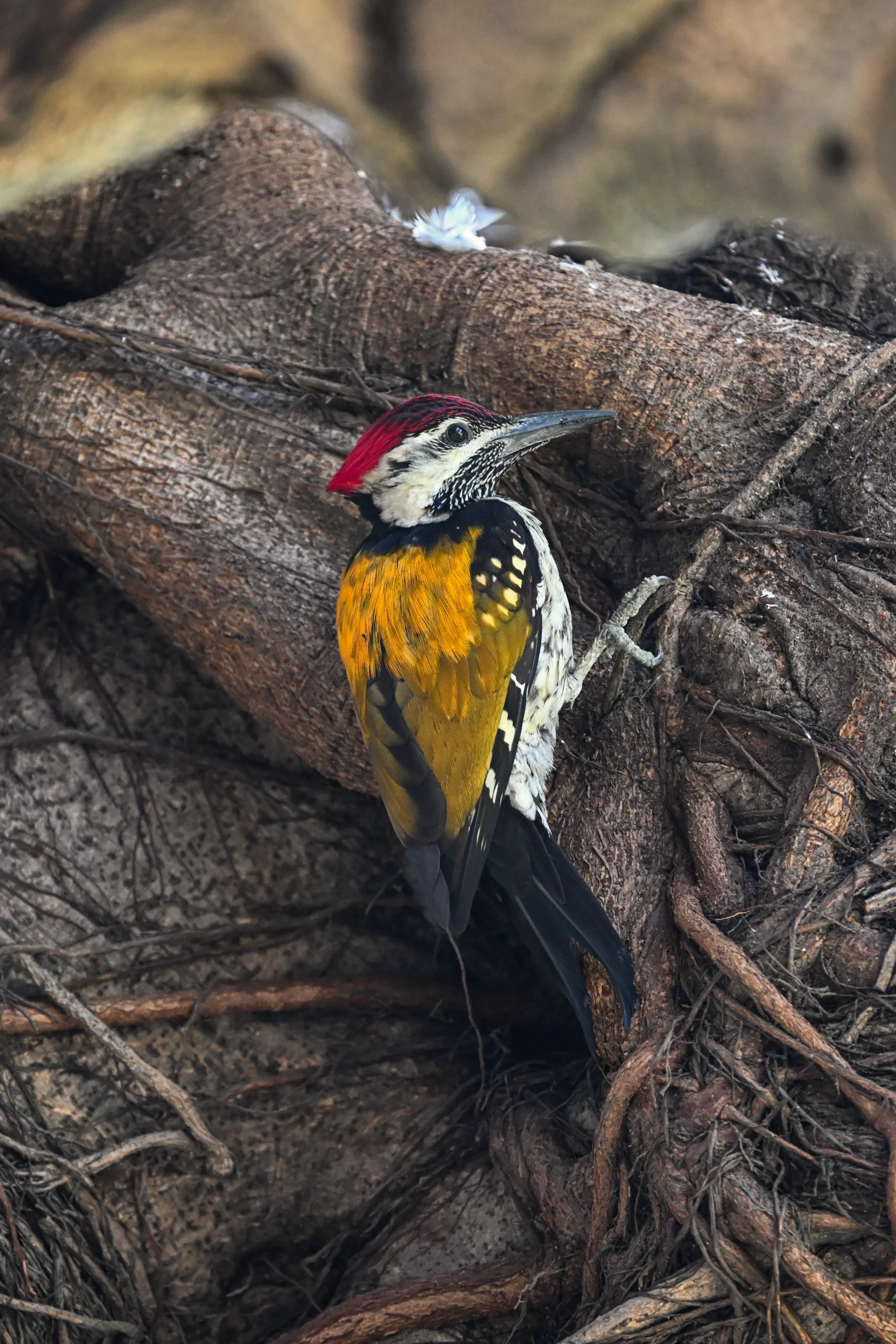
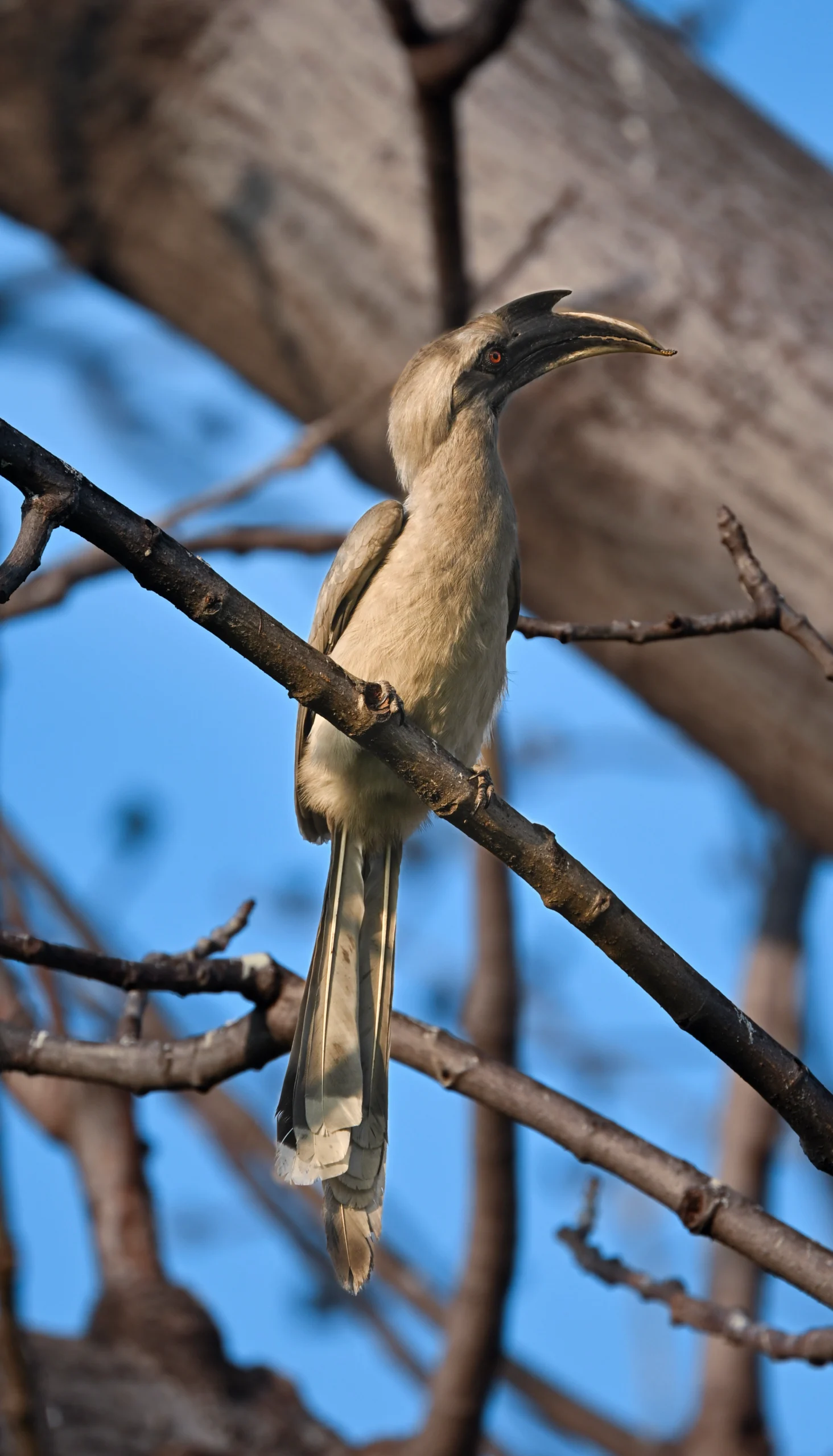
As the group explored the tree-lined pathways and open grounds, they encountered a vibrant range of species including Yellow-footed Green Pigeons, Indian Grey Hornbills, and the striking Lesser Flameback, whose golden back shimmered in the morning light. The calls of Brown-headed Barbets echoed through the canopy, while Rose-ringed and Alexandrine Parakeets moved energetically between branches. Peafowl added a regal presence to the landscape, and familiar urban companions like Common Mynas, Jungle Babblers, Eurasian Collared Doves, and Black Kites completed the experience. The walk beautifully highlighted how even in the heart of a historic monument, nature continues to flourish alongside people and heritage.
Number of Participants
0
Scroll to Top