

Loading Events

Bird Walk at Ruse dam, Khairagarh, Chhattisgarh

About Chhidari Dam

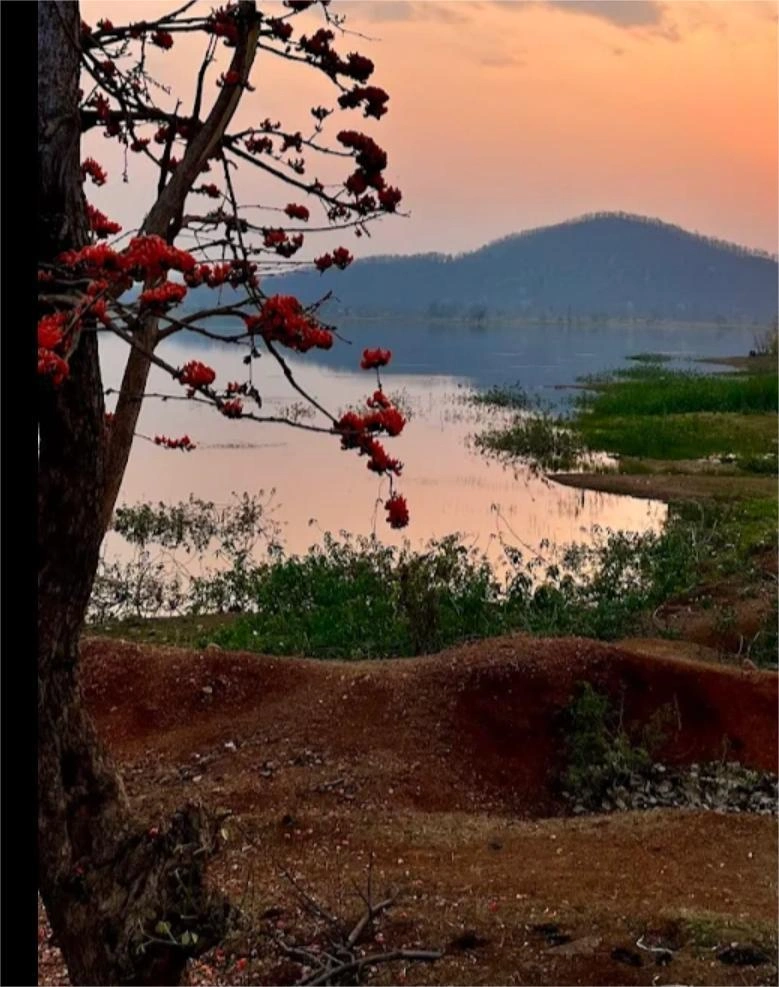
Chhidari Dam near Khairagarh in Chhattisgarh sits like a quiet water mirror framed by fields, low hills, and scattered woodland—an inviting blend of open reservoir, grassy edges, and scrub habitat. For nearby villages, the dam has long been a lifeline, supporting irrigation, local fisheries, and a cooler microclimate during the harsh summer months. Its calm expanse attracts walkers, picnickers, and nature lovers, becoming a small but meaningful recreational space that connects people to their landscape.
Ecologically, the dam has grown into a dependable refuge for birds and other wildlife. The mix of deep water and shallow muddy stretches supports herons, egrets, storks, terns, and winter visitors that follow India’s inland wetland network. Raptors patrol the surrounding farmland, while kingfishers and wagtails animate the shorelines. Yet, like many semi-urban waterbodies, Chhidari Dam faces pressures—siltation, plastic waste, unregulated fishing, and encroaching agriculture gradually nibble at its ecological health. With community-led clean-ups, controlled fishing, shoreline vegetation protection, and simple awareness efforts, the dam could continue to thrive as a shared ecological treasure for Khairagarh and a rich birding spot for years to come.

Partnered with

Bird walk Location

Bird Guide: Pratik Thakur

This bird guide is based on over five years of dedicated birdwatching experience, documenting more than 280 bird species from the region.
Common birds of Chhidari Dam

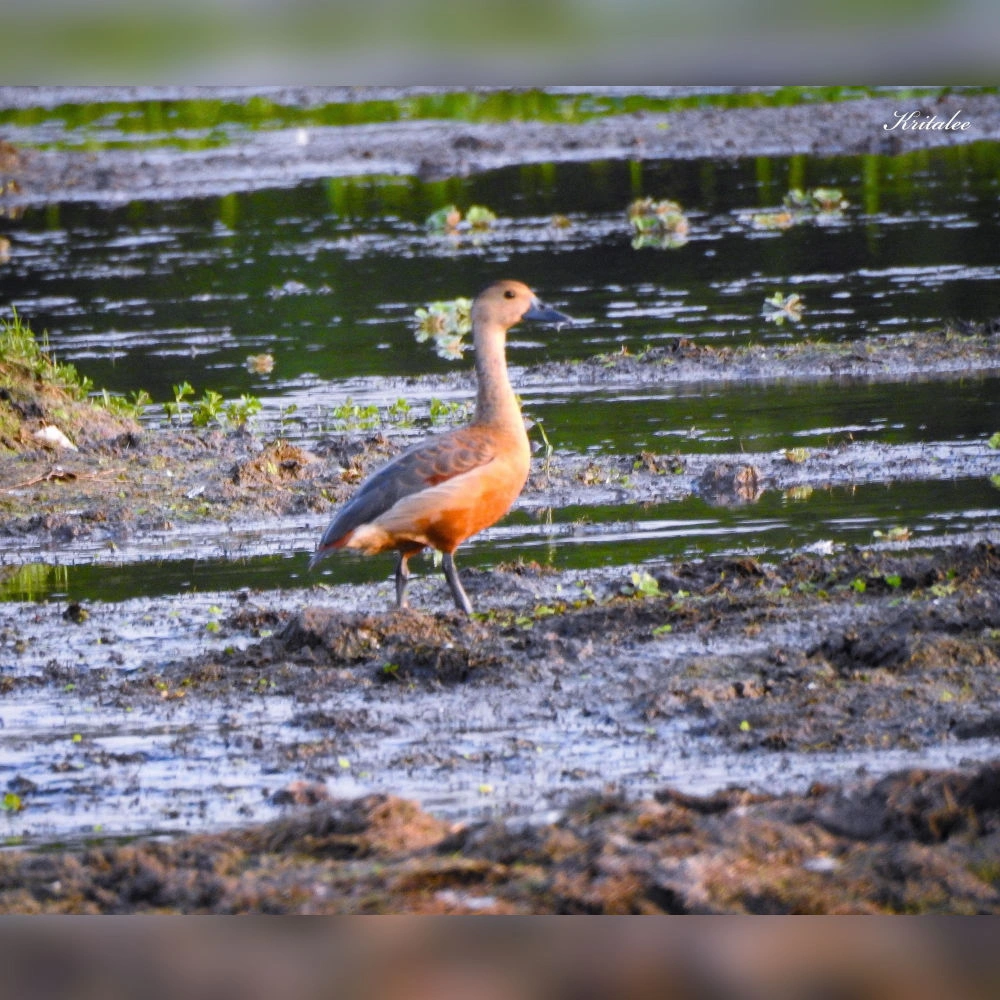
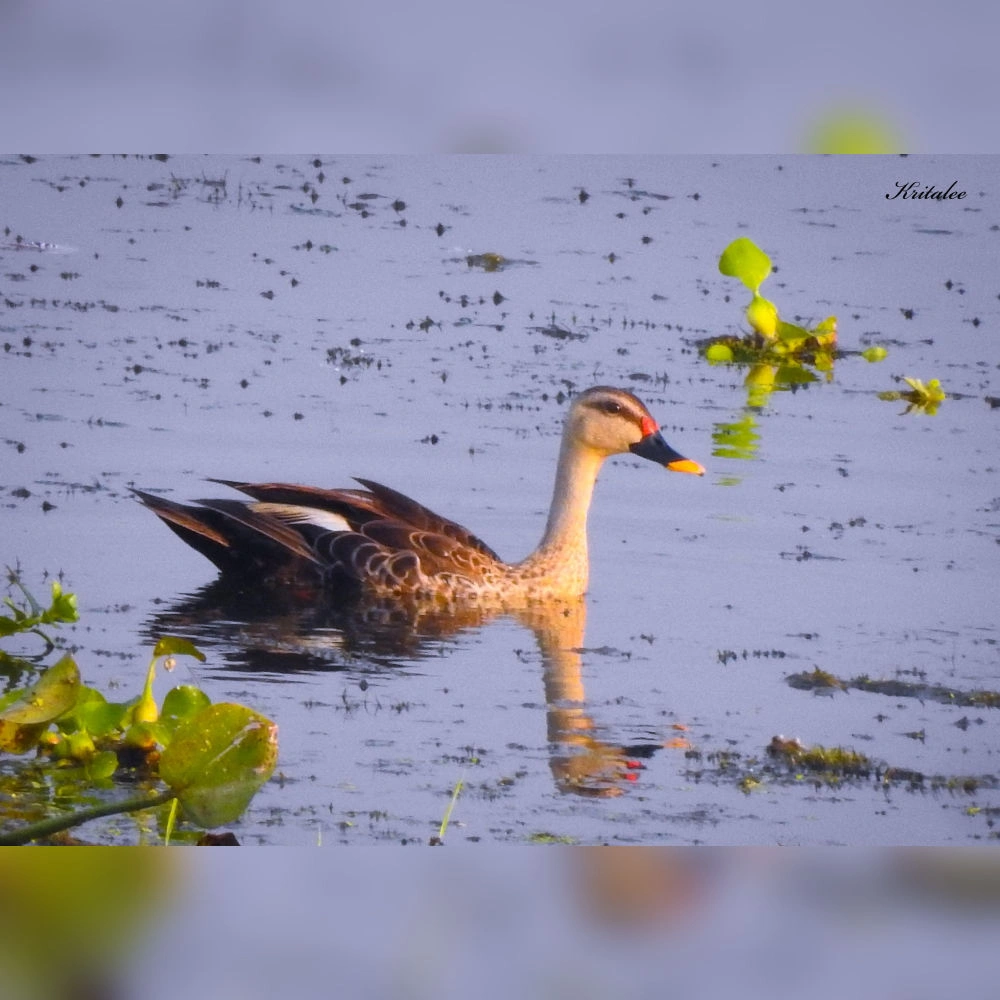
Chhidari Dam welcomes a lively mix of waterbirds, waders, and farmland species, making it a dependable birding pocket around Khairagarh. Along the damp edges, Little Ringed Plovers, Red-wattled Lapwings, Pond Herons, and the elegant Purple Heron patrol the shallows, while the open waters attract Lesser Whistling-Ducks, Spot-billed Ducks, Gadwalls, Tufted Ducks, and the sturdy Openbill Stork. Cormorants—both Little and Indian—often gather on exposed rocks or bamboo poles, and the ever-active Little and Intermediate Egrets stitch bright white threads across the reservoir. On the surrounding grasslands and fields, Paddyfield Pipits, Plain Prinias, White-browed Wagtails, and the iridescent Purple Sunbird add movement and colour, with the gentle Red-collared Dove completing the scene. Together, these species make Chhidari Dam a compact but rich haven for bird enthusiasts.
Indian Spot-billed Duck
Lesser Whistling Duck
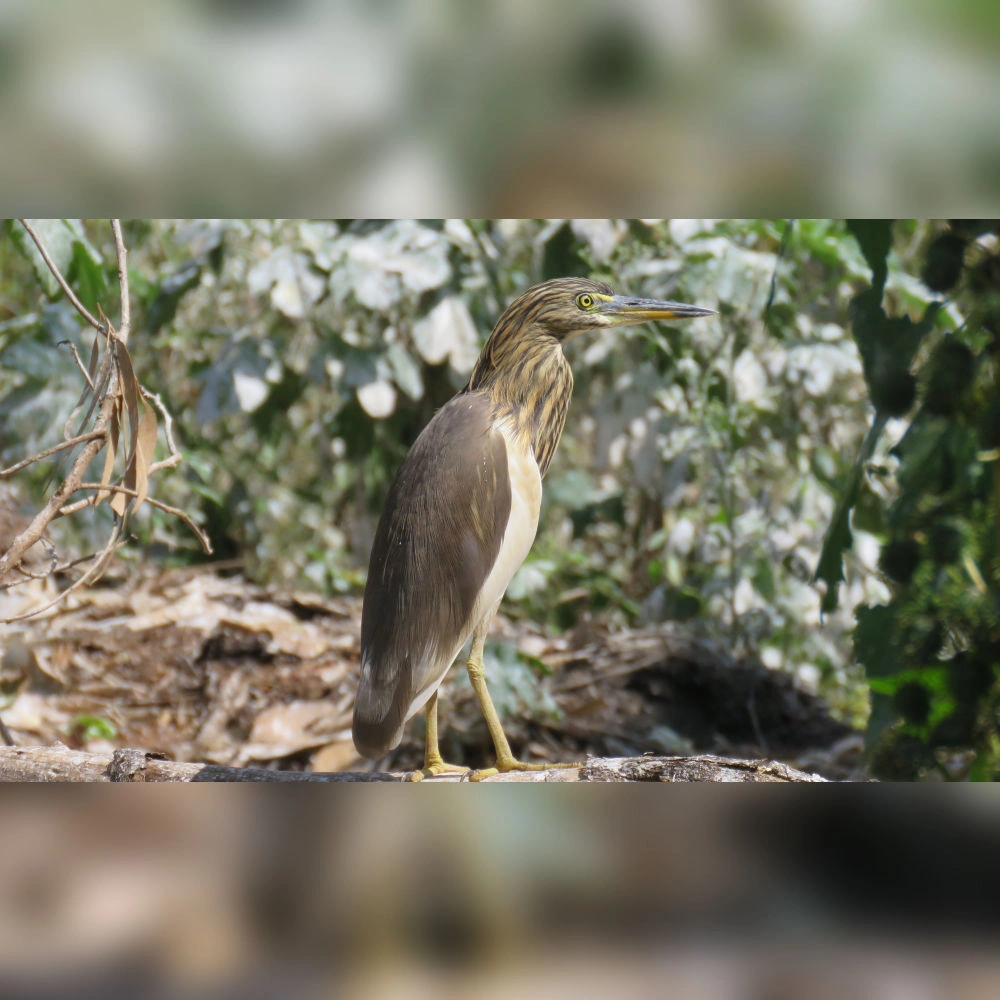
Indian Pond Heron
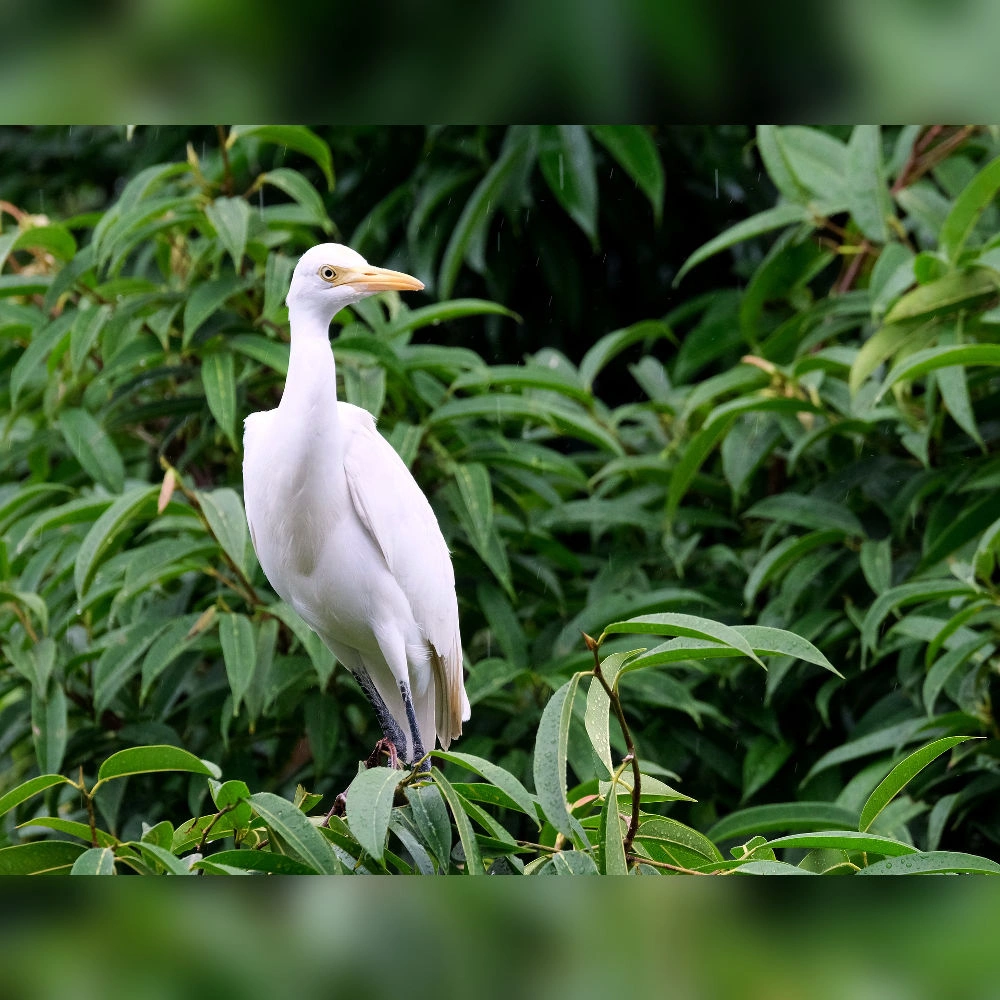
Eastern Cattle Egret
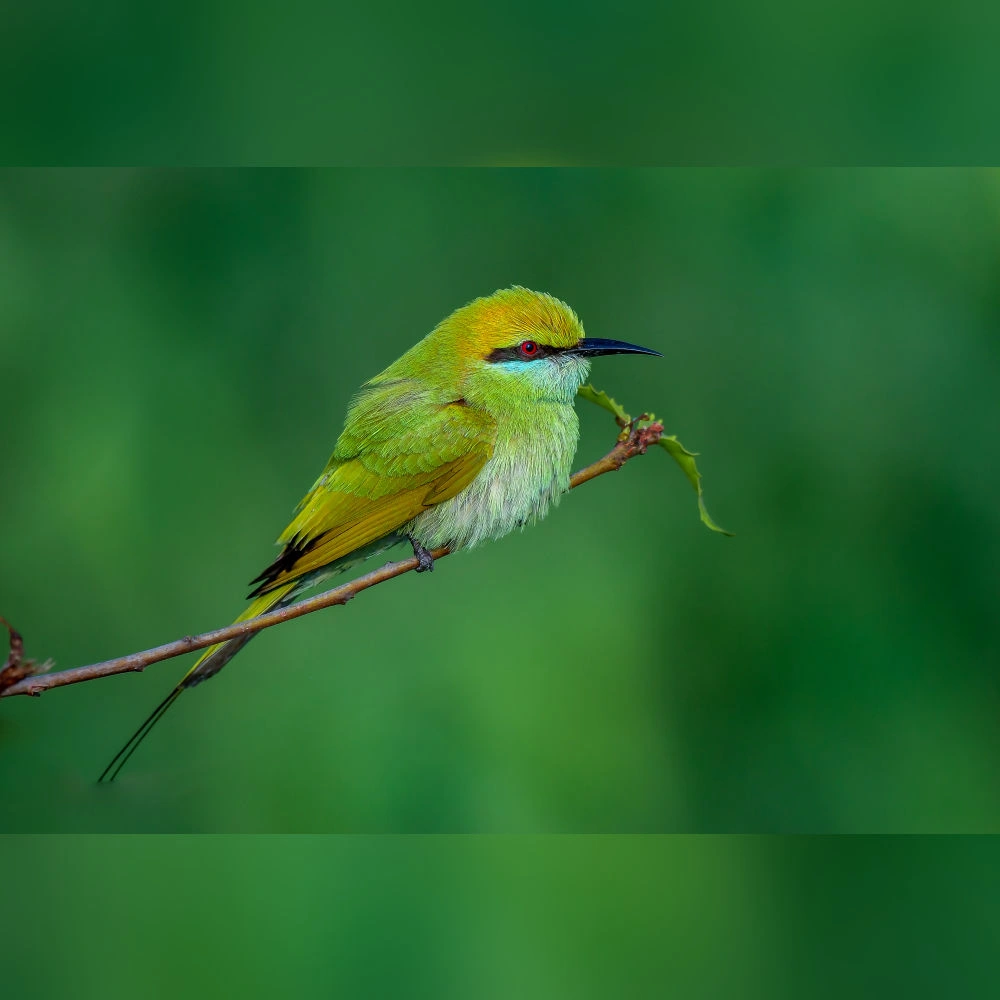
Asian Green Bee-eater
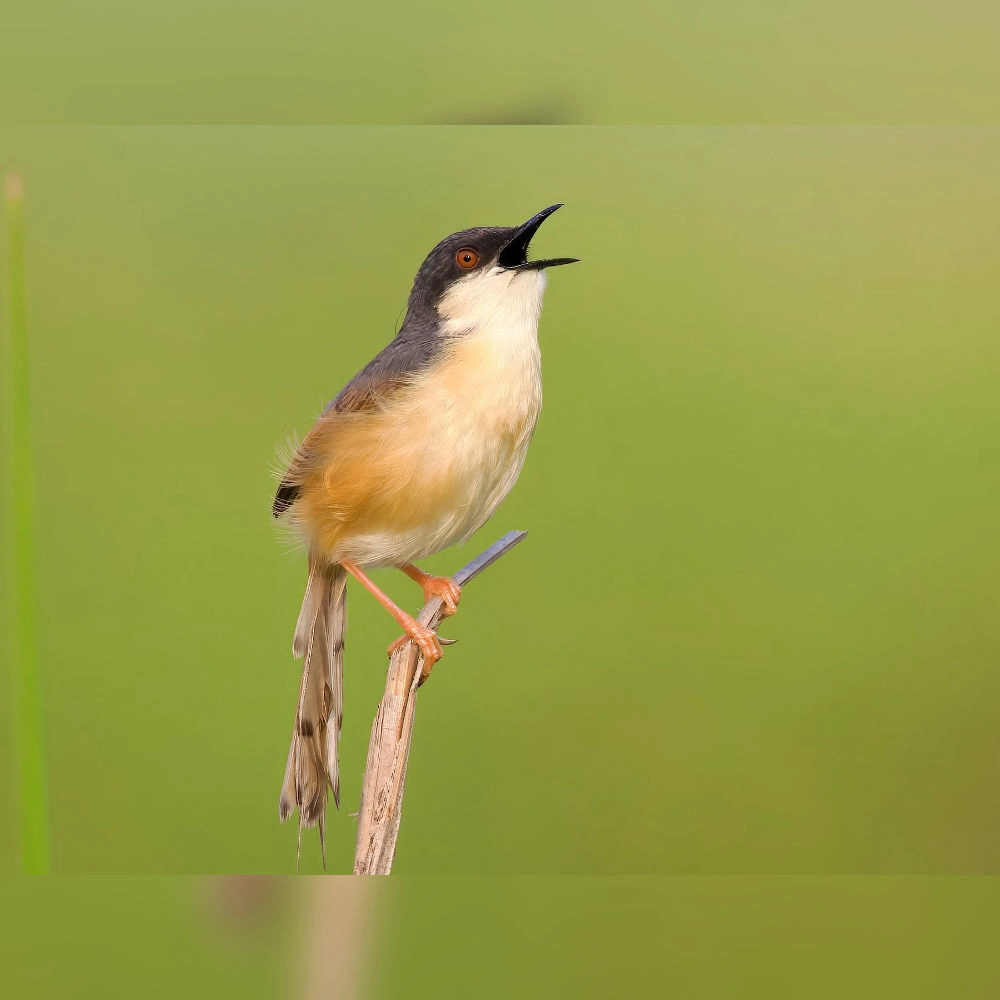
Ashy Prinia
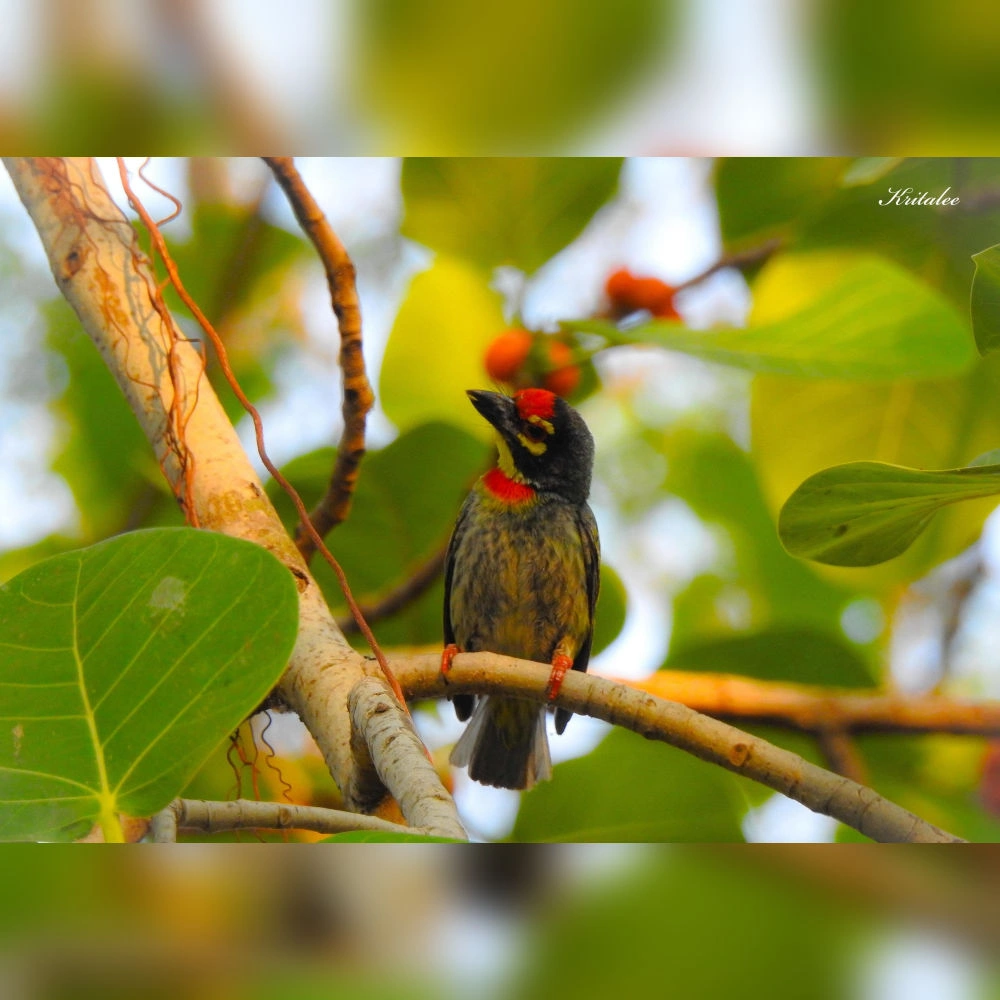
Coppersmith Barbet
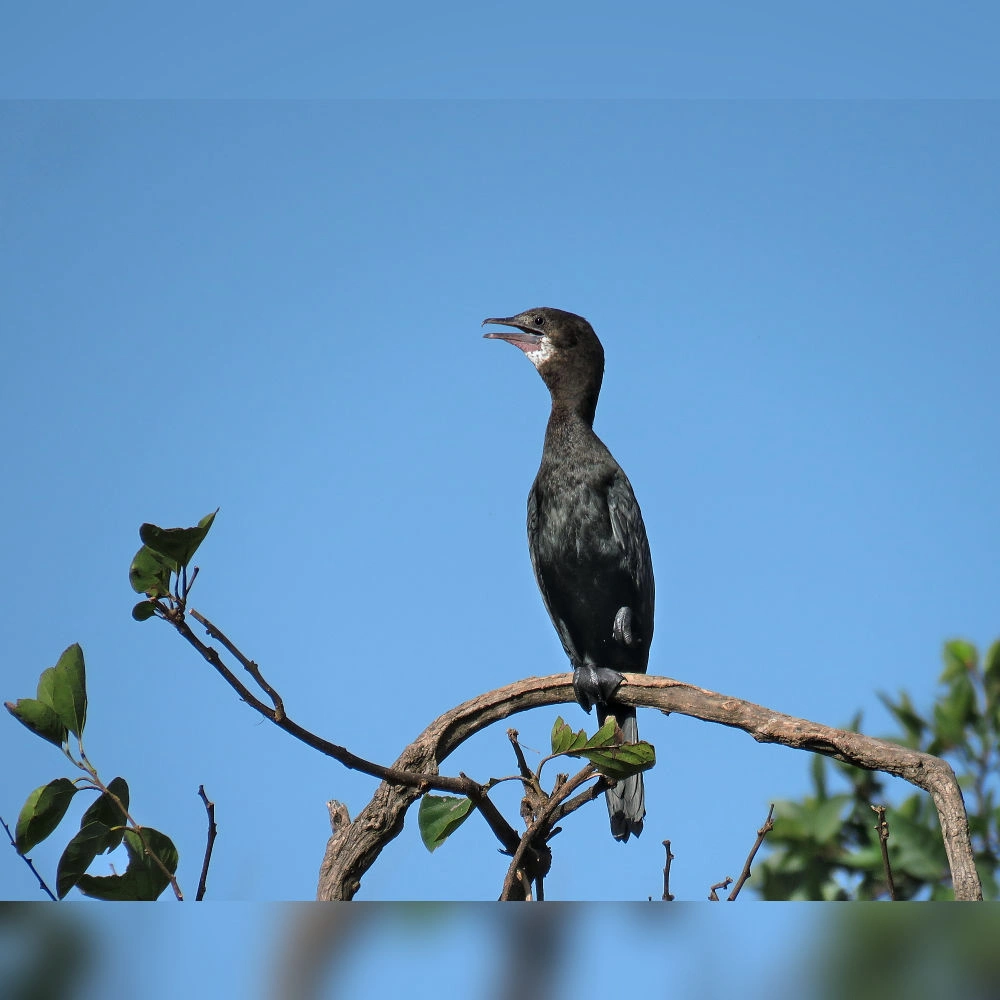
Little Cormorant
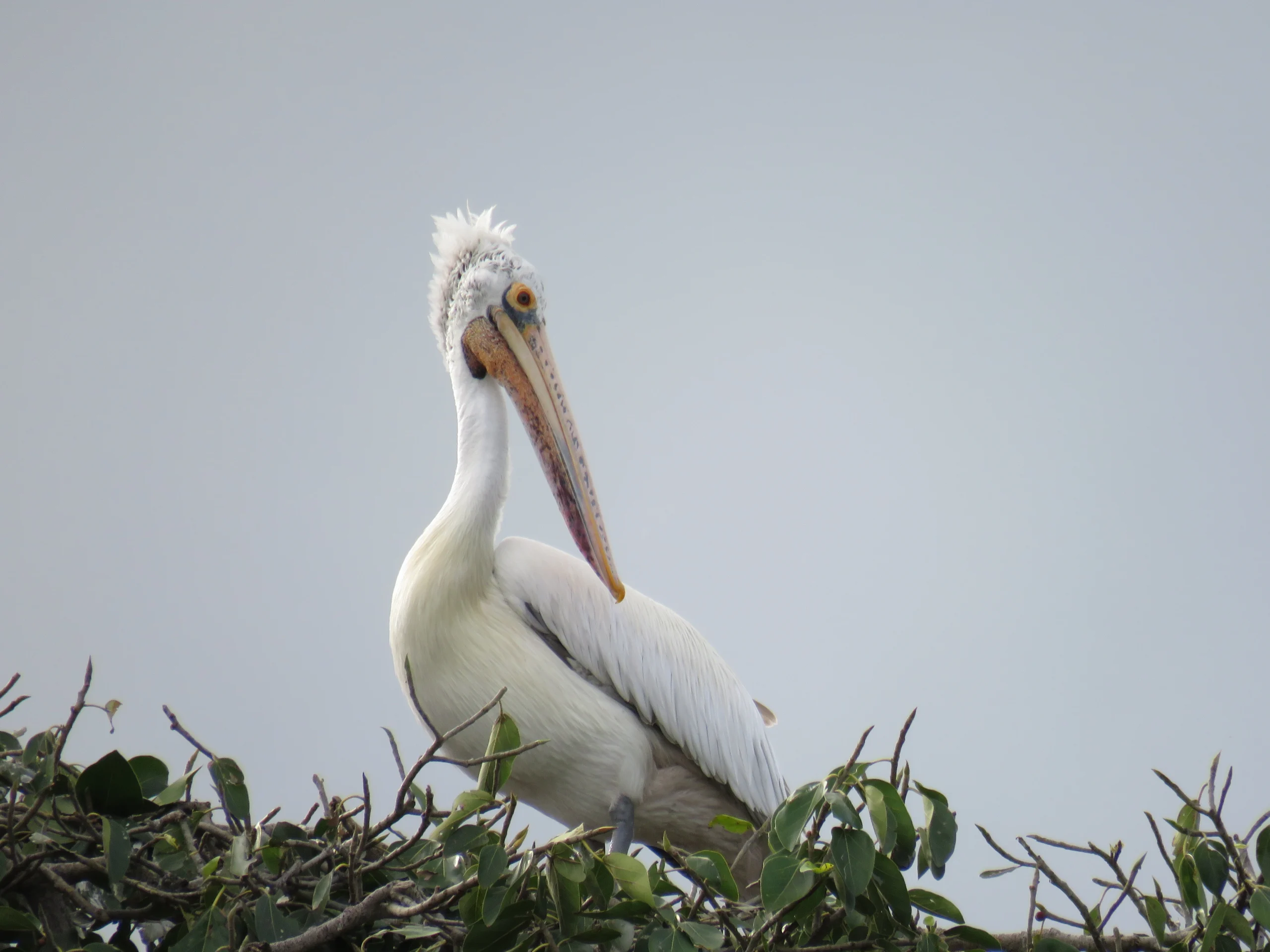
Spot-billed Pelican
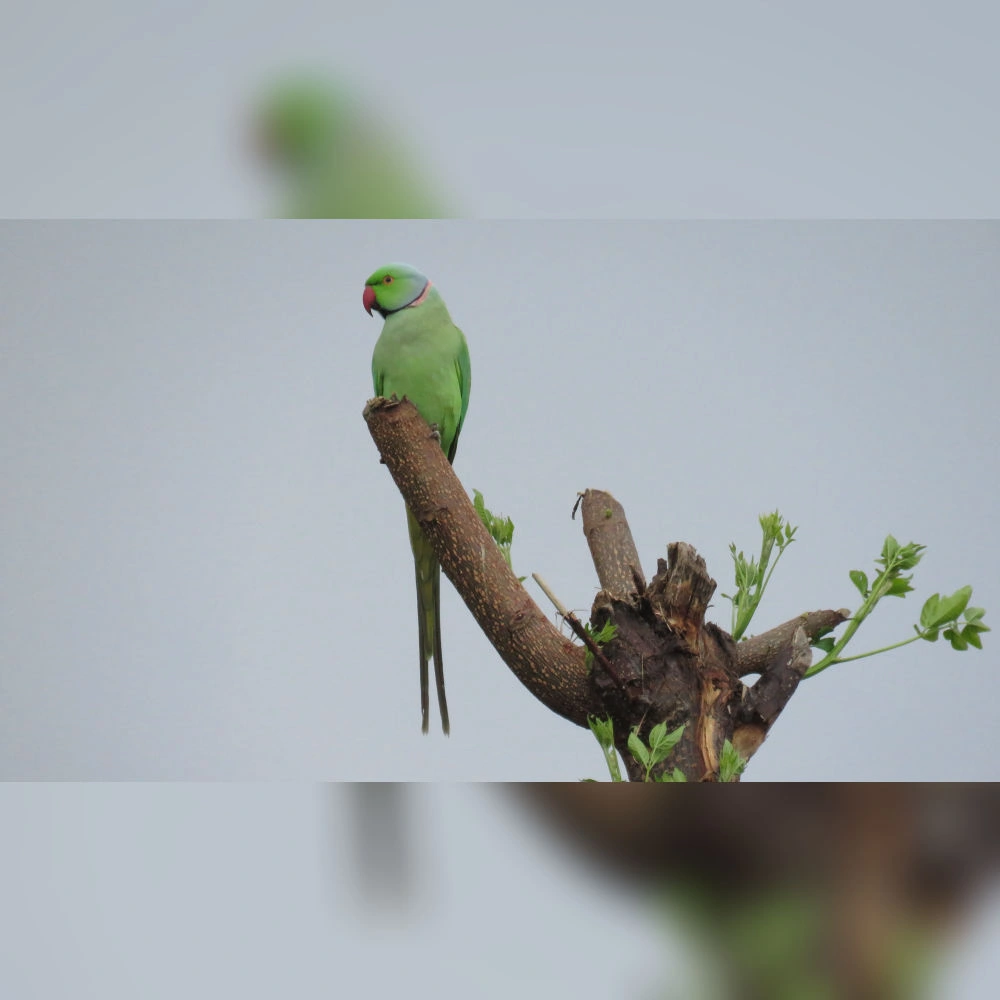
Rose-ringed Parakeet
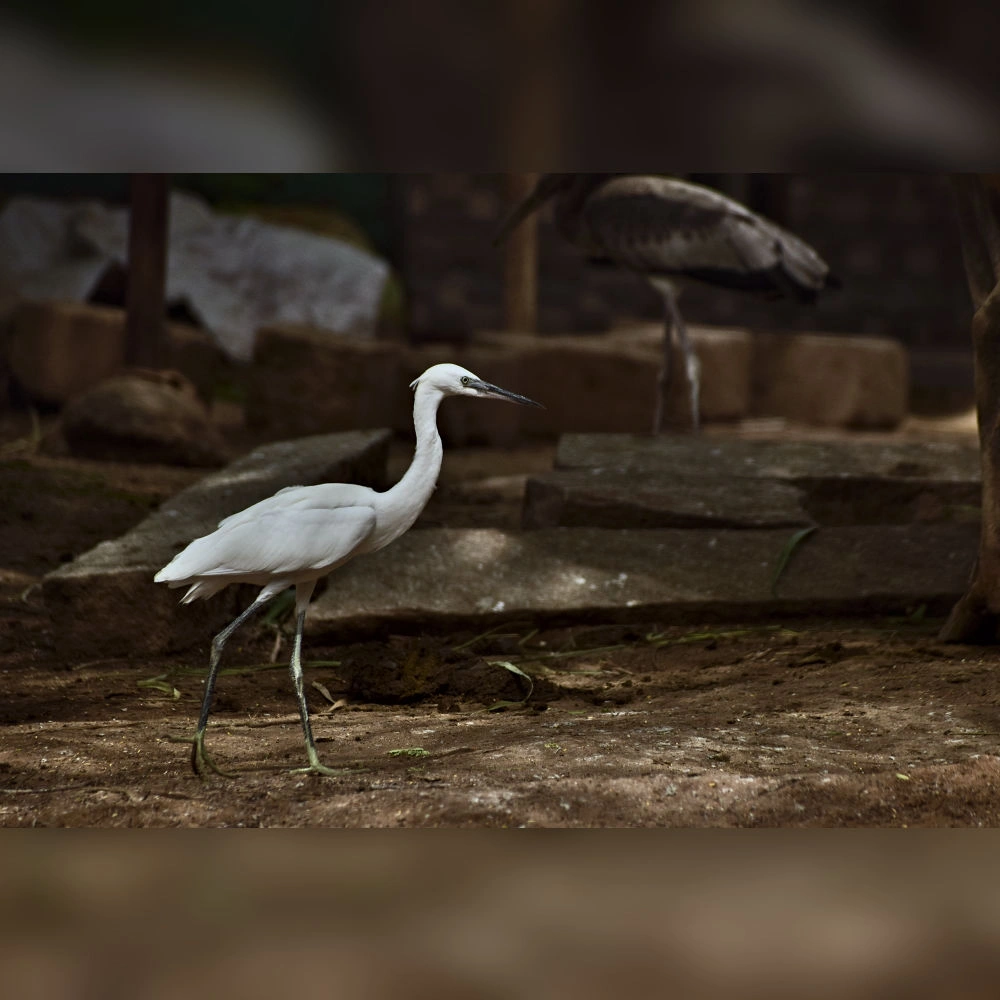
Little Egret
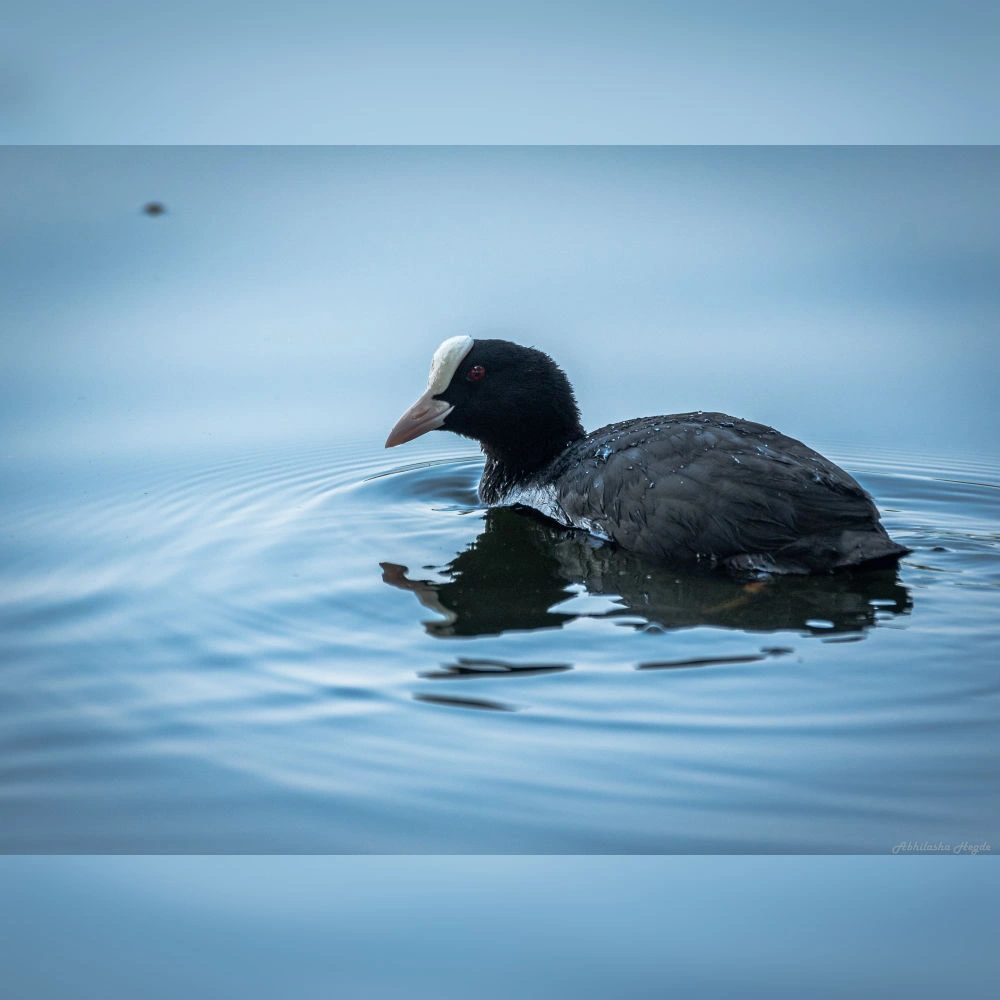
Eurasian Coot
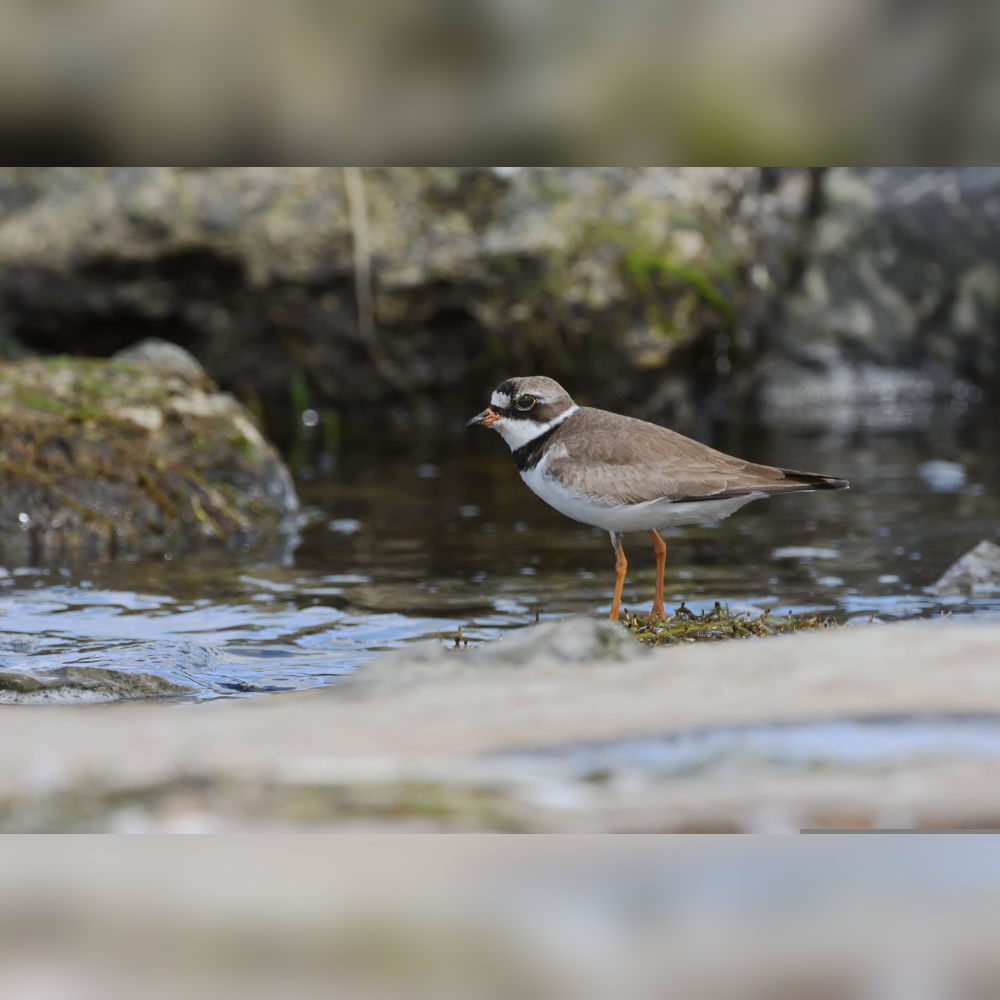
Little-ringed Plover
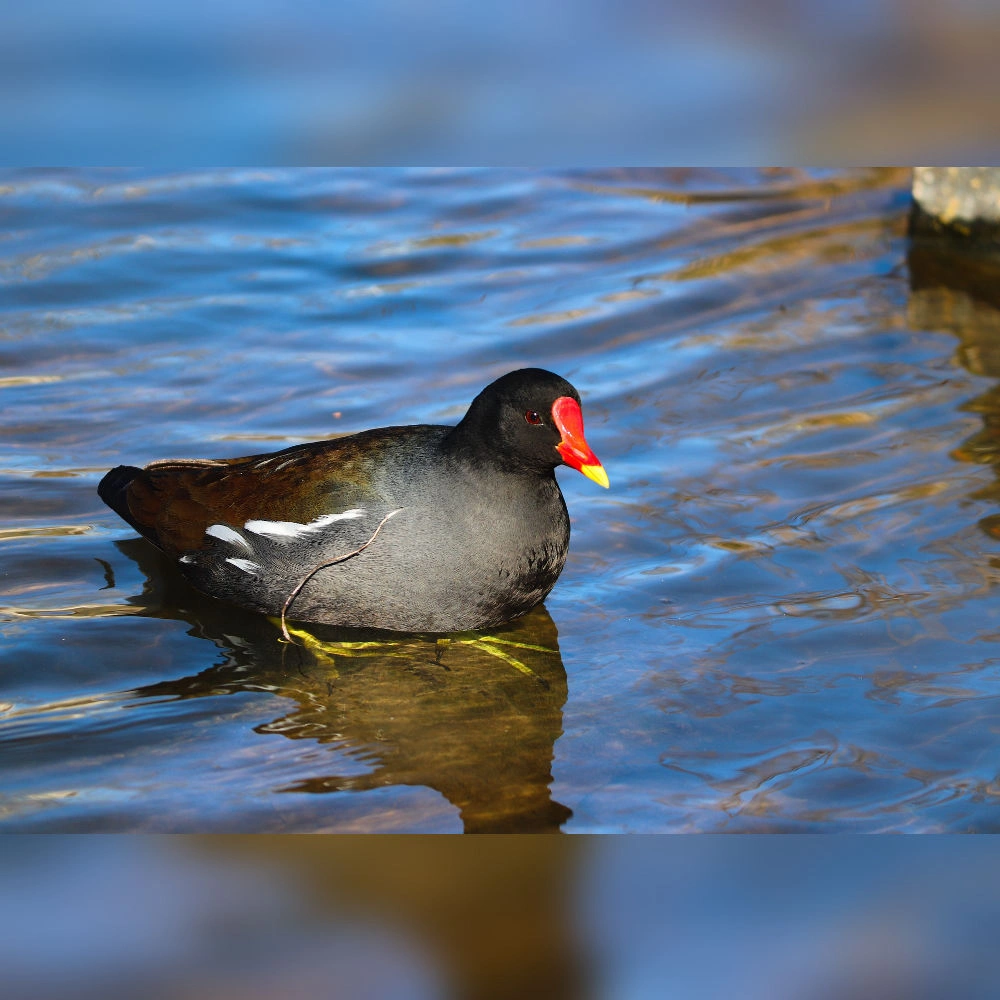
Eurasian Moorhen
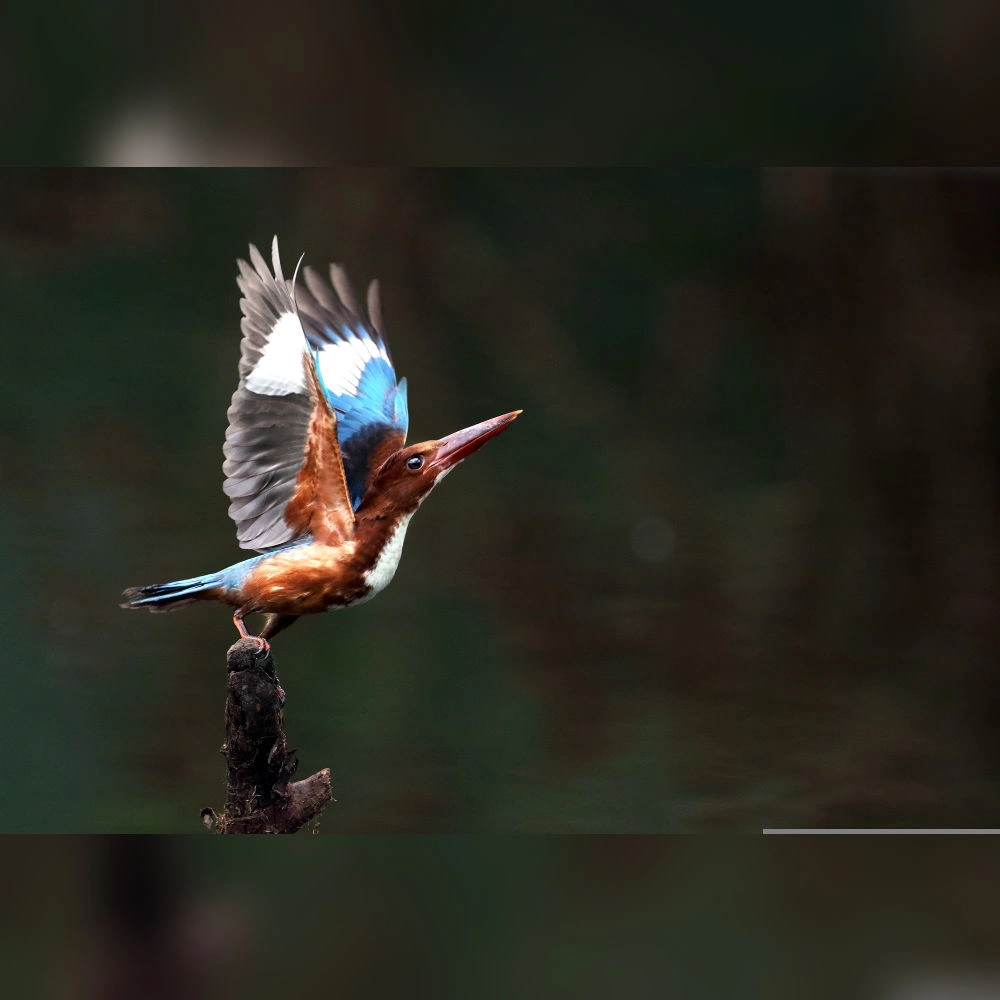
White-throated Kingfisher
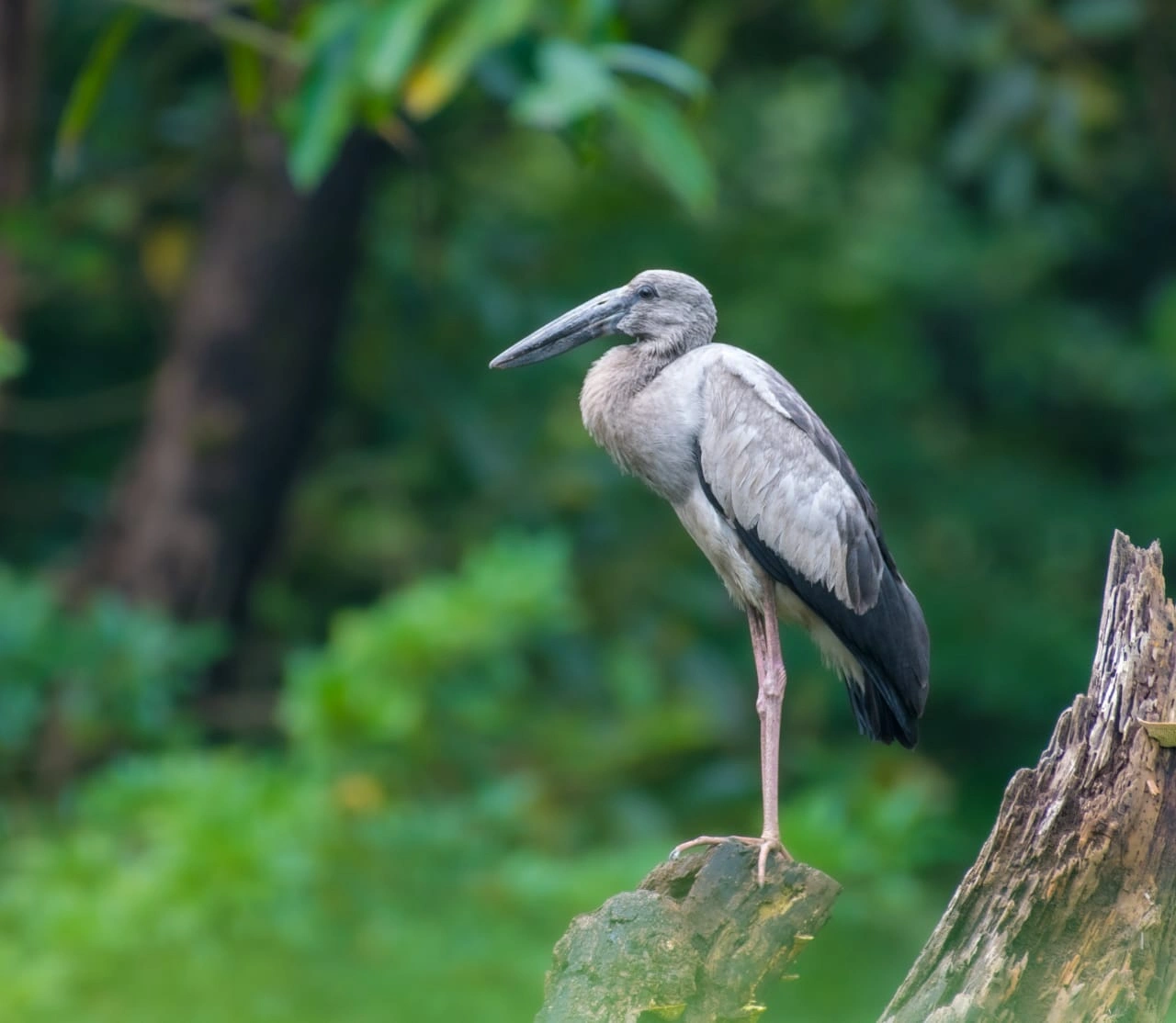
Asian Openbill
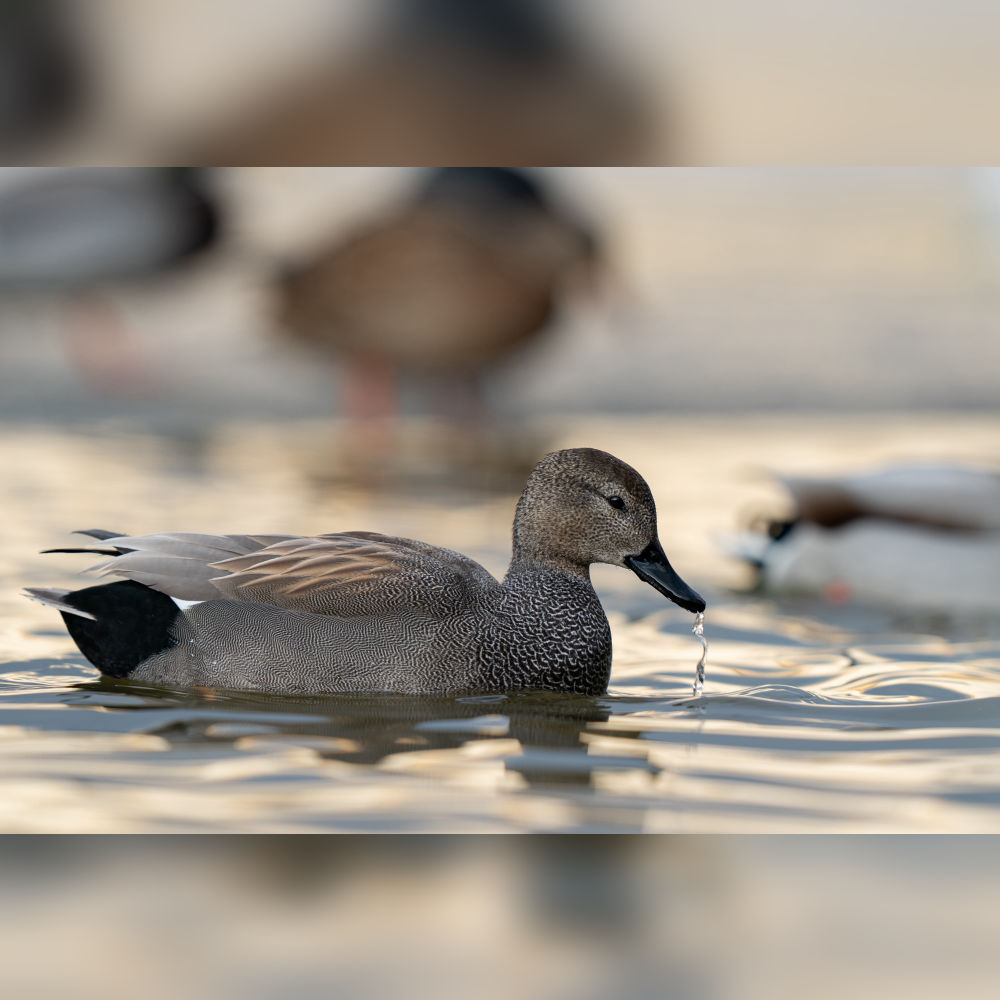
Gadwall
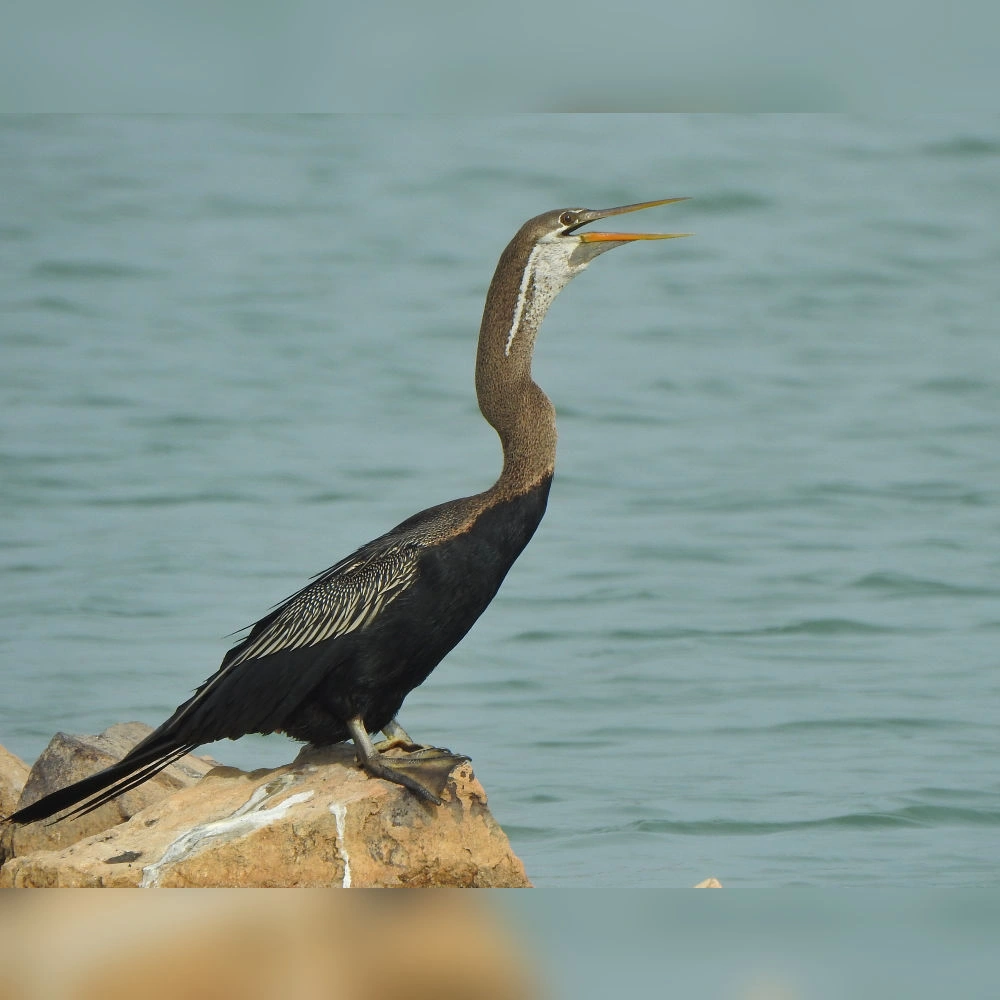
Oriental Darter
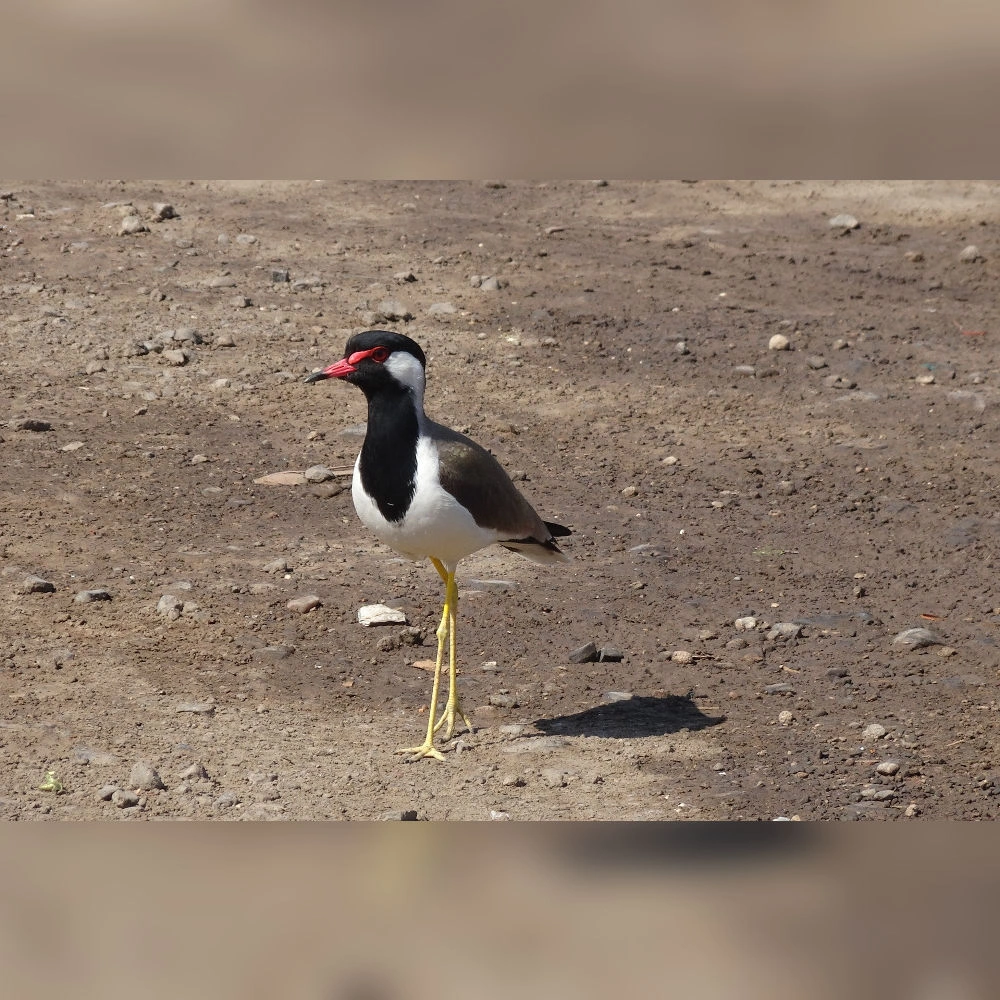
Red-wattled Lapwing
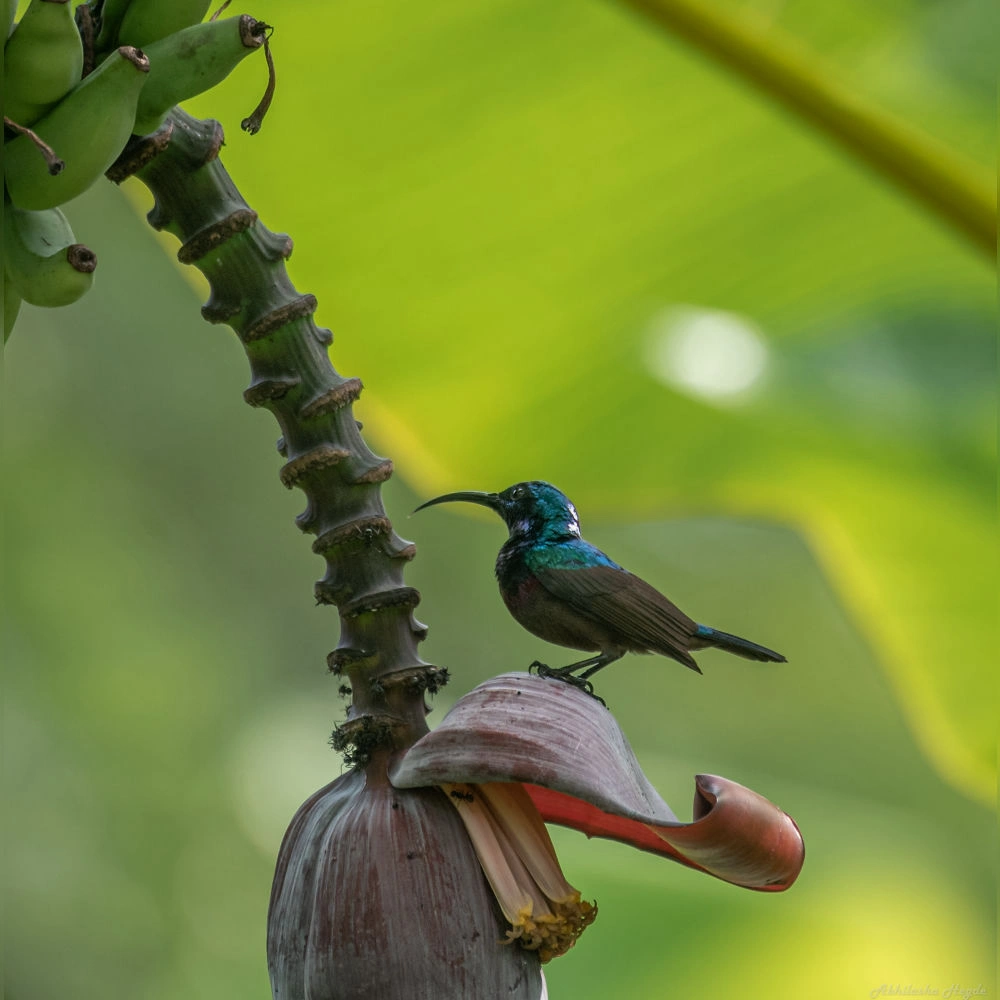
Purple Sunbird

Summary of Walk

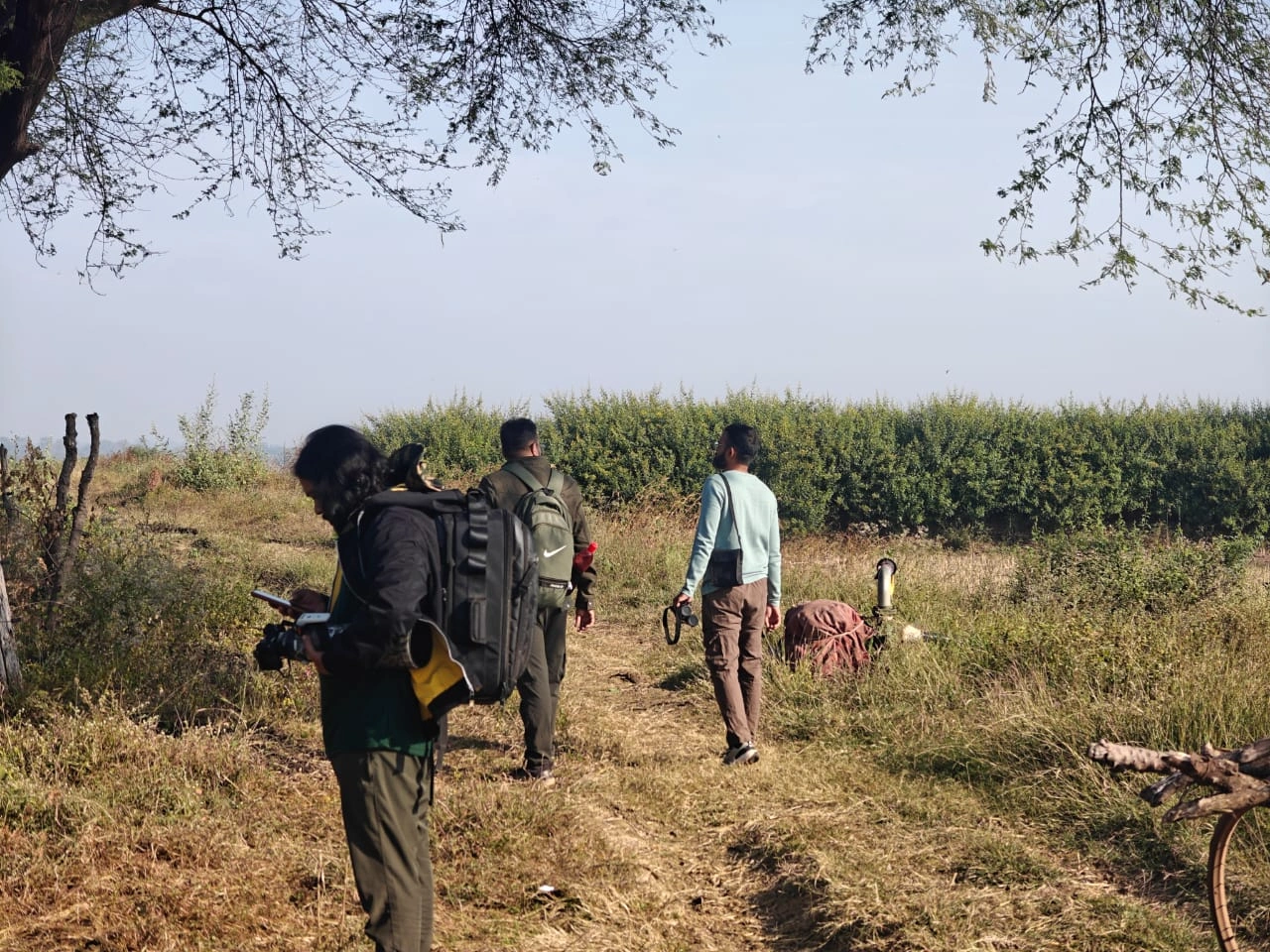
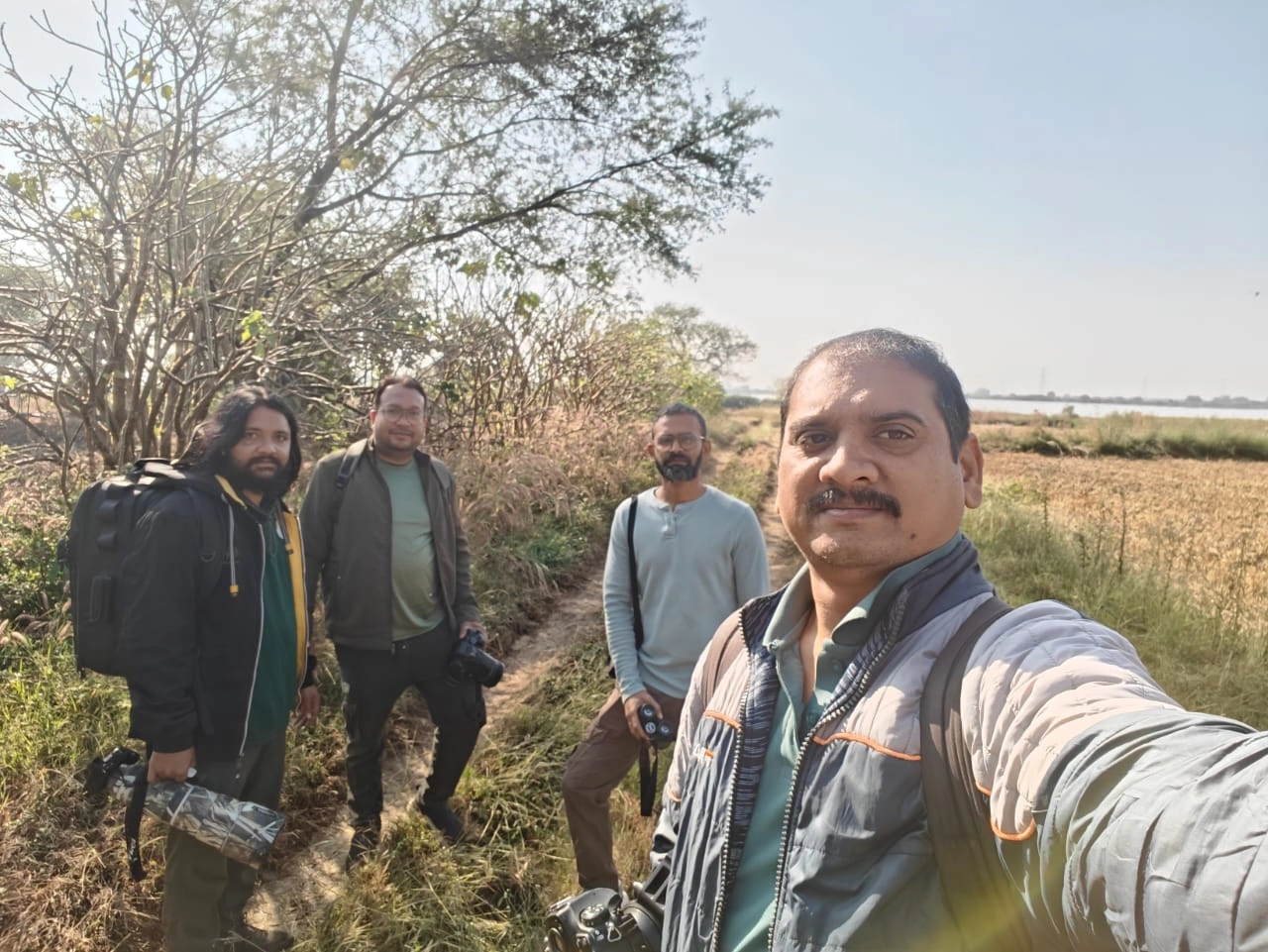
The bird walk at Ruse Dam, Chhattisgarh, led by Prateek Thakur, brought together a small yet enthusiastic group of three participants for a highly rewarding morning. Ruse Wetland is the only site in the region known for sightings of the Common Crane, and with four individuals spotted just two weeks earlier, the walk was shifted to this location in hopes of seeing them again. Although the cranes remained elusive, the group recorded an impressive 51 bird species, making the session exceptionally rich and engaging.
The walk was filled with memorable wildlife moments, including a Spotted Owl resting inside a tree hole, a Black Kite displaying aggressive behaviour toward a Honey Buzzard, and a dramatic hunting party of over 100 Cormorants. The group also managed to photograph the rarely seen House Martin, a challenging and uncommon sighting. Adding to the excitement was the appearance of the Vulnerable River Tern, and the undeniable highlight—a Lesser Black-backed Gull, a species rarely recorded in Chhattisgarh and spotted in the state after five years. The morning was alive with bird calls, unique behaviours, and remarkable sightings, making it an unforgettable experience for all who joined.
Number of Participants
0
Scroll to Top