

Bird walk at Kukas Road, Gujarat
- Gujarat
- 28 February, 2026
- Rs 250/- per head
- Fee collected goes entirely to the bird guide. Ataavi does not retain or profit from this amount.
About Kukas Road
Located on the outskirts of Jaipur along the Jaipur–Delhi highway, Kukas Road stretches through the rugged folds of the ancient Aravalli hills. This semi-arid landscape is a mosaic of rocky outcrops, dry scrub forest, open grass patches, and scattered agricultural fields. Seasonal water bodies formed during the monsoon briefly transform the terrain, attracting a burst of life. The vegetation is typical of Rajasthan’s dry zone, dotted with dhok (Anogeissus pendula), babool (Acacia nilotica), khejri (Prosopis cineraria), and hardy shrubs adapted to withstand harsh summers and minimal rainfall. Despite its seemingly harsh conditions, Kukas Road supports remarkable biodiversity. The scrub and grasslands provide habitat for species such as Indian Peafowl, lapwings, larks, shrikes, and pipits, while raptors like kites and eagles patrol the thermals above the hills.
During winter, migratory birds add to the diversity, making it a rewarding site for birdwatchers seeking open-country and dryland specialists. Reptiles, small mammals, and a variety of insects further enrich the ecosystem, highlighting the ecological value of this transitional habitat between urban Jaipur and wild Aravalli terrain. However, Kukas Road faces increasing pressure from rapid infrastructure development, resort expansion, quarrying in the Aravallis, vehicular disturbance, and habitat fragmentation. As Jaipur continues to expand, these open landscapes are steadily shrinking. Conservation awareness, responsible birding, and sustainable land-use planning are essential to protect this fragile ecosystem. Kukas Road stands as a reminder that even along a busy highway, pockets of wild Rajasthan still survive, offering a glimpse into the resilience of the Aravalli wilderness.
Partnered with

Bird Guide - Bhargav Limbachiya
An avid birdwatcher with five years of experience, birding is purely his passion. With a keen eye in the field and a constant desire to learn more, he loves sharing his knowledge and inspiring others to understand and conserve birds.
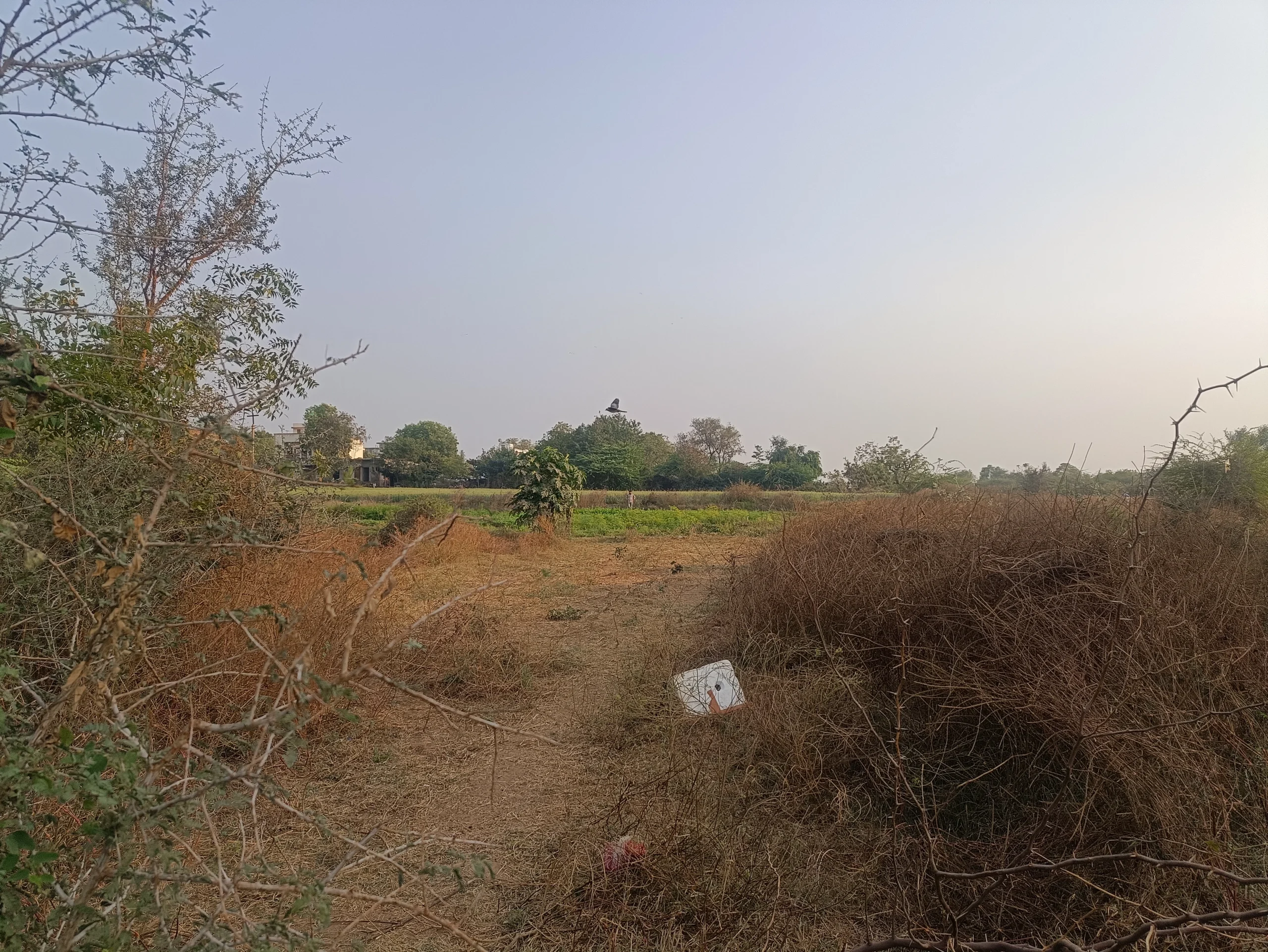
Bird walk Location
Common birds of Kukas Road
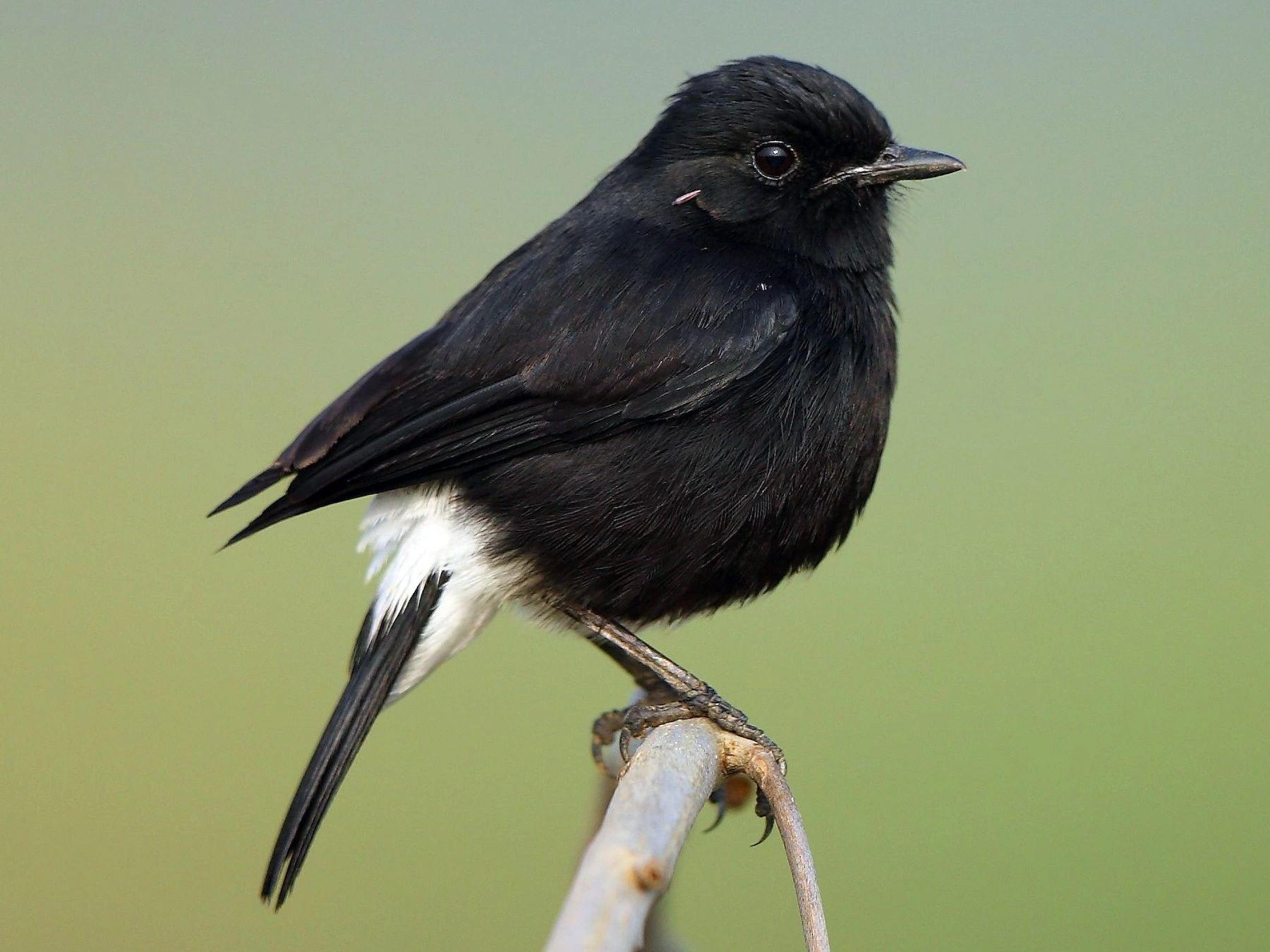
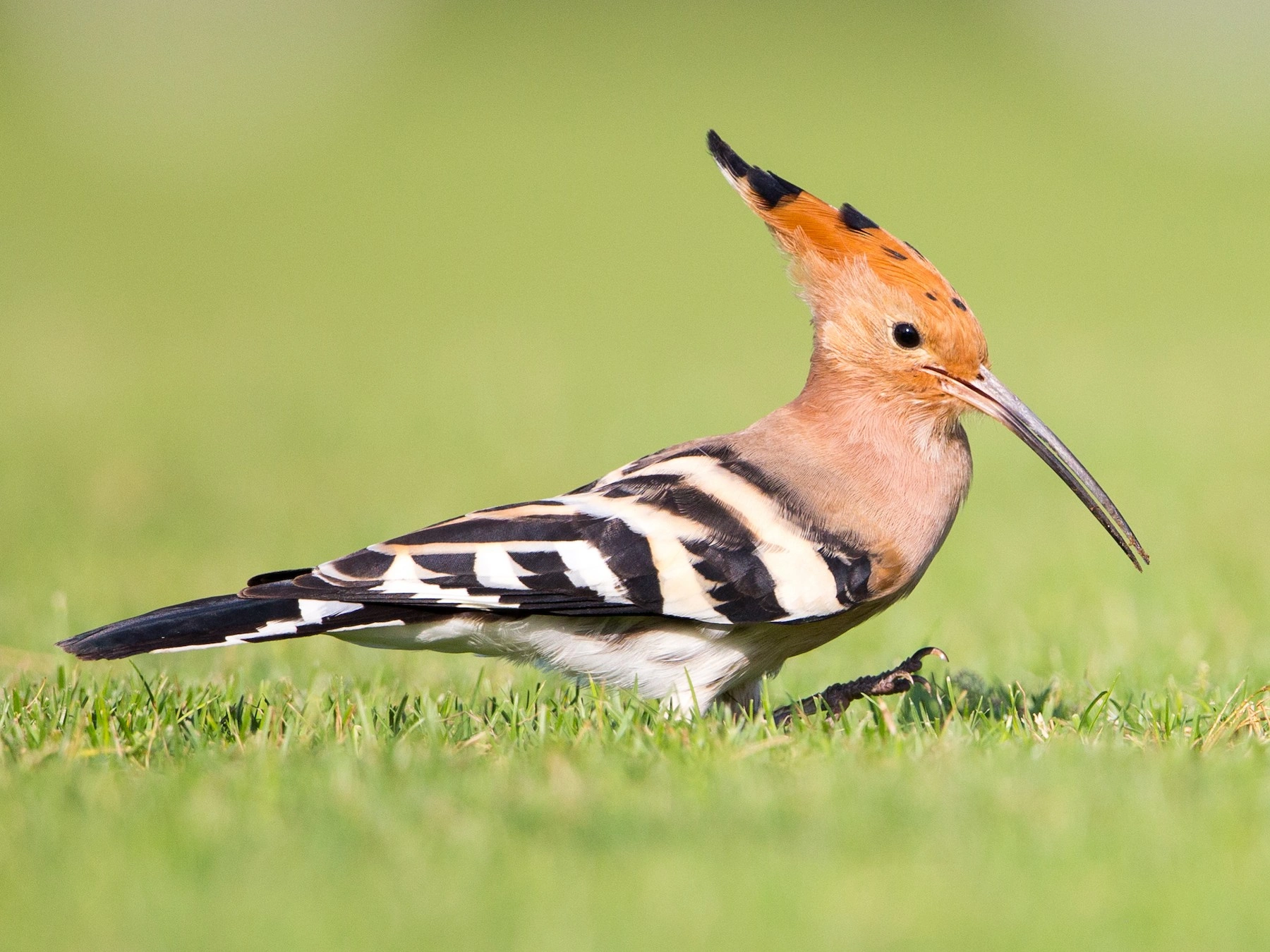
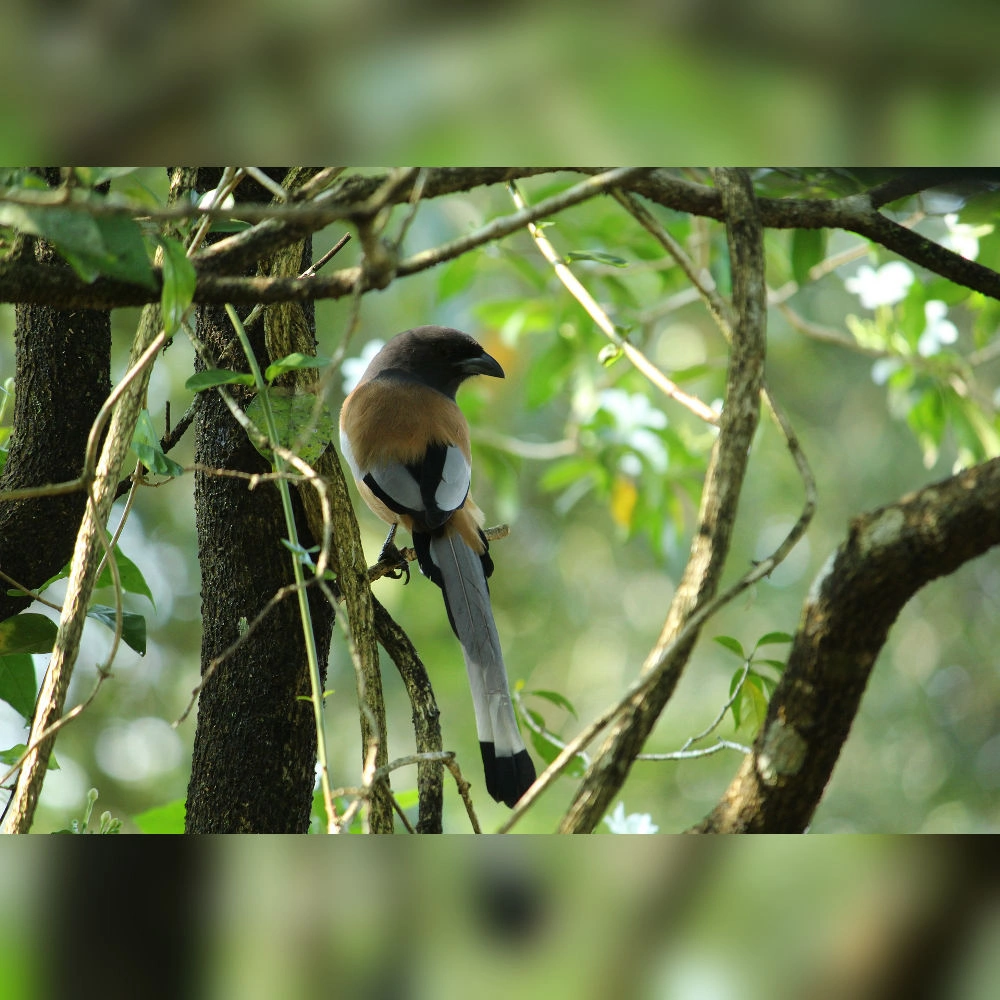
The landscape thrives with a delightful blend of open-country, woodland, and wetland birds, creating a vibrant birding experience throughout the seasons. Perched atop shrubs and fence lines, the charming Pied Bushchat keeps watch, while the striking Eurasian Hoopoe probes the ground with its elegant crest raised high. The rhythmic drumming of the Flameback Woodpecker echoes from tree trunks, and the lively Rufous Treepie moves energetically through the canopy. Red-wattled Lapwings patrol open fields with their loud calls, and Rose-ringed Parakeets add splashes of green to the skyline. Fruit-laden trees often host Yellow-footed Green Pigeons and the metallic notes of the Coppersmith Barbet, while flocks of Rosy Starlings and the ever-adaptable Common and Brahminy Mynas animate the surroundings.
On the ground, Indian Peafowl and Francolins move cautiously through scrub and grass, while Little Egrets and Pond Herons quietly hunt along water edges. Long-tailed Shrikes sit boldly on exposed perches, Small Green Bee-eaters sally gracefully for insects, and House Sparrows remain close to human habitation. Above it all, raptors such as Shikra, Oriental Honey Buzzard, and Black Kite patrol the skies, completing a dynamic tapestry of color, calls, and behavior. Together, these species reflect the richness of a habitat where farmland, scrub, and wetlands blend seamlessly — offering bird enthusiasts a rewarding and ever-changing spectacle.

Pied Bushchat

Eurasian Hoopoe

Rufous Treepie
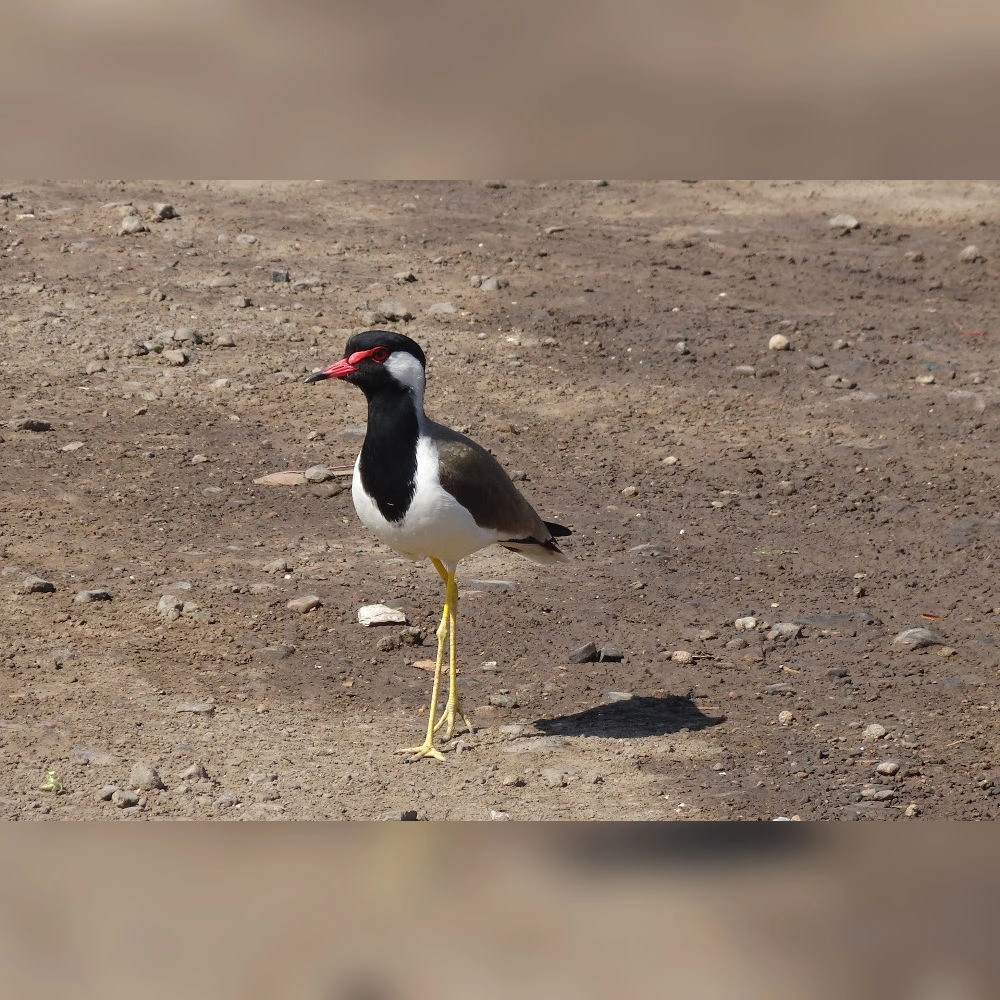
Red Wattled Lapwing
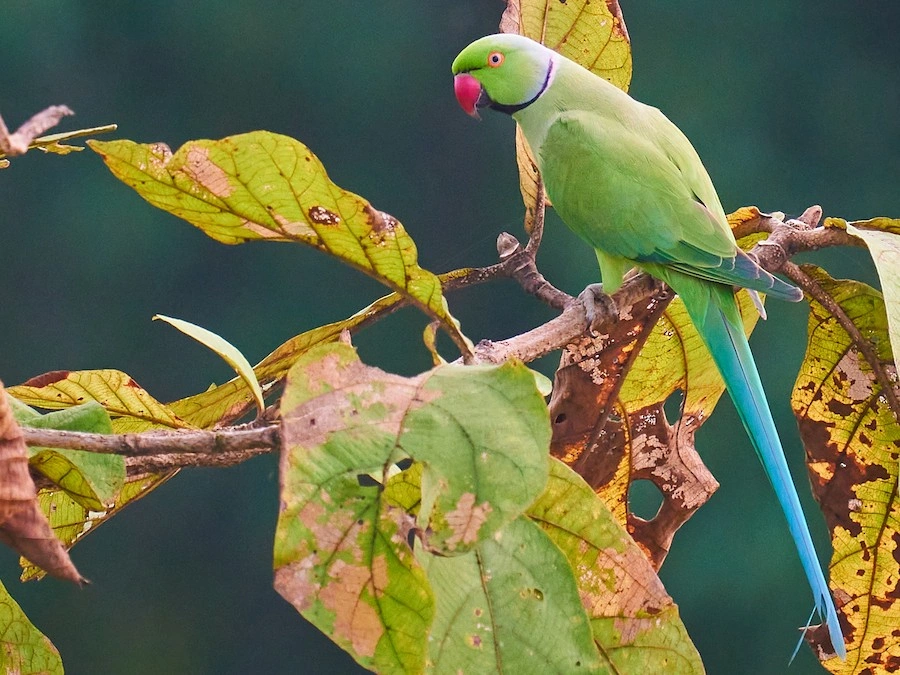
Rose Ring Parakeet
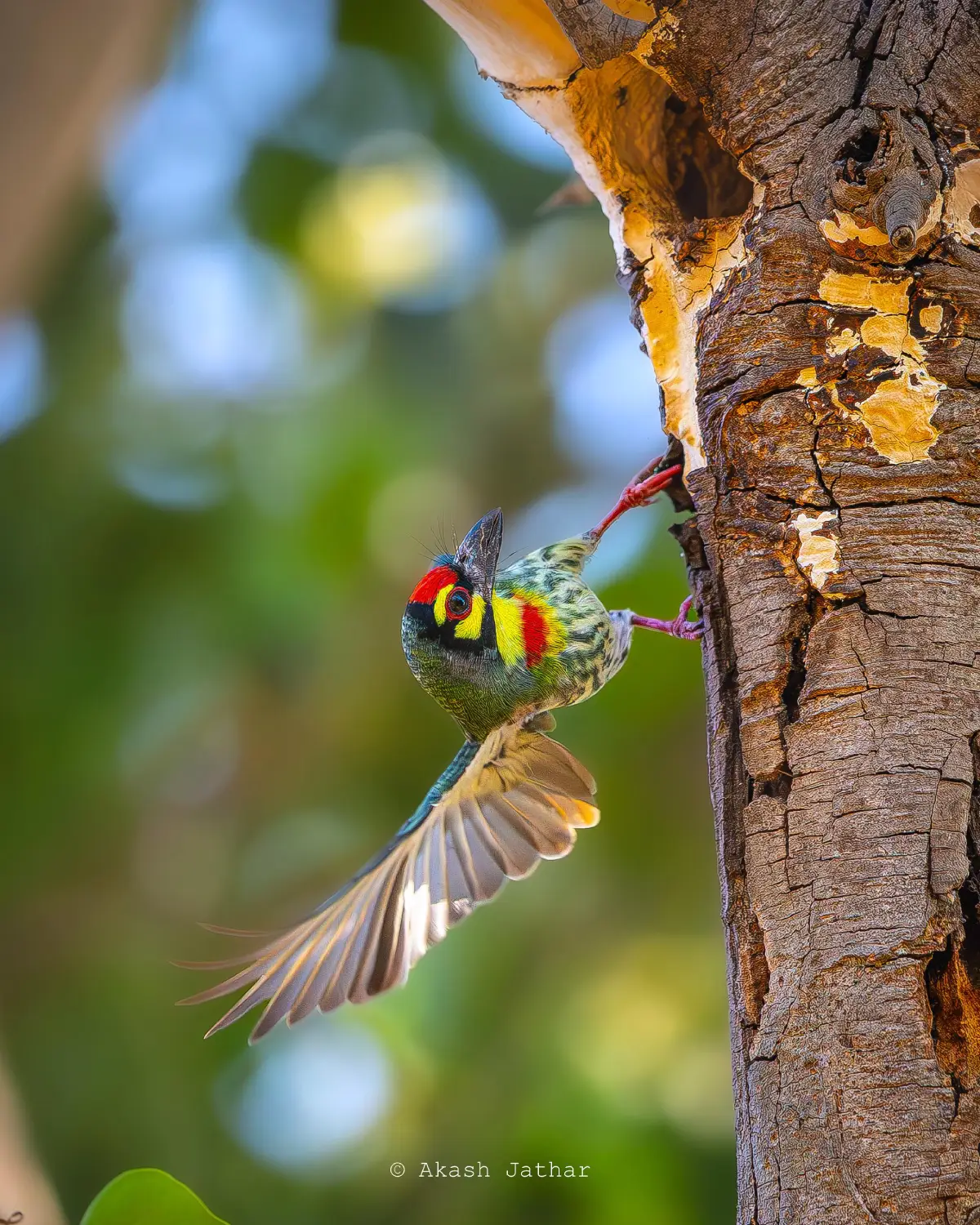
Coppersmith Barbet
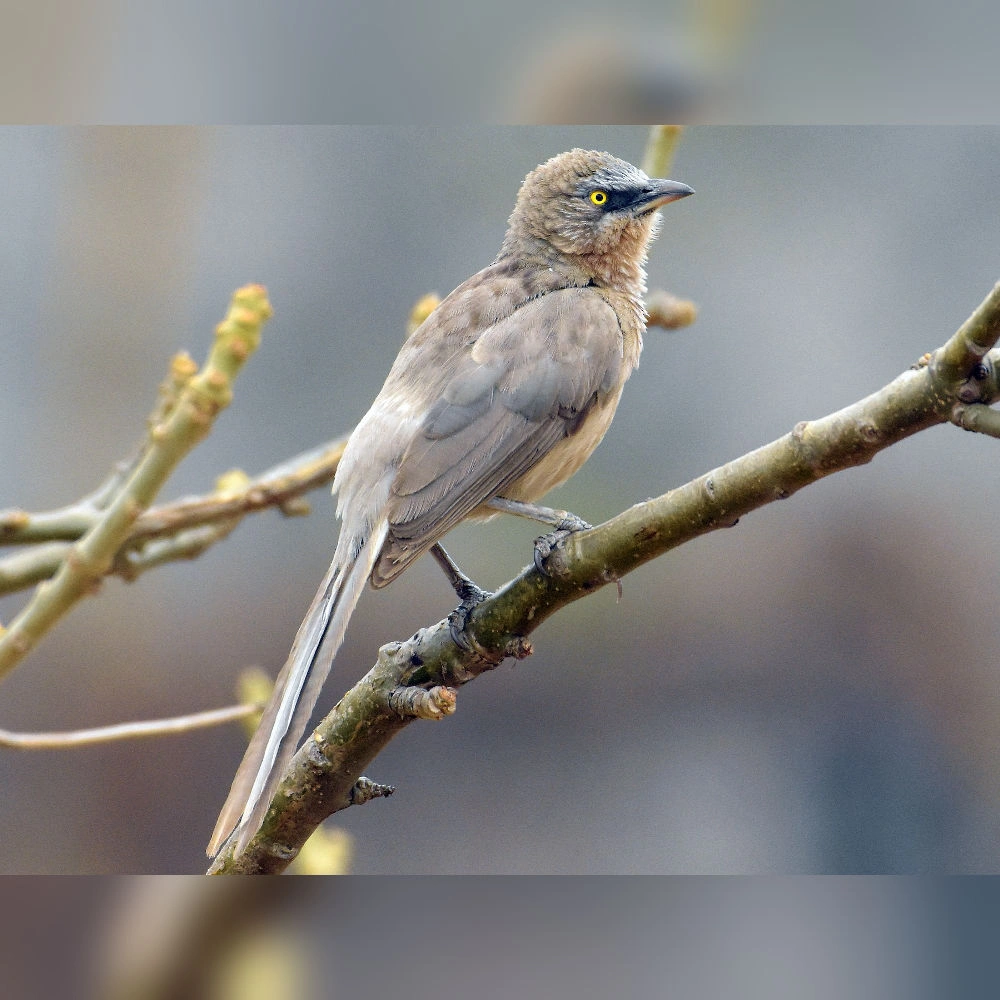
Grey Babbler
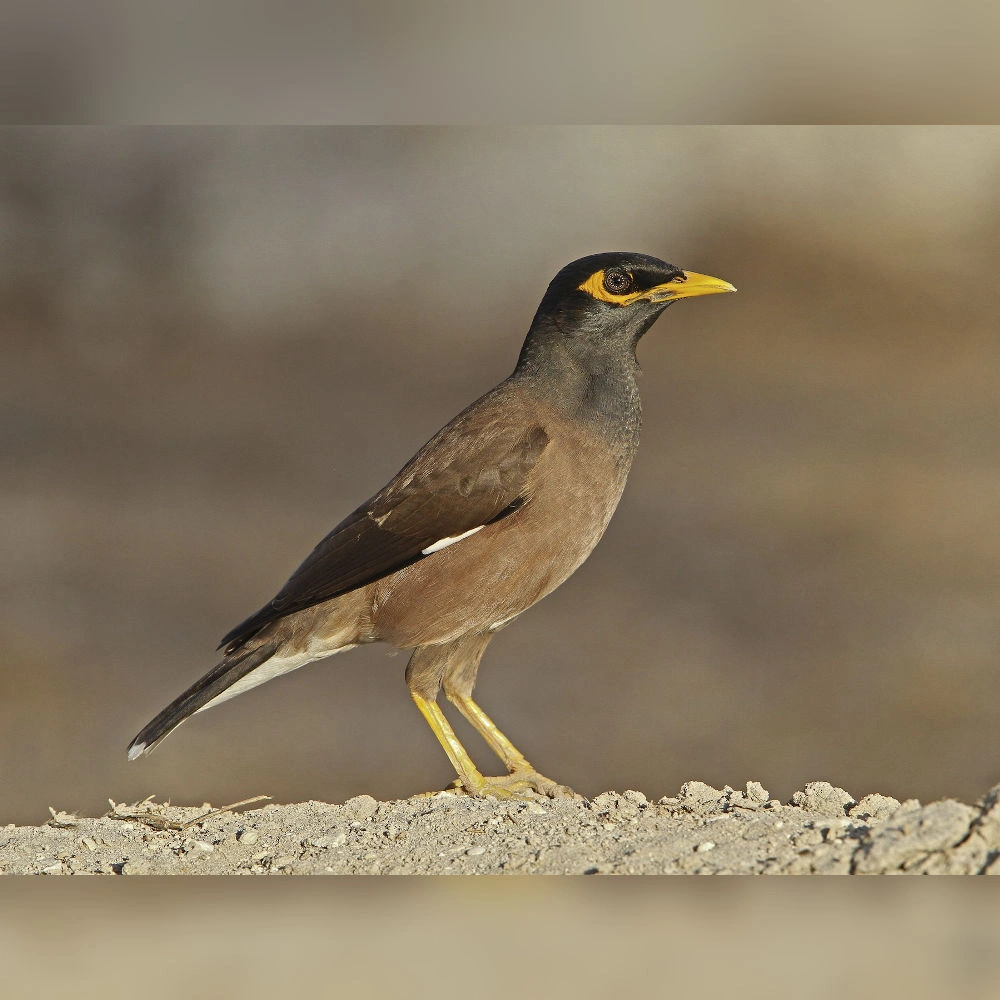
Common Myna
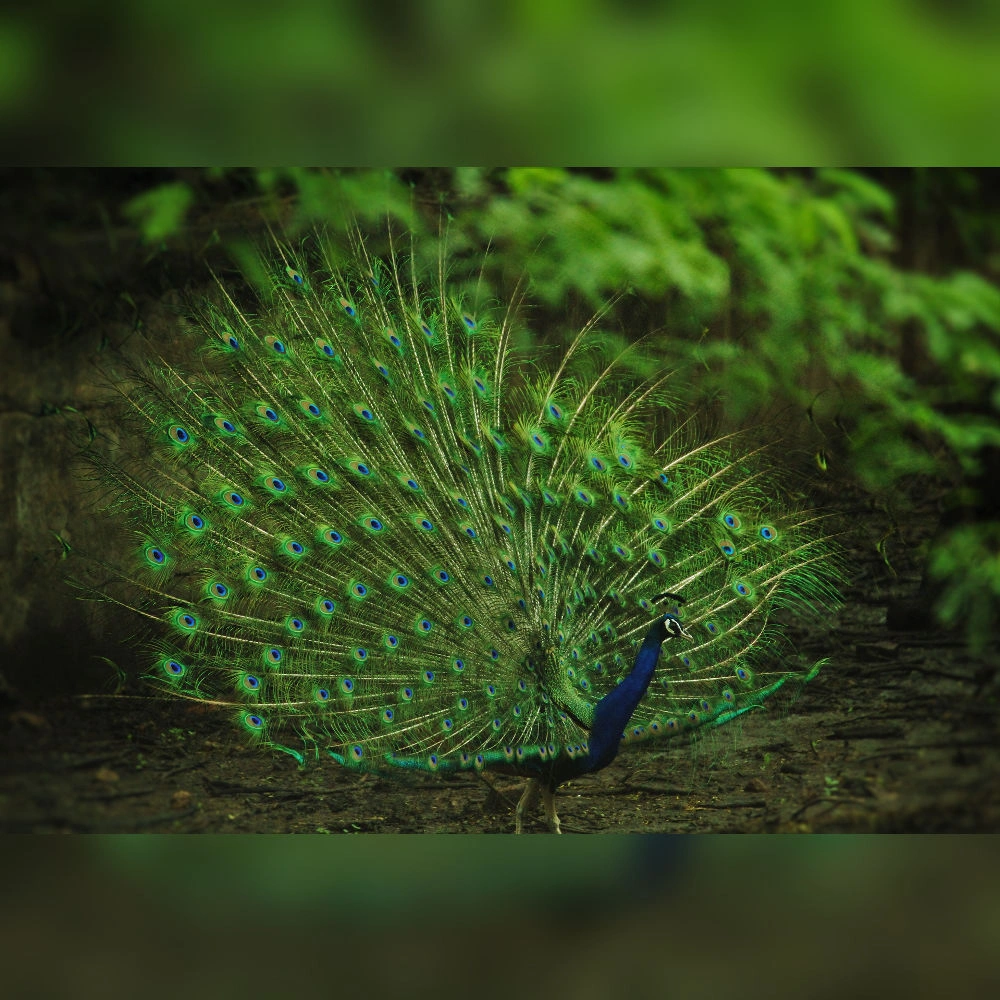
Indian Peafowl
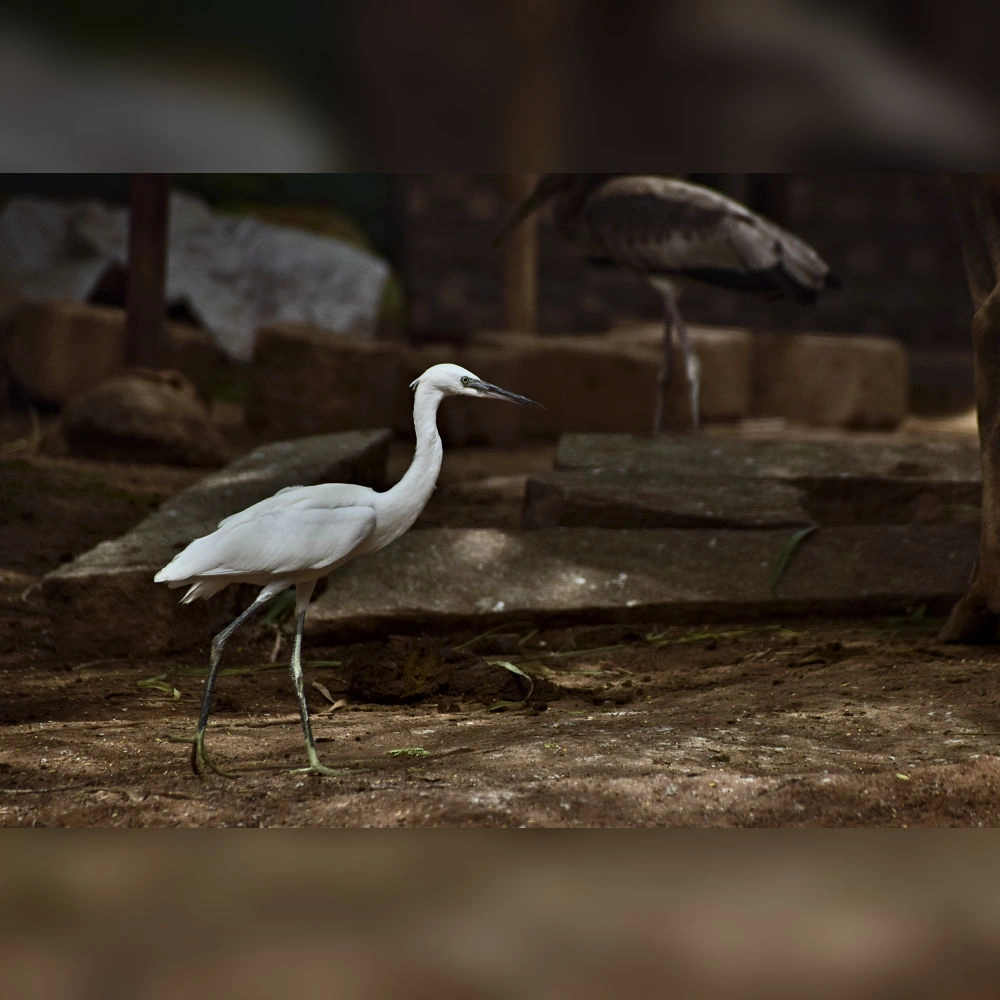
Little Egret
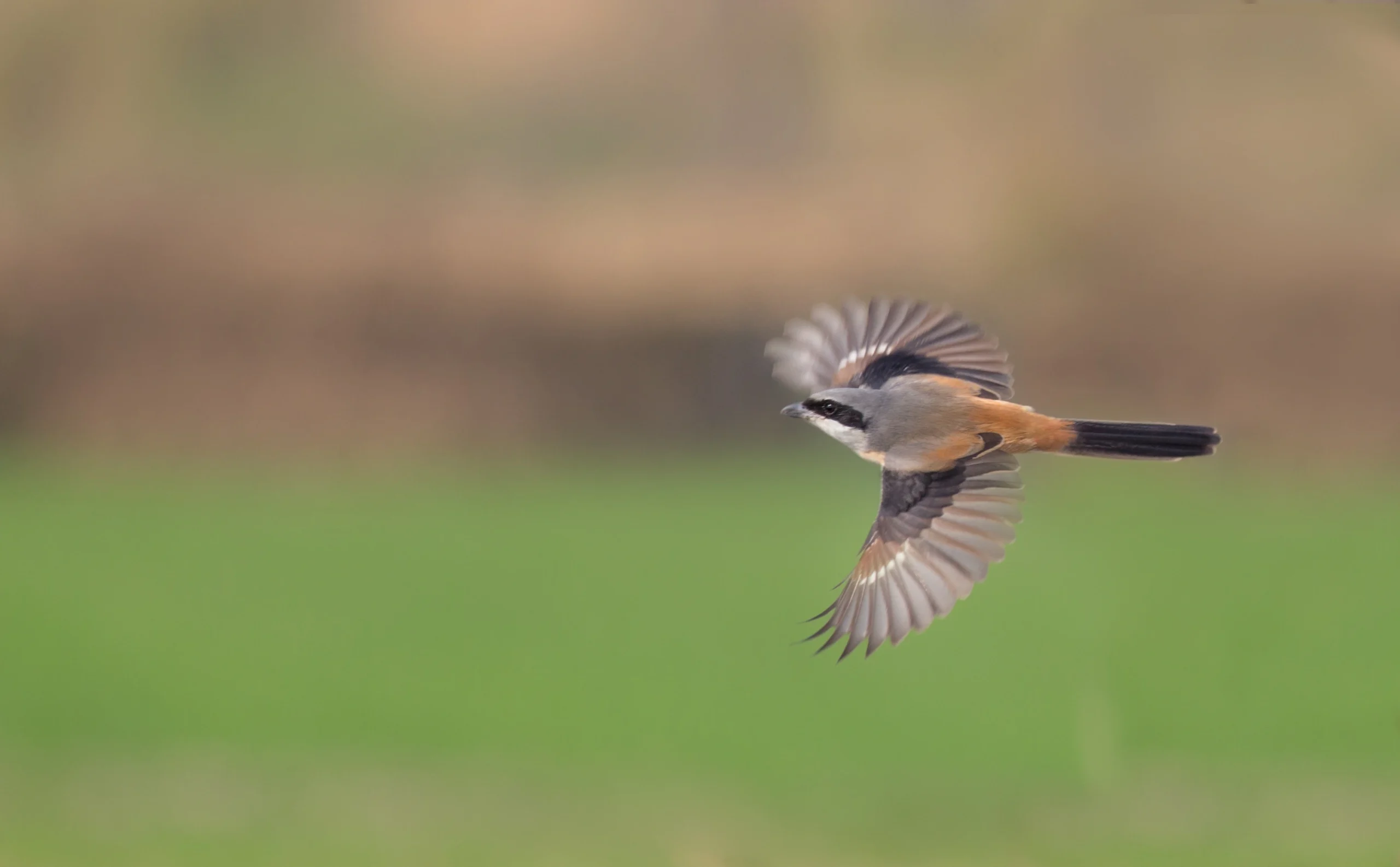
Long Tailed Shrike
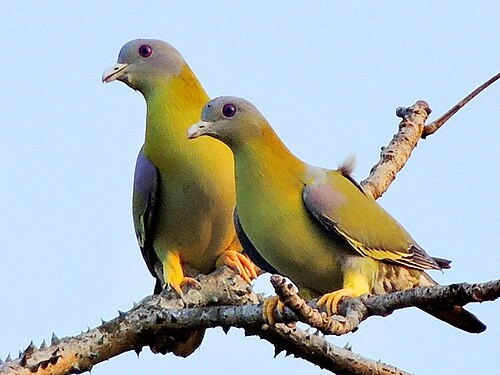
Yellow Footed Green Pigeon
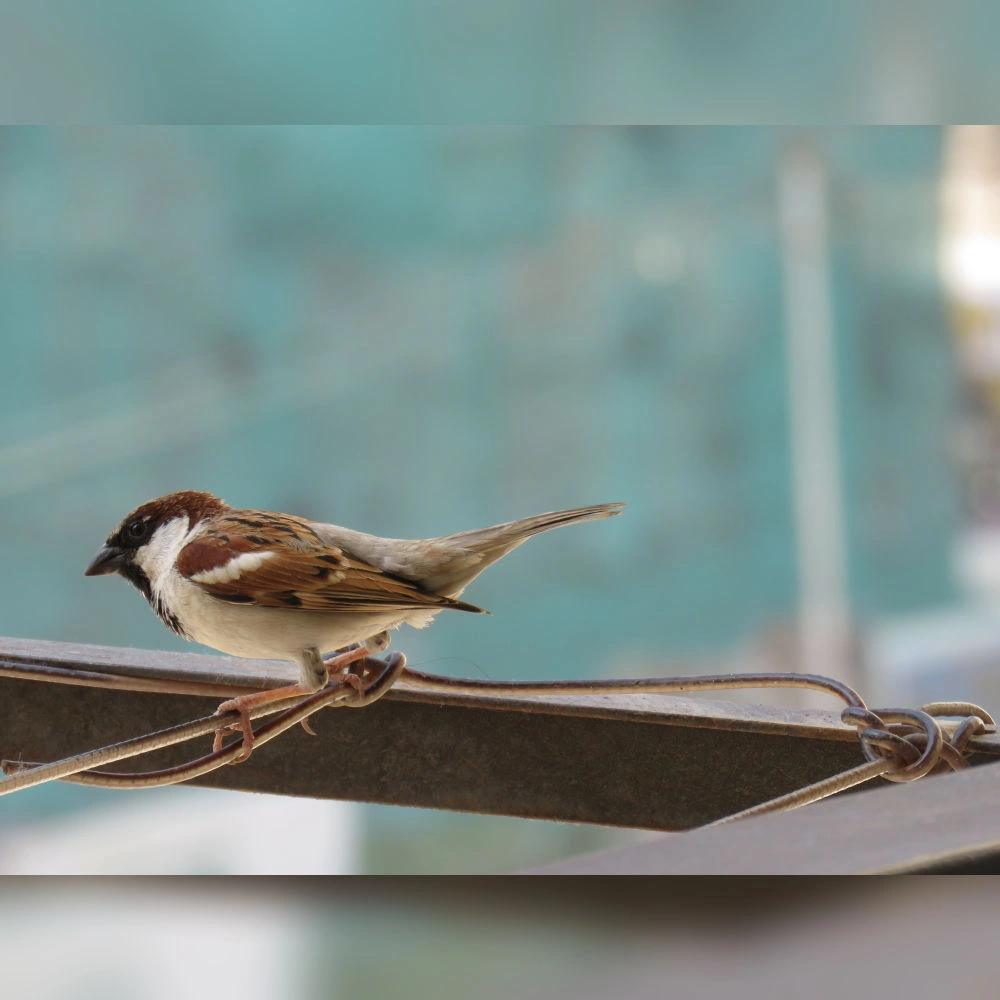
House Sparrow
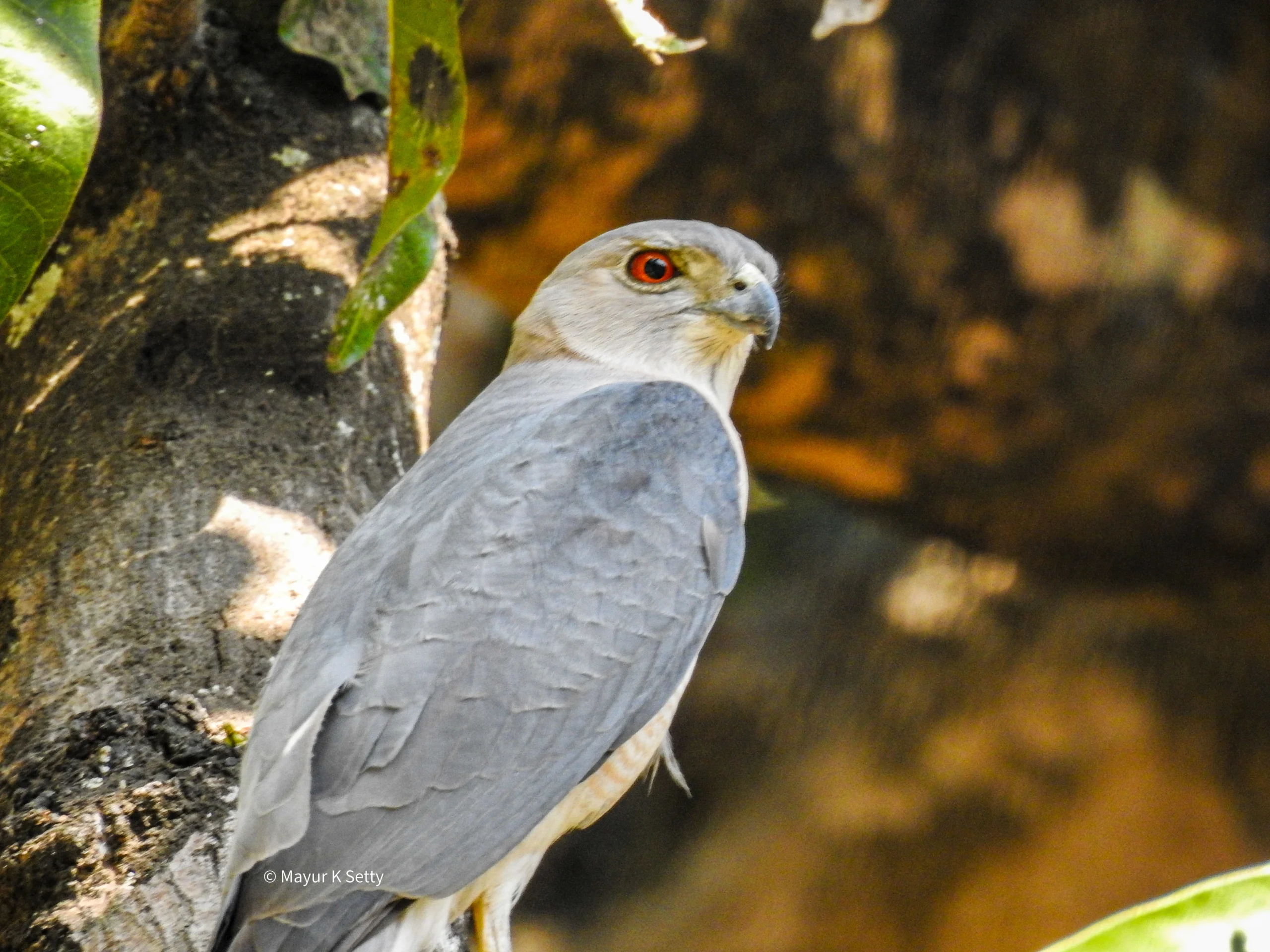
Shikra
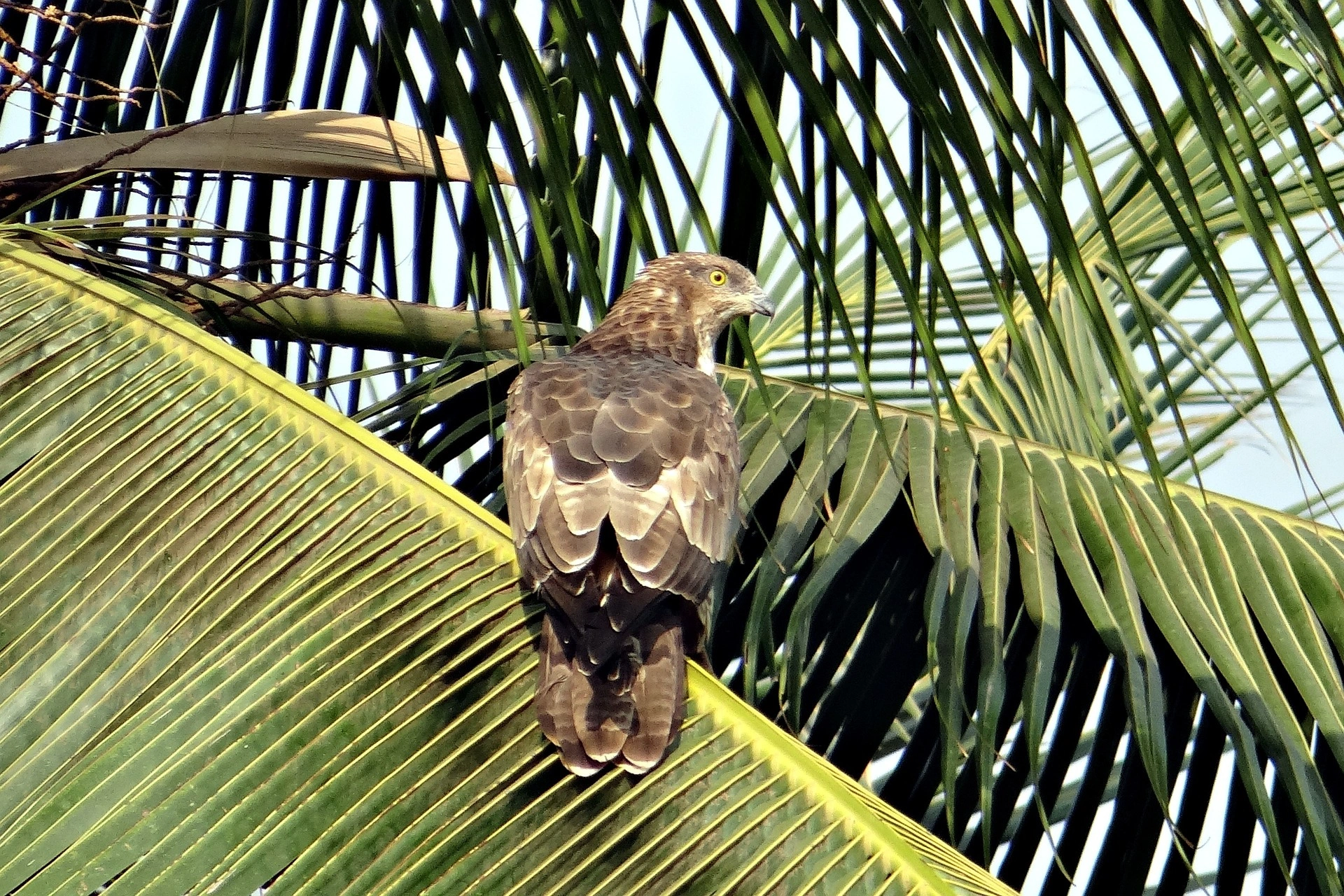
Oriental Honey Buzzard
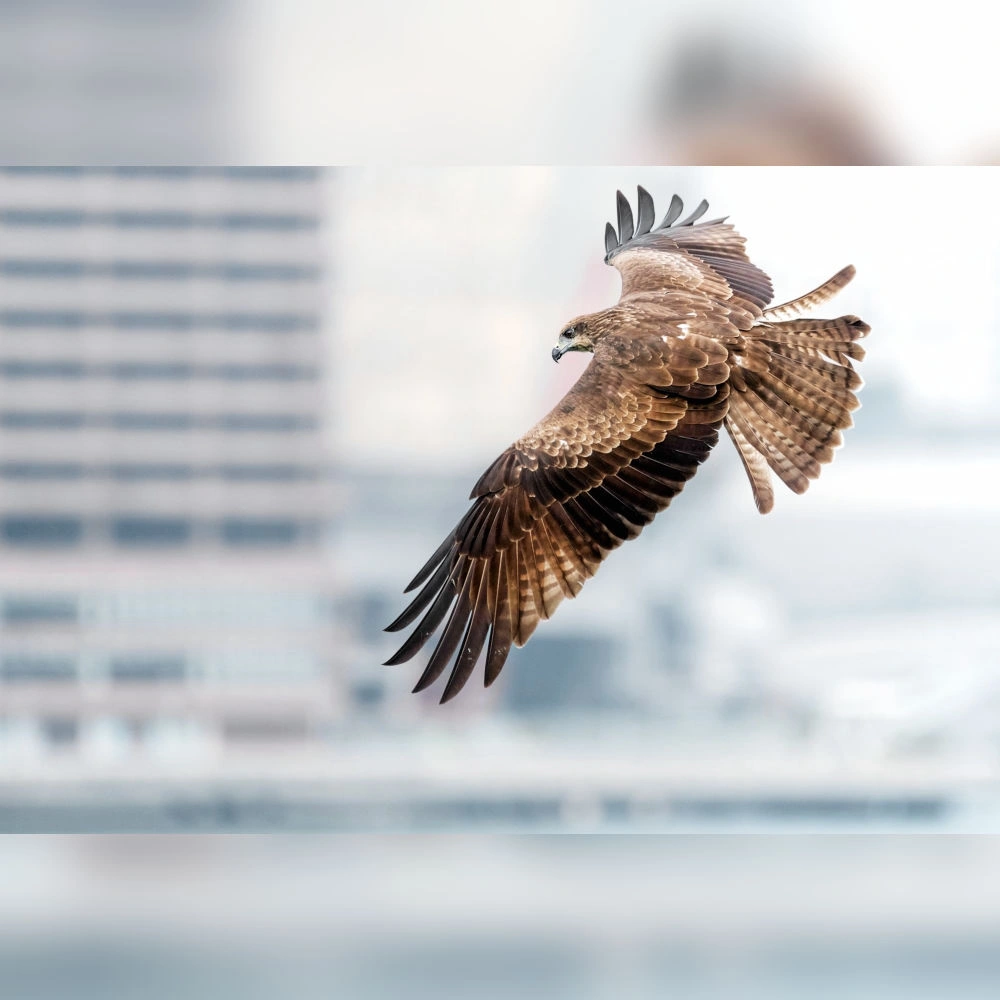
Black Kite
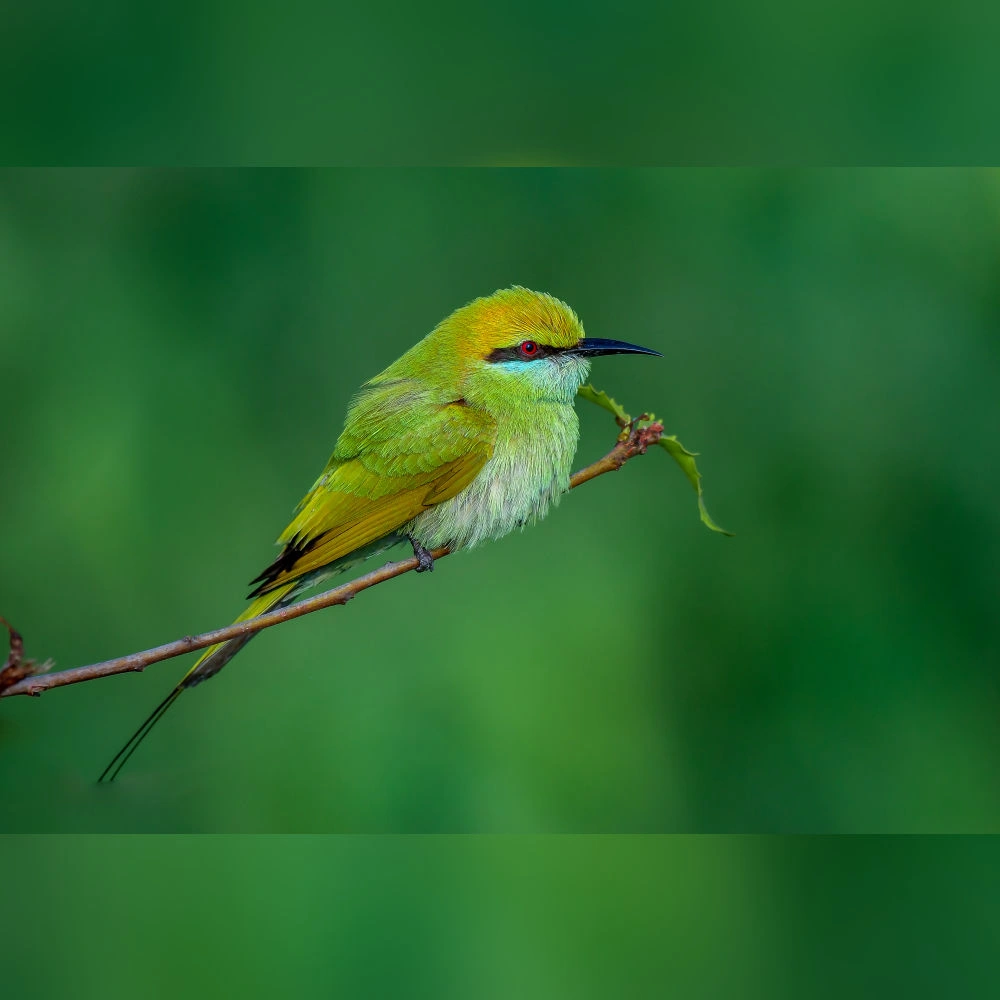
Asian Green Bee Eater
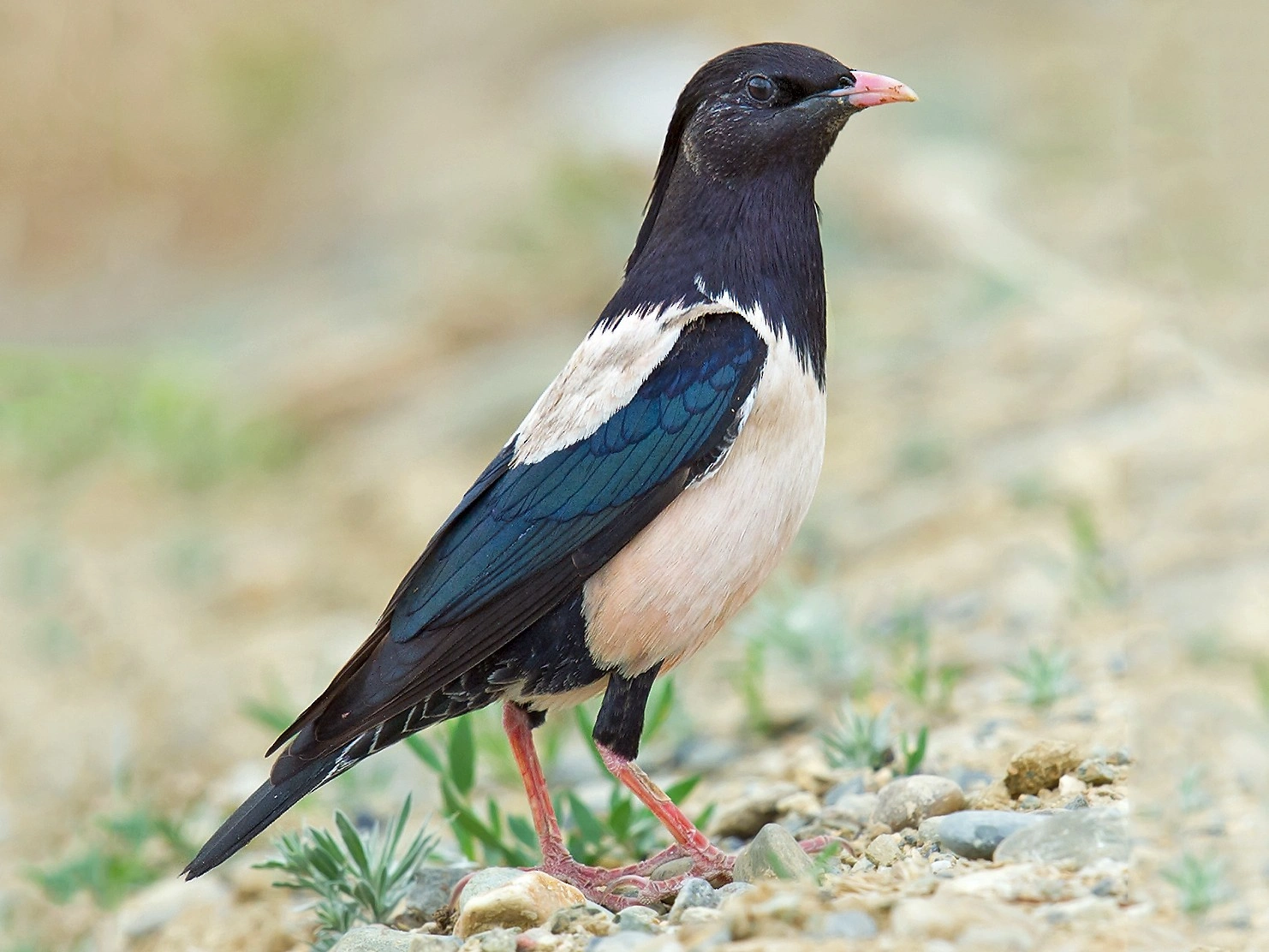
Rosy Starling
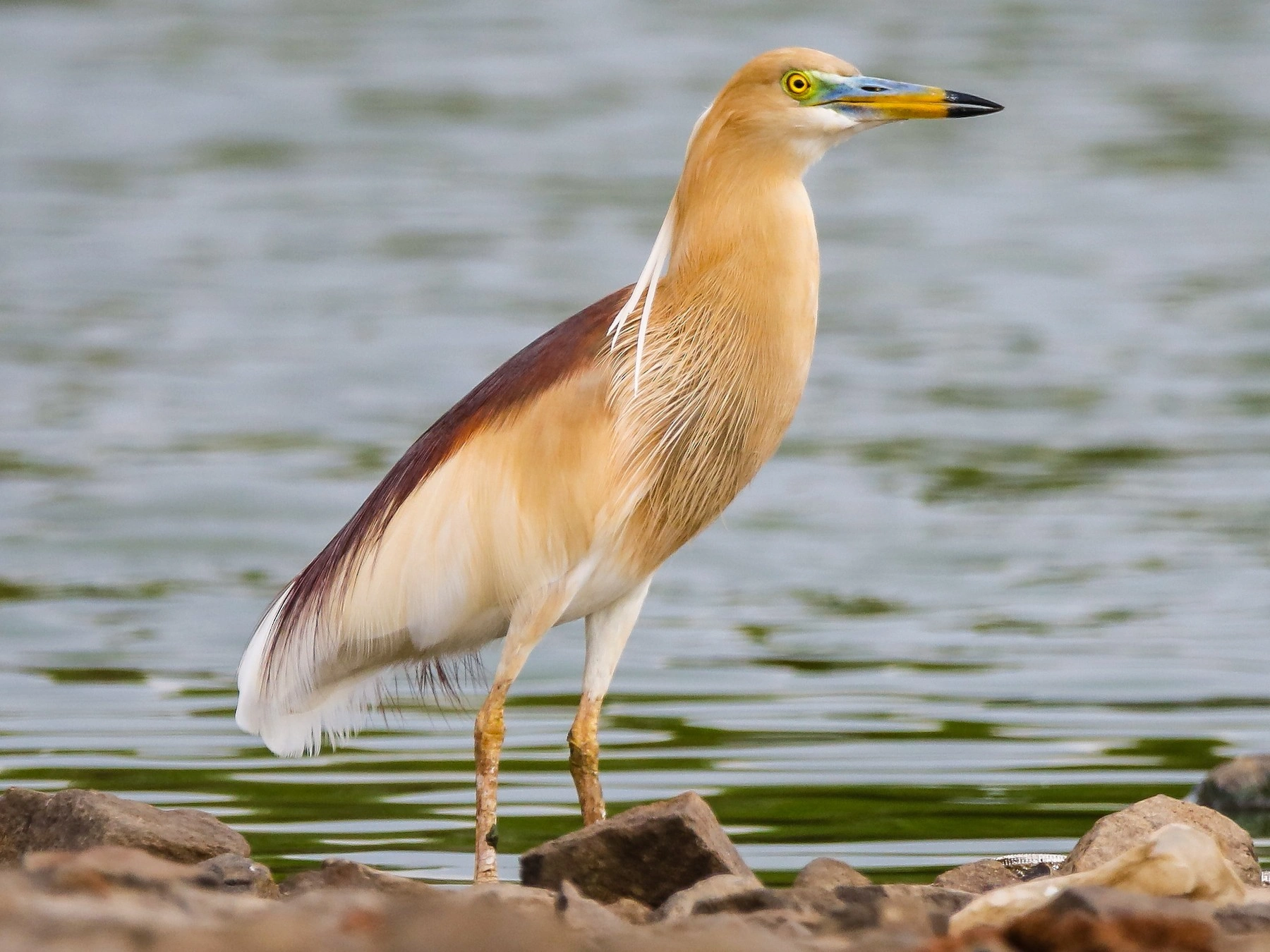
Indian Pond Heron
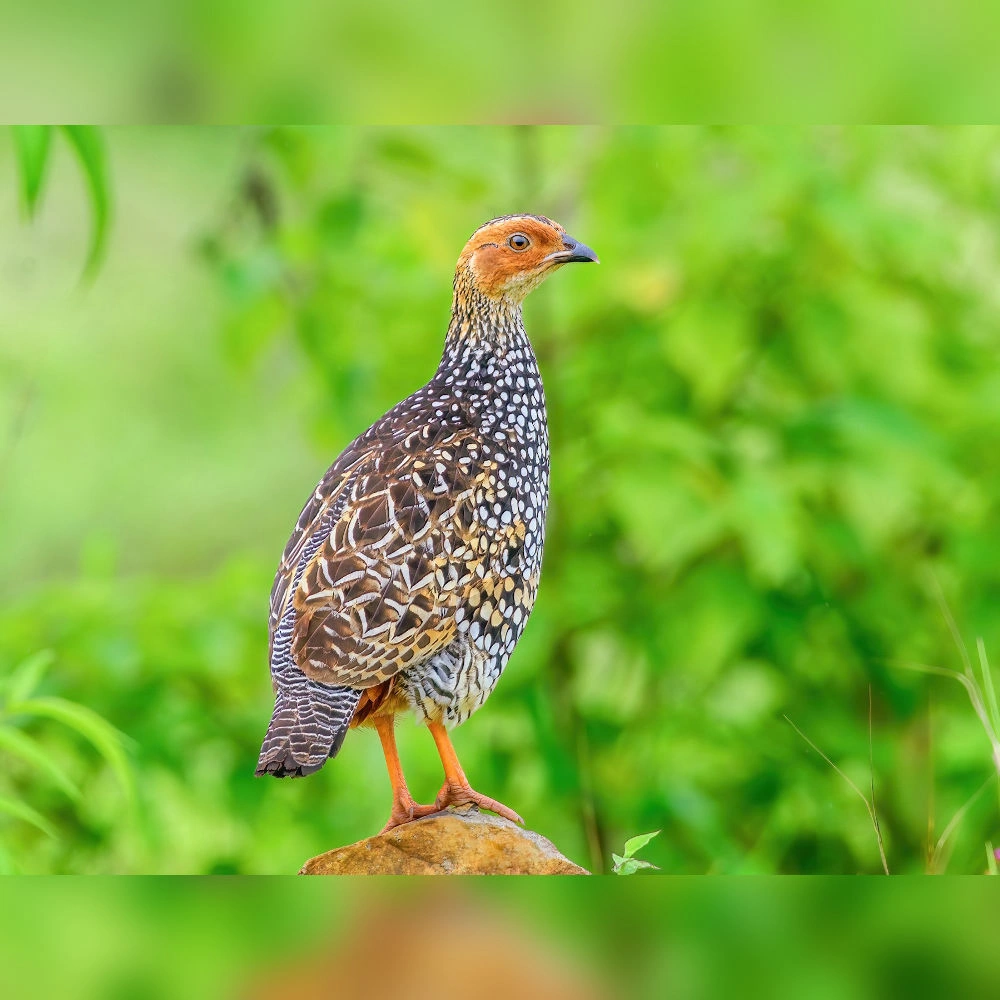

Painted Francolin
- Fee collected goes entirely to the bird guide. Ataavi does not retain or profit from this amount.