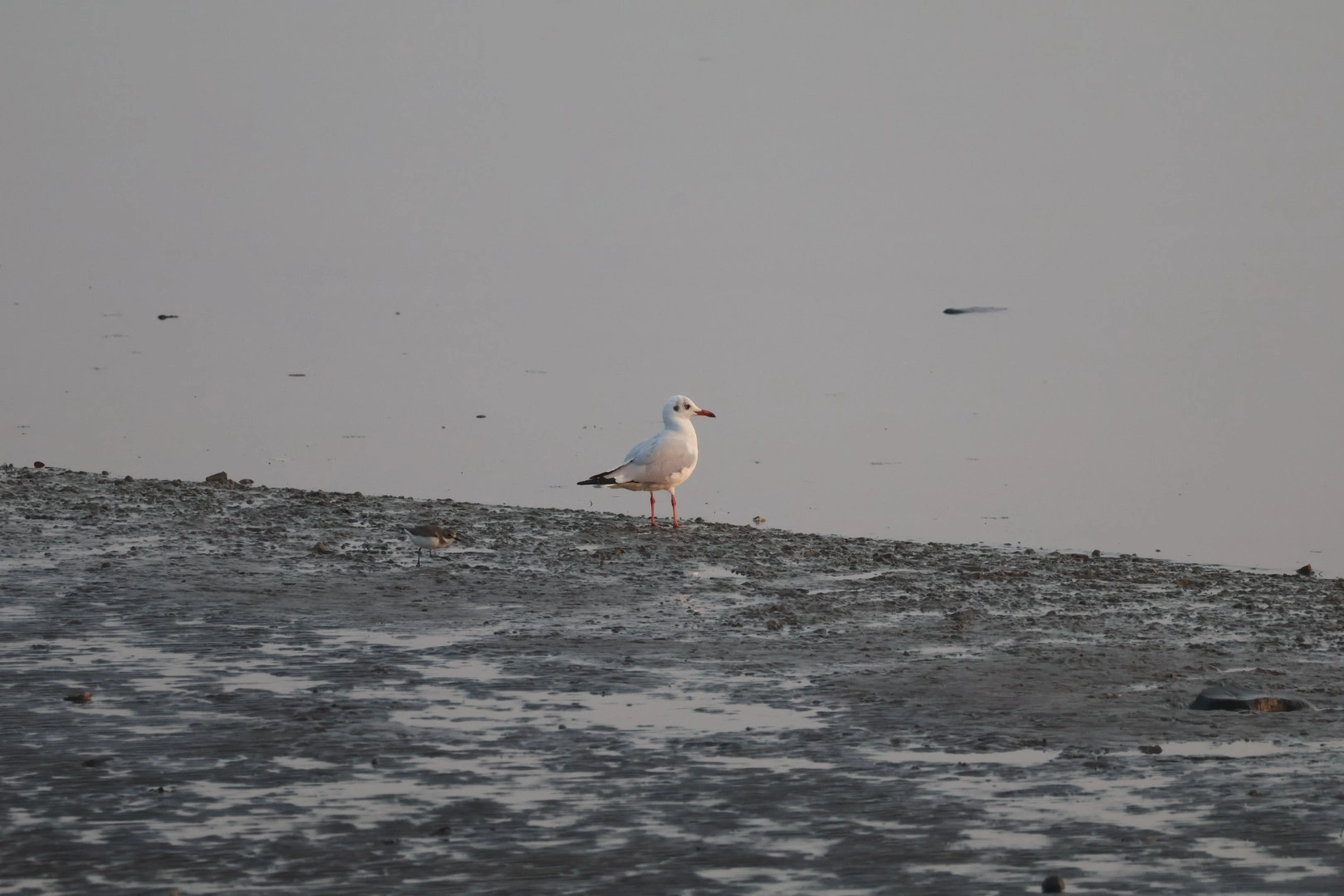
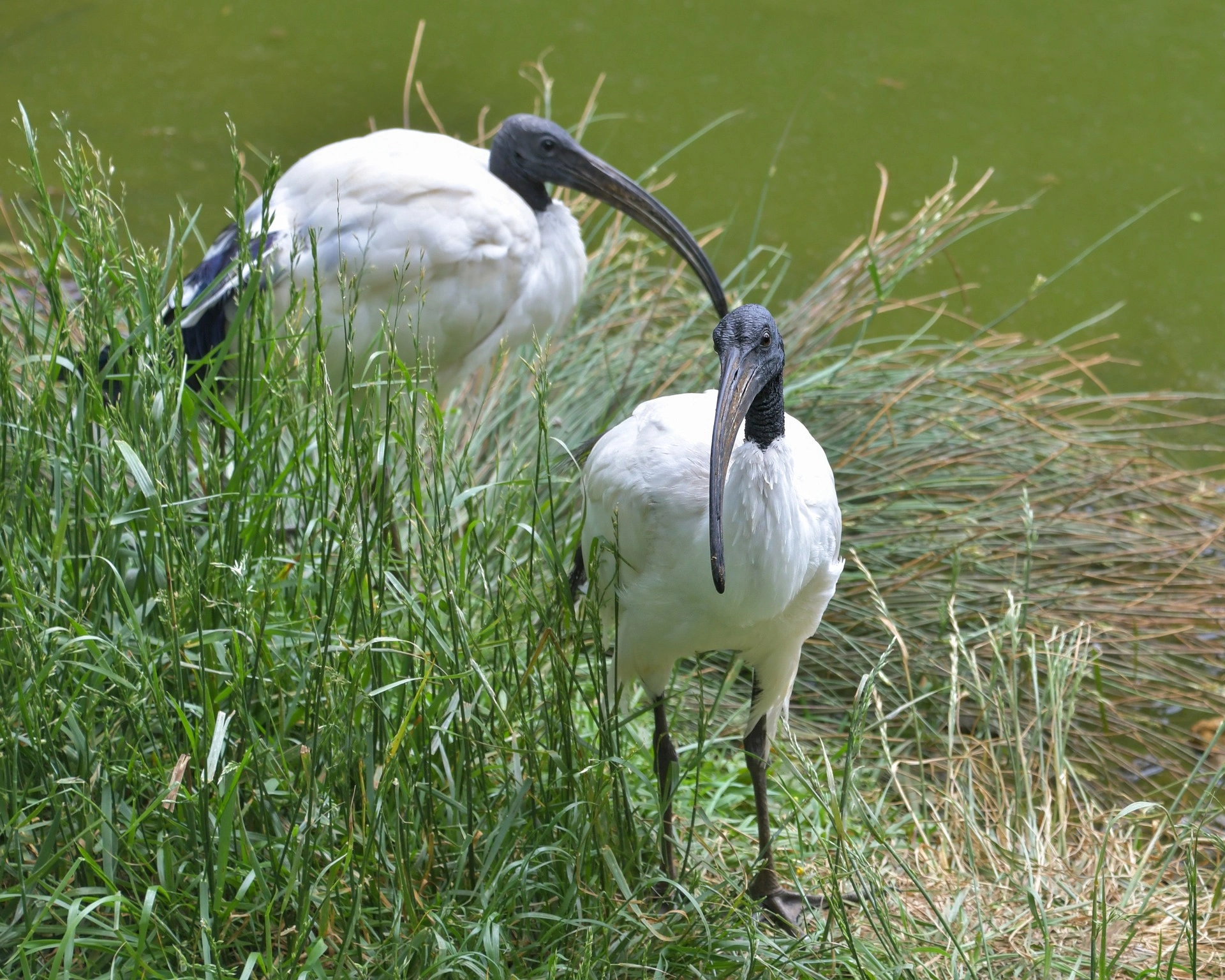
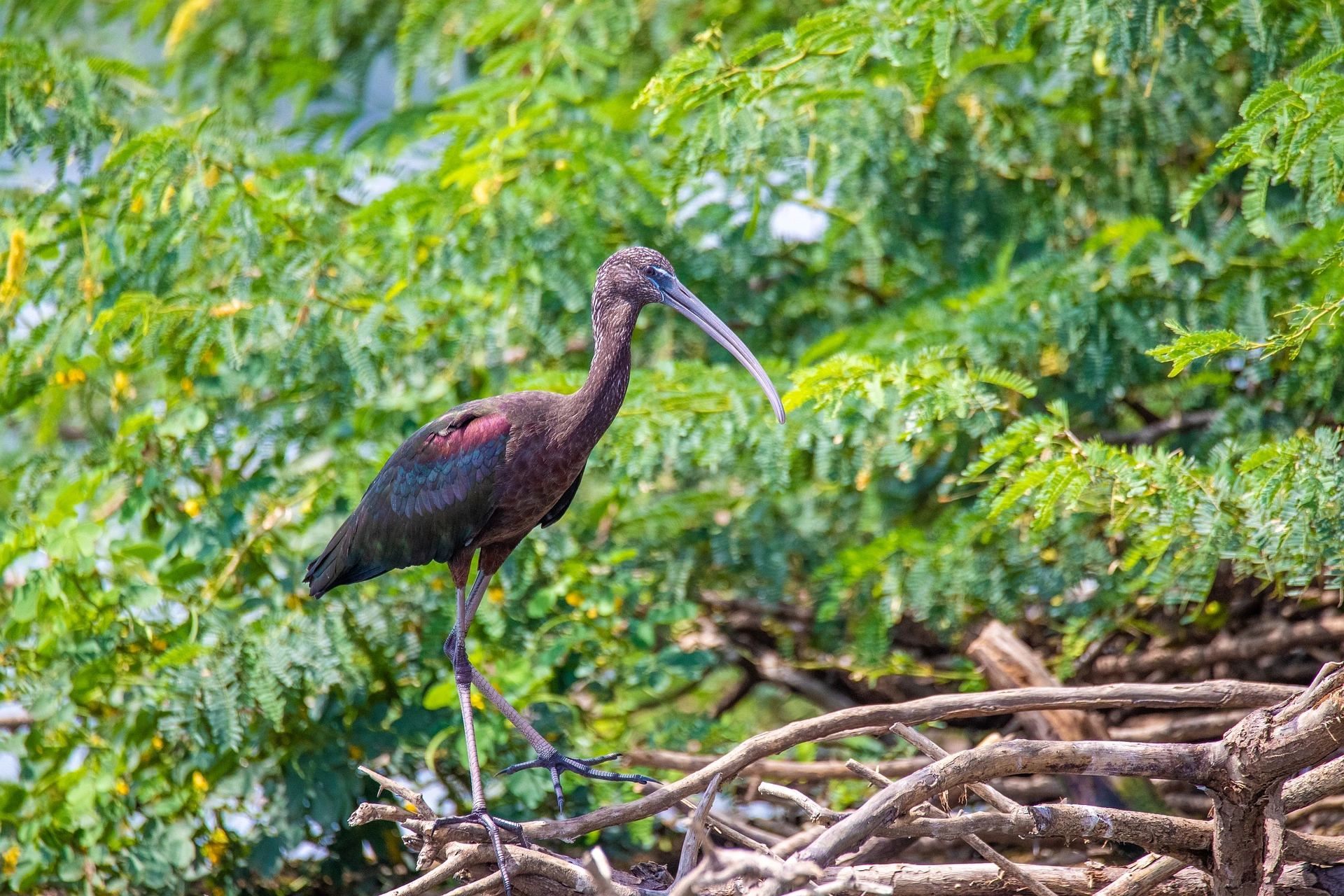
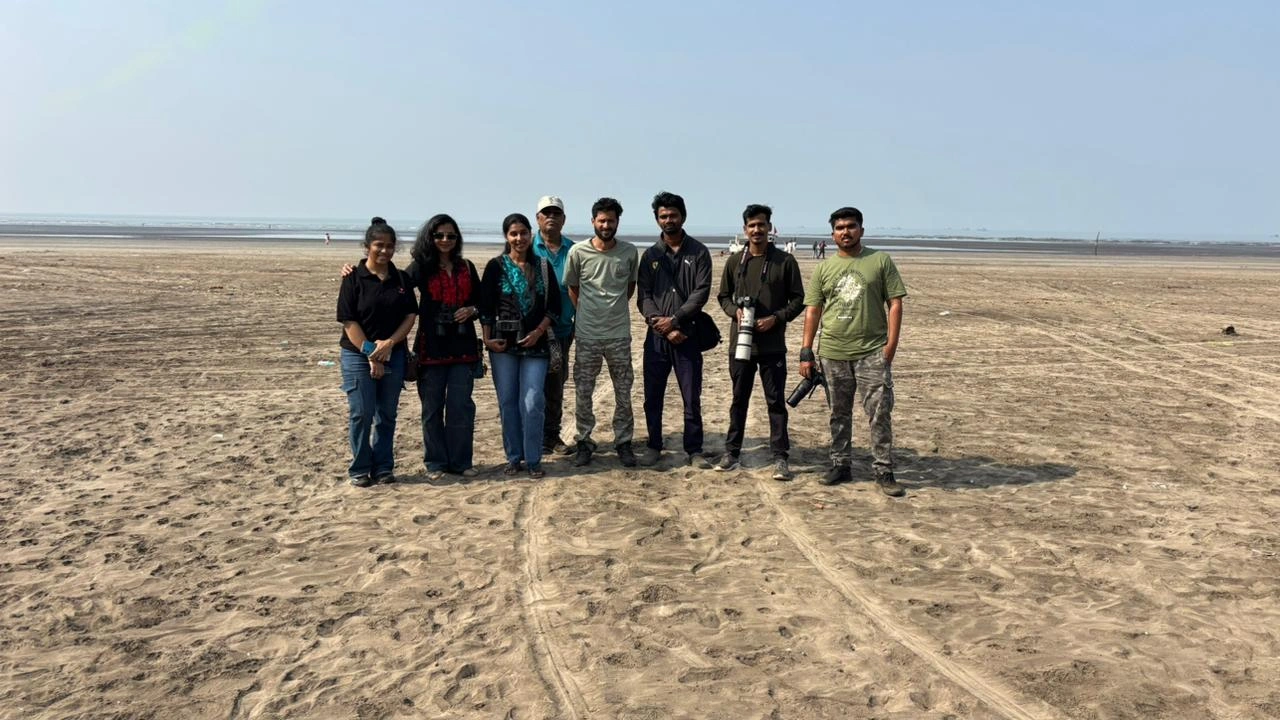
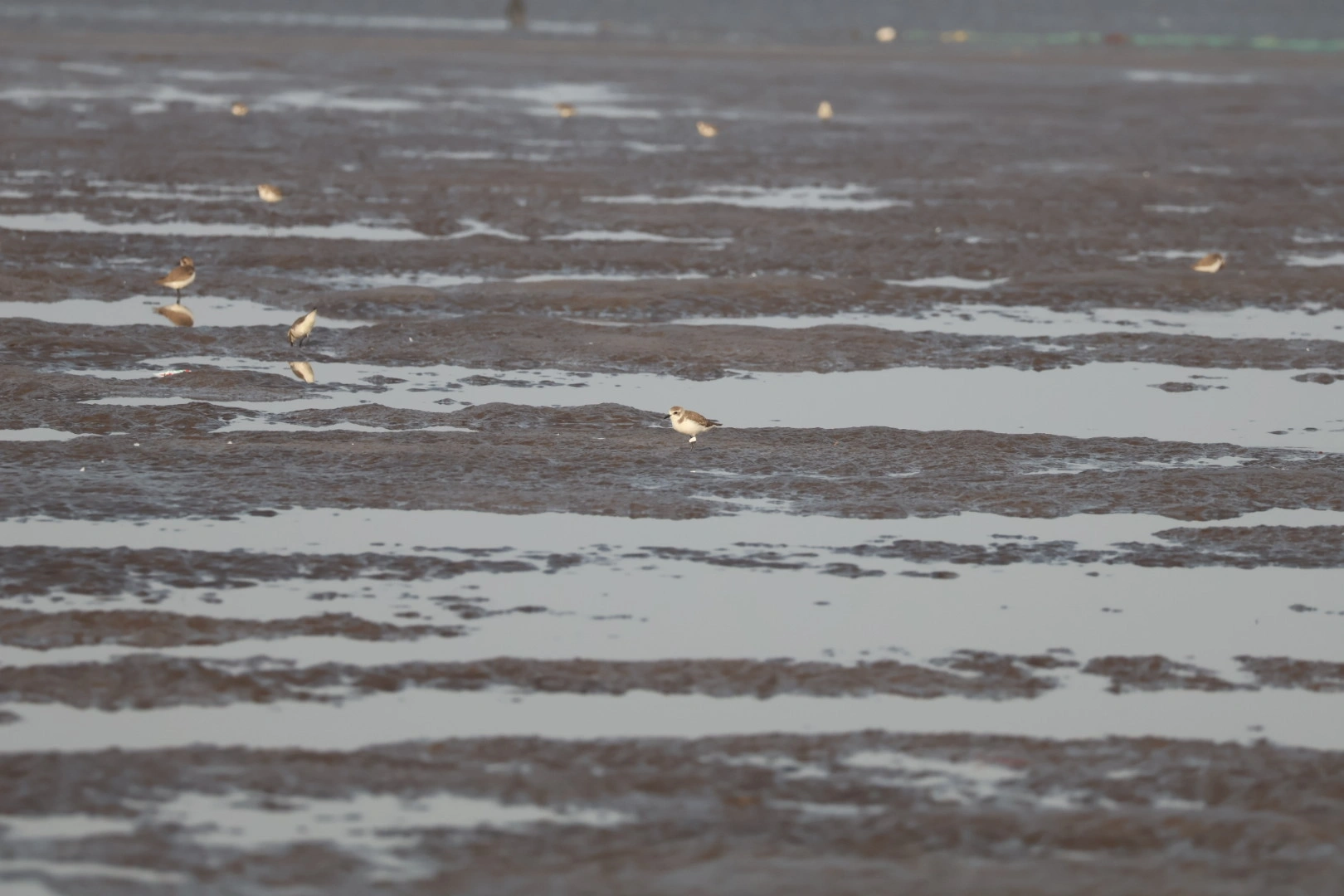
Akshi Beach near Alibaug is a serene stretch of coastline along the Arabian Sea, known for its relatively undisturbed and natural character. The beach extends over a broad sandy shoreline with gently sloping intertidal zones, mudflats exposed at low tide, and scattered coastal vegetation such as coconut palms and grasses. This mix of beach, mudflat, and nearshore marine habitat supports a rich variety of flora and fauna, from crabs and molluscs to fish and insects that form the base of the coastal food web. Akshi is especially important for birdlife, emerging as one of the most significant shorebird sites on the Maharashtra coast. During winter, large numbers of migratory waders, gulls, and terns arrive to feed on the productive mudflats, making the beach a popular destination for birdwatchers and nature enthusiasts seeking a quieter alternative to more commercial beaches.
Despite its ecological value, Akshi Beach faces growing conservation challenges. Increasing tourism pressure, plastic and solid waste pollution, disturbance from vehicles and recreational activities on the shore, and threats such as sand mining can degrade fragile intertidal habitats and disrupt feeding and roosting birds. Unregulated development along the coast also poses long-term risks to natural beach dynamics and biodiversity. Protecting Akshi’s ecological character will depend on responsible tourism, effective waste management, safeguarding intertidal zones, and greater awareness of the beach’s importance for migratory birds and coastal ecosystems.
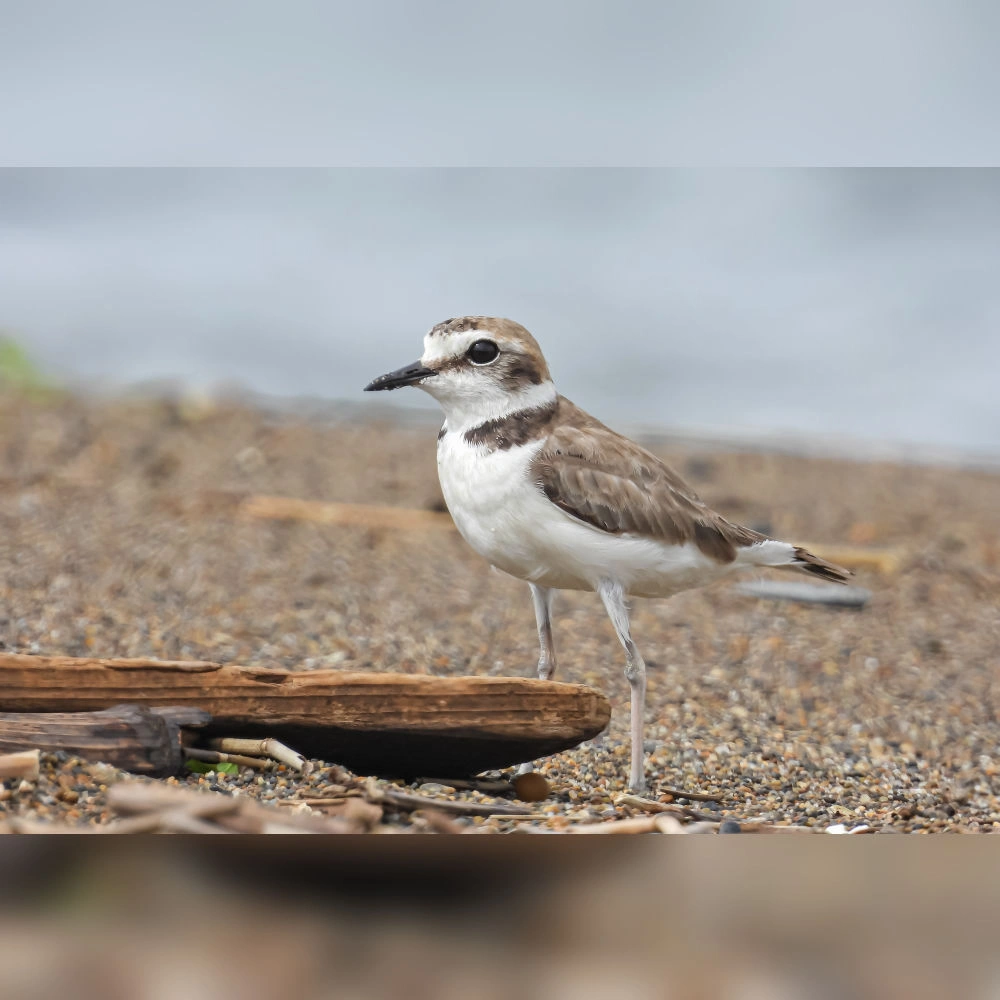
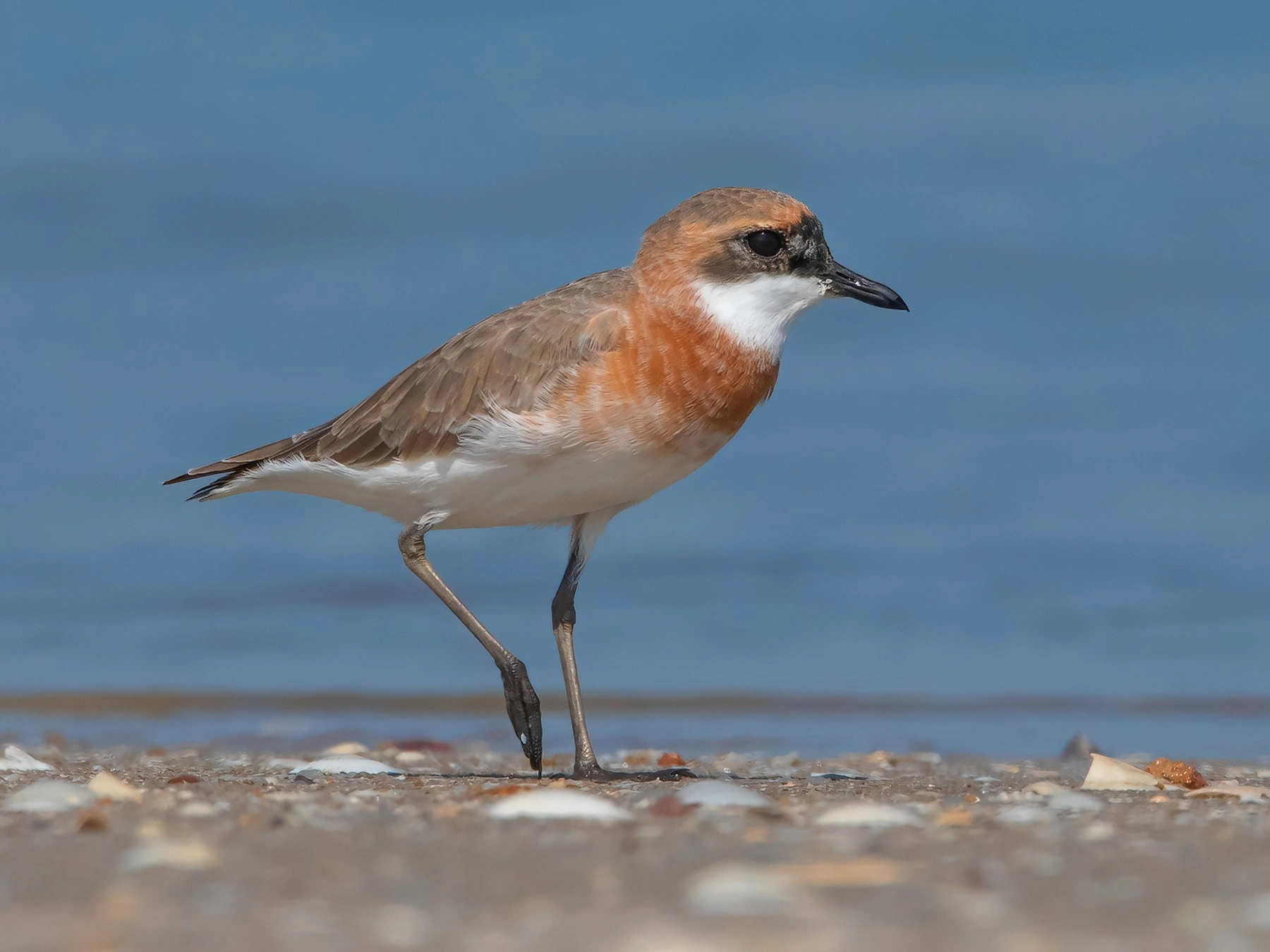
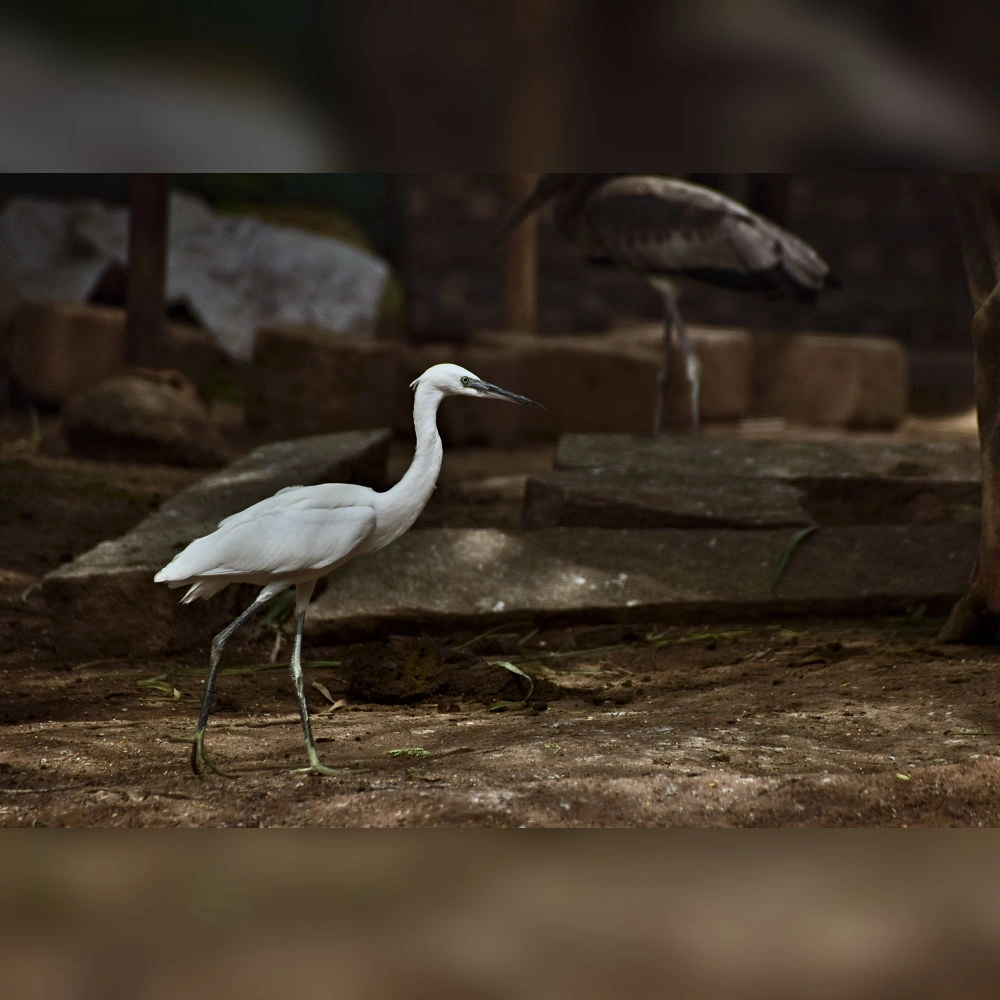
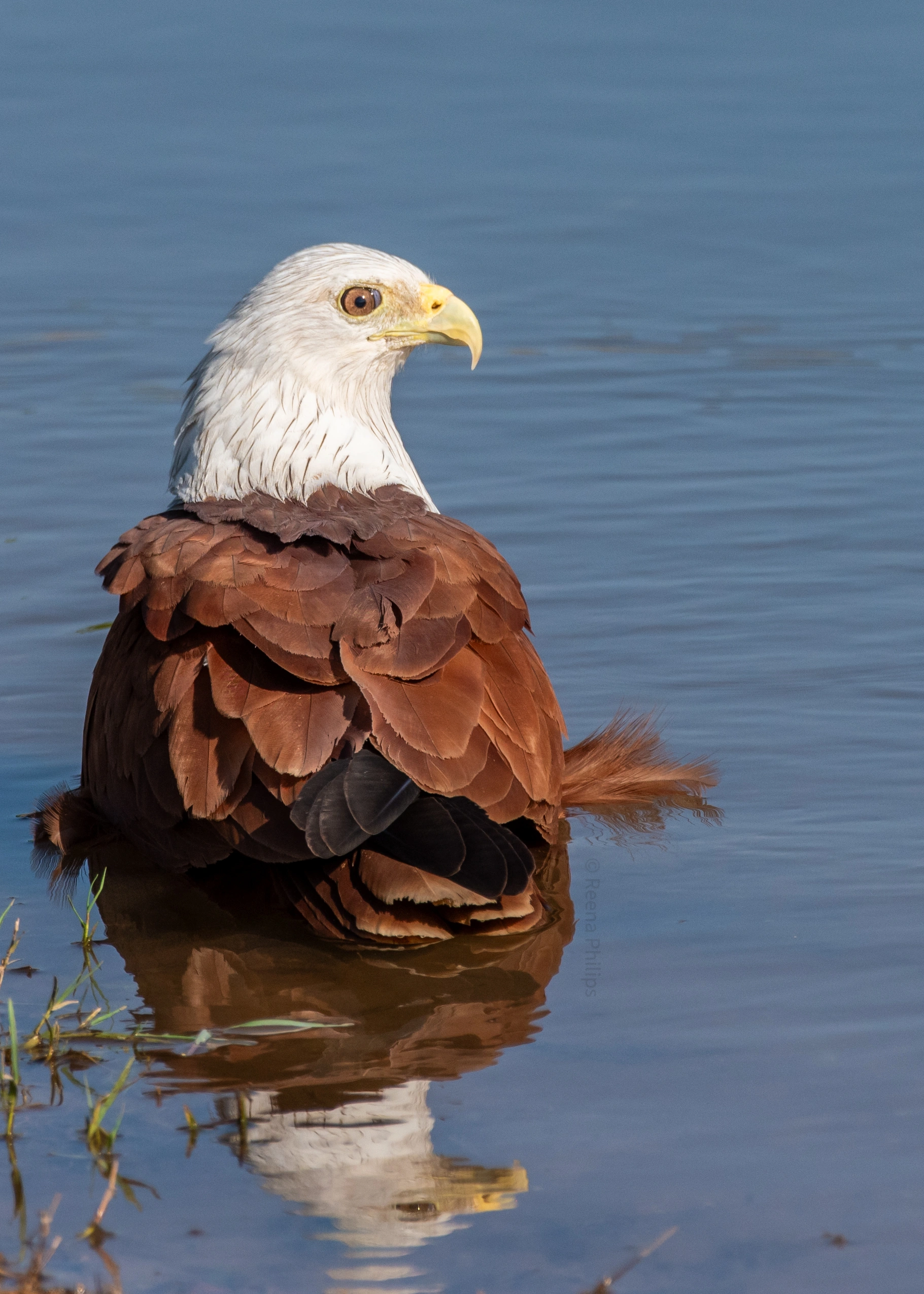
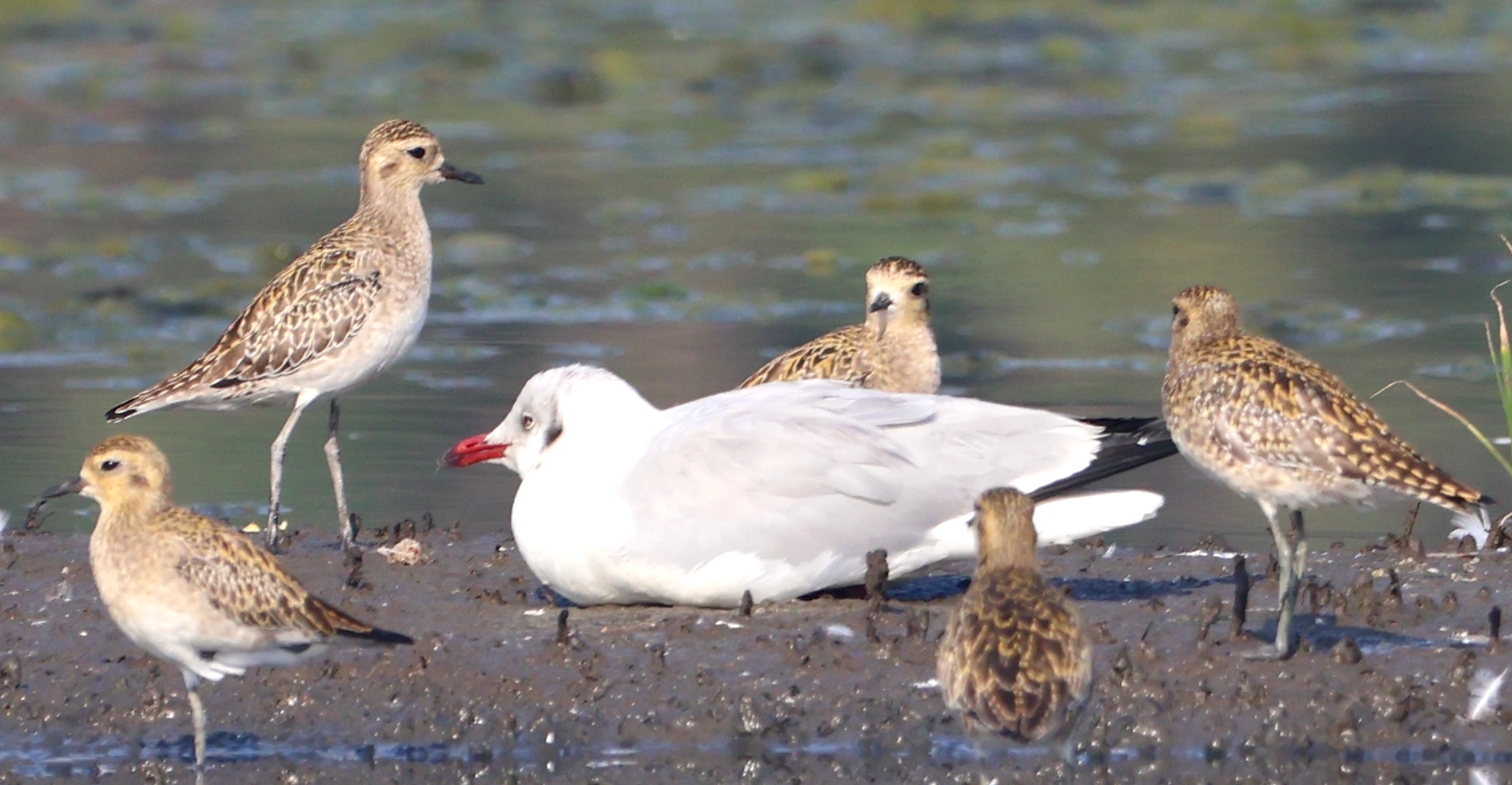
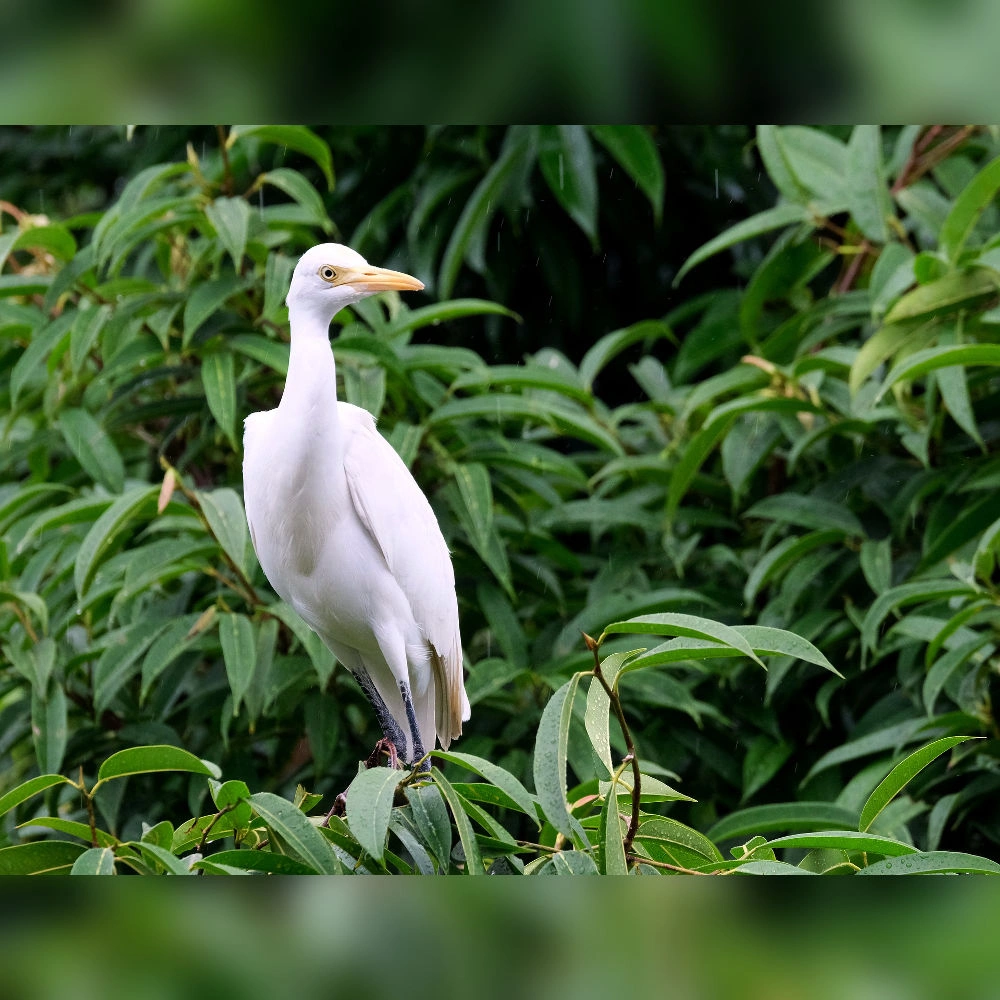
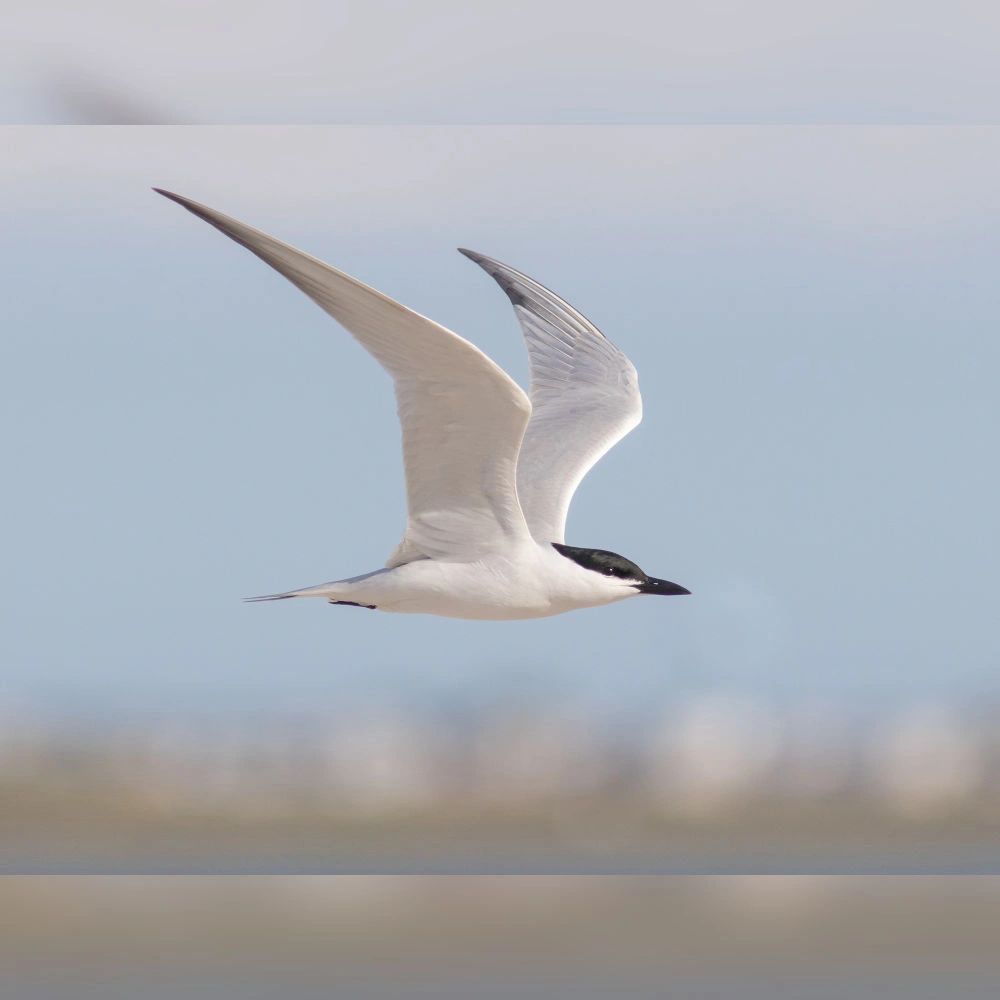
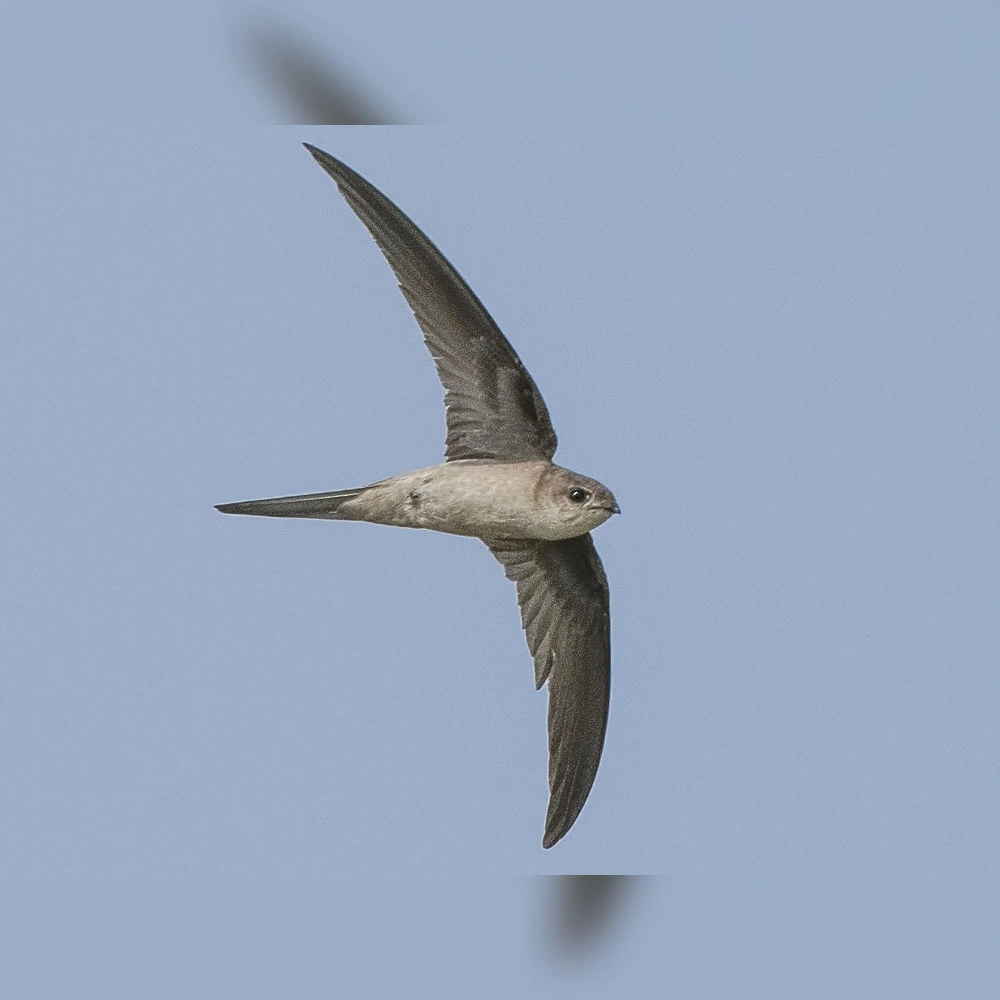
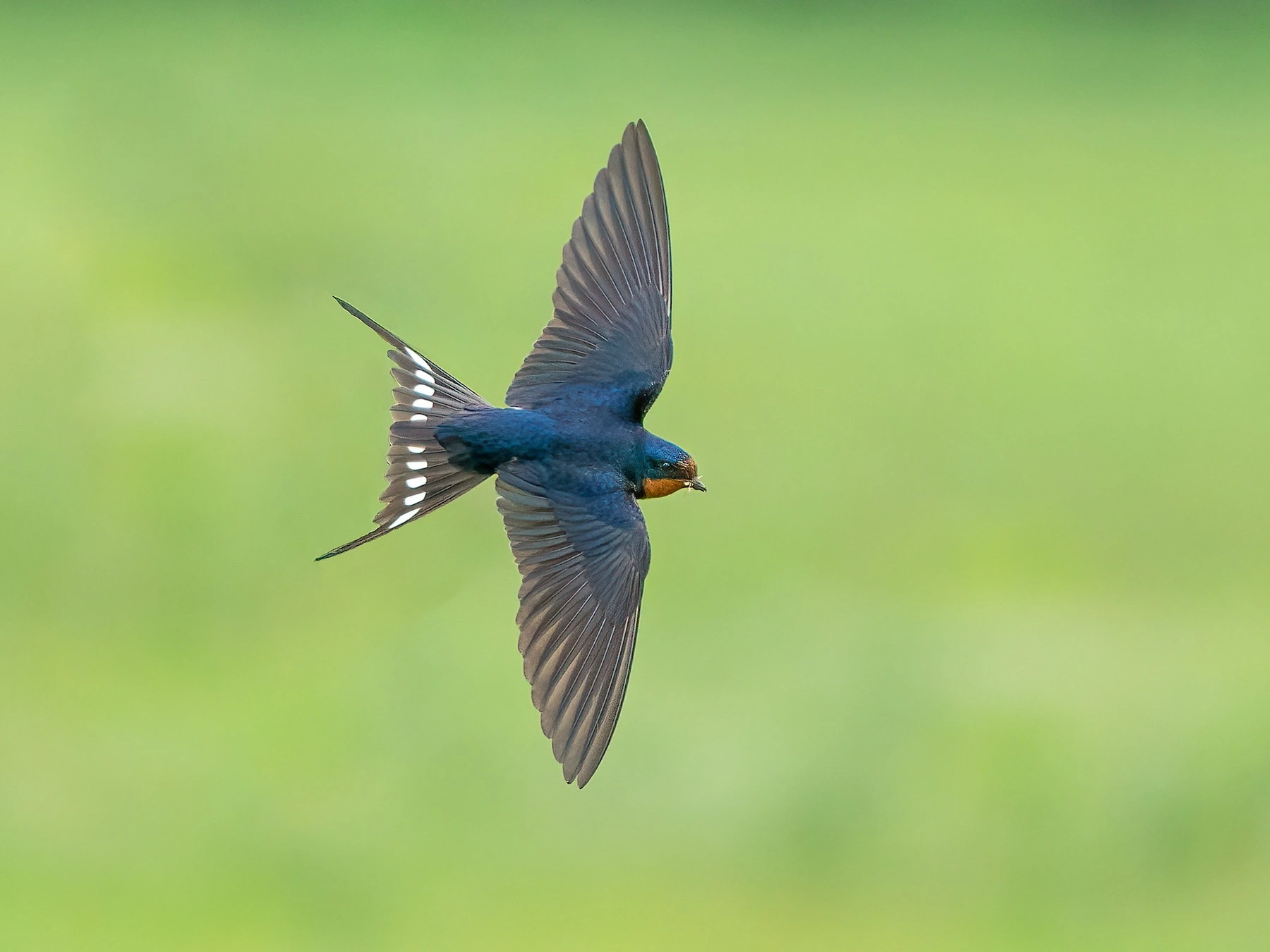
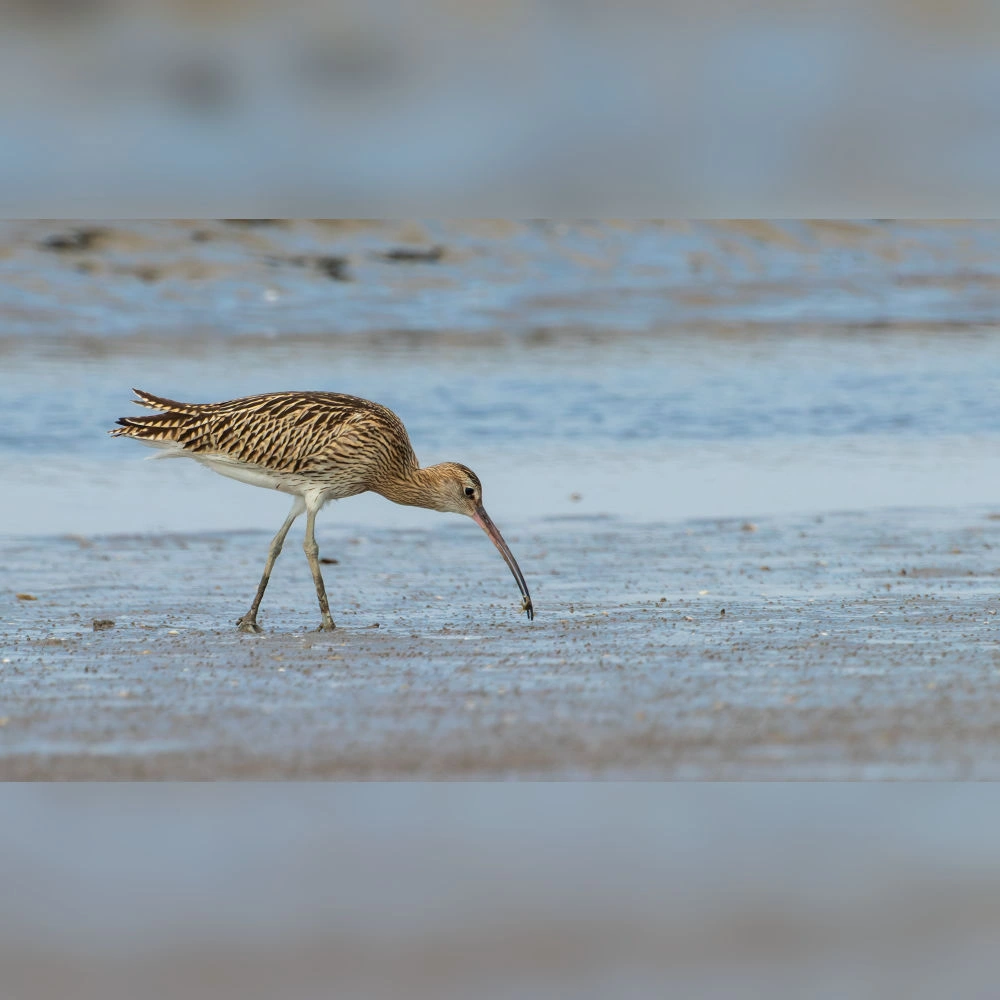
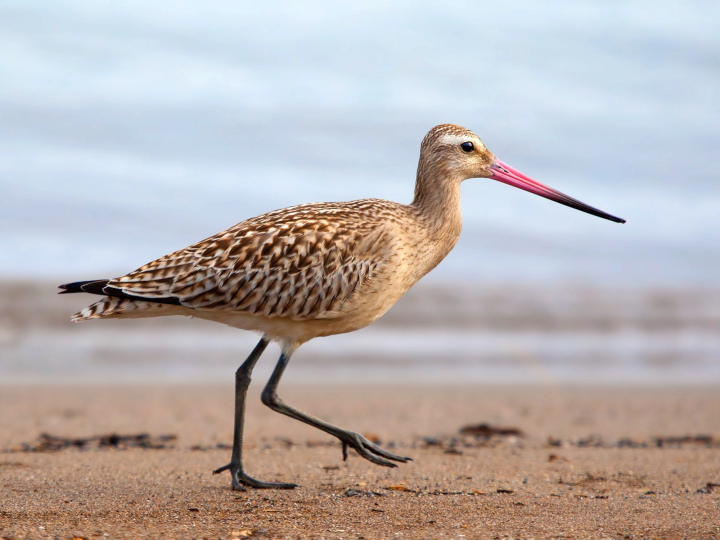
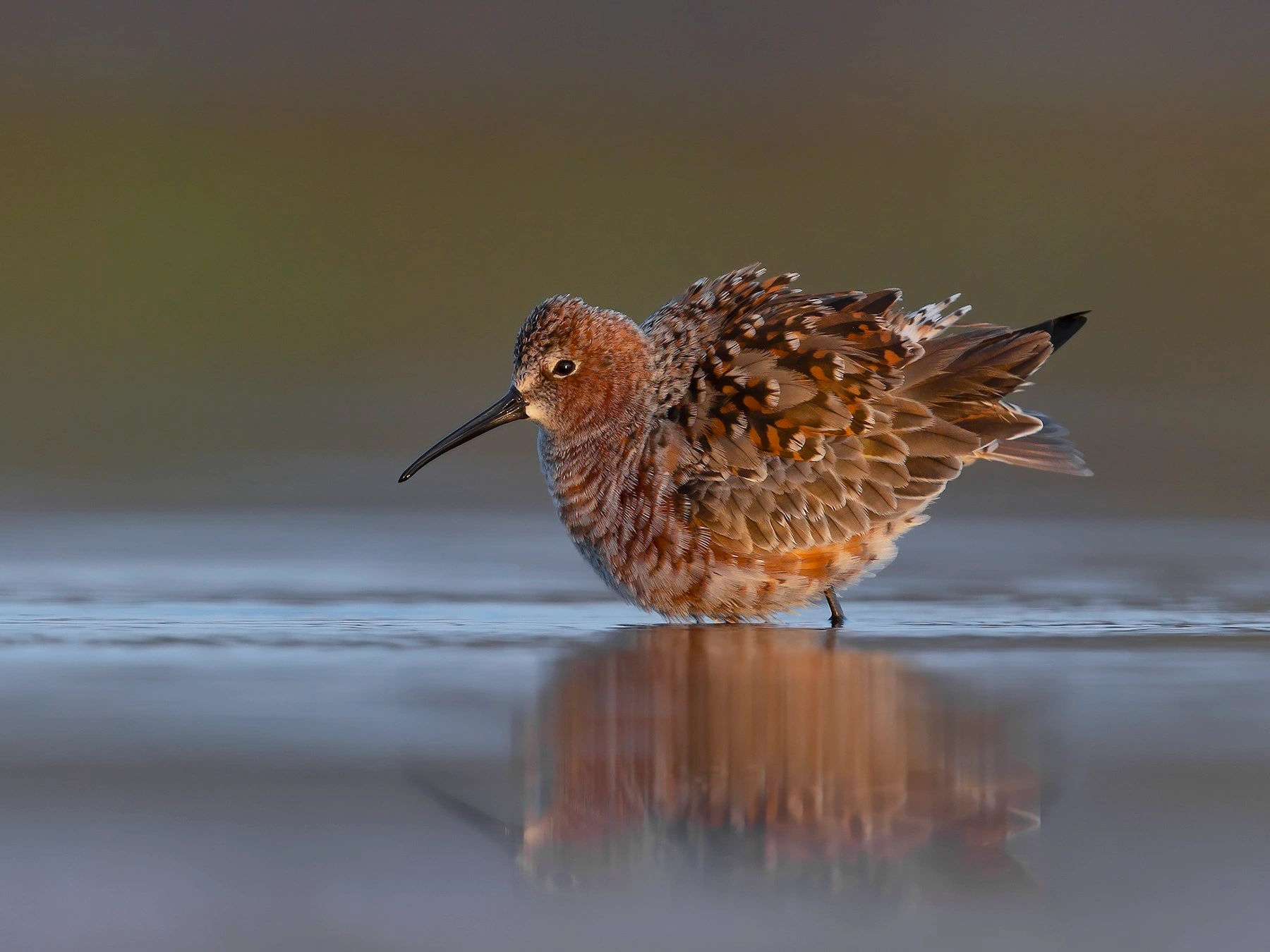
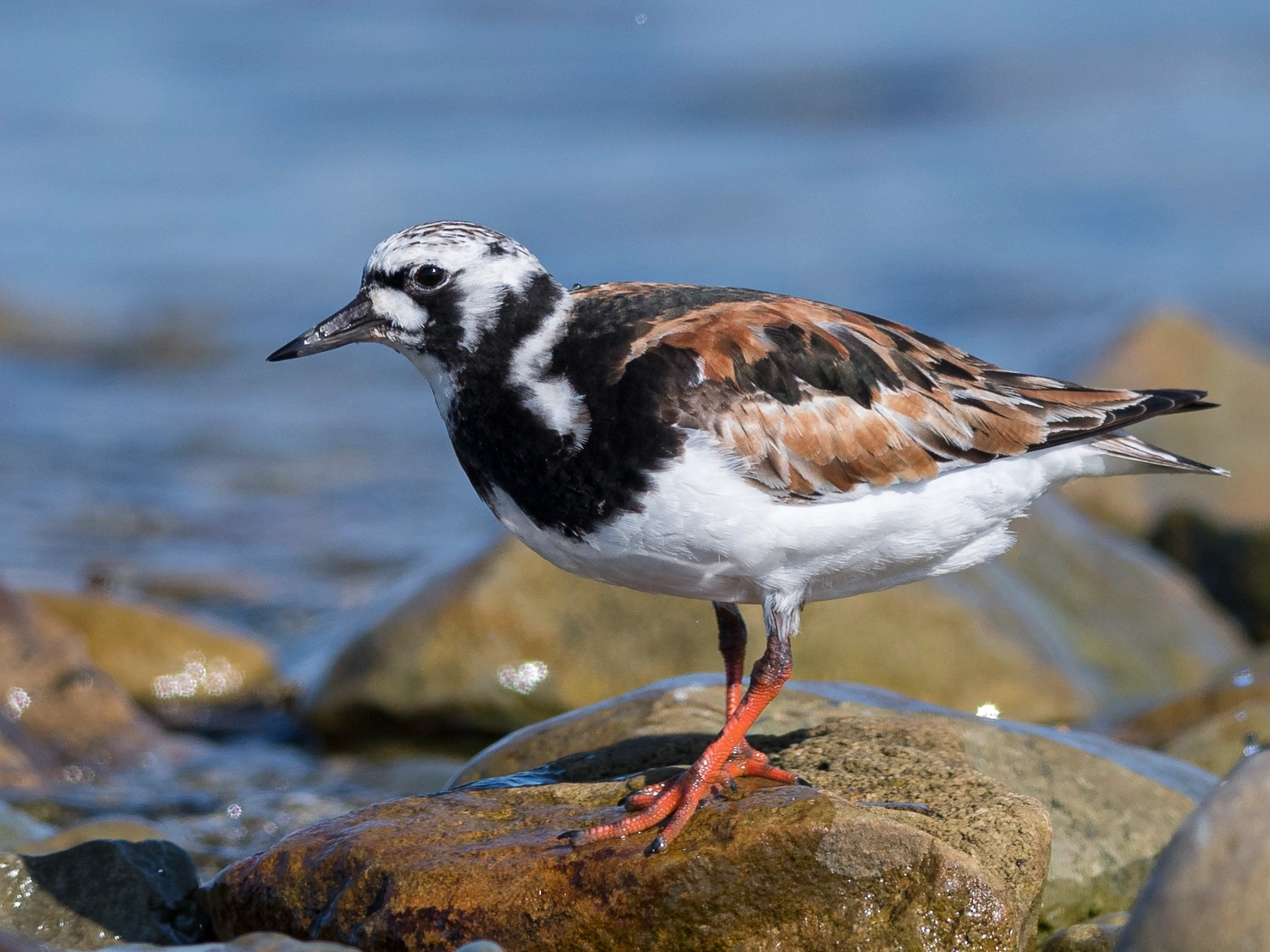
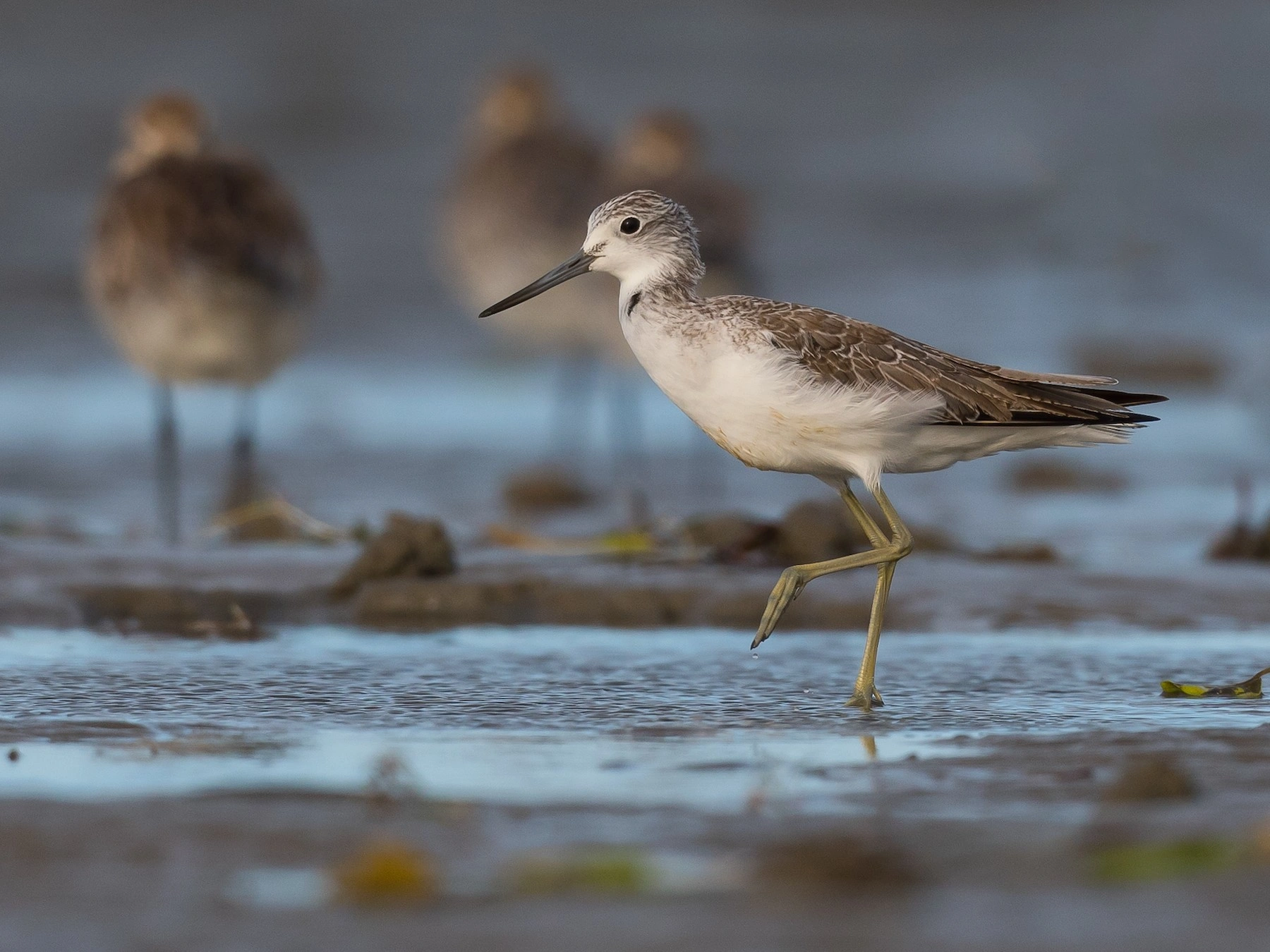
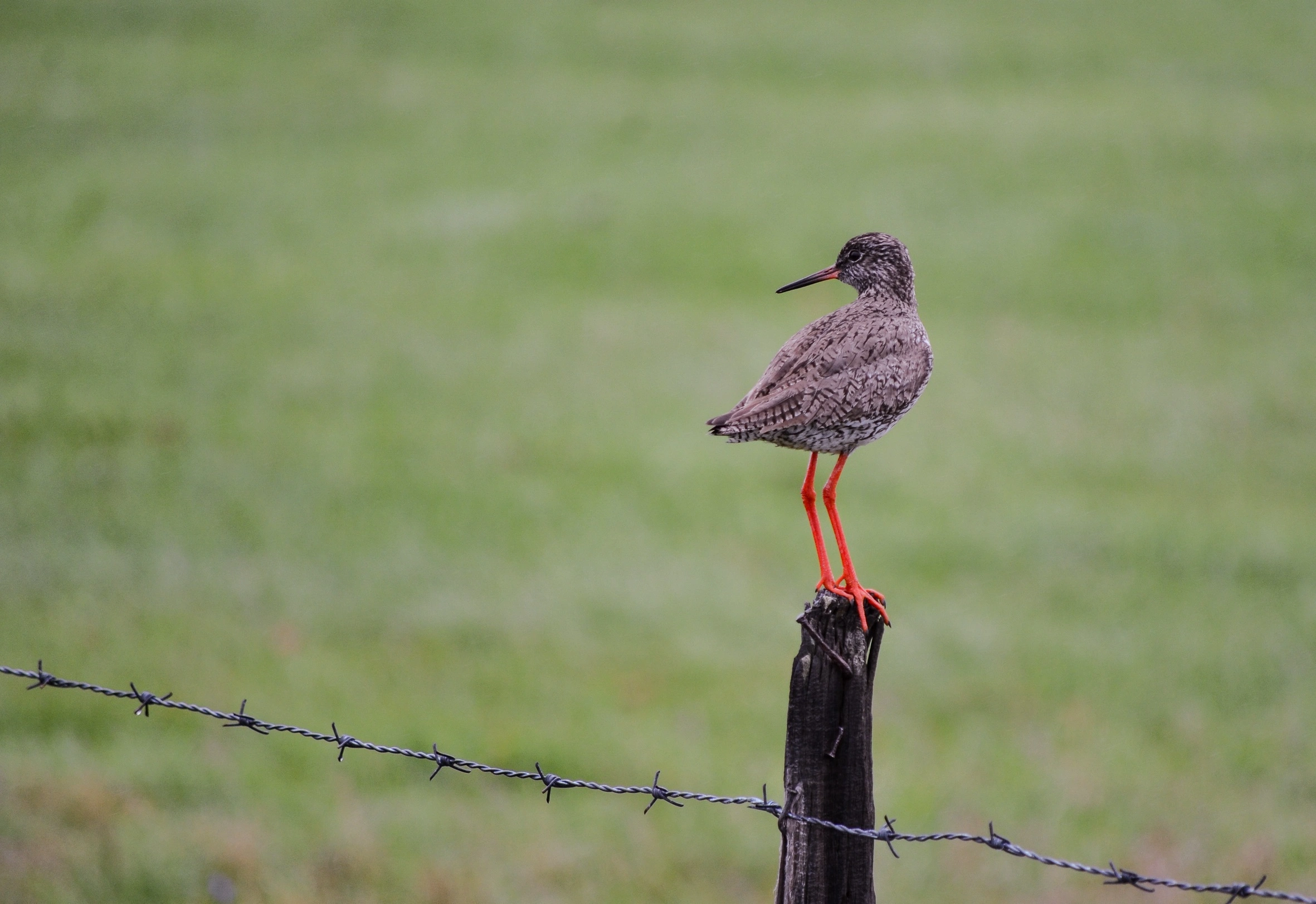
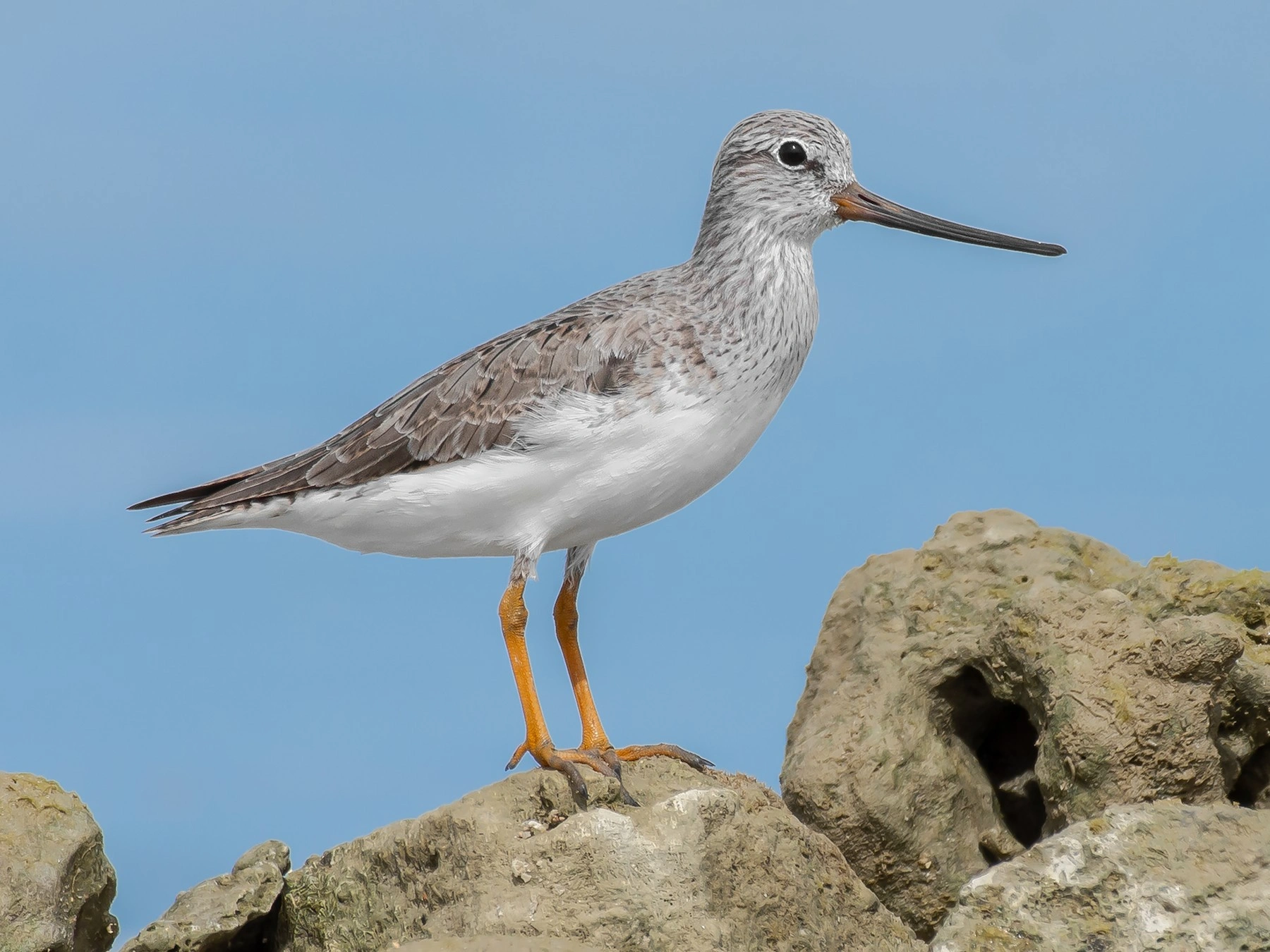
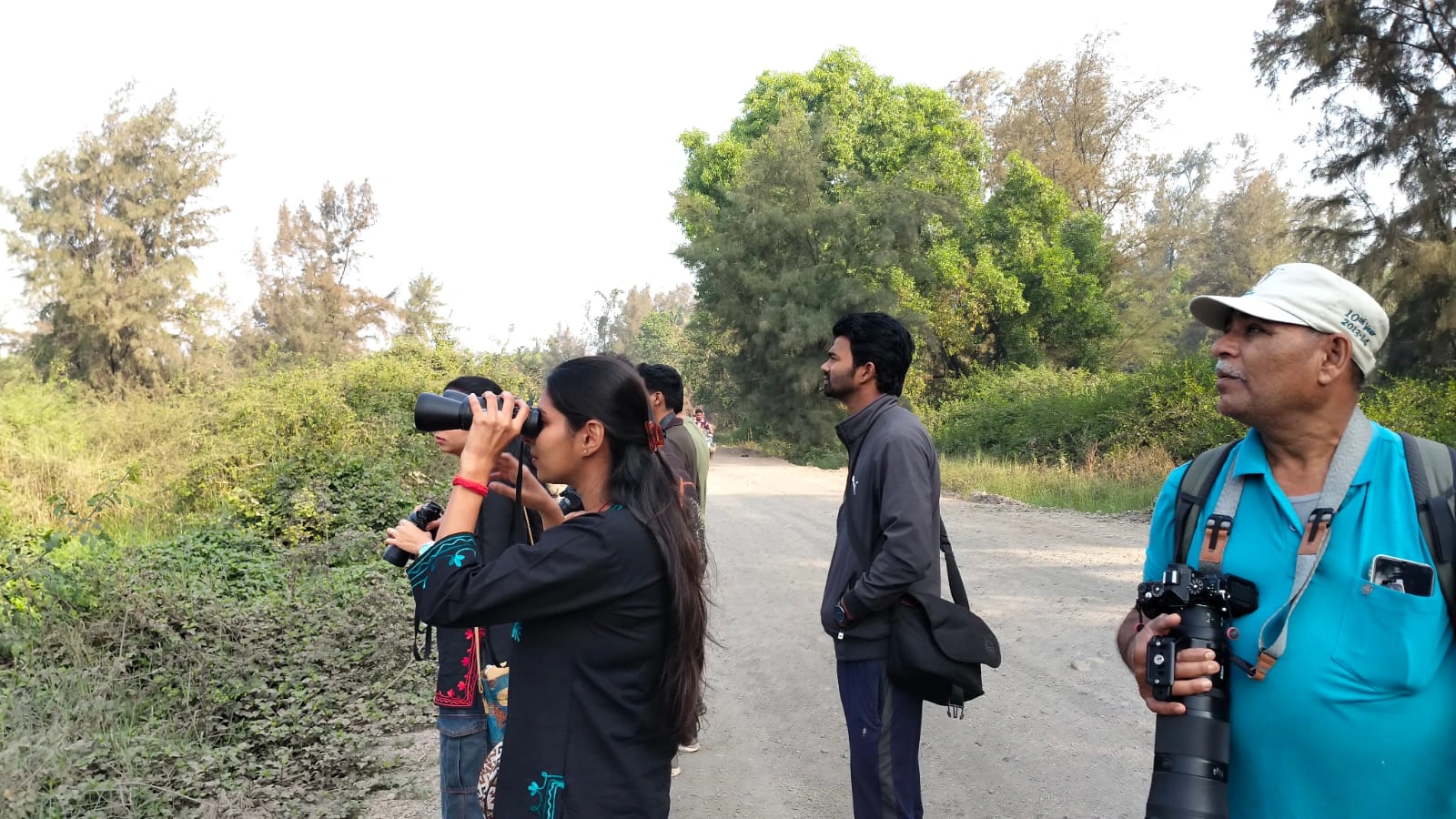
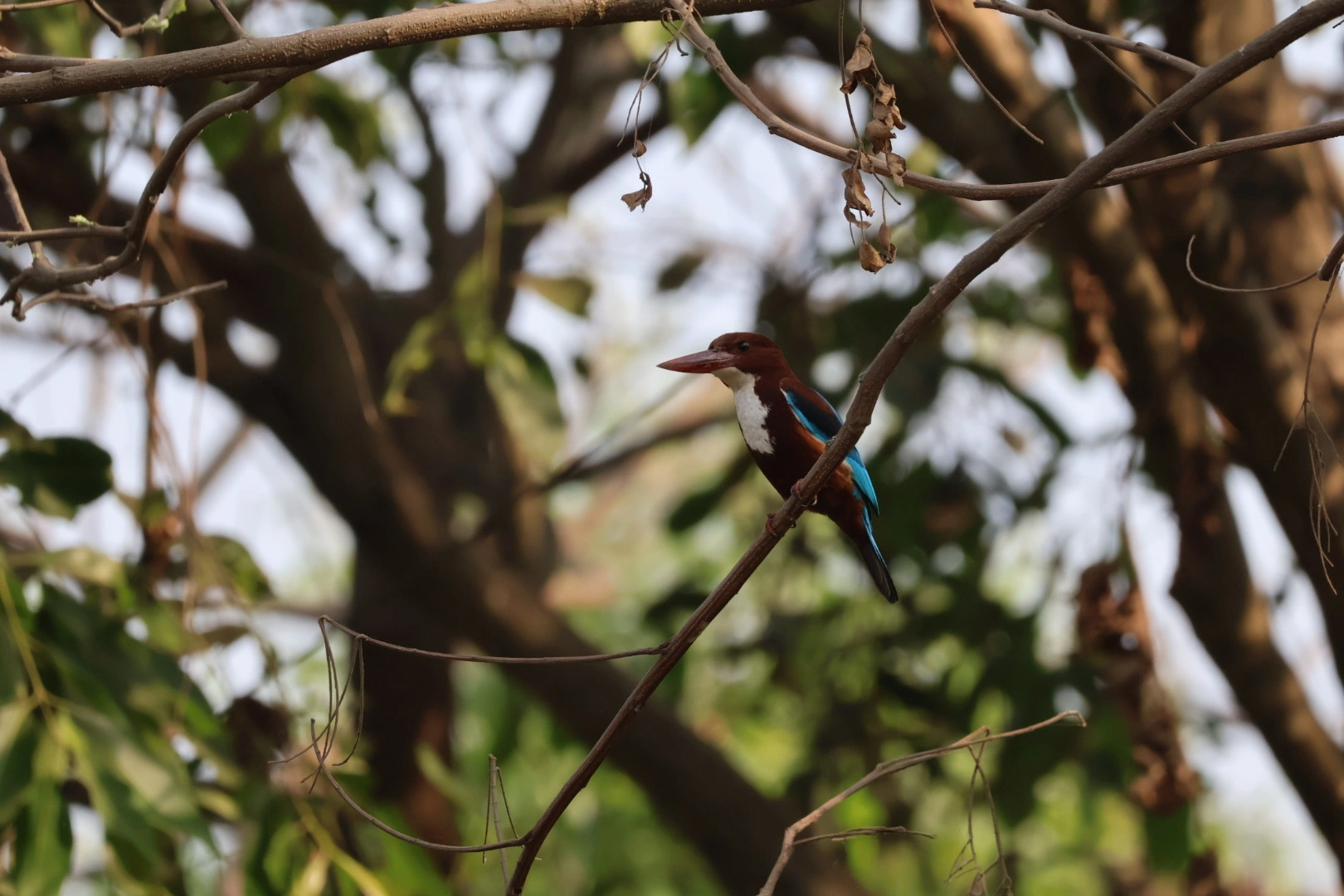
Akshi Beach, Alibaug, is a magnet for coastal and migratory birds, with an impressive 266 species recorded, and its winter shoreline often feels alive with movement and sound. The open sands and tidal flats host elegant shorebirds such as Tibetan Sand-Plover, Greater Sand-Plover, Kentish Plover, Sanderling, Dunlin, Little Stint, Ruddy Turnstone, Terek Sandpiper, and the occasional Eurasian Whimbrel, all busily probing the sand for food. The waters and tideline are dominated by large flocks of gulls, especially Brown-headed and Black-headed Gulls, with striking visitors like Pallas’s Gull adding to the spectacle. Overhead and offshore, Little, Gull-billed, Lesser Crested, and Great Crested Terns patrol the waves, while Little Egret and Great Egret stalk the shallows. The scene is often crowned by a soaring Brahminy Kite, and even inland-edge species like the Red-wattled Lapwing make appearances. This rich mix of waders, gulls, terns, and coastal birds makes Akshi Beach one of the most exciting and visually rewarding birding destinations along the Maharashtra coast.