


Loading Events

Bird walk at Rabindra Sarobar Safari Park, Kolkata, WB

About Rabindra Sarobar Safari Park

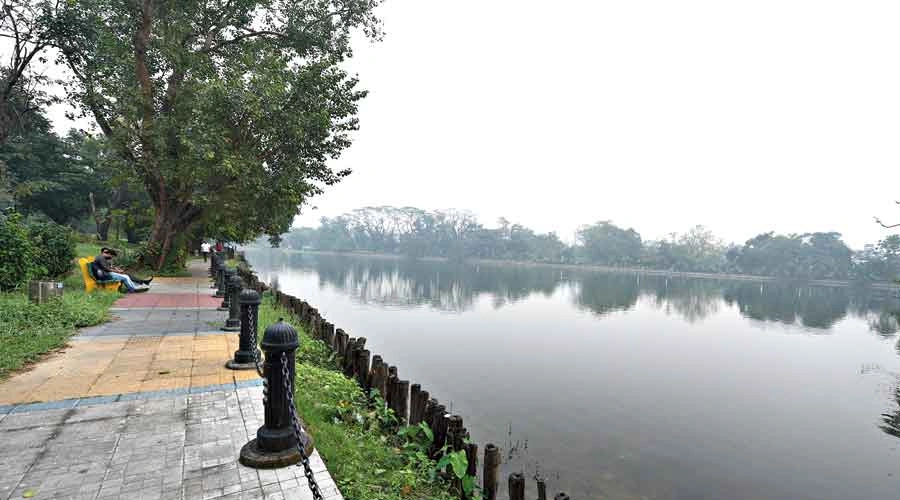
Rabindra Sarobar Safari Park in south Kolkata is part of the larger Rabindra Sarobar urban wetland complex, a roughly 192-acre green lung with a 73-acre waterbody surrounded by parks, wooded patches and trails right in the heart of the city. The habitat here is a mosaic of open water, marshy shallows, wooded thickets and undergrowth left intentionally wild in places, creating a surprisingly rich refuge for wildlife amidst urban bustle. The lake shores and islands host fish, dragonflies and butterflies, and the dense canopy of thousands of mature trees—many over 70 years old—supports diverse flora including native trees and aquatic plants that in turn sustain an array of fauna. The Safari Park area itself, with its mix of shady groves and quieter ground cover, has become especially prized by birders for spotting ground-foraging species and migrants that prefer less-disturbed pockets within the landscape.
This urban oasis boasts over 200 bird species recorded historically, including more than 110 in recent years, making it one of Kolkata’s premier birding destinations. Resident and migratory species use the wetland for feeding, resting and nesting, with birders reporting a remarkable variety from waterbirds like cormorants and storks to woodland migrants and thrushes during winter months. However, conservation challenges persist: habitat degradation from beautification drives, clearing of undergrowth and construction activities near bird hotspots can disrupt nesting and foraging grounds, and populations of some migratory birds have shown declines. Noise pollution from nearby urban activities and loss of natural cover on the islands also pose threats to sensitive species. Conservationists and local birding communities are actively advocating for protection of wild patches, minimal disturbance of key habitats, and designation of the lake as a heritage biodiversity site to safeguard its ecological value amid rapid urbanization.

Partnered with

Bird Guide - Sounak Dutta

Sounak is an academician teaching Chemistry in a college based in Kolkata. As a passion, he does Birding and Nature Photography. From the last year, he has been doing Nature walks with kids and elders.
Bird walk Location

Common birds of Rabindra Sarobar Safari Park

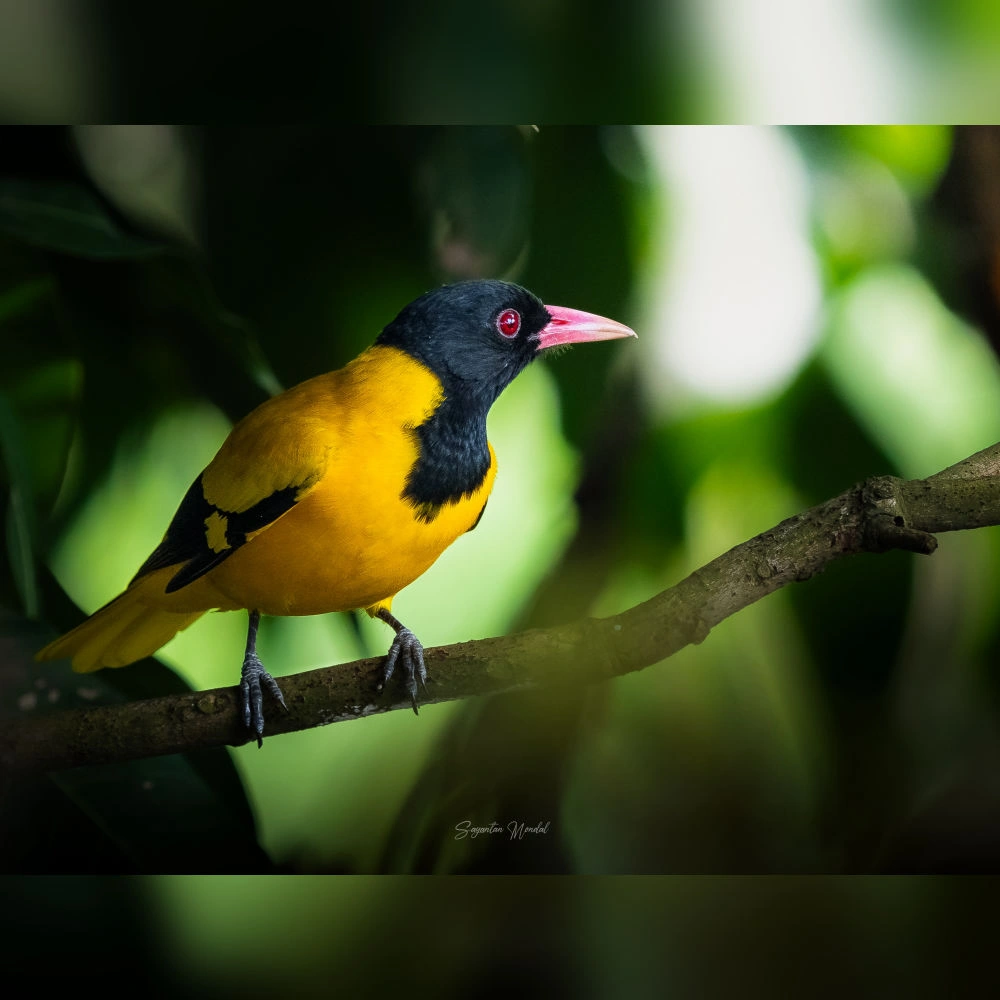
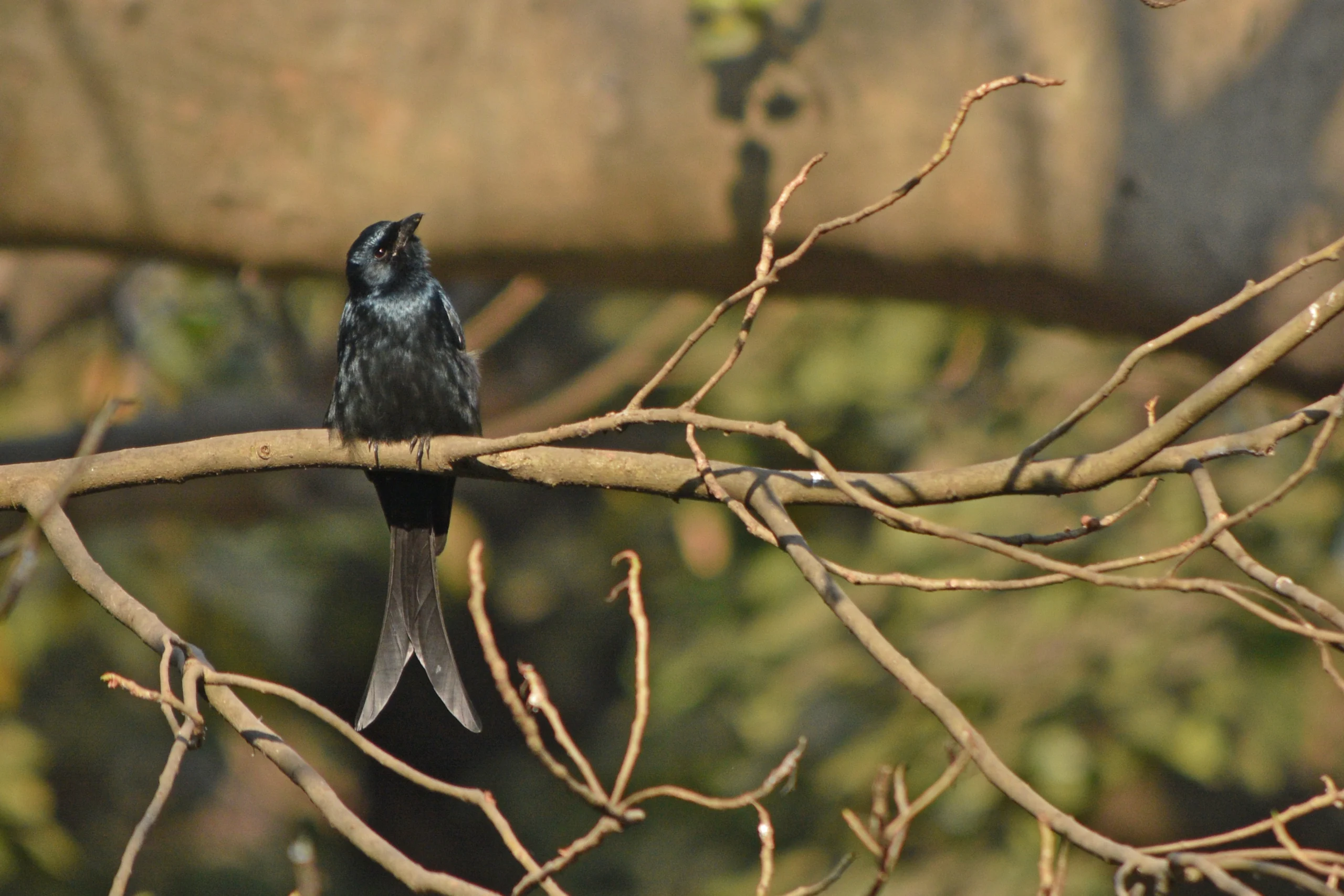
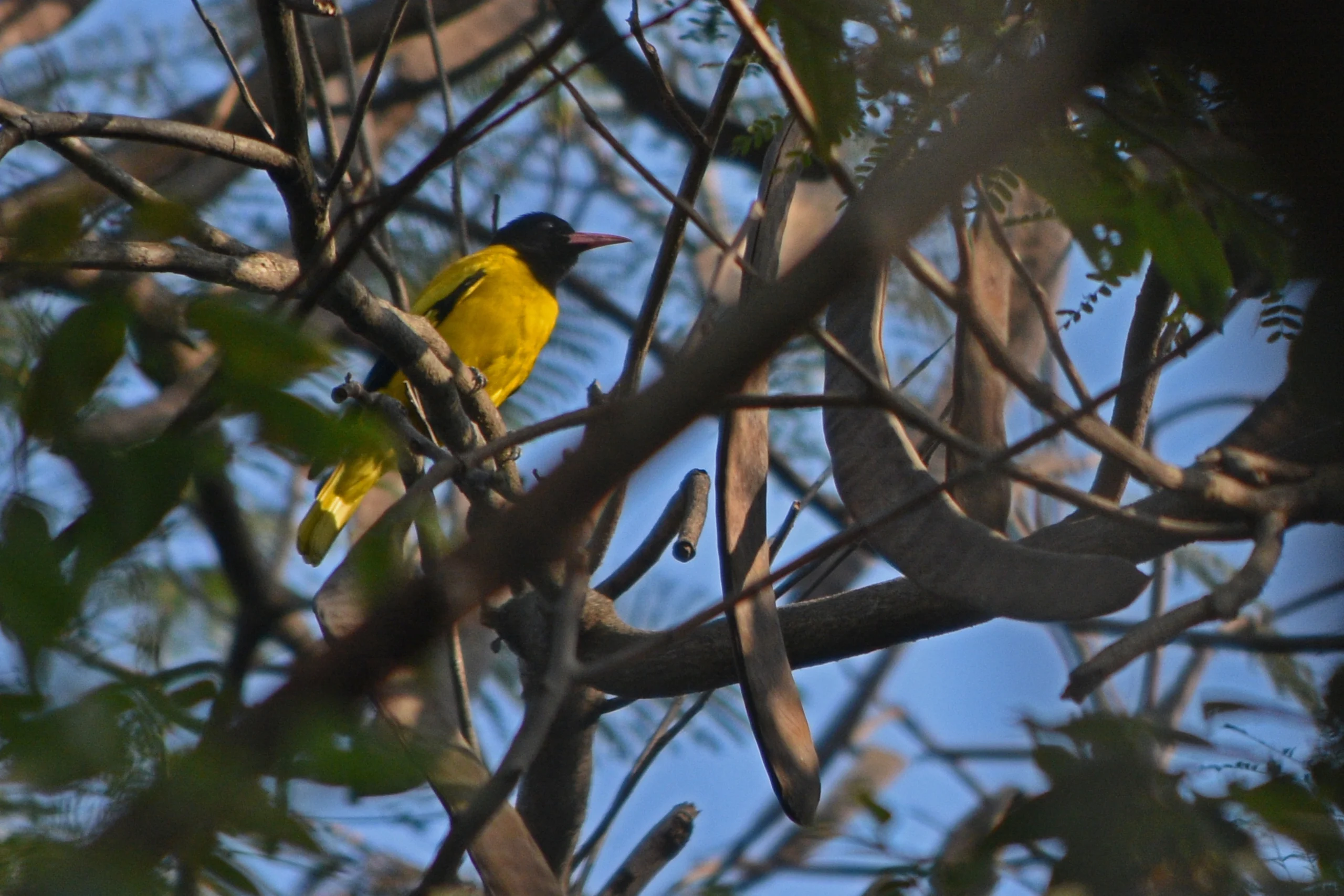
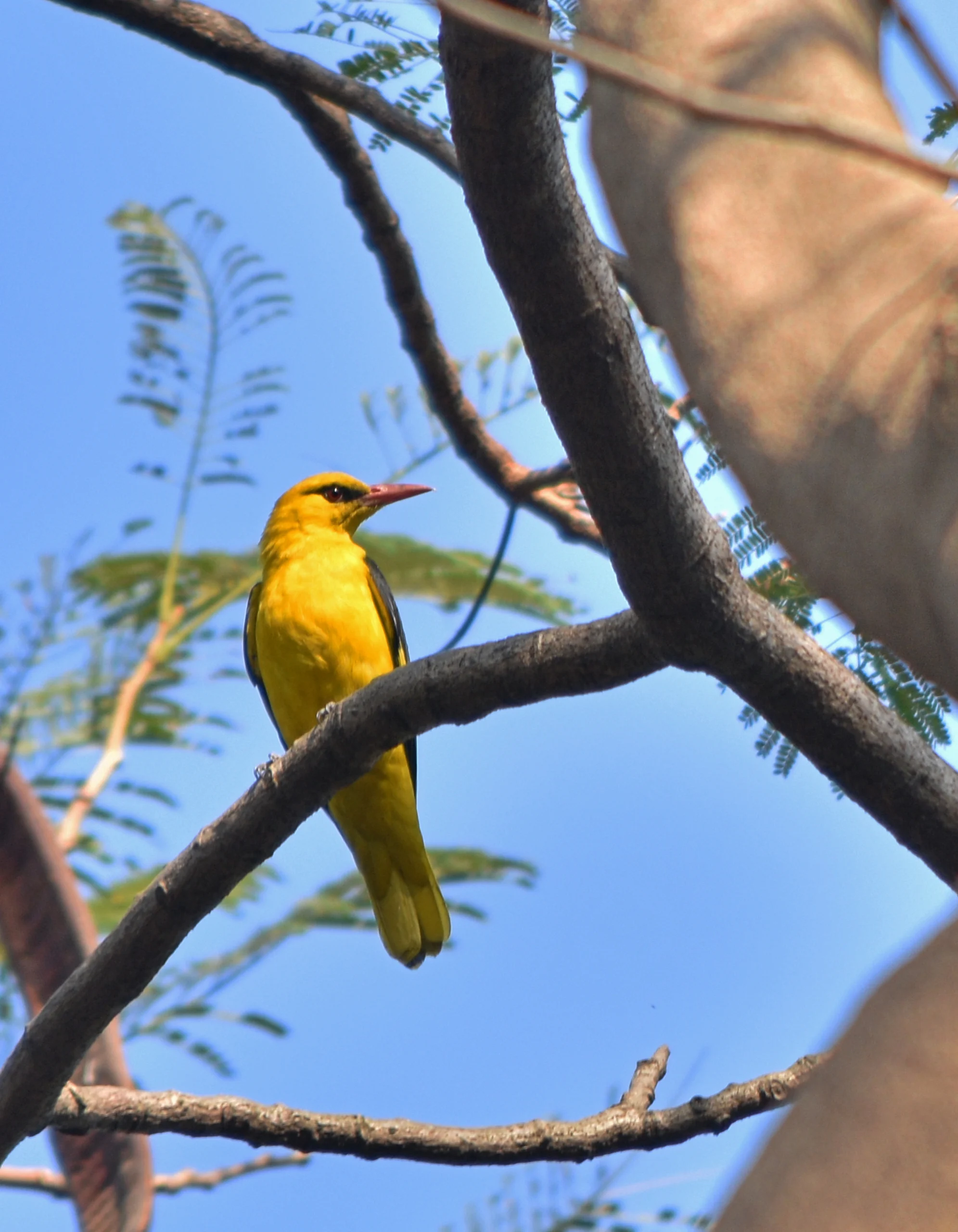
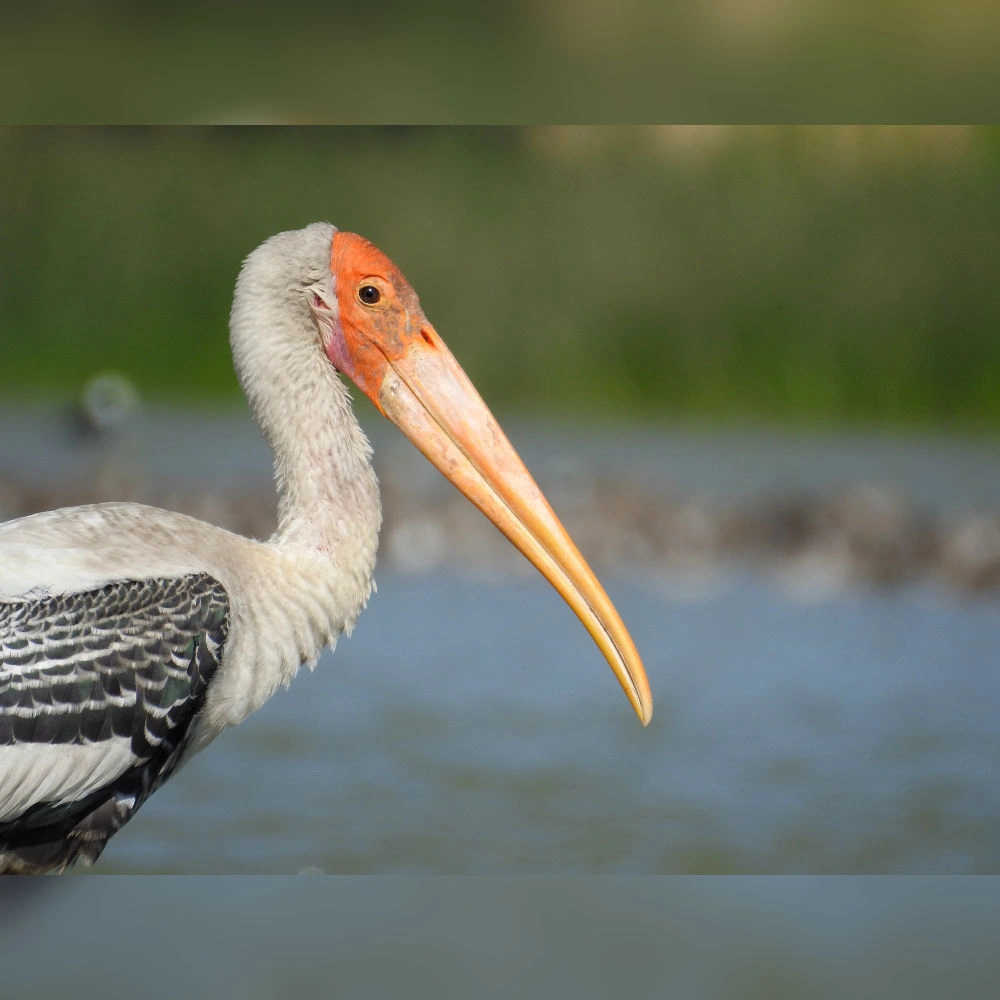
Rabindra Sarobar Safari Park is a paradise for bird lovers, with an extraordinary 213 bird species recorded, reflecting the richness of its wetland–woodland mosaic in the heart of Kolkata. The lakes and islands are frequented by impressive waterbirds such as the Painted Stork, Indian Cormorant, Great Cormorant, and Grey Heron, while the surrounding trees come alive with flashes of color from Black-hooded, Black-naped, and Indian Golden Orioles. Nectar-rich flowering trees attract tiny jewels like the Purple Sunbird and Purple-rumped Sunbird, while fruiting figs and old trunks support Coppersmith, Blue-throated, and Lineated Barbets, along with the Black-rumped Flameback Woodpecker. The canopy and open edges host elegant flycatchers and monarchs such as the Verditer Flycatcher and Black-naped Monarch, and the air is often animated by agile insect-hunters like the Black Drongo, Ashy Drongo, and Lesser Racket-tailed Drongo. Adding to the soundscape are the calls of the Common Hawk-Cuckoo and the constant chatter of Rose-ringed Parakeets, making every visit a rewarding experience and underlining Rabindra Sarobar’s status as one of eastern India’s finest urban birding hotspots.
Painted Stork
Black-hooded Oriole
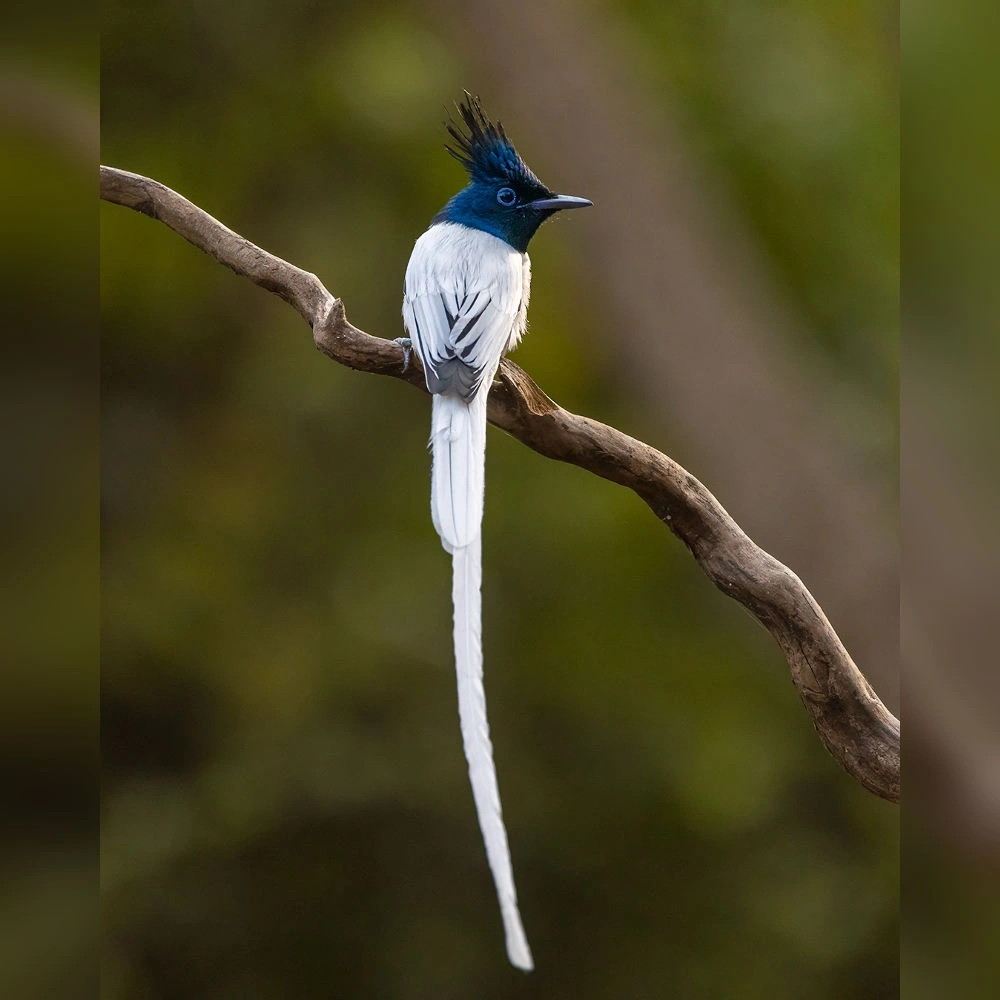
Indian Paradise Flycatcher
Common Myna
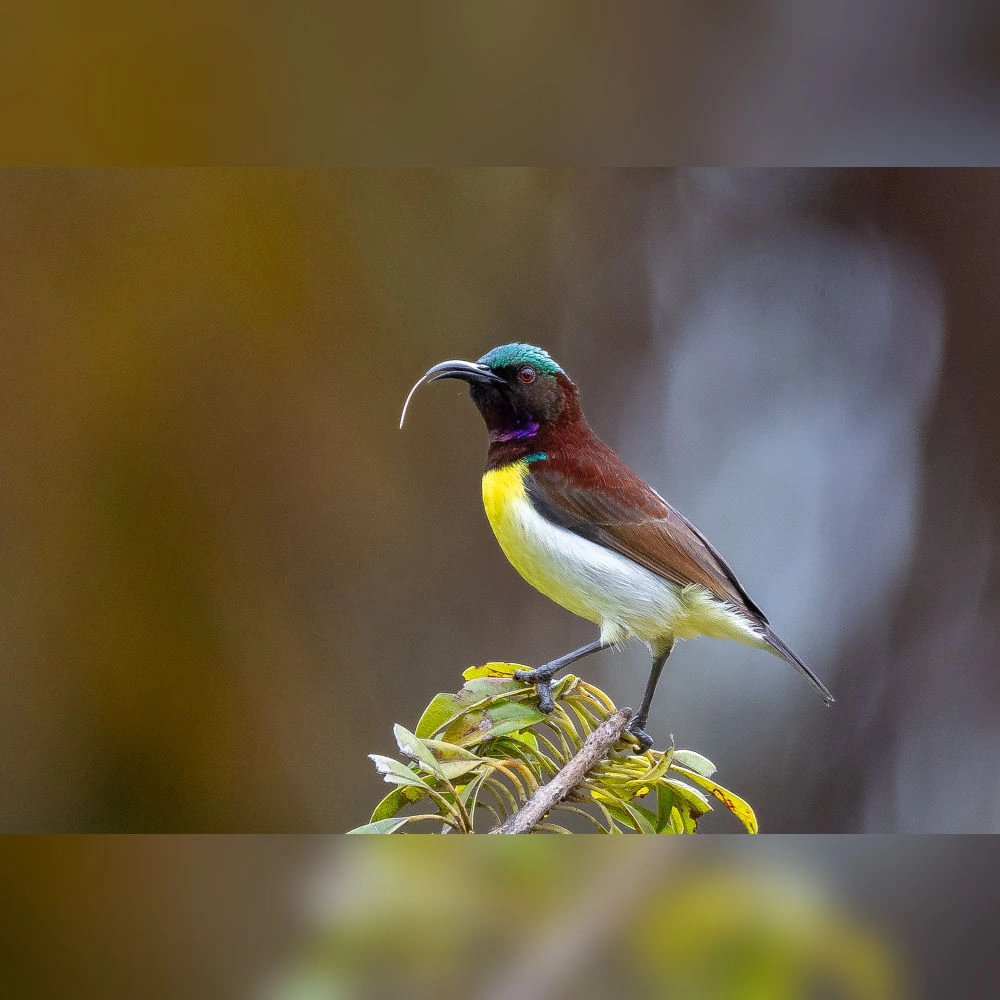
Purple-rumped Sunbird

Indian Cormorant
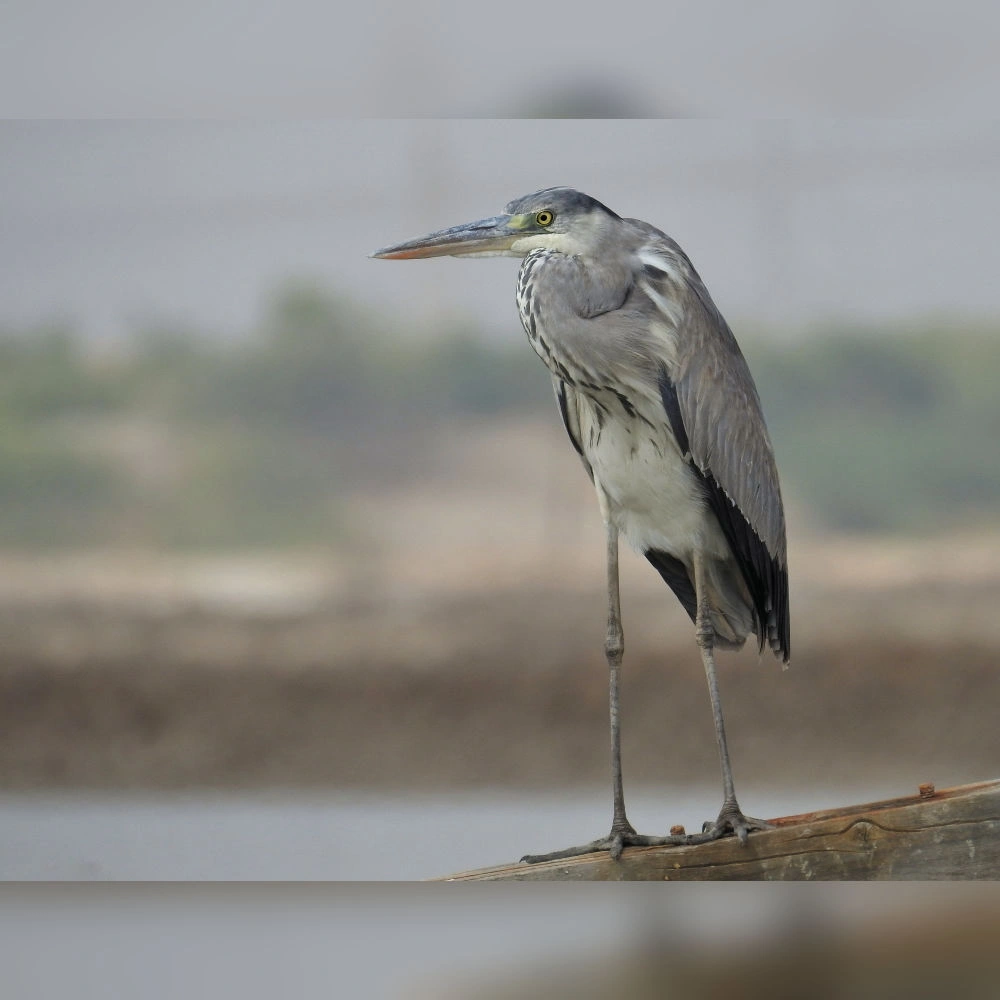
Grey Heron
Purple Heron
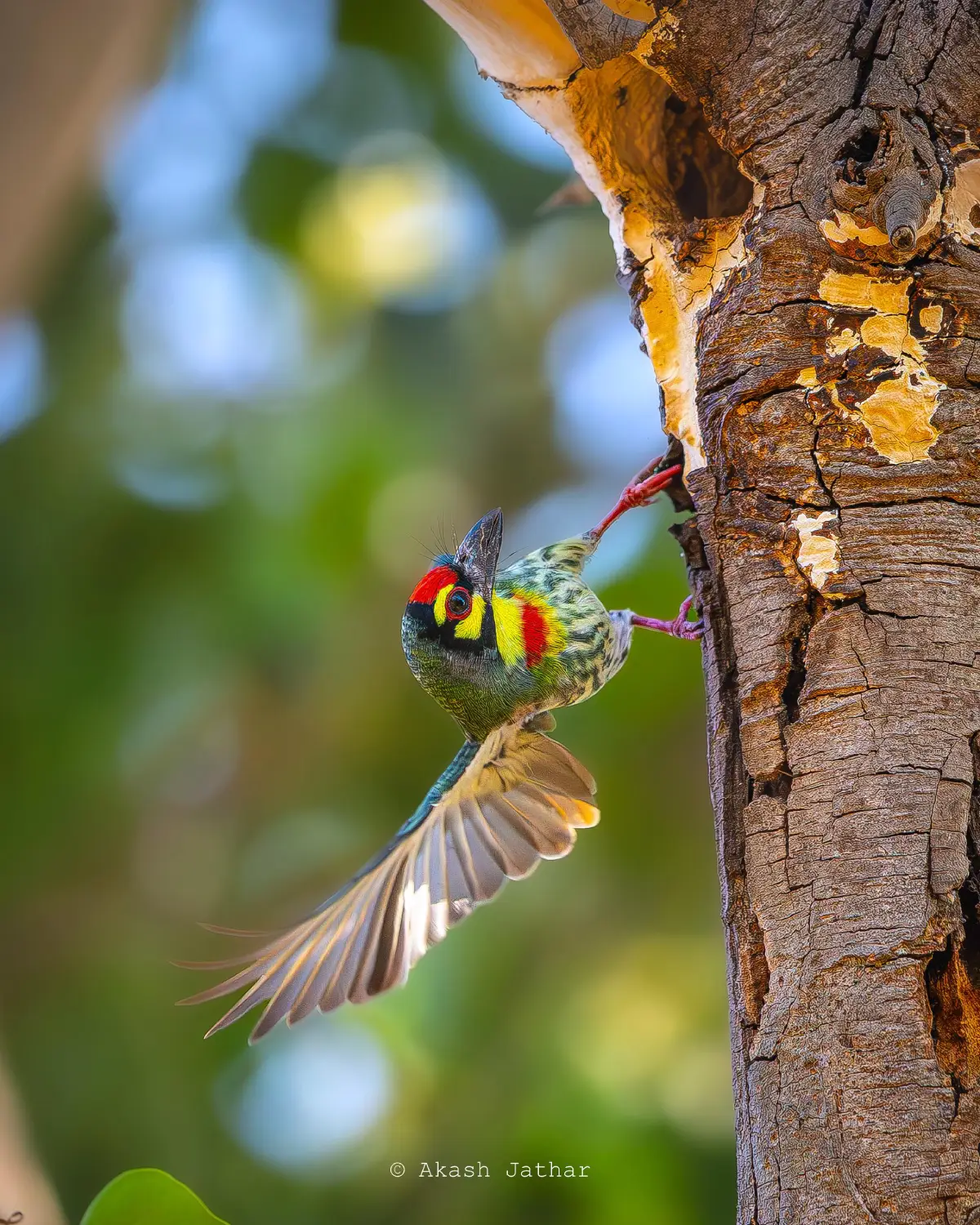
Coppersmith Barbet
Black Drongo
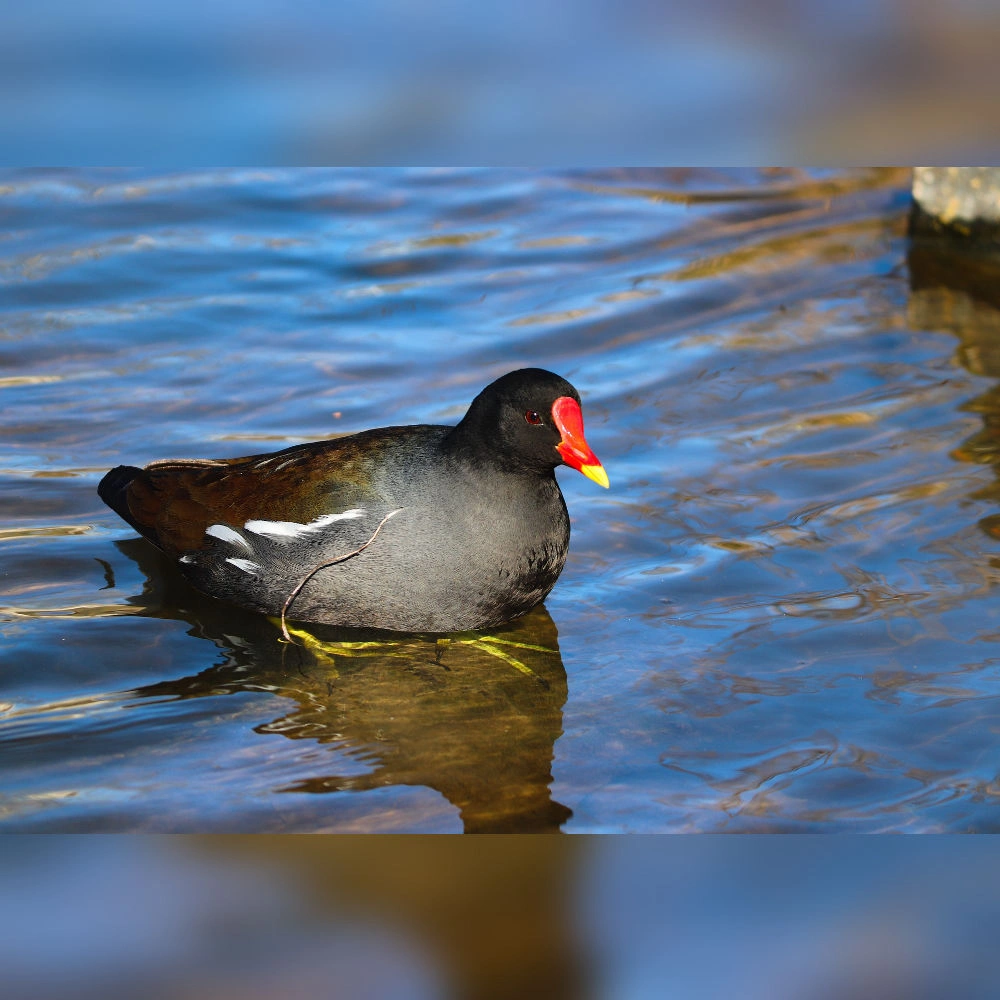
Eurasian Moorhen
Oriental Darter
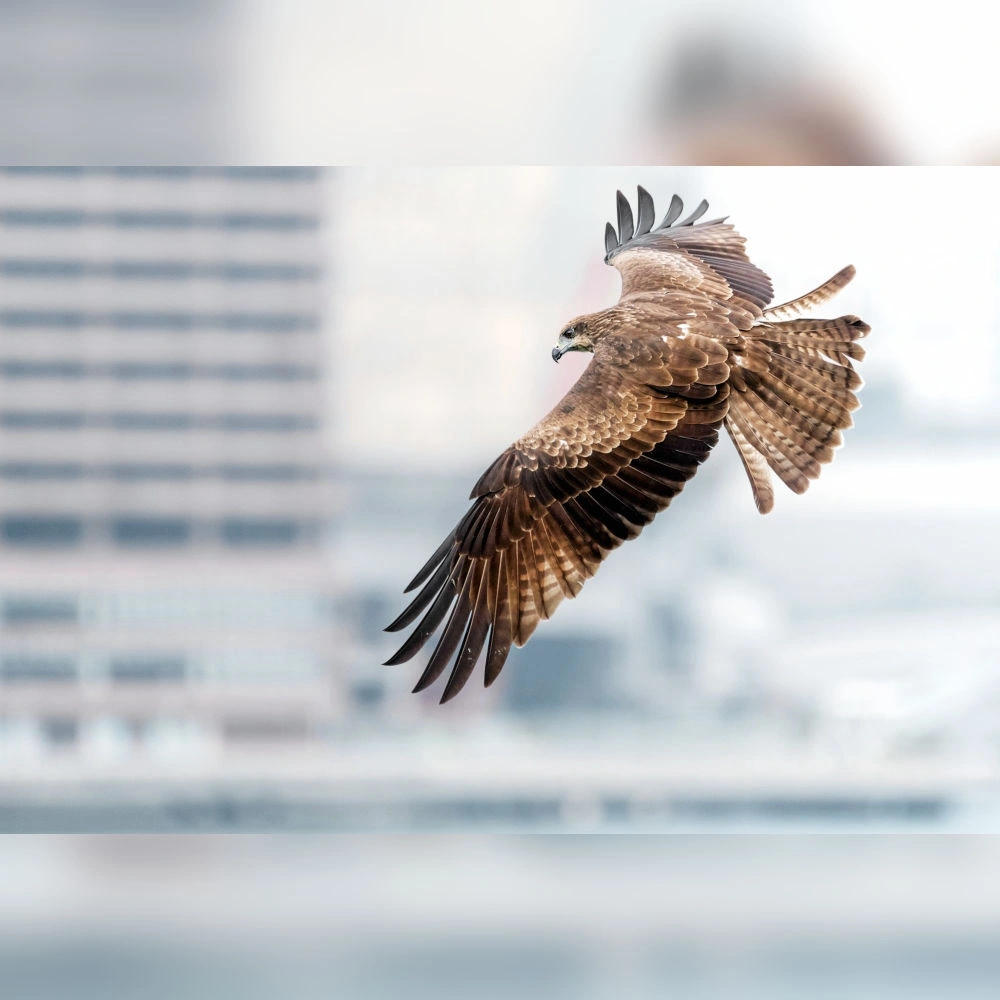
Black Kite
House Sparrow
White-throated Kingfisher
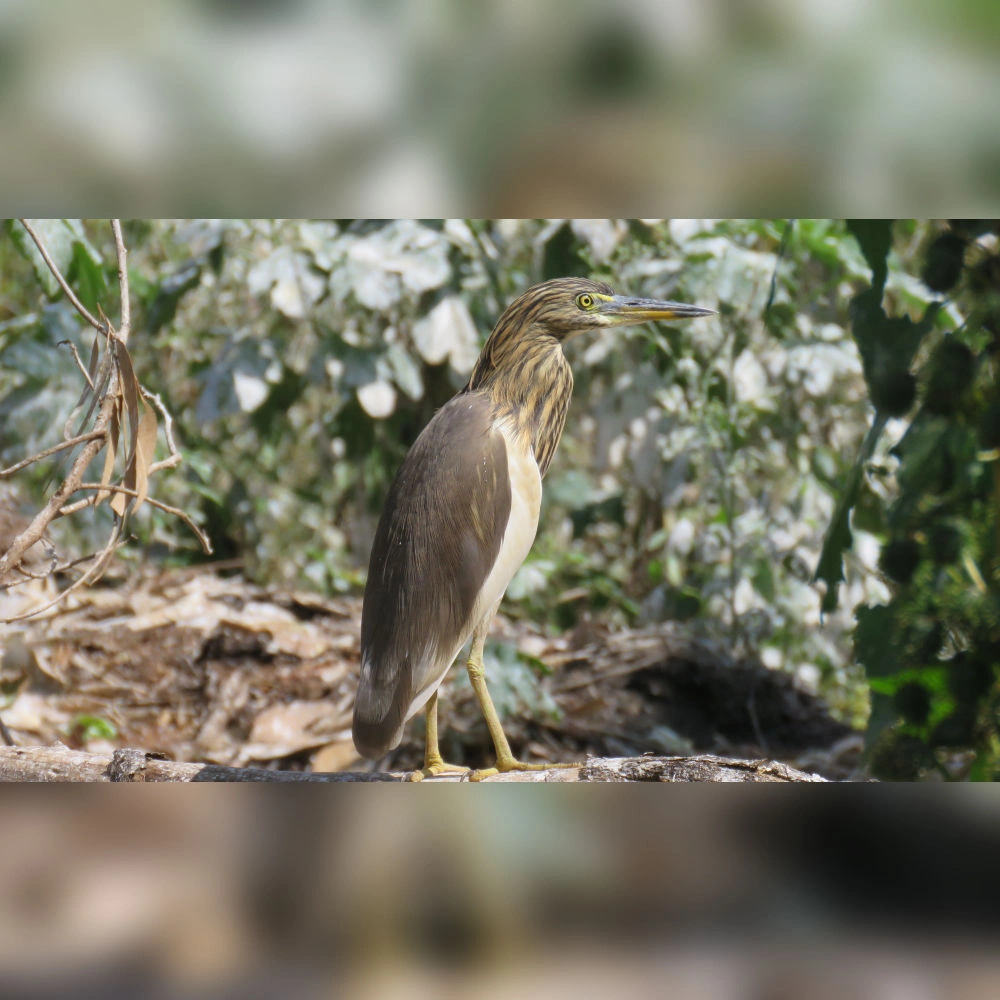
Indian Pond Heron
Grey-headed Swamphen
Common Hawk-Cuckoo
Red-vented Bulbul
Common Tailorbird

Summary of Walk

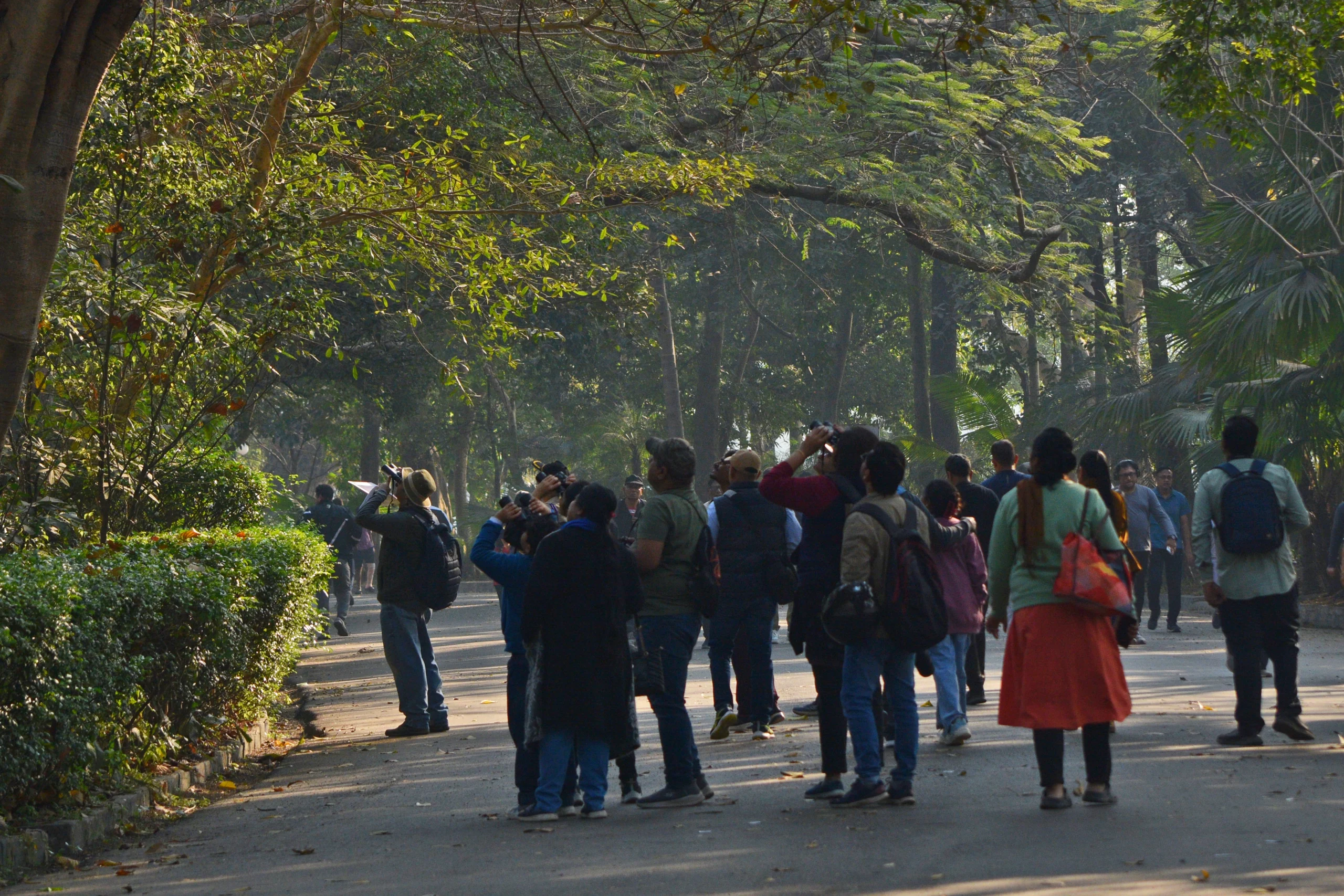
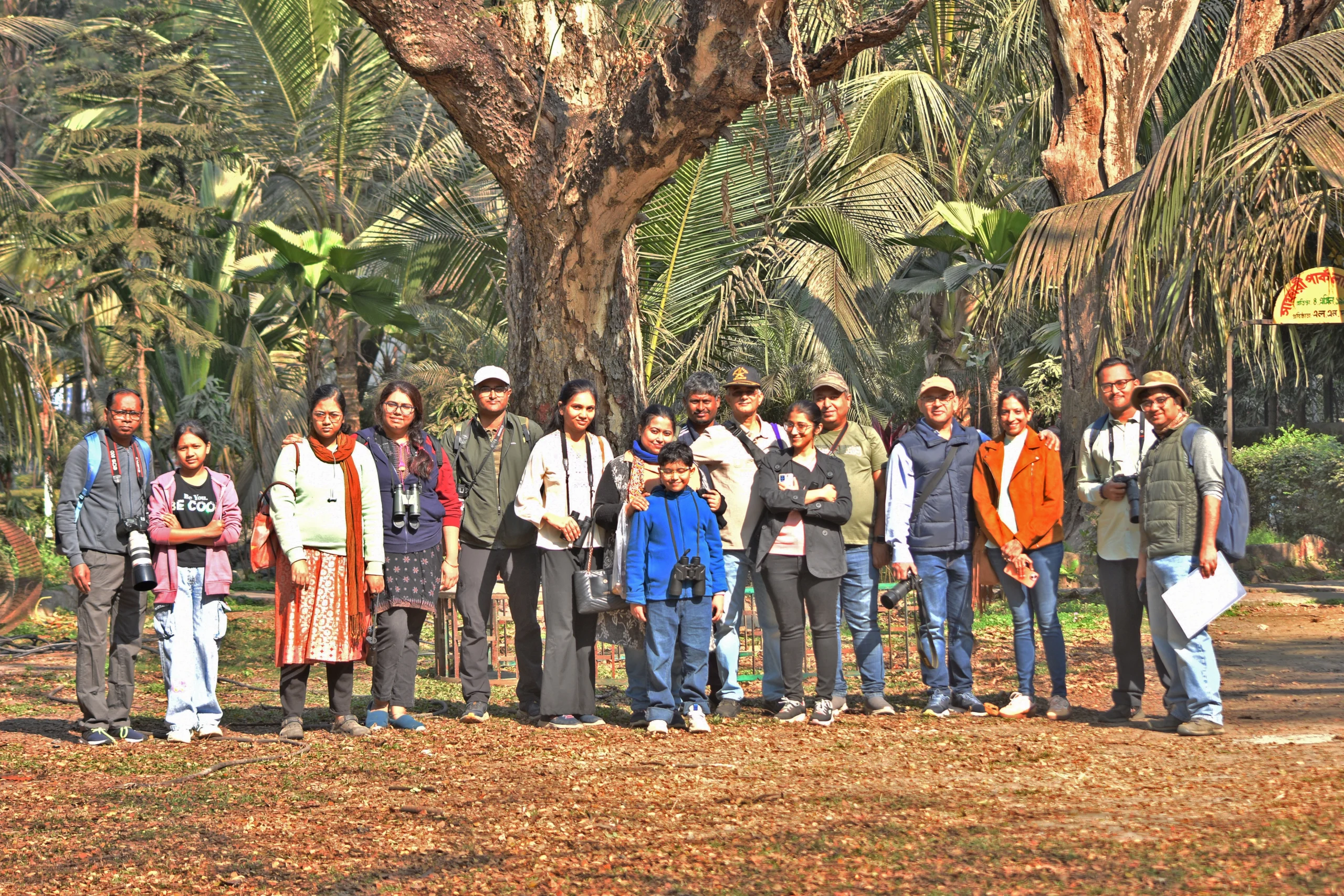
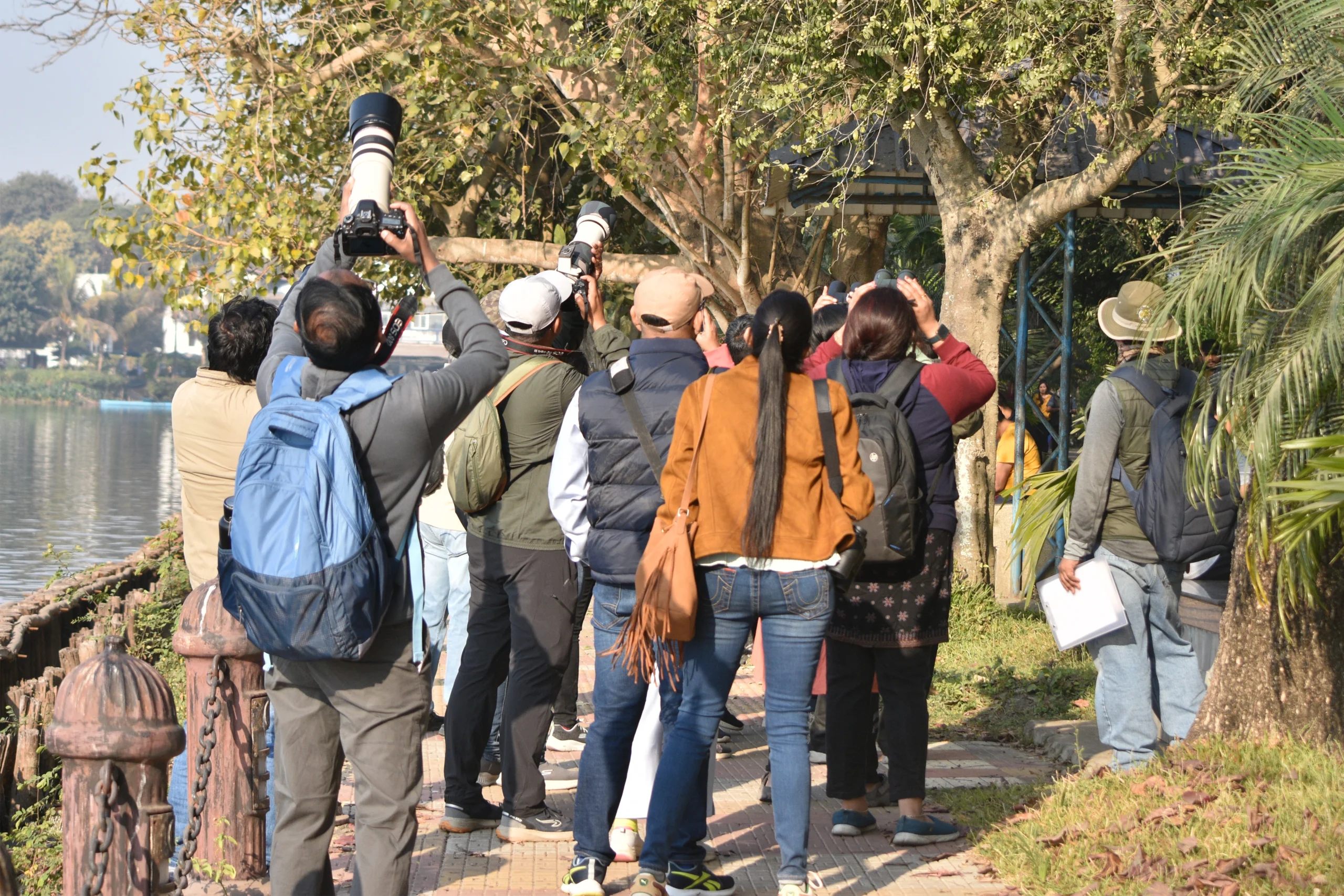
The bird walk led by Sounak Dutta brought together 19 participants from diverse professional backgrounds, including two young birders, for a lively and enriching morning at this popular urban nature space usually bustling with activities like rowing, jogging, music, and yoga. Amidst the everyday rhythm of the park, the group began by observing a large flock of water birds gathered on the central island of the lake. Several species of cormorants, herons, Painted Storks, and other water birds were seen, setting the tone for an exciting start to the walk.
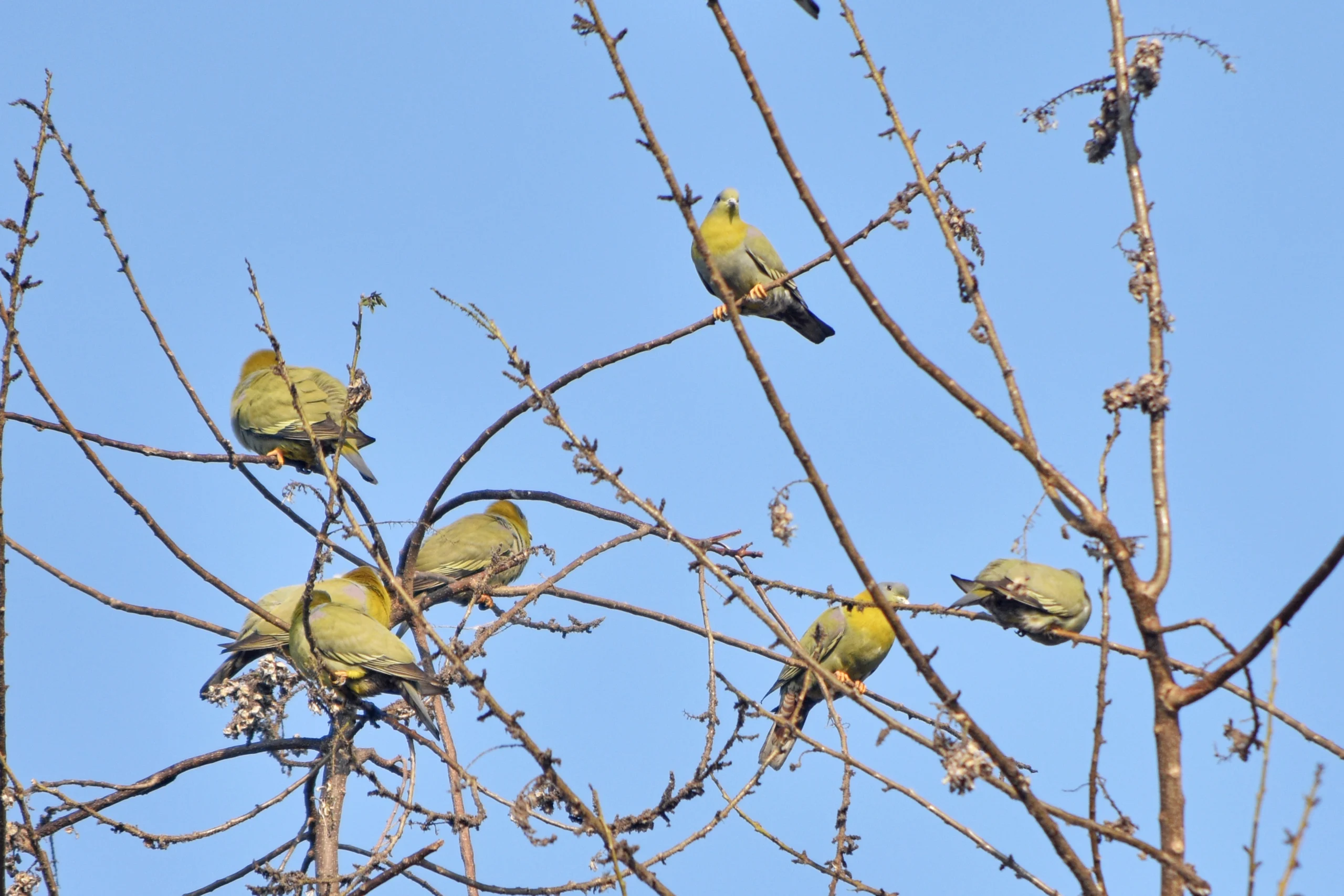
As the group moved through the park, attention shifted to a variety of urban bird species, with around 35 species recorded during the walk. A truly beautiful moment unfolded when a flock of nearly 25 Yellow-footed Green Pigeons was seen basking together in the soft morning sunlight. Participants also captured excellent photographs of fruiting barbets, while brief but delightful glimpses of the Black-naped Monarch and Verditer Flycatcher added to the excitement. All three oriole species- Black-hooded, Black- naped, and Golden Oriole were observed actively moving through the trees, and a cooperative Lesser Racket-tailed Drongo stole the show by perching in the open and mimicking multiple calls. Alongside birdwatching, the guide shared valuable insights on bird behaviour, habitat use, and migration, making the walk both educational and enjoyable. Participants appreciated the experience and shared enthusiastic feedback, expressing a keen interest in joining more such bird walks in the future.
Number of Participants
0
Scroll to Top