

Bird Walk at Khairbana Dam, Chhattisgarh
- Chhattisgarh
- 25 January, 2026
- Pratik Thakur
About Khairbana Dam
Daulat Baroda Lake in Indore rests like a quiet blue pocket between farmland, village clusters, and patches of open scrub—one of those modest waterbodies that quietly anchors both people and wildlife. Its seasonal fluctuations shape the landscape around it: during the monsoon, the lake spreads wide and nurtures lush grasses along the margins, while in winter it settles into a calm, reflective basin that draws villagers for evening walks, cattle for watering, and farmers who depend on its recharge for nearby wells and fields. The lake also softens the surrounding microclimate, offering a refreshing pause in Indore’s otherwise warm, dry stretches.
For birds and other wildlife, Daulat Baroda Lake becomes a dependable refuge. Shallow edges invite waders like herons, stilts, and plovers, while the open water attracts ducks, cormorants, and kingfishers. The surrounding scrub and farmlands add another layer—bee-eaters, drongos, doves, and bulbuls animate the air, turning the lake into a constantly shifting stage through the year. Yet, like many rural lakes near growing cities, it faces pressures from waste dumping, shrinking wetlands, and increasing human use. With simple interventions—regular cleanups, protection of shoreline vegetation, and awareness among local communities—the lake can continue supporting both its ecological richness and its value as a peaceful, living landscape for the people of Indore.

Bird Guide: Pratik Thakur
Pratik is an experienced bird guide with over five years of dedicated field birdwatching across the region. His observations and documentation of more than 280 bird species bring deep local knowledge and insight to every guided outing.
Bird walk Location
Common birds of Kharibana Dam
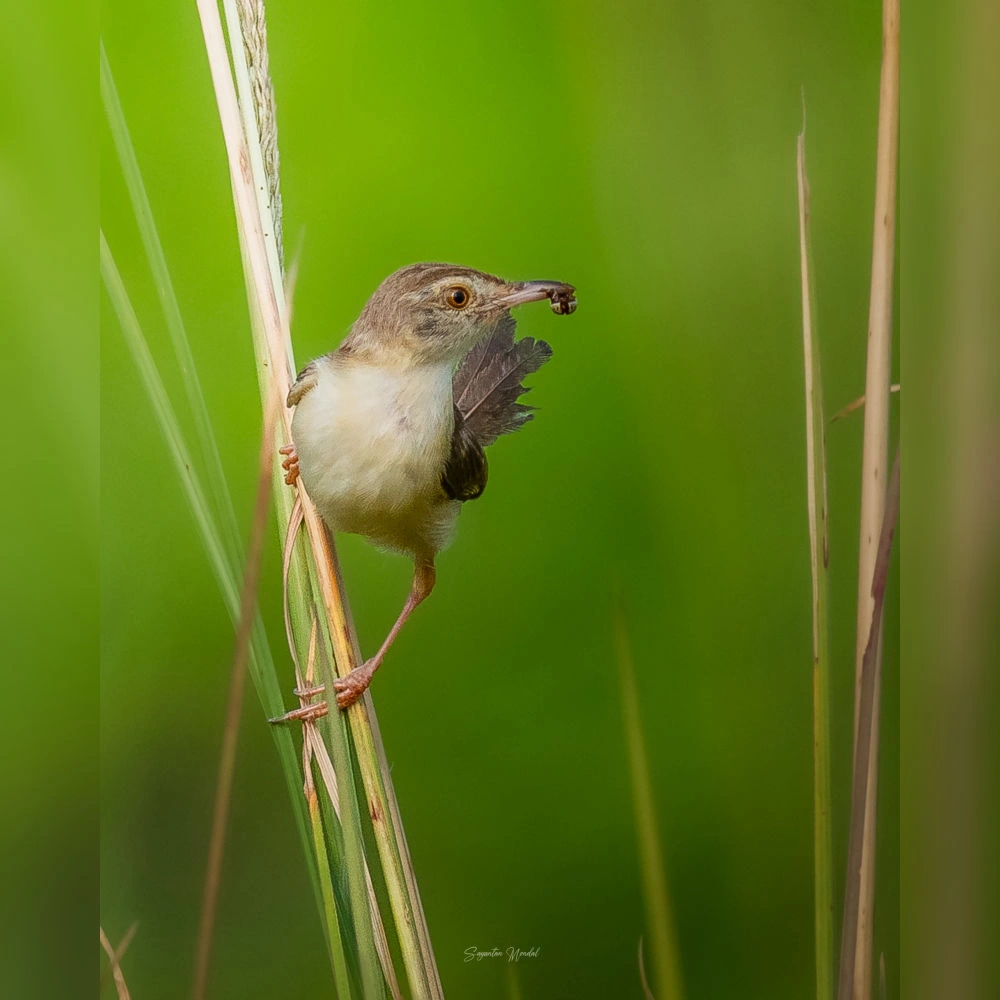
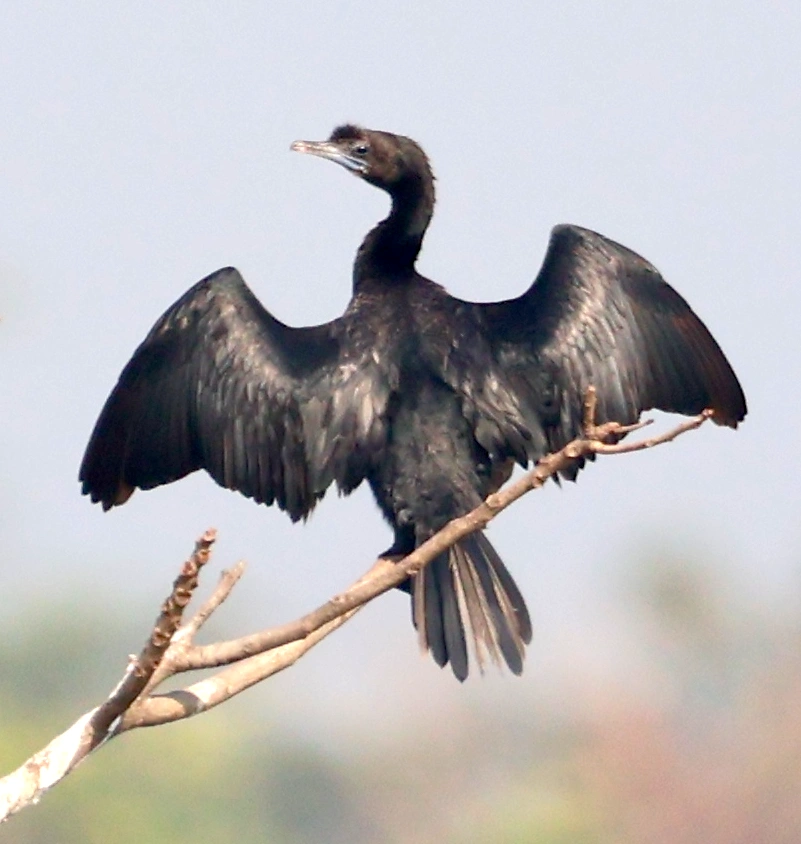
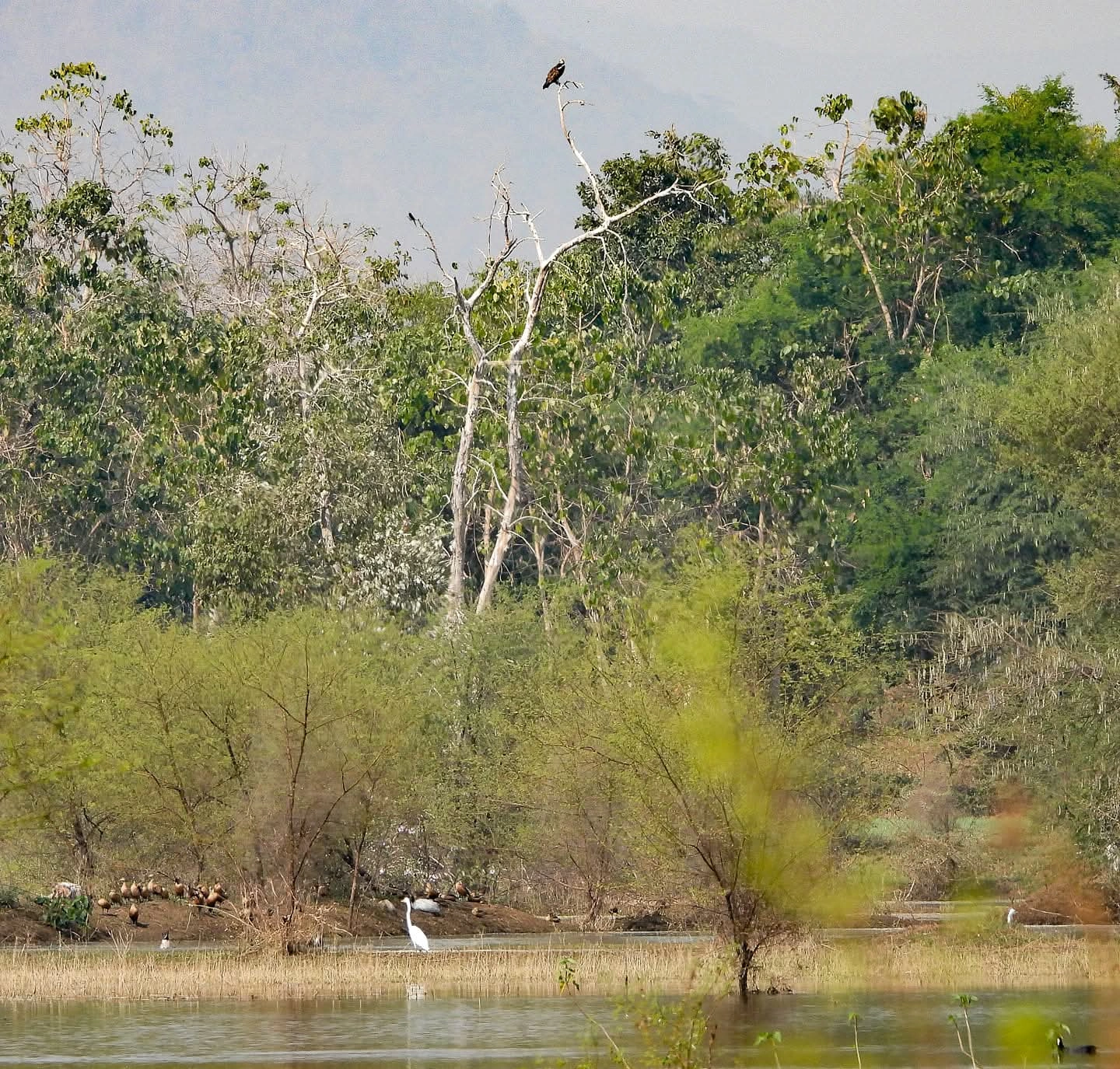
Khairbana Dam supports a lively and diverse bird community, where wetlands, open water and surrounding scrub create ideal conditions for both resident and seasonal species. The reedbeds and grassy edges resonate with the calls of Plain Prinia, Paddyfield Pipit and Indian Silverbill, while Baya Weavers and Scaly-breasted Munias add movement and colour to the bushes. Shallow waters attract elegant Little and Intermediate Egrets, alongside Little Cormorant, Indian Cormorant, Spot-billed Duck and Lesser Whistling Duck, making the reservoir especially active during early mornings. Wader-rich mudflats host Wood Sandpipers, Little Ringed Plovers and striking Black-winged Stilts, while larger wetland birds like Common Moorhen and Grey-headed Swamphen patrol vegetated margins. Overhead, Black Drongos and Bay-backed Shrikes hunt from perches, and the occasional Osprey adds drama as it scans the water for fish. Together, these species highlight Khairbana Dam as a rewarding birding site and an important wetland refuge within Chhattisgarh’s rural landscape.

Plain Prinia

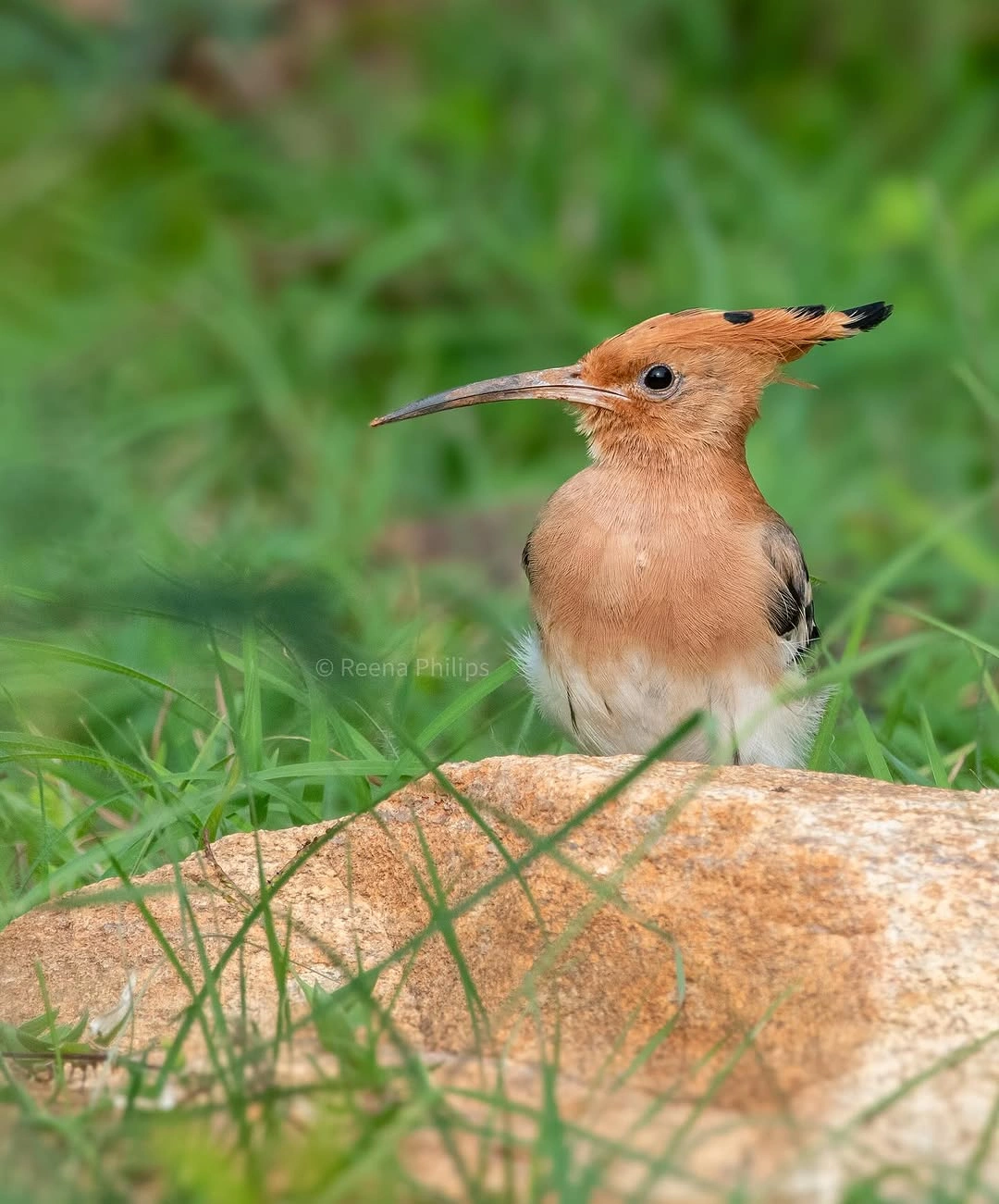
Common Hoopoe

Little Cormorant
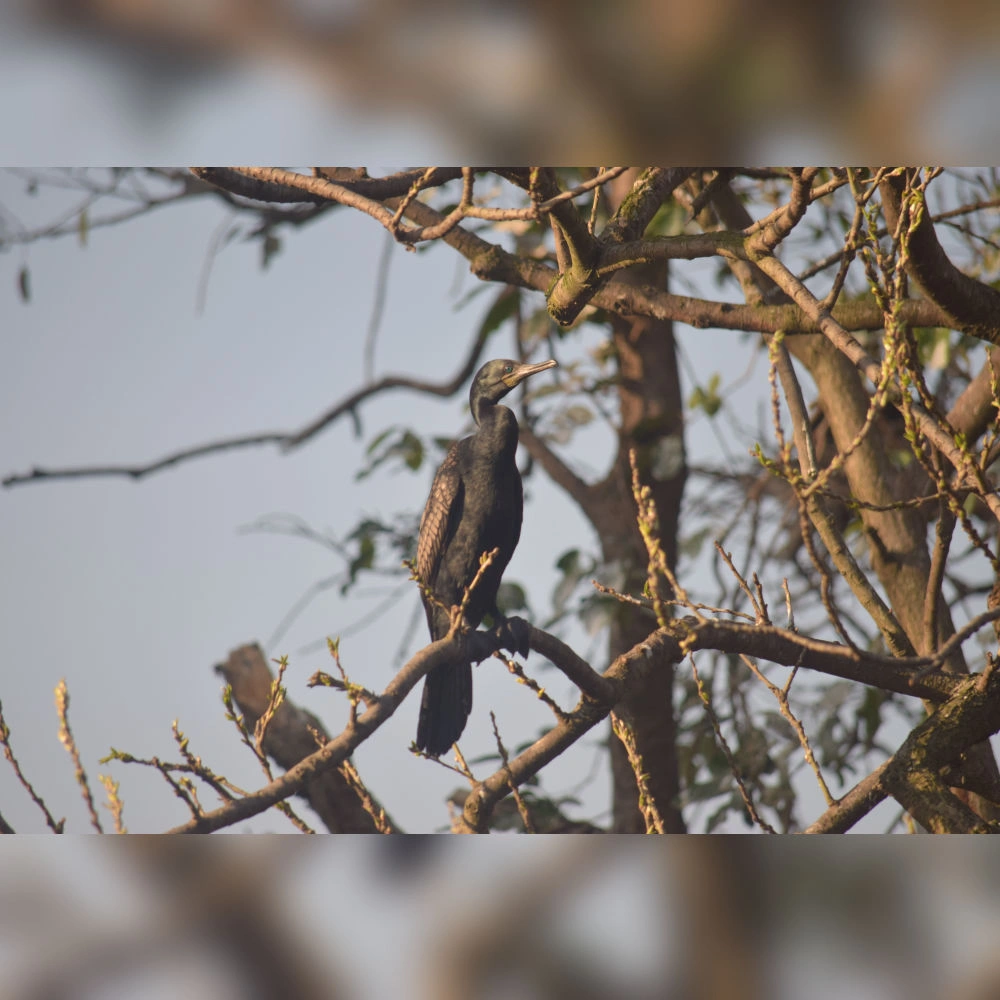
Indian Cormorant
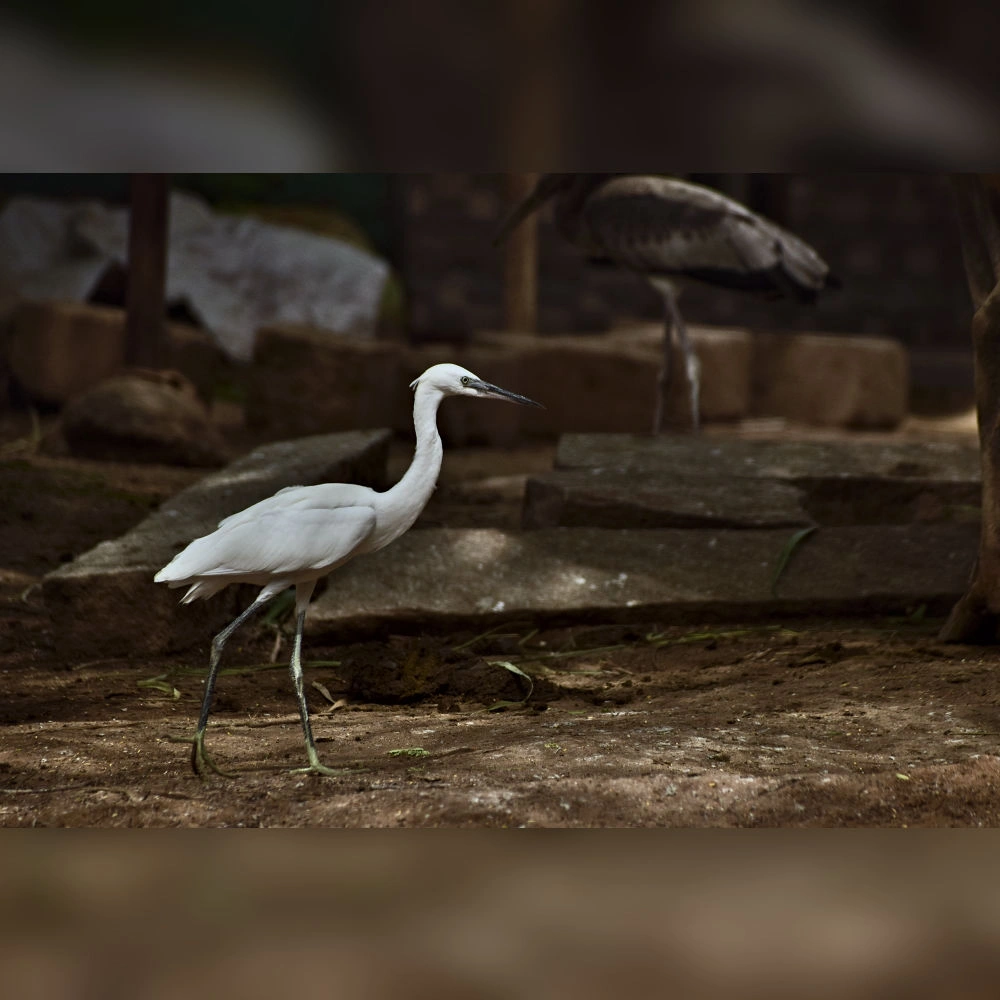
Little Egret
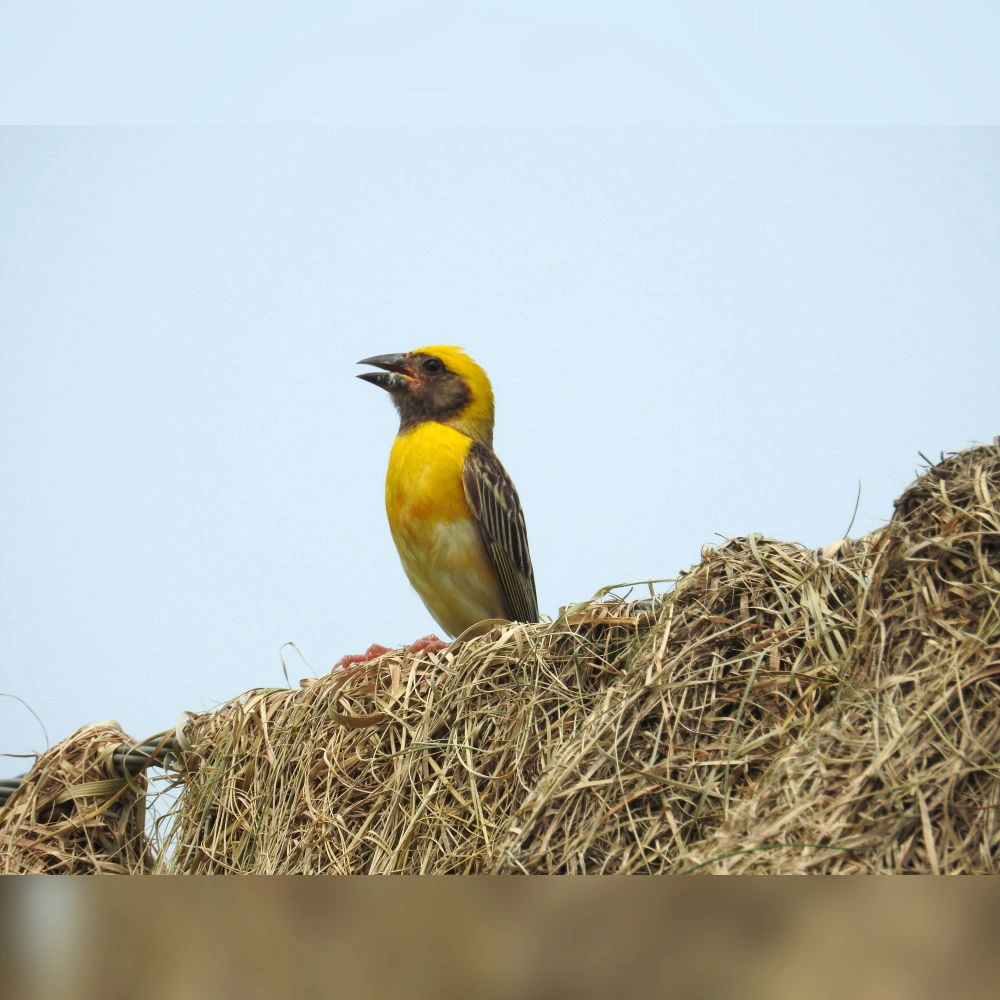
Baya Weaver
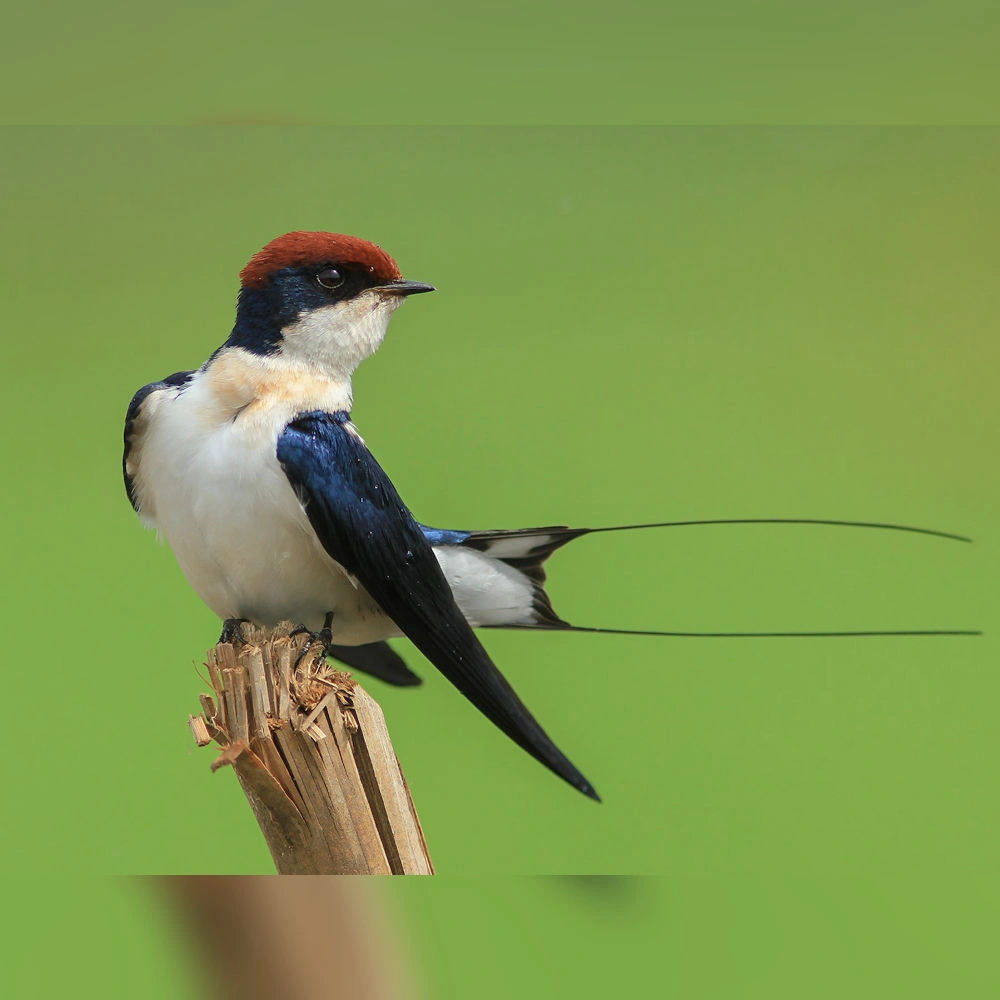
Wire-tailed Swallow
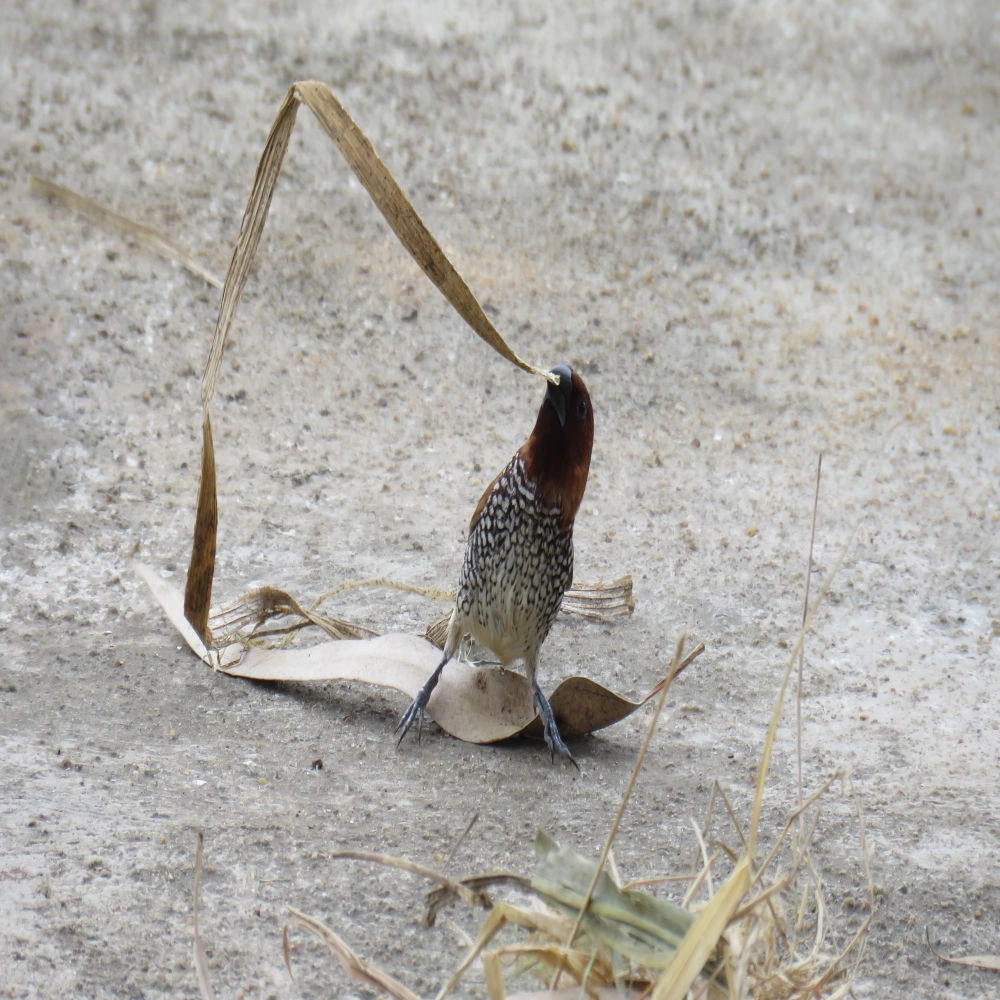
Scaly-breated Munia
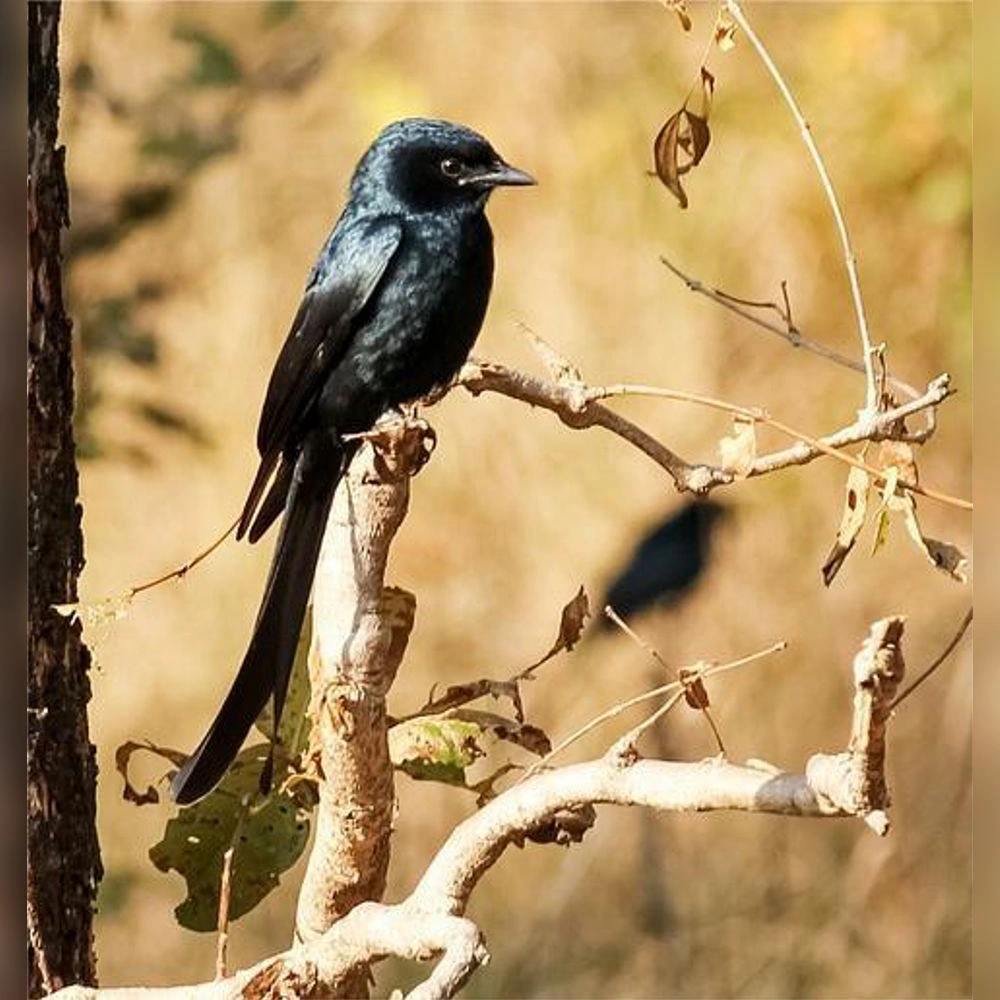
Black Drongo
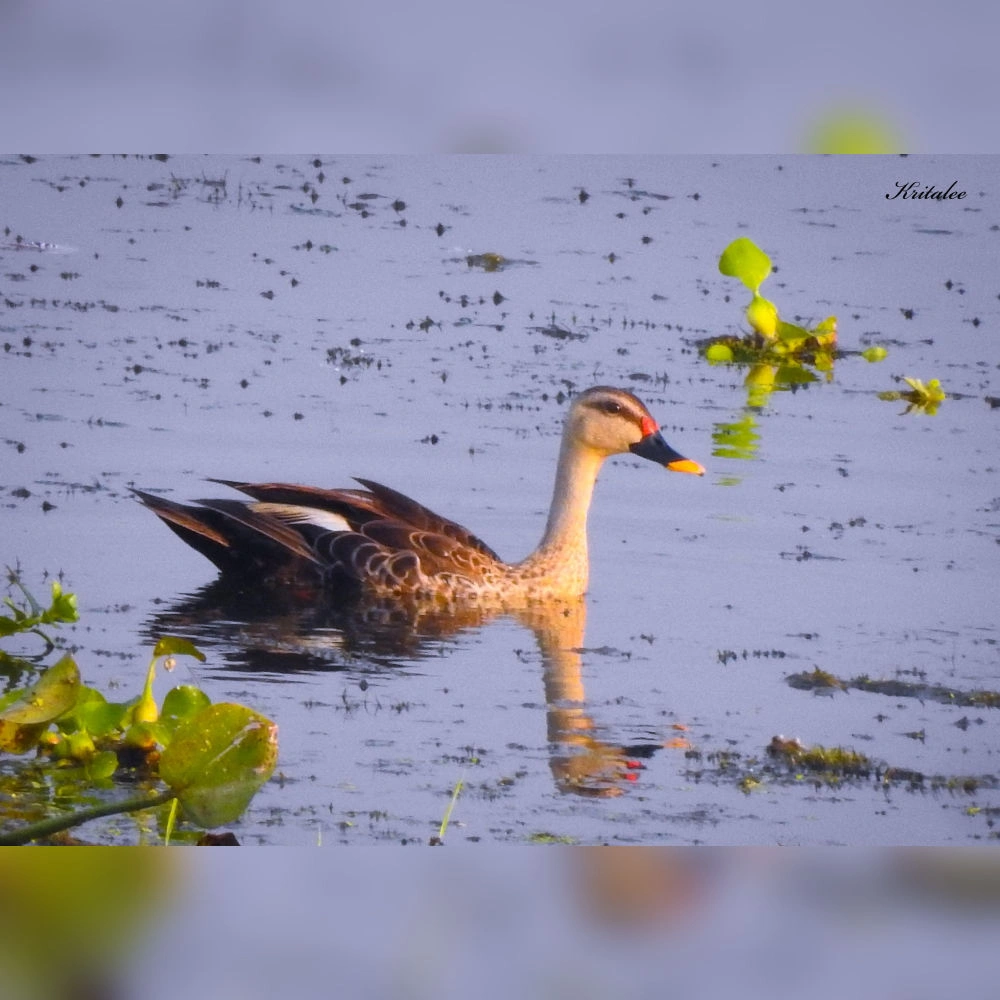
Indian Spot-billed Duck
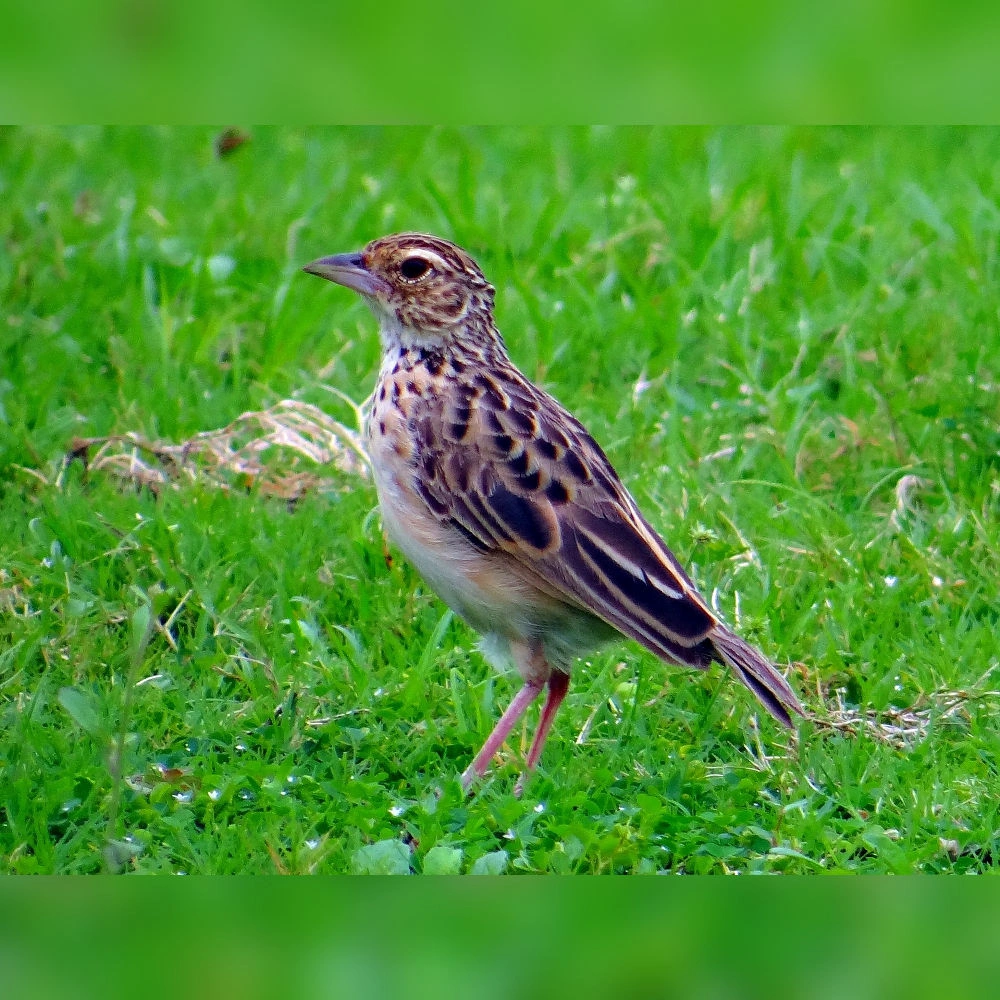
Paddyfield Pipit
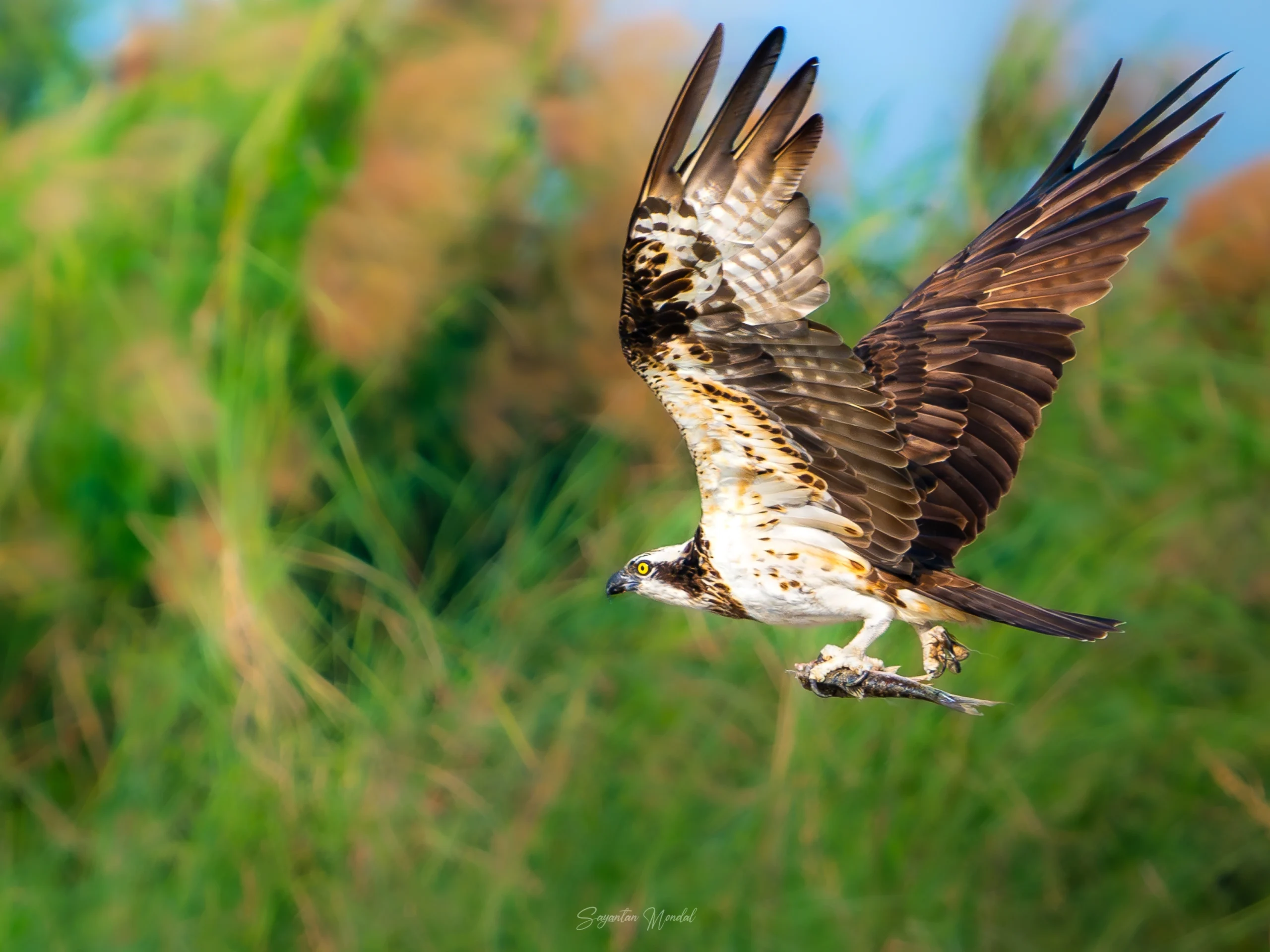
Osprey
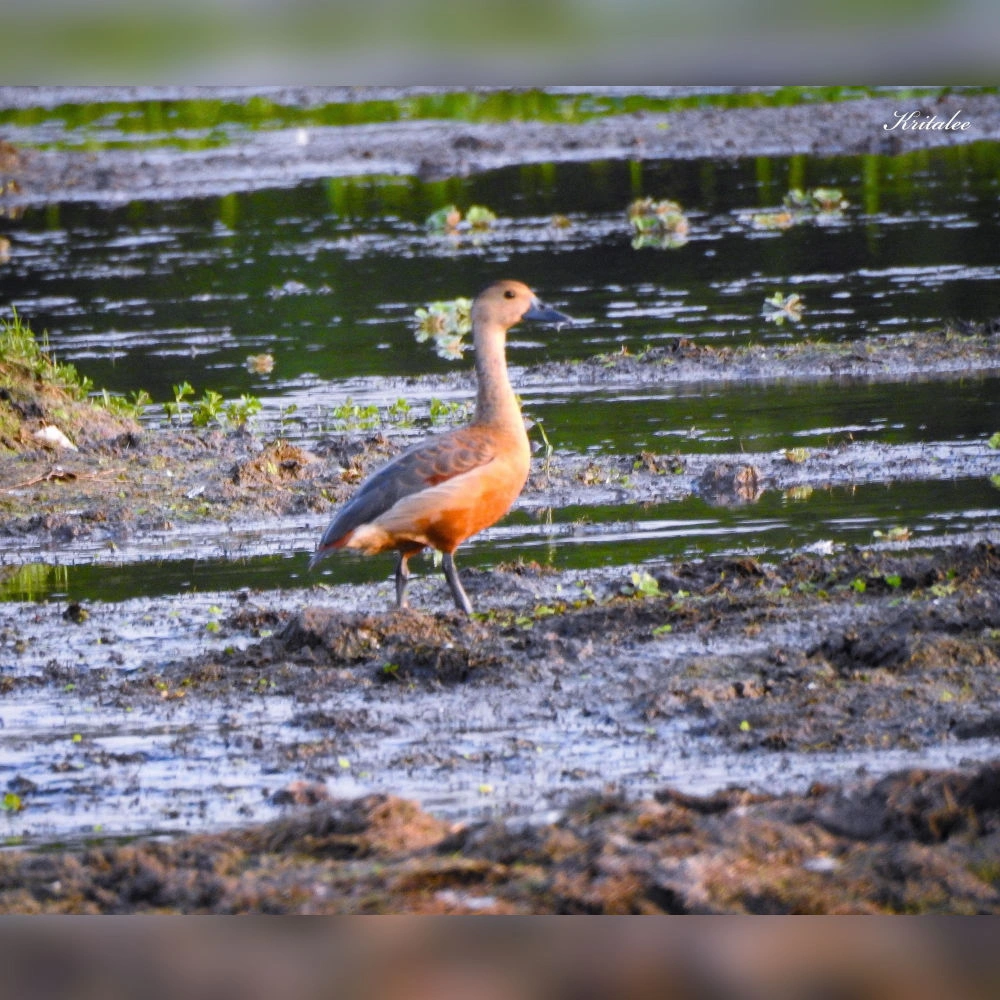
Lesser Whistling Duck

Grey - headed Swamphen
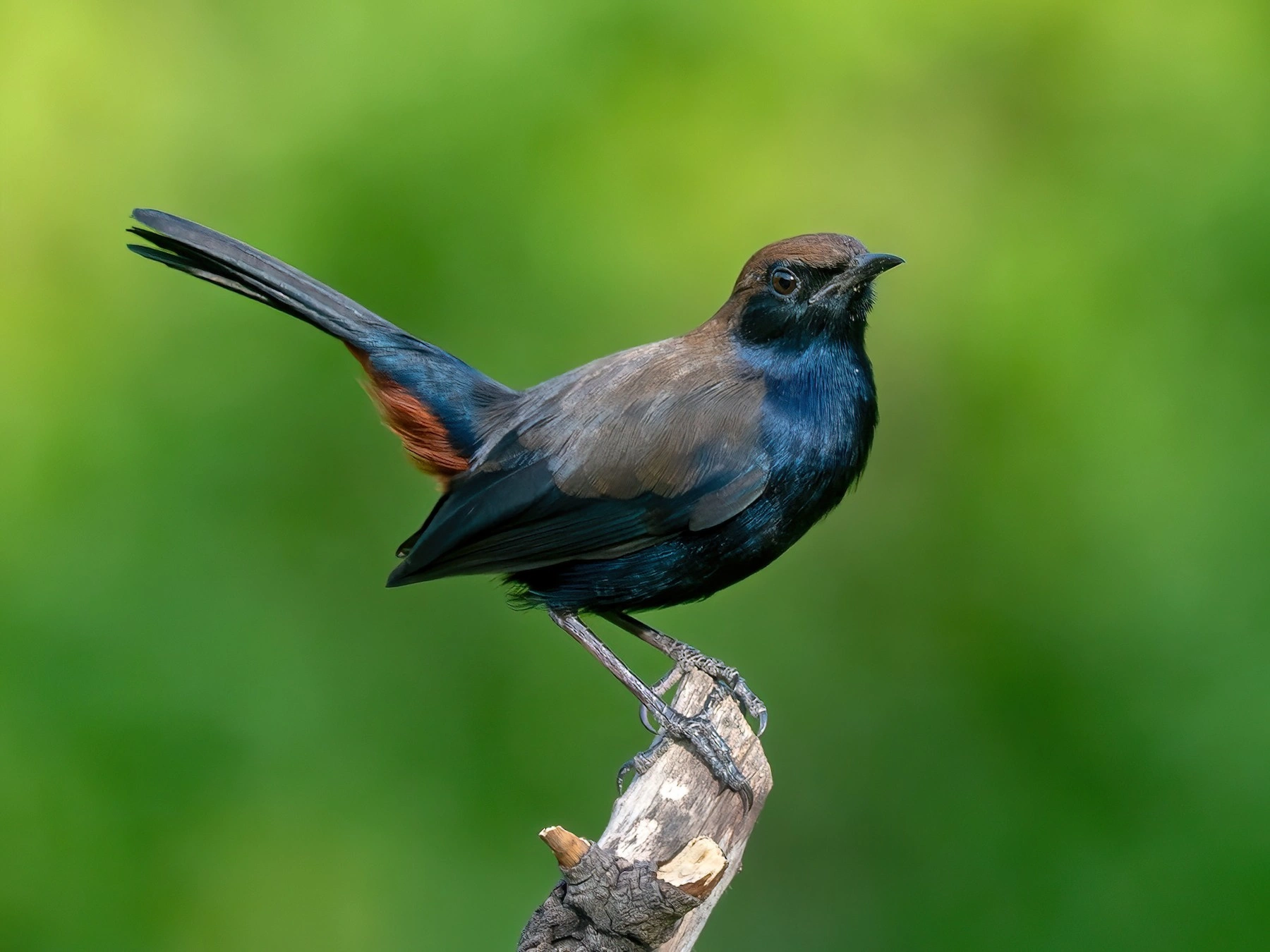
Indian Robin
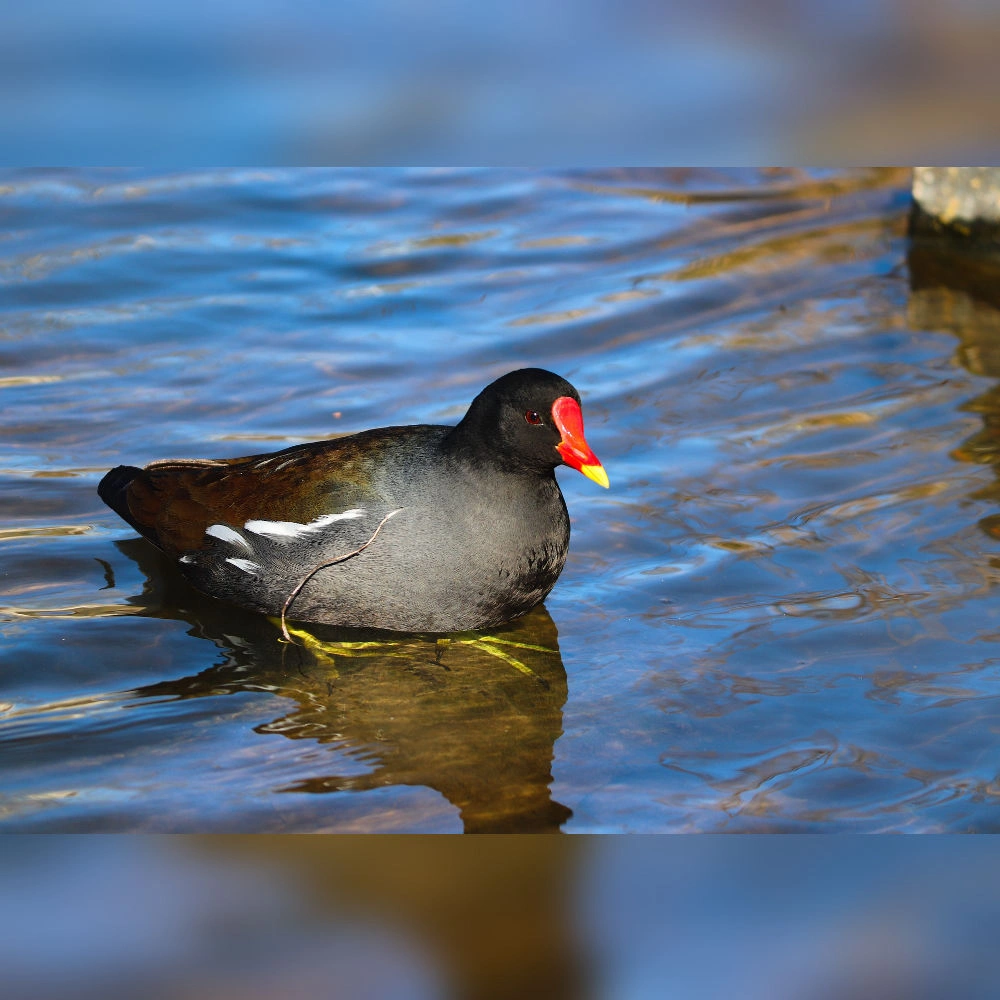
Common Moorhen
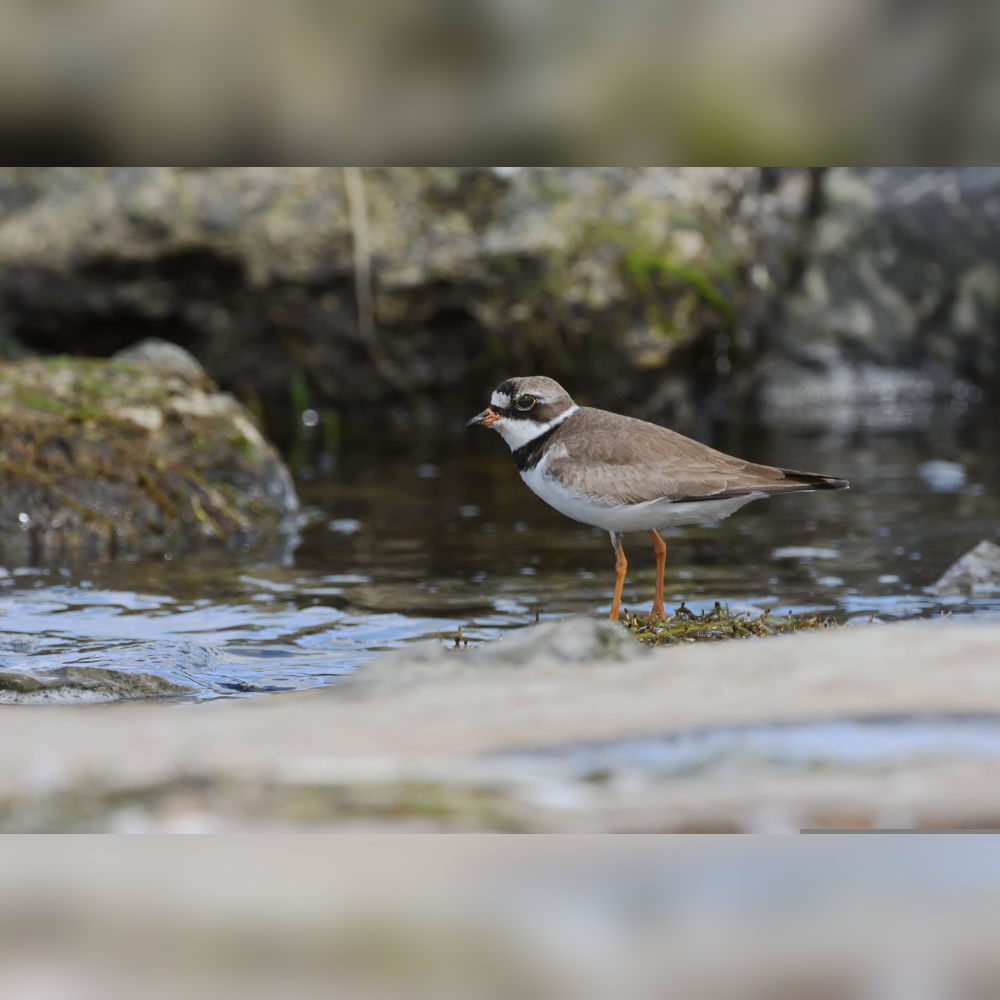
Little Ringed Plover
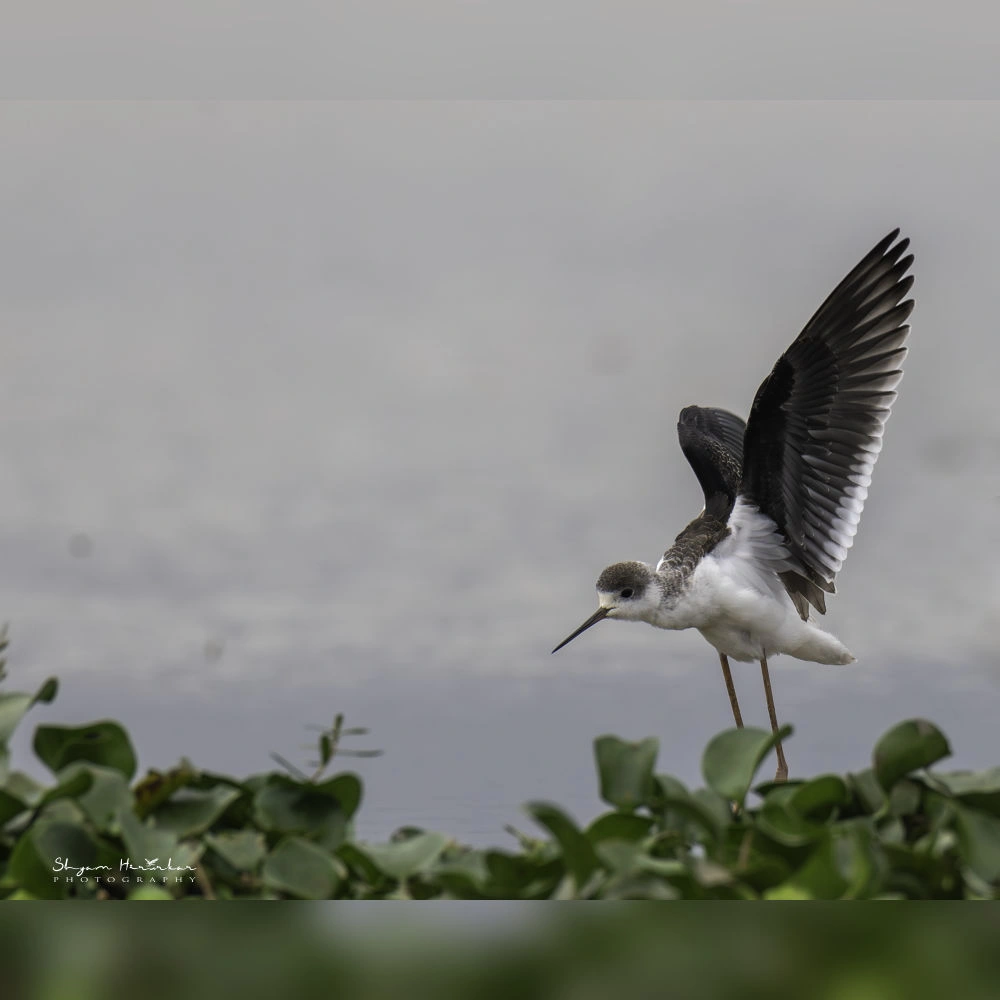
Black - winged Stilt
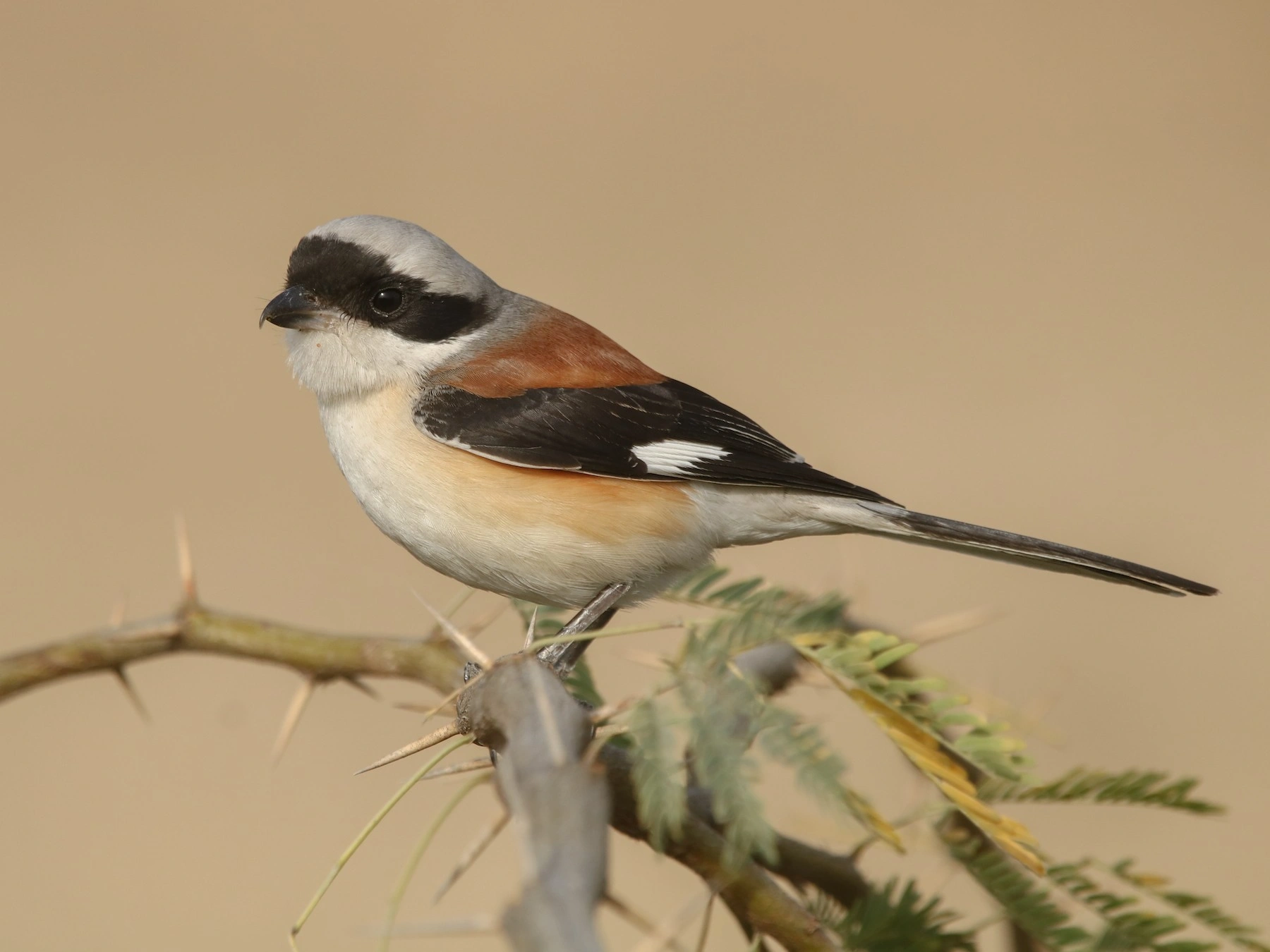
Bay-backed Shrike
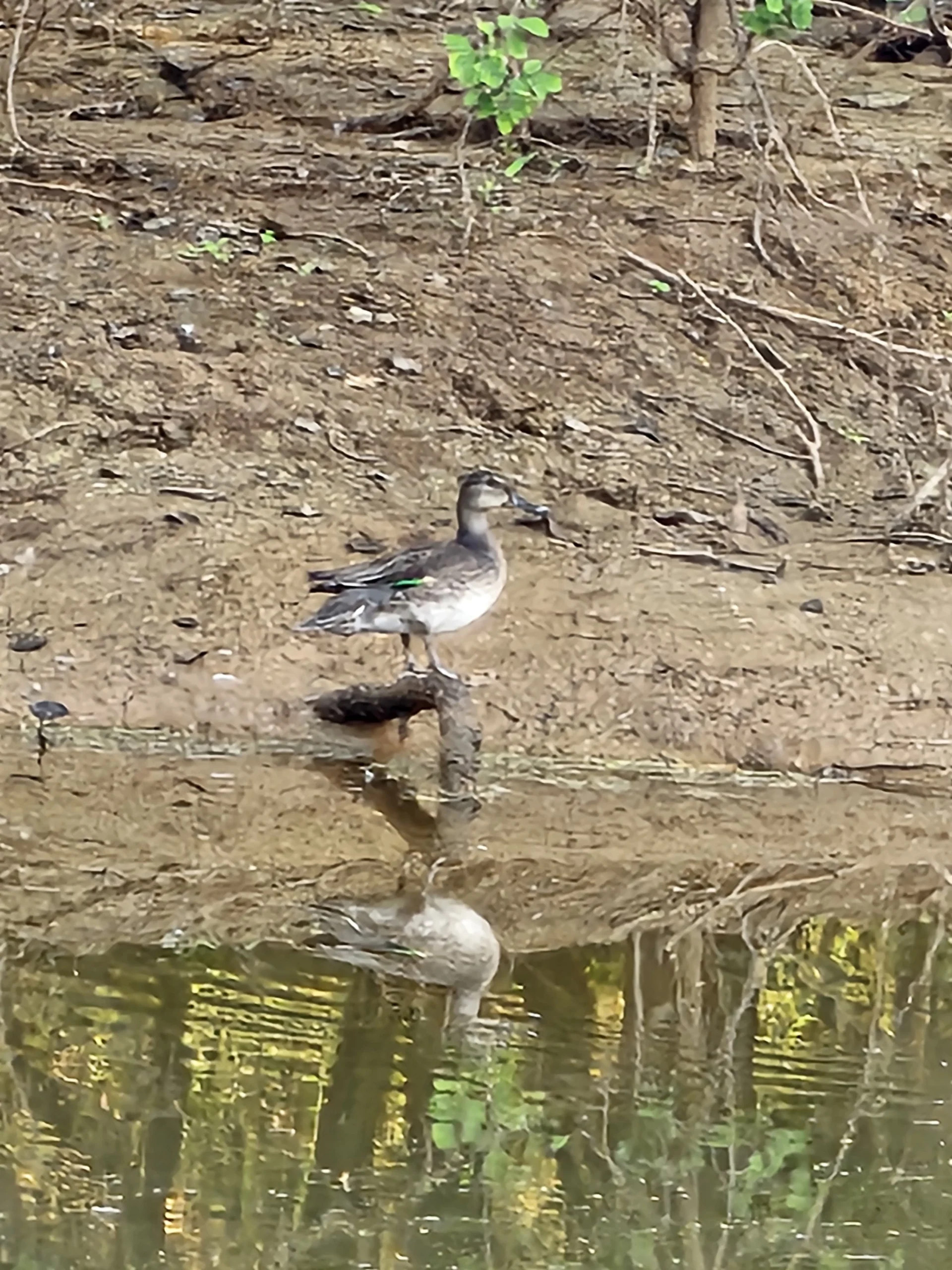

Green-winged Teal
Summary of Walk
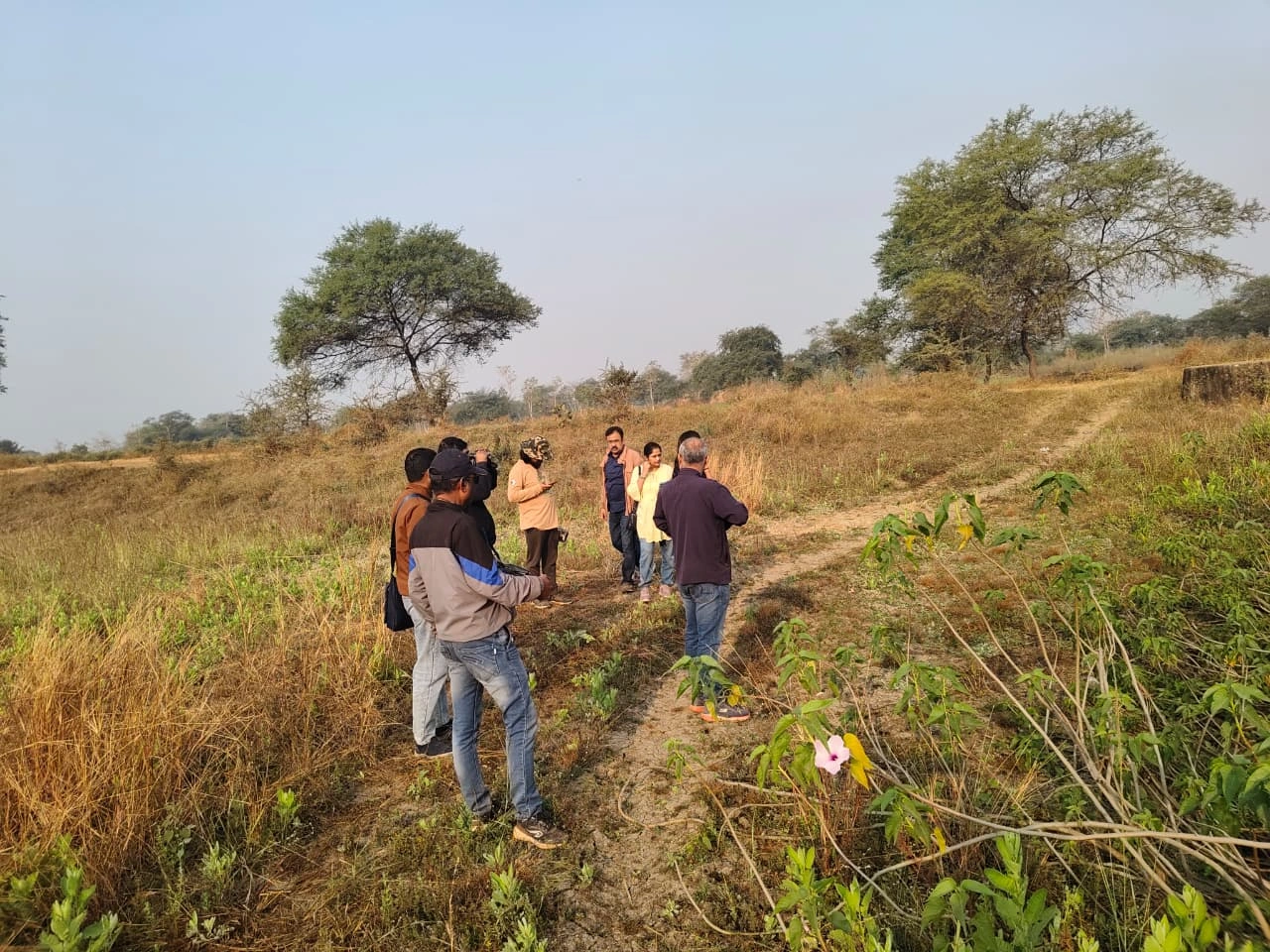
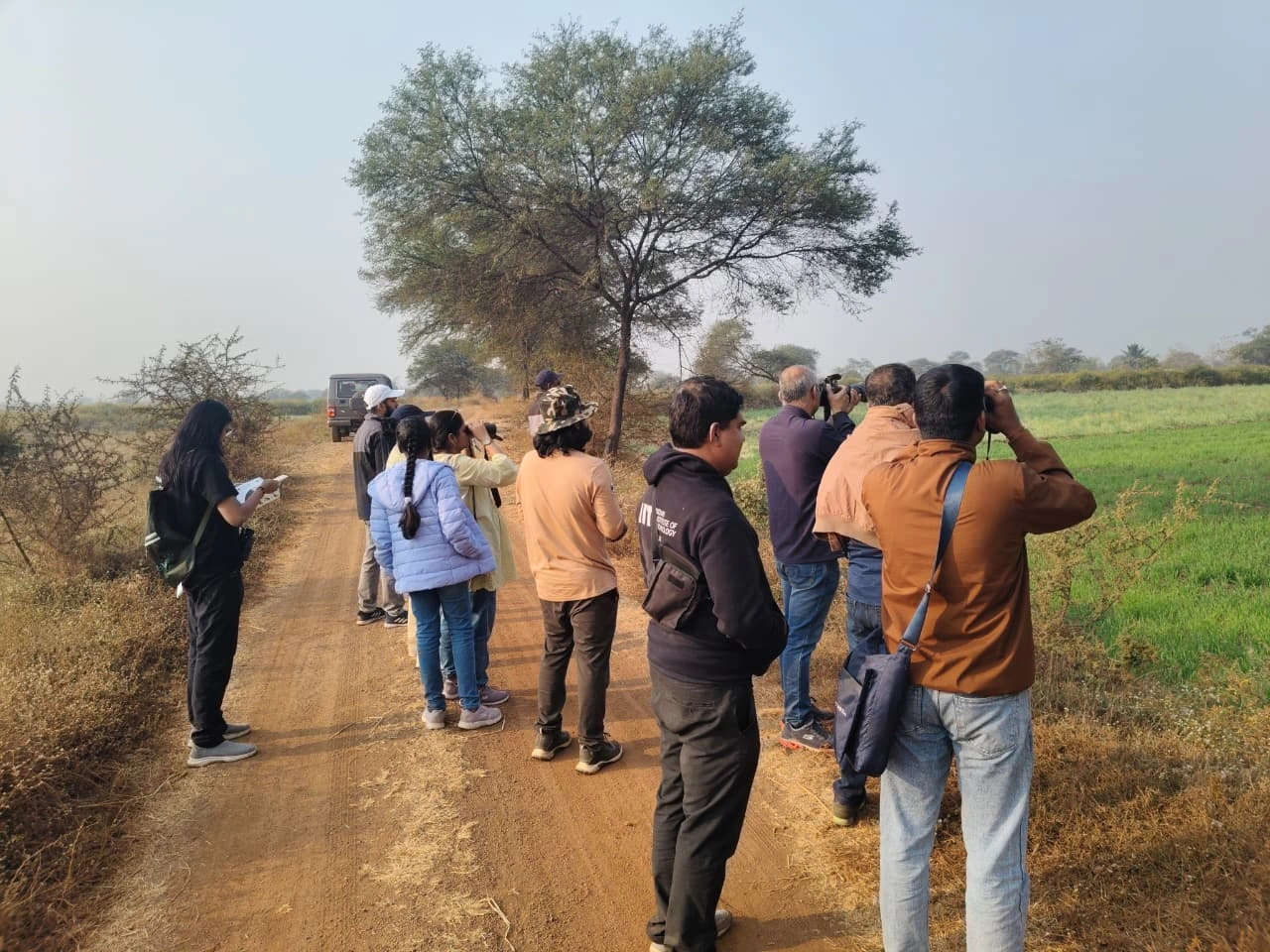
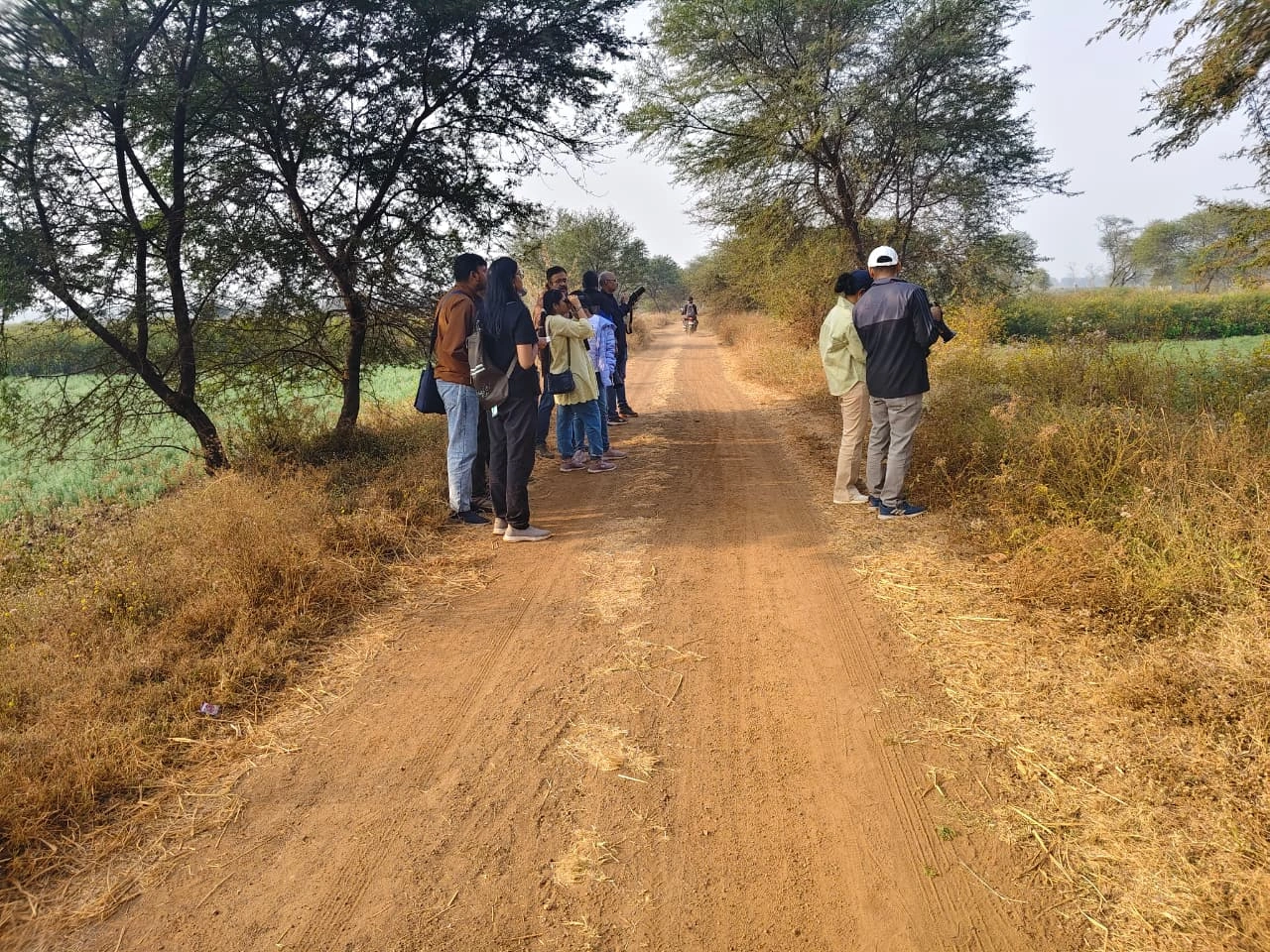
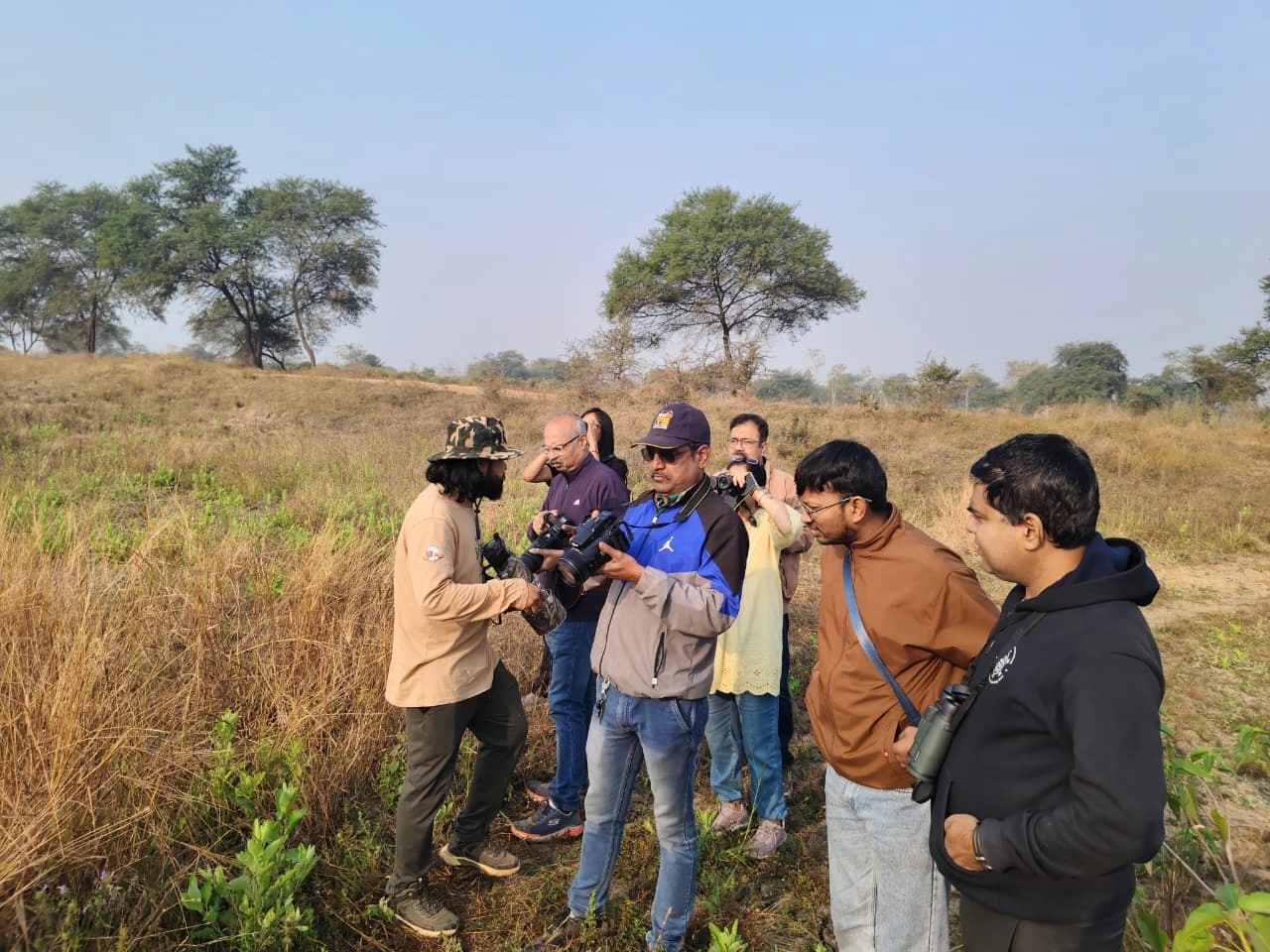
A bird walk was conducted at Khairbana Dam, led by Pratik Thakur, with 9 enthusiastic participants. The walk proved to be a wonderful and enriching experience for everyone involved, offering an excellent opportunity to explore the rich birdlife of the area. With pleasant weather and active bird movement throughout the morning, the group remained engaged in observation, discussion, and learning, making the walk both educational and enjoyable.
During the walk, a total of 45 bird species were recorded, highlighting the strong avifaunal diversity supported by Khairbana Dam. Notable sightings included the elegant Lesser Whitethroat, a beautiful flock of Northern Pintails, and the striking Red-headed Bunting, along with several other resident and migratory species. Bird enthusiasts from Durg and Rajnandgaon actively participated, sharing observations and experiences while deepening their understanding of bird identification and conservation. Overall, the walk served as a meaningful platform for connecting people with nature and promoting awareness about the importance of protecting bird habitats.
Number of Participants
0