


Bird Walk at Daulat Baroda Lake, Indore (MP)
- Indore
- 25 January, 2026
- Yogendra Kumar Mimrot and MP Tourism
About Daulat Baroda Lake
Daulat Baroda Lake in Indore rests like a quiet blue pocket between farmland, village clusters, and patches of open scrub—one of those modest waterbodies that quietly anchors both people and wildlife. Its seasonal fluctuations shape the landscape around it: during the monsoon, the lake spreads wide and nurtures lush grasses along the margins, while in winter it settles into a calm, reflective basin that draws villagers for evening walks, cattle for watering, and farmers who depend on its recharge for nearby wells and fields. The lake also softens the surrounding microclimate, offering a refreshing pause in Indore’s otherwise warm, dry stretches.
For birds and other wildlife, Daulat Baroda Lake becomes a dependable refuge. Shallow edges invite waders like herons, stilts, and plovers, while the open water attracts ducks, cormorants, and kingfishers. The surrounding scrub and farmlands add another layer—bee-eaters, drongos, doves, and bulbuls animate the air, turning the lake into a constantly shifting stage through the year. Yet, like many rural lakes near growing cities, it faces pressures from waste dumping, shrinking wetlands, and increasing human use. With simple interventions—regular cleanups, protection of shoreline vegetation, and awareness among local communities—the lake can continue supporting both its ecological richness and its value as a peaceful, living landscape for the people of Indore.

Bird Guide: Yogendra kumar mimrot
He is a snake researcher from Indore, with a strong academic interest in bird ecology and predator–prey relationships. His birding focus is shaped by studying species that feed on snakes and other macrofauna, linking avian behaviour closely with herpetological research.
Bird walk Location
Common birds of Daulat Baroda Lake
Daulat Baroda Lake, with an impressive 208 recorded species, hosts a vibrant mix of waterbirds, farmland birds, and woodland regulars. Its edges welcome Little Ringed Plovers, Pond Herons, Little Egrets, and the striking Asian Woolly-necked Stork, while winter brings elegant visitors like Northern Pintails and Green-winged Teals gliding across the open water. The surrounding scrub and fields stay busy with Grey Francolins, Black Drongos, Ashy-crowned Sparrow-Larks, and the ever-curious Jungle Babblers, while groves nearby echo with Greater Coucals, Plum-headed Parakeets, Grey Hornbills, and familiar village companions such as Laughing Doves, Spotted Doves, Red-vented Bulbuls, and House Crows. Together, these species create a richly layered birdlife tapestry that reflects the lake’s ecological depth.

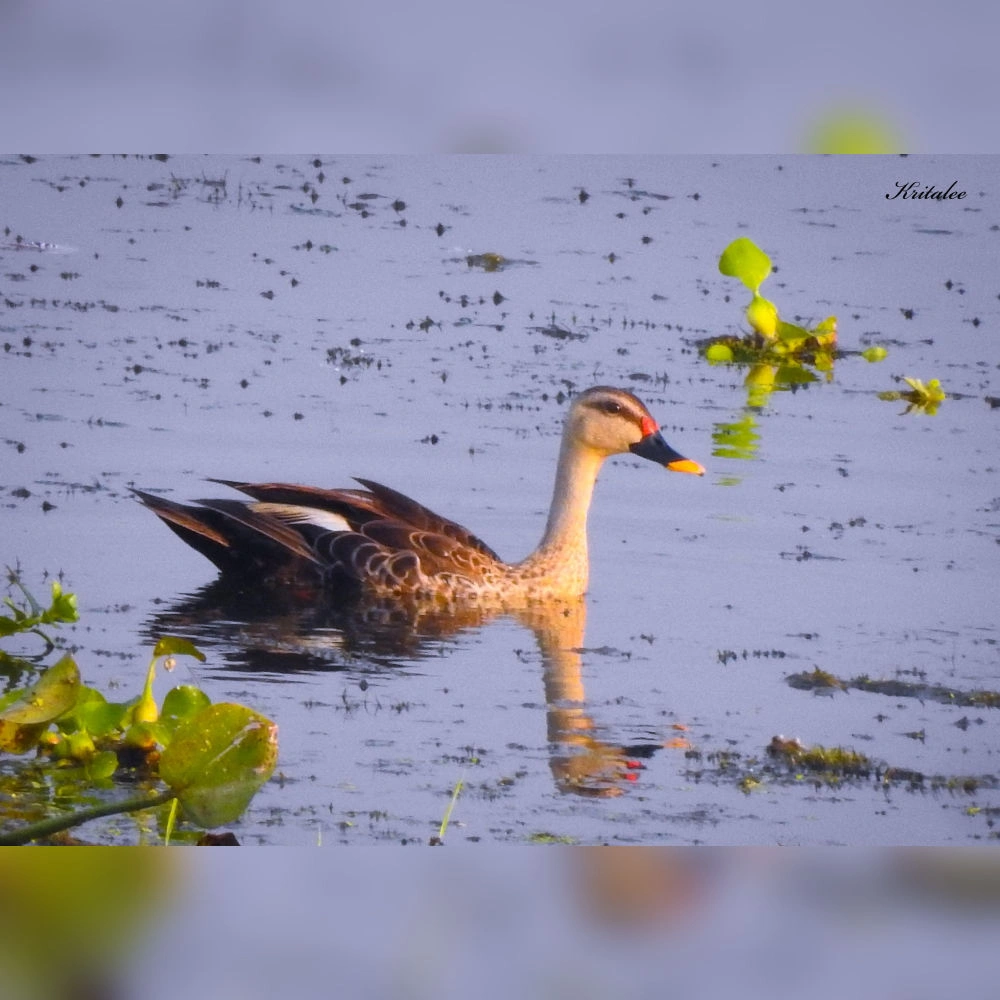
Indian Spot-billed Duck

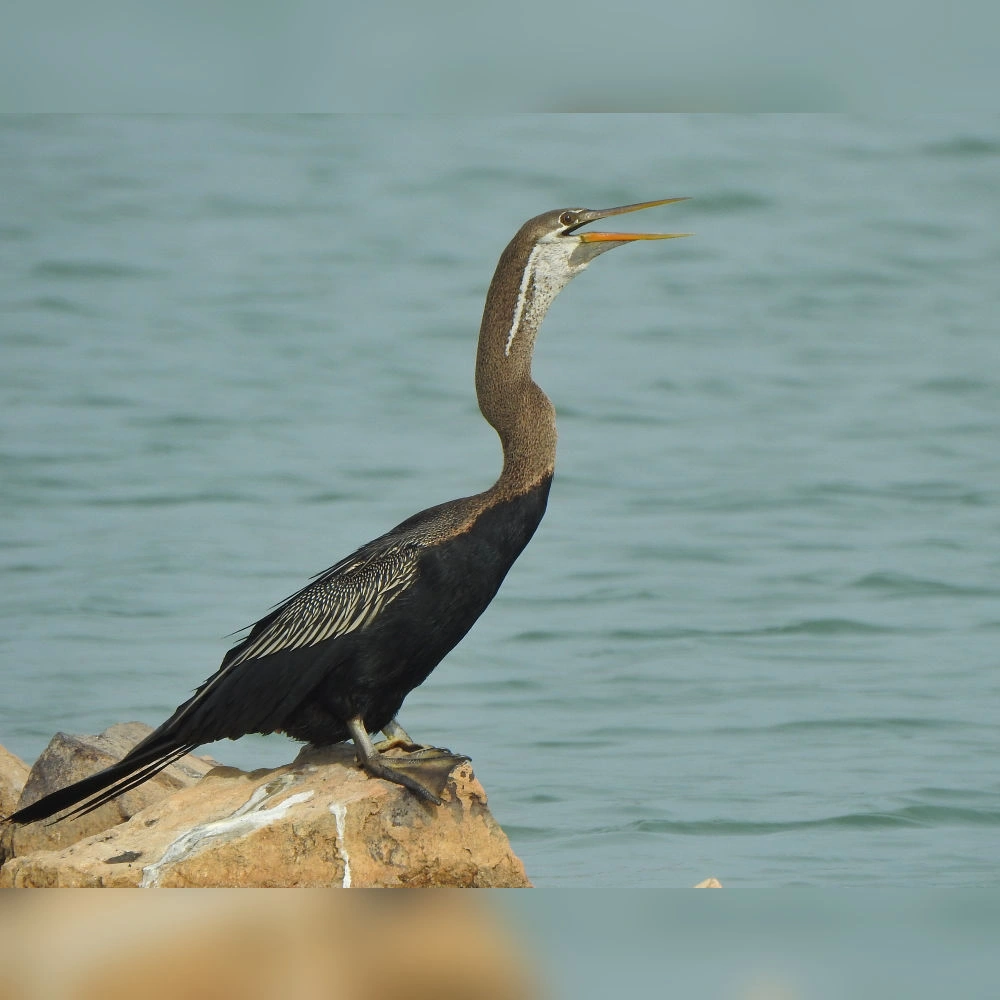
Oriental Darter
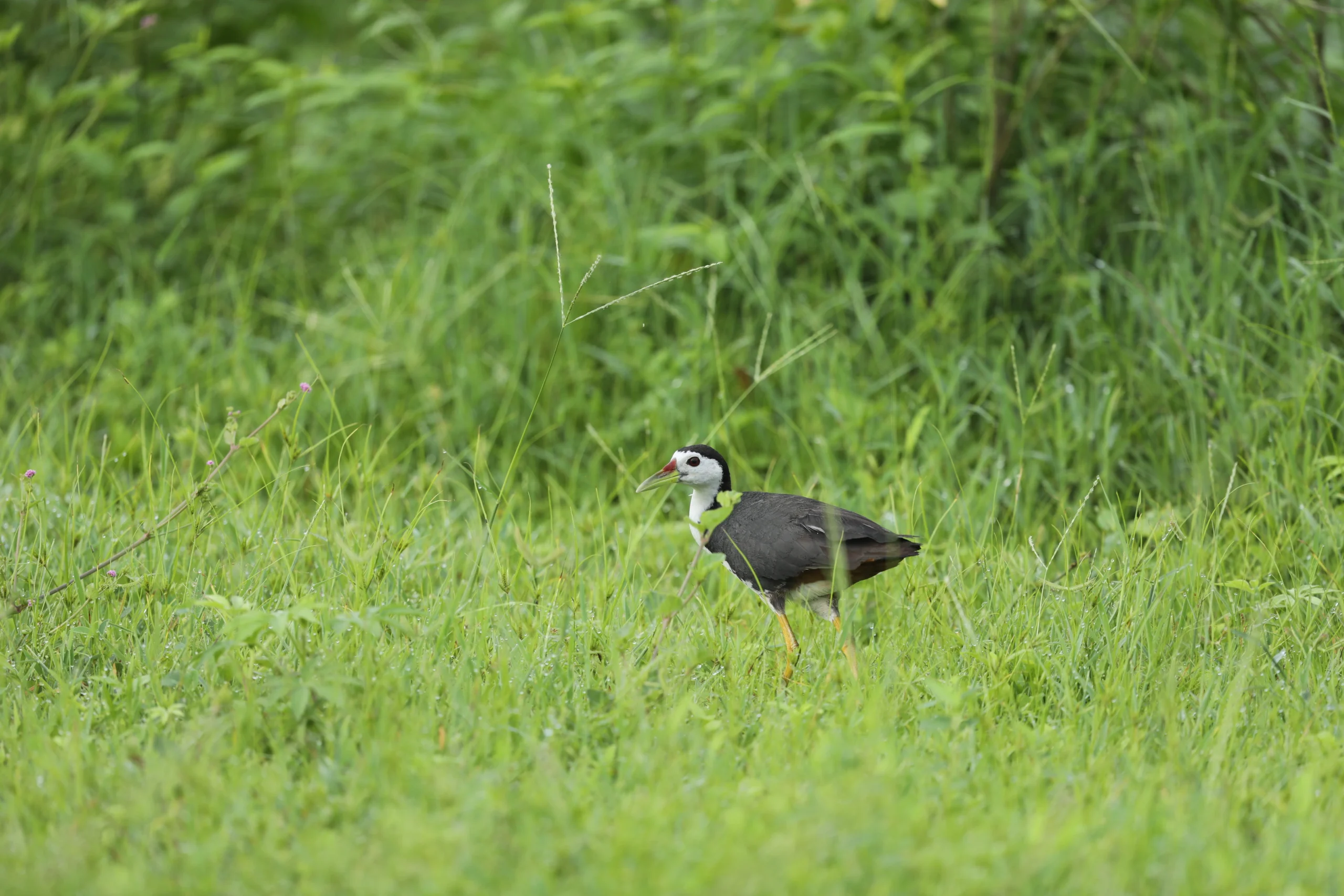
White-breasted Waterhen
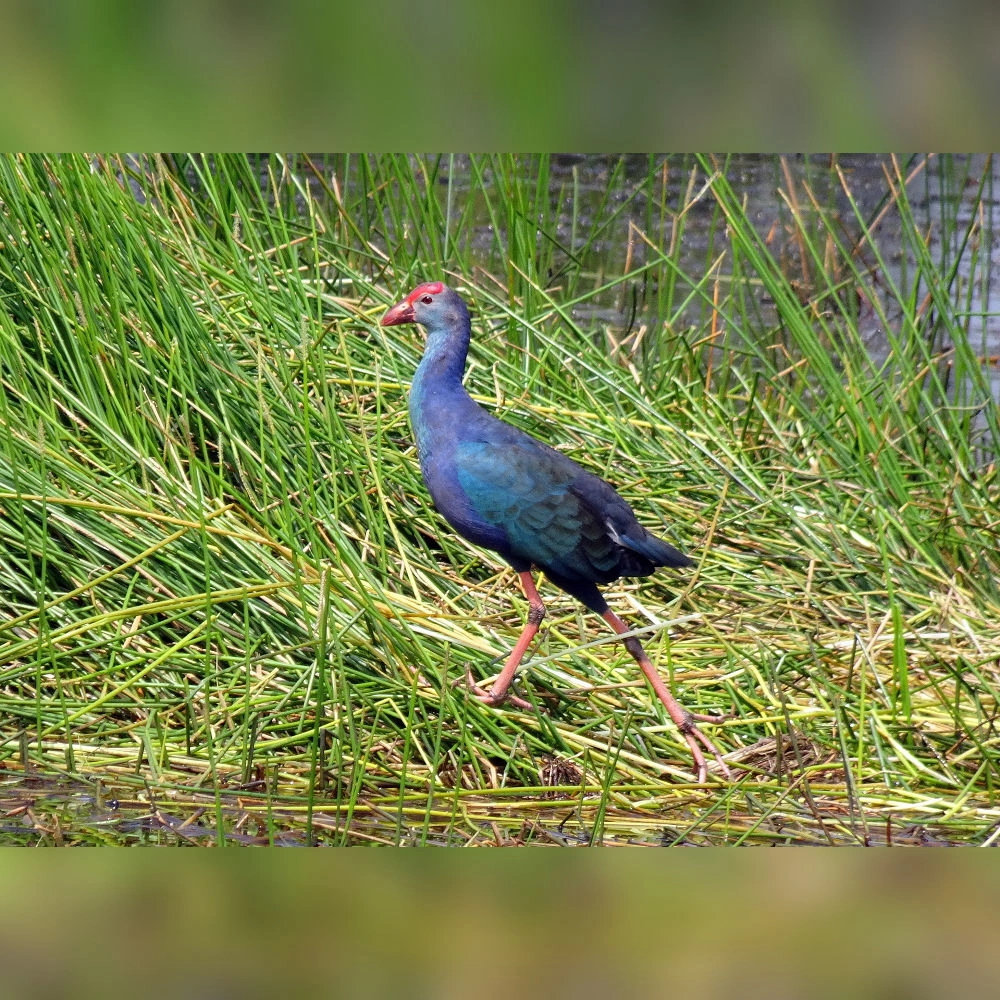
Grey-headed Swamphen
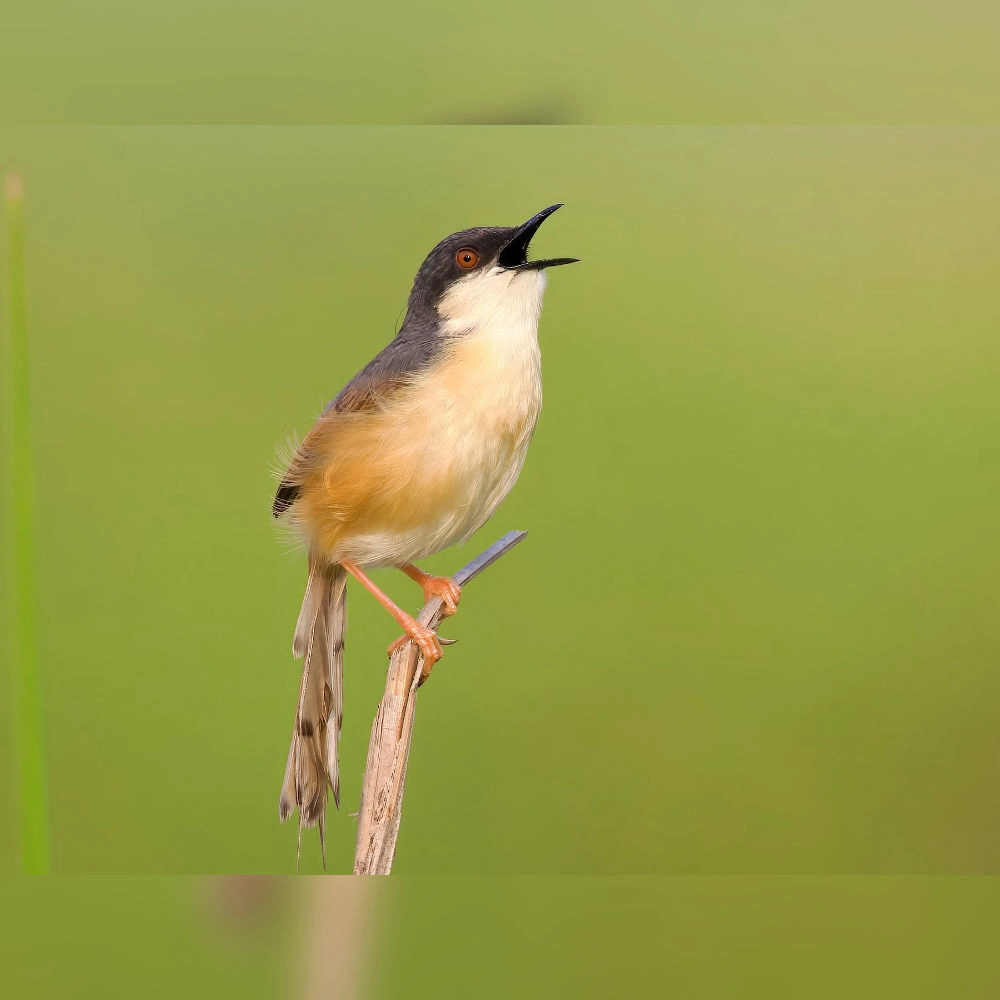
Ashy Prinia
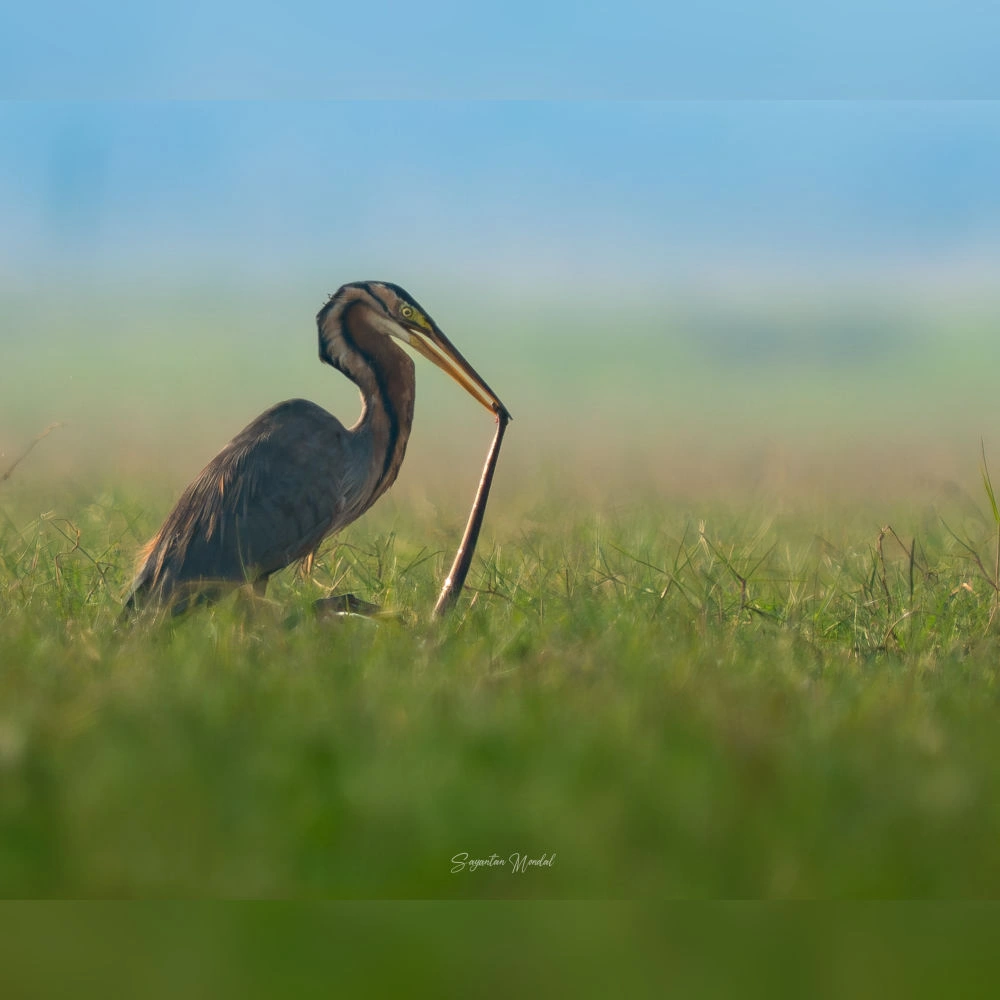
Purple Heron
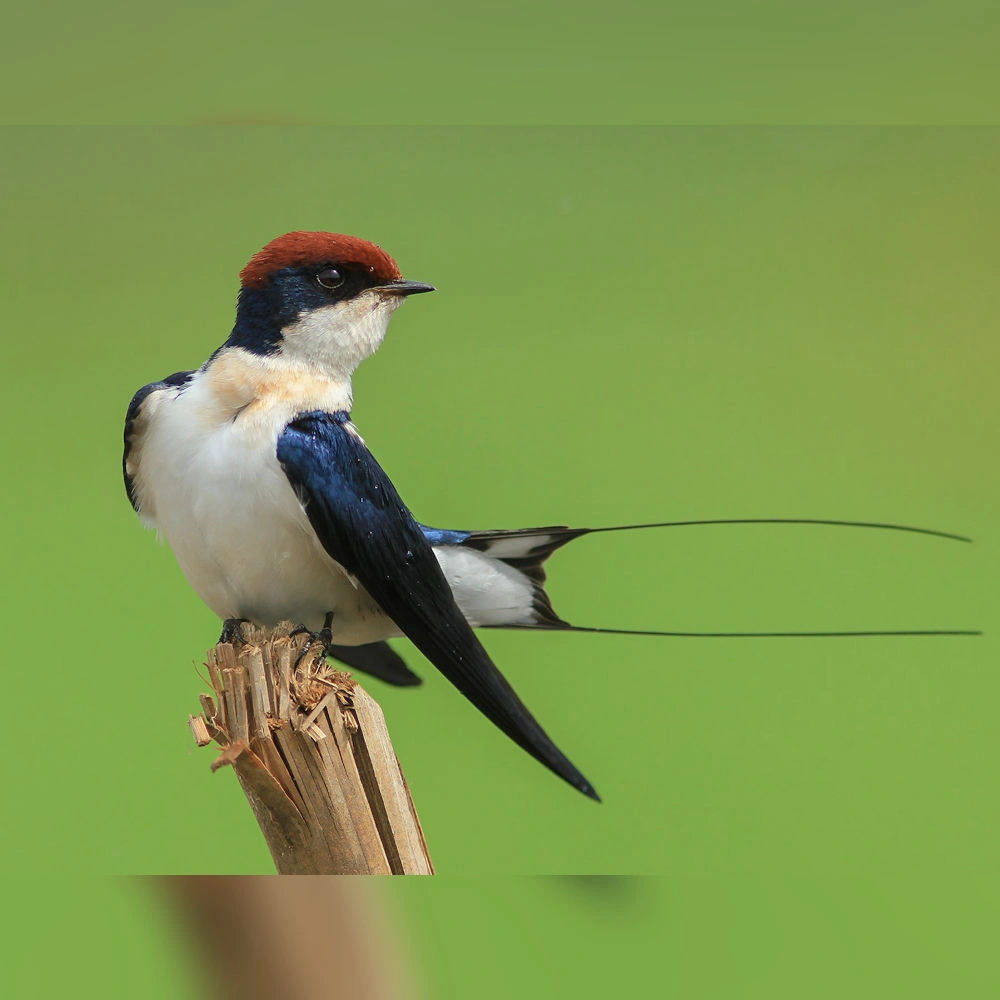
Wire-tailed Swallow
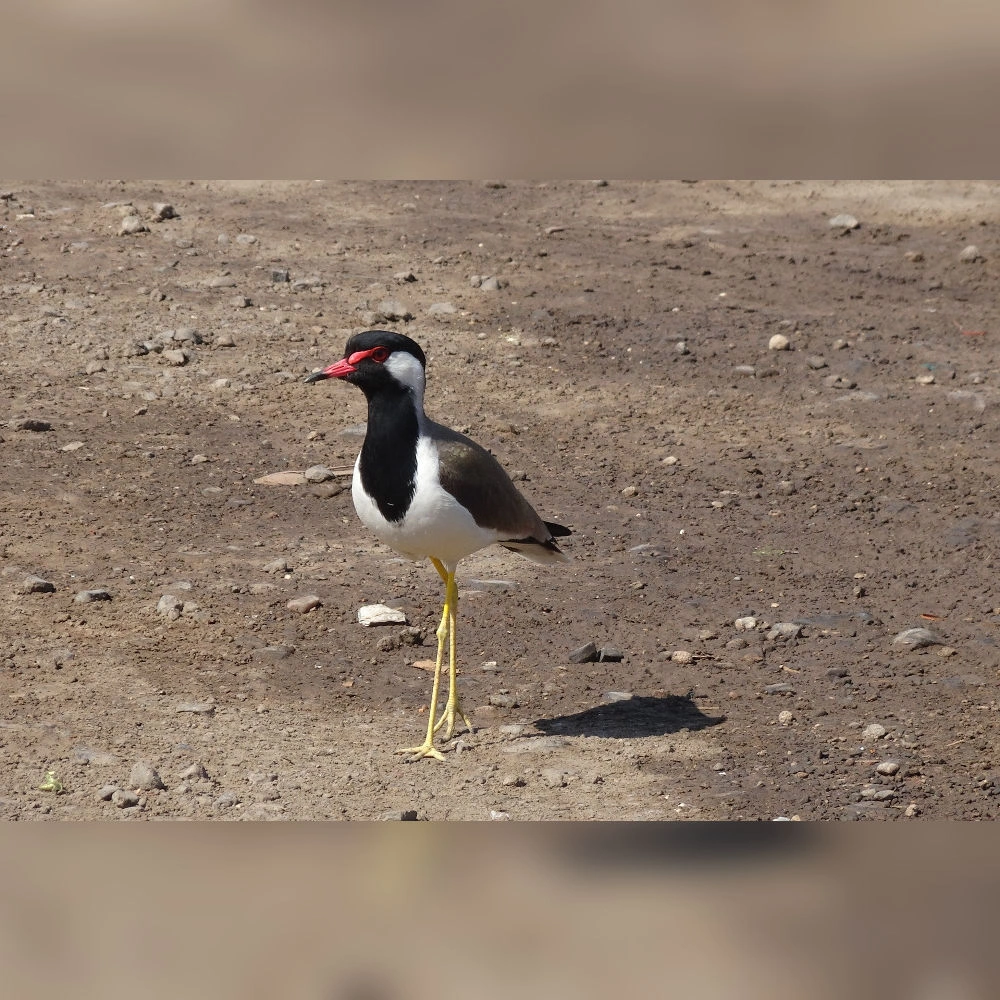
Red-wattled Lapwing
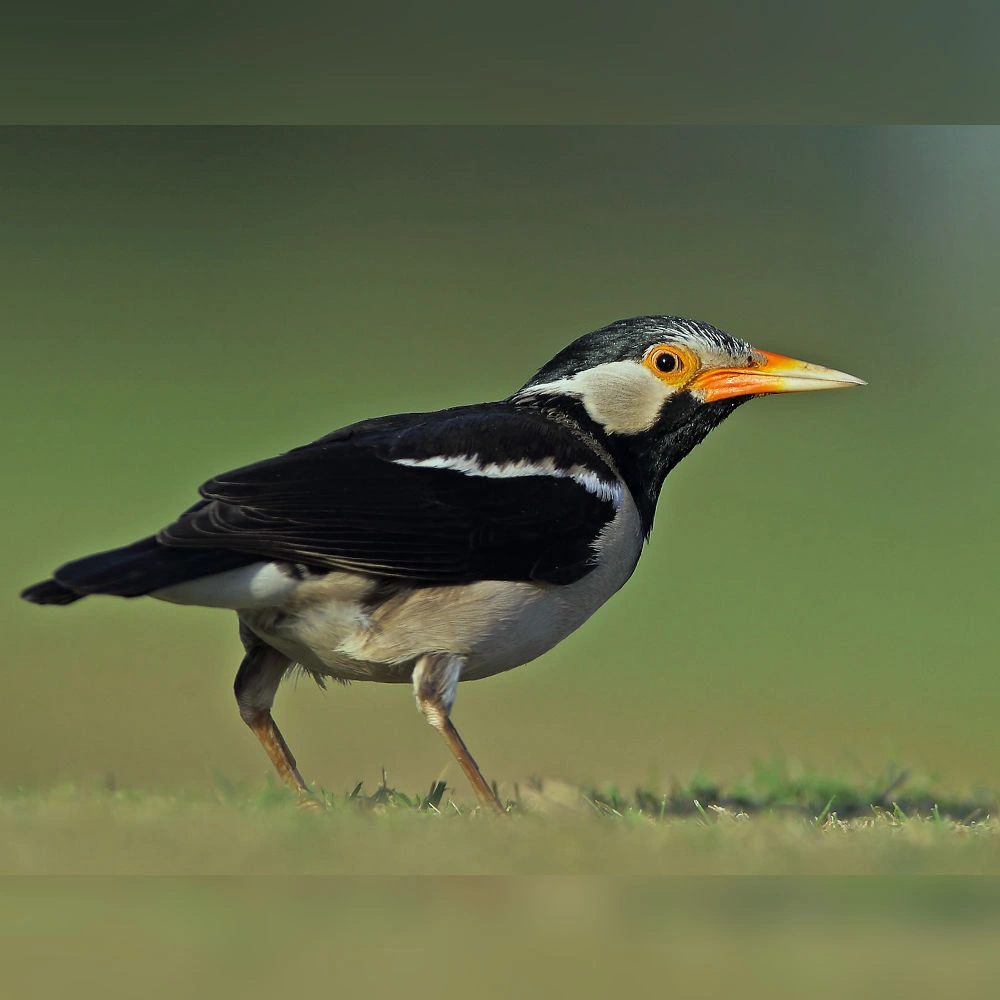
Pied Starling
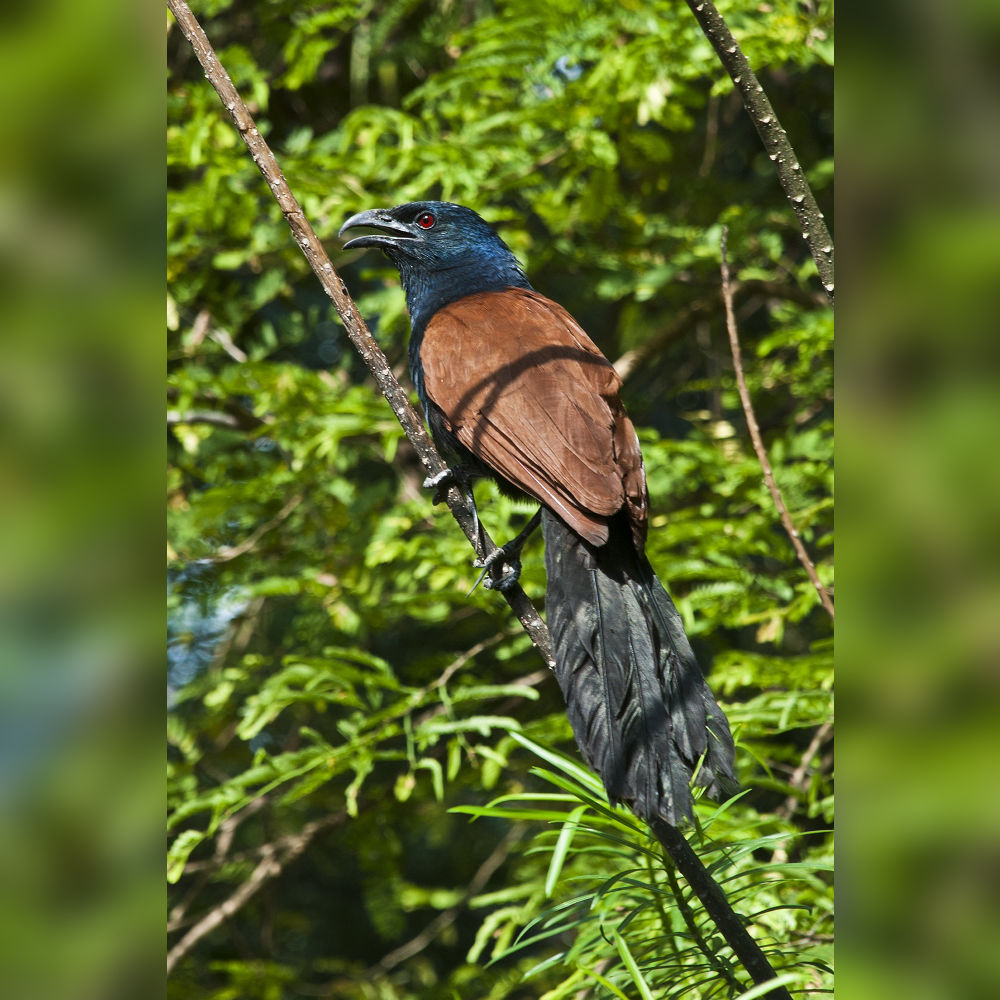
Greater Coucal
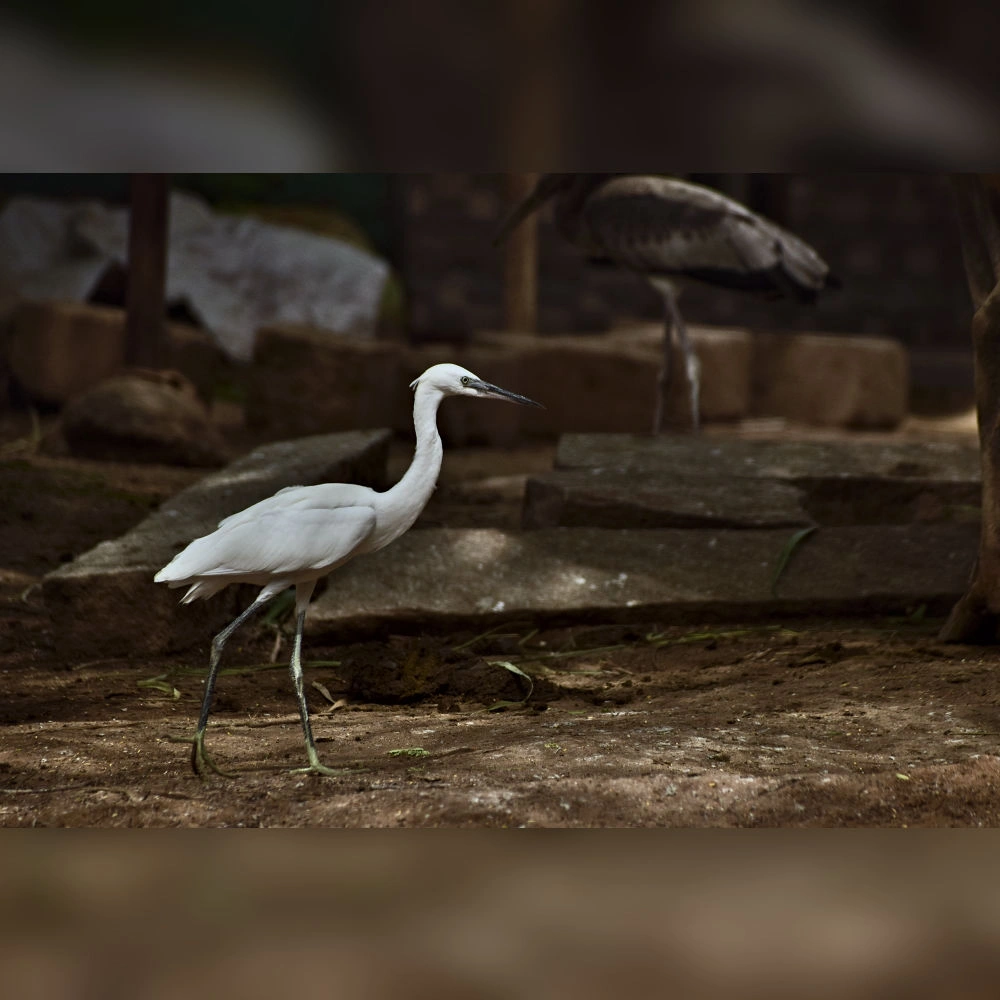
Little Egret
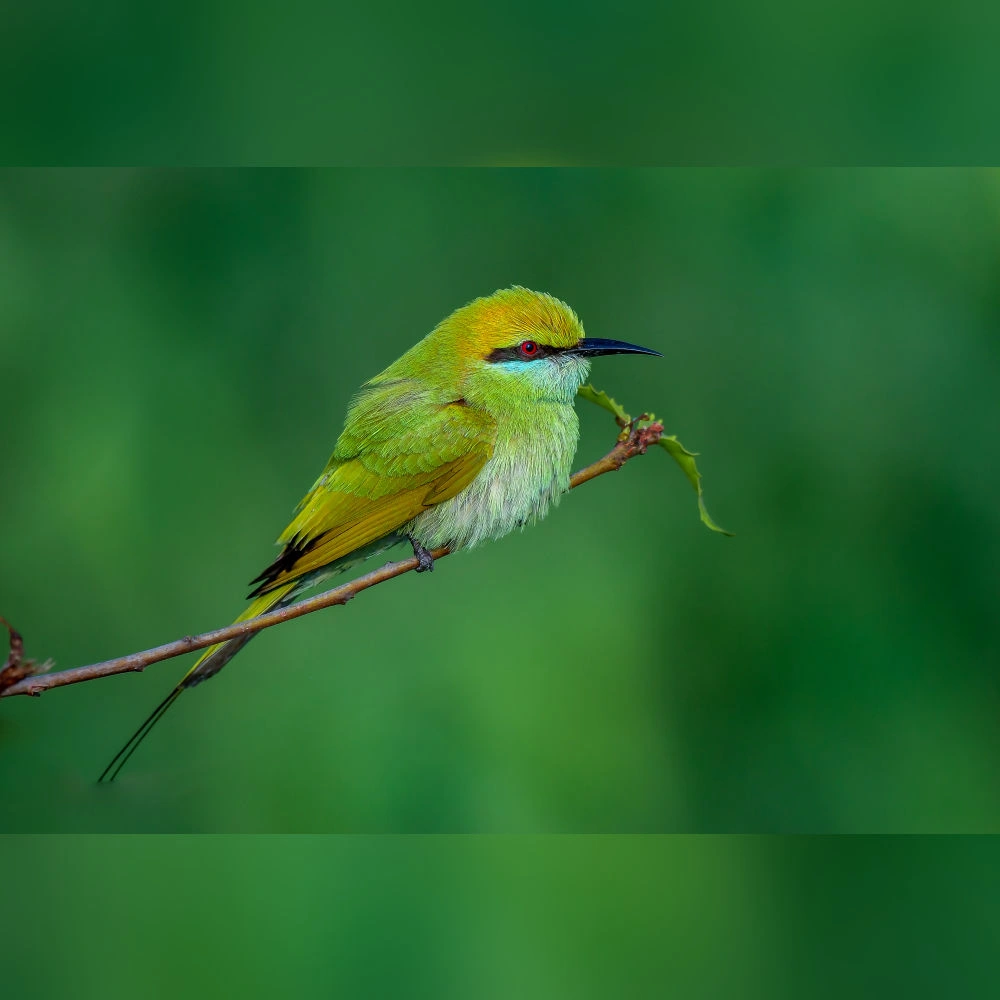
Asian Green Bee-eater
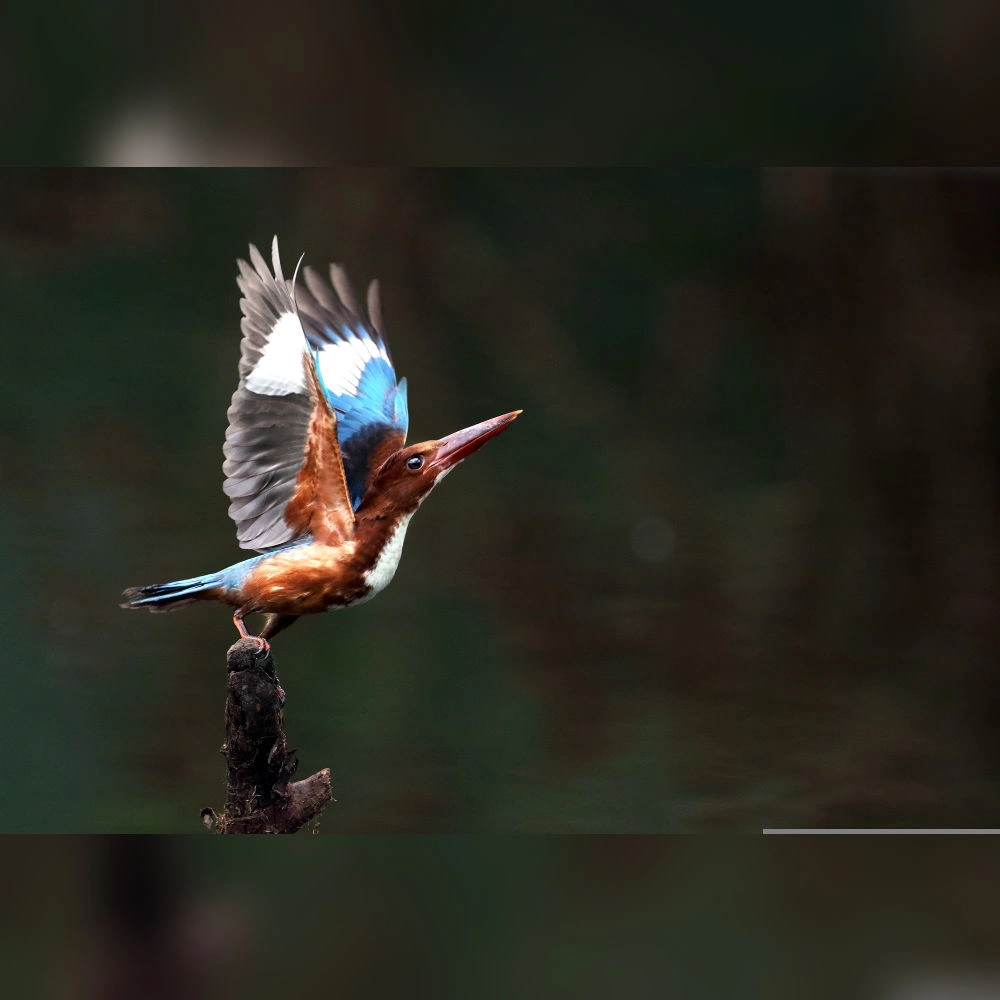
White-throated Kingfisher
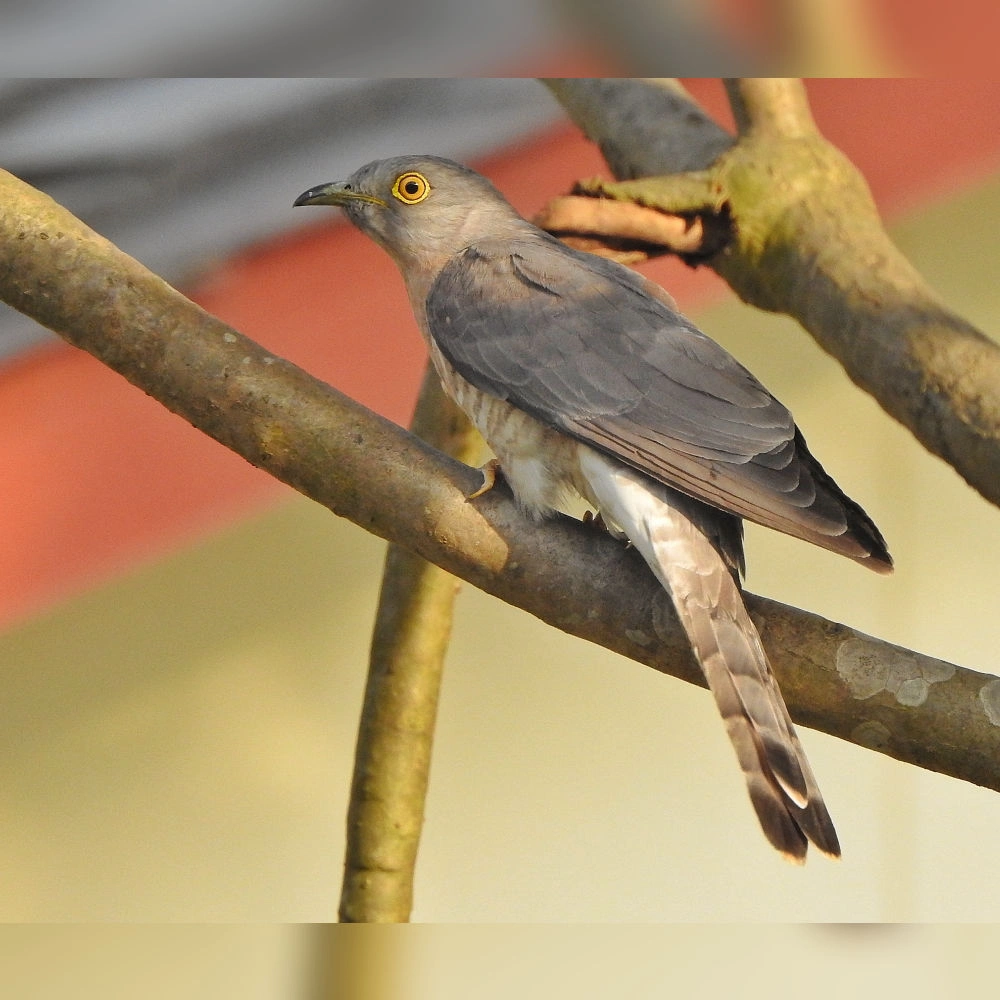
Common Hawk Cuckoo
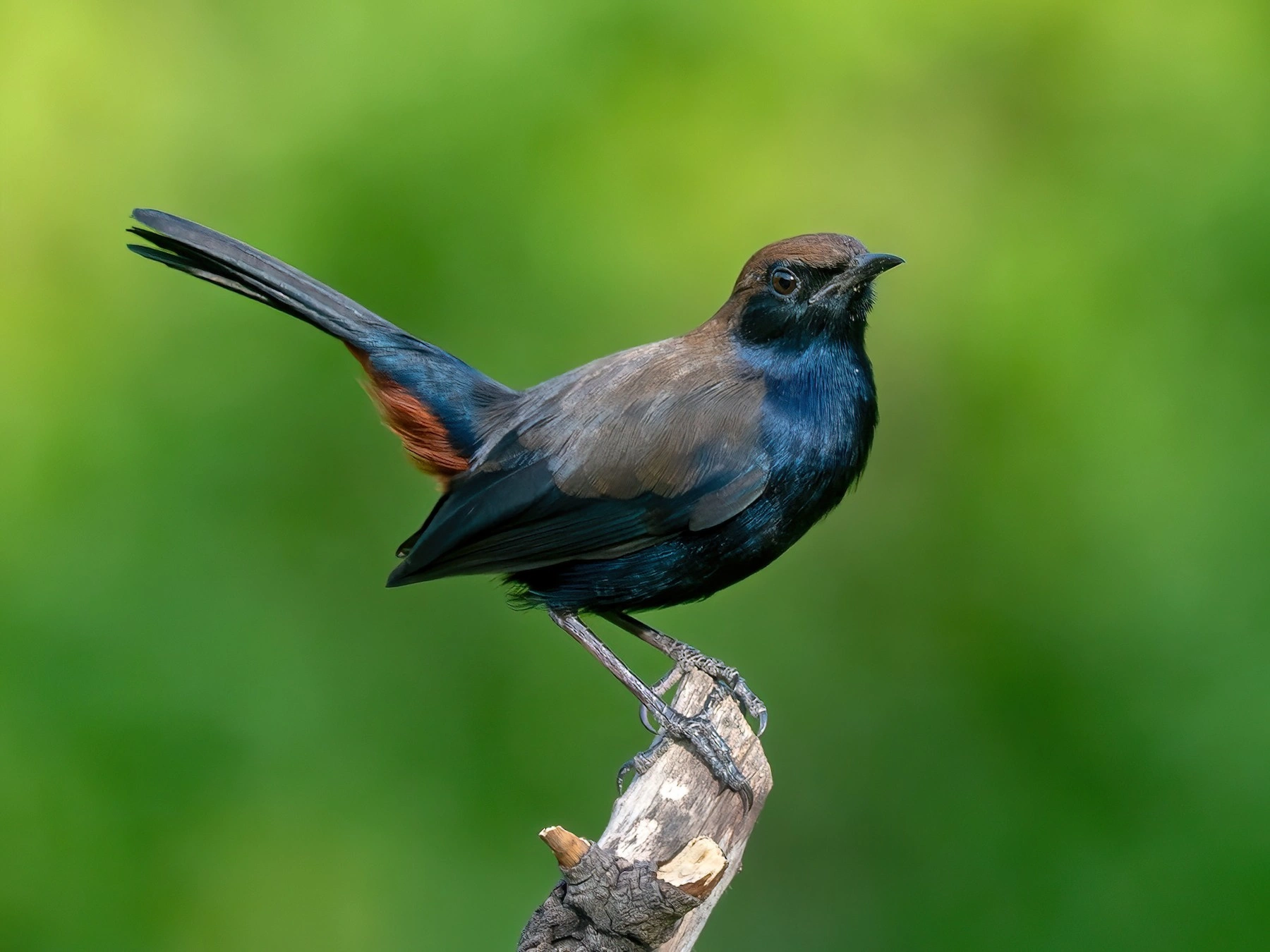
Indian Robin
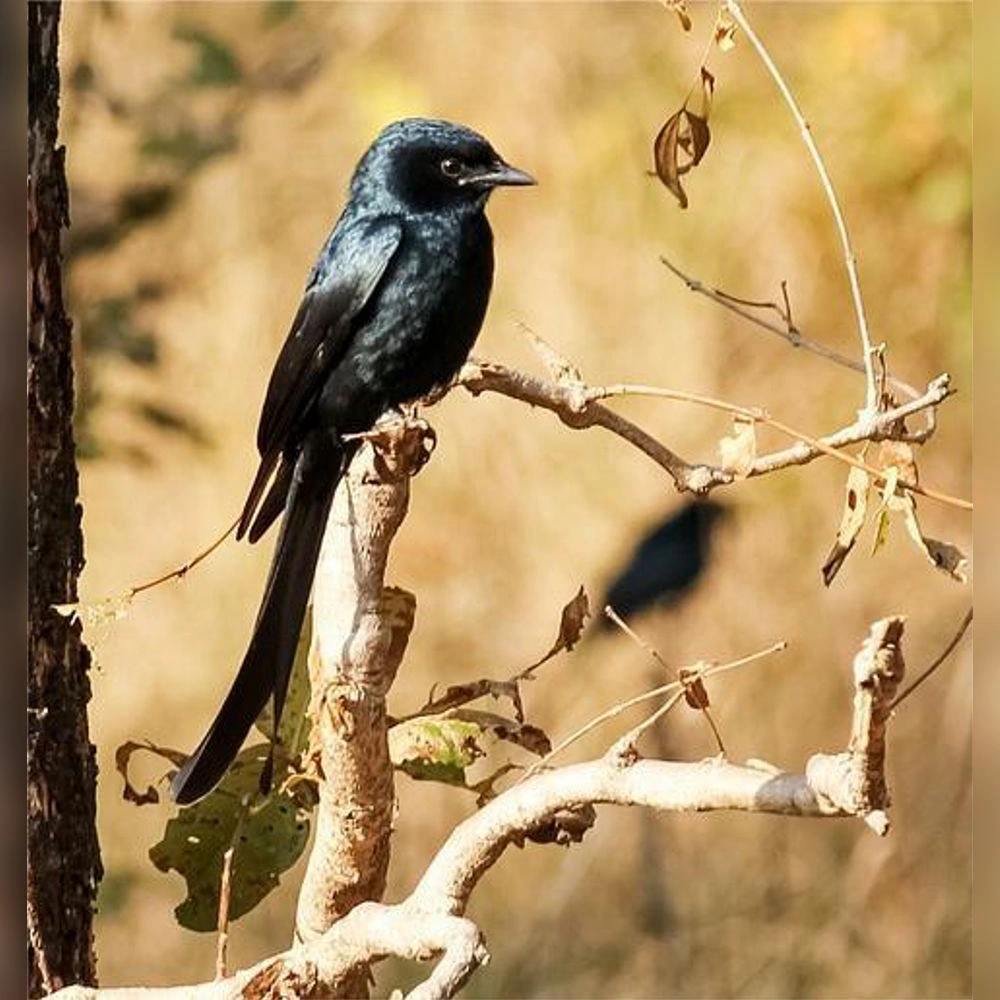
Black Drongo
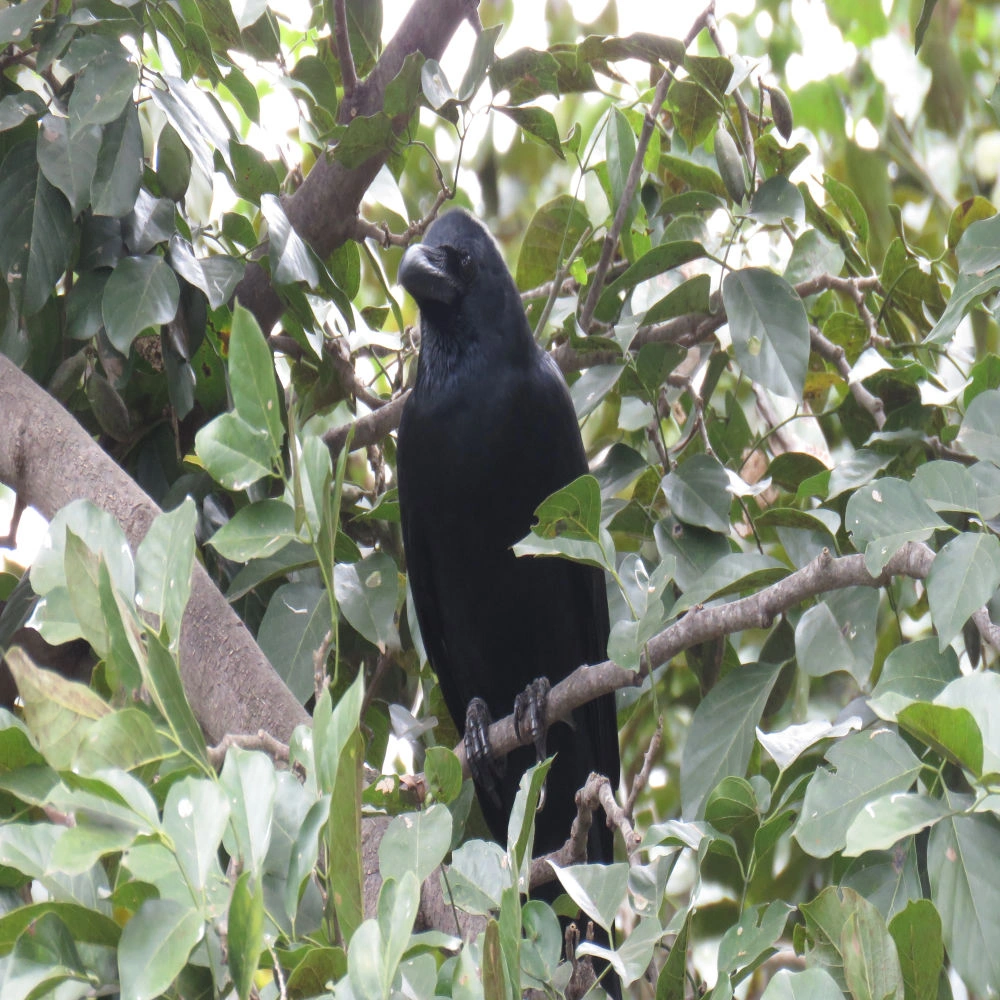
Large-billed Crow
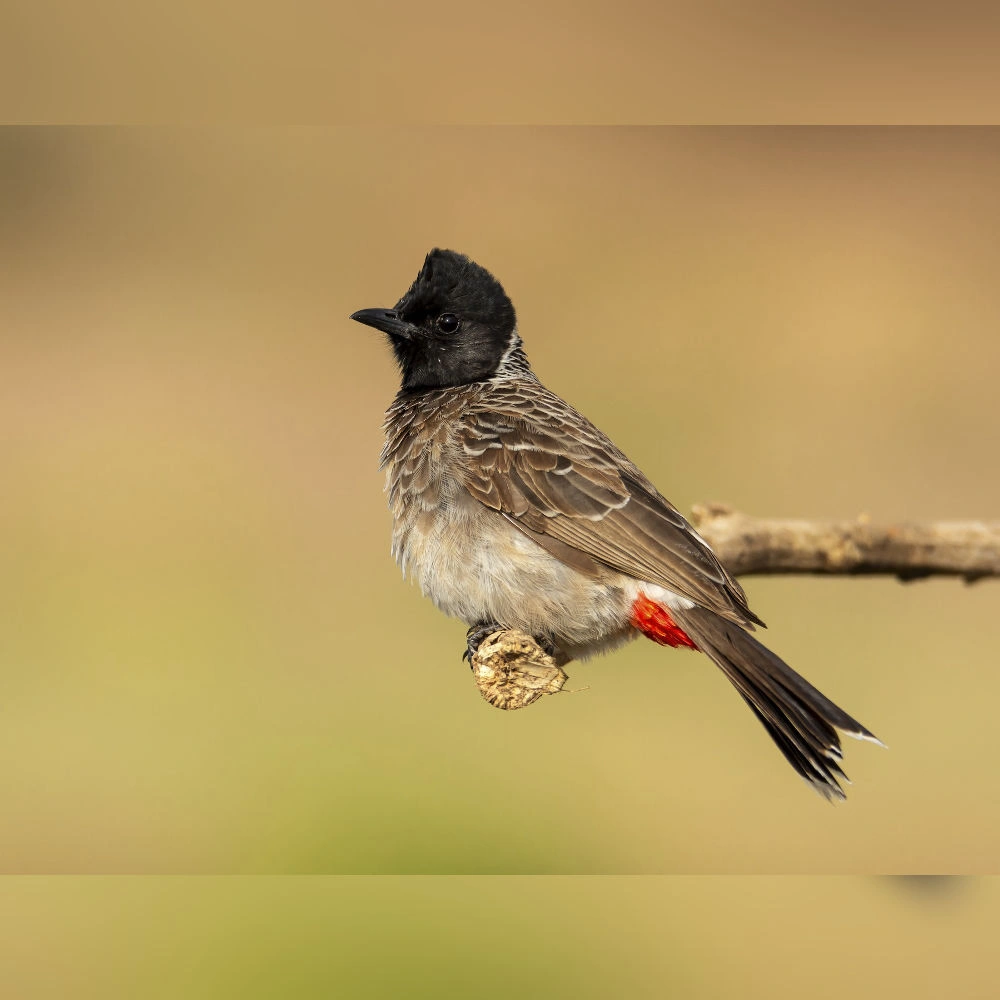
Red-vented Bulbul
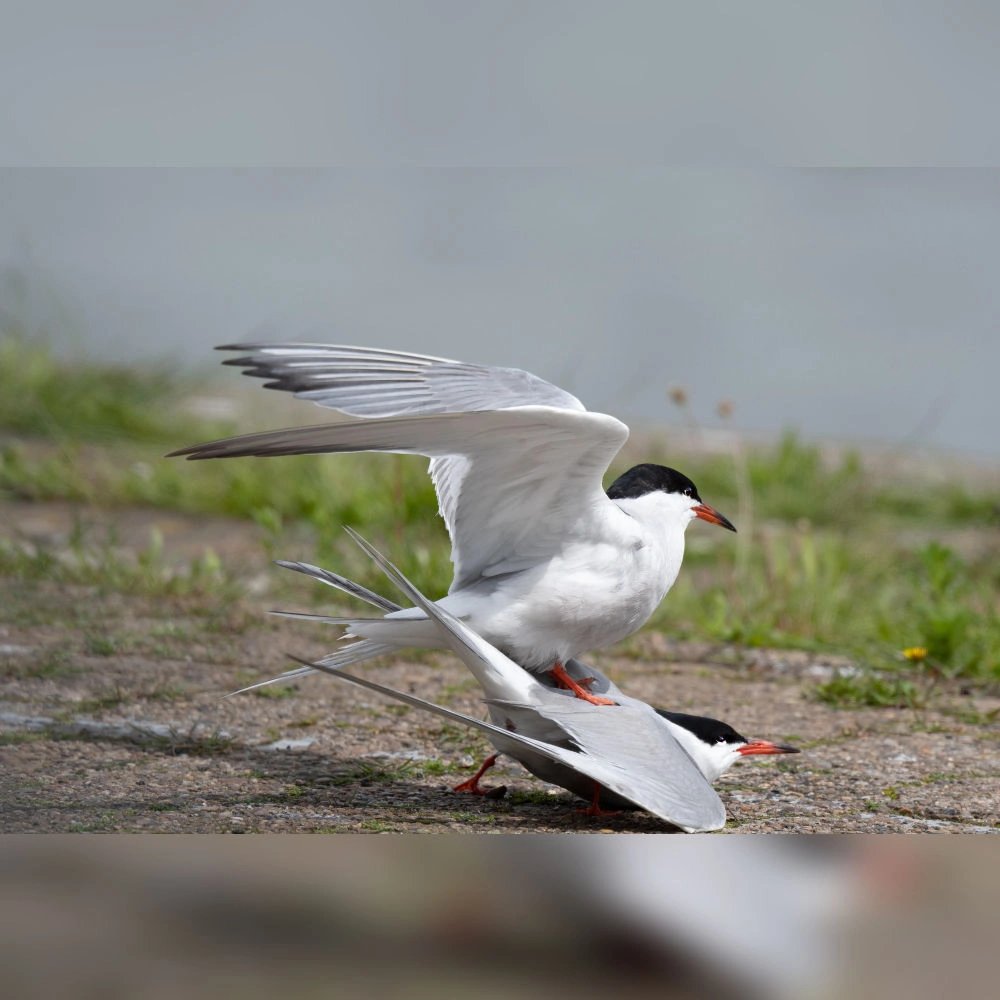
River Tern
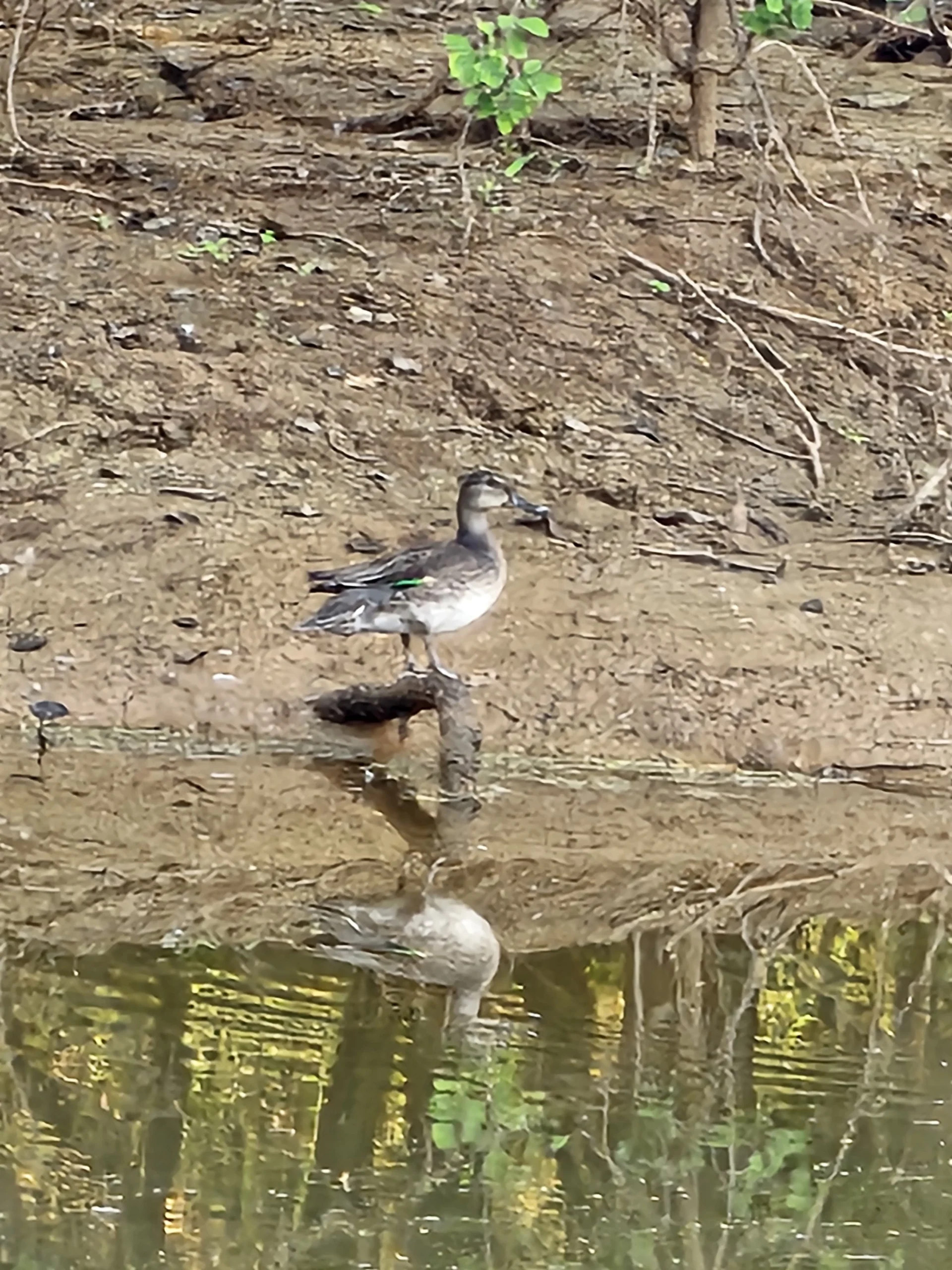

Green-winged Teal
Summary of Walk
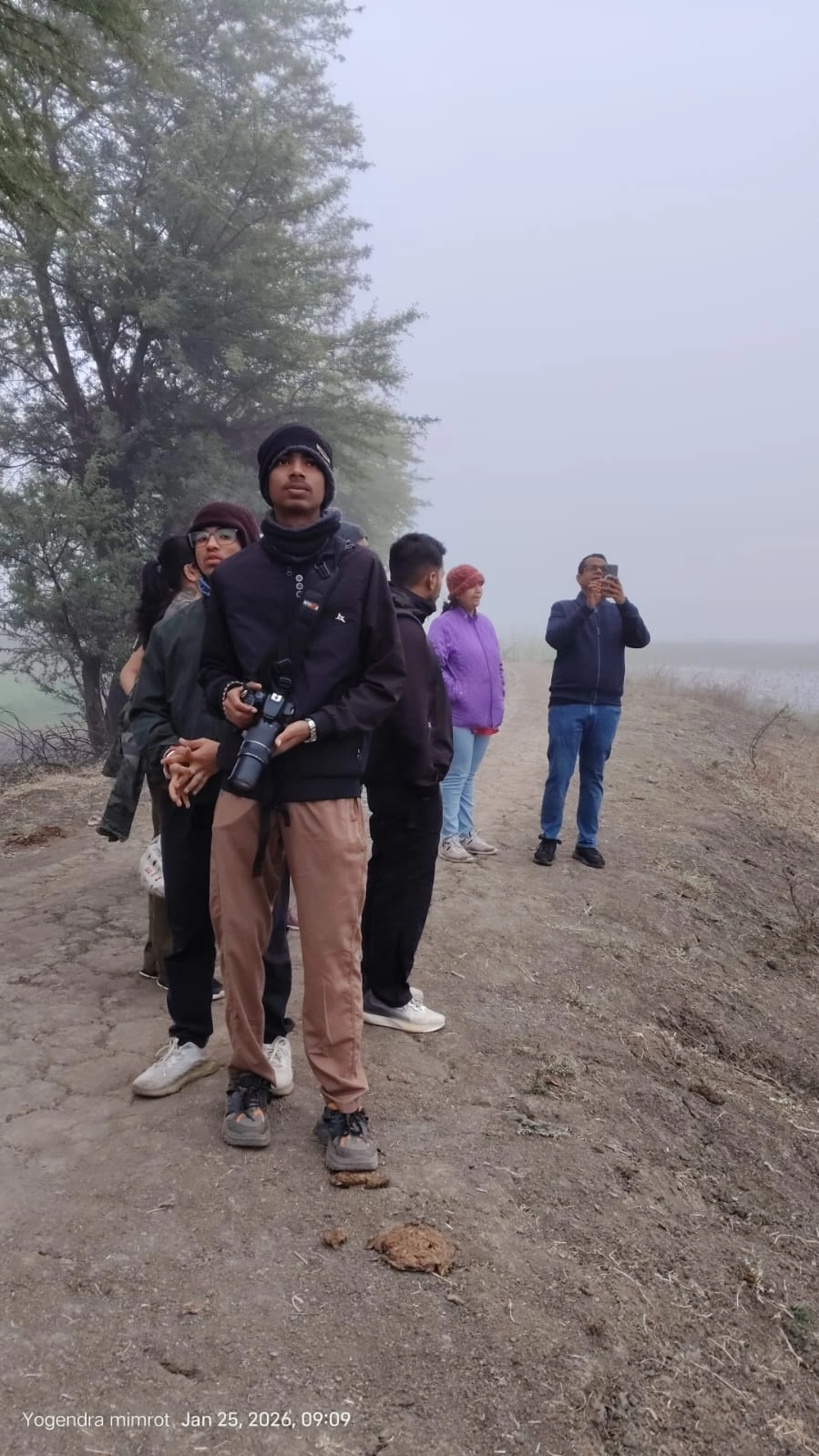
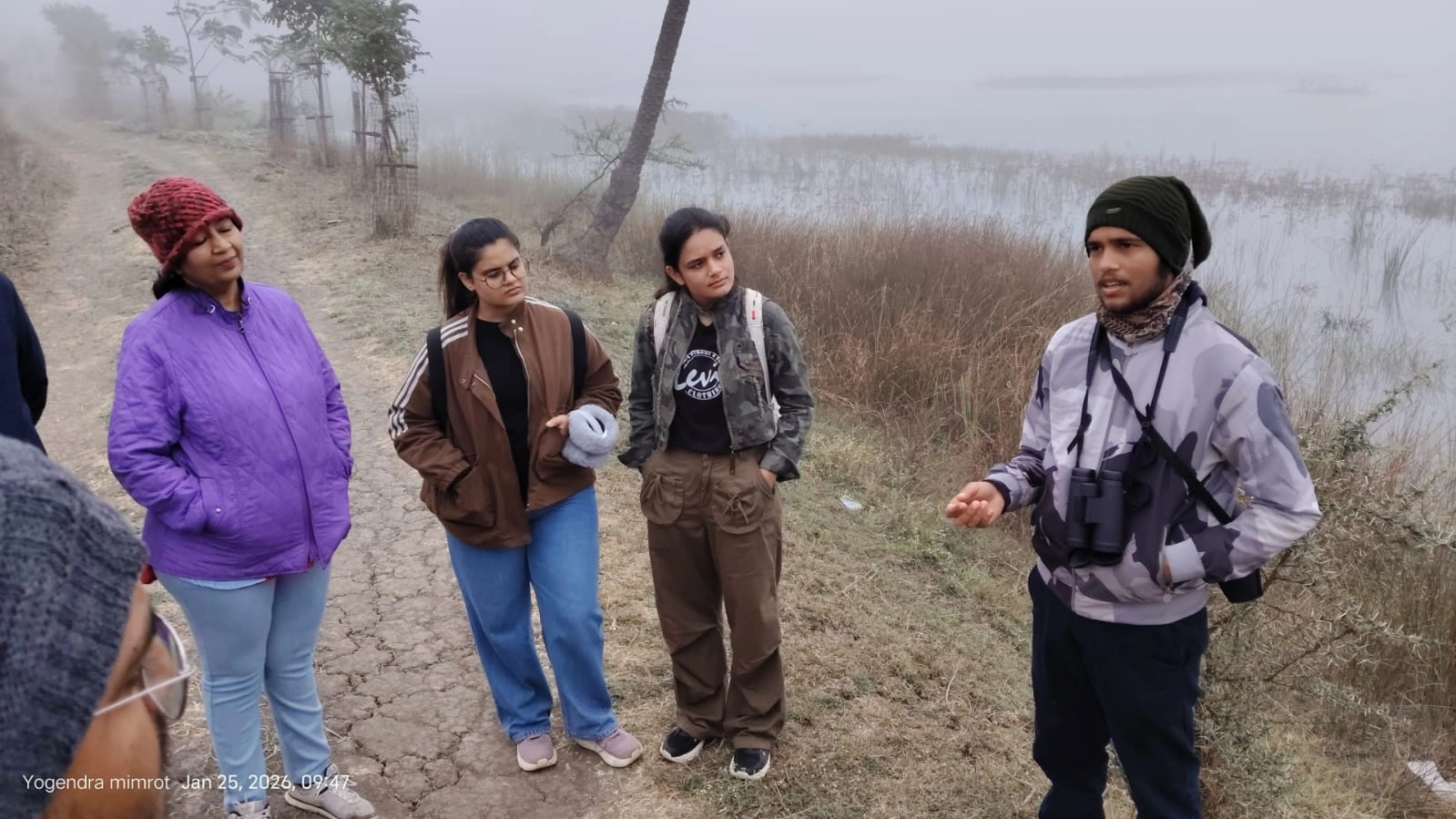
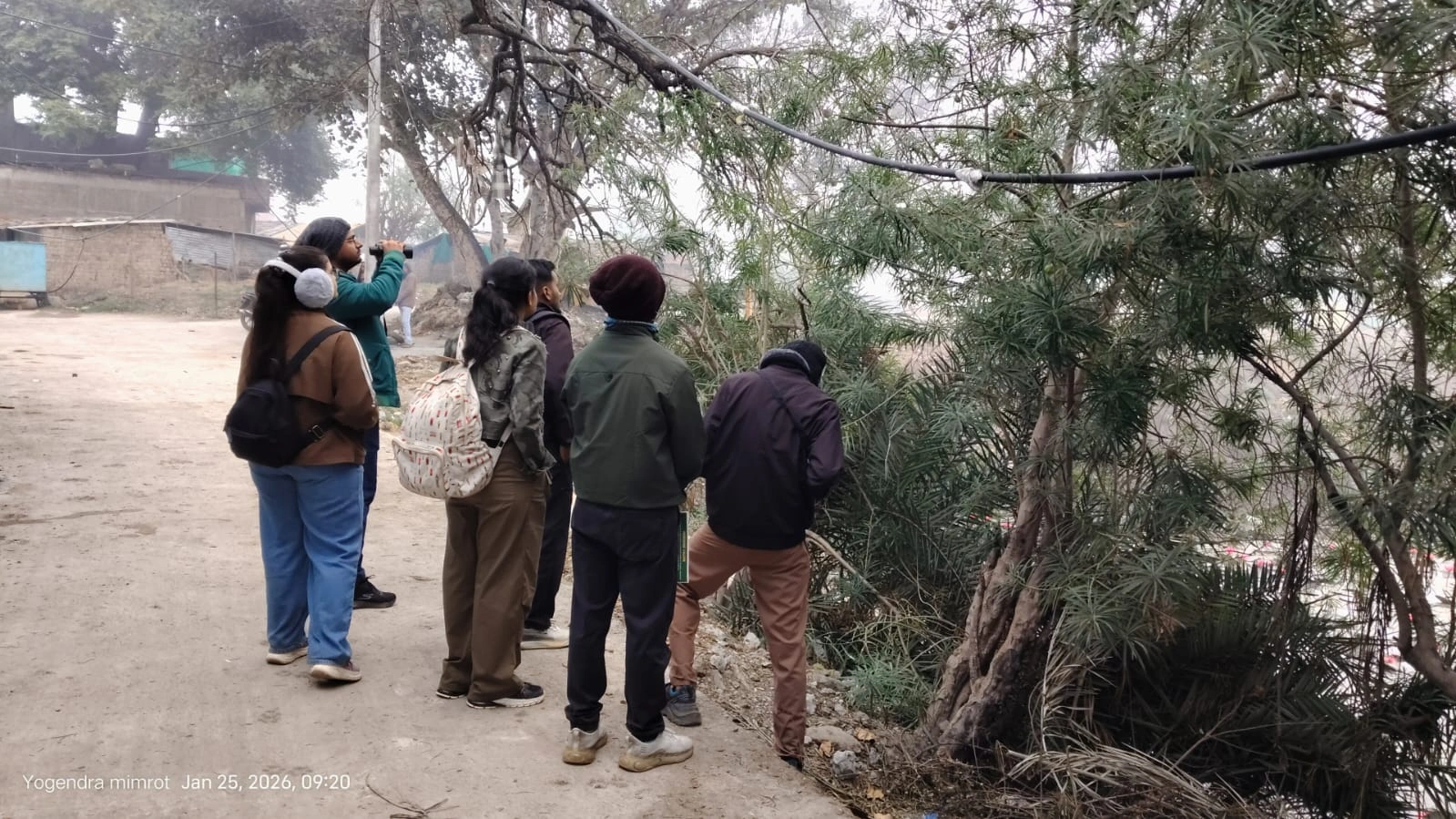
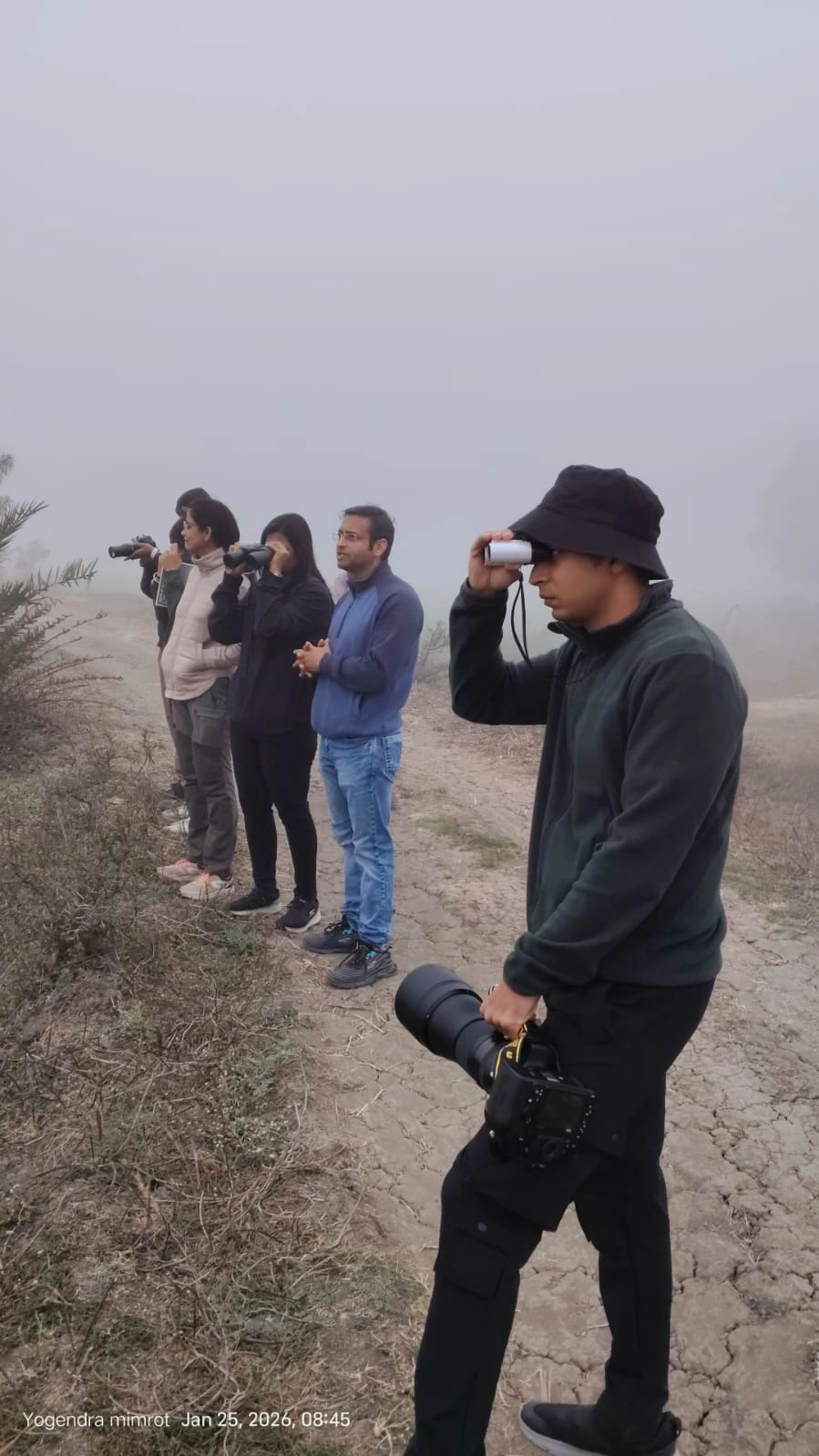
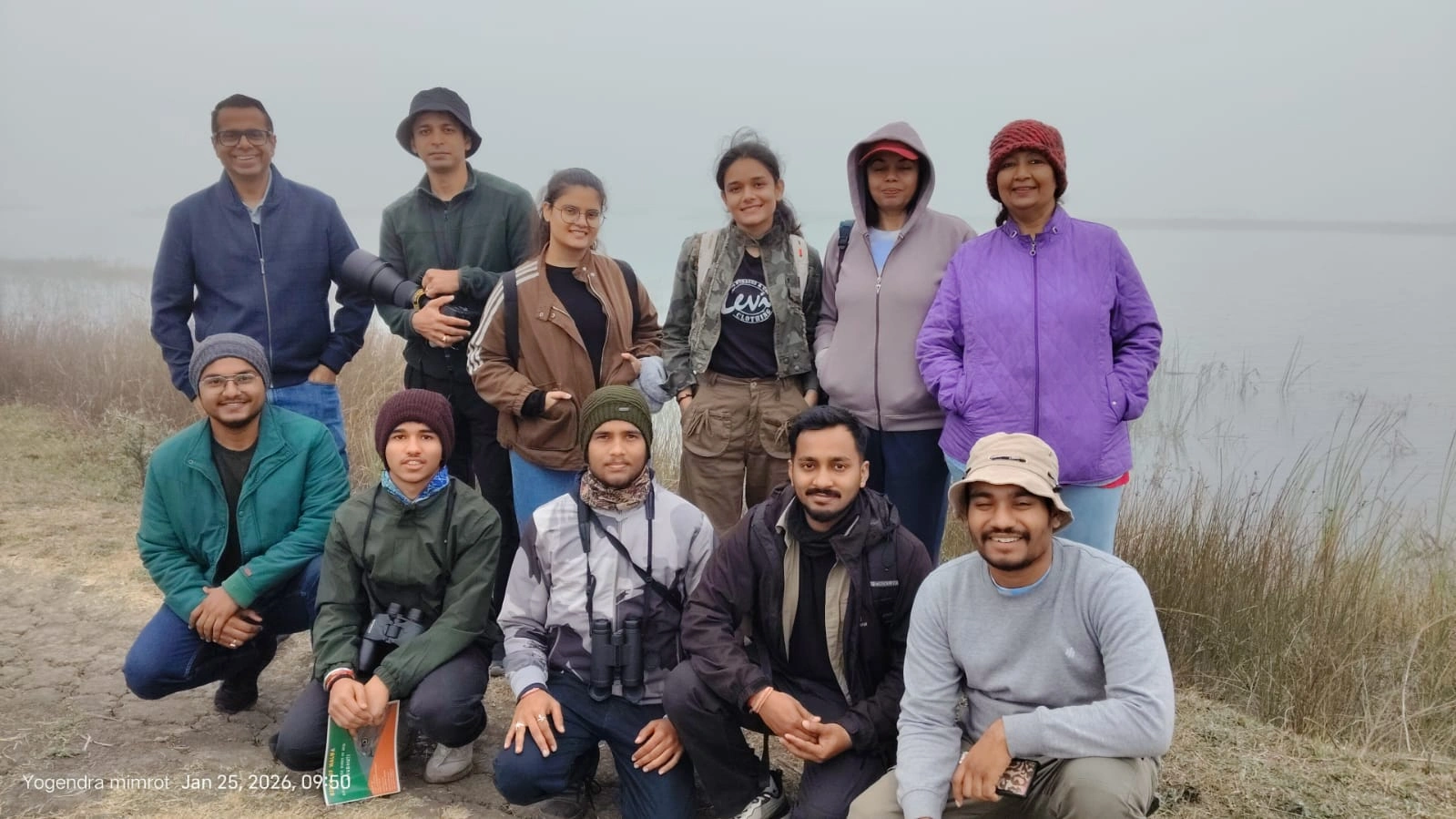
A bird walk was conducted at Daulat Baroda Lake, led by Yogendra Kumar Mimrot in collaboration with MP Tourism, with 11 participants. The morning was marked by dense fog caused by a western disturbance across the city, which significantly reduced visibility and made birding a bit challenging. Despite this, the group remained engaged and patient, using the conditions as an opportunity to focus on calls, movement, and habitat cues while learning about wetland and grassland ecosystems.
Even under low visibility, a diverse mix of species was recorded during the walk. Wetland birds such as Painted Stork (with a notable sighting of around 30 individuals), Spot-billed Duck, Pond Heron, Little Egret, Indian Cormorant, White-breasted Waterhen, White-winged Stilt, and Red-wattled Lapwing were observed around the lake. The surrounding areas yielded sightings of Rock Pigeon, Laughing Dove, Indian Silverbill, White-throated Kingfisher, Long-tailed Shrike, House Sparrow, Sparrow Lark, Ashy Prinia, Indian Robin, Wire-tailed Swallow, Greater Coucal, Bush Lark, Common Myna, Pied Starling, and Green Bee-eater. Overall, the walk offered a rewarding experience, demonstrating that even in challenging weather, Daulat Baroda Lake supports rich avian diversity and remains an important birding site.
Number of Participants
0