

Loading Events

Bird Walk at Karave Wetlands, Navi Mumbai

About Karave Wetland

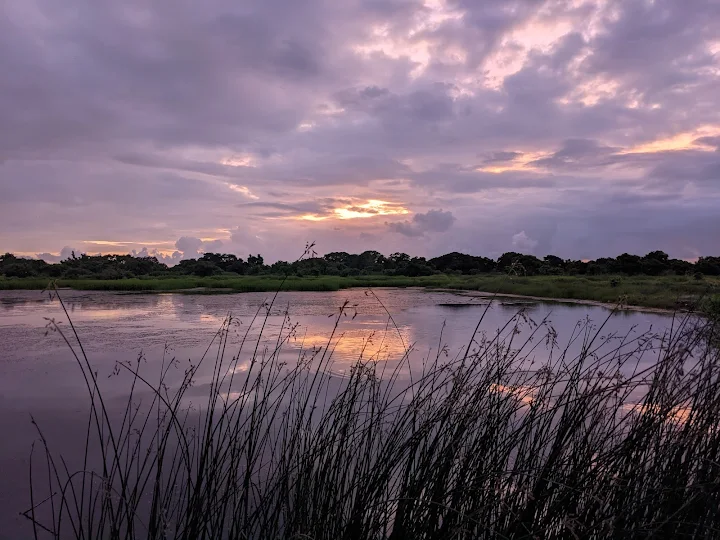
Karave Wetland in Navi Mumbai, often referred to by birders as Karave Flamingo Point or part of the TS Chanakya wetlands, is a unique coastal marsh ecosystem nestled amid urban development and mangrove fringes. Spanning a mosaic of tidal mudflats, shallow ponds, mangroves, and wet grasslands, it serves as a vital stopover and feeding ground for a rich array of resident and migratory birds, including thousands of flamingos that arrive each winter, painting the landscape in stunning pink hues before they disperse to nearby areas such as Thane Creek and DPS Lake. Besides flamingos, a diverse suite of waterbirds, shorebirds, waders, gulls and terns, as well as marsh and scrub-dwelling species, rely on its varied microhabitats for nesting, foraging, drinking and social interactions. The surrounding flora—mangroves, reed beds and tidal grasses—supports a complex food web, from microscopic algae and crustaceans to fish and insects, which in turn sustains the wetland’s vibrant birdlife and other fauna.

Today, Karave Wetland stands as a cherished recreational and ecological space where walkers, joggers, and birdwatchers cross paths with fishermen and locals enjoying quiet moments. The tidal influence from the creek and the mix of wetland habitats draw a variety of wildlife, particularly during the migratory season when the site comes alive with the calls and movements of visiting birds. Efforts by local naturalists and birding groups have helped highlight the ecological significance of the area, encouraging appreciation and awareness for conserving this rare green space amid rapid urban growth.

Bird Guide: Sukhpreet Kohli

He is a passionate birder from Mumbai, has been exploring the city’s rich avian life for many years. He enjoys sharing his knowledge and leading engaging bird walks that connect people with nature.
Bird walk Location

Common birds of Karave Wetland

The wetlands and open grasslands around Karave support a rich variety of birdlife, making it one of Navi Mumbai’s popular birding spots. Large waders such as Lesser and Greater Flamingos gather in impressive numbers, often joined by Painted Storks, Grey-headed Swamphens, and Spot-billed Ducks along the shallow pools. The edges of the water bustle with activity from Wood Sandpipers, Little Stints, Eurasian Curlews, and Common Sandpipers, while Whiskered Terns skim gracefully over the water surface. The marshes and trees around the site host Little and Great Egrets, Little Cormorants, and charismatic kingfishers like the White-throated and Common Kingfisher. In the surrounding scrub and grassland, birdwatchers can spot smaller but equally charming species including the Bluethroat, Eurasian Hoopoe, Ashy Prinia, Ashy Drongo, and White-eared Bulbul, making the area a vibrant mosaic of wetland and woodland birdlife.

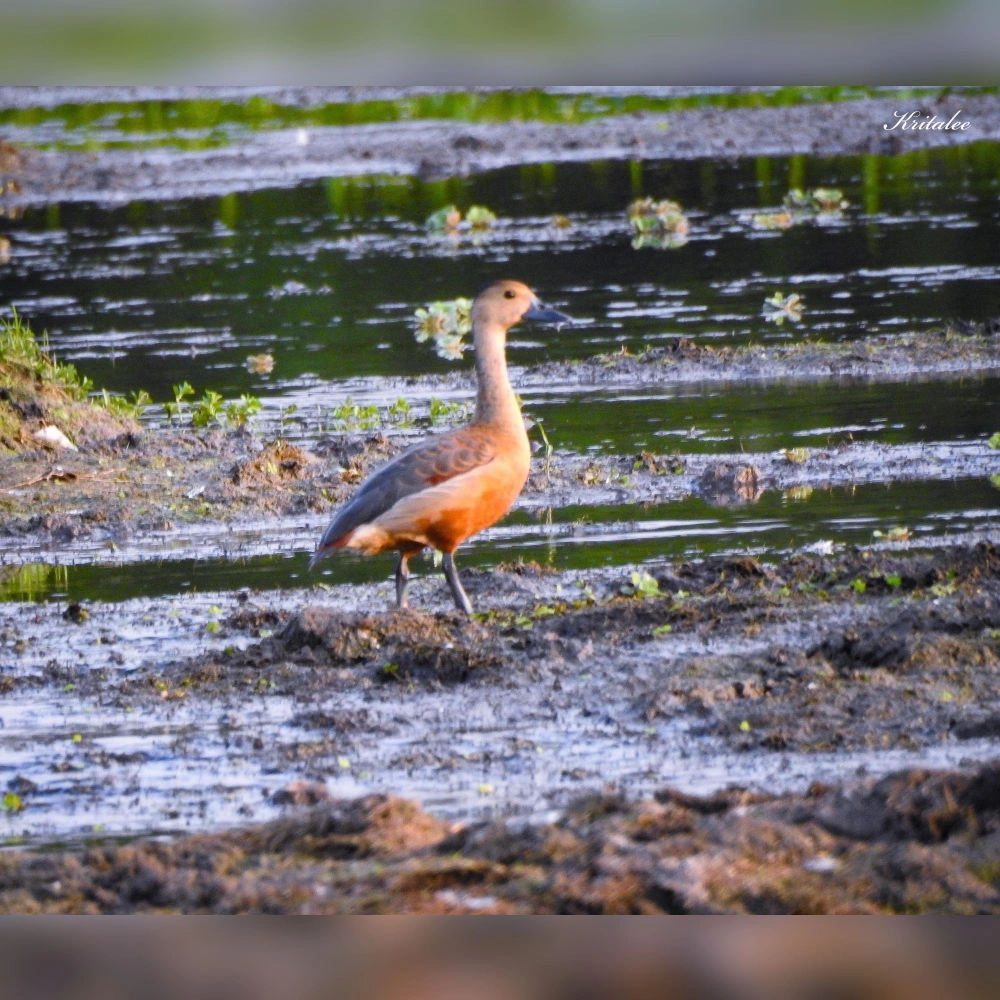
Lesser-whistling Duck
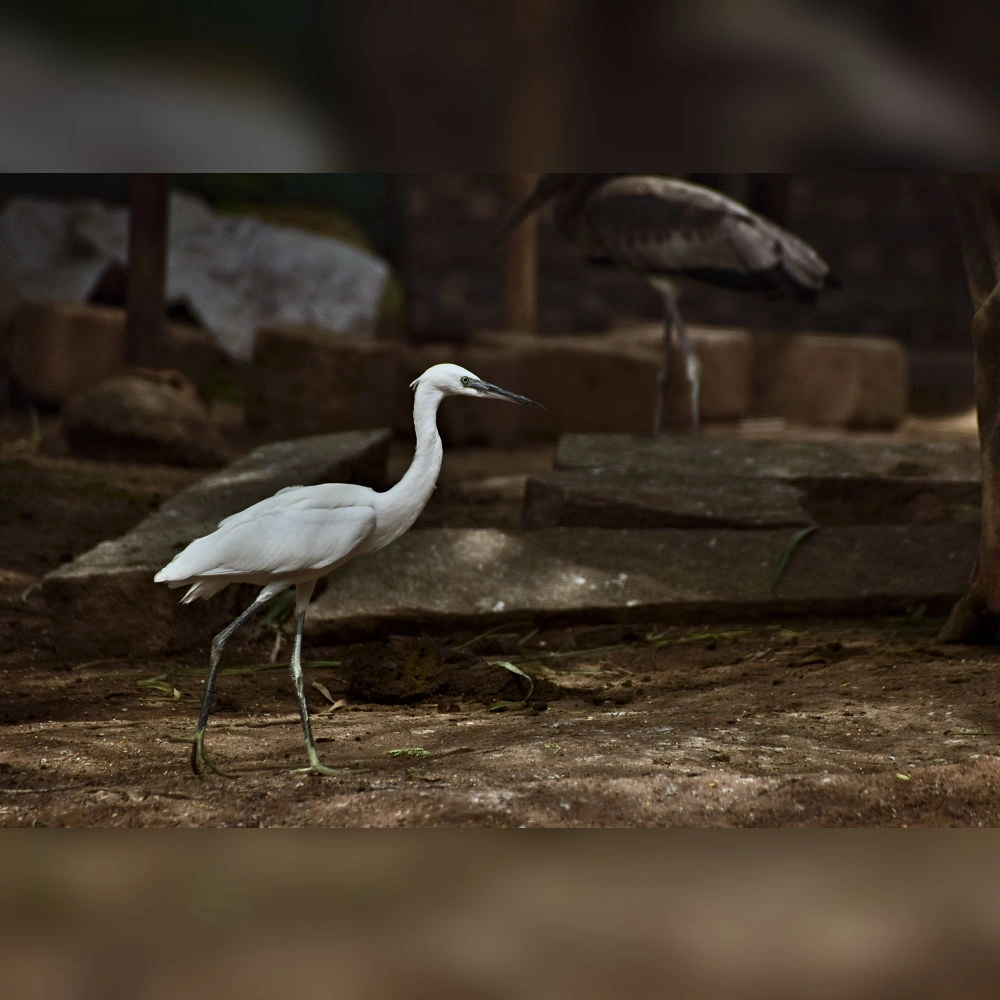
Little Egret
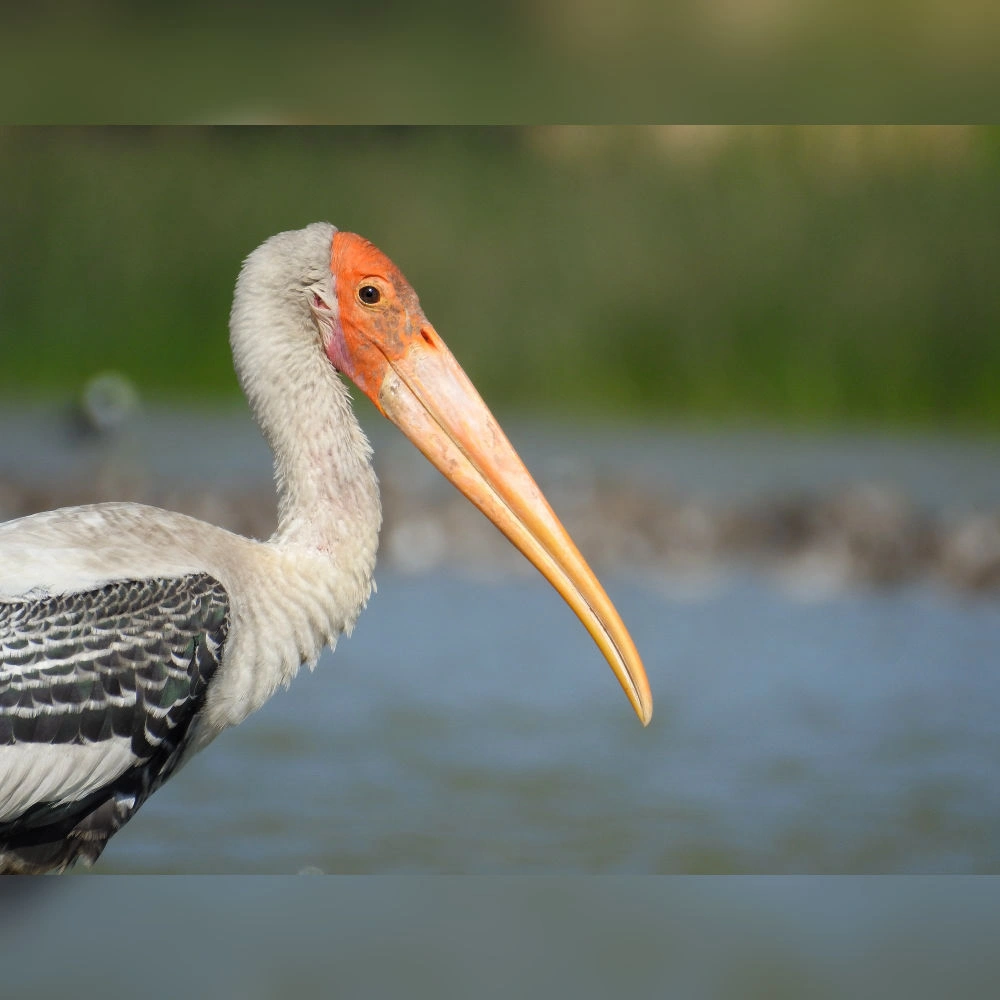
Painted Stork
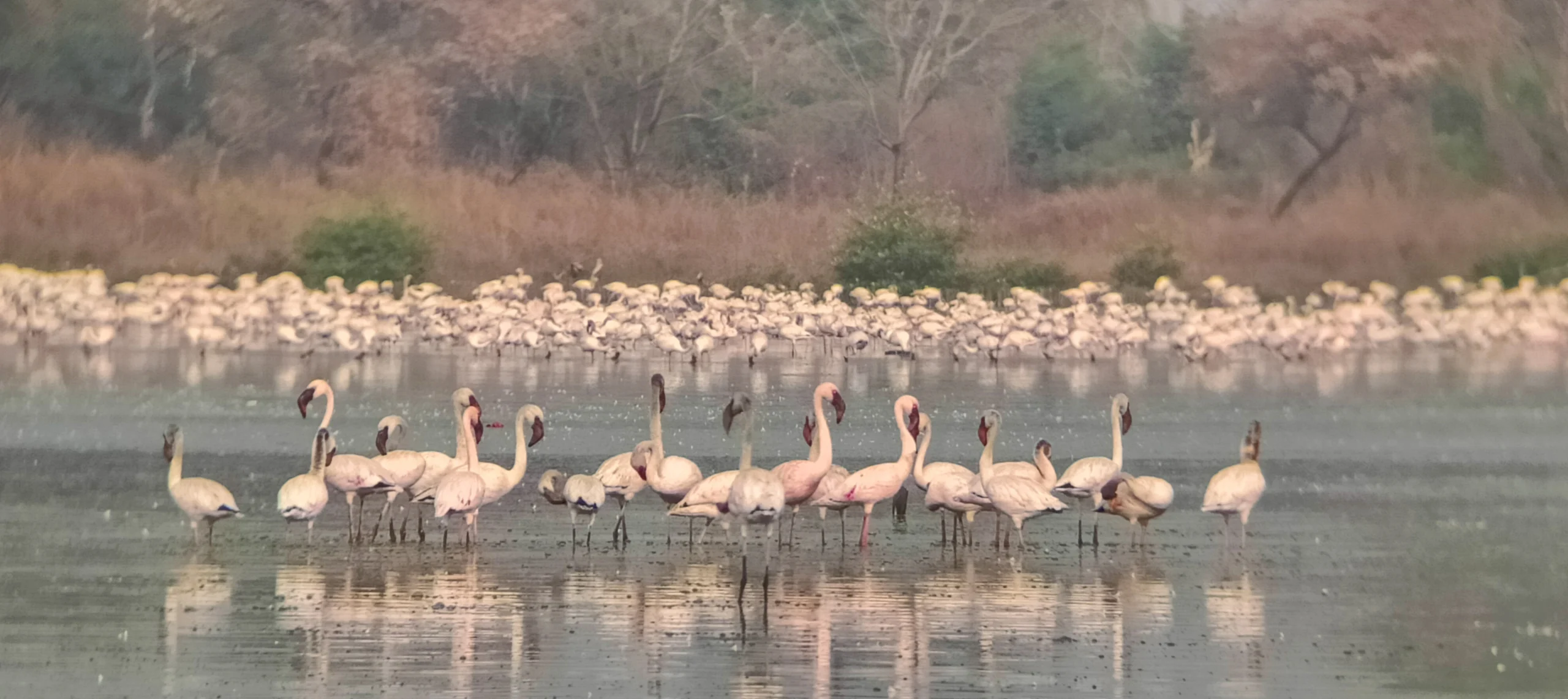
Lesser Flamingo
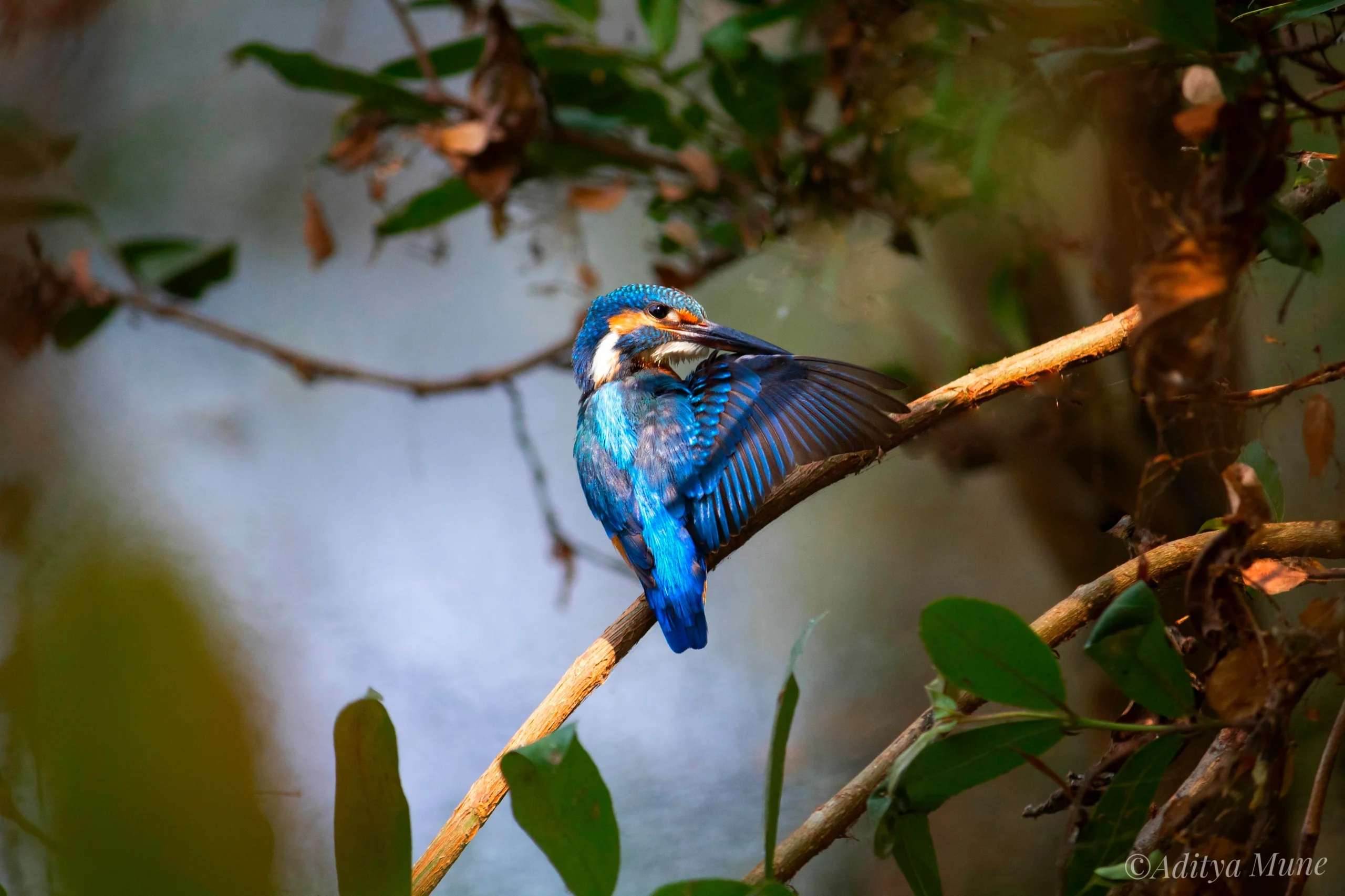
Common Kingfisher
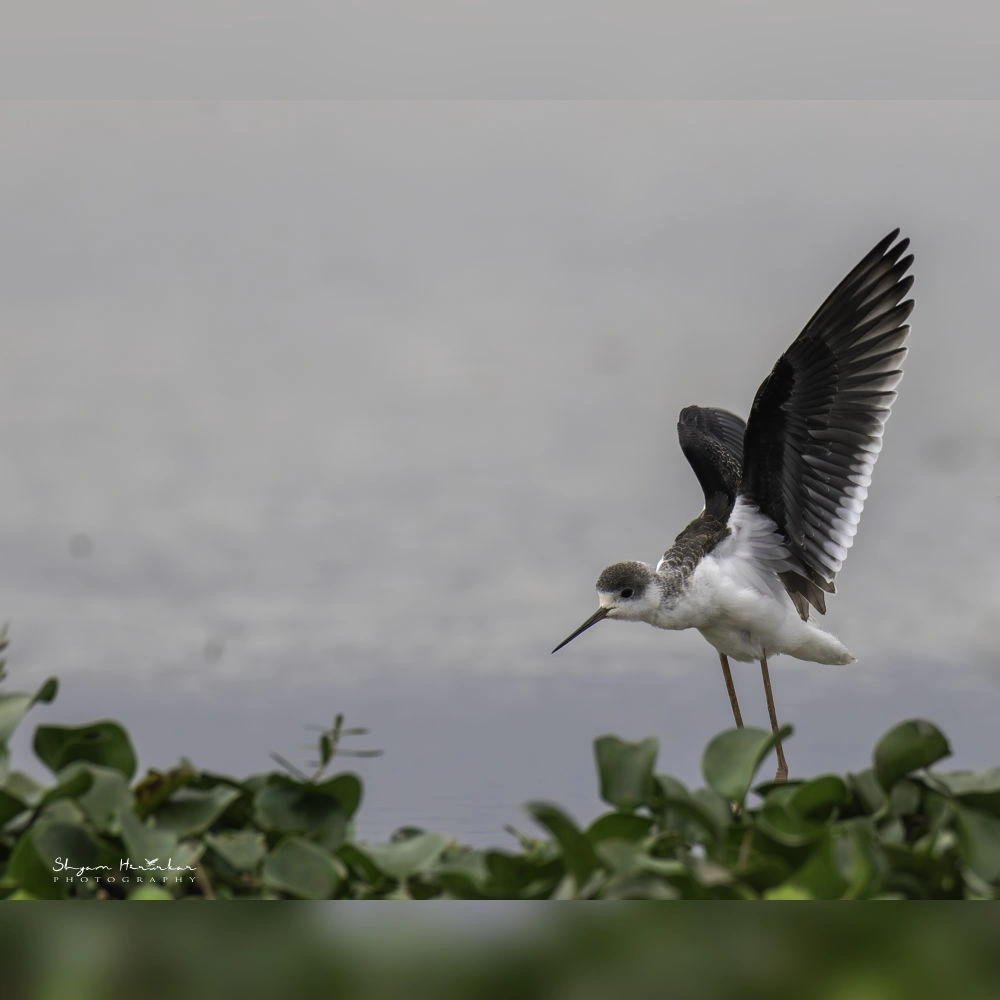
Black-winged Stilt
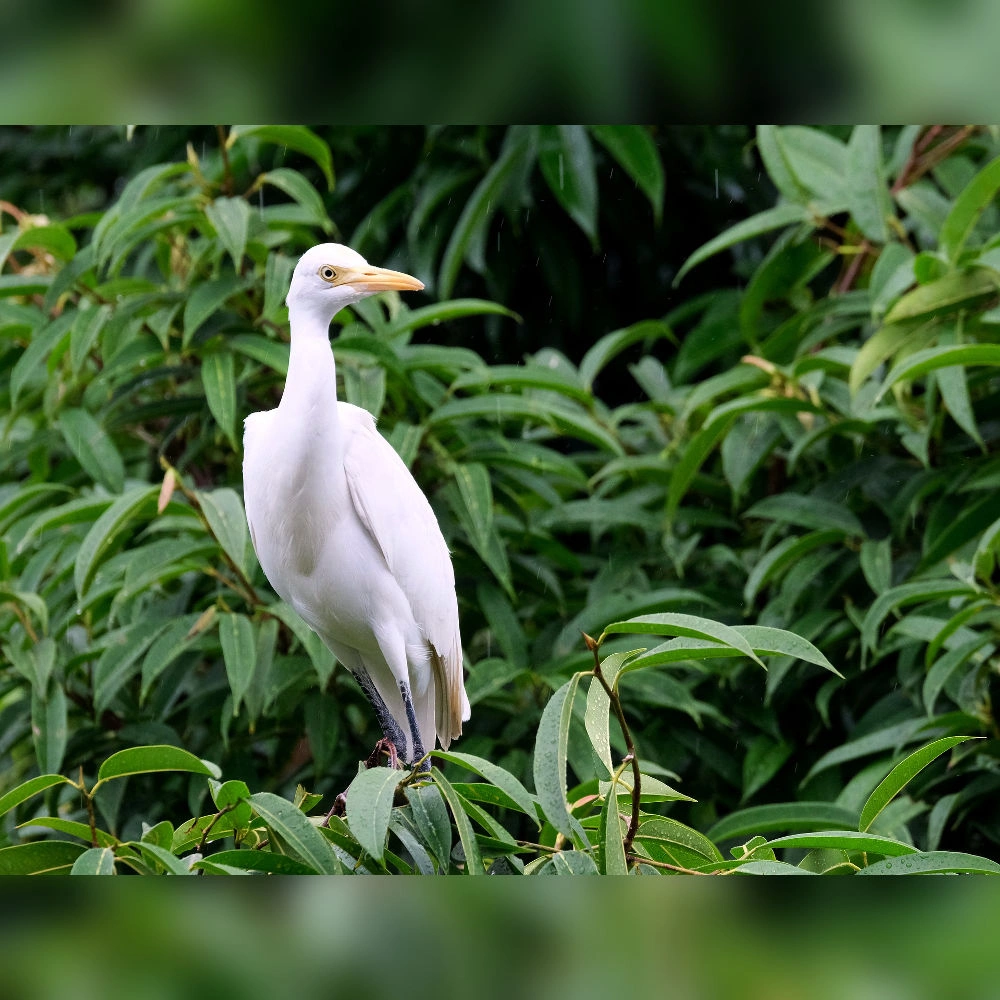
Eastern Cattle Egret
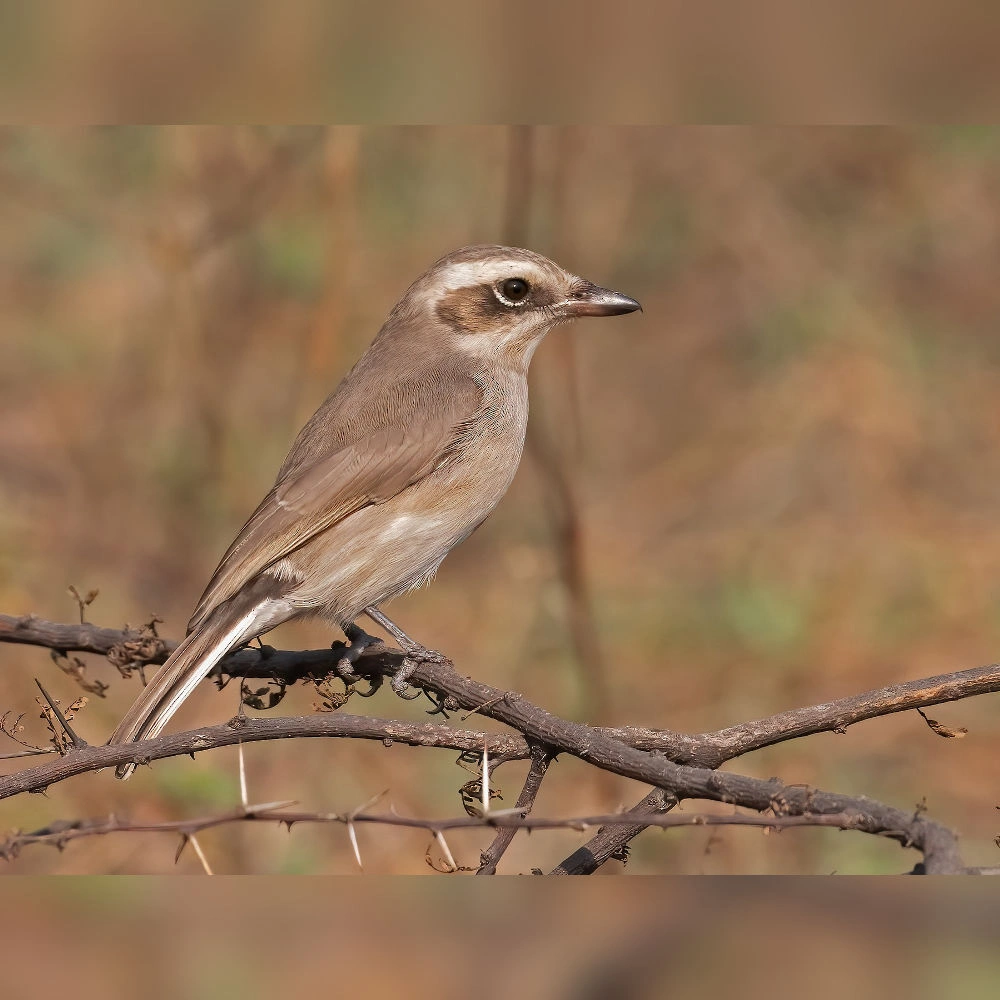
Common Woodshrike
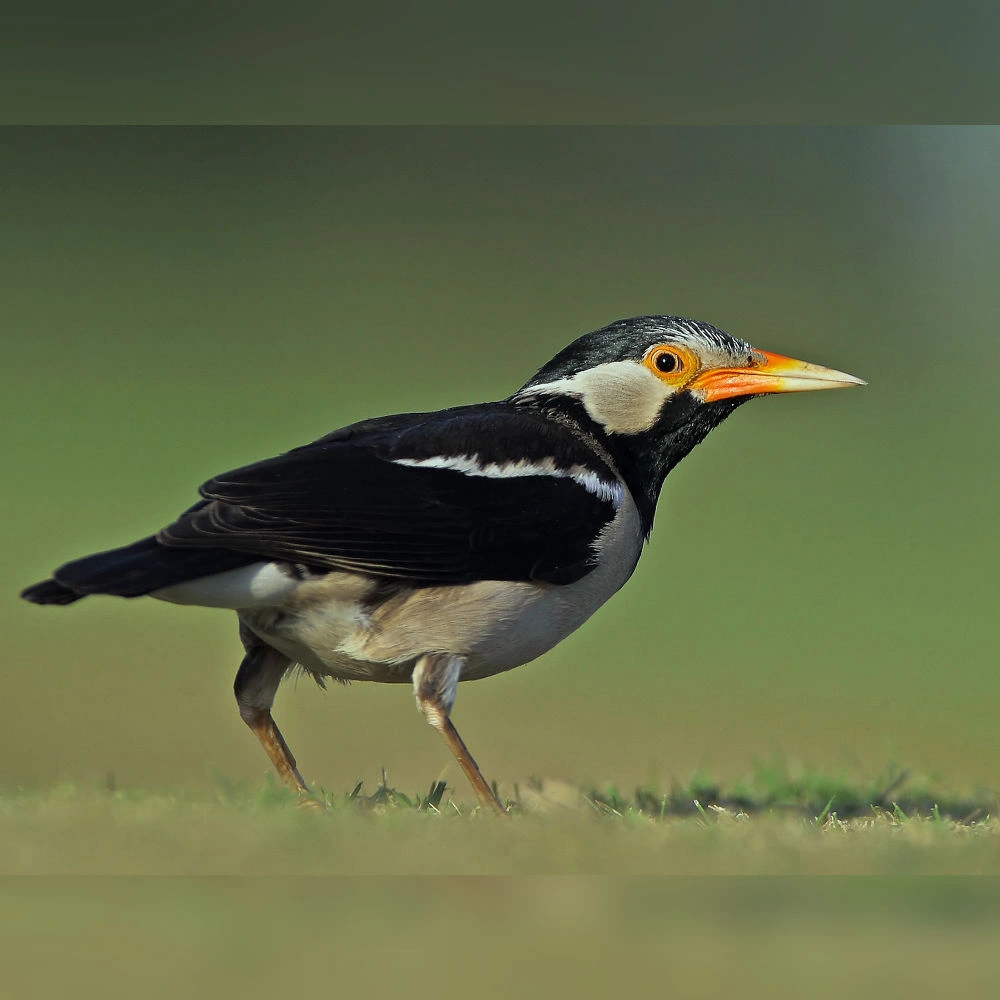
Indian Pied Starling
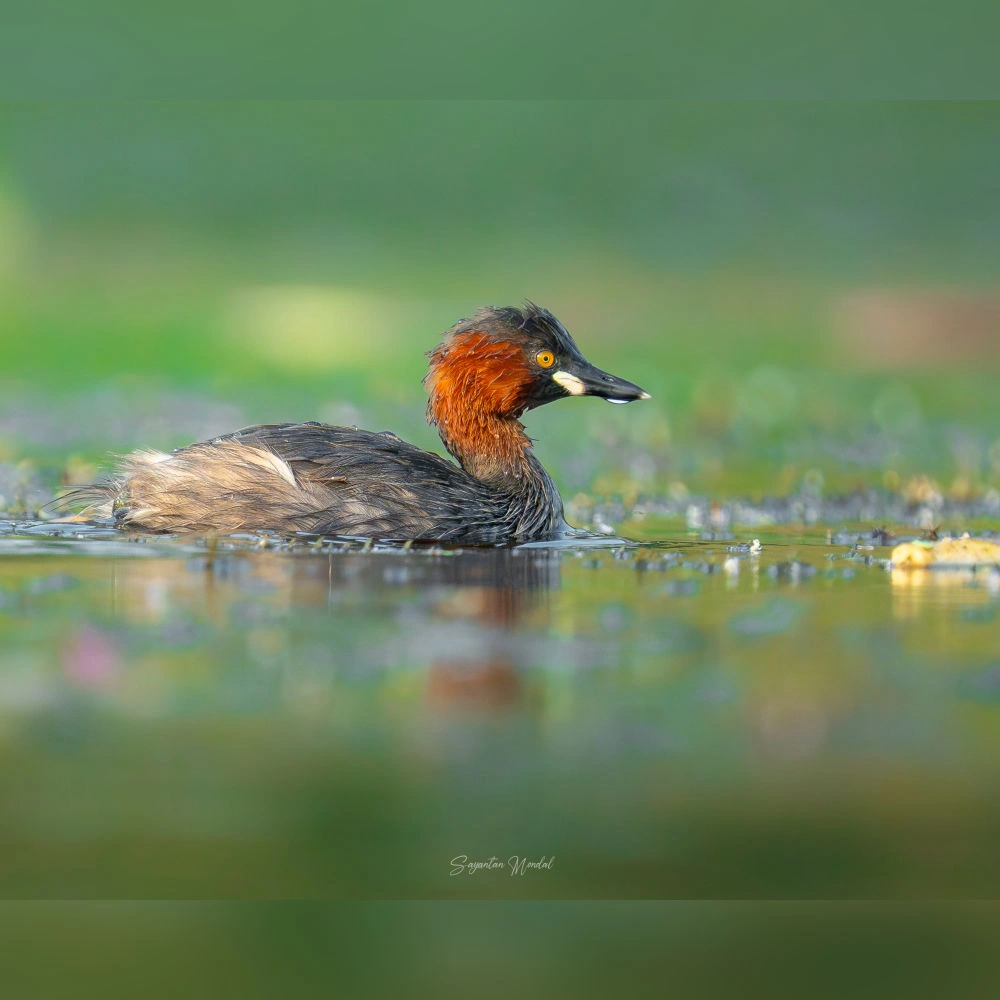
Little Grebe
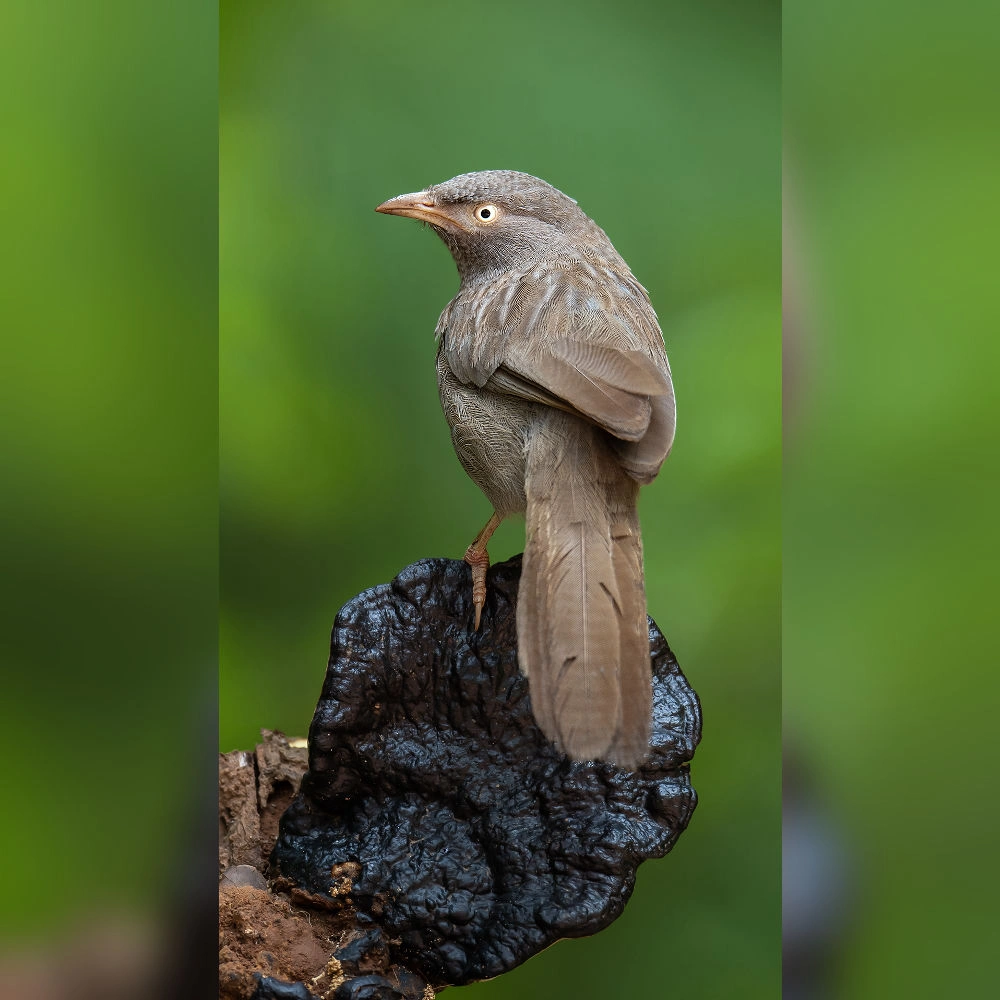
Jungle Babbler
Indian Spot-billed Duck
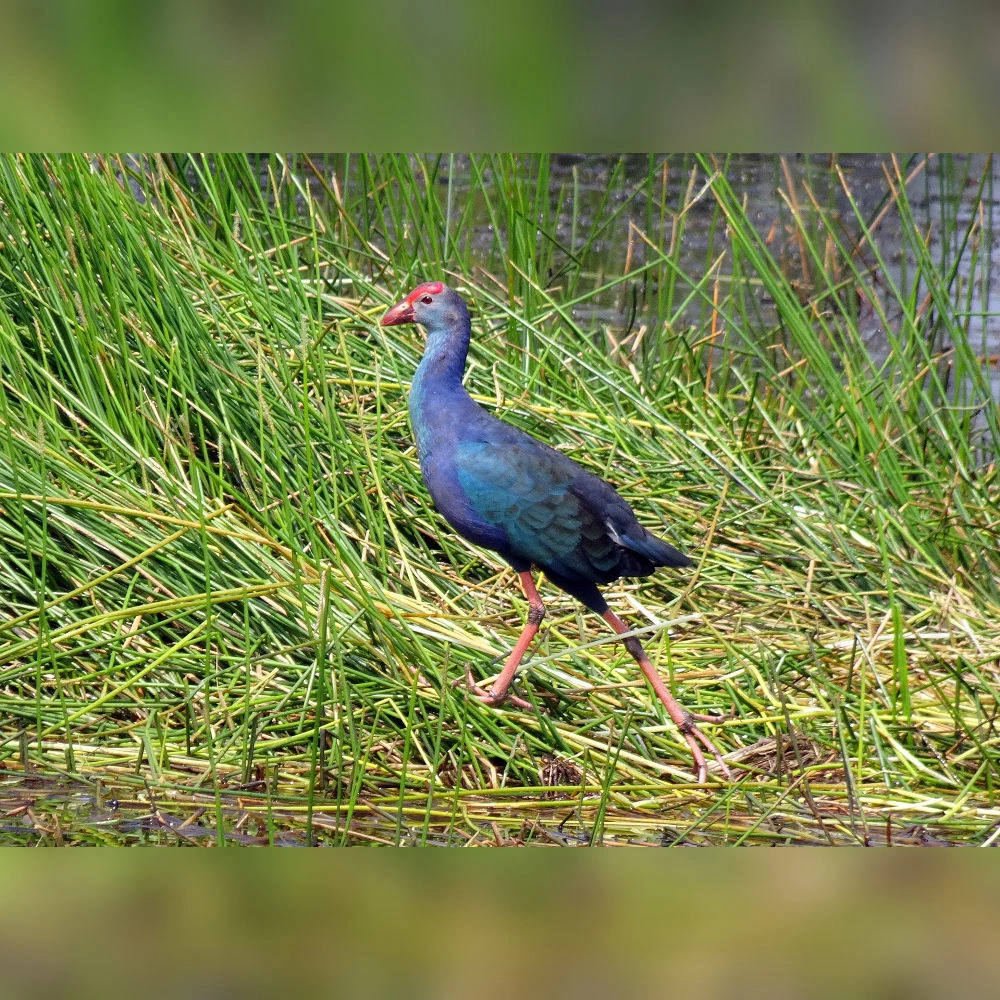
Grey-headed Swamphen
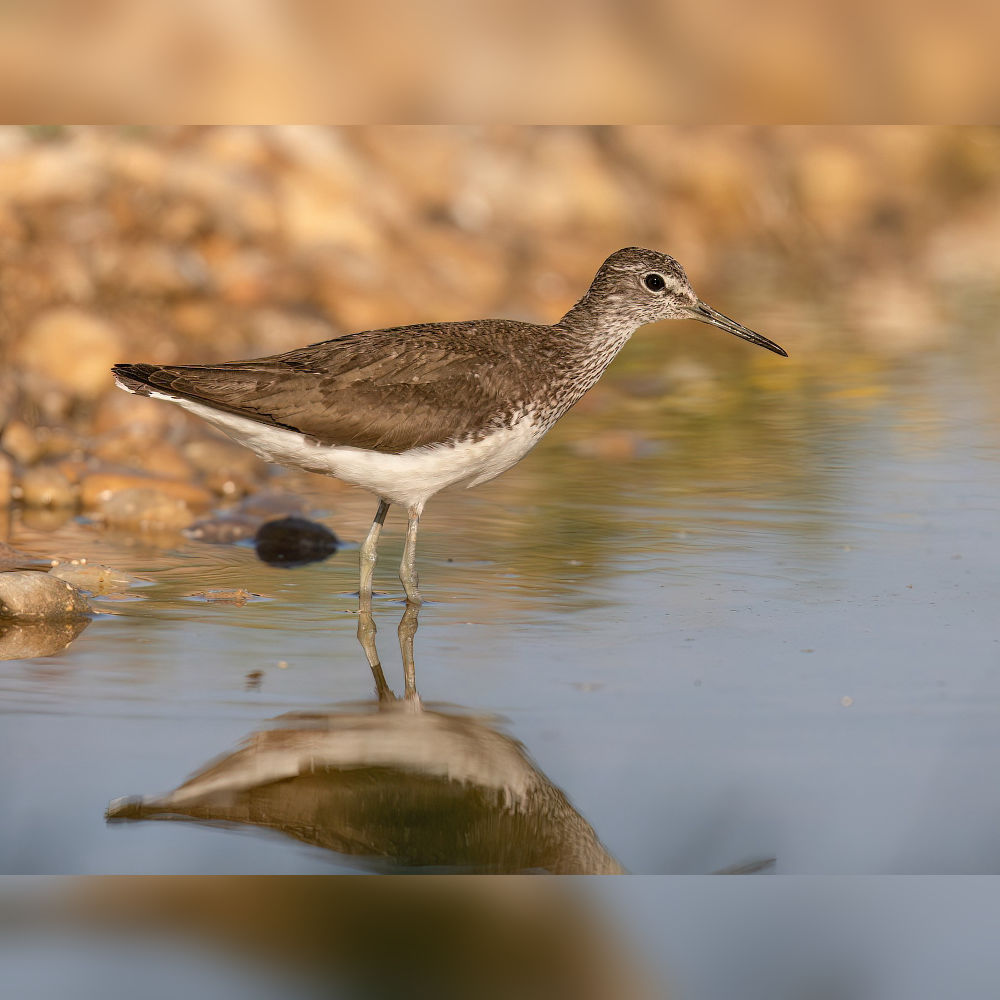
Green Sandpiper
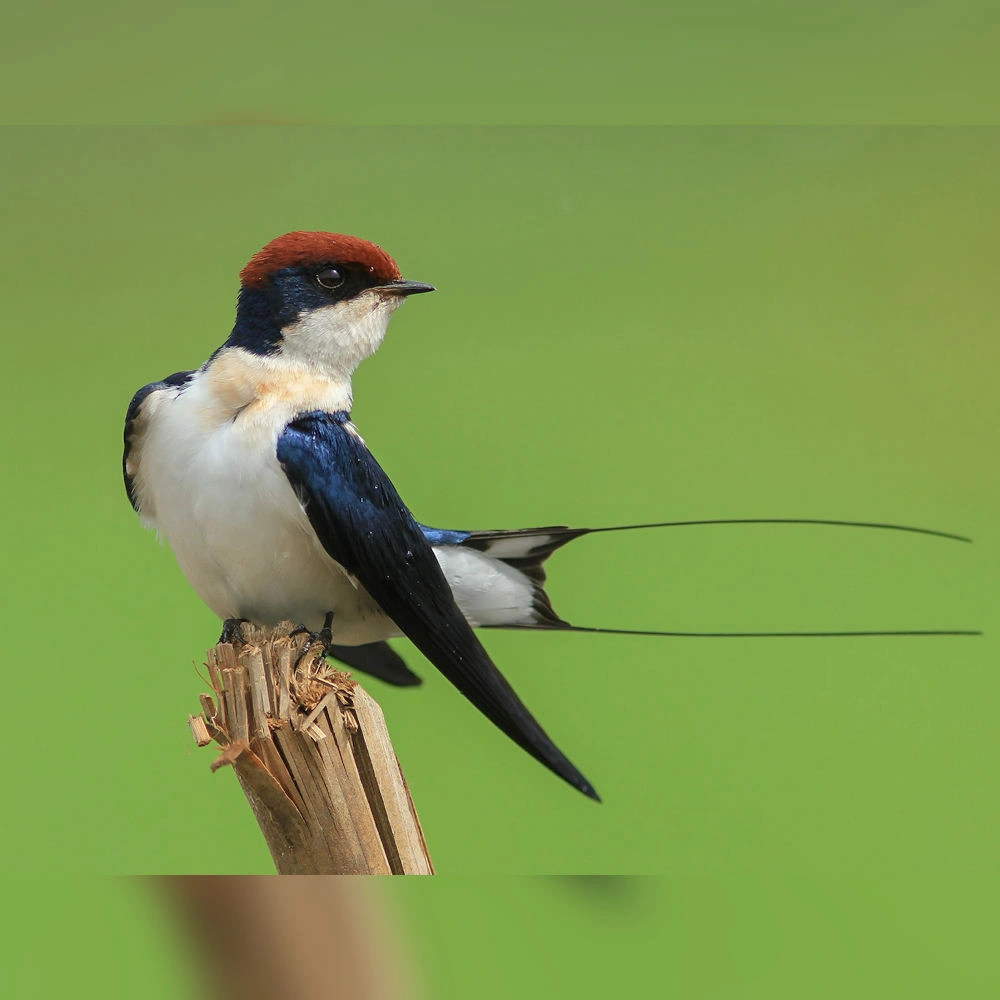
Wire-tailed Swallow
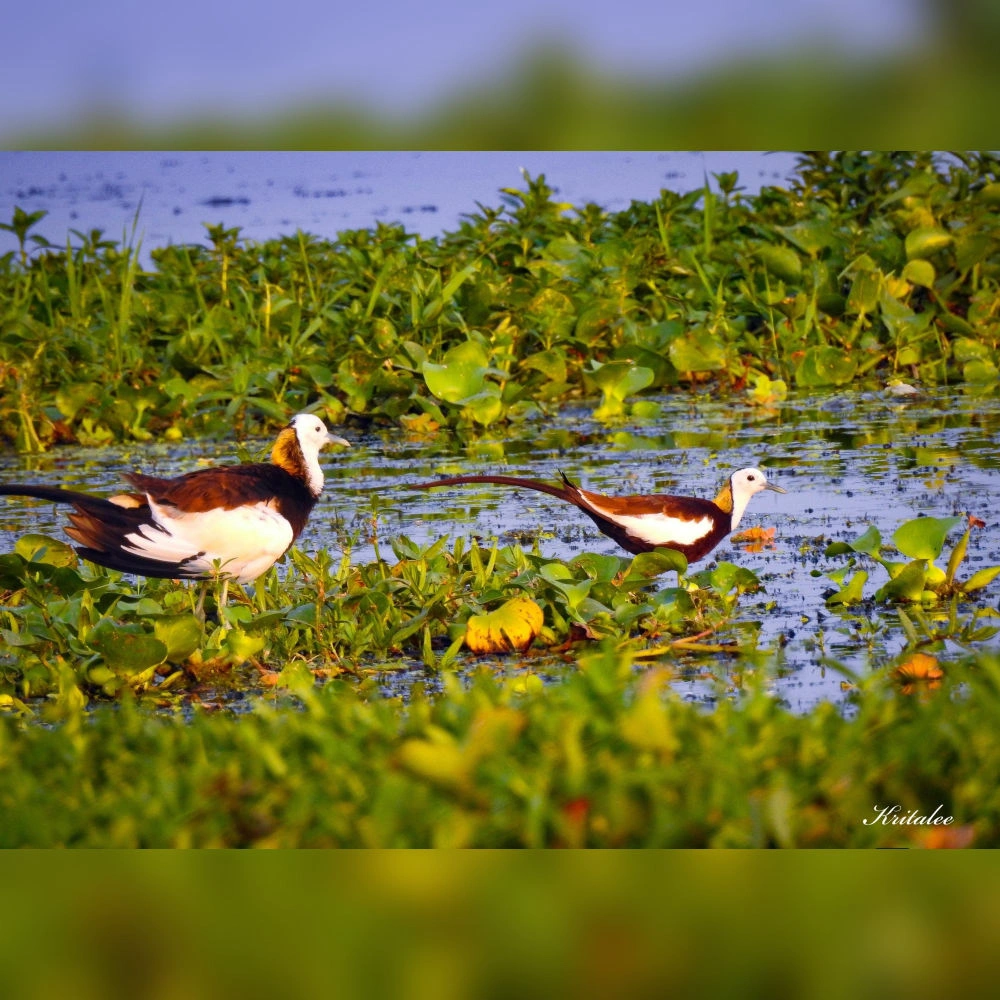
Pheasant-tailed Jacana
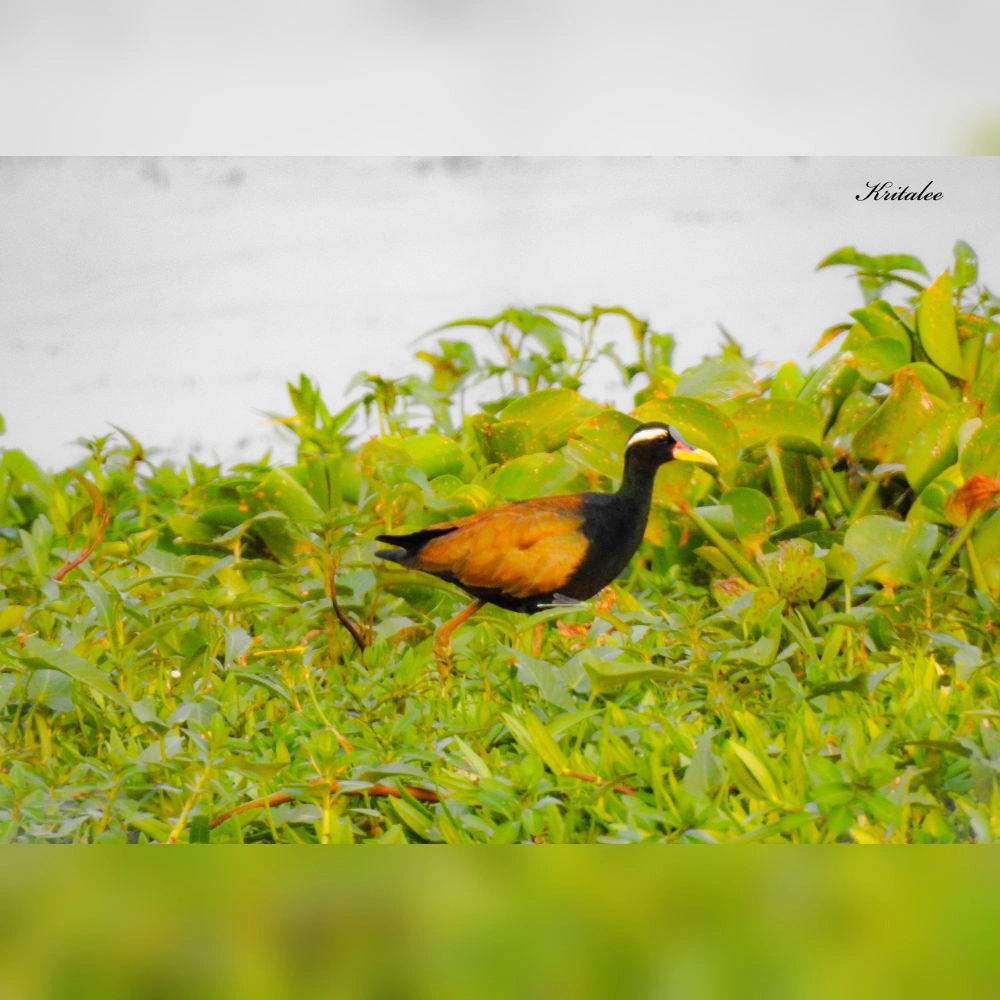
Bronze-winged Jacana
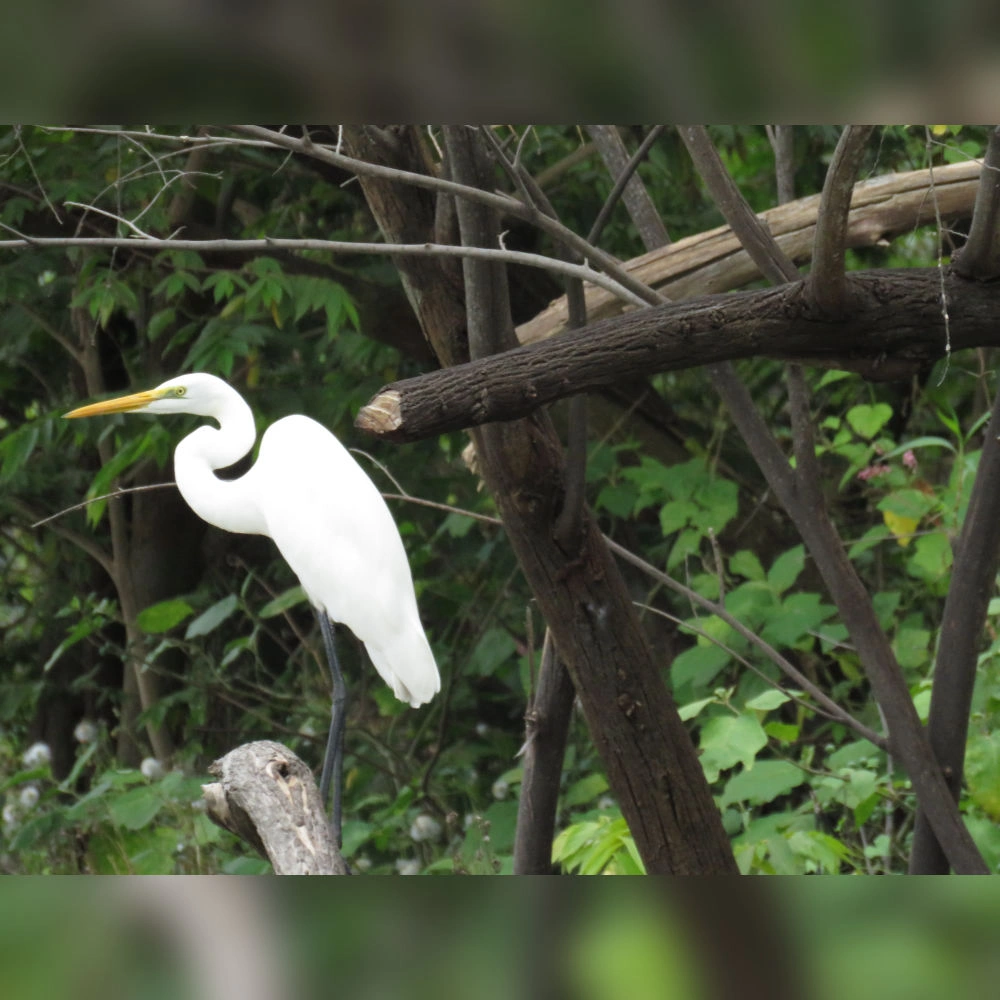
Great Egret
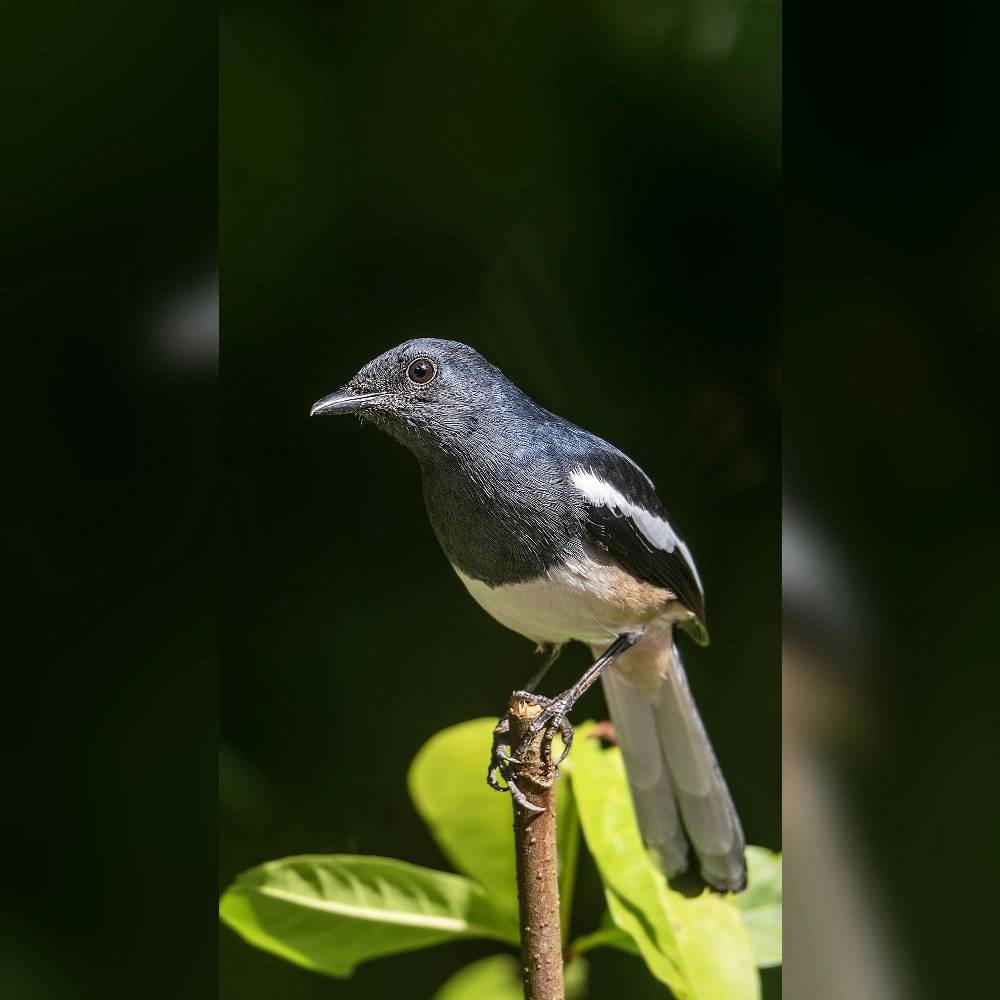
Oriental Magpie Robin
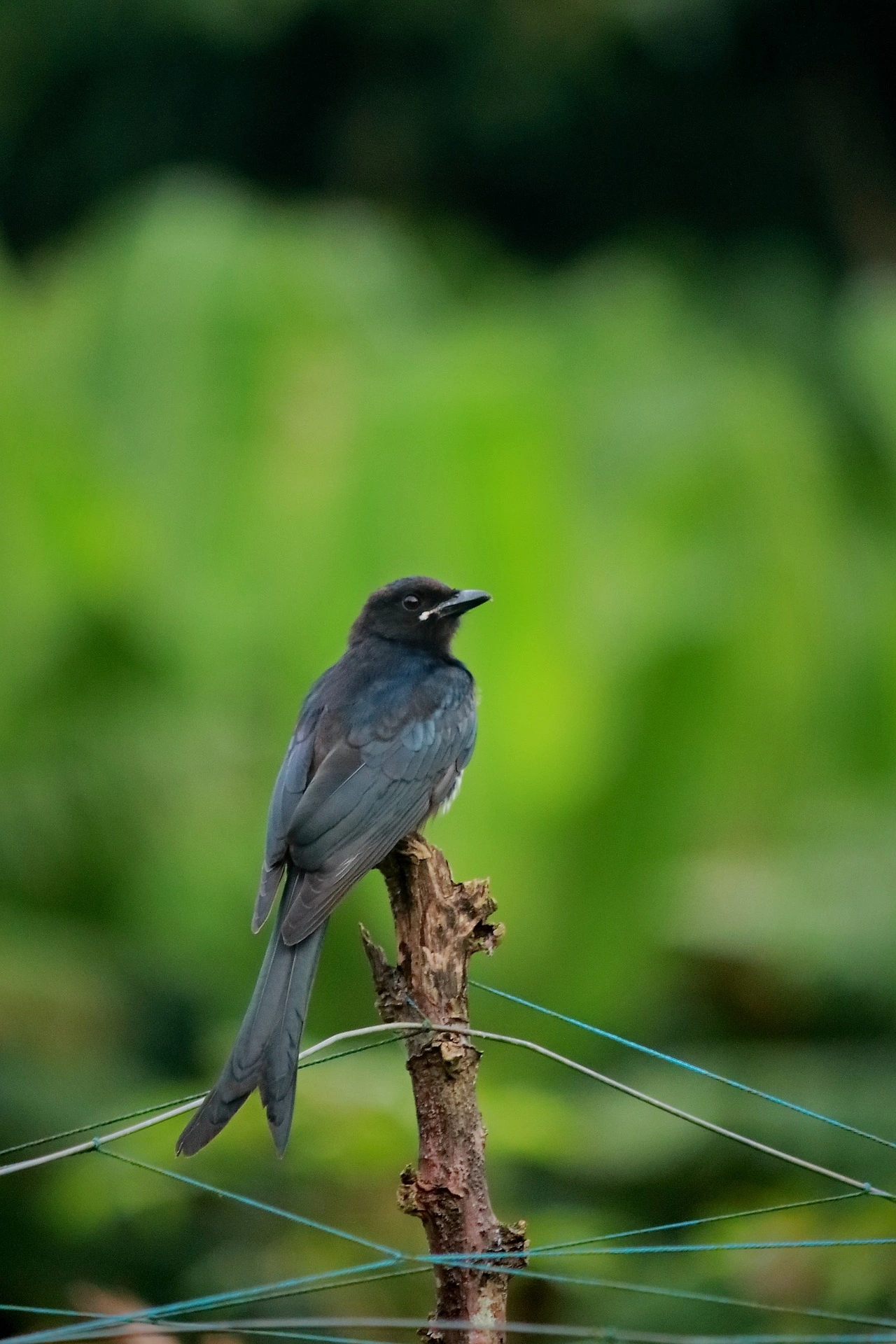
Ashy Drongo

Summary of Walk

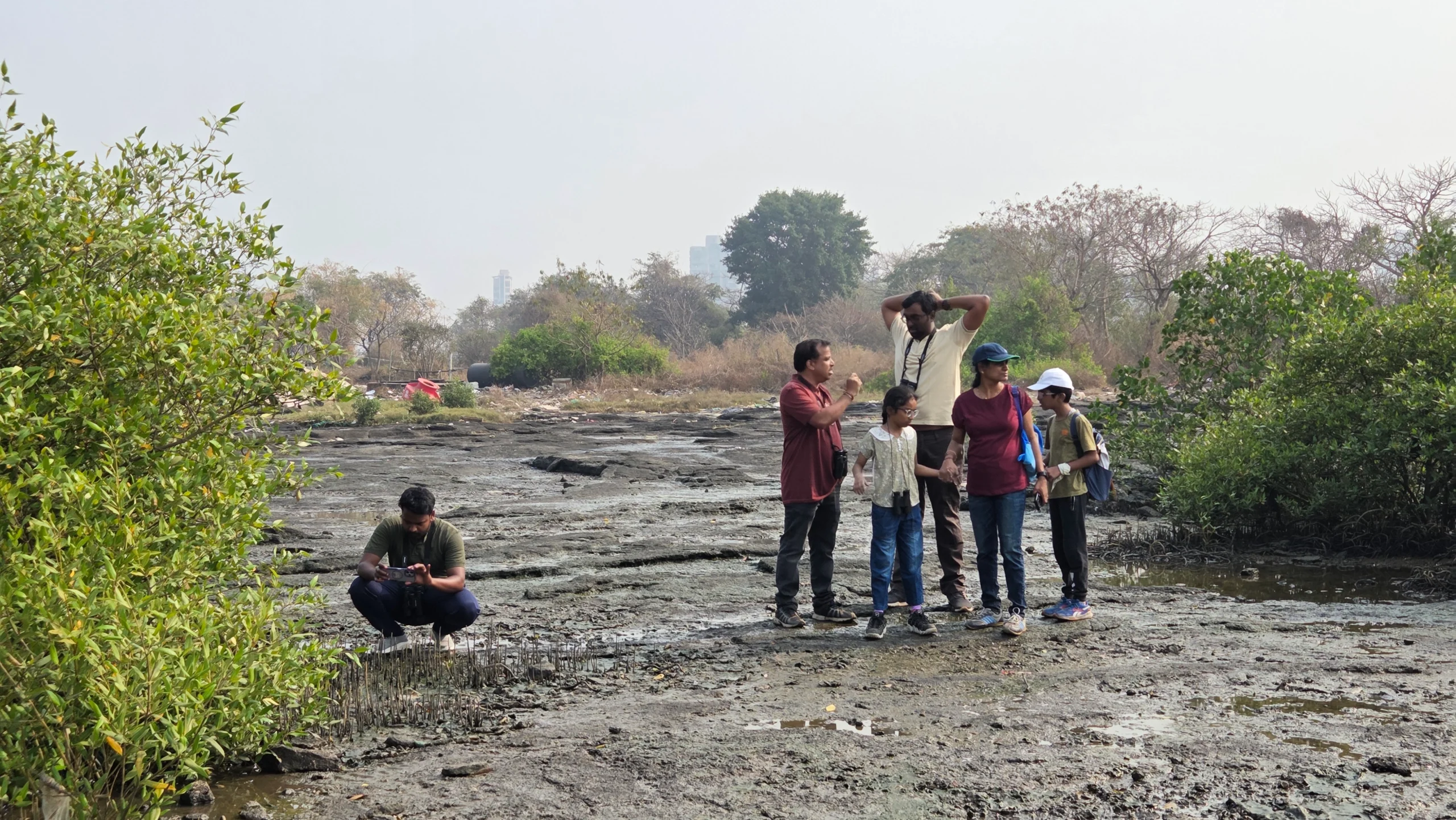
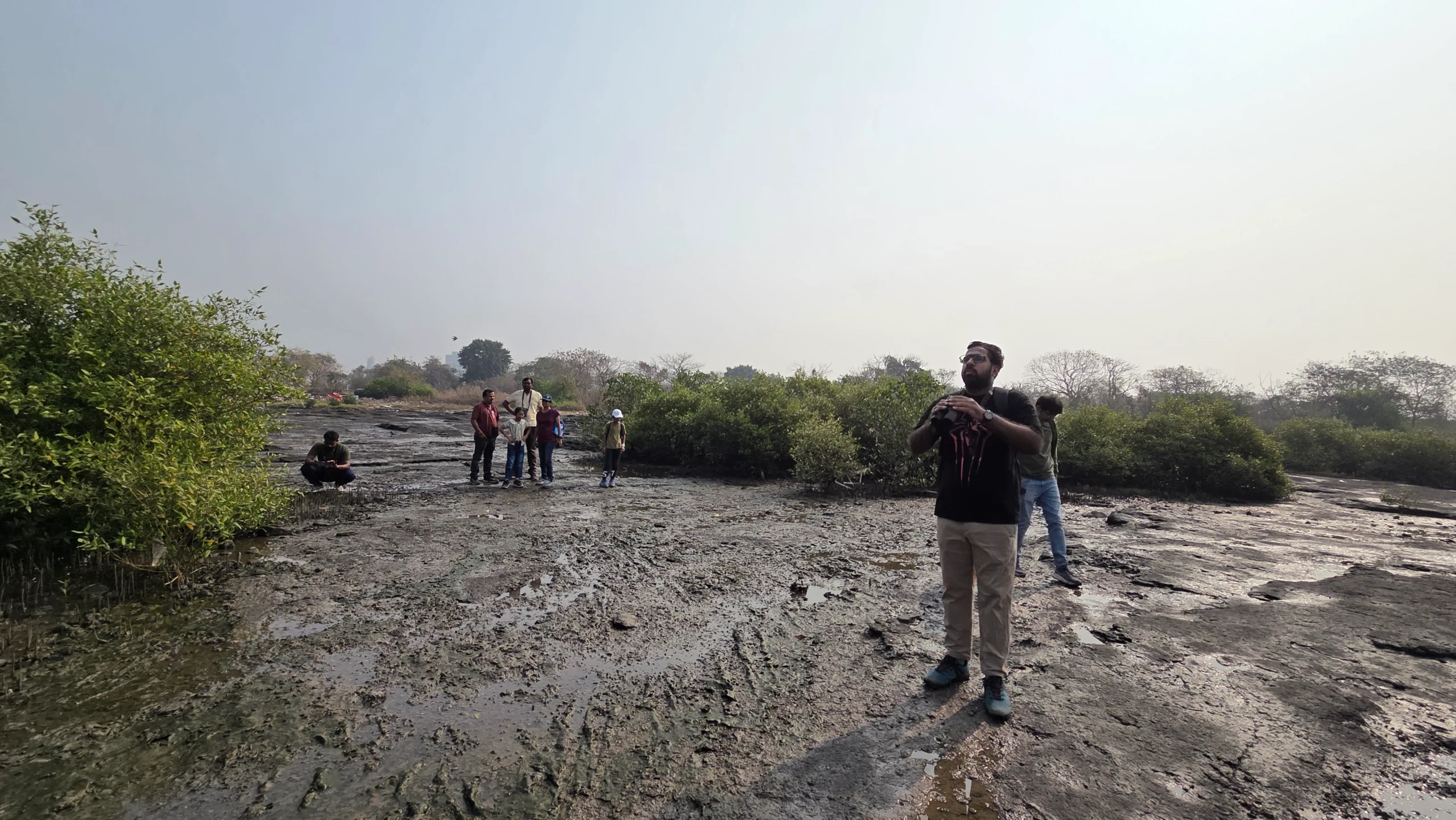
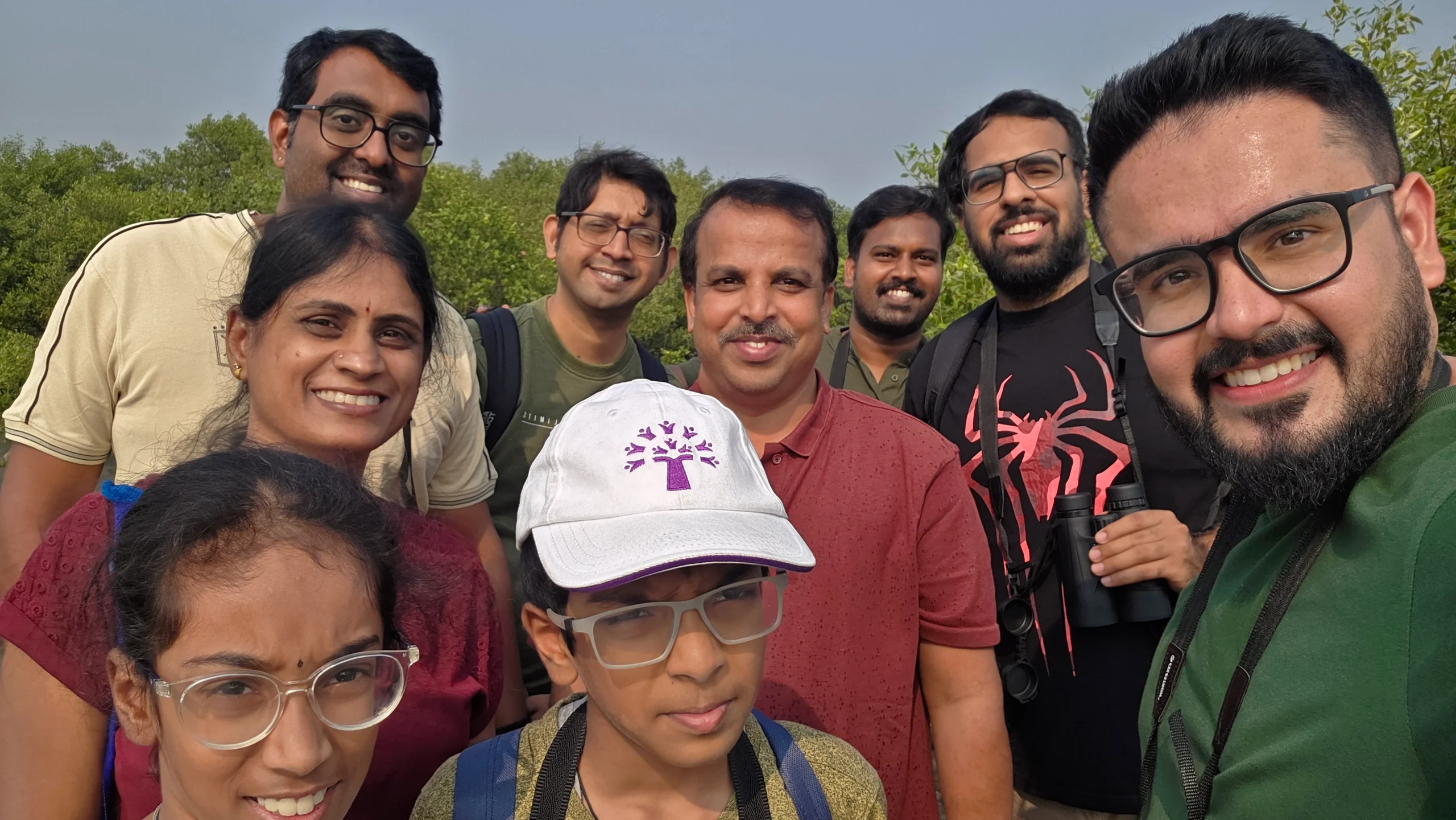
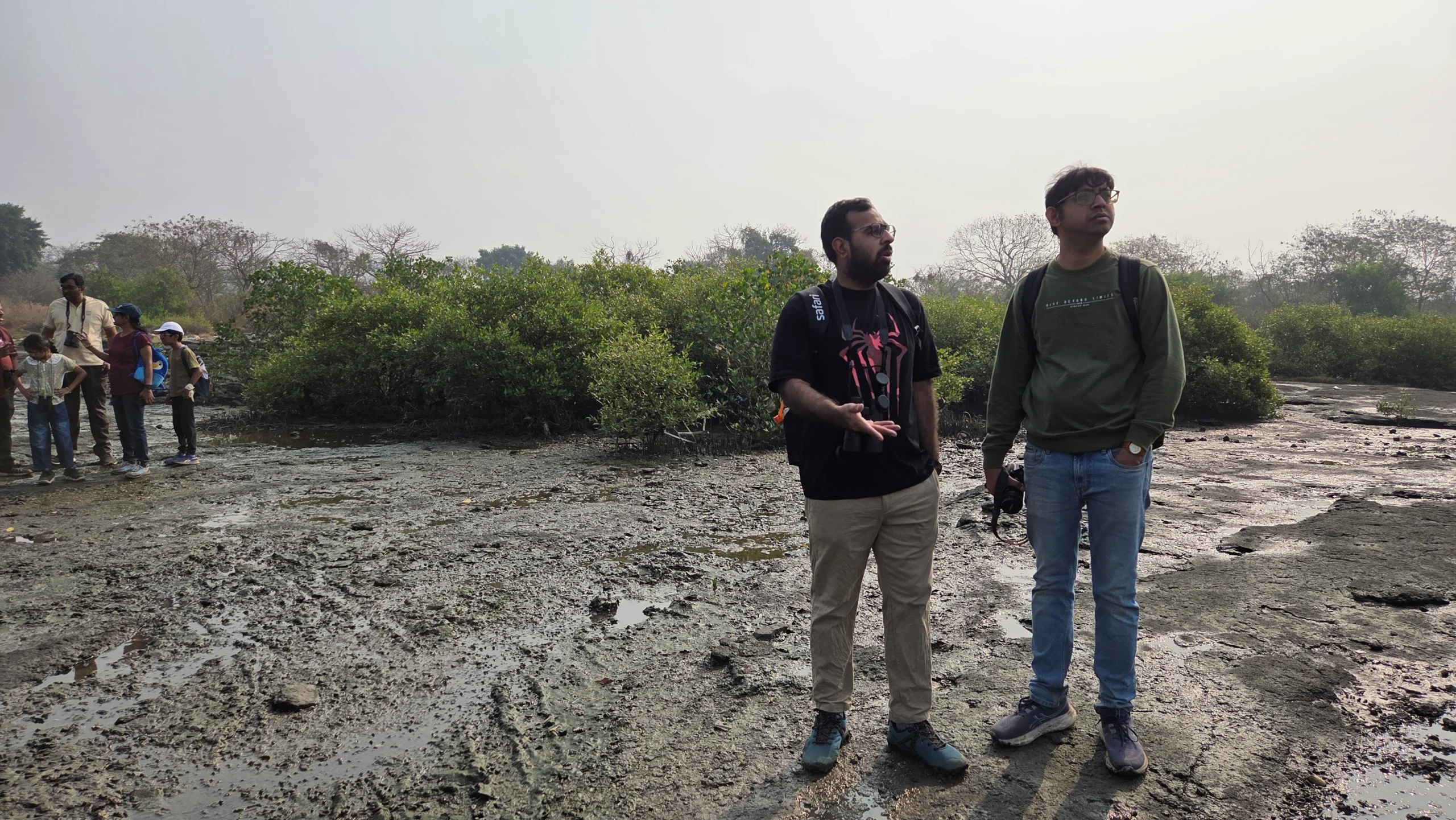
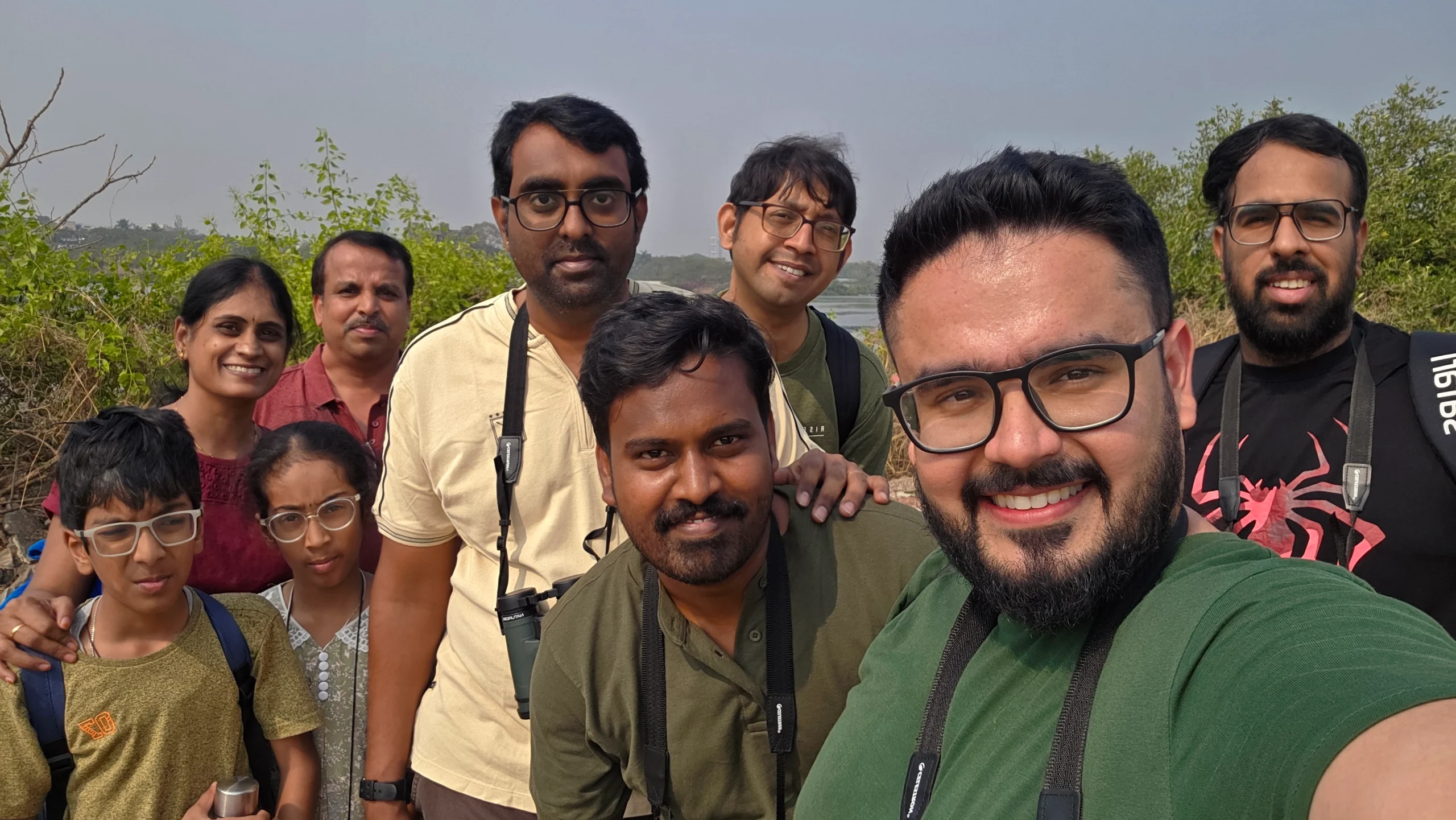
An engaging Bird Walk was hosted at the Karave Wetlands, led by Sukhpreet Kohli, with a close-knit group of 8 participants. The walk was enlivened by a cheerful family whose children brought boundless curiosity and excitement to the trail, driven by their special mission to spot the Common Kingfisher. The wetlands offered a rich diversity of avifauna, setting the perfect backdrop for an interactive and educational outing that appealed to both first-time birders and keen observers alike.
The group observed an impressive variety of species, including migratory Northern Pintails and Black-winged Stilts, several sandpipers such as Green, Common, and Wood Sandpipers, along with Gull-billed Terns and both Black and Brown-headed Gulls. Members of the heron family, including Grey Herons and Indian Pond Herons, were also spotted, while the surrounding grasslands revealed vibrant Green Bee-eaters, Coppersmith Barbets, and the Siberian Stonechat. The highlight of the morning came toward the end of the walk near the mangroves, where a graceful Black-headed Ibis made a memorable appearance, leaving the group in awe. This sighting perfectly concluded a lively learning session filled with bird trivia and shared excitement, and by the end of the walk, the children had not only learned about birds but had discovered a new passion, with the group keenly expressing interest in future birding adventures.
Number of Participants
0
Scroll to Top