Loading Events

Bird Walk at Vansoj-Naliya Mandvi Wetland Complex, Gujarat

About Vansoj-Naliya Mandvi Wetland Complex

The Vansoj–Naliya–Mandvi Wetland Complex in Gujarat is a mosaic of seasonal freshwater wetlands, coastal mudflats, salt pans, nearby mangrove, grasspatch, shrubland, and agricultural fields spread across the Kachchh region. This landscape forms a crucial ecological corridor between inland grasslands and the Arabian Sea, creating a diverse habitat for a wide variety of wildlife. During the monsoon and winter seasons, shallow pools and marshes come alive, attracting migratory waterbirds, waders, and raptors. The surrounding countryside, dotted with small villages, grazing lands, and open scrub, adds to the picturesque setting, making the area a peaceful retreat for nature lovers and bird watchers exploring coastal Kachchh.

What makes this wetland complex particularly special is its role in supporting rare and threatened species, especially during migration and wintering periods. Large flocks of flamingos, cranes, and ducks use these wetlands as feeding grounds, while open grassland patches offer habitat to species like harriers, larks, and coursers. The proximity to Naliya, known for the endangered Great Indian Bustard, further adds to the conservation importance of the region. As the seasons change, dynamic shifts in water levels and vegetation create ever-changing birding opportunities. With its unique blend of wetland and arid-land biodiversity, the Vansoj–Naliya–Mandvi Wetland Complex remains one of Gujarat’s lesser-known yet ecologically significant natural treasures.

Partnered with

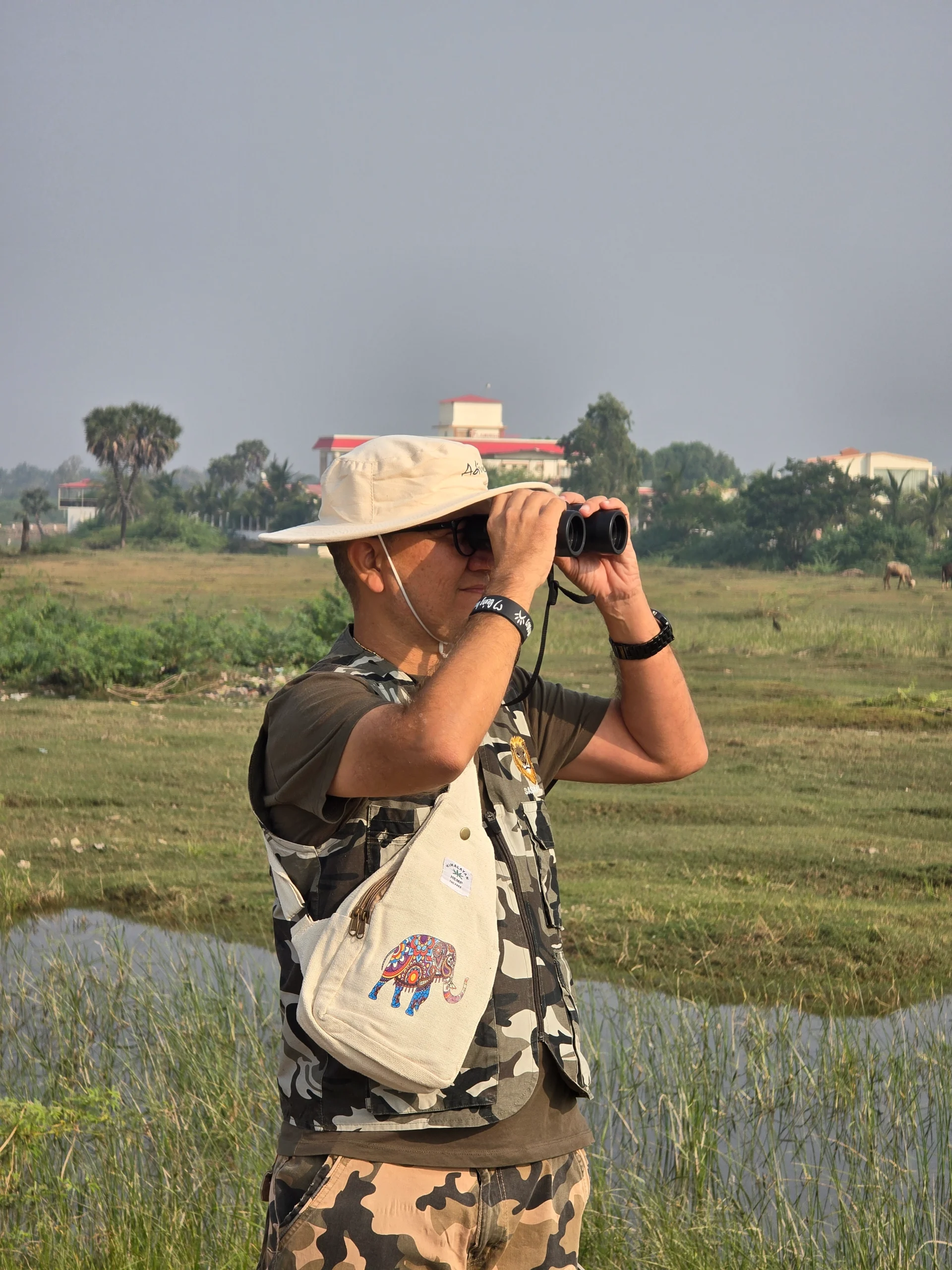
Bird Guide: Jigarkumar Vasantbhai Patel

I'm Zoology Postgraduate working as a Field Biologist in Department of Environment and Forest, DNH & DD. Living in Diu from last 1 year Researching on Winter migratory birds and their Habitat Occupancy here in Diu Island. An Enthusiastic Bird watching and Ph.D. fellow at Veer Narmad South Gujarat University, Surat. Participated in many Bird Censuses and Organise Bird Walk for College students.
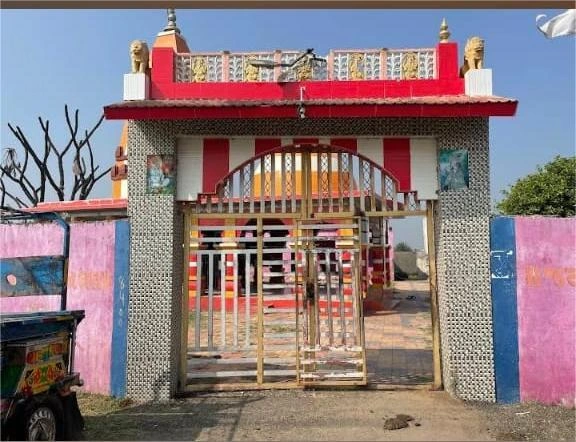
Bird walk Location

Common birds of Vansoj-Naliya Mandvi Wetland Complex

The Vansoj wetlands host a remarkable diversity of birdlife, especially during the winter season when flocks of waterfowl and waders gather in large numbers. The shallow waters and marshy edges attract species like Lesser Whistling Ducks, Knob-billed Ducks, Indian Spot-billed Ducks, and a rich mix of migratory ducks including Northern Shoveler, Garganey, Gadwall, Eurasian Wigeon, Green-winged Teal, and Common Pochard. Wetland residents such as Common Coot, Little Grebe, Grey-headed Swamphen, White-breasted Waterhen, and elegant Pheasant-tailed Jacanas bring vibrant activity to the marshes, while Painted Storks, Eurasian Spoonbills, and Great White Pelicans can be seen feeding gracefully in open waters. Along the edges, Bay-backed Shrikes perch on bushes, Eurasian Collared Doves forage near settlements, and Asian Green Bee-eaters provide bursts of colour as they hunt insects. With Whiskered Terns skimming the water’s surface and a steady rhythm of migratory and resident species, Vansoj offers a dynamic and rewarding birding experience year-round.
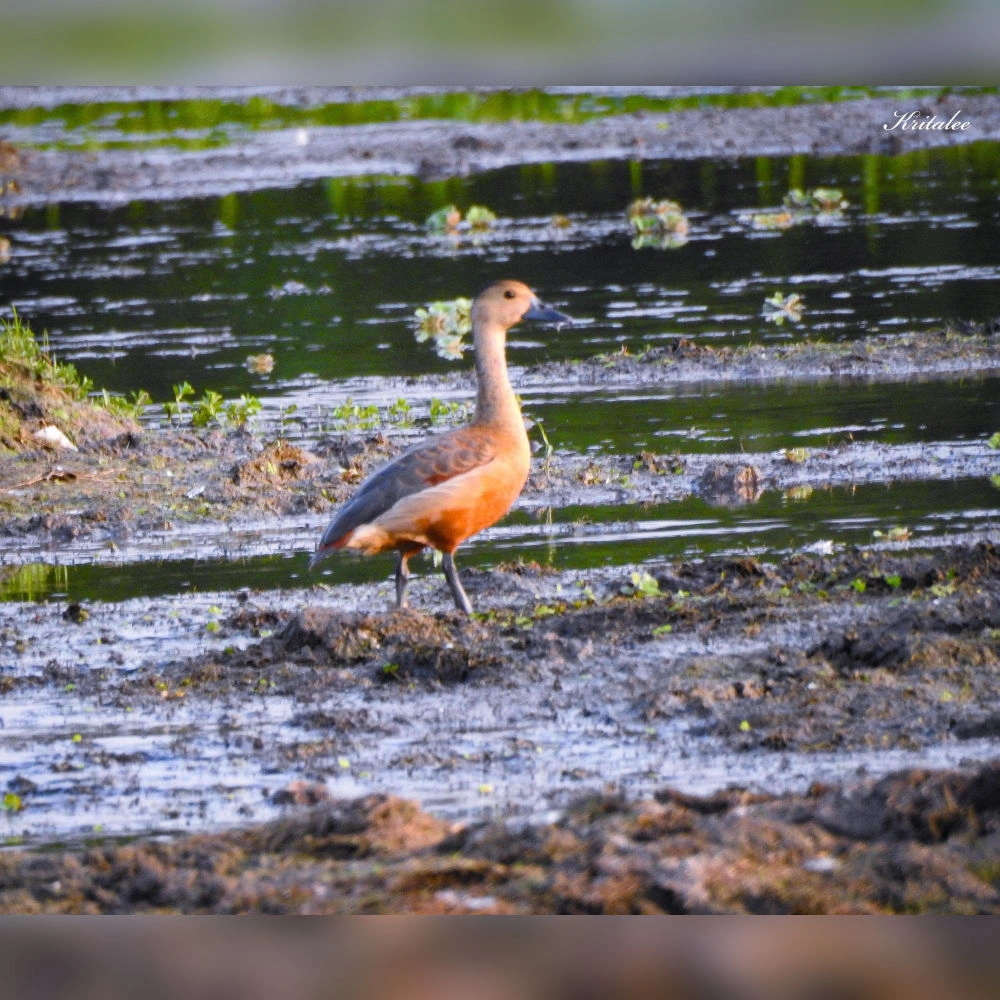
Lesser Whistling Duck
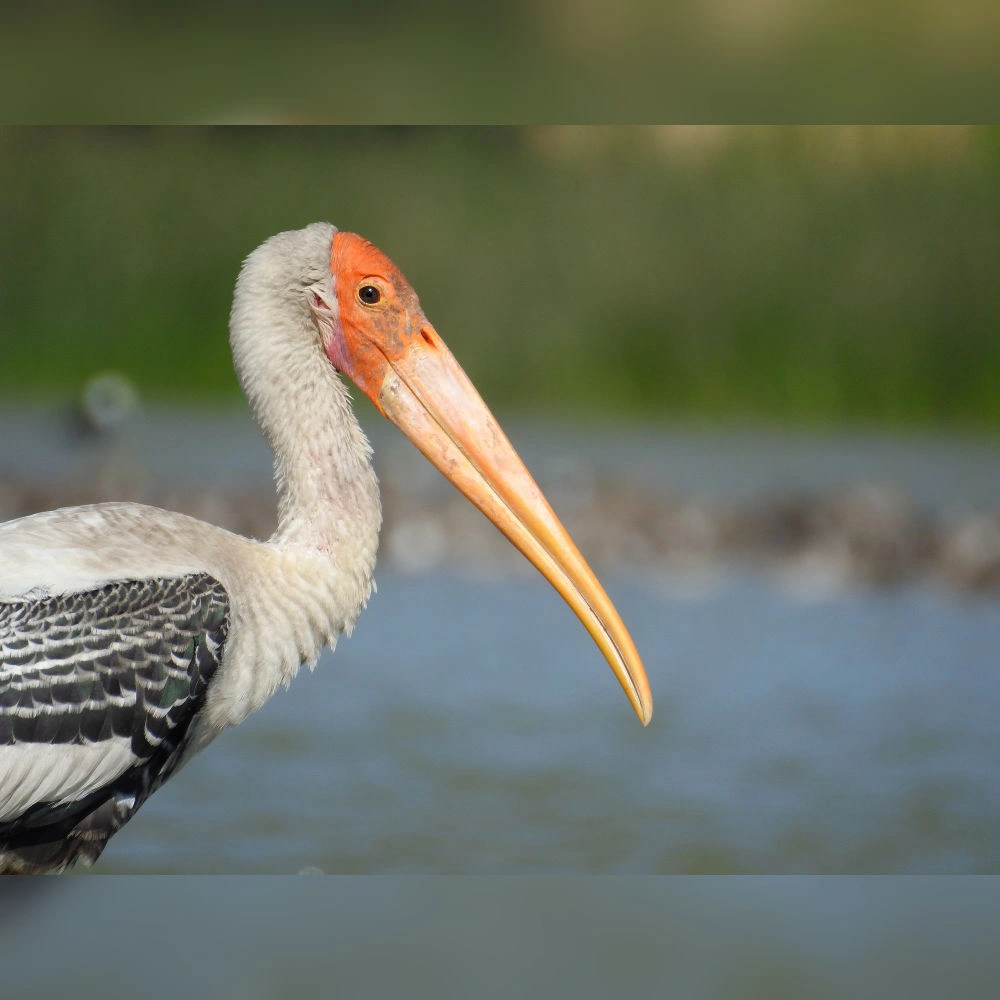
Painted Stork
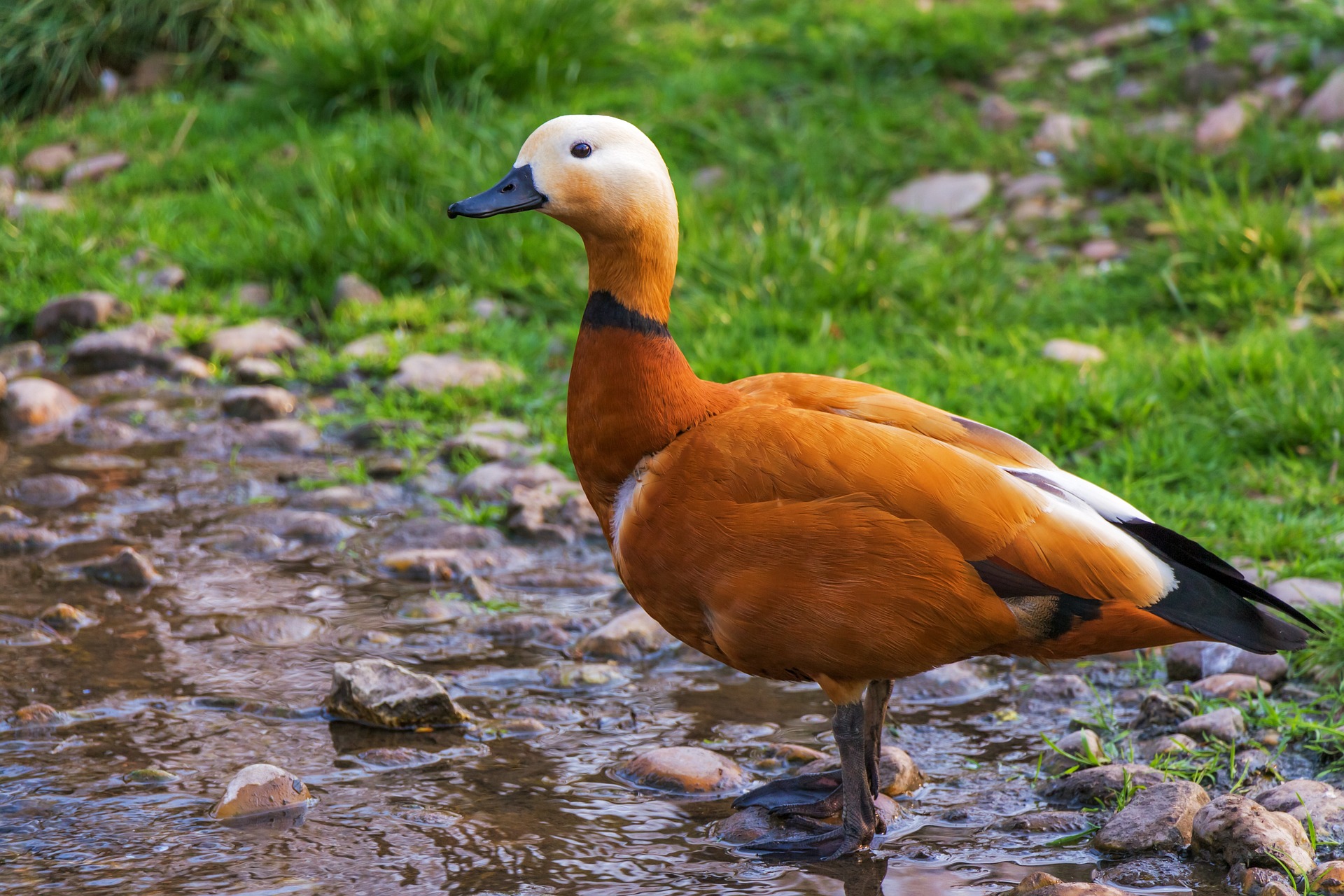
Ruddy Shelduck
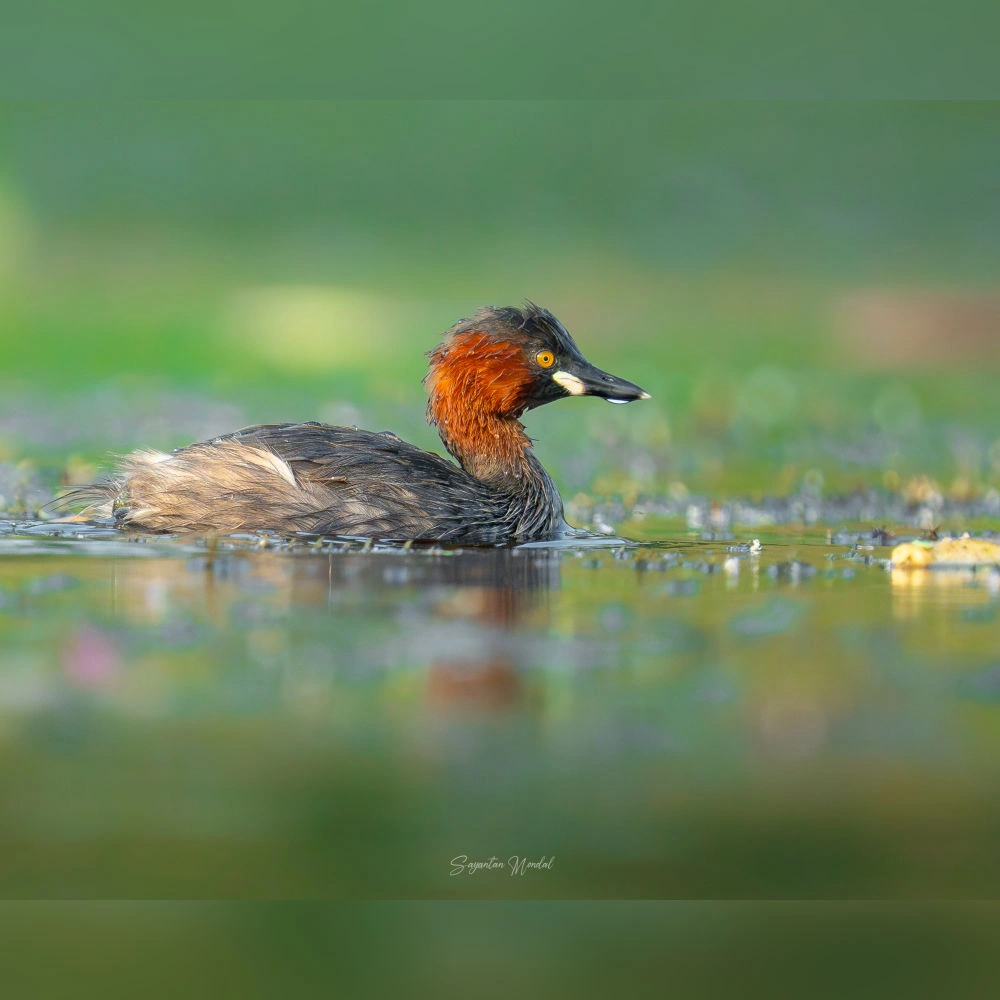
Little Grebe
Red-wattled Lapwing
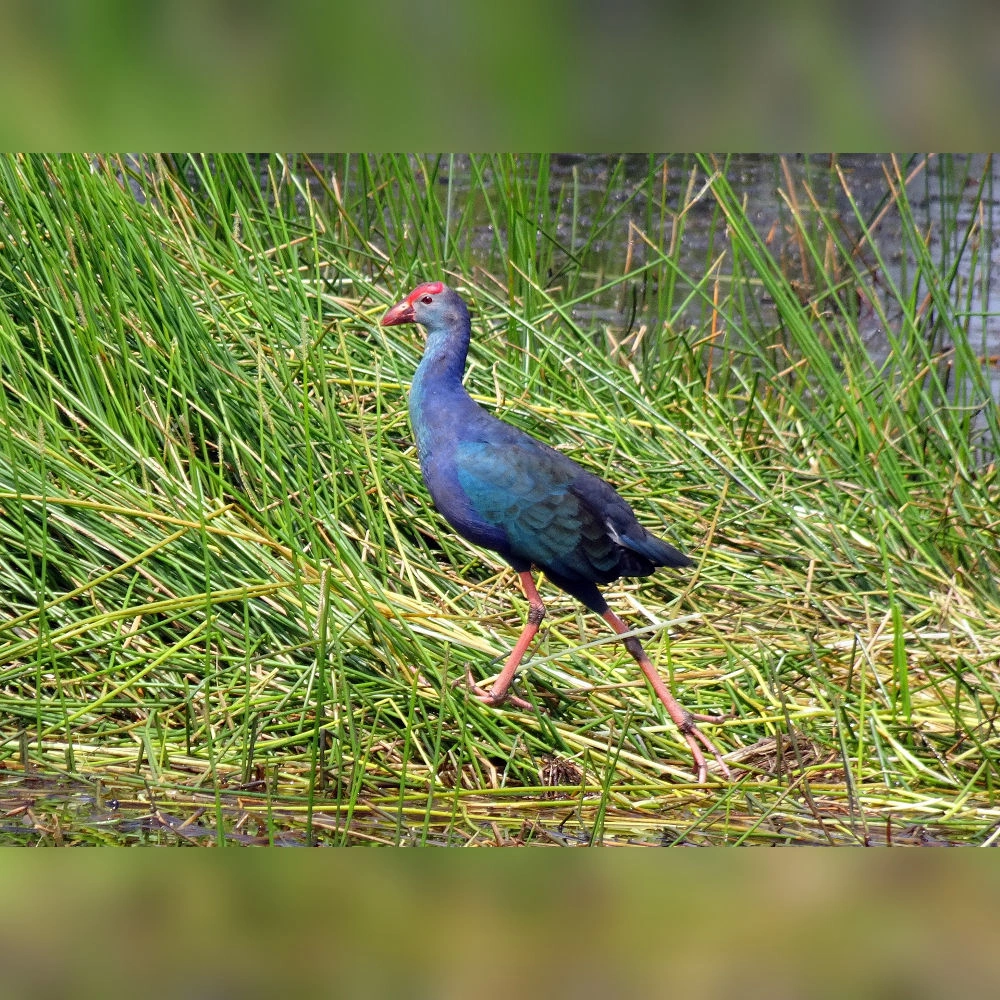
Grey-headed Swamphen
White-throated Kingfisher
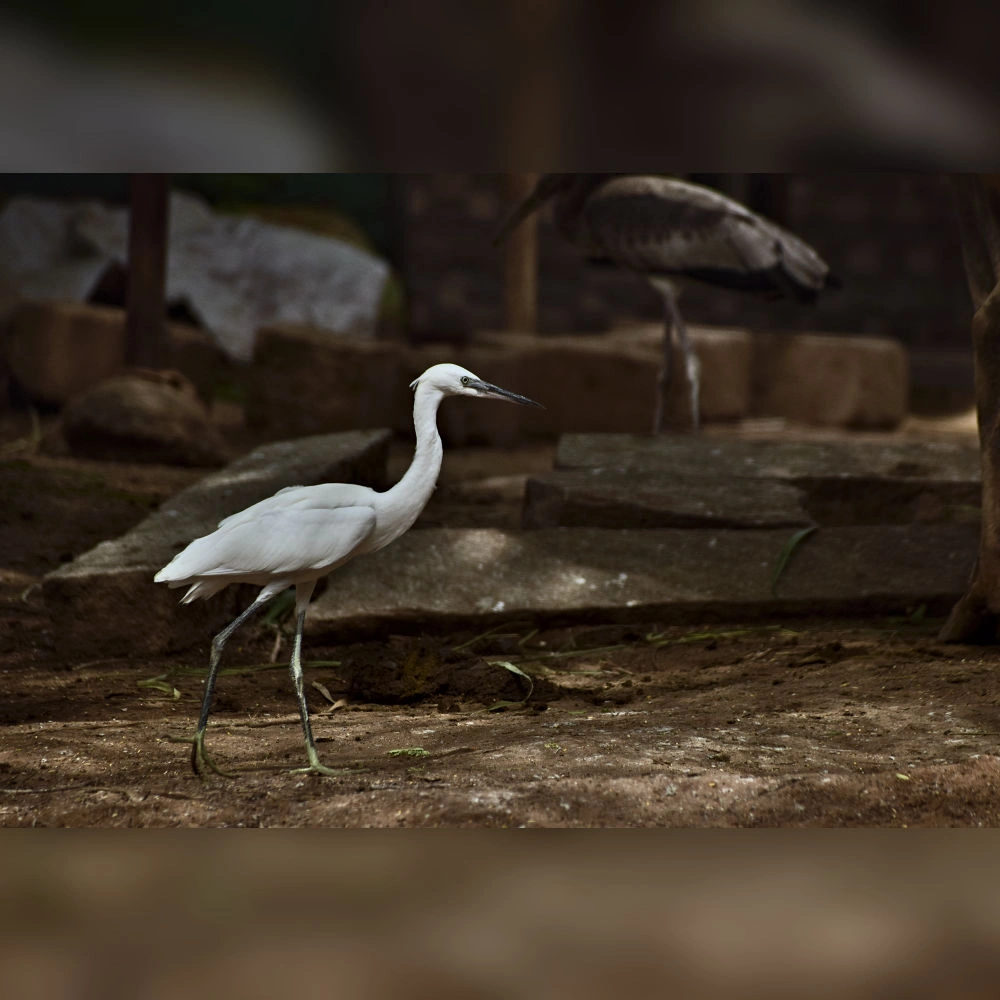
Little Egret
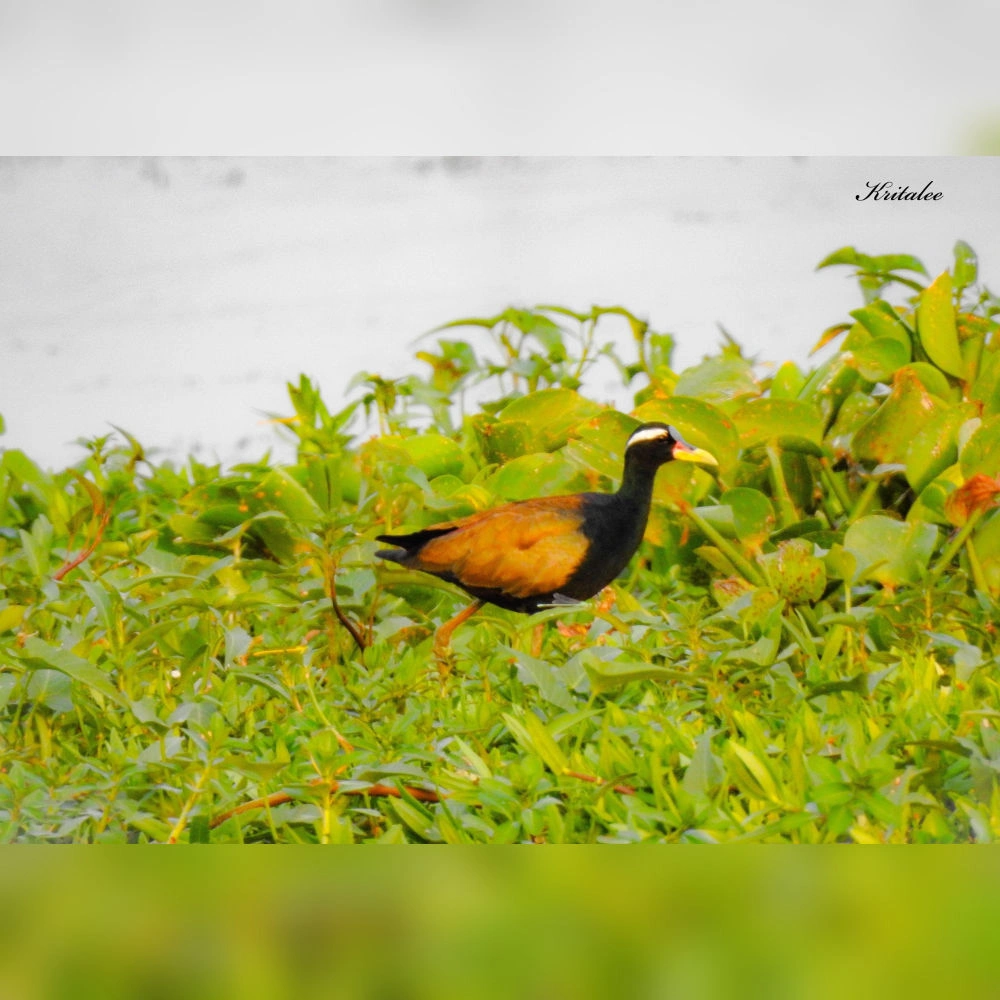
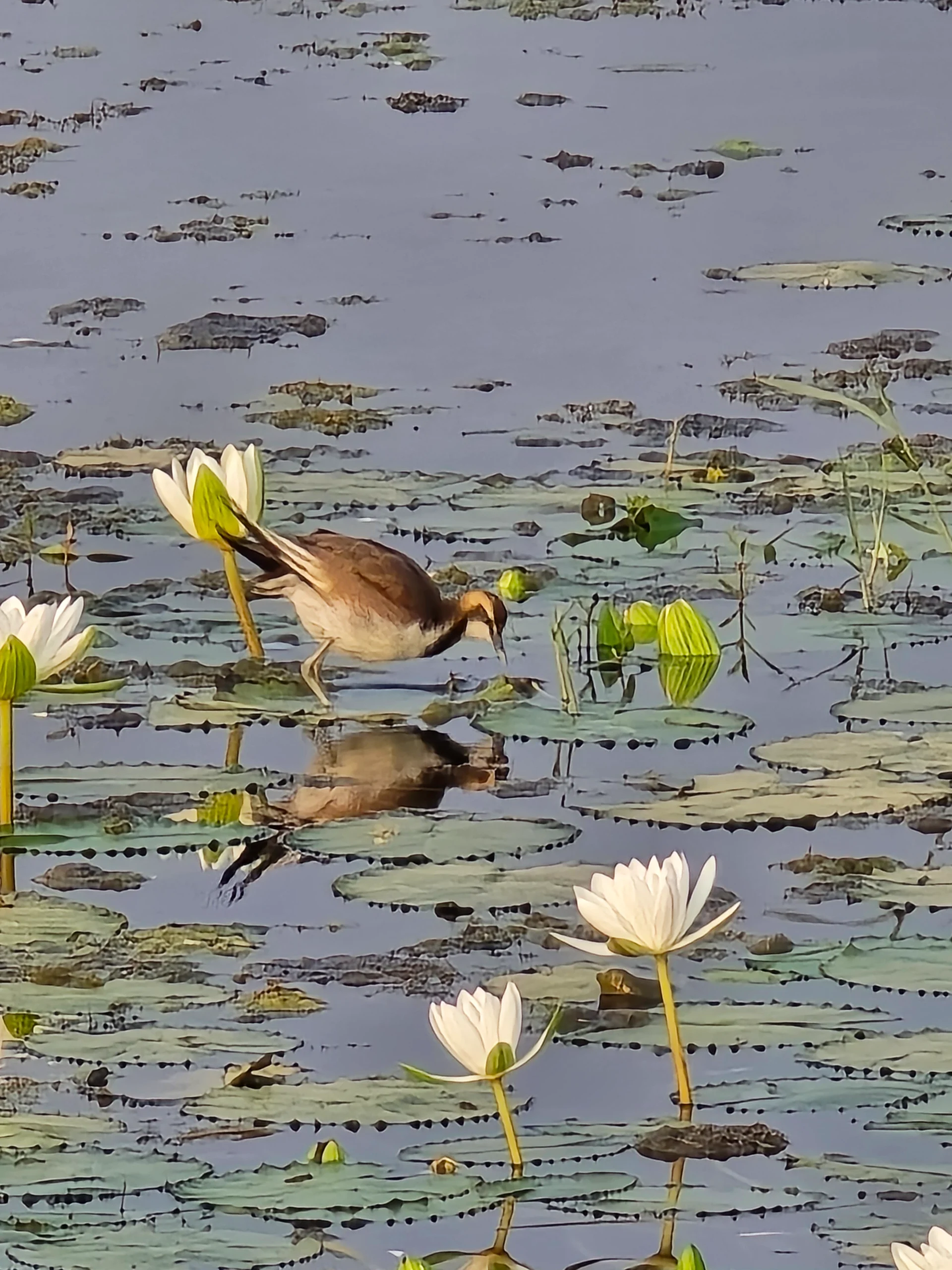
Bronze-winged Jacana
Rose-ringed Parakeet
Black Kite
Shikra
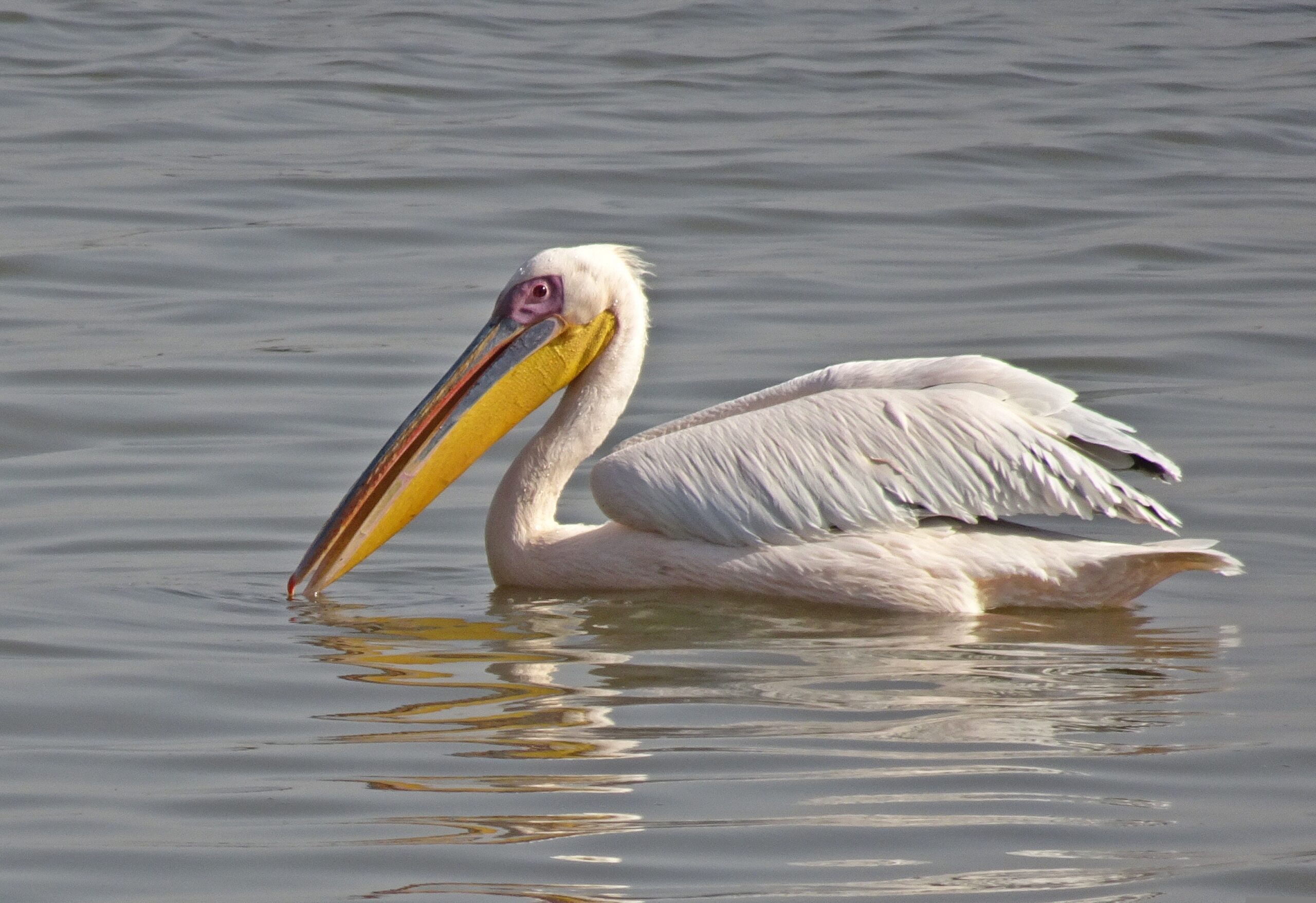
Great White Pelican
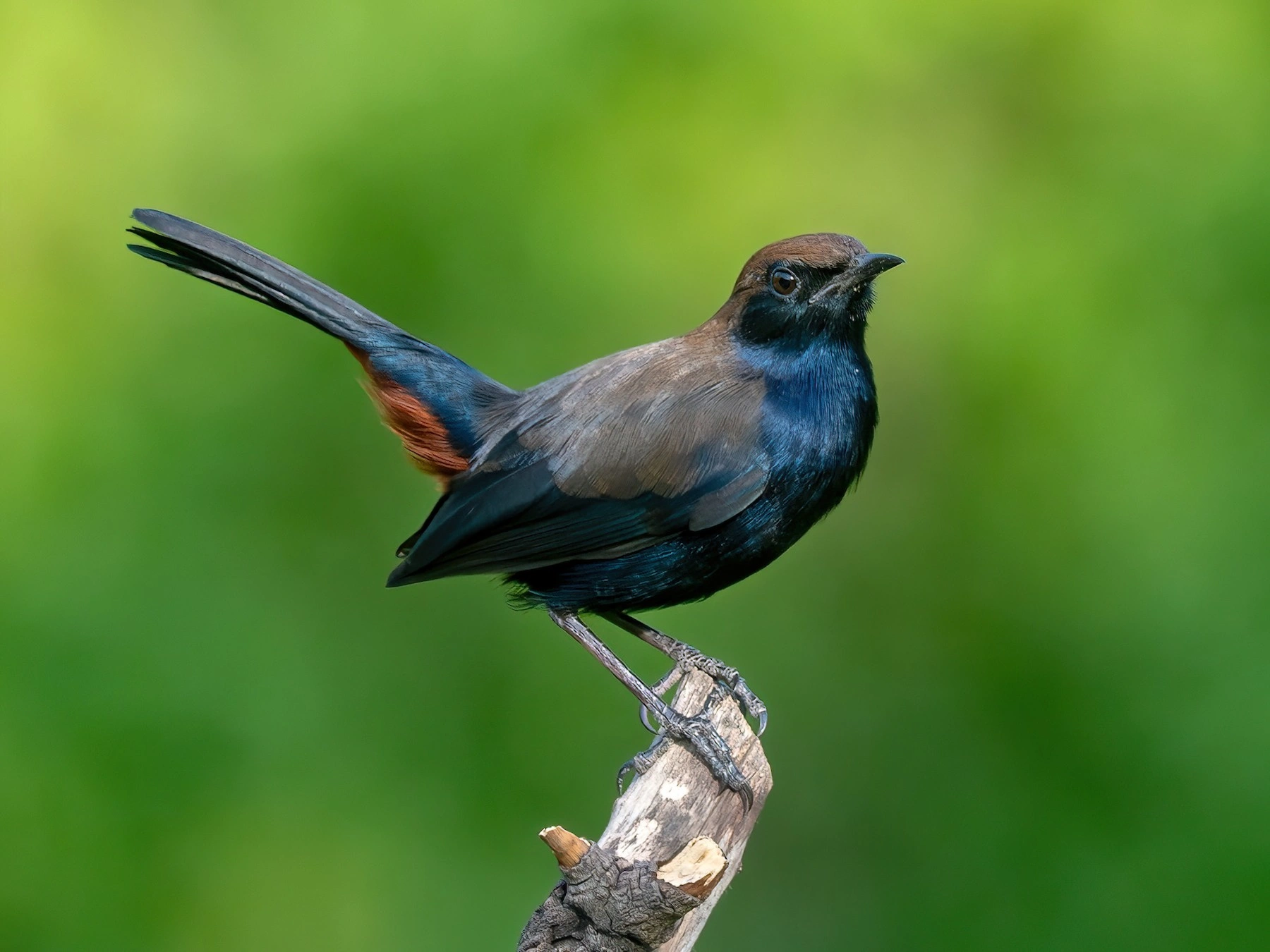
Indian Robin
Oriental Magpie Robin
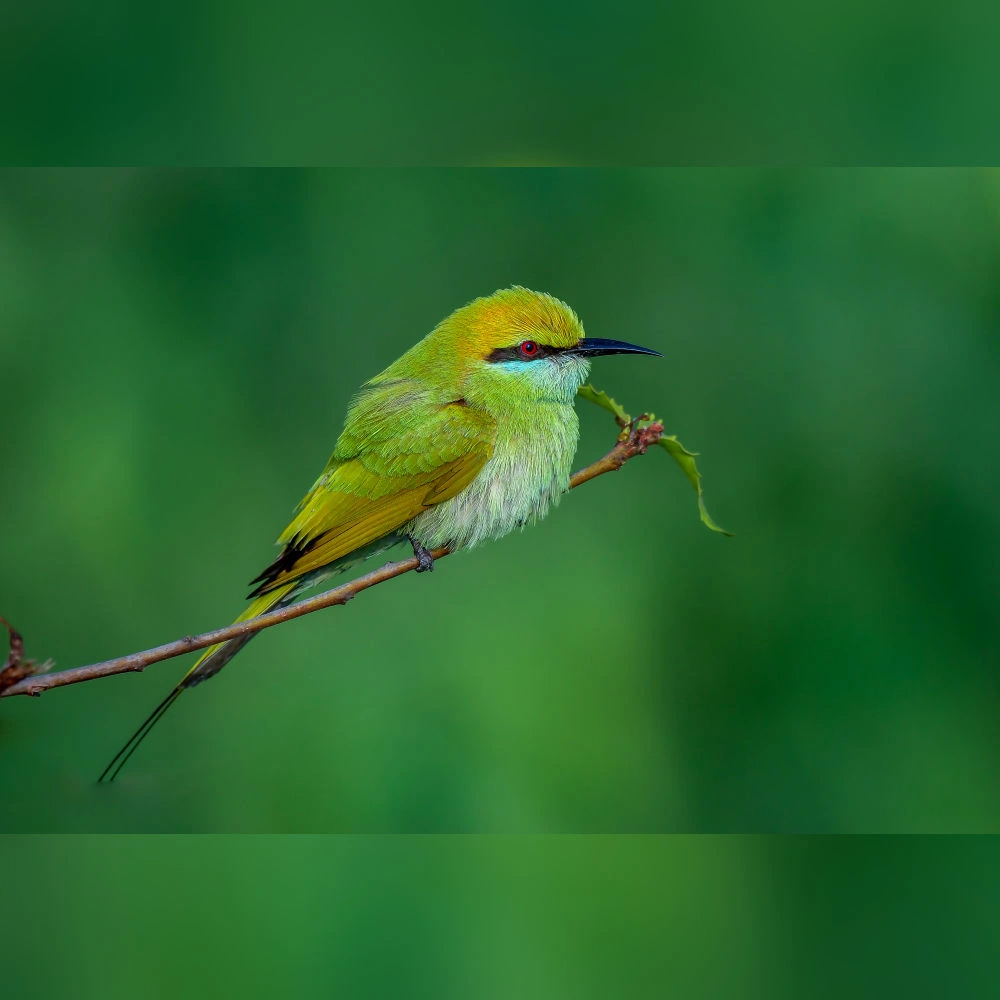
Asian Green Bee-eater
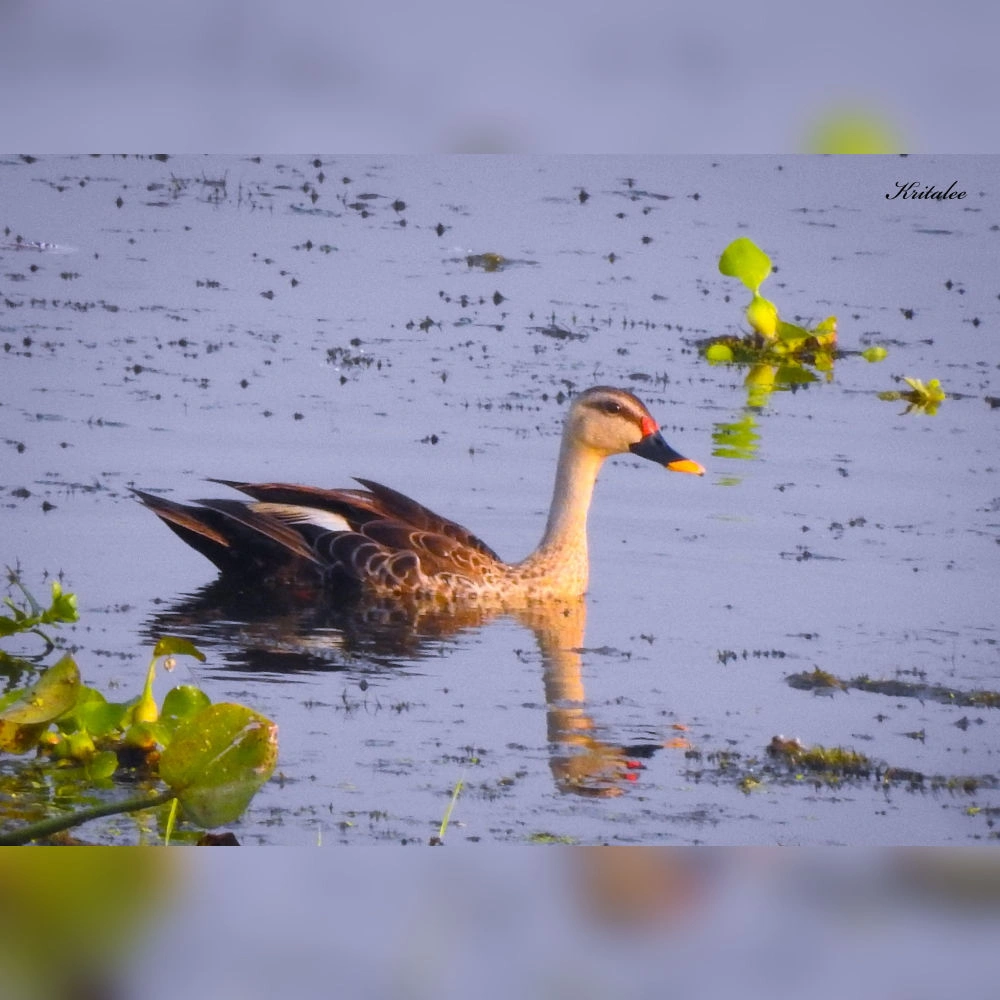
Indian Spot-billed Duck
Indian Pond Heron
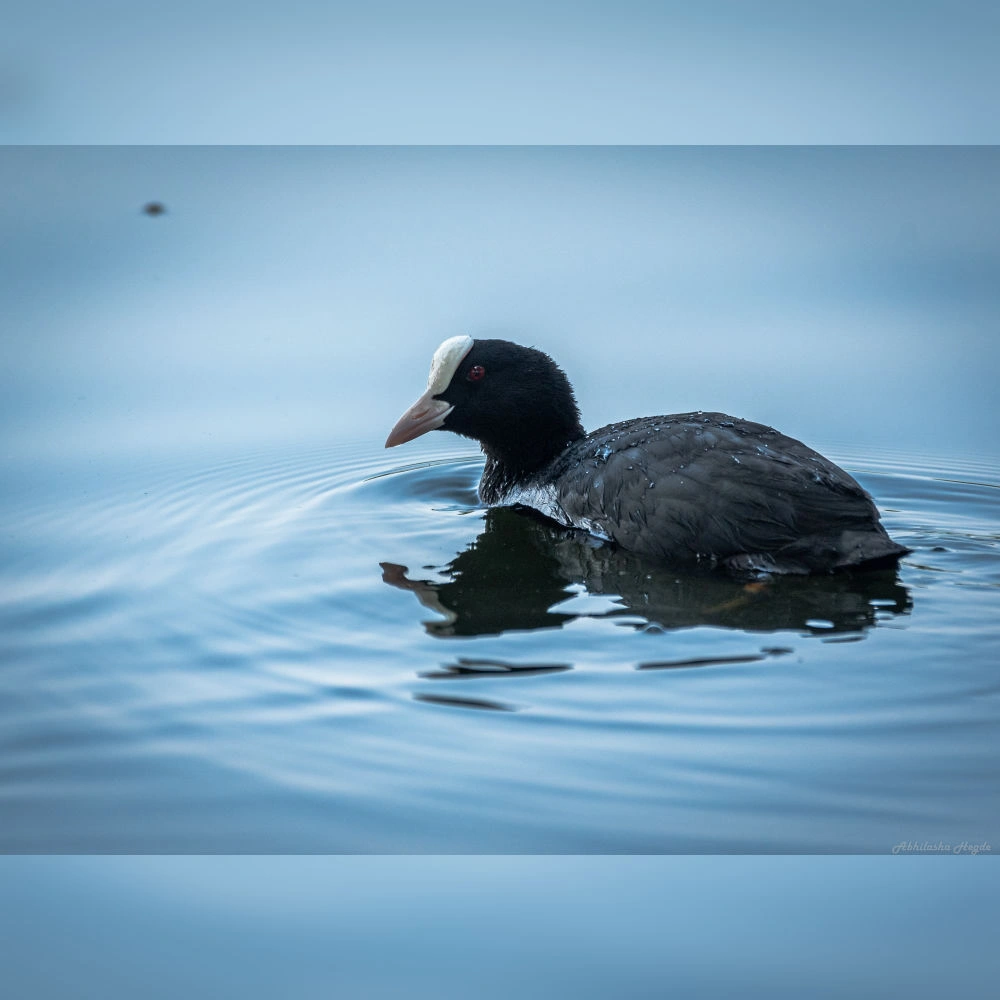
Eurasian Coot
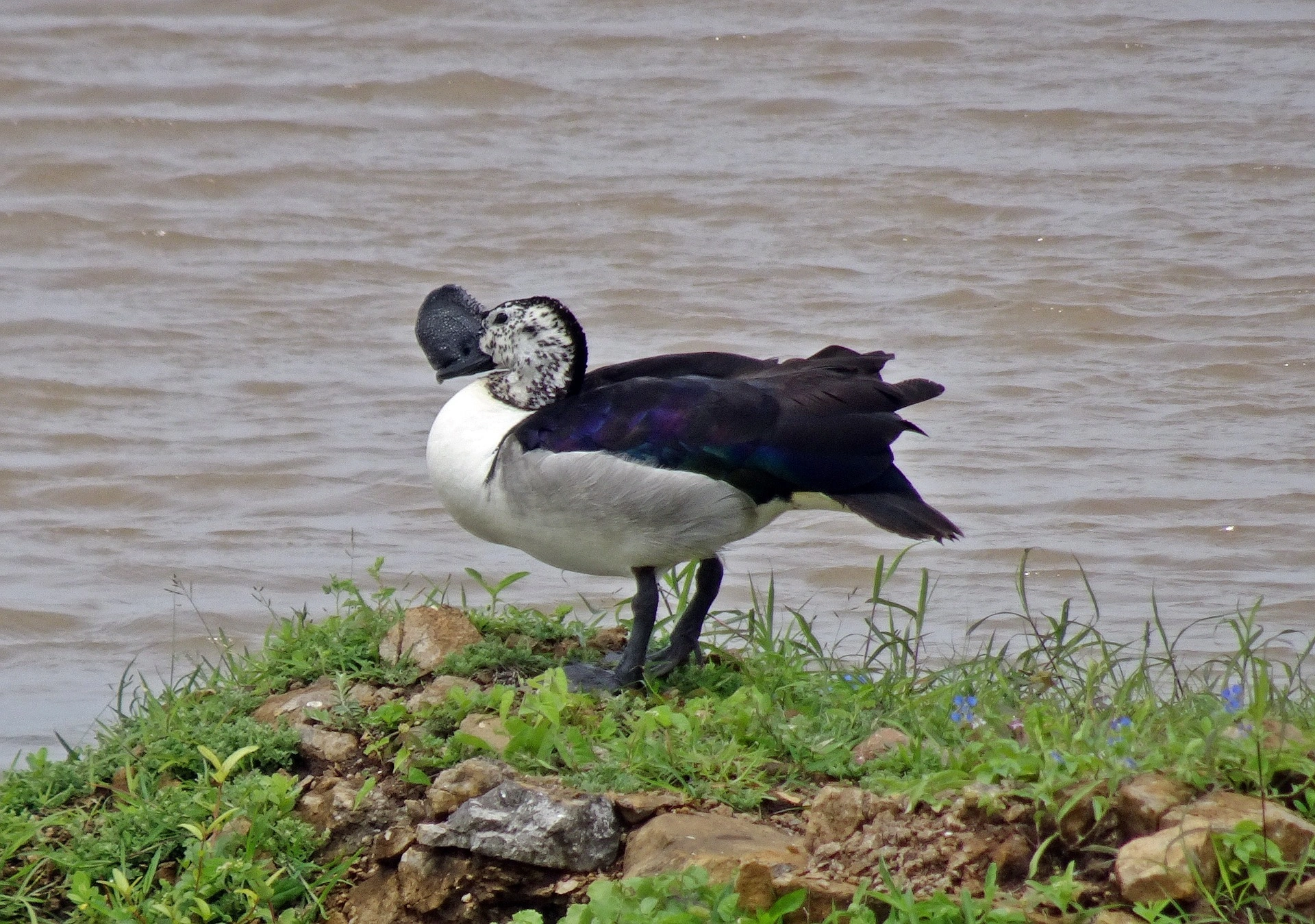
Knob-billed Duck

Summary of Walk

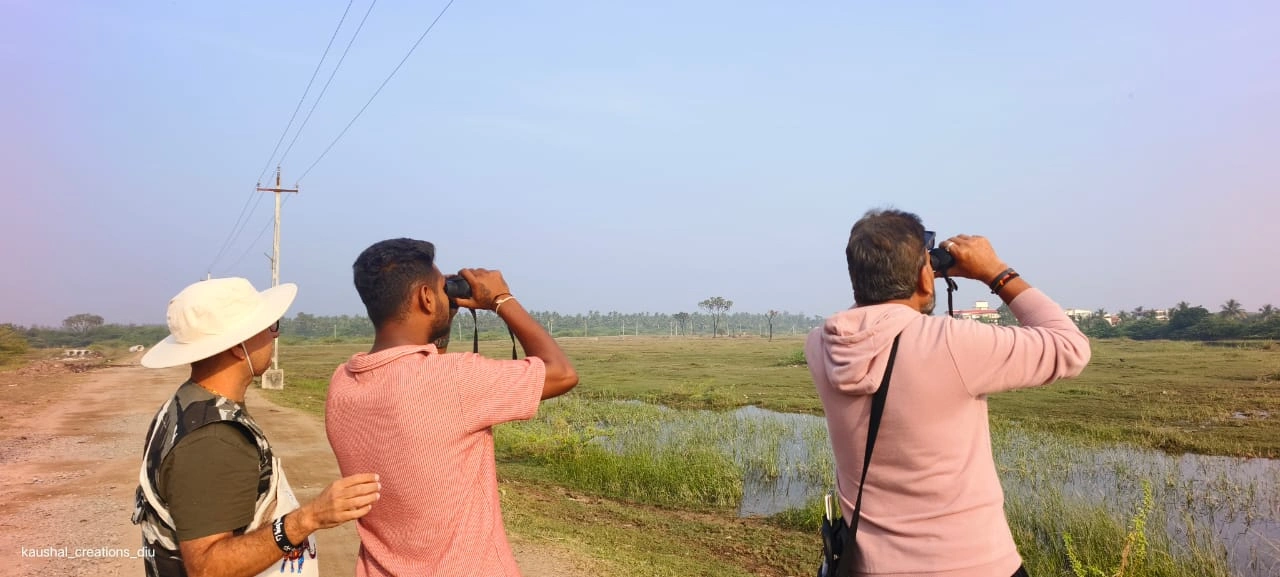
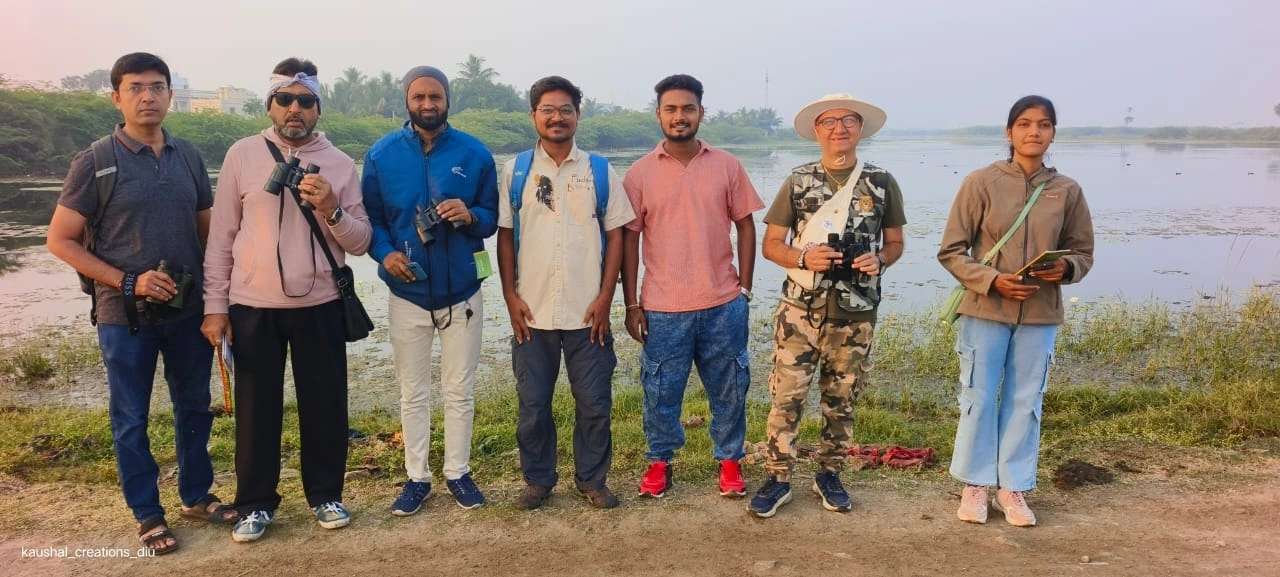
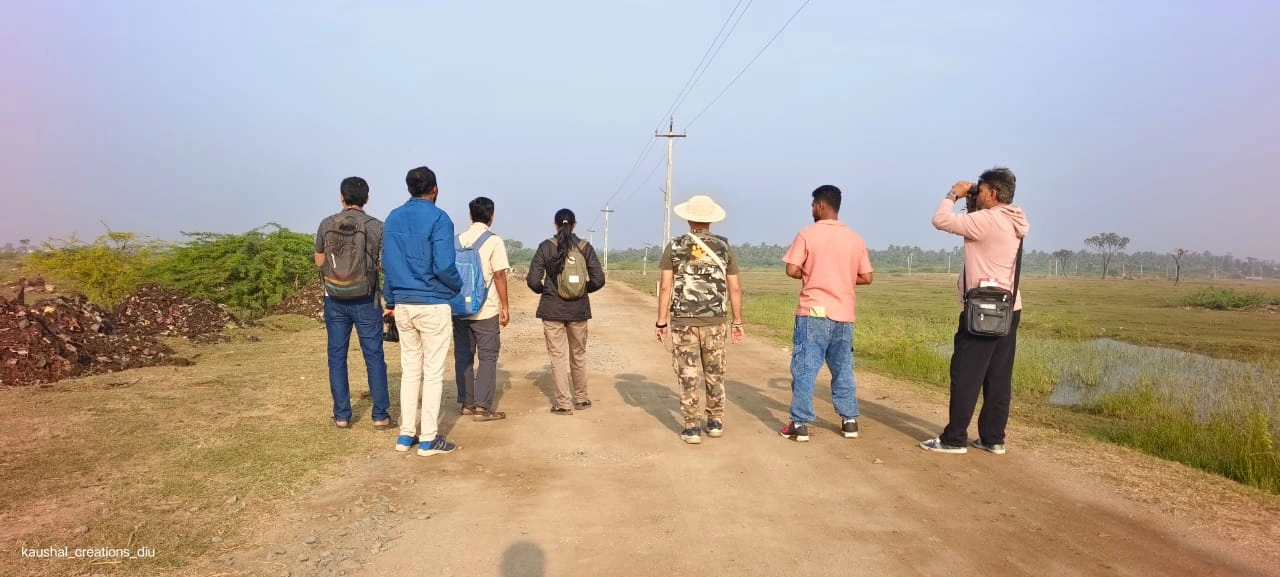
At the expansive Vansoj–Naliya Mandvi Wetland Complex, 7 participants joined a serene walk led by Jigar Patel. The group recorded around 30 species of birds including Paddyfield Pipit, Western Marsh Harrier, Pied Kingfisher, 177 Common Crane, Gull-billed Tern, Black-tailed Godwit, Great-crested Grebe, Northern Shoveler. The wide wetland landscape offered spectacular views, especially of migratory waterbirds.
Participants also learnt about birds and their behavior, about how to identify birds using new technology ataavi app. The integration of traditional field skills and modern tools made the walk especially enriching. It allowed participants to see how digital platforms can enhance conservation awareness and species identification.
Number of Participants
0
Scroll to Top