
Loading Events

Bird Walk at Kopra Bilaspur, Chhattisgarh

About Kopra Bilaspur

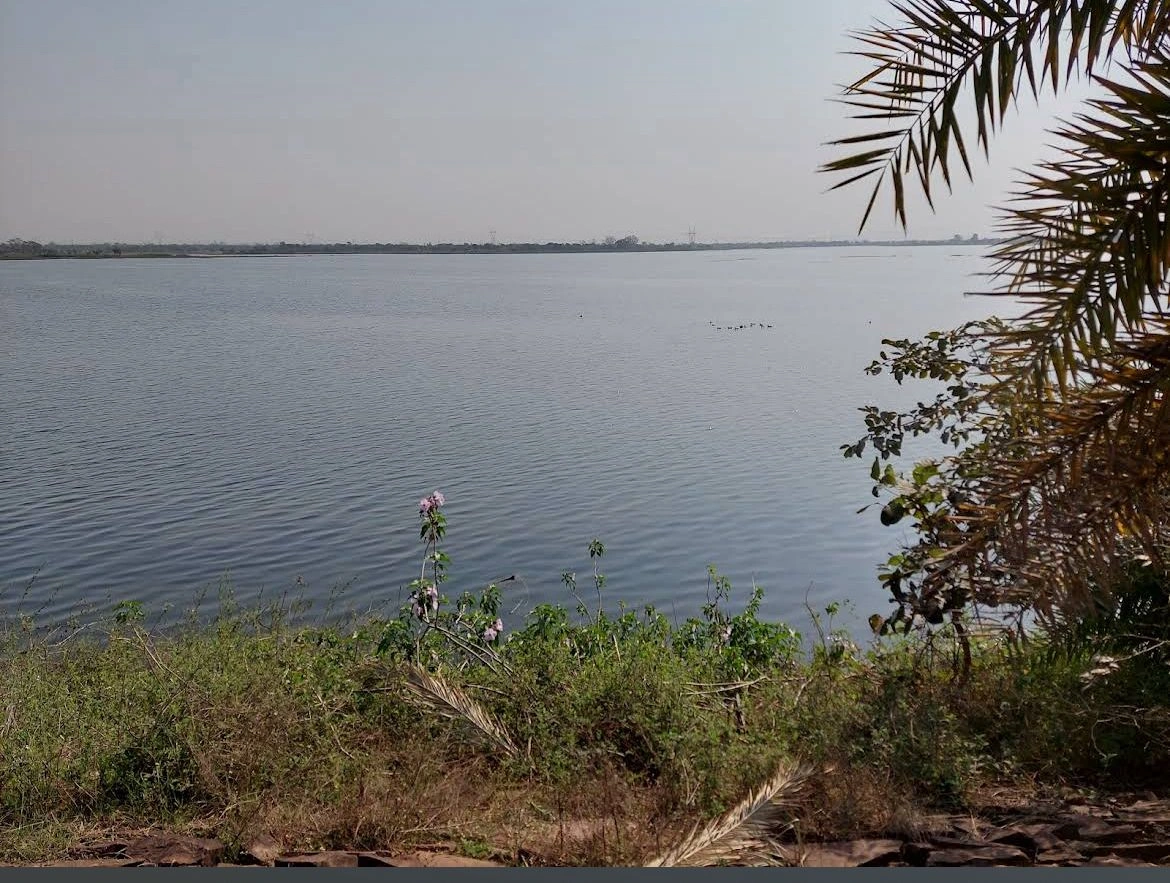
Kopra, located near Bilaspur in Chhattisgarh, is a serene natural area known for its mosaic of wetlands, farmlands, and patches of dry deciduous forest that together create a rich habitat for birds and other wildlife. The seasonal wetlands attract a wide variety of waterbirds such as Indian Pond Herons, Little Egrets, Cattle Egrets, and Red-wattled Lapwings, while surrounding agricultural fields provide foraging grounds for Indian Rollers, Black Drongos, and Ashy Prinias. The area’s tree-lined stretches and scattered groves support resident species like Coppersmith Barbets, Spotted Doves, and White-throated Kingfishers, making Kopra a rewarding spot for birdwatchers throughout the year.
Beyond birds, the landscape around Kopra sustains small mammals, reptiles, and a variety of butterflies, reflecting its ecological health. However, threats such as agricultural expansion, plastic waste, and habitat disturbance due to human activity are growing concerns. Conservation measures like community awareness, controlled waste disposal, and promoting eco-friendly tourism can help preserve Kopra’s biodiversity. With its natural charm and avian diversity, Kopra stands as a valuable green pocket near Bilaspur that connects people to nature and highlights the importance of protecting local habitats.

Partnered with

Bird Guide - Ratnesh Gupta

Nature lover & bird watcher spreading awareness one chirp at a time. Discover, learn, and connect with the wild around you.
Bird walk Location

Common birds of Kopra Bilaspur

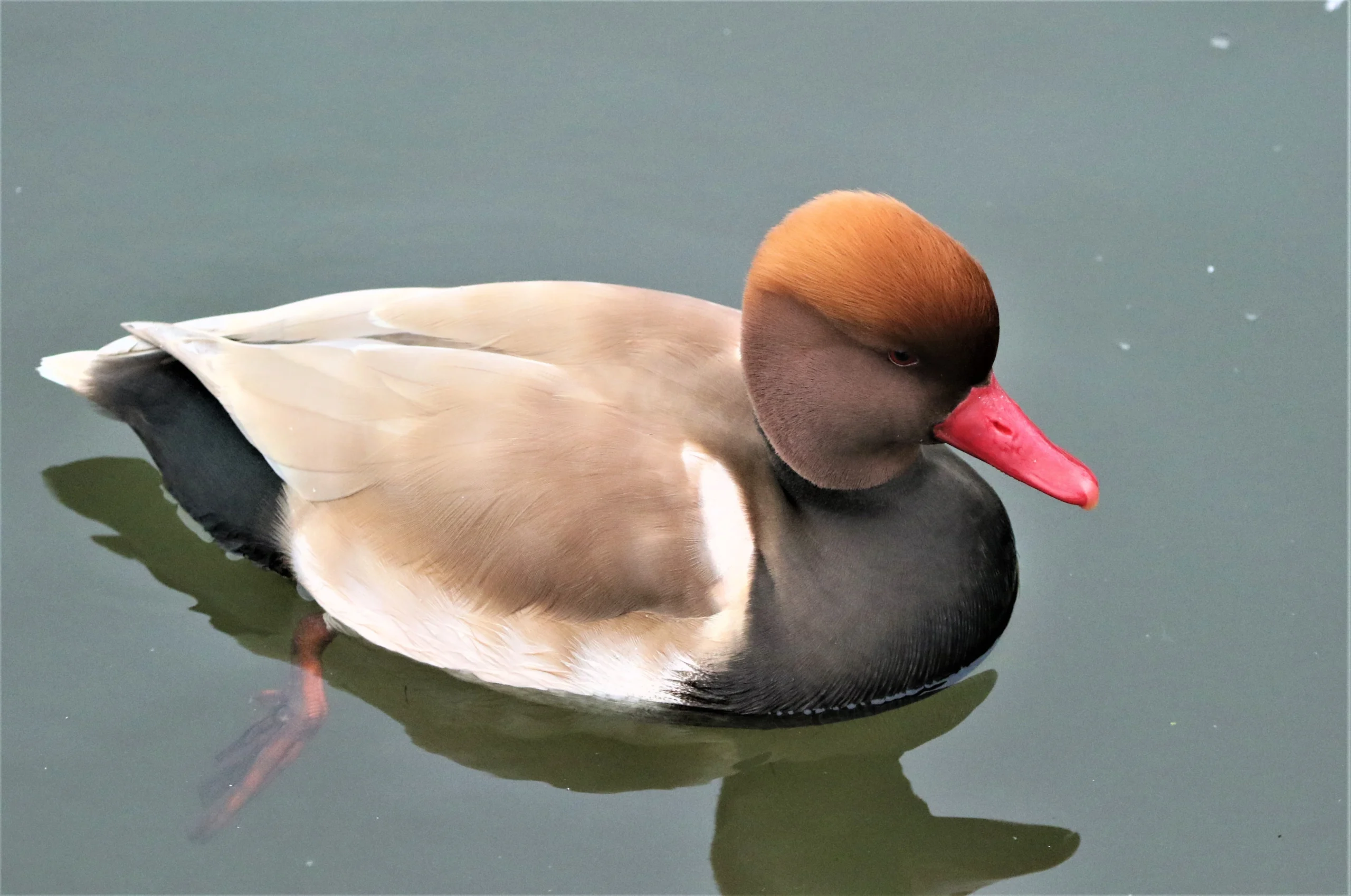
Kopra in Bilaspur, Chhattisgarh, hosts a diverse community of waterbirds and terrestrial species, reflecting its rich mix of wetlands and surrounding vegetation. The waterbodies attract large congregations of migratory and resident ducks such as Gadwall, Lesser Whistling Duck, Garganey, Northern Pintail, and the striking Red-crested Pochard, which can be seen gliding gracefully across the water. Eurasian Coots and Black-winged Stilts are common waders, foraging actively along the shallow edges, while Little Cormorants and Purple Herons can often be spotted perched silently, waiting to catch fish. These wetlands play a crucial role as feeding and resting sites for several migratory species during winter months.
The surrounding grasslands and farmlands of Kopra are equally lively with colorful and active birdlife. The Indian Roller, Common Kingfisher, White-throated Kingfisher, and Pied Kingfisher add vivid splashes of blue and turquoise to the landscape, while the Hoopoe and Bee-eaters bring a touch of elegance with their distinctive foraging behavior. Overhead, Black Drongos and Large-billed Crows are often seen patrolling open areas, performing aerial acrobatics as they hunt insects. Together, these species make Kopra a vibrant birding site, offering a glimpse into the remarkable avian diversity of central India and underscoring the ecological importance of conserving such wetland habitats.
Red-crested Pochard
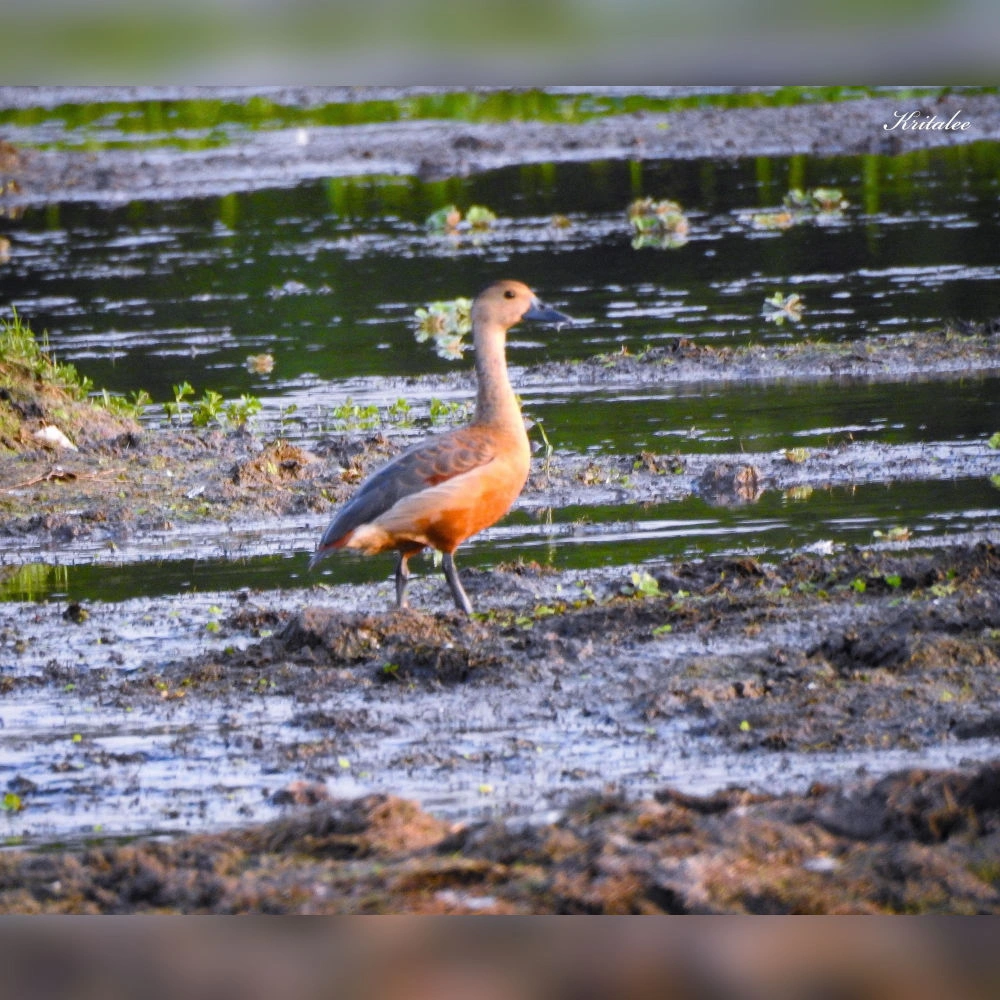
Lesser Whistling Duck
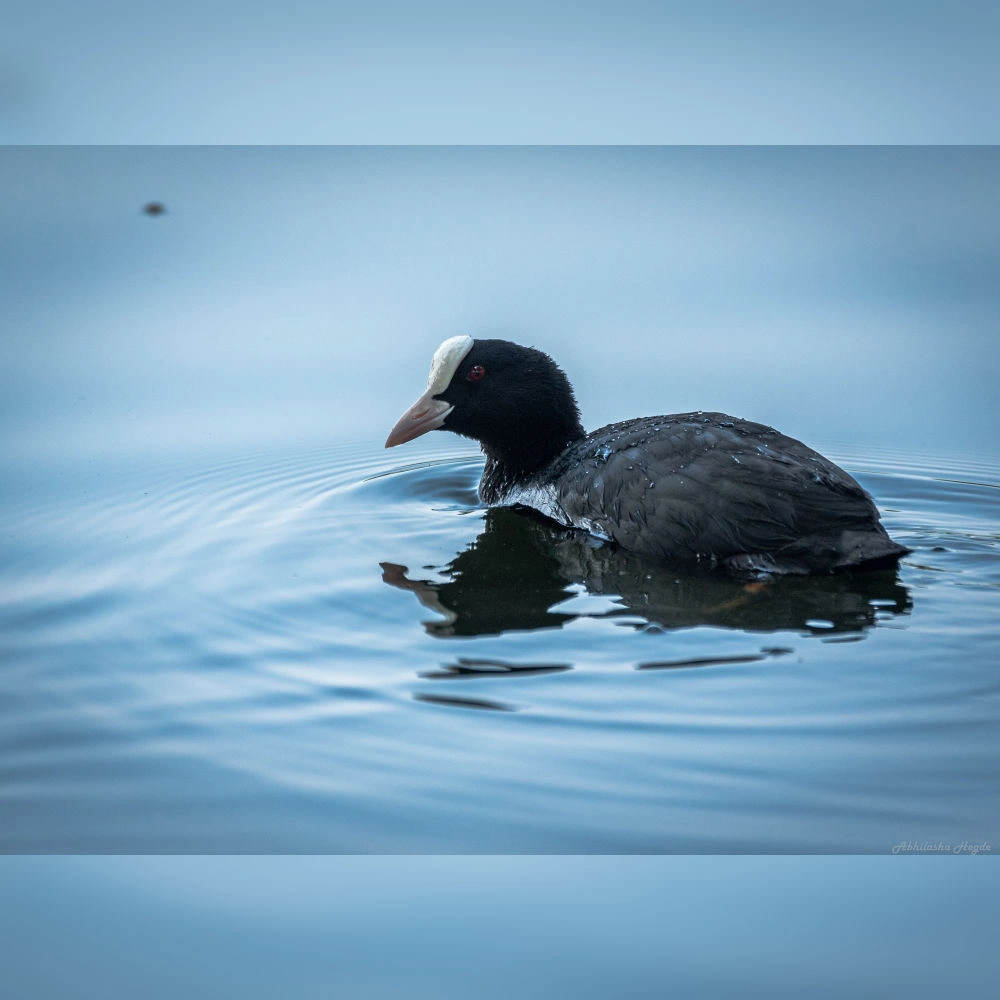
Eurasian Coot
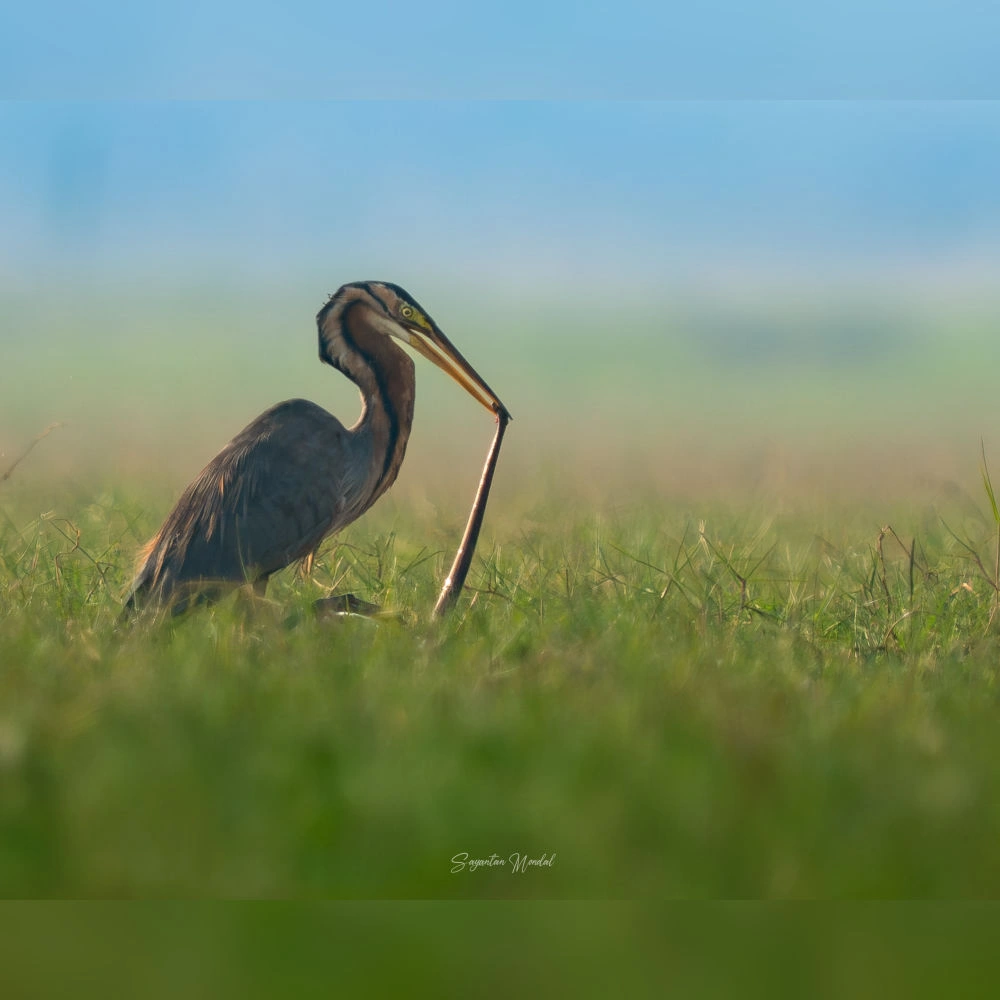
Purple Heron

Black Kite
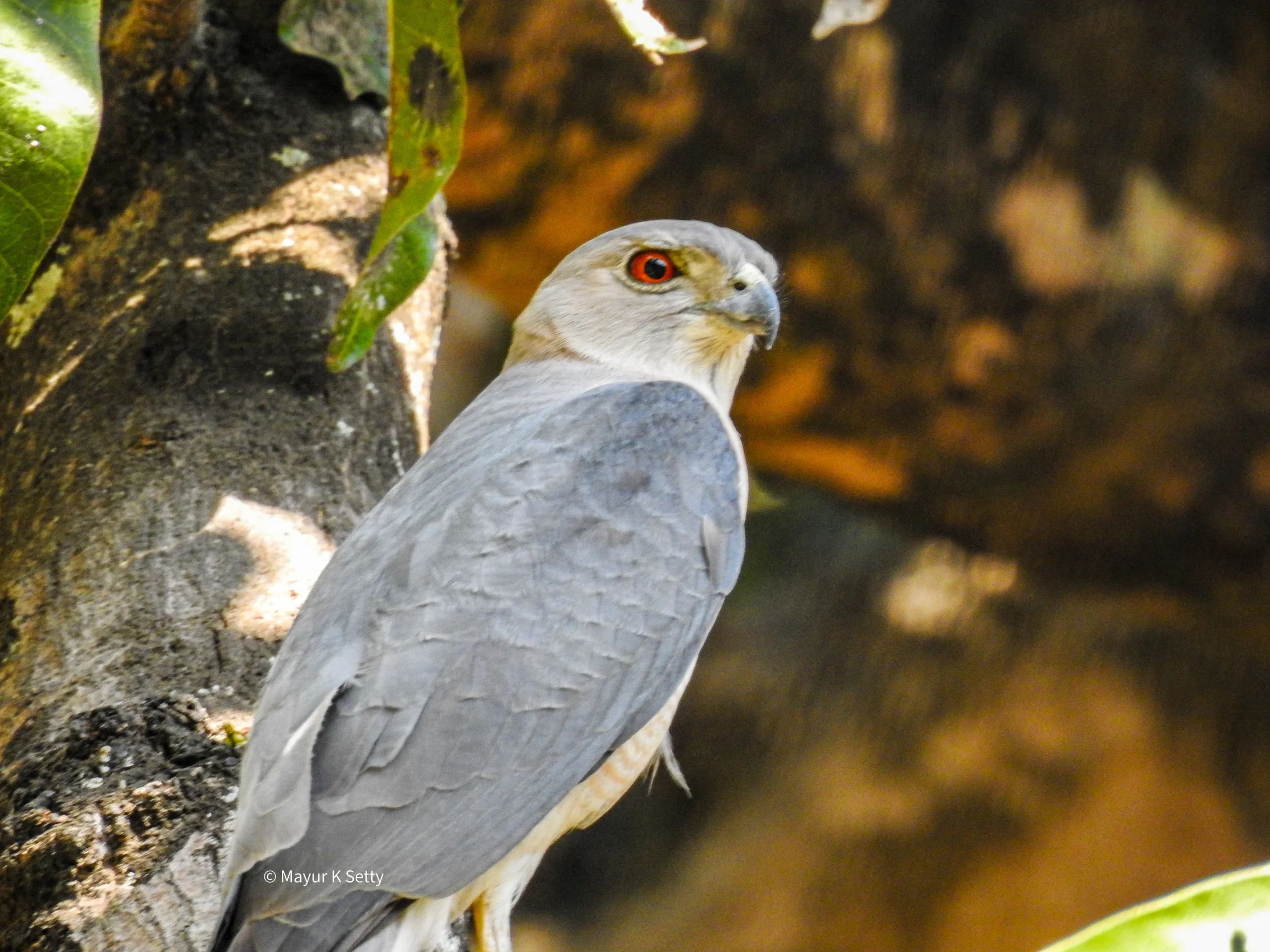
Shikra
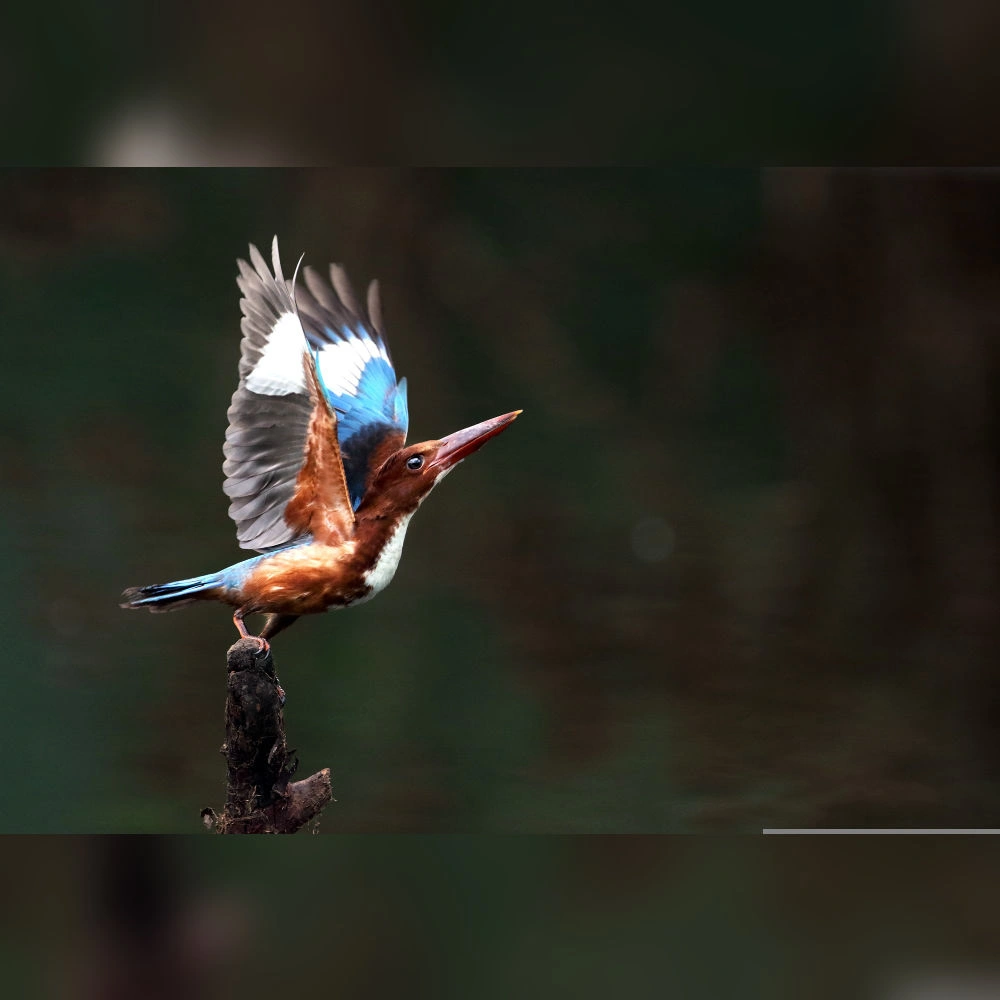
White-throated Kingfisher
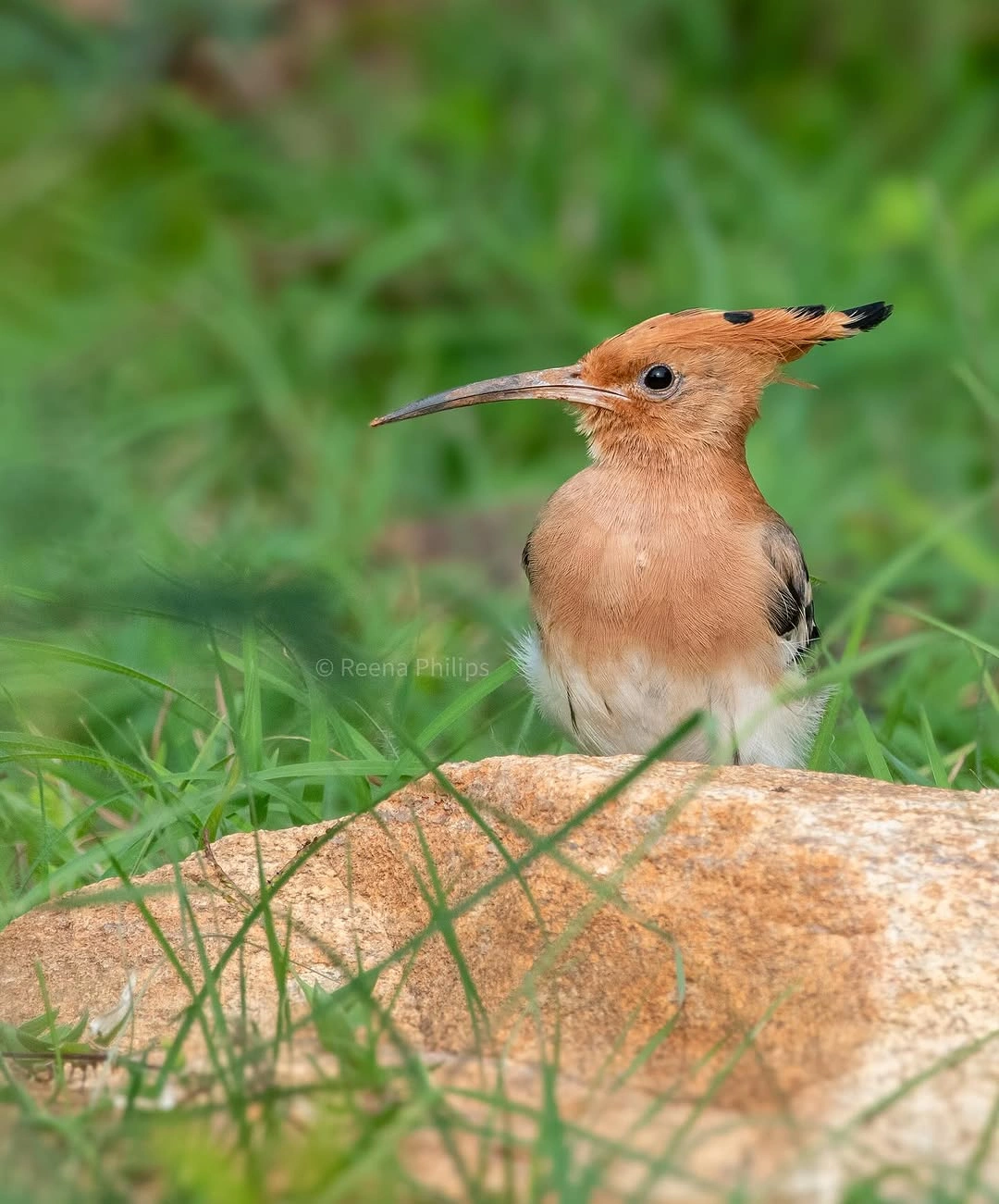
Eurasian Hoopoe
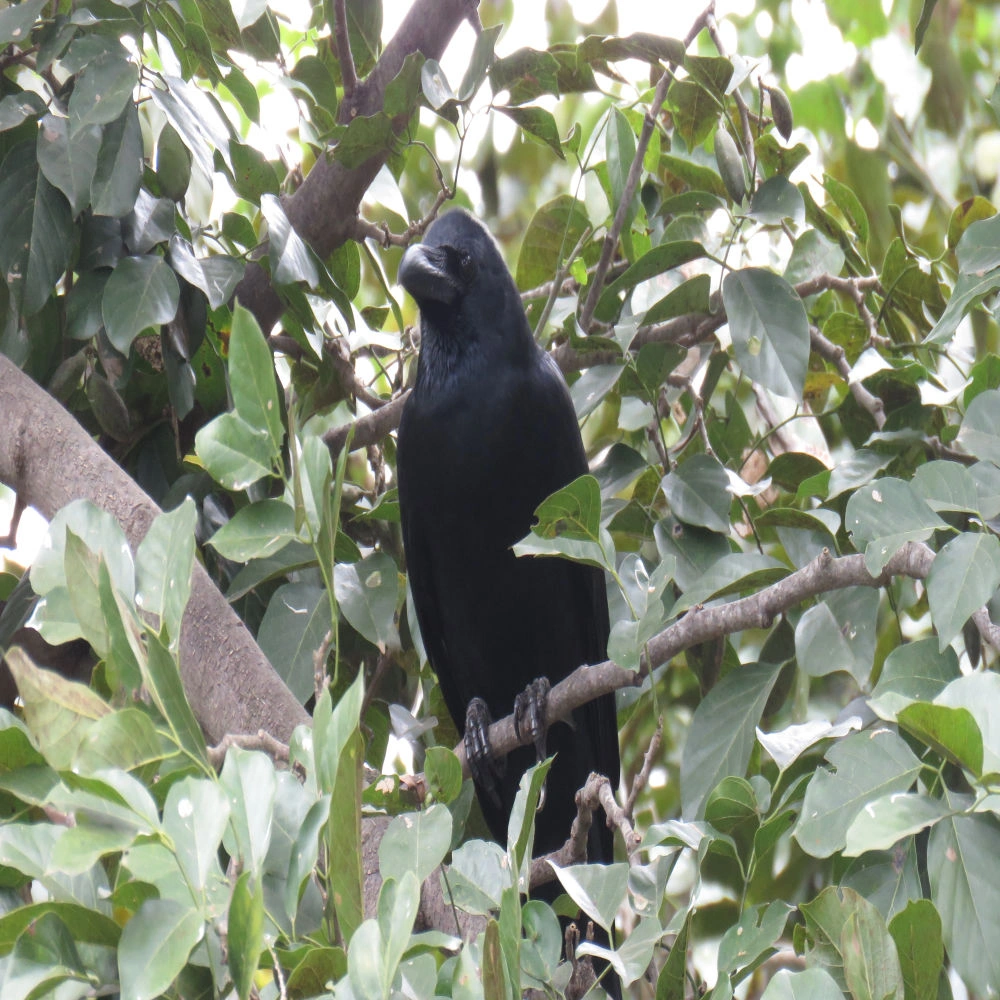
Large-billed Crow
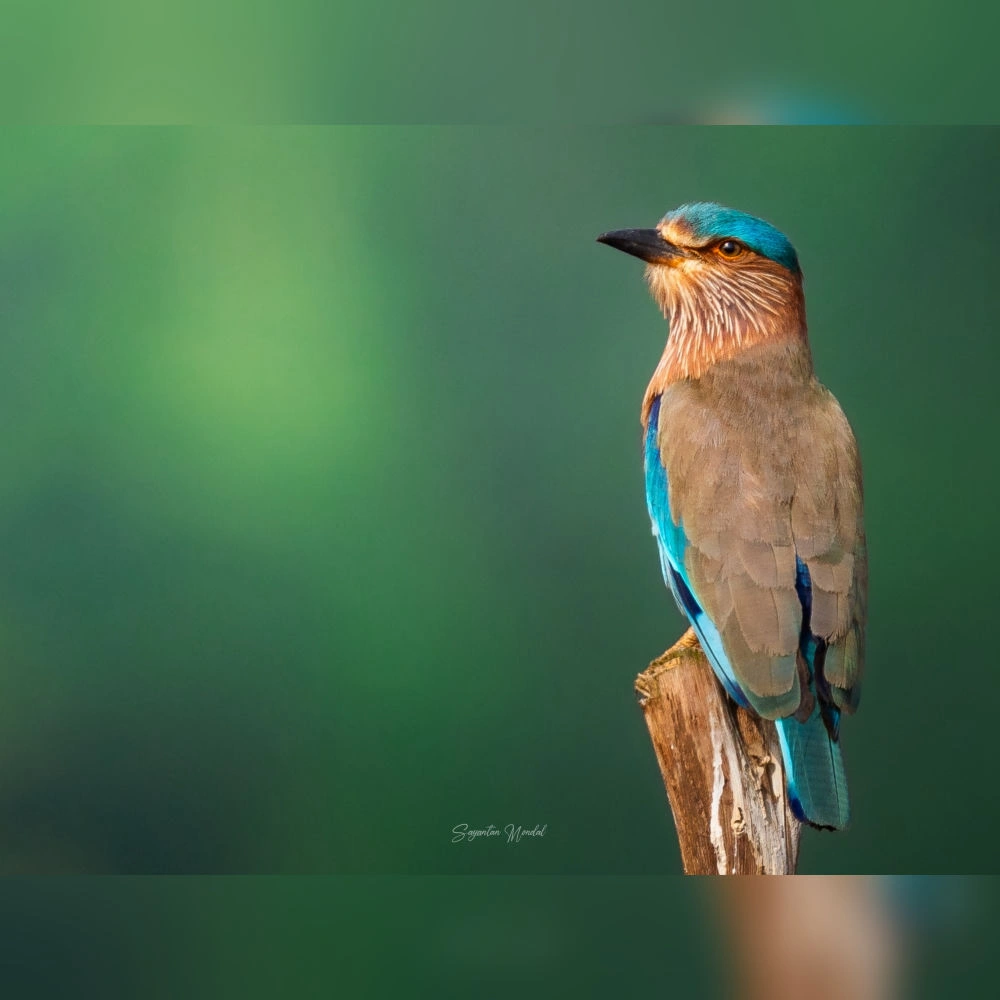
Indian Roller
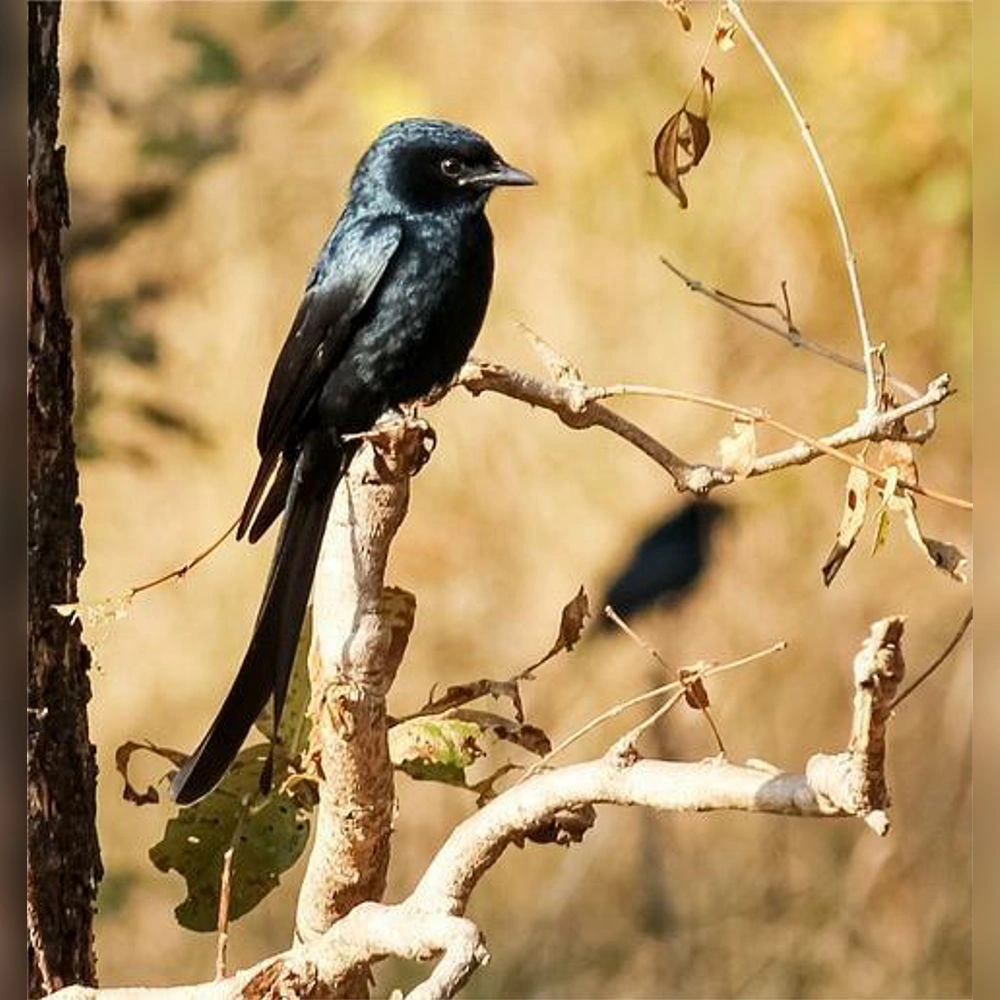
Black Drongo
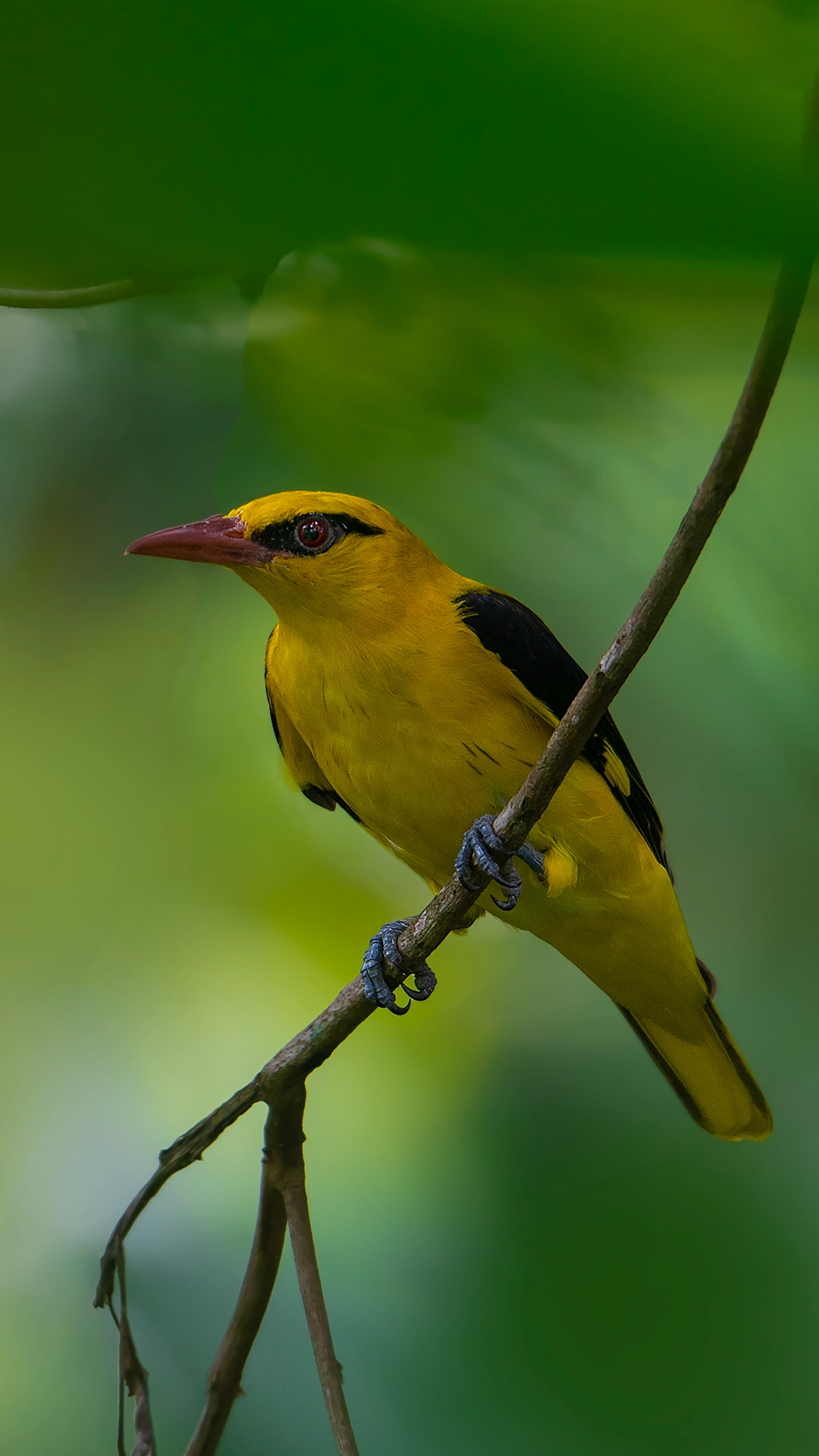
Indian Golden Oriole
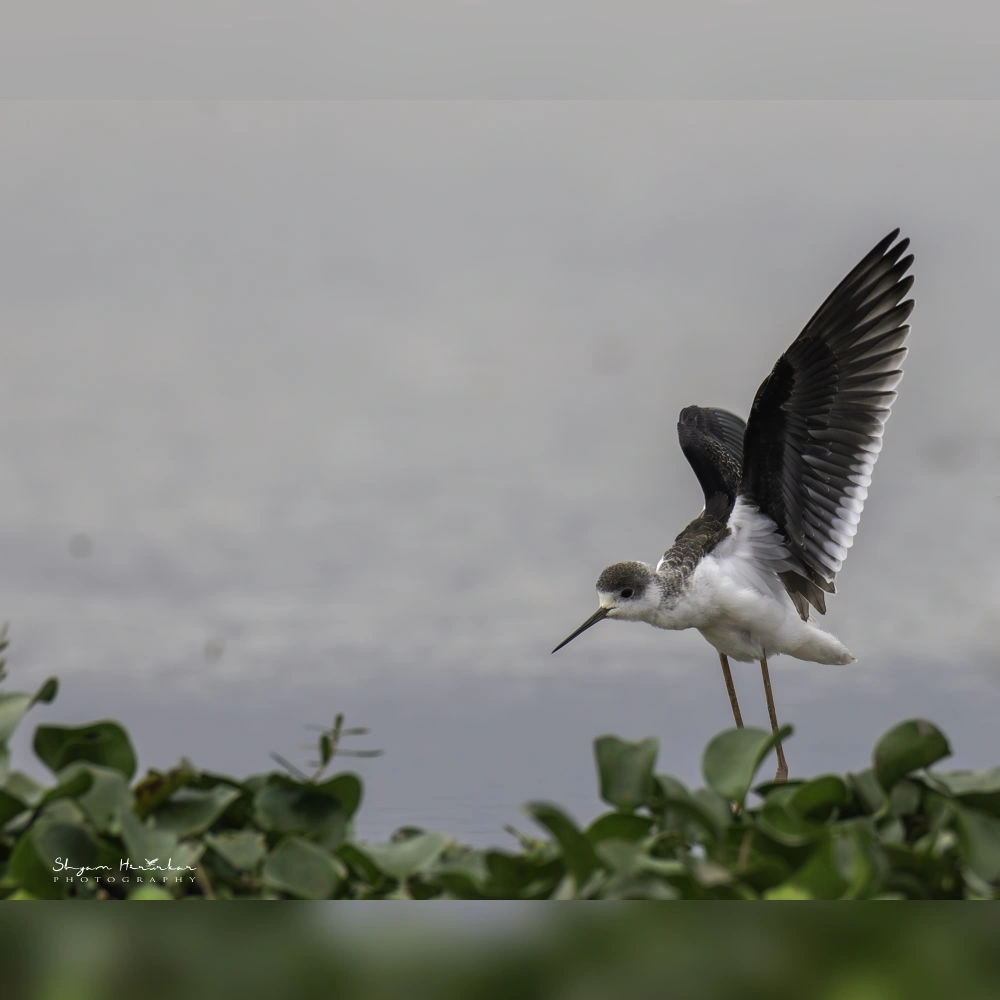
Black-winged Stilt
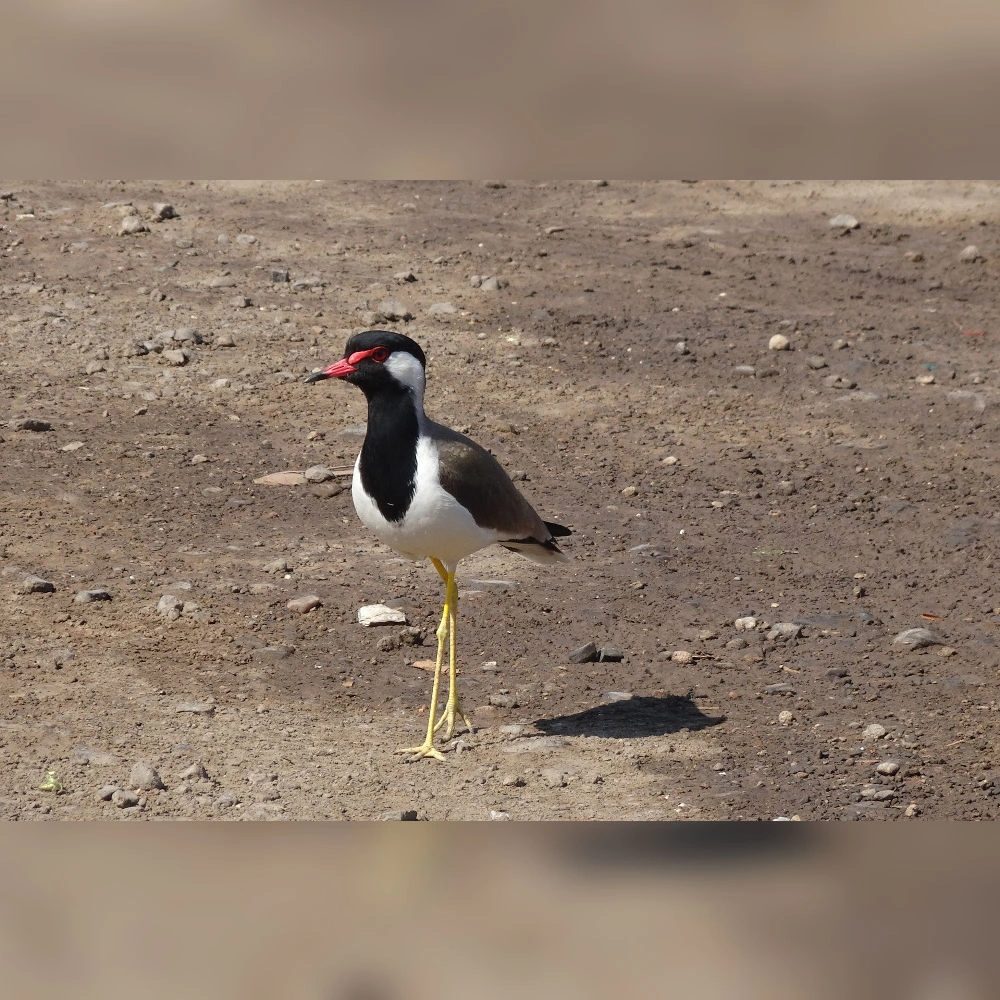
Red-wattled Lapwing
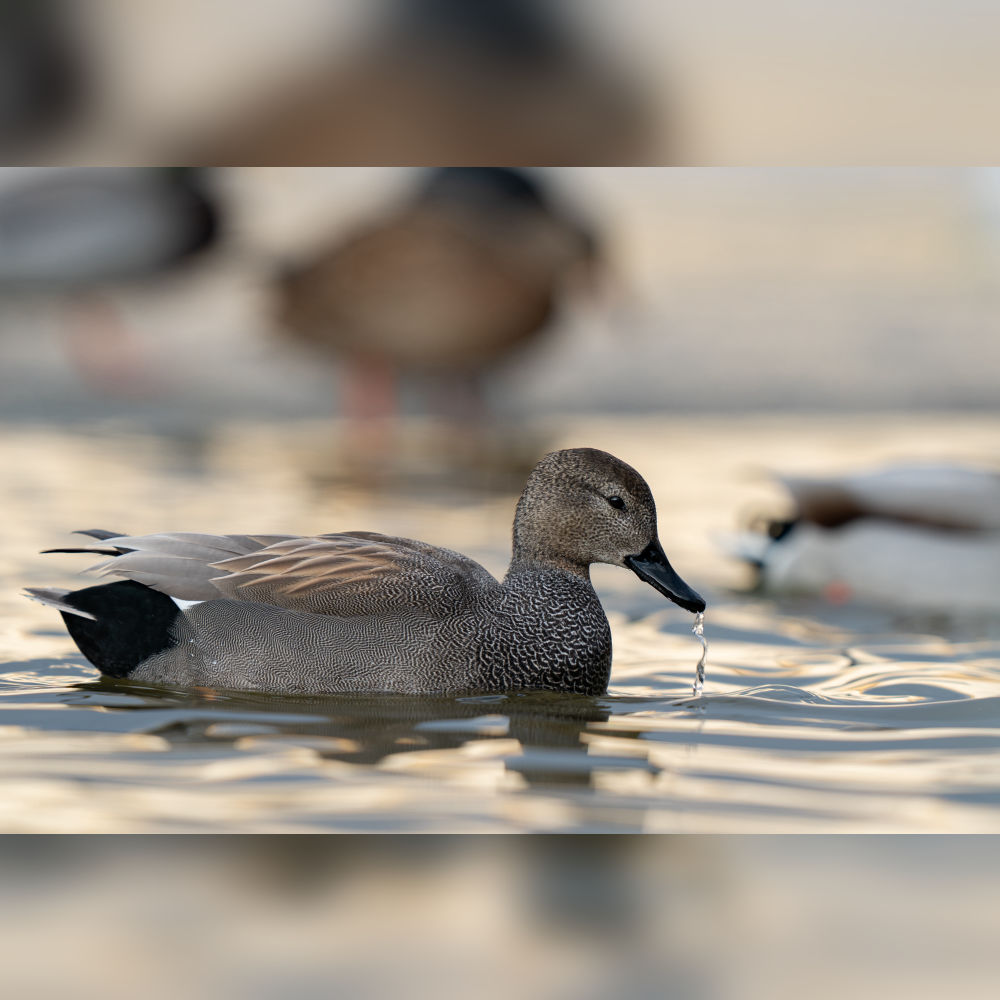
Gadwall
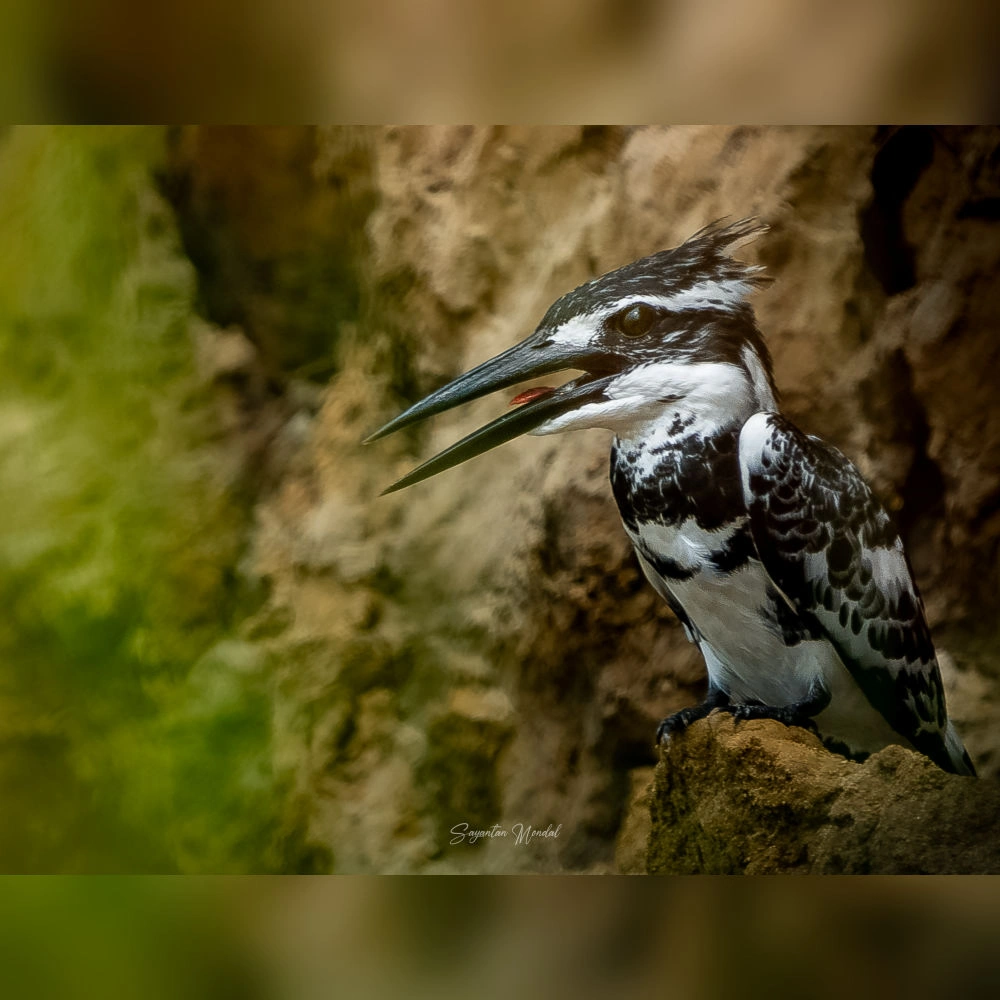
Pied Kingfisher
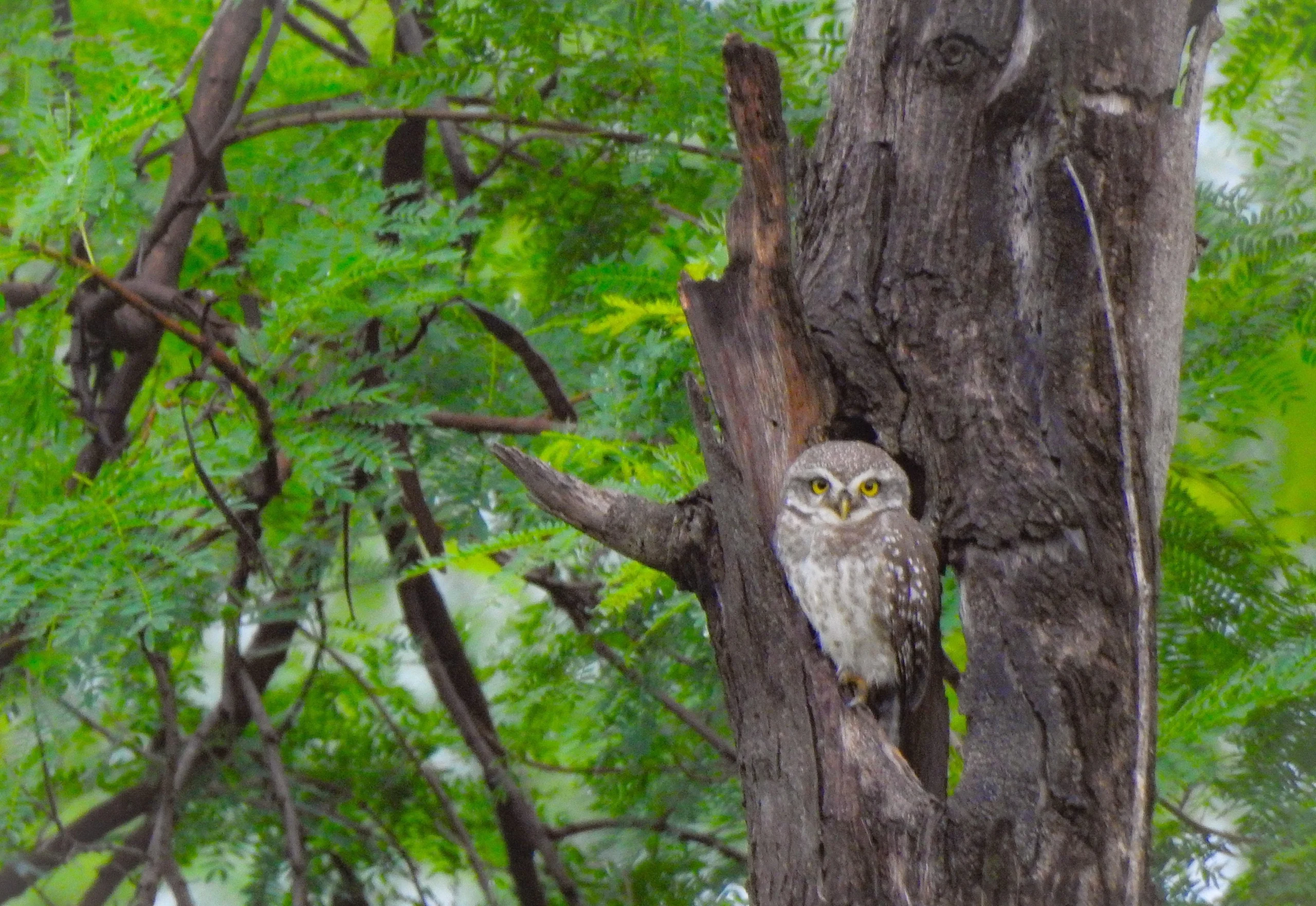
Spotted Owlet
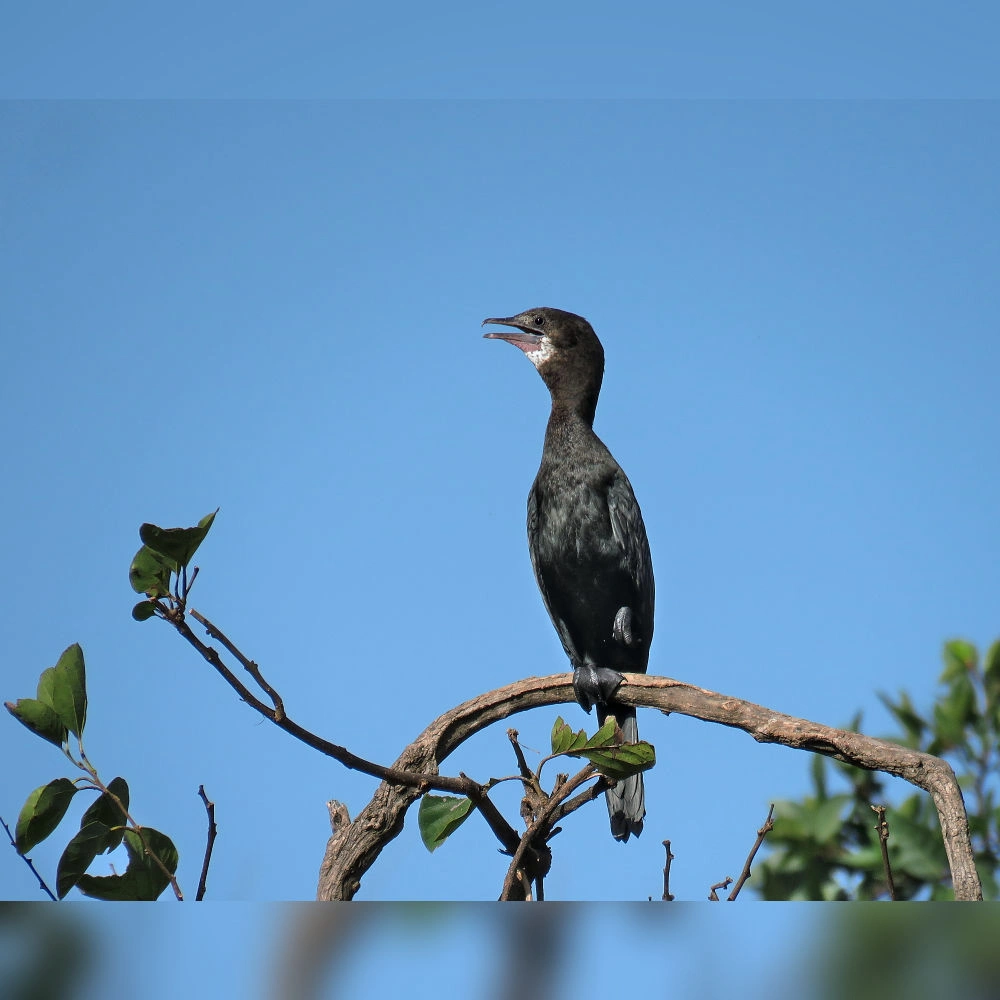
Little Cormorant
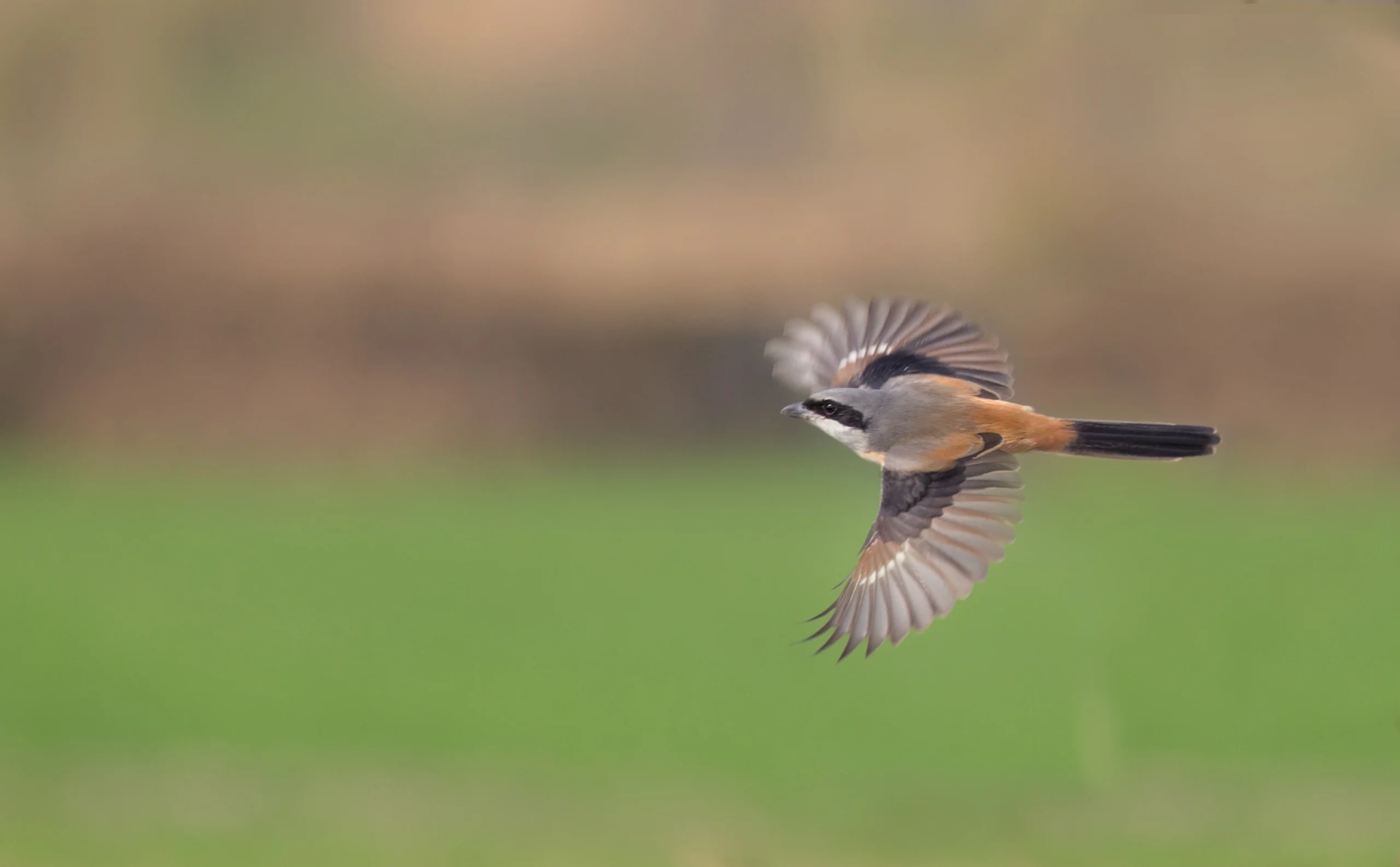
Long-tailed Shrike
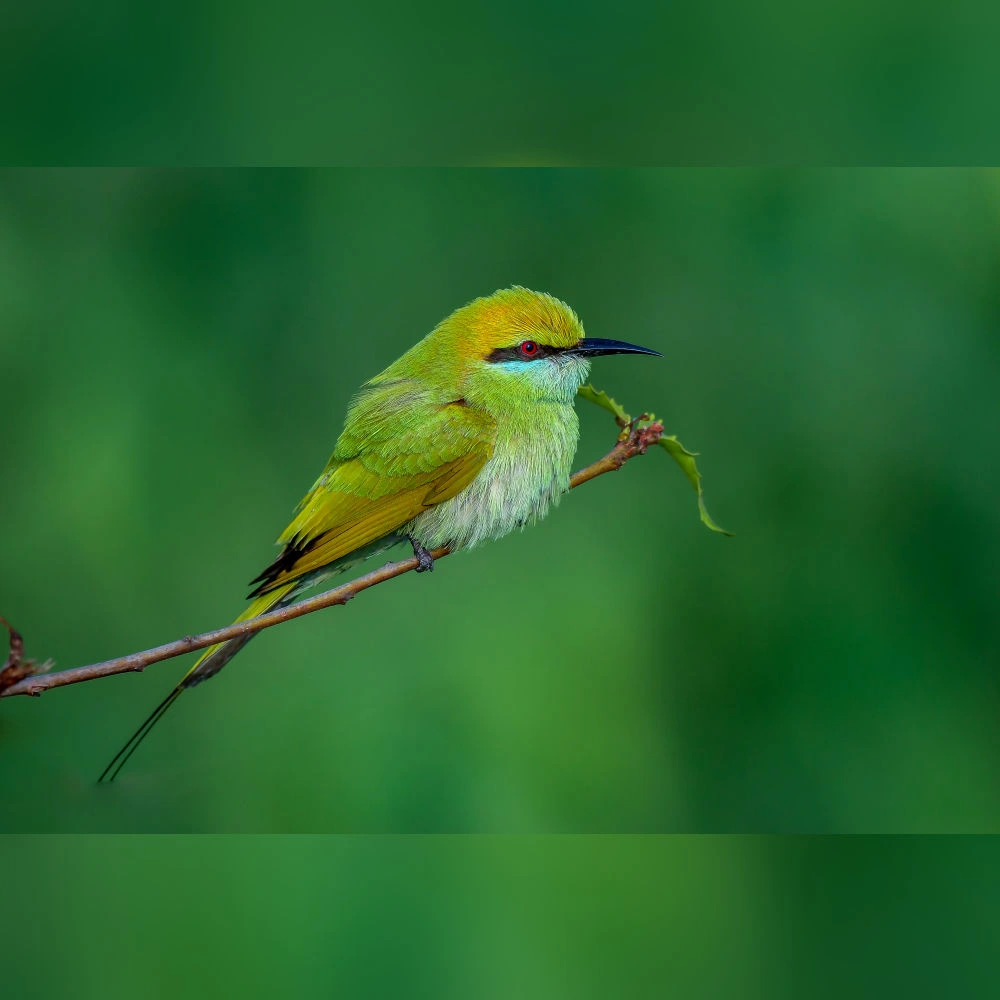
Asian Green Bee-eater

Summary of Walk

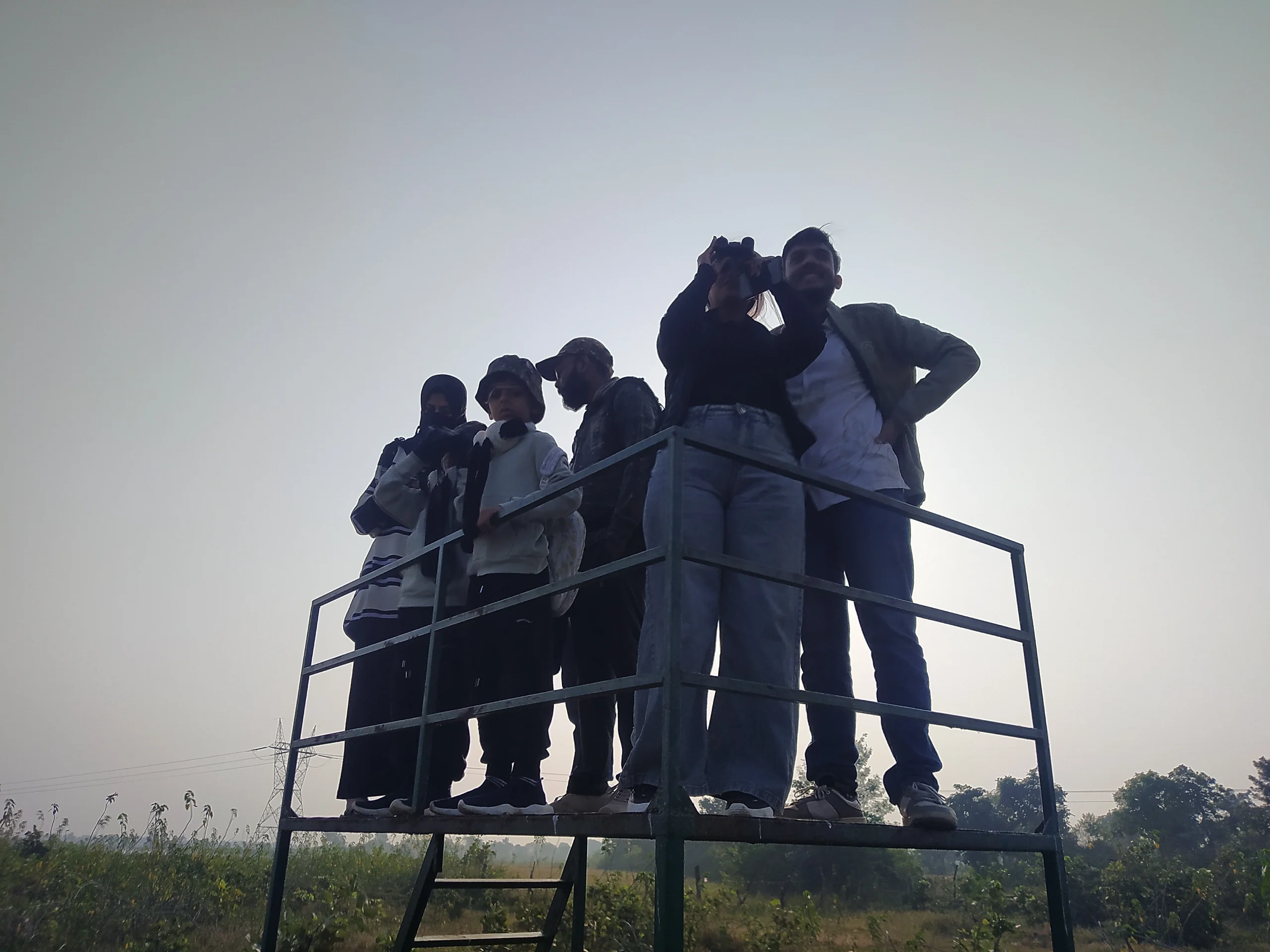
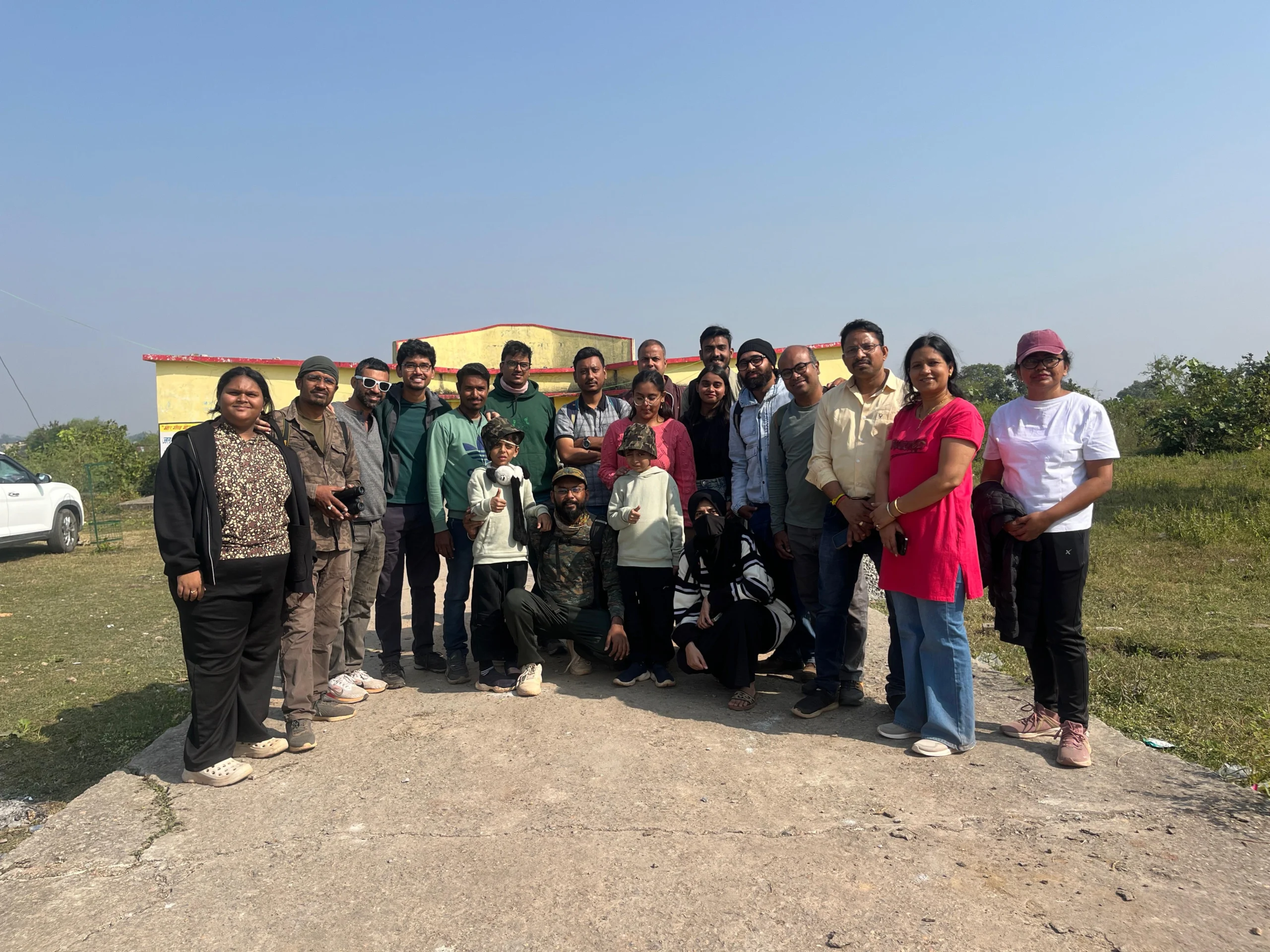
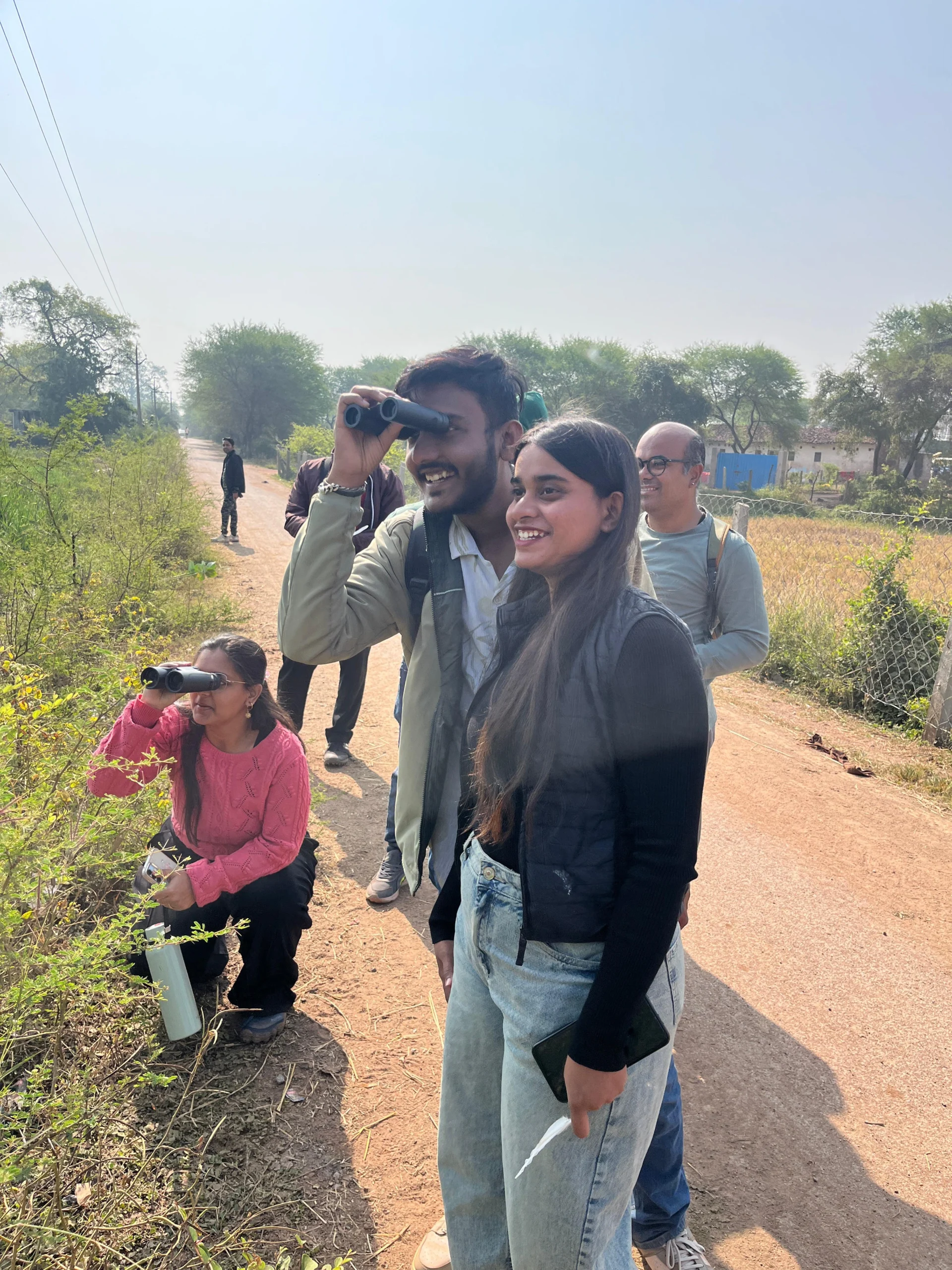
The bird walk at Kopra brought together 22 participants eager to explore the region’s rich avifauna. The group recorded around 30 species, including striking finds like Cotton Pygmy Goose, Brahminy Starling, Red-crested Pochard, Grey Francolin, Gadwall, Garganey, and the vibrant Red Avadavat. The mix of wetland and open-field habitats made for diverse and exciting sightings.
Throughout the walk, Ratnesh shared engaging bird stories and emphasized the power of citizen science. Participants learnt how simple observations contribute to broader conservation efforts and why protecting local habitats is essential for maintaining bird diversity. The walk offered both knowledge and inspiration to keep exploring nature with curiosity.
Number of Participants
0
Scroll to Top